Directory Submission for SEO: Does It Still Work in 2025?
Opens a Google-translated copy of this article in a new tab.
Search engine optimization directory submission was once the gold standard for building backlinks and boosting visibility. Fast forward to today, and the landscape has shifted dramatically. Most SEO professionals have written off directory submissions entirely, dismissing them as outdated relics from the early 2000s. But here’s what most people miss: the problem isn’t directory submissions themselves—it’s how they’re being used.
I remember spending entire afternoons in 2008 submitting client sites to hundreds of directories, convinced each link would move the needle. Those days are gone, but that doesn’t mean directory submissions have lost all value. The real question isn’t whether directory submission works—it’s understanding when, where, and how to leverage this tactic strategically in an environment where quality trumps quantity every single time.
- Selective value only: Directory submissions work for local and niche visibility when targeting high-quality, editorially reviewed platforms
- Quality beats quantity: 10-15 relevant directory listings outperform 200+ bulk submissions
- Local SEO advantage: NAP consistency across quality directories still influences local search rankings
- Avoid mass submissions: Automated directory submission software and bulk services create more risk than reward
- Measurement matters: Track referral traffic and indexing speed rather than just backlink counts
Is Directory Submission Still Worth It in 2025–2026? Myths, Realities, and the Right Mindset
The directory submission debate suffers from a fundamental misunderstanding. Most discussions frame this as an all-or-nothing proposition: either directory submissions work for SEO or they don’t. That binary thinking misses the nuanced reality. The effectiveness of directory submission in seo depends entirely on execution quality, directory selection, and strategic intent.
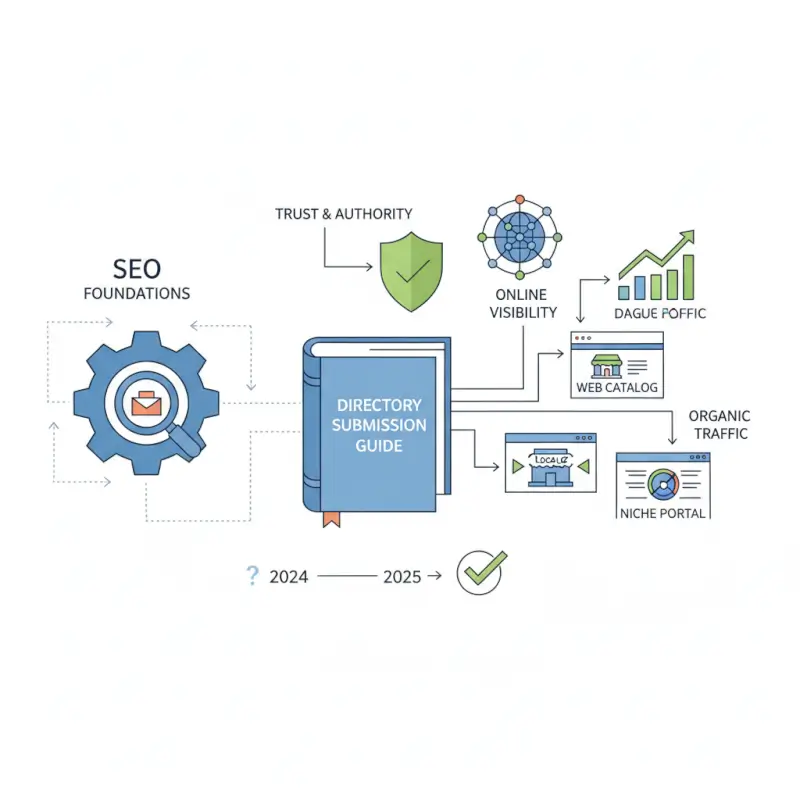
What Has Changed Since the Early 2010s to Today?
Google’s algorithm updates fundamentally transformed how search engines evaluate directory links. The Penguin update in 2012 specifically targeted manipulative link schemes, including low-quality directory submissions. According to Google’s spam policies documentation, participating in link schemes that artificially inflate PageRank can result in manual actions against your site.
Before Penguin, webmasters could submit to hundreds of automated directory submission sites and see tangible ranking improvements. The algorithm couldn’t effectively distinguish between editorial directories like DMOZ and spam-filled link farms. Today’s machine learning systems evaluate directories based on user engagement, editorial standards, traffic patterns, and topical relevance.
The shift from quantity to quality reshaped the entire free seo submission landscape. Search engines now assess whether a directory provides genuine value to users searching for businesses or resources. A directory with human moderation, clear categorization, active user engagement, and regular maintenance passes significantly more authority than one that auto-approves every submission.
Modern algorithms also evaluate link velocity and patterns. Submitting to 50 directories in a single day creates an unnatural link profile that triggers algorithmic scrutiny. The same 50 submissions spread over six months with varied anchor text and descriptions appears more organic. Understanding whether directory submission services are worth it requires evaluating these timing and quality factors.
How to Assess Whether a Directory Is Worth Submitting to for Your Site
Not all directories deserve your time, even free directory submission sites. Before investing effort in any submission, evaluate these critical factors:
Domain Authority and Trust Signals: Use tools like Moz or Ahrefs to check the directory’s domain authority. Aim for directories with DA scores above 30. More importantly, examine the directory’s backlink profile—does it have links from reputable sources, or is it primarily linked from other low-quality directories?
Editorial Review Process: Quality directories employ human editors who review submissions before approval. This curation process ensures listings maintain relevance and accuracy. If a directory auto-approves submissions instantly, that’s a red flag indicating low editorial standards.
Traffic and User Engagement: Check whether real users actually visit the directory. Tools like SimilarWeb can provide traffic estimates. A directory with genuine visitor traffic offers referral potential beyond just backlink value. I’ve seen clients receive qualified leads from niche directories with modest DA scores but highly engaged user bases.
Topical Relevance: General business directories have limited value compared to industry-specific platforms. A handmade jewelry business gains more from craft and artisan directories than from generic business listings. Relevance matters more than raw authority in many cases.
Monetization Methods: Be wary of directories that exist primarily to sell premium listings or generate ad revenue with minimal user value. Quality directories often have sustainable business models—membership fees, featured listings for established businesses, or industry association backing.
How to Choose Quality Directories: Criteria, Do’s, and Don’ts
Selecting the right directories separates effective strategy from wasted effort. The free directory submission software market is flooded with tools promising to submit your site to thousands of directories instantly. These tools create more problems than they solve, as they inevitably target quantity over quality.
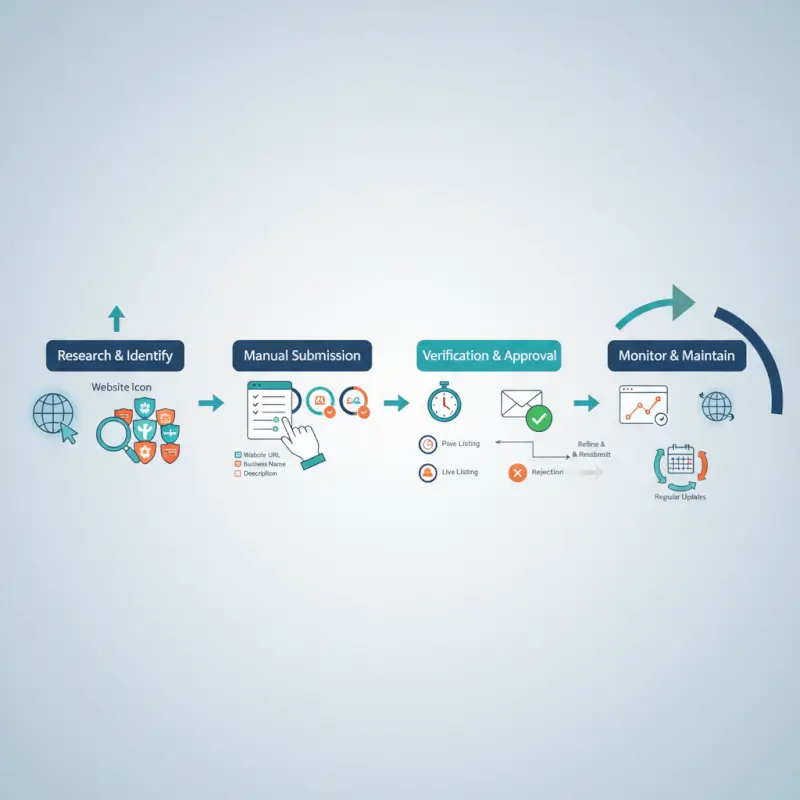
Selection Criteria: Domain Authority, Topical Relevance, Editorial Review, and Traffic
Start with domain authority as a baseline filter, but don’t stop there. A directory with DA 40 that accepts every submission without review carries less value than a niche directory with DA 25 that maintains strict editorial standards. Research from Moz’s backlink analysis confirms that link quality depends more on editorial integrity than raw authority metrics.
Topical alignment matters enormously for search engine optimization directory submission value. If you run a local plumbing business, industry directories for home services, contractor associations, and local chamber of commerce listings provide far more relevance than general business directories. Search engines evaluate the semantic relationship between the linking site and your content.
Active maintenance indicates directory quality. Check when listings were last updated—directories with recent activity and regular content updates signal ongoing management. Abandoned directories with outdated listings from 2015 provide minimal value and may even carry negative associations.
User interface and experience reflect directory priorities. Well-designed directories with intuitive navigation, working search functionality, and mobile optimization demonstrate investment in user value. Directories cluttered with ads, broken links, or confusing layouts exist primarily for link manipulation rather than user service.
| Quality Indicator | Good Sign | Red Flag |
|---|---|---|
| Approval Process | Human review, 3-14 day wait | Instant auto-approval |
| Submission Requirements | Detailed business info, verification | Minimal fields, no verification |
| Directory Content | Curated, categorized, updated | Duplicate content, spam listings |
| Traffic Indicators | SimilarWeb shows monthly visitors | No measurable traffic |
| Monetization | Modest featured listings | Heavy ads, reciprocal link demands |
Risk Management: Spam Risk, Penalties, and NAP Consistency for Local SEO
The risks of poor directory submission strategy extend beyond wasted time. Low-quality directory links can trigger algorithmic penalties that suppress your entire domain’s visibility. Google’s algorithms specifically look for unnatural link patterns, and mass directory submission creates exactly that pattern.
Consider the submission velocity carefully. Submitting to 100 directories in a week looks manipulative regardless of directory quality. Space submissions over several months to maintain natural link acquisition patterns. This approach also allows you to monitor results and adjust strategy based on which directories actually deliver value.
NAP consistency—ensuring your business Name, Address, and Phone number remain identical across all listings—matters critically for local SEO. Inconsistent information confuses search engines and dilutes the citation value of your directory listings. Before starting any directory submission campaign, establish your official NAP format and use it identically everywhere.
Even small variations damage local search performance. “123 Main St.” versus “123 Main Street” or “(555) 123-4567” versus “555.123.4567” create citation conflicts. Create a reference document with your exact NAP format and business description variations to maintain consistency across all submissions.
Local and Niche Directories: Where They Still Drive Value
While general business directories have lost most of their SEO value, local and niche directories maintain relevance because they serve genuine user needs. People searching for “sustainable home goods” or “Denver plumbers” often discover businesses through specialized directories that curate relevant options.

Local Citation Role and How to Align Directory Submissions With Your Local SEO Strategy
Local citations—mentions of your business name, address, and phone number across the web—directly influence local search rankings. Google’s local algorithm uses citation consistency to verify business legitimacy and location. A complete, accurate listing in your city’s chamber of commerce directory carries more local SEO weight than 50 generic national directory listings.
Prioritize local directories in this order: government and municipal business registries, chamber of commerce and business associations, Better Business Bureau and industry-specific accreditations, local news and media business directories, and community-focused platforms like Nextdoor Business Pages. These platforms offer both SEO value and genuine customer discovery potential.
Local directory submission should align with your broader local SEO strategy. If you’re optimizing for multiple service areas, ensure consistent listings across all relevant geographic directories. A plumbing company serving three counties should have consistent information in all three county business directories plus the broader metropolitan chamber of commerce.
Track which local directories actually drive phone calls and website visits using call tracking numbers and UTM parameters. I’ve worked with clients who received more qualified leads from a single well-placed local directory than from dozens of national listings. The referral value often exceeds the direct SEO benefit.
Niche Directories by Industry or Topic: How to Pick the Right Categories and Craft Optimized Listings
Industry-specific directories often maintain higher quality standards than general platforms because they serve specialized audiences. A veterinary clinic gains more from pet industry directories than from general business listings. These niche platforms attract users with specific intent, increasing the likelihood of conversion from directory traffic.
Research niche directories by examining where your competitors are listed and exploring industry association websites. Professional organizations frequently maintain member directories that offer both credibility and SEO value. Trade publications and industry media sites often include business directories as part of their content offerings.
Category selection within directories significantly impacts visibility and relevance. Most directories offer multiple category options—choose the most specific categories available rather than broad general classifications. A “sustainable furniture maker” should select “eco-friendly furniture” over just “furniture” if that option exists.
Craft unique descriptions for each directory submission rather than copying identical content everywhere. Search engines may devalue repeated text patterns across multiple sites. Vary your business descriptions while maintaining core information consistency. Include relevant keywords naturally but avoid over-optimization that appears manipulative.
For businesses considering building their own directory platform, TurnKey Directories offers a WordPress plugin that simplifies directory creation with built-in SEO optimization and management tools. This approach can establish your business as an industry authority while creating a valuable resource for your target audience.
A Practical, Structured Process for Directory Submissions (2025–2026)
Effective directory submission requires systematic execution rather than haphazard submissions whenever you discover new directories. Following a structured process ensures consistency, quality control, and measurable results that inform ongoing strategy adjustments.
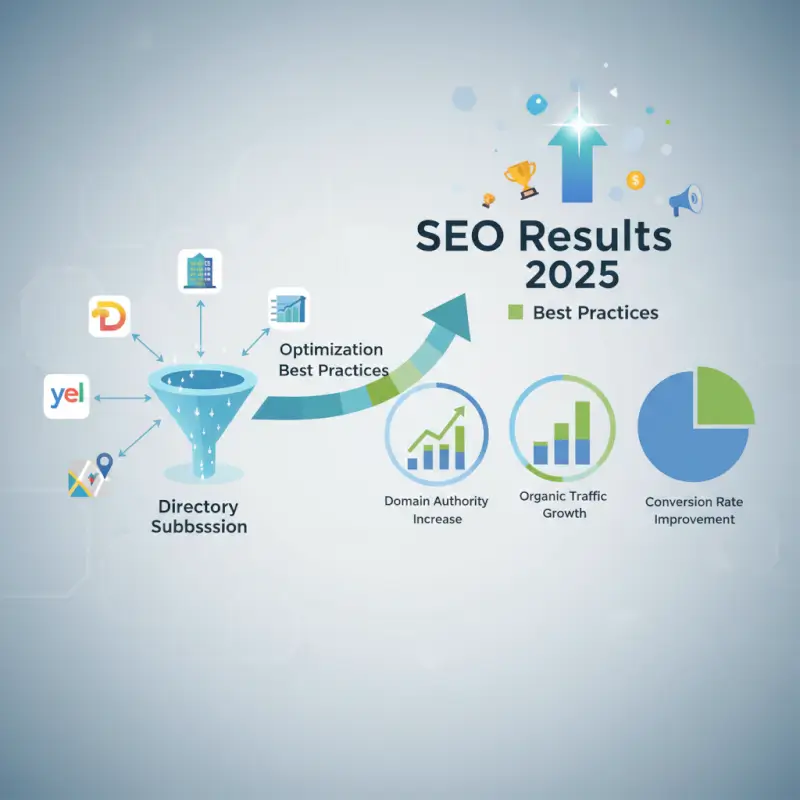
Step-by-Step Workflow: Research, Submission, Optimization, and Tracking
Phase 1: Research and Directory Vetting (Week 1-2)
Begin by compiling a comprehensive list of potential directories through competitor backlink analysis using tools like Ahrefs or Moz, industry association research, local chamber and business organization directories, and niche-specific platform identification. Aim for an initial list of 30-50 potential directories, knowing you’ll eliminate most through quality vetting.
Evaluate each directory using the criteria outlined earlier—domain authority, editorial standards, traffic indicators, and topical relevance. Create a spreadsheet tracking directory name, URL, domain authority, approval process, category options, and submission requirements. This documentation streamlines the submission process and helps maintain consistency across listings.
Phase 2: Preparation and Content Development (Week 2-3)
Before submitting to any directories, prepare your submission materials including standardized NAP information in your official format, 5-7 business description variations (150-250 words each), properly sized business logo and images, category selection strategy for different directory taxonomies, and relevant business credentials or certifications.
Document your keyword strategy for directory submissions. Identify 3-5 primary keywords that should appear in most descriptions and 10-15 secondary keywords to rotate across different submissions. This preparation ensures keyword optimization without repetitive content patterns.
Phase 3: Systematic Submission (Ongoing, 3-5 per month)
Submit to 3-5 directories monthly to maintain natural link velocity. Prioritize the highest-quality directories first, saving lower-priority options for later months. For each submission, customize the business description using one of your prepared variations, select the most specific relevant categories available, include all requested business information completely and accurately, and document submission date and login credentials in your tracking spreadsheet.
Take screenshots of submission confirmations and approval emails. These records prove submission dates if questions arise about link timing or patterns. Many quality directories take 1-4 weeks for editorial review, so patience is essential.
Phase 4: Monitoring and Verification (Ongoing)
After submission, monitor approval status weekly. Once approved, verify that your listing appears correctly with accurate information and functioning links. Add approved directory URLs to your backlink tracking within Google Search Console. Set calendar reminders for quarterly audits of all directory listings.
What to Measure and How to Interpret Results
Measuring directory submission effectiveness requires looking beyond simple backlink counts. Track these metrics to evaluate real impact: referral traffic from each directory using Google Analytics source/medium reports, time on site and conversion rates for directory-sourced traffic, indexing speed for new pages after directory submissions, local search ranking improvements for targeted keywords, and direct inquiries or phone calls attributed to directory visibility.
Set up UTM parameters for each directory submission to track traffic and conversions accurately. Use format like: yoursite.com?utm_source=directoryname&utm_medium=directory&utm_campaign=directory-seo. This granular tracking reveals which directories deliver actual value versus which provide only low-quality backlinks.
According to Forbes’ overview of SEO strategy, measuring business outcomes rather than just technical metrics determines whether tactics deserve continued investment. Apply this principle to directory submissions—if a directory drives zero referral traffic and no measurable ranking improvement after six months, that listing offers minimal value.
Compare your directory submission results against other link-building tactics. If guest posting on industry blogs consistently delivers better referral traffic and engagement than directory listings, adjust your resource allocation accordingly. Directory submissions should complement higher-ROI tactics rather than dominate your link-building strategy.
Alternatives and Complements to Directory Submissions in a Modern SEO Plan
Directory submissions should represent just one component of a diversified link-building strategy. Overreliance on any single tactic creates vulnerability when algorithms change or platforms decline. Understanding how directory submission seo fits within broader strategy helps optimize resource allocation.

Content-Driven and Entity-Building Tactics That Outperform Bulk Directory Linking
Content marketing consistently delivers higher ROI than directory submissions for most businesses. Creating genuinely valuable resources—comprehensive guides, original research, industry analysis, or useful tools—attracts natural backlinks from relevant sites. These editorial links carry substantially more authority than directory citations.
Entity building through structured data and knowledge graph optimization establishes your business as a recognized entity in Google’s understanding of your industry. Claiming and optimizing your Google Business Profile, creating comprehensive Wikipedia entries if your business qualifies, maintaining consistent information across major data aggregators like Data Axle and Neustar, and implementing schema markup on your website all strengthen entity signals.
Digital PR and outreach to journalists and bloggers in your industry generates high-authority links that directory submissions can’t match. According to research highlighted in SEMrush’s link building analysis, earned media links deliver measurably higher rankings impact than directory citations. These tactics require more effort but produce substantially better results.
Building industry relationships through speaking engagements, podcast interviews, webinar participation, and expert roundups creates natural link opportunities while establishing thought leadership. These activities deliver compounding returns—visibility leads to more opportunities which generate additional visibility and links.
Link-Quality-Focused Strategies: Guest Posting, Local Citations, and High-DA Assets
Strategic guest posting on authoritative industry publications delivers both high-quality backlinks and targeted traffic. Focus on platforms your target audience actually reads rather than pursuing guest posts solely for link value. One article on a respected industry publication often provides more SEO impact than 20 directory listings.
Local citation building extends beyond directory submissions to include mentions in local news articles, sponsorships of community events, partnerships with local organizations, and participation in local business features. These citations often include contextual links and genuine visibility rather than just structured directory listings.
Creating linkable assets—original research, industry surveys, comprehensive data compilations, or useful tools—attracts natural backlinks as others reference your resource. This approach transforms link building from outbound pursuit to inbound attraction. A single authoritative resource can generate dozens or hundreds of natural backlinks over time, as discussed in our guide to running successful directory websites.
Platform like TurnKey Directories enable businesses to create their own industry directory or resource hub, positioning themselves as industry authorities while providing genuine value to their target audience. This strategy builds authority while creating a platform for ongoing link acquisition and industry visibility.
Frequently Asked Questions
Do directory submissions still work for SEO in 2025?
Directory submissions provide limited but measurable SEO value when focused on high-quality, niche-specific, or local directories. They contribute to citation consistency and backlink diversity but should not be your primary link-building strategy. Mass submissions to low-quality directories offer no benefit and carry penalty risk.
How many directory submissions should I make?
Focus on 10-20 carefully vetted, high-quality directories rather than pursuing hundreds of listings. Submit at a rate of 3-5 directories per month to maintain natural link velocity. Quality and relevance matter far more than quantity in modern directory submission strategy.
What is NAP consistency and why does it matter?
NAP refers to your business Name, Address, and Phone number. Maintaining identical formatting across all directory listings helps search engines verify your business legitimacy and location. Inconsistent NAP information confuses search algorithms and dilutes the local SEO value of your citations.
Should I use automated directory submission software?
Avoid automated directory submission tools. These services submit to hundreds of low-quality directories simultaneously, creating unnatural link patterns that can trigger algorithmic penalties. Manual submission to carefully vetted directories delivers better results with minimal risk.
Are business directory submissions worth it for local SEO?
Yes, business directory submission remains valuable for local SEO when targeting quality local directories. Chamber of commerce, Better Business Bureau, and municipal business registries provide both citation consistency and genuine visibility to local customers actively searching for services.
What are the best free directories for SEO?
The best free seo directories vary by industry and location, but generally include Google Business Profile, Bing Places, industry-specific association directories, local chamber of commerce listings, and established niche directories with editorial review processes. Evaluate each based on relevance and user traffic rather than just domain authority.
How do I measure directory submission effectiveness?
Track referral traffic from directories using Google Analytics, monitor local search ranking changes for target keywords, measure direct inquiries attributed to directory visibility, and assess indexing speed for new content. Focus on business outcomes like leads and conversions rather than just backlink counts.
What other strategies complement directory submissions?
Content marketing, digital PR outreach, guest posting on authoritative industry sites, and creating linkable assets all complement directory submissions. These tactics typically deliver higher ROI than directories alone. For businesses building industry authority, platforms like TurnKey Directories enable creation of your own curated directory resource.
Take Action With Strategic Directory Submissions
Directory submission hasn’t died—it’s evolved. The tactic that once drove SEO success through sheer volume now demands precision, selectivity, and strategic intent. Understanding is directory submission good for seo requires moving past binary thinking to recognize the nuanced contexts where this tactic still delivers measurable value.
The businesses seeing results from directory submissions in 2025 aren’t those submitting to 500 directories via automated software. They’re the ones carefully selecting 15-20 quality directories aligned with their industry and location, submitting at natural velocity with customized content, maintaining rigorous NAP consistency, tracking actual business outcomes rather than just backlink counts, and integrating directory citations within broader content and authority-building strategies.
Directory submission works best as part of an ecosystem—not as an isolated tactic but as one element supporting local visibility, citation consistency, and backlink diversity. When you approach it with the right expectations and execution, it remains a useful tool in the SEO toolkit.
Start With Quality, Not Quantity
Audit your current directory presence this week. Remove low-quality listings that may be harming your site. Identify the 10 most authoritative directories in your industry and location. Create your NAP reference document and 5 description variations. Then commit to submitting to just 3-5 quality directories per month for the next quarter.
Your next step: Download your backlink profile, identify which directories you’re already listed in, verify information accuracy, and create your submission roadmap prioritizing quality over coverage.
Was this article helpful?