Free Government Phone Directory: Find Official Federal & State Contact Numbers

Generating summary...
Ever spent an hour being transferred between departments, only to end up back where you started? You’re not alone. Finding the right government contact shouldn’t feel like navigating a maze, but outdated directories and scam sites have made it unnecessarily complicated. The truth is, reliable government phone directories exist—completely free and maintained by the agencies themselves—but most people waste time on third-party aggregators that may contain outdated or incorrect information.
This guide cuts through the confusion. I’ll show you exactly where to find verified government contact numbers, how to distinguish official resources from imposters, and how to reach the right department on your first try. No more wasted calls, no more frustration.
TL;DR – Quick Takeaways
- Official directories are always free – Any site charging for government contact information is not legitimate
- Start with USA.gov – The most comprehensive federal directory, updated quarterly by agencies themselves
- Look for .gov domains – This extension is restricted to verified government entities only
- Cross-check before calling – Verify numbers across multiple official sources to avoid outdated listings
- Watch for scam red flags – Excessive ads, payment requests, and missing update dates signal unreliable sources
Where to Find Official Government Phone Contacts Online
The federal government operates hundreds of agencies, each with specialized departments handling specific inquiries. Rather than calling a general switchboard and hoping for the best, you can pinpoint exactly which office handles your issue using official contact portals.
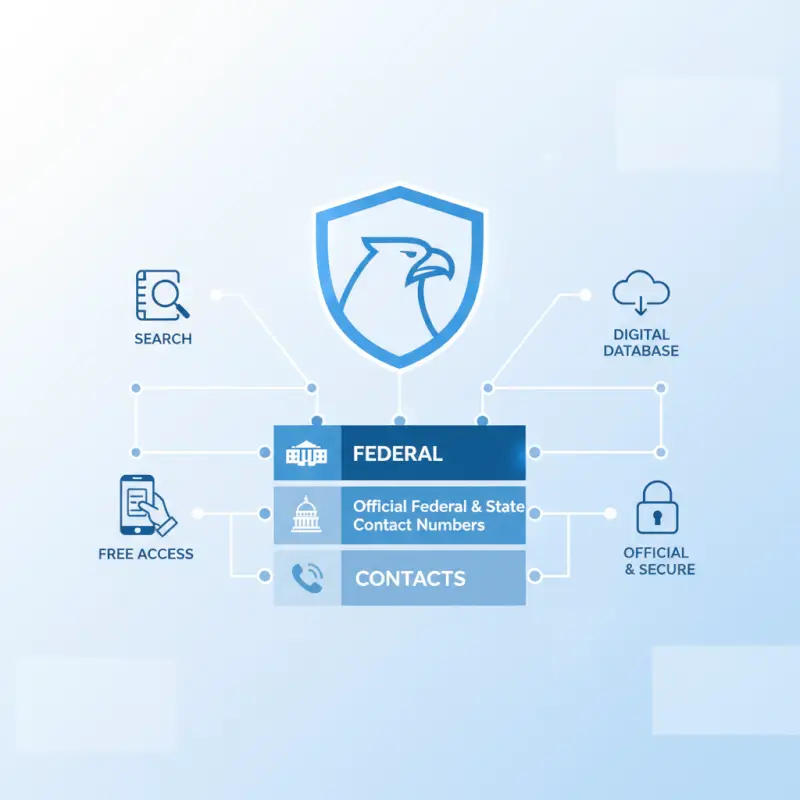
The challenge isn’t lack of information—it’s knowing where to look. Private directory sites rank high in search results but often present outdated numbers surrounded by ads. Meanwhile, authoritative government portals sit further down the page, containing current contact details maintained by the agencies themselves.
Primary Official Portals and Centralized Contact Hubs
USA.gov serves as the federal government’s official web portal, consolidating contact information for all major agencies in one searchable database. Unlike commercial directories that scrape publicly available data (and may not update it regularly), USA.gov pulls directly from agency sources and undergoes quarterly reviews.
The portal organizes contacts by both agency name and topic, which proves invaluable when you know what you need help with but aren’t sure which department handles it. For instance, searching “small business loans” will surface the Small Business Administration’s contact information, while an agency-based search lets you browse all departments within a specific organization.
State government portals follow a similar model at the state level. Each state maintains an official website (typically statename.gov) with comprehensive agency directories. California’s ca.gov, Texas’s texas.gov, and New York’s ny.gov all feature searchable contact databases covering state agencies, regional offices, and links to county resources.
These centralized hubs matter because they eliminate the guessing game. Instead of calling five different numbers and explaining your situation repeatedly, you identify the specific office that handles your exact issue before picking up the phone.
Agency-Specific Contact Pages and Helplines
Every federal agency maintains its own contact page, usually accessible from the main navigation menu under “Contact Us” or “Help.” These pages often provide multiple contact methods: phone numbers, email forms, mailing addresses, and increasingly, live chat options.
The Federal Trade Commission contact page exemplifies this approach. It separates contacts by purpose—consumer complaints, media inquiries, business guidance—ensuring you reach staff equipped to handle your specific need. Similarly, the Federal Communications Commission complaint center routes telecommunications issues to the appropriate division based on your selection from categorized options.
Agency-specific pages also include crucial details like operating hours, expected response times, and which issues require written correspondence versus phone contact. The Social Security Administration’s contact page, for instance, clearly states which services require in-person appointments versus phone scheduling.
I learned this the hard way when trying to resolve a passport issue last year. After calling the main State Department number three times and waiting on hold for 45 minutes each time, I discovered their website listed direct numbers for different passport services—routine processing, expedited requests, and overseas emergencies each had dedicated lines with significantly shorter wait times.
Verifying and Cross-Checking Official Contacts
Not every directory claiming to offer government contacts is trustworthy. The proliferation of ad-supported sites and outright scams has made verification an essential step before making any government contact.
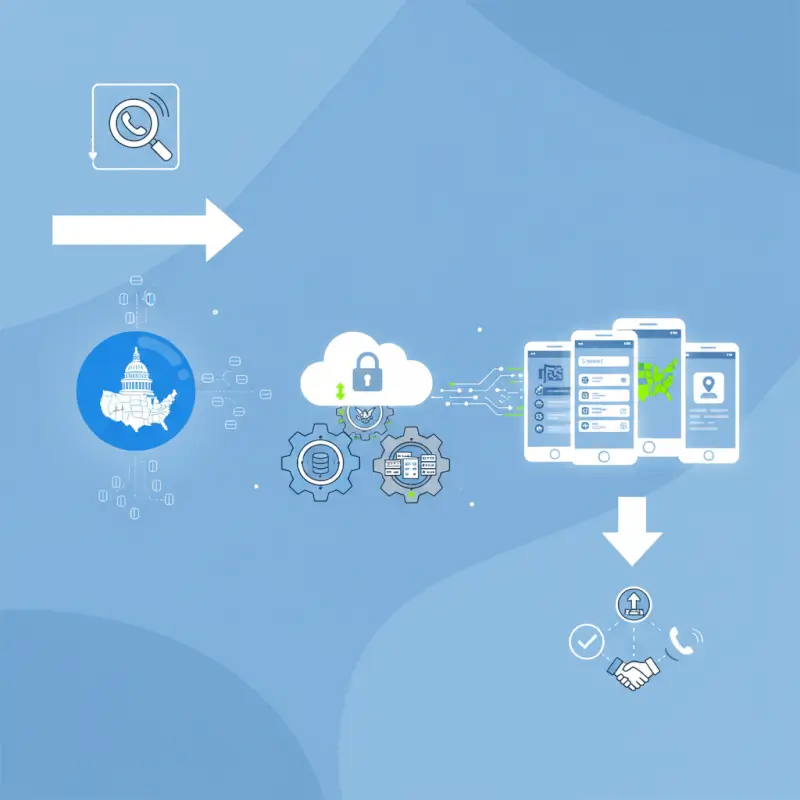
Government reorganizations happen regularly. Departments merge, phone systems upgrade, and offices relocate. A directory that hasn’t been updated in two years may contain numbers that ring to the wrong department or, worse, disconnected lines. Cross-checking information against multiple official sources takes an extra minute but can save hours of misdirected calls.
Red Flags in Non-Government Directories
Several warning signs indicate you’ve landed on an unreliable directory. Payment requests top the list—legitimate government contact information is public record and should never require a subscription or one-time fee to access. Sites asking for credit card details to “unlock” phone numbers are either reselling freely available information or operating scams.
Excessive advertising presents another red flag. While some legitimate sites display minimal ads to cover hosting costs, pages overwhelmed with pop-ups, auto-play videos, and banner ads prioritize revenue over accuracy. These sites often copy-paste outdated information without verification.
Missing update dates or vague “last verified” claims signal potential problems. Reputable directories display clear timestamps showing when information was last reviewed. A site claiming to offer “current” contacts without specifying when they were verified likely hasn’t performed recent updates.
Domain names also reveal legitimacy. Official government sites use .gov extensions (or state.gov variations for state agencies). Commercial sites using .com, .net, or .org domains aren’t inherently fraudulent, but they require extra scrutiny. Cross-reference any information found on non-.gov sites with official sources before using it.
Best Practices to Verify a Contact
Start by checking the domain. Federal agencies use .gov exclusively; state agencies use state.gov formats. If you find a number on a .com site, don’t assume it’s wrong—just verify it against the official agency site before calling.
Cross-referencing across sources confirms accuracy. If USA.gov, the agency’s own contact page, and your state’s official portal all list the same number, you can trust it’s current. Discrepancies between sources warrant additional investigation—when in doubt, the agency’s own website takes precedence over aggregated directories.
Check for recent updates. Most official directories display review dates at the bottom of the page or in an “About” section. Federal directories typically update quarterly, though high-priority agencies may refresh information monthly. State and local directories vary but should indicate their update schedule.
The USA.gov agency profile for the FTC demonstrates proper verification elements: a .gov domain, clear contact methods, last update timestamp, and links to the agency’s own website for additional details. Compare any directory you’re considering against this standard.
For time-sensitive matters, call a general information line first to confirm you have the correct direct number. Many agencies operate automated systems that provide updated contact information for specific departments, effectively serving as real-time verification.
Recommended Official Sources for Government Contact Information
Five primary sources stand above the rest for reliability, comprehensiveness, and ease of use. Each serves specific purposes while maintaining high accuracy standards through regular updates and direct agency input.

These aren’t just convenient options—they’re the sources government employees themselves reference when citizens ask how to contact other agencies. Understanding which to use for different situations streamlines your search and ensures you’re working with current information.
Central Government Portals
USA.gov consolidates federal contact information in the most comprehensive public directory available. The site organizes agencies alphabetically, by topic, and by service type, allowing multiple pathways to find the right contact. Search functionality accepts agency names, keywords, or even common questions (“How do I report fraud?” routes to appropriate agency contacts).
The portal’s topic-based organization proves especially valuable when you’re unsure which agency handles your issue. Categories like “Health,” “Money and Taxes,” “Travel and Immigration,” and “Jobs and Unemployment” group related agencies together, letting you browse until you find the right fit.
Beyond basic phone numbers, USA.gov listings include email addresses, contact forms, physical addresses, and increasingly, social media handles for agencies maintaining active public engagement channels. Many entries also note whether the agency offers services in languages other than English.
State government portals mirror this approach at the state level. California’s ca.gov features a searchable agency directory covering everything from the Department of Motor Vehicles to professional licensing boards. Texas’s texas.gov organizes contacts by both agency and life event (“Starting a Business,” “Getting Married,” “Moving to Texas”), anticipating common citizen needs.
The advantage of these centralized portals is consistency. Once you understand how to navigate one state’s portal, others follow similar patterns. Most include advanced search filters by location, helping you find regional offices or county-specific services.
Agency “Contact” Pages
Every federal agency maintains its own contact page accessible from its homepage. These pages offer the most detailed and current information available because they’re maintained by the agency itself rather than aggregated from external sources.
The FCC’s agency profile on USA.gov demonstrates how federal agencies structure contact information: main phone lines, department-specific numbers, complaint filing processes, and separate contacts for media, congressional, and public inquiries.
Agency contact pages often segment information by audience. Business owners see different contact options than individual consumers. Researchers and academics may find dedicated liaison contacts. This segmentation ensures you reach staff familiar with your specific type of inquiry rather than generalists who may need to transfer you.
Many agencies now offer contact form alternatives to phone calls, particularly useful for non-urgent matters or when you need to attach documentation. These forms route to the appropriate department based on your selections, creating a written record of your inquiry and enabling asynchronous communication that doesn’t require matching schedules.
Government Publishing Office Resources
The U.S. Government Publishing Office directory catalog maintains official phone directories in downloadable formats. These comprehensive listings serve as reference documents for official government contact information, though they update less frequently than web-based portals.
GPO directories prove valuable for historical research or when you need to understand organizational hierarchies. They often include more detailed information about department structures, reporting relationships, and position titles than simplified web directories.
While these resources serve important archival purposes, the quarterly update cycle means web-based portals typically offer more current contact information for day-to-day use. Still, GPO directories provide an additional verification source when cross-checking information from other channels.
Practical How-To: Finding the Right Contact for Your Needs
Knowing where directories exist is one thing; using them efficiently requires understanding which channel to use for different situations. The contact method that works for general questions may not be appropriate for complaints, emergencies, or time-sensitive matters.
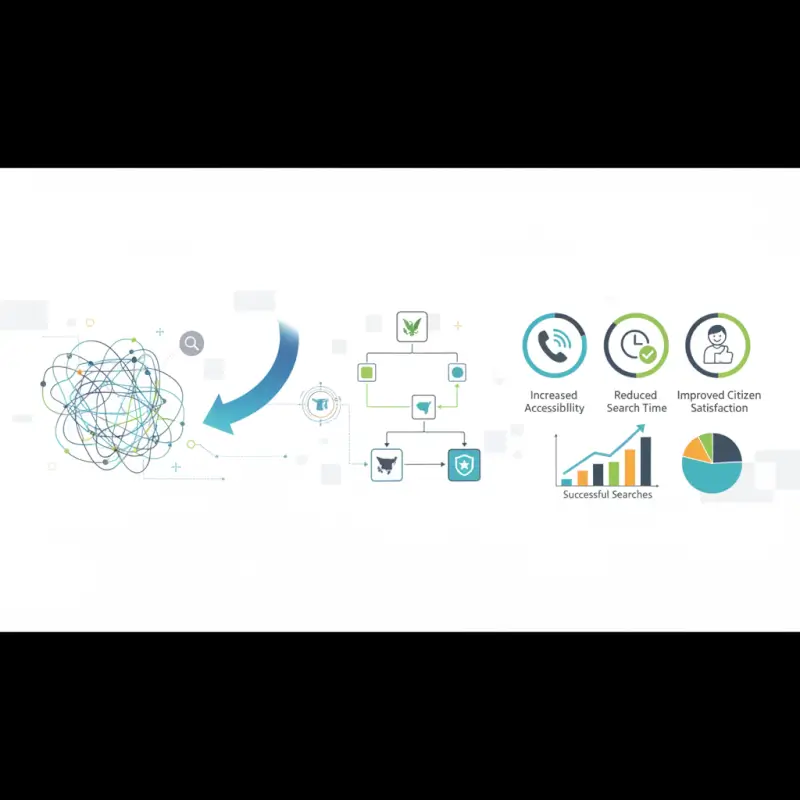
Government agencies structure their contact systems around common inquiry types. Learning to match your need with the appropriate channel saves time and increases the likelihood of prompt resolution.
General Inquiries Versus Complaint Filings
General information requests—”What documents do I need to apply for this benefit?” or “What are your office hours?”—typically route through main agency numbers or online contact forms. These channels connect you with staff trained to answer common questions or direct you to the appropriate specialized department.
Complaints and violations require different pathways. The FTC, for instance, separates its consumer complaint process from general inquiries. Filing a fraud report goes through a dedicated complaint assistant portal, while questions about FTC regulations use different contact channels. This separation ensures complaints reach investigators rather than general information staff.
Most regulatory agencies maintain dedicated complaint systems with specific filing procedures. The FCC’s consumer complaint center categorizes issues by type—robocalls, billing disputes, service quality—routing each to specialized teams. Following the designated complaint process creates an official record and triggers appropriate investigative procedures.
When distinguishing between inquiry types, ask yourself: Am I seeking information about a policy or program, or am I reporting a problem that needs investigation? Information questions use general contacts; reported violations or grievances require formal complaint channels.
| Inquiry Type | Appropriate Channel | Expected Response Time |
|---|---|---|
| General Information | Main phone line, contact form | Immediate to 3 business days |
| Formal Complaint | Dedicated complaint portal | 10-30 business days |
| Document Requests | FOIA portal or mail | 20-60 business days |
| Emergency/Crisis | Dedicated hotline | Immediate |
Emergencies and Time-Sensitive Inquiries
True emergencies—threats to health, safety, or security—require immediate contact through dedicated emergency lines rather than standard business numbers. Many agencies maintain separate hotlines for crisis situations that operate 24/7 with trained emergency response staff.
The Department of Homeland Security’s emergency contact numbers differ from its standard business lines. Immigration emergencies, cybersecurity incidents, and disaster-related inquiries each have specific hotlines designed for rapid response. Using these dedicated lines ensures your urgent matter reaches appropriate personnel immediately rather than entering a general queue.
Time-sensitive but non-emergency matters fall into a middle category. An expiring passport needed for upcoming travel, a benefits payment that hasn’t arrived on schedule, or a business license renewal with an approaching deadline—these situations require prompt attention without constituting true emergencies.
For these scenarios, many agencies offer expedited contact options. Some provide “priority” phone lines for time-sensitive matters, while others allow you to indicate urgency when submitting online contact forms. Agency websites typically outline which situations qualify for expedited handling and how to access these pathways.
Crafting Effective Outreach Messages
Whether calling or submitting written inquiries, preparation increases your chances of quick resolution. Have relevant information ready before making contact: case numbers, previous correspondence, specific dates, and documentation supporting your inquiry.
When leaving voicemail or completing contact forms, include essential details concisely. State your name, the specific issue or question, relevant reference numbers, and the best way to reach you. Avoid lengthy explanations in initial contact—provide enough context for proper routing, then elaborate when connected with the appropriate staff member.
For written inquiries, subject lines and form fields matter. “Question about tax return” could route to dozens of different departments, while “Question about amended return Form 1040-X processing time for 2022” immediately signals which specialists should handle your inquiry.
Expected response times vary by agency and contact method. Phone calls often receive immediate responses during business hours, though you may wait on hold. Email and contact forms typically generate responses within 3-5 business days for routine matters. Formal complaints and FOIA requests follow longer statutory timelines, often 20-30 days or more.
Agency contact pages usually specify response timeframes for different inquiry types. If you haven’t received a response within the stated timeline, follow-up contacts are appropriate. Keep records of your initial contact (confirmation numbers, submission dates) to reference when following up.
Common Pitfalls and Scam Awareness
The value of government contact information has attracted scammers who impersonate agencies, create fake directories, or use legitimate-looking contact methods to harvest personal information. Protecting yourself requires recognizing the tactics used by both fraudulent directories and imposters.

Government agencies never initiate contact demanding immediate payment or threatening legal action unless you comply within hours. They don’t request payment via gift cards, cryptocurrency, or wire transfers. Understanding these patterns helps you identify scams before sharing sensitive information or money.
Recognizing Legitimate Government Outreach
Official government communications follow specific patterns. Initial contact typically arrives by postal mail for formal matters, though some agencies now use email for routine notifications if you’ve previously authorized electronic communication. Even then, emails contain specific case numbers or account references you can verify independently.
Legitimate calls from government agencies allow you to hang up and call back on verified numbers. If someone claiming to represent an agency pressures you to stay on the line or demands immediate payment, it’s a scam. Real government employees understand citizens want to verify their identity and won’t object to callback verification.
Caller ID can be spoofed, making displayed numbers unreliable for verification. Scammers frequently manipulate caller ID to show official agency names or numbers. Never trust caller ID alone—verify by ending the call and dialing the official number from the agency’s website directly.
Government agencies won’t ask for sensitive information they already have. The IRS, for instance, already knows your Social Security number and won’t call requesting it. Similarly, Medicare won’t call asking for your Medicare number—they issued it and have it on file. Requests for information the agency should already possess signal a scam attempt.
Safe-Practice Checklist
Before calling any government number, verify it against the agency’s official website. Type the agency URL directly into your browser rather than clicking links in emails or search results, which could lead to spoofed sites. Compare the number on the official site with what you found elsewhere—discrepancies mean one source is incorrect or fraudulent.
Never provide sensitive personal information (Social Security numbers, financial account details, passwords) in response to unsolicited calls, even if the caller ID appears legitimate. If an agency genuinely needs this information, they’ll have secure methods for you to provide it after you’ve verified their authenticity through official channels.
Watch for pressure tactics. Scammers create artificial urgency—”Your account will be closed today unless you pay immediately” or “Legal action will be taken within 24 hours.” Government agencies don’t operate this way. Benefit suspensions, account closures, and legal proceedings follow documented processes with written notice and appeal rights, never same-day ultimatums delivered by phone.
Document all government contacts. Record dates, times, names of who you spoke with, and what was discussed. If someone claiming to represent an agency makes unusual requests or threatens immediate consequences, having detailed records helps when reporting the incident to the real agency and relevant authorities.
If you receive suspicious contact claiming to be from a government agency, report it through official channels. The FTC’s fraud reporting portal accepts reports of government impersonation scams. Many agencies also have dedicated fraud reporting procedures listed on their websites. Your report helps authorities track scam patterns and potentially prevent others from falling victim.
Frequently Asked Questions
What exactly is a government phone directory?
A government phone directory is an official resource listing contact information for federal, state, and local agencies. Legitimate directories are maintained by government entities themselves, include phone numbers, email addresses, and office locations, and are always free to access. They help citizens connect directly with the right department rather than navigating general switchboard systems.
How can I verify a government contact number is official?
Check that the number appears on the agency’s official .gov website, cross-reference it with USA.gov listings, and verify the directory shows recent updates. Discrepancies between sources mean one is outdated. For critical matters, call a general information line to confirm specific department numbers before proceeding with important calls.
Are all government phone directories really free?
Yes, legitimate government directories are always free to access as public resources funded by tax dollars. Any website charging fees for basic government contact information is either reselling freely available public data or operating a scam. Official directories on .gov sites never require payment, registration, or personal information to view contact numbers.
What should I do if I suspect a government phone scam?
End the call immediately and do not provide personal information. Verify the contact independently by visiting the agency’s official .gov website and calling the number listed there. Report the suspicious contact through the FTC’s fraud reporting portal and notify the agency that was impersonated using their official fraud reporting procedures.
How often are government phone directories updated?
Federal directories like USA.gov typically update quarterly, though high-priority agencies may refresh information monthly. State and local directories have varying schedules ranging from monthly to annually. Reliable directories display last update dates at the bottom of pages. For time-sensitive matters, cross-reference information across multiple official sources to ensure accuracy.
Can I find local government contacts in federal directories?
Federal directories like USA.gov primarily cover federal agencies but provide links to state and local resources. For detailed local government contact information, visit your state’s official .gov website, which typically includes searchable databases organized by county and municipality covering city halls, county clerks, local health departments, and other municipal offices.
Which government directory is most comprehensive for federal contacts?
USA.gov is the most comprehensive federal directory, covering all major agencies with direct department contacts, multiple communication methods, and regular updates. It organizes information by both agency name and topic, helping you find the right contact even when you’re unsure which specific agency handles your issue. Combine it with agency-specific contact pages for maximum effectiveness.
Do I need to register to access government phone directories?
No, all official government directories can be accessed without registration, account creation, or providing personal information. Any directory requiring you to register or log in before viewing basic contact information is not an official government resource. Legitimate directories prioritize public accessibility without barriers like registration requirements or membership fees.
Take Control of Your Government Interactions
Navigating government agencies doesn’t have to be an exercise in frustration. Armed with knowledge of reliable directories, verification techniques, and appropriate contact channels, you can reach the right department on your first attempt and avoid the time-wasting transfers that plague most government interactions.
The five official sources covered here—USA.gov, agency-specific contact pages, state government portals, the FCC complaint center, and GPO resources—provide comprehensive coverage of federal, state, and local contacts without charging fees or requiring registration. Bookmark these resources now, before you need them, so you’re prepared when time-sensitive situations arise.
Remember the core principles: always verify numbers against .gov websites, cross-check information across multiple official sources, and never trust caller ID alone when receiving unsolicited calls. Government agencies don’t create artificial urgency or demand immediate payment through untraceable methods. Taking an extra minute to verify prevents hours of misdirected effort and protects you from scams.
Your state’s .gov site for local services and state agencies
Specific agency contact pages for detailed department information
The next time you face a government-related question, resist the urge to search blindly or settle for the first result. Use these verified sources to identify the specific department equipped to help you, prepare your inquiry with relevant information ready, and choose the contact method appropriate for your situation. This targeted approach respects both your time and that of government employees, ultimately making interactions more productive for everyone involved.
Government directories serve a crucial role in maintaining transparent, accessible governance. By using official resources and sharing this knowledge with others who struggle to navigate government contacts, you’re participating in the democratic process in a practical, everyday way. Take the first step today—bookmark USA.gov and your state’s official portal so they’re ready when you need them.
Was this article helpful?