The Tomato and the Weed
You leave the greenhouse door open for one second.
The wind carries in a seed nobody planned for. It lands among the tomatoes — the ones watered daily, fed, fussed over, talked to on good days. The seed gets none of that. It gets stepped on. Pushed aside. Plucked when someone notices it. Left to fight for whatever drop of water the tomatoes don't drink, whatever ray of light they don't block.
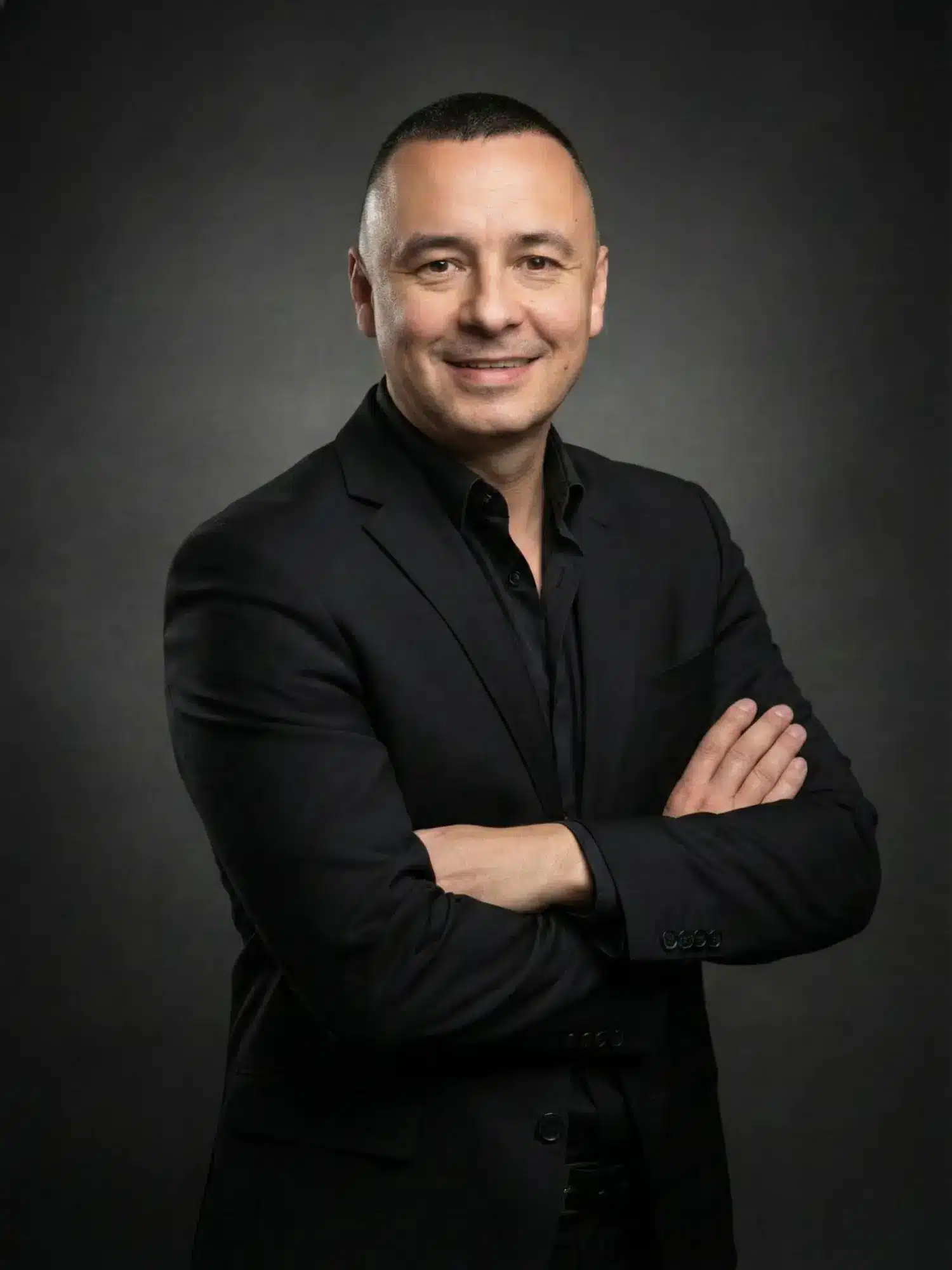
That seed was me.
I was born in the winter of 1984, in the poorest corner of communist Romania — a Hungarian kid in a place called Transylvania, a minority the war had forgotten, in a country the rest of Europe had written off. Snow three meters high. Poor, cold, and so weak I spent my first weeks in an incubator just to stay alive.
If that isn't the definition of a weed, nothing is.
My mother went back to work afraid of losing her job over me. So I was handed off — daycare to babysitter and back, 5 in the morning to 5 at night. I don't want to imagine how I was treated in those rooms, but my body remembers it for me: seven bouts of pneumonia, one after another. The lungs never fully forgave it.
Then my grandmother stepped in.
Her own heart was already failing. She could have rested. Instead she took early retirement, took me into her home, and decided to spend whatever was left of that heart on a sick child who wasn't even hers to fix.
And everything changed.
For the first time, the small sprout got rain. Got sunlight. Got shade when it needed it. I don't care if you grew up a prince in a castle or the President's kid in the White House —
the love that woman gave me could not be bought with any amount of money, and it was the only thing I ever needed.
I grew fast. I grew strong. She made sure I was never left out, never left behind, and that I got the best education a forgotten kid had any right to.
At 24, I got my law degree. Her sacrifice had paid off. Her boy had made it.
Six months later, her heart finally stopped.
It had done its job. It gave everything it had — it gave it all to me.
And just like that I was alone, for the first time, with no one between me and the truth.
The truth came fast. My parents said find a job, one way or another. The market said something quieter and crueler: we don't want a weed among the tomatoes. And standing there, I finally understood what I'd spent my whole life refusing to see.
I was never a tomato. I never fit in. I was tolerated, not chosen.
That's the moment most weeds give up. Accept it. Get the weed job, live the small weed life, let the heart stop one day having never argued with any of it.
My grandmother didn't raise a quitter.
So I did what a weed does when it's ripped out and thrown onto dry ground. I spread my seed somewhere new. I left for Austria with nothing but 25 years of being the one who survives on scraps — and it turned out that was never a weakness. It was the whole point. While others waited for perfect conditions, I just grew. Bad soil, no permission, no perfect setup — one idea after another, in the cracks of an ordinary job.
Here's what no greenhouse ever taught the tomatoes, and what 25 years taught me:
You don't need perfect soil. You don't need permission. You grow anyway.
That's the entire idea behind TurnKey Directories. A directory is a weed's kind of asset — you plant it in ground nobody else wanted, and it grows on its own, quietly, compounding, while the people still waiting for the perfect moment stay exactly where they are.
I didn't build this for the tomatoes. They have everything already.
I built it for the ones growing in the cracks, with no team, no funding, no greenhouse — just a stubborn refusal to accept that you have to be born right to build something big.
You don't.
And if you've read this far, you already know which one you are.