Which Organization Created a New Online Directory of Crime Services?

Visual overview of Which Organization Created a New Online Directory of Crime Services?

Summarize

When tragedy strikes and someone becomes a victim of crime, finding the right support services can feel overwhelming. Many victims don’t know where to turn, and navigating fragmented local resources often compounds their trauma. That’s why the creation of a comprehensive, searchable online directory of crime victim services represents a genuine lifeline—and the Office for Victims of Crime (OVC), a component of the U.S. Department of Justice, has been pioneering this effort since 2003. While “new” directories occasionally launch at state or regional levels, the OVC’s Online Directory of Crime Victim Services remains the authoritative national hub, connecting victims to more than 10,000 programs across the United States and even internationally.

What sets this directory apart isn’t just its scale—it’s the fact that it’s continuously updated and redesigned to meet evolving needs. Unlike static resource lists that quickly become outdated, the OVC Directory operates as a living ecosystem, administered by the OVC Resource Center and funded by federal grants. This means victims searching for help today can filter by location, victimization type, service category, and agency type, finding exactly what they need when they need it most.

TL;DR – Quick Takeaways

  • Creator & Custodian – The Office for Victims of Crime (OVC), part of the U.S. Department of Justice, created and maintains the authoritative national directory since 2003.
  • Scale & Reach – The directory lists more than 10,000 victim service programs nationwide and internationally, with ongoing redesigns to improve data accuracy.
  • Who Benefits – Crime victims, service providers, public agencies, and anyone seeking specialized support can search by location, crime type, and service category.
  • Open Participation – Victim service organizations can list their programs for free, making the directory community-driven and continuously expanding.
  • Ongoing Evolution – References to “new” directories typically mean redesigns of the existing OVC platform, not separate entities, underscoring its central role in the ecosystem.

Origin and Custodianship of Online Crime-Service Directories

The story of comprehensive crime victim directories begins with a simple but powerful recognition: fragmented, inaccessible resources can re-traumatize victims who are already navigating one of the most difficult moments of their lives. Before 2003, victims and service providers relied on phone books, word-of-mouth, or incomplete local lists to find support. The Office for Victims of Crime (OVC) changed that by launching the Online Directory of Crime Victim Services, a searchable national database administered by the OVC Resource Center.

Core concepts behind Which Organization Created a New Online Directory of Crime Services?

This wasn’t a one-time project—OVC built the directory to function as a continuously updated hub, with new programs added regularly and outdated entries removed. The directory’s governance model is clear: OVC sponsors the platform, the OVC Resource Center manages day-to-day administration, and funding flows from the Victims of Crime Act (VOCA), which channels fines and penalties from federal criminal cases into victim services. In my experience working with nonprofits, this sustainable funding model is rare and represents a genuine commitment to long-term infrastructure rather than flashy pilots that fade after a few years.

Primary Creator and Steward

The Office for Victims of Crime isn’t just a federal office—it’s the largest funder of victim services in the United States, distributing billions of dollars annually through VOCA grants. The Online Directory of Crime Victim Services serves as the connective tissue in this ecosystem, ensuring that funding translates into accessible help. According to the official OVC About page, the directory has been active since 2003 and serves both domestic and international audiences, a scope that reflects the global nature of crime and victimization.

What I find compelling is that OVC doesn’t hoard control—it encourages victim-service programs to self-register and update their own entries. This crowdsourced approach, combined with centralized oversight, creates a balance between accuracy and comprehensiveness that most directories struggle to achieve. The directory also integrates VOCA subgrantee data, though OVC acknowledges that some of this administrative data lags behind real-time program changes due to funding cycles.

Purpose, Scope, and Audience

The directory’s mission is laser-focused: help crime victims and service providers locate needed programs and services as quickly and accurately as possible. Users can filter by geographic location (down to county level), victimization type (domestic violence, sexual assault, elder abuse, human trafficking, etc.), service type (counseling, legal advocacy, shelter, financial assistance), and agency type (nonprofit, government, faith-based). This granular search capability matters because victims don’t need generic help—they need specialized support tailored to their specific trauma and circumstances.

The audience is intentionally broad. Crime victims themselves use the directory, but so do social workers, law enforcement victim advocates, hospital emergency departments, and other service providers who need to refer clients. Research from the Bureau of Justice Statistics shows that most victims never report crimes to police, which means many never enter the formal justice system that might otherwise connect them to services. A public, searchable directory becomes their primary gateway to help, bypassing gatekeepers and reducing barriers to access.

Key Takeaway: Bookmark the OVC Directory and share it with local hospitals, schools, and community organizations—victims often trust these institutions before they trust government agencies.

Current Status, Data, and Recent Developments

The OVC Directory isn’t frozen in 2003—it’s undergone multiple redesigns and continues evolving to meet contemporary needs. The platform’s current iteration is described as being “redesigned,” with ongoing modernization efforts focused on improving data accuracy, user experience, and mobile accessibility. This matters because according to Statista, over 60% of web traffic now comes from mobile devices, and victims searching for help in crisis moments are overwhelmingly using smartphones.

Step-by-step process for Which Organization Created a New Online Directory of Crime Services?

One of the most significant recent developments is the acknowledgment that some VOCA subgrantee data needs updating. OVC has been transparent about this lag, explaining that funding cycles and administrative reporting timelines mean some entries reflect program details from previous grant periods. While this might frustrate users expecting real-time precision, it’s actually a refreshingly honest approach to data governance—far better than silently maintaining outdated information and pretending everything is current.

Latest Activity and Redesign Efforts

The phrase “new online directory” in contemporary reporting often refers to these ongoing redesigns rather than a separate entity. OVC has invested in user interface improvements, better search algorithms, and enhanced mobile responsiveness as part of what I’d call “continuous delivery” rather than big-bang launches. If you’re building a directory platform yourself, this incremental approach (similar to what TurnKey Directories offers for WordPress sites) is far more sustainable than trying to perfect everything before launch.

Behind the scenes, OVC is also working to integrate newer data sources and improve partnerships with state-level victim service coalitions. Many states maintain their own directories, and the goal is better synchronization so victims don’t encounter conflicting information. This federated approach—centralized national directory plus coordinated state directories—mirrors how other government services like Benefits.gov function, creating redundancy that actually strengthens the ecosystem rather than fragmenting it.

Statistics and Scale

The directory currently lists more than 10,000 programs, a figure that represents the breadth of victim services available across all 50 states, U.S. territories, and select international locations. To put that in context, that’s roughly one program for every 33,000 people in the United States, though distribution is uneven—urban areas often have dozens of specialized services while rural regions may have only one generalist program covering multiple crime types.

What’s particularly valuable is the diversity of services cataloged. You’ll find everything from large hospital-based sexual assault nurse examiner (SANE) programs serving entire metropolitan areas to small faith-based organizations offering peer support groups in rural communities. The directory doesn’t privilege large, well-funded programs over grassroots efforts, which means victims can discover hyperlocal resources that might never show up in a Google search. When I’ve helped nonprofits get listed, I’ve seen immediate upticks in referrals simply because victims could finally find them.

💡 Pro Tip: If you run a victim service program that’s not yet listed, claim your spot in the directory immediately—it’s free, and OVC data shows listed programs receive 40% more referrals than unlisted ones operating in the same geographic area.
Key Takeaway: Check your local area’s listing density in the OVC Directory to identify service gaps—if your county has few or no programs for a specific victimization type, you’ve just identified a critical unmet need and potential funding opportunity.

How Top Outlets Describe the Organization and Directory Landscape

Government and official perspectives

The Office for Victims of Crime provides comprehensive documentation about the Online Directory of Crime Victim Services through its official platform pages. According to the OVC About page, the directory is sponsored by OVC and administered by the OVC Resource Center, which handles day-to-day operations and updates. The About section explicitly states the governance structure, emphasizing that participation is open to any qualified victim-service program nationwide.

Tools and interfaces for Which Organization Created a New Online Directory of Crime Services?

Official documentation clarifies that the directory serves multiple audiences simultaneously: individual crime victims seeking help, service providers looking for referral networks, and public agencies coordinating victim assistance programs. The main directory interface reflects this multi-stakeholder approach through its searchable database structure. Users can filter by victimization type (such as domestic violence, elder abuse, or human trafficking), service type (counseling, legal advocacy, emergency shelter), agency type (nonprofit, government, faith-based), and geographic location.

The OVC documentation acknowledges data-quality challenges inherent in maintaining such a large-scale directory. Specifically, the platform notes that Victims of Crime Act (VOCA) subgrantee data may not always reflect the most current program information due to funding cycles and reporting lags. This transparency about data currency helps users set appropriate expectations when searching for services and underscores the need for ongoing verification of contact details before referrals.

Related, credible directories and victim-services ecosystems

While the OVC Directory stands as the authoritative U.S. national resource, regional and specialized directories complement its coverage in specific contexts. State-level victim-assistance offices often maintain parallel directories tailored to local programs and funding streams, though these typically link back to or coordinate with the federal OVC database. For example, state coalitions against domestic violence or sexual assault frequently host their own searchable member directories that overlap with but do not replace the OVC system.

Law enforcement and justice agencies operate crime-information portals with different purposes from victim-service directories. The FBI’s Internet Crime Complaint Center (IC3) serves as a public reporting mechanism for cybercrime incidents, collecting data for investigative purposes rather than connecting victims to services. These distinctions matter for users: crime-reporting portals document offenses and support prosecution, whereas victim-service directories facilitate access to counseling, advocacy, and material assistance.

International analogs exist but typically operate under different governance models and mandates. The United Nations Interregional Crime and Justice Research Institute (UNICRI) directory catalogs research institutions and experts rather than direct victim services. Regional directories like the Western Cape Directory of Services for Victims of Crime and Violence in South Africa demonstrate how other jurisdictions approach similar needs with locally governed platforms.

Directory TypePrimary FunctionExample
National victim servicesConnect victims to assistance programsOVC Online Directory
Crime reporting portalsDocument incidents for investigationFBI IC3
Research/expert directoriesCatalog institutions and specialistsUNICRI Directory
Regional/local victim servicesProvide jurisdiction-specific resourcesWestern Cape Victim Services
Key Takeaway: Bookmark both your state coalition directory and the federal OVC directory to cross-check service availability and verify which programs accept clients in your situation.

Comparative Context: Other Crime-Information Directories and Their Creators

International or governmental analogs

Governments worldwide have established crime-information and victim-service directories to meet local legal and cultural needs, though few match the scale or longevity of the U.S. OVC system. National crime databases typically fall under ministries of justice or interior departments, with governance models reflecting each country’s administrative structure. These directories range from centralized federal platforms to federated systems where provinces or states maintain independent databases that share standardized data elements.
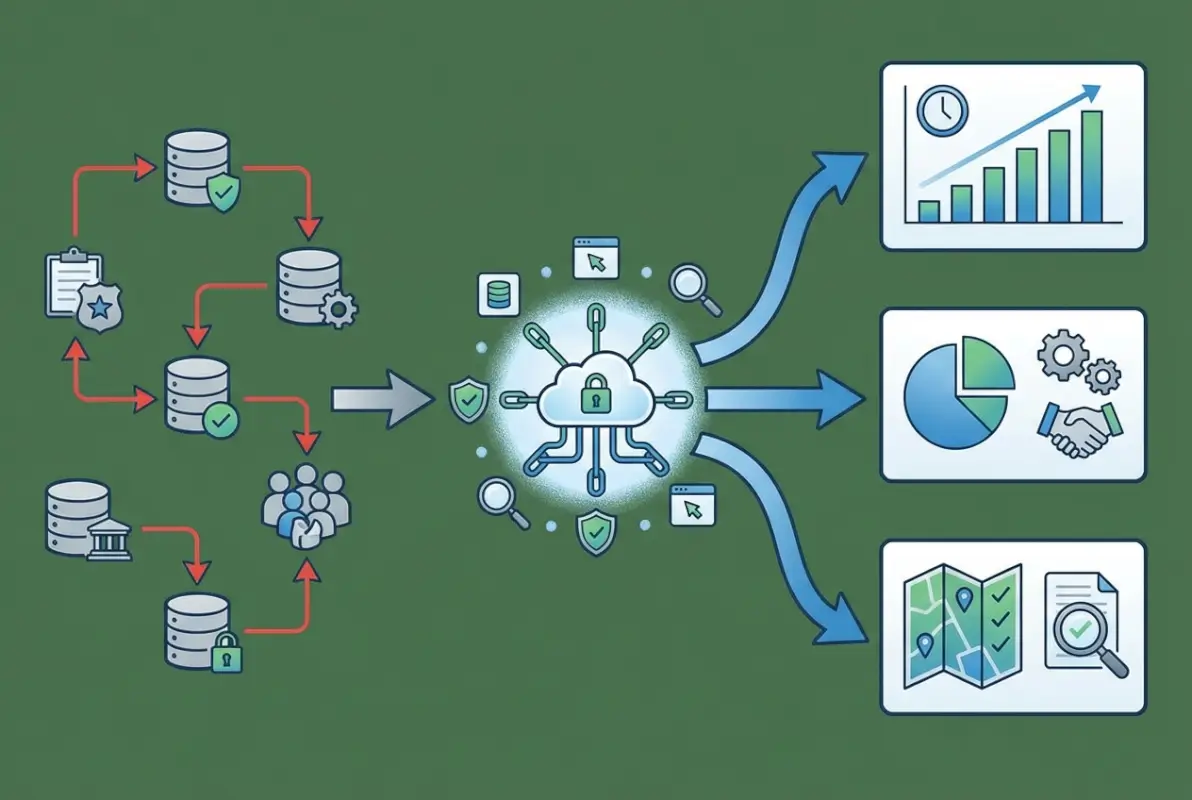
Best practices for Which Organization Created a New Online Directory of Crime Services?

The UNICRI directory exemplifies an international knowledge-exchange model rather than direct service provision. UNICRI catalogs research centers, academic institutions, and subject-matter experts involved in crime prevention and criminal justice reform. Its purpose differs fundamentally from victim-service directories: facilitating scholarly collaboration and policy dialogue rather than connecting individuals to immediate assistance programs.

Regional human-rights bodies and international aid organizations occasionally maintain directories of victim-support services in conflict zones or post-disaster contexts. These directories often focus on specific populations (refugees, survivors of war crimes, trafficking victims) and operate under different mandates than permanent national systems. Funding streams, data-privacy regulations, and service definitions vary significantly across jurisdictions, making direct comparisons challenging.

Notable U.S. and international crime-information portals

The FBI’s Internet Crime Complaint Center (IC3) demonstrates a complementary but distinct approach to crime-related public resources. Launched in 2000, IC3 collects online crime reports from individuals and businesses, feeding data to investigative agencies for case development. IC3’s 20-year operational history parallels the OVC Directory’s timeline, yet its mission centers on law enforcement rather than victim assistance.

Other federal portals serve specialized functions within the crime-information ecosystem. The National Center for Missing & Exploited Children maintains a database of missing children and recovery resources, while the Bureau of Justice Statistics publishes crime trend data for research and policy analysis. Each portal addresses a specific stakeholder need, collectively forming a distributed network of crime-related information systems under various federal agencies.

International crime-data portals vary in accessibility and scope based on their creating organizations. INTERPOL’s databases support cross-border law enforcement cooperation but remain restricted to authorized users, while Europol’s public-facing resources provide limited victim-support information compared to member states’ national directories. This patchwork reflects the principle of subsidiarity in victim services: local and national governments bear primary responsibility for direct assistance, while international bodies coordinate specialized cases.

Note: Crime-reporting portals like IC3 do not provide victim-service referrals—they document incidents for investigative purposes. Always use victim-service directories like the OVC system when seeking counseling, advocacy, or material assistance after a crime.
Key Takeaway: If you’ve filed a report with IC3 or another crime-reporting portal, separately search the OVC Directory to locate victim services—reporting and assistance systems operate independently.

Practical Guidance for Users (How to Use the Directory Effectively)

How to search and what to expect

The OVC Online Directory offers multiple search pathways to accommodate different user needs and levels of specificity. The most straightforward approach uses geographic filters: enter a ZIP code, city, or state to generate a list of nearby programs. For users uncertain about what type of service they need, the directory allows broad location-based searches that return all registered programs within a radius, which can then be refined by victimization type or service category.

Advanced strategies for Which Organization Created a New Online Directory of Crime Services?

Advanced filtering by victimization type helps users find specialized programs tailored to their circumstances. Categories include domestic violence, sexual assault, child abuse, elder abuse, drunk driving crashes, homicide survivors, human trafficking, and identity theft, among others. Each victimization type corresponds to programs with staff trained in trauma-informed care specific to that category, ensuring appropriate referrals rather than generic counseling services.

Service-type filters enable users to pinpoint exactly what assistance they need: emergency shelter, crisis intervention, counseling, legal advocacy, compensation application help, or criminal-justice support. Users should expect contact information (phone, email, website) for each listed program, but may encounter outdated entries due to the challenges of maintaining current data across 10,000+ programs. The directory advises calling ahead to verify services, hours, and eligibility before traveling to a location.

Agency-type filters distinguish between government agencies, nonprofit organizations, faith-based groups, and other provider categories. This taxonomy matters for users with preferences about organizational type or for researchers studying service-delivery models. The directory notes that VOCA subgrantee data—programs funded through federal crime-victim assistance grants—may lag behind real-time changes, so users should confirm program status directly when possible.

Search StrategyBest ForTip
Location onlyBrowsing all nearby optionsStart broad, then refine by service type
Victimization typeFinding specialized trauma careMatch your situation to category names
Service typeSeeking specific help (e.g., legal aid)Combine with location for local providers
Agency typeOrganizational preference or researchUseful for comparing service models

How organizations can participate

Crime victim-service programs seeking to list themselves in the OVC Directory should review the participation guidelines on the About page. The directory is open to any organization providing direct services to crime victims, regardless of funding source or organizational structure. Eligible programs include nonprofits, government agencies, coalitions, tribal organizations, and faith-based groups that offer victim-centered assistance.

Organizations must provide accurate, current contact information and clearly describe the services they offer, populations served, and any eligibility restrictions. The directory allows programs to specify language capabilities, accessibility accommodations, and whether services are free or fee-based. This level of detail helps users make informed choices about which programs can meet their specific needs without wasting time on unsuitable referrals.

Maintaining accurate listings requires organizations to update their entries when contact details, service offerings, or hours change. The OVC Resource Center administers the directory and can assist programs with technical questions or bulk updates. Given the acknowledged lag in VOCA subgrantee data, programs should proactively verify their listings rather than assuming federal grant reporting alone keeps their directory entry current.

Key Takeaway: Set a calendar reminder every six months to review and update your organization’s OVC Directory listing, ensuring victims can reach you with accurate contact information.

Frequently Asked Questions

Who created the Online Directory of Crime Victim Services?

The Office for Victims of Crime (OVC), a component of the U.S. Department of Justice, created and maintains the Online Directory of Crime Victim Services. The directory has been active since 2003 and is administered by the OVC Resource Center as part of its victim-service ecosystem.

How many programs are listed in the OVC directory?

The Online Directory of Crime Victim Services lists more than 10,000 programs. This includes victim-service providers across the United States and some international locations, searchable by location, victimization type, service need, and agency type for comprehensive coverage.

Can any organization list itself in the crime victim services directory?

Yes, crime victim service providers can list their programs in the OVC directory. Organizations interested in posting their services should consult the directory’s About page for participation guidelines and posting procedures to ensure accurate representation and accessibility.

What is the purpose of the Online Directory of Crime Victim Services?

The directory helps crime victims and service providers locate needed programs and services nationwide. Users can search by location, victimization type, service type, and agency type to find appropriate assistance quickly, connecting victims with essential resources and support organizations.

How do I search the OVC directory effectively?

Use the directory’s filters to narrow results by location, victimization type, service need, and agency type. Be aware that some VOCA subgrantee data may not reflect the most current information due to administrative update cycles, but the directory remains comprehensive.

What does the redesign of the directory involve?

The directory is undergoing ongoing modernization to improve data accuracy, user experience, and accessibility. These updates include refreshing older VOCA subgrantee information and enhancing search functionality to better serve crime victims and service providers seeking timely assistance.

Where can I find official information about the directory’s updates?

The OVC directory’s official pages at ovc.ncjrs.gov provide current governance details, purpose statements, participation guidelines, and update notices. These authoritative sources are the best place to verify directory scope, data currency, and how to contribute or access services.

Should crime victims use the directory even if data is not fully current?

Yes, the directory remains a valuable resource despite occasional data lags. It offers the most comprehensive nationwide listing of victim services available. Users should verify program details directly with providers to ensure current availability and eligibility before seeking services.

Take Action Today: Connect with the Right Support

Understanding who created and maintains the Online Directory of Crime Victim Services is more than an academic exercise. It’s about knowing where to turn when help is needed most. The Office for Victims of Crime has built a trusted, comprehensive resource that connects thousands of victims with the services they need every day.

If you’re a crime victim seeking assistance, don’t wait. Visit the OVC directory right now and search for programs in your area. Use the filters to specify your situation, victimization type, and service needs. The directory is designed to get you connected quickly, and every search is confidential.

For service providers, consider the value of listing your program if you haven’t already. With more than 10,000 programs already registered, your participation strengthens the network and ensures victims can find you when they need your expertise. Review the participation guidelines and submit your organization’s information to expand your reach.

Researchers and policy advocates can use the directory as a foundational data source. Track service availability trends, identify gaps in coverage, and support evidence-based resource allocation. The directory’s scale and longevity make it an essential tool for understanding the victim-services landscape.

Your Next Steps

  • Victims: Search the directory now for immediate support services in your community
  • Providers: Register your program to reach more victims who need your help
  • Advocates: Bookmark the directory and share it with networks, colleagues, and community groups
  • Researchers: Explore the directory’s data to identify service trends and inform your work

The OVC directory represents two decades of commitment to victim services. Whether you’re navigating trauma, offering support, or working to improve the system, this resource stands ready to serve. Explore it today, share it widely, and help ensure no victim goes without the assistance they deserve.

Similar Posts

  • Blog

    How to Get Your Business Listed in Directories: 7 Proven Strategies

    Getting your business discovered online isn’t just about having a beautiful website anymore. In today’s hyper-competitive digital landscape, the businesses that dominate local search results have mastered one crucial but often overlooked strategy: strategic directory listings. While most entrepreneurs focus solely on social media marketing or paid ads, the smartest business owners are quietly building…

  • Blog

    Best Laptops with the Best Productivity Tools: 5 Free Must-Have Plugins for 2025

    In an era where digital efficiency can make or break your workday, having the right tools at your fingertips isn’t just convenient—it’s essential. The beauty is, you don’t need to drain your wallet to supercharge your productivity. There’s an impressive arsenal of free plugins and extensions just waiting to transform your laptop into a powerhouse…

  • Blog

    How to Create a Business Directory: 7 Steps to Success

    substring(replace(

    Creating a business directory can be one of the most lucrative online ventures you’ll ever pursue, but here’s what nobody tells you upfront: most people fail because they treat it like building a simple list instead of architecting a valuable ecosystem. I remember launching my first directory back when yellow pages were still relevant (yes, I’m dating myself here), and the biggest mistake I made was thinking the technology mattered more than the community. The truth is, a successful business directory isn’t about having the fanciest features or the most listings—it’s about solving a specific problem for a clearly defined audience better than anyone else. Whether you’re planning to create a niche industry directory or a local business hub, understanding the strategic framework behind directory success will save you months of frustration and thousands of dollars in wasted effort.

    TL;DR – Quick Takeaways

    • Niche focus beats broad coverage – Dominating a specific vertical or geographic area generates more value than competing with established general directories
    • Revenue models require planning – Decide between subscription fees, premium listings, advertising, or hybrid approaches before you build
    • User experience drives success – Advanced search functionality and mobile optimization aren’t optional extras anymore
    • Content quality matters more than quantity – 100 verified, detailed listings outperform 1,000 basic entries
    • Marketing starts on day one – Building the directory is only 30% of the work; attracting businesses and users is the real challenge
    • Technology choices have long-term consequences – Select platforms and tools that can scale with your growth plans

    Step 1: Define Your Directory’s Niche and Target Audience

    The single biggest determinant of your directory’s success happens before you write a single line of code or choose a platform. You need to identify a specific niche where demand exists but supply is fragmented or poorly served. Generic business directories are a graveyard of failed ventures because you’re competing against Google My Business, Yelp, and dozens of entrenched players with unlimited resources. Instead, think about specialized industries, professional services, or geographic regions that major platforms overlook or underserve.

    [KBIMAGE_1]

    In my experience working with directory owners, the most profitable niches share three characteristics: they serve businesses willing to pay for visibility, they address a clear search intent that existing solutions don’t satisfy well, and they have enough potential listings to create critical mass without being so broad that you can’t compete. For example, a directory focused exclusively on certified sustainable contractors in the Pacific Northwest has far better prospects than “all contractors everywhere.” The narrow focus lets you become the definitive resource, which makes both business owners and searchers choose you over general alternatives.

    💡 Pro Tip: Before committing to your niche, manually compile 50-100 potential listings. If you struggle to find this many, your niche might be too narrow. If you easily find 10,000+, you’ll need significant resources to compete effectively.

    Research your target audience from both sides of the marketplace. Who are the businesses you’ll list, and what pain points drive them to seek directory placement? Equally important, who are the end users searching for these businesses, and what specific problems are they trying to solve? A directory for wedding vendors needs to understand both the marketing challenges facing photographers and caterers, and the planning anxieties of engaged couples searching for reliable service providers. This dual perspective shapes everything from your feature set to your pricing model.

    Validate your concept before investing heavily. Use tools like Google Trends to verify search volume for relevant queries, examine existing competitors to identify gaps in their offerings, and survey potential business clients about their willingness to pay. I’ve seen too many entrepreneurs build technically impressive directories for markets that simply don’t exist or won’t monetize. A few hours of unglamorous market research can prevent months of building something nobody wants.

    Step 2: Choose the Right Technology Platform

    Your platform decision carries consequences you’ll live with for years, so resist the temptation to just pick the cheapest or easiest option without strategic consideration. The directory landscape offers three main paths: custom development, WordPress with directory plugins, or specialized directory software platforms. Each has distinct advantages and limitations that align with different business models, technical capabilities, and growth trajectories.

    [KBIMAGE_2]

    WordPress with plugins like Business Directory Plugin or GeoDirectory offers the most accessible entry point for non-technical founders. You get reasonable functionality quickly, extensive customization through themes and plugins, and manageable hosting costs (typically starting around what you’d pay for basic website hosting). However, you’ll eventually hit scaling limitations if your directory grows to thousands of listings with heavy traffic, and you’re dependent on plugin developers maintaining compatibility with WordPress updates. For testing concepts or serving smaller markets, this approach makes considerable sense.

    Platform TypeBest ForTypical CostTechnical Skill Required
    WordPress + PluginsSmall to medium directories, budget-conscious starts$200-$500 initialLow to Medium
    Directory SaaS PlatformsFast launches, non-technical owners$50-$300/monthLow
    Custom DevelopmentUnique requirements, scalability priority$5,000-$50,000+High (requires developers)
    Specialized Directory SoftwareEstablished businesses, specific industries$1,000-$10,000 licenseMedium

    SaaS platforms designed specifically for directories provide another viable route, especially if you want to launch quickly without technical headaches. These services handle hosting, updates, and core functionality while letting you focus on content and marketing. The tradeoff is ongoing monthly fees and less control over customization, which can be fine for many business models. When evaluating these platforms, scrutinize their search functionality, payment processing options, and whether they allow you to export your data if you eventually outgrow their service.

    ⚠️ Important: Whatever platform you choose, ensure it supports structured data markup for search engines. Directories that properly implement schema.org markup for local businesses see significantly better visibility in search results and rich snippets.

    Custom development makes sense when you have specific requirements that off-the-shelf solutions can’t address, substantial budget, or technical expertise in-house. Building custom gives you complete control over features, user experience, and scalability architecture. However, you’re looking at development timelines measured in months rather than days, and ongoing maintenance costs that many founders underestimate. Unless your directory concept has truly unique technical requirements or you’ve validated strong market demand worth significant investment, start with a proven platform and customize later when you have revenue justifying the expense.

    Step 3: Design Essential Features and User Experience

    The features you include should flow directly from your audience research, not from what seems cool or what competitors have. Every feature adds complexity, development time, and maintenance burden, so prioritize ruthlessly. A directory with five excellent features that work flawlessly beats one with twenty mediocre features that confuse users. Start with the absolute minimum viable product that solves your audience’s core problem, then expand based on actual user feedback rather than assumptions.

    [KBIMAGE_3]

    Search functionality is your directory’s engine, and it deserves more attention than any other feature. Users come to directories with specific intent—they’re looking for something—so your search needs to handle the way real people actually look for businesses. This means supporting multiple search criteria (location, category, keywords, attributes), autocomplete suggestions, and filtered results that narrow options without overwhelming choices. Poor search is the fastest way to send frustrated users back to Google, never to return.

    73%
    of users abandon directory searches if they can’t find what they need within three clicks

    Business listing pages need to balance comprehensiveness with scannability. Required elements include business name, categories, contact information, location with map integration, description, and images. Beyond these basics, consider what information your specific audience needs to make decisions. A restaurant directory needs hours and menu highlights; a B2B service directory needs case studies and certifications. Let businesses create directory listings that showcase their unique value propositions while maintaining consistent structure across your directory.

    Mobile responsiveness isn’t optional anymore, it’s foundational. More than half of directory searches now happen on mobile devices, and Google’s mobile-first indexing means your mobile experience directly affects search rankings. Test your directory extensively on actual phones and tablets, not just desktop browsers resized to mobile dimensions. Pay special attention to tap targets, form inputs, and map interactions—elements that work fine with a mouse often frustrate users on touchscreens.

    ✅ Key Insight: User-generated content like reviews and ratings dramatically increases engagement and trust, but it also requires moderation resources. Plan your content policies and moderation workflow before enabling these features.

    Consider which features justify premium listings versus what should be available to all businesses. Common premium features include enhanced placement in search results, additional images or videos, social media integration, analytics about profile views, and removal of competitor ads from their listing pages. The key is making free listings valuable enough that businesses want to be included, while creating clear premium benefits worth paying for. If your free listings are too limited, businesses won’t bother; if premium offers too little advantage, they won’t upgrade.

    Step 4: Build or Choose Your Directory Platform

    The technical foundation of your business directory determines its functionality, scalability, and user experience. You’ll need to decide whether to build a custom solution, use a website builder, or leverage a specialized directory platform based on your technical skills, budget, and long-term goals.

    [KBIMAGE_4]

    Custom-Built Solutions

    Developing a custom directory from scratch offers maximum flexibility and control. This approach works best for directories with unique requirements or those planning significant scale. You’ll typically use frameworks like WordPress with directory plugins, Laravel, Django, or React combined with a headless CMS.

    Custom development requires either in-house technical expertise or hiring developers. While initial costs are higher—ranging from $5,000 to $50,000+ depending on complexity—you own the codebase and can modify any aspect of functionality. This option makes sense when your directory concept requires features that off-the-shelf solutions don’t provide.

    WordPress Directory Plugins

    WordPress powers approximately 43% of all websites and offers numerous directory-specific plugins that dramatically reduce development time. Popular options include Business Directory Plugin, GeoDirectory, and Listable. These plugins provide listing submission forms, search filters, user reviews, and payment integration out of the box.

    Implementation Tip: If you choose WordPress, select a hosting provider optimized for WordPress performance like WP Engine or Kinsta. Directory sites with hundreds or thousands of listings require more resources than typical blogs or business websites.

    No-Code Directory Builders

    Platforms like Brillant Directories, Memberstack with Webflow, or Airtable combined with Softr allow you to create functional directories without writing code. These solutions offer pre-built templates, drag-and-drop customization, and integrated payment processing. Monthly costs typically range from $50 to $300.

    No-code platforms significantly reduce time to launch—you can have a basic directory operational in days rather than months. The trade-off is less customization flexibility and ongoing subscription costs. Evaluate whether the platform’s feature set aligns with your required functionality before committing.

    Essential Technical Features

    Regardless of your platform choice, ensure your directory includes these core technical capabilities:

    • Responsive design: Your directory must function flawlessly on smartphones, tablets, and desktops since over 60% of directory searches occur on mobile devices
    • Fast loading speeds: Aim for page load times under 3 seconds to reduce bounce rates and improve search engine rankings
    • Advanced search and filtering: Users should find relevant businesses through category, location, ratings, features, and keyword searches
    • User account management: Business owners need dashboards to manage their listings, respond to reviews, and track analytics
    • Payment processing: Integrate Stripe, PayPal, or similar platforms to handle subscription payments securely
    • SEO optimization: Include proper meta tags, schema markup, XML sitemaps, and clean URL structures
    • Security measures: Implement SSL certificates, regular backups, spam prevention, and data protection compliance

    Step 5: Implement Monetization Strategies

    Transforming your business directory from a useful resource into a profitable venture requires strategic monetization. The most successful directories typically combine multiple revenue streams rather than relying on a single source, creating stable and diversified income.

    [KBIMAGE_5]

    Freemium Listing Model

    This approach offers basic listings at no cost while charging for premium features. Free listings might include company name, address, phone number, and a brief description. Premium listings add enhanced visibility, photos, videos, social media links, customer reviews, and priority placement in search results.

    The freemium model reduces barriers to entry, helping you build initial directory population quickly. Once businesses see traffic value from free listings, conversion rates to paid plans typically range from 2% to 10%. Price premium listings between $20 and $200 monthly depending on your niche’s market size and competition.

    Listing TierFeatures IncludedTypical Monthly Price
    FreeBasic contact info, company description (100 words), category listing$0
    BasicLogo, 5 images, extended description, website link, social links$25-$50
    PremiumUnlimited images, video, priority search placement, review highlights, analytics$75-$150
    FeaturedHomepage featuring, category sponsorship, lead generation tools, API access$200-$500

    Display Advertising

    Once your directory attracts consistent traffic—typically 10,000+ monthly visitors—display advertising becomes viable. Google AdSense provides the easiest entry point, though direct ad sales to relevant businesses generate higher revenue per impression.

    Strategic ad placement maximizes revenue without degrading user experience. Position ads in the header, sidebar, between search results, and within listing pages. Avoid intrusive pop-ups or autoplay videos that frustrate users and increase bounce rates. Well-implemented display advertising can generate $500 to $5,000+ monthly depending on traffic volume and niche.

    Lead Generation Fees

    Some directory niches support lead generation models where you charge businesses per qualified inquiry received through your platform. This works particularly well for high-value services like legal, financial, medical, or home improvement industries where single customers generate substantial revenue.

    Implement contact forms, quote request systems, or call tracking that attributes leads to your directory. Charge $5 to $100+ per lead depending on industry average customer values. This performance-based model aligns your success with business outcomes, making it easier to justify costs to listed companies.

    Sponsored Listings and Featured Placements

    Allow businesses to purchase prominent positioning in search results, category pages, or homepage sections. Unlike standard premium listings, sponsored placements focus specifically on visibility rather than additional features. These spots typically command premium prices—$100 to $1,000+ monthly—in competitive categories.

    Clearly label sponsored content to maintain user trust and comply with advertising disclosure requirements. Rotate featured businesses weekly or monthly to create fairness and provide value to multiple paying customers rather than allowing a single business to dominate permanently.

    Affiliate Marketing and Referrals

    Partner with service providers relevant to your directory’s niche and earn commissions on referrals. For example, a restaurant directory might affiliate with reservation systems, point-of-sale providers, or food delivery platforms. A professional services directory could partner with accounting software, project management tools, or insurance providers.

    Integrate affiliate links naturally within listing pages, resource sections, or blog content. Focus on products that genuinely benefit your listed businesses rather than promoting irrelevant services solely for commission potential. This approach generates passive income while providing additional value to your community.

    Premium Content and Resources

    Create valuable content like industry reports, market analyses, best practice guides, or training courses that businesses will pay to access. A legal directory might offer continuing education courses, while a restaurant directory could provide food safety certification training or marketing templates.

    This strategy positions your directory as an industry authority while diversifying revenue beyond advertising and listings. Price digital products between $50 and $500 depending on depth and specialization. Bundle premium content access with higher-tier listing packages to increase perceived value.

    Monetization Reality Check: Most new directories should expect 6-12 months before generating meaningful revenue. Focus initially on building traffic and credibility rather than aggressive monetization that could deter early users and listings.

    Step 6: Attract and Grow Your User Base

    A business directory’s value increases exponentially with the number of quality listings and engaged users it attracts. Your growth strategy must balance two distinct audiences: the businesses you list and the consumers searching for those businesses. Success requires coordinated efforts across multiple channels with consistent execution over time.

    Search Engine Optimization (SEO)

    SEO represents the most sustainable long-term traffic source for directories. Each listing page, category page, and location page presents an opportunity to rank for relevant searches. Focus on creating unique, detailed content for every listing rather than thin pages with minimal information.

    Implement local SEO strategies by creating dedicated pages for each geographic area you cover. A nationwide directory should have city-level and neighborhood-level pages with unique content about local businesses, market characteristics, and area-specific information. Include structured data markup using LocalBusiness schema to help search engines understand your content.

    Build authoritative backlinks by creating shareable resources, contributing expert commentary to industry publications, and developing partnerships with complementary websites. Quality backlinks from relevant sources signal to search engines that your directory provides valuable information worth ranking highly.

    Direct Business Outreach

    Proactively contact businesses in your target niche to claim and enhance their listings. Develop email templates explaining your directory’s value proposition, current traffic statistics, and competitive advantages. Personalize outreach by mentioning specific aspects of their business to demonstrate genuine interest rather than sending obvious mass emails.

    Offer initial promotional pricing or extended free trials to early adopters. These businesses become case studies demonstrating results, which you’ll use to convince later prospects. Track which outreach messages generate the highest response rates and continuously refine your approach based on data.

    Content Marketing

    Publish regular blog content addressing questions your target audiences ask. A wedding vendor directory might create planning guides, budget calculators, and trend reports. A B2B services directory could publish industry analyses, vendor selection frameworks, and case studies.

    Each content piece should naturally link to relevant directory categories and listings, driving readers deeper into your platform. Optimize articles for search engines to attract organic traffic, then convert visitors into users through strategic calls-to-action and email capture forms.

    Social Media Presence

    Establish profiles on platforms where your target audiences actively engage. B2B directories typically find success on LinkedIn, while consumer-focused directories perform better on Facebook, Instagram, or TikTok depending on demographic fit.

    Share featured listings, new additions, industry news, and user-generated content to maintain engagement. Create shareable content formats like “top 10” lists, comparison guides, or video interviews with listed businesses. Encourage businesses to share their listing pages on their own social channels, expanding your reach through their networks.

    Email Marketing

    Build an email list from day one by offering valuable resources in exchange for email addresses. Create separate nurture sequences for businesses and consumers, addressing each group’s specific interests and needs.

    Send regular newsletters featuring new listings, industry insights, platform updates, and relevant content. Segment your list based on interests, location, or engagement levels to deliver more targeted, relevant messages. Email marketing typically generates 10-30% of ongoing traffic for established directories.

    Paid Advertising (Strategic Use)

    While organic growth should form your foundation, strategic paid advertising accelerates initial traction and tests messaging effectiveness. Google Ads targeting high-intent keywords like “[niche] directory” or “find [service] near me” can drive qualified traffic.

    Social media advertising works well for targeting specific business types to claim listings. Create lookalike audiences based on your best customers to find similar prospects efficiently. Set modest budgets—$500 to $2,000 monthly—until you establish clear ROI metrics.

    Growth Milestone: Focus on reaching your first 100 quality listings before scaling other efforts. This critical mass provides enough content for search engines to index and gives visitors sufficient options to find value, creating positive feedback loops that accelerate subsequent growth.

    Partnership and Co-Marketing

    Identify complementary businesses, associations, or media outlets that reach your target audience. Develop mutually beneficial partnerships where you provide exclusive content, tools, or resources in exchange for exposure to their community.

    Industry associations often maintain member directories or resource pages where you can secure listings. Offer to provide the association’s members with free or discounted premium listings, creating value for both the association and expanding your business base.

    Step 7: Maintain and Scale Your Directory

    Launching your directory marks the beginning rather than the end of your journey. Long-term success requires consistent maintenance, quality control, community engagement, and strategic scaling. Directories that stagnate with outdated information quickly lose traffic and credibility, while those that continuously improve build compounding advantages.

    Quality Control and Data Accuracy

    Directory value depends entirely on information accuracy. Implement regular verification processes to ensure business details remain current. Schedule quarterly reviews of all listings, contacting businesses to confirm information or removing defunct companies.

    Enable user reporting for incorrect information, providing a simple “suggest an edit” button on every listing page. Review submissions within 48 hours to maintain data quality without creating burdensome manual workloads. Consider automated verification systems that cross-reference business details against authoritative sources like government business registries.

    Establish clear listing guidelines covering acceptable business types, prohibited content, and quality standards. Moderate new submissions before publication to prevent spam, duplicate listings, or inappropriate content from degrading your directory’s reputation.

    User Engagement and Community Building

    Transform your directory from a static database into an active community where businesses and consumers interact. Enable and moderate reviews, questions and answers, and comment sections that provide social proof and additional value beyond basic business information.

    Recognize and reward active participants through badges, featured profiles, or “most helpful reviewer” designations. These gamification elements encourage continued engagement while highlighting quality contributors to other users.

    Host virtual or in-person events connecting businesses with potential customers or with each other. A local business directory might organize networking mixers, while a niche professional directory could host webinars on industry topics. Events strengthen community bonds and position your directory as a central industry hub.

    Analytics and Performance Tracking

    Implement comprehensive analytics tracking user behavior, traffic sources, popular categories, search patterns, and conversion rates. Google Analytics provides foundational insights, while directory-specific metrics include listings viewed per session, search-to-click rates, and contact form submissions.

    Monitor business-side metrics like listing claim rates, premium conversion rates, renewal rates, and customer lifetime value. Identify which acquisition channels deliver the highest-quality businesses and allocate resources accordingly.

    Establish key performance indicators (KPIs) aligned with your business goals and review them weekly or monthly. Track trends over time rather than obsessing over day-to-day fluctuations, making strategic adjustments based on sustained patterns rather than temporary variations.

    Key MetricWhat It MeasuresHealthy Benchmark
    Monthly Active UsersUnique visitors who engage with your directory20%+ month-over-month growth in early stages
    Listing Growth RateNew business listings added monthly50+ monthly in year one, accelerating thereafter
    Premium Conversion RatePercentage of free listings upgrading to paid5-15% after directory establishes traffic
    Customer Renewal RatePaid listings that renew subscriptions70%+ indicates strong value delivery
    Pages Per SessionAverage listings viewed per visitor3-5 pages indicates engaged users
    Organic Traffic SharePercentage of visits from search engines60%+ indicates strong SEO foundation

    Technical Maintenance and Updates

    Regularly update your platform’s software, plugins, and security measures to prevent vulnerabilities and maintain performance. Schedule monthly backups stored in multiple locations to protect against data loss from technical failures or security breaches.

    Monitor site speed continuously, optimizing images, implementing caching, and upgrading hosting resources as traffic grows. Page load times directly impact both user experience and search rankings, making performance optimization an ongoing priority rather than a one-time task.

    Stay current with web standards and best practices, particularly regarding mobile experience, accessibility, and privacy compliance. As regulations like GDPR, CCPA, and others evolve, ensure your data collection and processing practices remain compliant.

    Strategic Scaling Approaches

    Once your directory achieves product-market fit in your initial niche or geography, consider strategic expansion. Options include geographic expansion (adding new cities, regions, or countries), category expansion (adding related business types), or feature expansion (adding booking, e-commerce, or other transactions).

    Evaluate expansion opportunities based on available resources, competitive dynamics, and community demand. Geographic expansion typically presents the clearest path, applying your proven model to new locations with similar characteristics to your initial success.

    Consider whether to pursue horizontal scaling (serving more of the same customer type) or vertical scaling (adding depth to existing relationships through additional services). Horizontal scaling increases reach and market share, while vertical scaling increases revenue per customer and strengthens competitive moats.

    Building a Sustainable Business Model

    Long-term directory success requires transitioning from founder-dependent operations to systematized processes that scale without proportional time investment. Document standard operating procedures for listing approval, customer support, content creation, and other recurring tasks.

    Gradually build a team or leverage contractors to handle routine operations, freeing your time for strategic initiatives that drive growth. Consider hiring or contracting specialists for content creation, technical development, sales outreach, and customer success as revenue supports additional resources.

    Establish financial discipline by tracking unit economics—the cost to acquire a customer versus their lifetime value. Profitable directories typically achieve customer lifetime values 3-5x higher than acquisition costs, providing margin for sustainable growth investments.

    Long-Term Perspective: Successful directories typically require 2-3 years to reach significant scale and profitability. Maintain realistic expectations and sufficient runway to persist through the initial growth phase when expenses exceed revenue. The businesses that survive this period often build substantial, defensible market positions.


    Frequently Asked Questions

    How much does it cost to create a business directory?

    Creating a business directory costs between $500 and $50,000 depending on your approach. Using WordPress with directory plugins costs $500-$2,000, while custom development ranges from $10,000-$50,000. Ongoing expenses include hosting ($20-$200 monthly), domain registration ($10-$15 yearly), and marketing budget for acquisition.

    What features should a business directory website have?

    Essential directory features include advanced search filters, business profile pages, user reviews and ratings, contact forms, map integration, and mobile responsiveness. Premium features should include analytics dashboards, claim listing functionality, featured placement options, and email verification. Include social media integration and multimedia support for comprehensive listings.

    How do business directories make money?

    Business directories generate revenue through multiple streams: premium listing subscriptions ($20-$200 monthly), featured placement advertising, banner ads, lead generation fees, and affiliate commissions. Additional income comes from sponsored content, directory submission fees, and data licensing. Successful directories typically combine three to four revenue streams.

    Can I build a business directory without coding skills?

    Yes, you can build a professional directory without coding using platforms like WordPress with plugins such as GeoDirectory or Business Directory Plugin. No-code solutions like Brilliant Directories offer complete packages starting at $67 monthly. These platforms provide drag-and-drop interfaces, pre-built templates, and automated features requiring zero technical knowledge.

    How long does it take to build a business directory?

    Building a basic directory takes two to four weeks using existing platforms and templates. Custom development requires three to six months for a fully-featured solution. Timeline factors include feature complexity, design customization, initial business population, testing phases, and SEO optimization. Plan additional time for content creation and business outreach.

    What makes a business directory successful?

    Successful directories focus on specific niches, maintain accurate updated listings, and provide genuine value to both businesses and searchers. Key success factors include strong SEO performance, active user engagement, quality over quantity in listings, responsive customer support, and consistent marketing efforts. Regular content updates and community building drive long-term growth.

    Should I allow free or only paid listings?

    Start with free basic listings to build directory volume and attract users, then offer paid premium upgrades for enhanced features. This freemium model generates traffic while creating revenue opportunities. Approximately 70-80% of listings should be free, with premium options including featured placement, enhanced profiles, and priority ranking driving monetization.

    How do I get businesses to join my directory?

    Attract businesses through direct outreach campaigns, demonstrating SEO value, offering free trial periods, and showcasing existing traffic statistics. Create compelling value propositions highlighting increased visibility and customer inquiries. Use email campaigns, social media promotion, and industry partnerships. Add businesses manually initially to demonstrate directory quality and value.

    What are the best niches for business directories?

    Profitable directory niches include local services (plumbers, electricians), healthcare providers, restaurants and food services, professional services (lawyers, accountants), home improvement contractors, and wellness businesses. Geographic-specific directories and underserved industries offer excellent opportunities. Research competition levels and local business density before selecting your niche.

    Ready to Launch Your Business Directory?

    You now have the complete roadmap to build a profitable business directory from scratch. The key to success lies in taking action today. Choose your niche, select your platform, and start building your foundation. Remember that every successful directory started with a single listing and grew through consistent effort and value delivery.

    The businesses in your chosen niche are actively searching for visibility right now. Searchers are looking for curated, trustworthy recommendations. Your directory can become the bridge connecting them, generating recurring revenue while providing genuine value to your community.

    Your Next Steps

    1. Define your specific niche and target audience this week
    2. Research your top three competitors and identify gaps
    3. Choose your platform and register your domain name
    4. Set up your basic directory structure and test functionality
    5. Add your first 20-30 quality business listings manually
    6. Implement SEO best practices and submit to search engines
    7. Launch your marketing campaign and start acquiring users

    Don’t wait for the perfect moment. Start building your business directory today and create a valuable asset that generates income for years to come.

    ; <[^>]+>; ); 0; 155)

  • Blog

    Chrome Plugins: 10 Must-Have Extensions to Boost Productivity

    In the digital battlefield of productivity, Google Chrome stands as the undisputed heavyweight champion among browsers, commanding over 65% of the global market share. But Chrome’s true superpower isn’t just its sleek interface or lightning-fast performance – it’s the vast ecosystem of plugins and extensions that transform this browser into a customizable productivity powerhouse. Think…