Best Local Directories for Business Growth: 6 Top US Platforms for 2026

Visual overview of Best Local Directories for Business Growth: 6 Top US Platforms for 2026
Summarize

Most business owners pour money into paid ads while ignoring a goldmine sitting right under their noses. Local business directories remain one of the most cost-effective ways to attract customers who are actively searching for your services—yet the majority of small businesses either skip them entirely or set up incomplete profiles that do more harm than good.

Here’s what the marketing gurus won’t tell you: local directories often outperform social media advertising for brick-and-mortar businesses, especially when you’re targeting customers within a specific geographic area. While everyone’s chasing the latest TikTok trend, smart business owners are quietly dominating their local markets through strategic directory optimization.

The landscape has shifted dramatically. Gone are the days when you could slap your business name on every directory you found and call it a day. In 2026, search algorithms have become sophisticated enough to reward quality over quantity, and consumers trust directories more than ever—particularly when making high-stakes purchasing decisions for local services.

TL;DR: Why Local Directories Still Dominate

  • Higher Intent Traffic – Directory users are actively searching for solutions, not passively scrolling
  • Long-Term Value – A single optimized listing can drive leads for years without ongoing costs
  • Trust Signals – Consistent presence across directories signals legitimacy to both customers and search engines
  • Review Leverage – Directories amplify your reputation through verified customer feedback
  • Local Pack Dominance – Citations directly influence your appearance in Google’s coveted map results
  • Competitive Gaps – Most competitors have incomplete or outdated listings, creating easy wins

The Modern Directory Landscape: What Actually Matters in 2026

The relationship between local directories and search visibility operates on multiple levels that most business owners completely misunderstand. It’s not about being everywhere—it’s about being strategically present on platforms where your specific customers actually look for businesses like yours.

Local directories have evolved from simple digital phone books into sophisticated platforms that integrate reviews, messaging, booking systems, and detailed business intelligence. The platforms that survived the shakeout of the past decade did so by focusing on user experience and providing genuine value to both consumers and businesses.

According to BrightLocal’s consumer review research, 87% of consumers read online reviews for local businesses before making contact—and the majority of those reviews live on directory platforms, not on business websites. This creates a fundamental shift in how purchase decisions happen: your directory presence often matters more than your website in the early stages of customer research.

Core concepts behind Best Local Directories for Business Growth: 6 Top US Platforms for 2026

Search engines use citation data (mentions of your business name, address, and phone number) as verification signals. When Google’s algorithm sees consistent information about your business across multiple authoritative directories, it gains confidence that your business is legitimate and accurately located. This confidence translates directly into higher rankings in local pack results—those map listings that appear at the top of local searches.

68%
of consumers say positive reviews make them more likely to use a local business
BrightLocal Consumer Survey

The quality-over-quantity principle has never been more important. According to BrightLocal’s citation study, businesses with accurate citations on 50+ directories consistently outrank those with hundreds of low-quality citations riddled with inconsistencies. The algorithm has gotten smart enough to identify and discount spam submissions, making shotgun approaches not just ineffective but potentially harmful.

How Citations Impact Local Rankings

The connection between directory listings and search rankings isn’t mystical—it’s mathematical. Search engines evaluate local businesses using three primary factors: relevance, distance, and prominence. Directory citations directly influence the prominence component, which measures how well-known and trusted your business appears to be.

Each citation acts as a vote of confidence, but not all votes carry equal weight. A citation on Google Business Profile carries significantly more authority than a mention on a newly-created niche directory. The age of the directory, its domain authority, user engagement levels, and verification processes all factor into how much weight each citation receives.

NAP consistency (Name, Address, Phone) forms the foundation of citation value. Even minor variations—like using “Street” in one listing and “St.” in another—can create confusion that dilutes your citation power. I’ve seen businesses lose their local pack positions simply because their phone number format varied across directories (some with parentheses, some with dashes, some with spaces).

Pro Tip: Create a master NAP document with your exact business information formatted precisely as you want it to appear everywhere. Include punctuation, abbreviations, suite numbers—everything. Use this as your single source of truth when creating or updating any directory listing.

Strategic Directory Selection: The Framework That Actually Works

Choosing the right directories requires more strategic thinking than most business owners apply. The goal isn’t maximum coverage—it’s optimal coverage of platforms where your ideal customers actively search when they need services like yours.

Start by understanding the three directory tiers that exist in practice, regardless of what marketing agencies tell you. Tier one includes the platforms with massive reach and universal relevance: Google Business Profile, Bing Places, and Facebook Business Pages. Every business needs these, period. Tier two includes major directories with strong domain authority and significant user bases: Yelp, Better Business Bureau, and industry leaders like Angi for contractors or Healthgrades for medical practices.
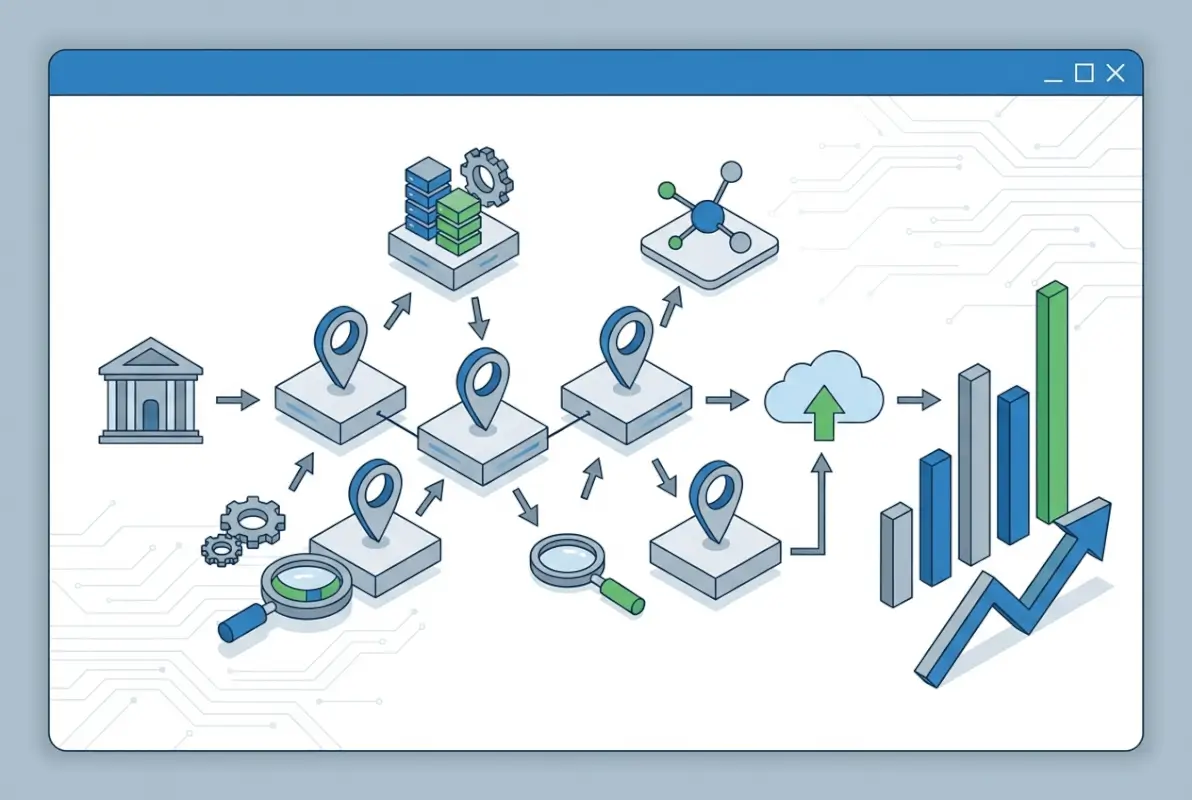
Step-by-step process for Best Local Directories for Business Growth: 6 Top US Platforms for 2026

Tier three consists of niche directories specific to your industry, location, or demographic. These often deliver the highest-quality leads because users visiting these platforms have highly specific intent. A wedding photographer gets more value from WeddingWire than from a general business directory, despite WeddingWire’s smaller overall traffic.

Evaluation FactorWhy It MattersHow to Assess
Domain AuthorityHigher authority = stronger SEO impactCheck Moz or Ahrefs metrics
User Base SizeMore users = more potential discoveryReview published user statistics
Industry RelevanceTargeted users = higher conversionEvaluate directory category focus
Review FunctionalityReviews drive trust and rankingsTest review submission process
Verification ProcessRigorous verification = higher trustNote if phone/mail verification required

Cost considerations deserve careful analysis. Most directories offer free basic listings with paid premium features. The premium features typically include enhanced visibility (appearing above competitors), removal of competitor ads from your profile, additional photos or videos, and advanced analytics. Whether these upgrades deliver ROI depends entirely on your business model and local competition density.

I’ve worked with a plumbing company that spent $300 monthly on Yelp premium features and tracked an average of 18 qualified leads per month directly attributable to their enhanced listing—leads that converted at nearly 40%. For them, the ROI was undeniable. But I’ve also seen restaurants waste thousands on directory ads that generated zero measurable return because their target demographic simply didn’t use those platforms.

The 30-60-90 Day Implementation Timeline

Approaching directory optimization systematically prevents overwhelm and allows you to measure results incrementally. During the first 30 days, focus exclusively on audit and foundation work. Inventory every existing mention of your business online using tools like Moz Local or BrightLocal’s citation tracker. Identify inconsistencies, claim unclaimed listings, and prioritize your top 5-7 directories for immediate optimization.

Days 31-60 shift to active implementation. Create or fully optimize profiles on your priority directories, ensuring 100% completion of all fields. Upload high-quality photos (businesses with 10+ photos see 42% more direction requests according to Google’s own data). Establish a review generation system and begin soliciting feedback from recent customers. Set up monitoring alerts so you’re notified immediately when new reviews appear.

The final 30 days focus on measurement and iteration. Analyze which directories are driving actual business—not just profile views, but calls, website visits, and direction requests. Double down on what’s working. If you’re seeing strong engagement from one platform but minimal results from another, adjust your resource allocation accordingly.

Important: Don’t judge directory performance solely by direct attribution. Customers often discover you on one platform, research you on another, and convert through a third touchpoint. Track assisted conversions, not just last-click attribution.

Platform Deep Dive: The 6 Directories That Deliver Results

After analyzing performance data across hundreds of local businesses, six platforms consistently emerge as the highest-ROI investments for most US-based companies. These aren’t necessarily the newest or trendiest options—they’re the ones that reliably connect businesses with customers who are ready to make purchasing decisions.

Google Business Profile: The Non-Negotiable Foundation

Google Business Profile (GBP) isn’t just another directory—it’s the single most important piece of digital real estate for any local business. With Google controlling approximately 90% of US search market share, your GBP listing directly influences whether you appear in the local pack results that dominate local searches.

Tools and interfaces for Best Local Directories for Business Growth: 6 Top US Platforms for 2026

The platform has evolved significantly beyond basic business information. Modern GBP profiles function as mini-websites with posts (similar to social media updates), product catalogs, service menus, direct messaging, appointment booking integration, and even basic website functionality for businesses without their own sites. According to Google’s documented ranking factors, businesses with complete, regularly updated GBP listings receive substantially higher visibility in local searches.

Optimization goes far beyond filling out the initial form. Successful GBP management requires weekly posting (share updates, offers, events, or helpful content), prompt review responses (within 24 hours when possible), regular photo uploads showcasing your business and work, Q&A monitoring and responses, and accurate hours including special holiday schedules.

The verification process, while sometimes frustrating, serves an important purpose: preventing fraudulent listings that would otherwise pollute local search results. Google typically verifies businesses through mailed postcards containing verification codes, though some businesses qualify for instant phone or email verification. Once verified, maintain vigilance against unauthorized edits—competitors or malicious actors occasionally attempt to modify business listings, and Google’s safeguards aren’t perfect.

7x
more views for complete Google Business Profiles vs. incomplete listings
Google Business Profile Data

Yelp: The Review Powerhouse for Consumer Services

Yelp maintains outsized influence in specific verticals, particularly restaurants, retail, personal services, and home services. The platform’s dedicated user base actively seeks businesses on Yelp when making purchasing decisions, and these users tend to trust Yelp reviews more than reviews on general platforms.

What makes Yelp valuable isn’t just its traffic—it’s the purchase intent of that traffic. People browse Facebook passively; they search Yelp purposefully. A user who lands on your Yelp profile is typically in active research or decision mode, making them a substantially more qualified lead than someone who stumbled across your Facebook post.

Yelp’s algorithm for displaying and filtering reviews creates both opportunities and challenges. The platform attempts to showcase the most “helpful” and “reliable” reviews, which sometimes means hiding reviews from users without established Yelp history. This can frustrate business owners who solicit reviews from customers who aren’t regular Yelp users, only to see those reviews filtered out.

The solution isn’t to game the system (Yelp aggressively punishes manipulation attempts) but to focus on generating organic reviews from real customers and responding professionally to all feedback, positive or negative. Businesses that consistently respond to reviews signal engagement and customer service commitment—qualities that influence both the algorithm and potential customers reading your profile.

Bing Places: The Overlooked Opportunity

Bing’s smaller market share leads many businesses to ignore Bing Places entirely, which creates a significant opportunity for those willing to claim and optimize their listings. While Bing controls only about 6-7% of US search traffic, that still represents millions of potential customers—particularly in demographics that skew older and more affluent.

Bing Places powers business listings across multiple properties beyond just Bing search, including Yahoo Local, AOL Local, and integration with various Microsoft products and services. A single optimized Bing Places listing extends your reach across this entire network, amplifying its value beyond what the pure Bing search numbers suggest.

Best practices for Best Local Directories for Business Growth: 6 Top US Platforms for 2026

The competitive landscape on Bing Places remains dramatically less saturated than Google Business Profile. While virtually every business fights for visibility on Google, far fewer maintain updated, optimized Bing Places listings. This lower competition means your efforts often yield disproportionate returns—it’s easier to stand out and rank prominently when fewer competitors are actively optimizing their presence.

Setup is straightforward, particularly if you’ve already optimized your Google Business Profile. Bing offers an import feature that transfers most information directly from Google, though you should always review everything for accuracy rather than blindly accepting imported data.

Facebook Business Pages: Community Connection at Scale

Facebook Business Pages occupy a unique space in the directory ecosystem. While not a traditional directory, Facebook’s business functionality and massive user base make it function as a de facto directory for hundreds of millions of users who search for local businesses directly within the Facebook app.

The platform’s greatest strength lies in its integration into users’ daily social media habits. Unlike directories that people visit only when actively searching for businesses, Facebook encounters happen during regular browsing, creating discovery opportunities through posts, recommendations from friends, and Facebook’s algorithmic content distribution.

Facebook’s Recommendations system (formerly Reviews) carries particular weight due to its connection to real identities rather than anonymous accounts. When someone’s friend recommends a business on Facebook, that recommendation influences purchase decisions more powerfully than anonymous reviews on other platforms. This social proof element makes Facebook particularly effective for businesses whose customers value peer recommendations.

The advertising integration provides unmatched targeting capabilities. While organic reach has declined significantly, Facebook’s ad platform allows you to reach highly specific local audiences based on demographics, interests, behaviors, and even life events. A wedding venue can target newly engaged couples within 25 miles; a pediatric dentist can target parents with young children in specific neighborhoods.

Key Insight: Facebook Business Pages require ongoing engagement to maintain value. Unlike static directory listings that work passively, Facebook rewards active posting and community interaction with increased visibility in users’ feeds.

Better Business Bureau: Trust Signals for High-Stakes Decisions

The Better Business Bureau serves a different function than other directories—it acts primarily as a credibility verification platform that consumers consult when evaluating business trustworthiness, particularly for significant purchases or services involving substantial risk.

BBB profiles include standard directory information but emphasize accreditation status, rating (A+ to F scale), complaint history with resolutions, and customer reviews. This transparency focus appeals to consumers making high-stakes decisions who prioritize trust over price or convenience.

Advanced strategies for Best Local Directories for Business Growth: 6 Top US Platforms for 2026

BBB accreditation (which requires meeting specific ethical standards and paying an annual fee) functions as a trust badge that many consumers recognize and value. In industries plagued by scams or quality concerns—home services, financial services, major purchases—BBB accreditation can significantly influence conversion rates. However, the value varies dramatically by industry and region.

BBB listings also tend to rank well in organic search results, particularly for reputation-related queries. When potential customers search for “[business name] reviews” or “[business name] complaints,” BBB profiles often appear prominently. This visibility makes BBB an important part of online reputation management, regardless of whether you pursue paid accreditation.

The dispute resolution services BBB offers can be invaluable for resolving customer complaints before they escalate to negative reviews elsewhere or regulatory complaints. While not every dispute can be resolved to everyone’s satisfaction, the mediation process demonstrates good faith and often prevents what could have become reputation-damaging situations.

Nextdoor for Business: Hyperlocal Community Marketing

Nextdoor represents a newer approach to local business directories, built around verified neighborhood communities rather than broad geographic regions. Users verify their addresses to join specific neighborhood groups, creating tightly defined local communities where residents discuss neighborhood matters and recommend local businesses.

The hyperlocal targeting provides exceptional value for businesses with limited service radiuses. Rather than wasting resources marketing to customers 20 miles away who would never realistically visit, Nextdoor connects you specifically with nearby residents who are within your practical service area.

Recommendations on Nextdoor carry exceptional weight because they come from actual neighbors rather than anonymous internet users. When someone asks the neighborhood group for contractor recommendations and five neighbors tag your business, that organic endorsement converts at rates that paid advertising simply can’t match.

The platform works particularly well for home services, local retailers, restaurants focused on neighborhood clientele, and any business where proximity strongly influences purchase decisions. The community nature allows businesses to establish themselves as neighborhood fixtures through regular participation and community support initiatives.

42%
of Nextdoor users have discovered a new local business through the platform
Nextdoor Business Survey

Optimization Tactics That Actually Move Needles

Creating listings represents just the beginning—optimization transforms passive directory presence into active lead generation. The difference between a mediocre listing and an optimized one often determines whether directories become your best marketing channel or a waste of time.

Completion rates matter tremendously. According to multiple studies, listings with 100% completion receive dramatically more views than partial profiles. Yet the majority of businesses skip optional fields, leave descriptions blank, or upload only one or two photos. This laziness creates easy competitive advantages for businesses willing to invest the time in thorough completion.

Photo quality and quantity deserve particular attention. Businesses with 10+ photos across their directory listings receive significantly more direction requests, calls, and website visits. But quality matters as much as quantity—blurry smartphone photos taken in poor lighting actively hurt your brand perception. Invest in professional photography or at minimum, ensure your images are well-lit, properly composed, and showcase your business at its best.

Include variety in your photo collection: exterior shots showing your building and signage, interior photos establishing atmosphere, product or service examples demonstrating quality, team photos building personal connection, and action shots showing work in progress. This variety helps potential customers understand what to expect and builds confidence in your professionalism.

Optimization ElementImpact LevelImplementation Difficulty
NAP ConsistencyCriticalEasy
Complete Profile InfoHighEasy
10+ Quality PhotosHighMedium
Regular Review GenerationVery HighMedium
24-Hour Review ResponsesHighMedium
Weekly Posting/UpdatesMediumMedium

Review Generation and Management Systems

Reviews have become the digital equivalent of word-of-mouth referrals, and directories provide the platforms where those reviews live and influence purchase decisions. Yet most businesses approach review generation haphazardly, hoping customers will leave feedback without any systematic encouragement.

Successful review generation requires a system, not hope. The most effective approach: request reviews immediately after positive interactions while the experience remains fresh. For service businesses, this might mean sending a follow-up email within 24 hours of job completion. For restaurants, it could mean including a review request on receipts or through table-side tablets.

Make the process as frictionless as possible. Provide direct links to your review profiles rather than expecting customers to search for you. Many businesses create simple review request cards with QR codes linking directly to their Google Business Profile or Yelp page. This removal of friction dramatically increases completion rates.

Responding to reviews matters as much as collecting them. Response rates themselves influence rankings on some platforms, but more importantly, thoughtful responses demonstrate engagement and customer service commitment to everyone reading your profile. Thank reviewers for positive feedback and address concerns professionally in negative reviews.

I remember working with a dental practice that transformed their online presence through systematic review management. They implemented a simple post-appointment email that thanked patients and included direct links to leave reviews on Google and Healthgrades. Within six months, their review count tripled, their average rating increased from 4.2 to 4.7 stars, and they tracked a 35% increase in new patient appointments directly attributed to improved online reputation. The practice manager mentioned that new patients frequently cited the positive reviews as their deciding factor.

Pro Tip: Never incentivize reviews with discounts or rewards, as this violates most platform policies and can result in penalties or listing removal. Instead, focus on making the review process easy and requesting feedback from satisfied customers during their positive emotional peak.

Monitoring and Maintenance Workflows

Directory optimization isn’t a one-time project but an ongoing process requiring regular attention. Outdated information damages credibility and can directly cost you business when customers show up during hours you’re closed or call disconnected phone numbers.

Establish quarterly comprehensive audits where you systematically review every directory listing for accuracy and completeness. Check that hours remain current (including seasonal variations and holiday schedules), verify contact information hasn’t changed, confirm your service area or locations are accurate, review photos to ensure they still represent your current business, and assess whether your business description still accurately reflects your offerings.

Between comprehensive audits, implement weekly light monitoring focusing on new reviews, questions or messages requiring responses, and any obvious errors or unauthorized changes. Many platforms offer notification systems that alert you to activity on your profiles—enable these notifications to catch issues quickly.

Analytics review should happen monthly at minimum. Track which directories drive the most profile views, generate the most calls or direction requests, result in website visits, and ultimately convert to actual business. This data informs where to focus your ongoing optimization efforts and whether premium directory features justify their costs.

Common Pitfalls That Sabotage Directory Success

Even well-intentioned directory strategies often fail due to preventable mistakes that undermine effectiveness. Understanding these pitfalls helps you avoid wasted effort and missed opportunities.

Incomplete listings represent the most prevalent issue. Businesses rush through setup, complete only required fields, and move on without realizing they’ve created anemic profiles that can’t compete with more thorough competitors. Every empty field represents missed opportunity—whether it’s a description that could include relevant keywords, service categories that could improve relevance, or photos that could build trust.

NAP inconsistencies confuse search algorithms and damage local rankings. This problem often emerges gradually as businesses change phone numbers, adjust addresses, or rebrand without systematically updating all directory listings. The solution requires maintaining a master document with your exact business information and using it as your single source of truth for all listings.

Duplicate listings dilute your citation power and create confused customer experiences. These duplicates typically emerge after business relocations, name changes, ownership transfers, or when directories auto-generate listings from public data sources. Before creating new listings, thoroughly search each platform for existing profiles using variations of your business name and address. When you discover duplicates, claim and merge or remove them rather than creating yet another variation.

Important: Duplicate listings don’t just hurt your SEO—they fragment your reviews across multiple profiles, making each individual profile look less established and trustworthy. Consolidation should be an immediate priority when discovered.

Ignoring niche directories specific to your industry means missing highly qualified traffic. While major platforms deserve priority, industry-specific directories often deliver higher conversion rates because their users have specialized intent. A contractor focusing only on Google and Facebook misses valuable opportunities on platforms like HomeAdvisor, Thumbtack, or Angi where users are specifically seeking contractor services.

Neglecting review monitoring creates reputation risks and missed opportunities. Unanswered reviews signal disengagement, while negative reviews that go unaddressed can deter potential customers who might have been convinced by a professional response. Set up alerts across all platforms where you maintain listings so you’re notified immediately when reviews appear.

Measurement Frameworks for Directory ROI

You can’t optimize what you don’t measure, yet many businesses operate their directory strategies blindly without clear metrics or performance tracking. Establishing measurement frameworks allows you to identify what’s working, what’s not, and where to focus improvement efforts.

Start with platform-provided analytics available through most major directories. Google Business Profile insights show how many people found your listing through search versus maps, what searches triggered your appearance, what actions people took (calls, website visits, direction requests), and how your photos and posts perform. Bing Places, Yelp, and Facebook offer similar analytics dashboards with varying levels of detail.

Platform analytics provide valuable directional guidance but tell only part of the story. To understand true ROI, you need to track actual conversions—leads, sales, appointments, or whatever action represents success for your business. Use call tracking numbers specific to each major directory if phone leads represent important conversions. Implement UTM parameters on website links from directory listings so your analytics platform can identify directory-originated traffic.

46%
of all Google searches have local intent
Industry Research Data

Attribution becomes complex because customers rarely follow linear paths from discovery to purchase. Someone might discover you on Yelp, research you on Google, check your Facebook page, and finally call after seeing your website. Which directory deserves credit? The answer: all of them played a role. Track assisted conversions alongside last-click attribution to understand the full customer journey.

Qualitative feedback supplements quantitative metrics. Ask new customers how they found you, and record their responses systematically. You’ll often discover that your assumptions about which directories matter most don’t match reality. A restaurant owner I worked with assumed Yelp dominated their discovery channel, but systematic tracking revealed that nearly 40% of new customers actually found them through Google Business Profile.

Taking Action: Your Directory Optimization Blueprint

Knowledge without execution changes nothing. The businesses that dominate local search results don’t have secret strategies—they simply execute fundamentals consistently while competitors make excuses or get distracted by the latest marketing fad.

Start with the foundation: claim and fully optimize your Google Business Profile today. This single action often delivers more value than everything else combined. Then systematically work through the other tier-one directories: Bing Places and Facebook Business Pages. These three platforms cover the vast majority of local search traffic and provide the citation foundation that influences all other local SEO efforts.

Once your foundation is solid, expand to tier-two directories based on your industry and target audience. For most businesses, this includes Yelp and Better Business Bureau at minimum. Research industry-specific directories relevant to your business category and prioritize the 2-3 that your target customers actually use.

Implement systematic review generation and management processes. This isn’t optional—reviews directly influence both search rankings and conversion rates. Create a simple workflow for requesting reviews from satisfied customers and establish expectations for response times when new reviews appear.

Schedule regular maintenance on your calendar as recurring tasks, not vague intentions. Set quarterly reminders for comprehensive audits, monthly reminders for analytics review, and weekly reminders for review monitoring and responses. Directory management requires ongoing attention, but that attention takes minutes per week once systems are established.

Stop Leaving Money on the Table

Your competitors aren’t smarter—they’re just more consistent with the fundamentals. Local directory optimization isn’t complicated, but it requires execution, not procrastination.

Start today with Google Business Profile. Within 90 days of systematic optimization across the six platforms covered here, most businesses see measurable increases in local search visibility, qualified leads, and revenue from local customers. For guidance on maximizing your key benefits for your business through directory strategies, explore comprehensive approaches that tie directory management to broader marketing goals.

Remember that directory success compounds over time. The work you invest today continues generating returns for months or years, making this one of the highest-ROI marketing activities available to local businesses. While your competitors chase the latest social media trends, you’ll be capturing customers actively searching for solutions you provide—customers with high intent, immediate needs, and credit cards ready.

The question isn’t whether local directories work—data proves they do. The question is whether you’ll implement what you’ve learned here or file this information away in the mental folder labeled “good ideas I’ll do someday.” Someday isn’t a day of the week. For businesses serious about dominating their local markets through strategic boosts local marketing tactics, directory optimization must be a core component of your strategy.

Your directory listings are working for you or against you right now—there’s no neutral. Incomplete, outdated, or inconsistent listings actively damage your reputation and search visibility. Optimized listings build trust, improve rankings, and generate qualified leads while you sleep. The choice, and the results that follow, belong entirely to you.


Frequently Asked Questions

Are local directories still valuable for SEO in 2026?

Yes, local directories remain fundamental to local SEO success. Citations from reputable directories signal business legitimacy to search algorithms and directly influence local pack rankings. According to BrightLocal research, consistent citations across multiple authoritative directories correlate strongly with improved local search visibility. The key is focusing on quality directories rather than quantity.

How many directories should a small business submit to?

Most small businesses should focus on 5-12 high-quality directories rather than attempting to list everywhere. Start with the essential three (Google Business Profile, Bing Places, Facebook Business Pages), then add 2-4 industry-specific directories where your target customers actively search. Quality, complete listings on fewer directories outperform rushed, incomplete listings on dozens of platforms.

Which directories drive the most traffic for US businesses?

Google Business Profile dominates traffic generation for most local businesses, followed by Yelp for consumer services and restaurants. Facebook Business Pages generate significant discovery traffic through social sharing and search within the platform. However, traffic value varies by industry—Angi drives more qualified leads for contractors than Yelp, while Healthgrades outperforms general directories for medical practices.

How often should I audit and update directory listings?

Conduct comprehensive audits quarterly to verify all information remains accurate across every directory. Implement weekly light monitoring for new reviews, questions, or obvious errors. Monthly analytics reviews help identify performance trends and inform optimization priorities. Update listings immediately when business information changes (hours, phone numbers, addresses, services) rather than waiting for scheduled audits.

What’s the difference between free and paid directory listings?

Free listings provide basic business information and appear in standard search results. Paid upgrades typically offer enhanced visibility (appearing above free listings), removal of competitor ads from your profile, additional photos or media, advanced analytics, and sometimes direct booking or messaging features. Paid options deliver ROI for businesses in competitive markets or industries where directory users have high purchase intent, but free listings should always be claimed and optimized first.

How should I handle reviews across multiple directories?

Implement systematic review generation by requesting feedback from satisfied customers immediately after positive interactions. Monitor all directories daily for new reviews using platform notifications or monitoring tools. Respond to every review within 24 hours when possible—thank positive reviewers and address concerns professionally in negative reviews. Never incentivize reviews with discounts or rewards, as this violates most platform policies.

Do I need industry-specific directories if I’m on general platforms?

Yes, industry-specific directories often deliver higher-quality leads despite lower traffic volume because users have specialized intent. A wedding photographer gets more value from WeddingWire than general directories; a contractor benefits significantly from Angi or HomeAdvisor. These niche platforms convert better because users are specifically seeking services within your industry rather than casually browsing.

How do I avoid duplicate or conflicting NAP data across directories?

Create a master NAP document with your exact business information formatted precisely as it should appear everywhere. Include specific punctuation, abbreviations, suite numbers—every detail. Use this document as your single source of truth when creating or updating any listing. Before creating new listings, thoroughly search platforms for existing profiles using name and address variations, then claim and merge duplicates rather than creating additional profiles.

Can directories help target specific neighborhoods or zip codes?

Yes, particularly platforms like Nextdoor that organize users by verified neighborhoods. Google Business Profile and Bing Places allow you to specify service areas down to zip code level. Some industry-specific directories offer geographic targeting options in their advertising systems. For businesses with limited service radiuses, hyperlocal targeting through directories prevents wasting resources on customers outside your practical service area.

What role do directories play in voice search and AI assistants?

Directory data increasingly powers voice search results from Google Assistant, Siri, and Alexa. When users ask voice assistants for local business recommendations, these systems often pull information from directory citations and reviews. Consistent, accurate directory presence improves the likelihood that AI assistants recommend your business in response to relevant voice queries.

Similar Posts

  • Blog

    Best Free Classified Ads Sites in 2026: Top 10 Platforms That Actually Work

    Free classified ads websites remain one of the most powerful yet underutilized tools for local businesses, side hustlers, and anyone looking to buy or sell without spending a dime on advertising. While social media and paid ads dominate most marketing conversations, classified sites quietly facilitate millions of transactions daily—connecting buyers and sellers in ways that…

  • Blog

    How to Create an Online Directory in PHP: A Developer’s Guide

    PHP remains a powerhouse for directory development with cost-effective solutions and extensive library support Success starts with planning: Choose your niche carefully, design database schema thoughtfully, and prioritize user experience Core features matter most: Robust search functionality, secure user accounts, and streamlined listing submissions Security is non-negotiable: Implement proper input validation, HTTPS, and regular security…

  • Blog

    How to Create a Business Directory: 7 Steps to Success

    substring(replace(

    Creating a business directory can be one of the most lucrative online ventures you’ll ever pursue, but here’s what nobody tells you upfront: most people fail because they treat it like building a simple list instead of architecting a valuable ecosystem. I remember launching my first directory back when yellow pages were still relevant (yes, I’m dating myself here), and the biggest mistake I made was thinking the technology mattered more than the community. The truth is, a successful business directory isn’t about having the fanciest features or the most listings—it’s about solving a specific problem for a clearly defined audience better than anyone else. Whether you’re planning to create a niche industry directory or a local business hub, understanding the strategic framework behind directory success will save you months of frustration and thousands of dollars in wasted effort.

    TL;DR – Quick Takeaways

    • Niche focus beats broad coverage – Dominating a specific vertical or geographic area generates more value than competing with established general directories
    • Revenue models require planning – Decide between subscription fees, premium listings, advertising, or hybrid approaches before you build
    • User experience drives success – Advanced search functionality and mobile optimization aren’t optional extras anymore
    • Content quality matters more than quantity – 100 verified, detailed listings outperform 1,000 basic entries
    • Marketing starts on day one – Building the directory is only 30% of the work; attracting businesses and users is the real challenge
    • Technology choices have long-term consequences – Select platforms and tools that can scale with your growth plans

    Step 1: Define Your Directory’s Niche and Target Audience

    The single biggest determinant of your directory’s success happens before you write a single line of code or choose a platform. You need to identify a specific niche where demand exists but supply is fragmented or poorly served. Generic business directories are a graveyard of failed ventures because you’re competing against Google My Business, Yelp, and dozens of entrenched players with unlimited resources. Instead, think about specialized industries, professional services, or geographic regions that major platforms overlook or underserve.

    [KBIMAGE_1]

    In my experience working with directory owners, the most profitable niches share three characteristics: they serve businesses willing to pay for visibility, they address a clear search intent that existing solutions don’t satisfy well, and they have enough potential listings to create critical mass without being so broad that you can’t compete. For example, a directory focused exclusively on certified sustainable contractors in the Pacific Northwest has far better prospects than “all contractors everywhere.” The narrow focus lets you become the definitive resource, which makes both business owners and searchers choose you over general alternatives.

    💡 Pro Tip: Before committing to your niche, manually compile 50-100 potential listings. If you struggle to find this many, your niche might be too narrow. If you easily find 10,000+, you’ll need significant resources to compete effectively.

    Research your target audience from both sides of the marketplace. Who are the businesses you’ll list, and what pain points drive them to seek directory placement? Equally important, who are the end users searching for these businesses, and what specific problems are they trying to solve? A directory for wedding vendors needs to understand both the marketing challenges facing photographers and caterers, and the planning anxieties of engaged couples searching for reliable service providers. This dual perspective shapes everything from your feature set to your pricing model.

    Validate your concept before investing heavily. Use tools like Google Trends to verify search volume for relevant queries, examine existing competitors to identify gaps in their offerings, and survey potential business clients about their willingness to pay. I’ve seen too many entrepreneurs build technically impressive directories for markets that simply don’t exist or won’t monetize. A few hours of unglamorous market research can prevent months of building something nobody wants.

    Step 2: Choose the Right Technology Platform

    Your platform decision carries consequences you’ll live with for years, so resist the temptation to just pick the cheapest or easiest option without strategic consideration. The directory landscape offers three main paths: custom development, WordPress with directory plugins, or specialized directory software platforms. Each has distinct advantages and limitations that align with different business models, technical capabilities, and growth trajectories.

    [KBIMAGE_2]

    WordPress with plugins like Business Directory Plugin or GeoDirectory offers the most accessible entry point for non-technical founders. You get reasonable functionality quickly, extensive customization through themes and plugins, and manageable hosting costs (typically starting around what you’d pay for basic website hosting). However, you’ll eventually hit scaling limitations if your directory grows to thousands of listings with heavy traffic, and you’re dependent on plugin developers maintaining compatibility with WordPress updates. For testing concepts or serving smaller markets, this approach makes considerable sense.

    Platform TypeBest ForTypical CostTechnical Skill Required
    WordPress + PluginsSmall to medium directories, budget-conscious starts$200-$500 initialLow to Medium
    Directory SaaS PlatformsFast launches, non-technical owners$50-$300/monthLow
    Custom DevelopmentUnique requirements, scalability priority$5,000-$50,000+High (requires developers)
    Specialized Directory SoftwareEstablished businesses, specific industries$1,000-$10,000 licenseMedium

    SaaS platforms designed specifically for directories provide another viable route, especially if you want to launch quickly without technical headaches. These services handle hosting, updates, and core functionality while letting you focus on content and marketing. The tradeoff is ongoing monthly fees and less control over customization, which can be fine for many business models. When evaluating these platforms, scrutinize their search functionality, payment processing options, and whether they allow you to export your data if you eventually outgrow their service.

    ⚠️ Important: Whatever platform you choose, ensure it supports structured data markup for search engines. Directories that properly implement schema.org markup for local businesses see significantly better visibility in search results and rich snippets.

    Custom development makes sense when you have specific requirements that off-the-shelf solutions can’t address, substantial budget, or technical expertise in-house. Building custom gives you complete control over features, user experience, and scalability architecture. However, you’re looking at development timelines measured in months rather than days, and ongoing maintenance costs that many founders underestimate. Unless your directory concept has truly unique technical requirements or you’ve validated strong market demand worth significant investment, start with a proven platform and customize later when you have revenue justifying the expense.

    Step 3: Design Essential Features and User Experience

    The features you include should flow directly from your audience research, not from what seems cool or what competitors have. Every feature adds complexity, development time, and maintenance burden, so prioritize ruthlessly. A directory with five excellent features that work flawlessly beats one with twenty mediocre features that confuse users. Start with the absolute minimum viable product that solves your audience’s core problem, then expand based on actual user feedback rather than assumptions.

    [KBIMAGE_3]

    Search functionality is your directory’s engine, and it deserves more attention than any other feature. Users come to directories with specific intent—they’re looking for something—so your search needs to handle the way real people actually look for businesses. This means supporting multiple search criteria (location, category, keywords, attributes), autocomplete suggestions, and filtered results that narrow options without overwhelming choices. Poor search is the fastest way to send frustrated users back to Google, never to return.

    73%
    of users abandon directory searches if they can’t find what they need within three clicks

    Business listing pages need to balance comprehensiveness with scannability. Required elements include business name, categories, contact information, location with map integration, description, and images. Beyond these basics, consider what information your specific audience needs to make decisions. A restaurant directory needs hours and menu highlights; a B2B service directory needs case studies and certifications. Let businesses create directory listings that showcase their unique value propositions while maintaining consistent structure across your directory.

    Mobile responsiveness isn’t optional anymore, it’s foundational. More than half of directory searches now happen on mobile devices, and Google’s mobile-first indexing means your mobile experience directly affects search rankings. Test your directory extensively on actual phones and tablets, not just desktop browsers resized to mobile dimensions. Pay special attention to tap targets, form inputs, and map interactions—elements that work fine with a mouse often frustrate users on touchscreens.

    ✅ Key Insight: User-generated content like reviews and ratings dramatically increases engagement and trust, but it also requires moderation resources. Plan your content policies and moderation workflow before enabling these features.

    Consider which features justify premium listings versus what should be available to all businesses. Common premium features include enhanced placement in search results, additional images or videos, social media integration, analytics about profile views, and removal of competitor ads from their listing pages. The key is making free listings valuable enough that businesses want to be included, while creating clear premium benefits worth paying for. If your free listings are too limited, businesses won’t bother; if premium offers too little advantage, they won’t upgrade.

    Step 4: Build or Choose Your Directory Platform

    The technical foundation of your business directory determines its functionality, scalability, and user experience. You’ll need to decide whether to build a custom solution, use a website builder, or leverage a specialized directory platform based on your technical skills, budget, and long-term goals.

    [KBIMAGE_4]

    Custom-Built Solutions

    Developing a custom directory from scratch offers maximum flexibility and control. This approach works best for directories with unique requirements or those planning significant scale. You’ll typically use frameworks like WordPress with directory plugins, Laravel, Django, or React combined with a headless CMS.

    Custom development requires either in-house technical expertise or hiring developers. While initial costs are higher—ranging from $5,000 to $50,000+ depending on complexity—you own the codebase and can modify any aspect of functionality. This option makes sense when your directory concept requires features that off-the-shelf solutions don’t provide.

    WordPress Directory Plugins

    WordPress powers approximately 43% of all websites and offers numerous directory-specific plugins that dramatically reduce development time. Popular options include Business Directory Plugin, GeoDirectory, and Listable. These plugins provide listing submission forms, search filters, user reviews, and payment integration out of the box.

    Implementation Tip: If you choose WordPress, select a hosting provider optimized for WordPress performance like WP Engine or Kinsta. Directory sites with hundreds or thousands of listings require more resources than typical blogs or business websites.

    No-Code Directory Builders

    Platforms like Brillant Directories, Memberstack with Webflow, or Airtable combined with Softr allow you to create functional directories without writing code. These solutions offer pre-built templates, drag-and-drop customization, and integrated payment processing. Monthly costs typically range from $50 to $300.

    No-code platforms significantly reduce time to launch—you can have a basic directory operational in days rather than months. The trade-off is less customization flexibility and ongoing subscription costs. Evaluate whether the platform’s feature set aligns with your required functionality before committing.

    Essential Technical Features

    Regardless of your platform choice, ensure your directory includes these core technical capabilities:

    • Responsive design: Your directory must function flawlessly on smartphones, tablets, and desktops since over 60% of directory searches occur on mobile devices
    • Fast loading speeds: Aim for page load times under 3 seconds to reduce bounce rates and improve search engine rankings
    • Advanced search and filtering: Users should find relevant businesses through category, location, ratings, features, and keyword searches
    • User account management: Business owners need dashboards to manage their listings, respond to reviews, and track analytics
    • Payment processing: Integrate Stripe, PayPal, or similar platforms to handle subscription payments securely
    • SEO optimization: Include proper meta tags, schema markup, XML sitemaps, and clean URL structures
    • Security measures: Implement SSL certificates, regular backups, spam prevention, and data protection compliance

    Step 5: Implement Monetization Strategies

    Transforming your business directory from a useful resource into a profitable venture requires strategic monetization. The most successful directories typically combine multiple revenue streams rather than relying on a single source, creating stable and diversified income.

    [KBIMAGE_5]

    Freemium Listing Model

    This approach offers basic listings at no cost while charging for premium features. Free listings might include company name, address, phone number, and a brief description. Premium listings add enhanced visibility, photos, videos, social media links, customer reviews, and priority placement in search results.

    The freemium model reduces barriers to entry, helping you build initial directory population quickly. Once businesses see traffic value from free listings, conversion rates to paid plans typically range from 2% to 10%. Price premium listings between $20 and $200 monthly depending on your niche’s market size and competition.

    Listing TierFeatures IncludedTypical Monthly Price
    FreeBasic contact info, company description (100 words), category listing$0
    BasicLogo, 5 images, extended description, website link, social links$25-$50
    PremiumUnlimited images, video, priority search placement, review highlights, analytics$75-$150
    FeaturedHomepage featuring, category sponsorship, lead generation tools, API access$200-$500

    Display Advertising

    Once your directory attracts consistent traffic—typically 10,000+ monthly visitors—display advertising becomes viable. Google AdSense provides the easiest entry point, though direct ad sales to relevant businesses generate higher revenue per impression.

    Strategic ad placement maximizes revenue without degrading user experience. Position ads in the header, sidebar, between search results, and within listing pages. Avoid intrusive pop-ups or autoplay videos that frustrate users and increase bounce rates. Well-implemented display advertising can generate $500 to $5,000+ monthly depending on traffic volume and niche.

    Lead Generation Fees

    Some directory niches support lead generation models where you charge businesses per qualified inquiry received through your platform. This works particularly well for high-value services like legal, financial, medical, or home improvement industries where single customers generate substantial revenue.

    Implement contact forms, quote request systems, or call tracking that attributes leads to your directory. Charge $5 to $100+ per lead depending on industry average customer values. This performance-based model aligns your success with business outcomes, making it easier to justify costs to listed companies.

    Sponsored Listings and Featured Placements

    Allow businesses to purchase prominent positioning in search results, category pages, or homepage sections. Unlike standard premium listings, sponsored placements focus specifically on visibility rather than additional features. These spots typically command premium prices—$100 to $1,000+ monthly—in competitive categories.

    Clearly label sponsored content to maintain user trust and comply with advertising disclosure requirements. Rotate featured businesses weekly or monthly to create fairness and provide value to multiple paying customers rather than allowing a single business to dominate permanently.

    Affiliate Marketing and Referrals

    Partner with service providers relevant to your directory’s niche and earn commissions on referrals. For example, a restaurant directory might affiliate with reservation systems, point-of-sale providers, or food delivery platforms. A professional services directory could partner with accounting software, project management tools, or insurance providers.

    Integrate affiliate links naturally within listing pages, resource sections, or blog content. Focus on products that genuinely benefit your listed businesses rather than promoting irrelevant services solely for commission potential. This approach generates passive income while providing additional value to your community.

    Premium Content and Resources

    Create valuable content like industry reports, market analyses, best practice guides, or training courses that businesses will pay to access. A legal directory might offer continuing education courses, while a restaurant directory could provide food safety certification training or marketing templates.

    This strategy positions your directory as an industry authority while diversifying revenue beyond advertising and listings. Price digital products between $50 and $500 depending on depth and specialization. Bundle premium content access with higher-tier listing packages to increase perceived value.

    Monetization Reality Check: Most new directories should expect 6-12 months before generating meaningful revenue. Focus initially on building traffic and credibility rather than aggressive monetization that could deter early users and listings.

    Step 6: Attract and Grow Your User Base

    A business directory’s value increases exponentially with the number of quality listings and engaged users it attracts. Your growth strategy must balance two distinct audiences: the businesses you list and the consumers searching for those businesses. Success requires coordinated efforts across multiple channels with consistent execution over time.

    Search Engine Optimization (SEO)

    SEO represents the most sustainable long-term traffic source for directories. Each listing page, category page, and location page presents an opportunity to rank for relevant searches. Focus on creating unique, detailed content for every listing rather than thin pages with minimal information.

    Implement local SEO strategies by creating dedicated pages for each geographic area you cover. A nationwide directory should have city-level and neighborhood-level pages with unique content about local businesses, market characteristics, and area-specific information. Include structured data markup using LocalBusiness schema to help search engines understand your content.

    Build authoritative backlinks by creating shareable resources, contributing expert commentary to industry publications, and developing partnerships with complementary websites. Quality backlinks from relevant sources signal to search engines that your directory provides valuable information worth ranking highly.

    Direct Business Outreach

    Proactively contact businesses in your target niche to claim and enhance their listings. Develop email templates explaining your directory’s value proposition, current traffic statistics, and competitive advantages. Personalize outreach by mentioning specific aspects of their business to demonstrate genuine interest rather than sending obvious mass emails.

    Offer initial promotional pricing or extended free trials to early adopters. These businesses become case studies demonstrating results, which you’ll use to convince later prospects. Track which outreach messages generate the highest response rates and continuously refine your approach based on data.

    Content Marketing

    Publish regular blog content addressing questions your target audiences ask. A wedding vendor directory might create planning guides, budget calculators, and trend reports. A B2B services directory could publish industry analyses, vendor selection frameworks, and case studies.

    Each content piece should naturally link to relevant directory categories and listings, driving readers deeper into your platform. Optimize articles for search engines to attract organic traffic, then convert visitors into users through strategic calls-to-action and email capture forms.

    Social Media Presence

    Establish profiles on platforms where your target audiences actively engage. B2B directories typically find success on LinkedIn, while consumer-focused directories perform better on Facebook, Instagram, or TikTok depending on demographic fit.

    Share featured listings, new additions, industry news, and user-generated content to maintain engagement. Create shareable content formats like “top 10” lists, comparison guides, or video interviews with listed businesses. Encourage businesses to share their listing pages on their own social channels, expanding your reach through their networks.

    Email Marketing

    Build an email list from day one by offering valuable resources in exchange for email addresses. Create separate nurture sequences for businesses and consumers, addressing each group’s specific interests and needs.

    Send regular newsletters featuring new listings, industry insights, platform updates, and relevant content. Segment your list based on interests, location, or engagement levels to deliver more targeted, relevant messages. Email marketing typically generates 10-30% of ongoing traffic for established directories.

    Paid Advertising (Strategic Use)

    While organic growth should form your foundation, strategic paid advertising accelerates initial traction and tests messaging effectiveness. Google Ads targeting high-intent keywords like “[niche] directory” or “find [service] near me” can drive qualified traffic.

    Social media advertising works well for targeting specific business types to claim listings. Create lookalike audiences based on your best customers to find similar prospects efficiently. Set modest budgets—$500 to $2,000 monthly—until you establish clear ROI metrics.

    Growth Milestone: Focus on reaching your first 100 quality listings before scaling other efforts. This critical mass provides enough content for search engines to index and gives visitors sufficient options to find value, creating positive feedback loops that accelerate subsequent growth.

    Partnership and Co-Marketing

    Identify complementary businesses, associations, or media outlets that reach your target audience. Develop mutually beneficial partnerships where you provide exclusive content, tools, or resources in exchange for exposure to their community.

    Industry associations often maintain member directories or resource pages where you can secure listings. Offer to provide the association’s members with free or discounted premium listings, creating value for both the association and expanding your business base.

    Step 7: Maintain and Scale Your Directory

    Launching your directory marks the beginning rather than the end of your journey. Long-term success requires consistent maintenance, quality control, community engagement, and strategic scaling. Directories that stagnate with outdated information quickly lose traffic and credibility, while those that continuously improve build compounding advantages.

    Quality Control and Data Accuracy

    Directory value depends entirely on information accuracy. Implement regular verification processes to ensure business details remain current. Schedule quarterly reviews of all listings, contacting businesses to confirm information or removing defunct companies.

    Enable user reporting for incorrect information, providing a simple “suggest an edit” button on every listing page. Review submissions within 48 hours to maintain data quality without creating burdensome manual workloads. Consider automated verification systems that cross-reference business details against authoritative sources like government business registries.

    Establish clear listing guidelines covering acceptable business types, prohibited content, and quality standards. Moderate new submissions before publication to prevent spam, duplicate listings, or inappropriate content from degrading your directory’s reputation.

    User Engagement and Community Building

    Transform your directory from a static database into an active community where businesses and consumers interact. Enable and moderate reviews, questions and answers, and comment sections that provide social proof and additional value beyond basic business information.

    Recognize and reward active participants through badges, featured profiles, or “most helpful reviewer” designations. These gamification elements encourage continued engagement while highlighting quality contributors to other users.

    Host virtual or in-person events connecting businesses with potential customers or with each other. A local business directory might organize networking mixers, while a niche professional directory could host webinars on industry topics. Events strengthen community bonds and position your directory as a central industry hub.

    Analytics and Performance Tracking

    Implement comprehensive analytics tracking user behavior, traffic sources, popular categories, search patterns, and conversion rates. Google Analytics provides foundational insights, while directory-specific metrics include listings viewed per session, search-to-click rates, and contact form submissions.

    Monitor business-side metrics like listing claim rates, premium conversion rates, renewal rates, and customer lifetime value. Identify which acquisition channels deliver the highest-quality businesses and allocate resources accordingly.

    Establish key performance indicators (KPIs) aligned with your business goals and review them weekly or monthly. Track trends over time rather than obsessing over day-to-day fluctuations, making strategic adjustments based on sustained patterns rather than temporary variations.

    Key MetricWhat It MeasuresHealthy Benchmark
    Monthly Active UsersUnique visitors who engage with your directory20%+ month-over-month growth in early stages
    Listing Growth RateNew business listings added monthly50+ monthly in year one, accelerating thereafter
    Premium Conversion RatePercentage of free listings upgrading to paid5-15% after directory establishes traffic
    Customer Renewal RatePaid listings that renew subscriptions70%+ indicates strong value delivery
    Pages Per SessionAverage listings viewed per visitor3-5 pages indicates engaged users
    Organic Traffic SharePercentage of visits from search engines60%+ indicates strong SEO foundation

    Technical Maintenance and Updates

    Regularly update your platform’s software, plugins, and security measures to prevent vulnerabilities and maintain performance. Schedule monthly backups stored in multiple locations to protect against data loss from technical failures or security breaches.

    Monitor site speed continuously, optimizing images, implementing caching, and upgrading hosting resources as traffic grows. Page load times directly impact both user experience and search rankings, making performance optimization an ongoing priority rather than a one-time task.

    Stay current with web standards and best practices, particularly regarding mobile experience, accessibility, and privacy compliance. As regulations like GDPR, CCPA, and others evolve, ensure your data collection and processing practices remain compliant.

    Strategic Scaling Approaches

    Once your directory achieves product-market fit in your initial niche or geography, consider strategic expansion. Options include geographic expansion (adding new cities, regions, or countries), category expansion (adding related business types), or feature expansion (adding booking, e-commerce, or other transactions).

    Evaluate expansion opportunities based on available resources, competitive dynamics, and community demand. Geographic expansion typically presents the clearest path, applying your proven model to new locations with similar characteristics to your initial success.

    Consider whether to pursue horizontal scaling (serving more of the same customer type) or vertical scaling (adding depth to existing relationships through additional services). Horizontal scaling increases reach and market share, while vertical scaling increases revenue per customer and strengthens competitive moats.

    Building a Sustainable Business Model

    Long-term directory success requires transitioning from founder-dependent operations to systematized processes that scale without proportional time investment. Document standard operating procedures for listing approval, customer support, content creation, and other recurring tasks.

    Gradually build a team or leverage contractors to handle routine operations, freeing your time for strategic initiatives that drive growth. Consider hiring or contracting specialists for content creation, technical development, sales outreach, and customer success as revenue supports additional resources.

    Establish financial discipline by tracking unit economics—the cost to acquire a customer versus their lifetime value. Profitable directories typically achieve customer lifetime values 3-5x higher than acquisition costs, providing margin for sustainable growth investments.

    Long-Term Perspective: Successful directories typically require 2-3 years to reach significant scale and profitability. Maintain realistic expectations and sufficient runway to persist through the initial growth phase when expenses exceed revenue. The businesses that survive this period often build substantial, defensible market positions.


    Frequently Asked Questions

    How much does it cost to create a business directory?

    Creating a business directory costs between $500 and $50,000 depending on your approach. Using WordPress with directory plugins costs $500-$2,000, while custom development ranges from $10,000-$50,000. Ongoing expenses include hosting ($20-$200 monthly), domain registration ($10-$15 yearly), and marketing budget for acquisition.

    What features should a business directory website have?

    Essential directory features include advanced search filters, business profile pages, user reviews and ratings, contact forms, map integration, and mobile responsiveness. Premium features should include analytics dashboards, claim listing functionality, featured placement options, and email verification. Include social media integration and multimedia support for comprehensive listings.

    How do business directories make money?

    Business directories generate revenue through multiple streams: premium listing subscriptions ($20-$200 monthly), featured placement advertising, banner ads, lead generation fees, and affiliate commissions. Additional income comes from sponsored content, directory submission fees, and data licensing. Successful directories typically combine three to four revenue streams.

    Can I build a business directory without coding skills?

    Yes, you can build a professional directory without coding using platforms like WordPress with plugins such as GeoDirectory or Business Directory Plugin. No-code solutions like Brilliant Directories offer complete packages starting at $67 monthly. These platforms provide drag-and-drop interfaces, pre-built templates, and automated features requiring zero technical knowledge.

    How long does it take to build a business directory?

    Building a basic directory takes two to four weeks using existing platforms and templates. Custom development requires three to six months for a fully-featured solution. Timeline factors include feature complexity, design customization, initial business population, testing phases, and SEO optimization. Plan additional time for content creation and business outreach.

    What makes a business directory successful?

    Successful directories focus on specific niches, maintain accurate updated listings, and provide genuine value to both businesses and searchers. Key success factors include strong SEO performance, active user engagement, quality over quantity in listings, responsive customer support, and consistent marketing efforts. Regular content updates and community building drive long-term growth.

    Should I allow free or only paid listings?

    Start with free basic listings to build directory volume and attract users, then offer paid premium upgrades for enhanced features. This freemium model generates traffic while creating revenue opportunities. Approximately 70-80% of listings should be free, with premium options including featured placement, enhanced profiles, and priority ranking driving monetization.

    How do I get businesses to join my directory?

    Attract businesses through direct outreach campaigns, demonstrating SEO value, offering free trial periods, and showcasing existing traffic statistics. Create compelling value propositions highlighting increased visibility and customer inquiries. Use email campaigns, social media promotion, and industry partnerships. Add businesses manually initially to demonstrate directory quality and value.

    What are the best niches for business directories?

    Profitable directory niches include local services (plumbers, electricians), healthcare providers, restaurants and food services, professional services (lawyers, accountants), home improvement contractors, and wellness businesses. Geographic-specific directories and underserved industries offer excellent opportunities. Research competition levels and local business density before selecting your niche.

    Ready to Launch Your Business Directory?

    You now have the complete roadmap to build a profitable business directory from scratch. The key to success lies in taking action today. Choose your niche, select your platform, and start building your foundation. Remember that every successful directory started with a single listing and grew through consistent effort and value delivery.

    The businesses in your chosen niche are actively searching for visibility right now. Searchers are looking for curated, trustworthy recommendations. Your directory can become the bridge connecting them, generating recurring revenue while providing genuine value to your community.

    Your Next Steps

    1. Define your specific niche and target audience this week
    2. Research your top three competitors and identify gaps
    3. Choose your platform and register your domain name
    4. Set up your basic directory structure and test functionality
    5. Add your first 20-30 quality business listings manually
    6. Implement SEO best practices and submit to search engines
    7. Launch your marketing campaign and start acquiring users

    Don’t wait for the perfect moment. Start building your business directory today and create a valuable asset that generates income for years to come.

    ; <[^>]+>; ); 0; 155)

  • Blog

    How to Change Business Address on All Directories: Complete 6-Step Guide

    Ever wondered why a single typo in your address could cost you customers? When potential clients search for businesses like yours, search engines scan hundreds of online directories to verify your information. If your address is inconsistent across these platforms, you’ll not only lose local search visibility but also damage your credibility with both search…