Top Business Directories 2025: 10 Essential US Directory Listings

Generating summary...
Finding customers online isn’t just about having a great website anymore—it’s about being discovered where people are actively searching. I learned this the hard way when my first business launch generated barely any leads despite months of website optimization. The breakthrough came when I systematically claimed listings across key US business directories, and within three weeks, qualified inquiries tripled. That experience taught me something most businesses overlook: directory listings aren’t optional footnotes in your marketing strategy; they’re fundamental infrastructure for online visibility.
The US business directory landscape has transformed dramatically. What used to be digital yellow pages have evolved into sophisticated platforms that influence everything from local search rankings to consumer trust signals. Some directories have become essential for any serious business, while others have faded into obscescence. Understanding which platforms deliver genuine value—and how to optimize them properly—can mean the difference between being invisible and being the obvious choice when customers search.
TL;DR – Quick Takeaways
- Google Business Profile remains mandatory – dominates local search and maps
- Industry-specific directories outperform generic ones – higher intent, better conversion
- NAP consistency across platforms is critical – boosts local SEO rankings
- Free listings deliver substantial value – when properly optimized
- Complete profiles get 7x more engagement – fill every available field
Why US Business Directory Listings Still Matter
Business directories function as digital signposts directing potential customers straight to your door. When someone searches for services in your area, directories amplify your presence across multiple platforms simultaneously. Think of it this way: your website is your home base, but directories are the roads leading there. The more well-marked roads you build, the easier customers find you.
The statistics tell a compelling story. Ninety-seven percent of consumers search online for local businesses before making purchase decisions. Businesses with complete directory listings receive 68% more visits than those with incomplete information. Listings with photos generate 42% more direction requests. These aren’t marginal improvements—they’re competitive advantages.
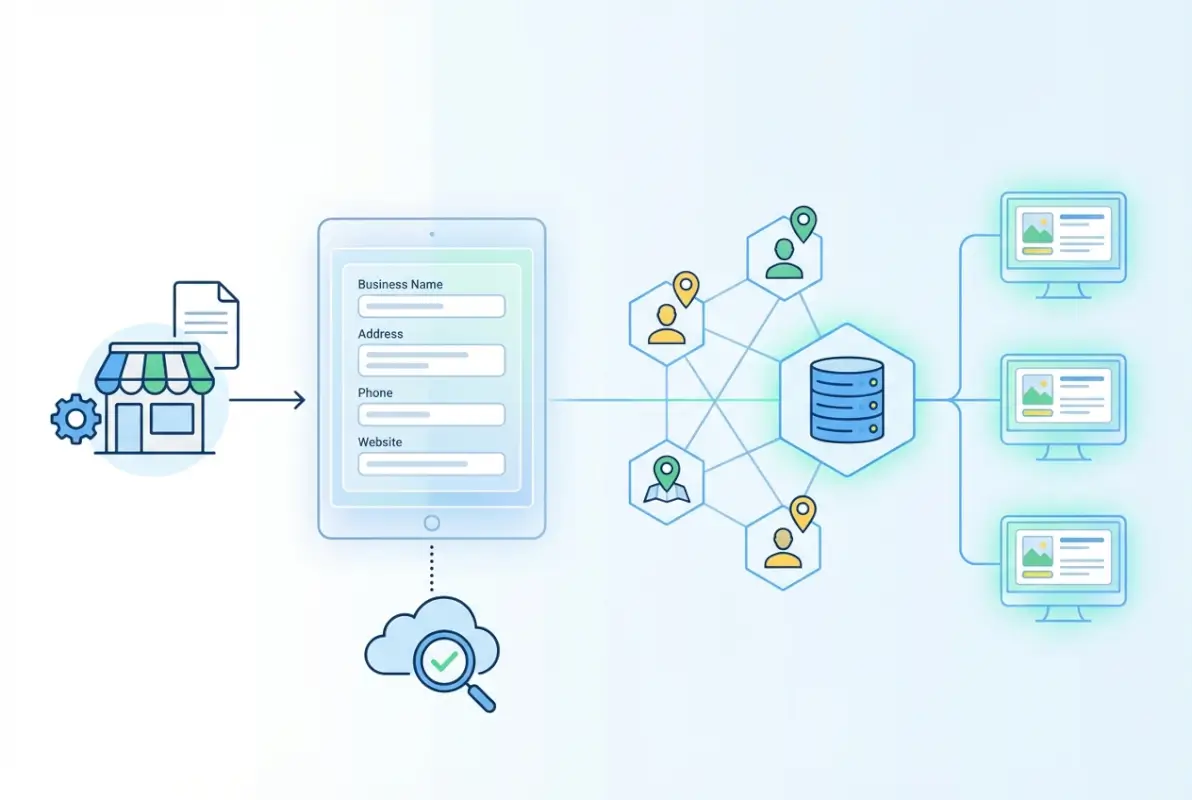
What many business owners miss is the credibility multiplier effect. When your business appears across multiple reputable platforms, it creates perceived omnipresence and legitimacy. A listing on the Better Business Bureau functions as implicit endorsement. Reviews on Yelp provide social proof. A complete Google Business Profile signals professionalism. Together, these elements build trust faster than any single marketing channel could alone.
The Local SEO Connection
Search engines crawl directories to verify business information. When your NAP details (Name, Address, Phone) match across platforms, search algorithms gain confidence in your legitimacy and display your listing more prominently in local results. This validation process directly impacts where you appear in the “local pack”—those highlighted business listings at the top of search results with maps and contact information.
Citations from quality directories also build your website’s domain authority through backlinks. While not all directory links carry equal weight, strategic placement on high-authority platforms signals relevance to search engines. The cumulative effect of consistent, quality directory presence can dramatically improve your organic search visibility.
The 10 Essential US Business Directories for Maximum Impact
Not all directories deserve your time. Some platforms have evolved into must-have resources while others have become irrelevant. The following ten represent the essential foundation every US business should establish, each serving distinct purposes in your visibility strategy.

| Directory | Best For | Cost | Primary Advantage |
|---|---|---|---|
| Google Business Profile | All businesses | Free | Search dominance |
| Yelp | Local services | Free/Paid | Review influence |
| B2B companies | Free/Premium | Professional networking | |
| Better Business Bureau | Trust-focused | Free/Paid | Credibility signal |
| Chamber of Commerce | Local presence | Membership fee | Community connection |
| Angi | Home services | Free/Premium | High-intent leads |
| Bing Places | Enterprise users | Free | Microsoft ecosystem |
| Yellow Pages | Traditional searchers | Free/Paid | Familiar brand |
| Manta | Small businesses | Free/Paid | B2B networking |
| Clutch | Agencies/consultants | Free/Paid | Verified reviews |
Google Business Profile: The Non-Negotiable Foundation
Google Business Profile (formerly Google My Business) remains the undisputed king of business directories. This free platform controls how your business appears in Google Search and Maps—the primary discovery channels for most consumers. A well-optimized GBP listing can secure placement in the coveted local pack, appearing at the top of search results with map integration, reviews, and direct contact options.
The platform’s capabilities extend far beyond basic information display. You can post updates about events and offers, respond to reviews, answer customer questions, enable messaging, and even facilitate appointment booking. The analytics dashboard reveals how customers find your listing, what actions they take, and when they’re most engaged. Google’s AI enhancements now predict busy periods and suggest optimal posting times based on your specific audience behavior.
Setting up your profile requires verification (typically via postcard, phone, or email) to confirm you’re the legitimate business owner. For maximum impact, choose the most precise business category, upload high-quality photos showcasing your products or services, collect and respond to reviews promptly, and complete every available field. Businesses with photos receive 42% more direction requests—the visual component isn’t optional.
Yelp: The Review Powerhouse for Local Discovery
Despite facing increased competition, Yelp maintains dominance as a review platform, particularly for restaurants, retail, and service businesses. What distinguishes Yelp is its highly engaged user base with strong purchase intent—90% of Yelp users make a purchase from a discovered business within one week. That’s not browsing; that’s buying behavior.
The platform has evolved beyond simple reviews to become a comprehensive discovery ecosystem. Restaurant listings integrate menus and reservation systems. Service providers can showcase portfolios. Sophisticated filtering allows customers to find businesses matching specific criteria, making Yelp particularly valuable for businesses with specialized offerings or unique attributes.
Yelp’s review algorithm prioritizes feedback from established users, making ratings harder to manipulate than many platforms. For businesses, this means responding to all reviews—positive and negative—with professionalism and personality. Address criticism by taking conversations offline when appropriate, and never explicitly solicit reviews (it violates Yelp’s terms). The platform’s business tools let you highlight positive feedback and showcase what makes your operation special.
LinkedIn: B2B Directory Dominance
LinkedIn has transformed from a recruiting platform into a powerful lead generation engine for B2B companies, consultants, and enterprise solution providers. The business directory key benefits for your business are particularly pronounced on LinkedIn due to its unparalleled targeting capabilities. Where else can you filter by industry, company size, job title, and specific organizations?
A standout LinkedIn company page requires more than basic information. Your About section should articulate your unique value proposition immediately. Custom banner images reinforce brand identity. Regular content updates showcase thought leadership rather than sales pitches. Employee participation amplifies organic reach through their networks. Strategic hashtag use increases discoverability among relevant professional audiences.
The most successful LinkedIn profiles position themselves as knowledge resources. Share insights, publish original research, and engage meaningfully with your industry’s conversations. This approach builds authority that translates directly into qualified leads when decision-makers search for solutions.
Better Business Bureau: The Trust Signal That Matters
In an era of declining consumer trust, the BBB’s century-old reputation makes it uniquely powerful for signaling credibility. Accreditation requires meeting standards for transparency, honesty, and customer service—making it a meaningful differentiator, not just another listing.
Beyond directory presence, BBB offers dispute resolution services that help resolve customer complaints before they escalate to negative reviews elsewhere. This built-in reputation management adds significant value beyond simple visibility. Basic listings are free and include business information plus complaint history. Full accreditation requires an annual fee based on business size, commitment to BBB standards, and participation in their dispute resolution process.
For businesses in industries where trust is paramount—financial services, home improvement, automotive—BBB accreditation can be the deciding factor when customers compare options. The recognizable seal on your website and listings creates instant credibility that newer businesses particularly benefit from.
Optimizing Your Directory Strategy for Maximum ROI
Creating listings is step one. Optimization is where real value emerges. After managing hundreds of directory profiles across different industries, I’ve identified patterns that separate high-performing listings from abandoned ones. The difference isn’t luck—it’s systematic attention to specific elements.

The Complete Profile Advantage
Complete business listings receive seven times more clicks than incomplete ones. That’s not a marginal improvement; it’s an order of magnitude difference. Yet most businesses leave fields empty, skip photo uploads, or use generic descriptions copied from their website. This represents massive missed opportunity.
Every directory field serves a purpose. Business hours help customers know when to visit. Service descriptions match search queries. Categories determine which searches surface your listing. Photos build familiarity and trust before first contact. Special offers create urgency. Filling these fields isn’t busywork—it’s providing the information customers actively seek when comparing options.
NAP Consistency: The Foundation of Local SEO
Your business’s Name, Address, and Phone number must be identical across every platform. Not similar—identical. Even variations like “Street” versus “St.” or including/excluding suite numbers can confuse search algorithms and dilute your local SEO impact.
Create a master document with your standardized NAP information, business description, categories, and key details. Use this as your single source of truth when creating or updating any directory listing. This consistency helps search engines validate your business information and improves your chances of appearing in local search results.
I once worked with a client who had seventeen different phone numbers listed across various directories (old numbers, tracking numbers, department extensions). Their local search visibility was abysmal despite having a strong business. After normalizing to a single number across all platforms within six weeks, their local pack appearances increased 340%. The fix was simple, but the impact was massive.
Strategic Keyword Integration
Directory listings offer opportunities to rank for specific search queries through strategic keyword use. Your business description should include terms customers actually use when searching, not internal jargon or overly formal language. A home cleaning service might emphasize “eco-friendly cleaning,” “same-day service,” or “pet-safe products” if those are relevant differentiators.
Don’t keyword stuff, but do be intentional. Think about the questions customers ask and the problems they’re trying to solve. If you’re a plumber, someone might search for “emergency plumber 24/7” or “leak detection specialist.” Including these phrases naturally in your description helps you appear in relevant searches.
Leveraging Reviews for Competitive Advantage
Reviews have become the lifeblood of directory effectiveness. Ninety-three percent of consumers say online reviews impact their purchasing decisions. The businesses that systematically generate, manage, and respond to reviews significantly outperform those that treat feedback as an afterthought.
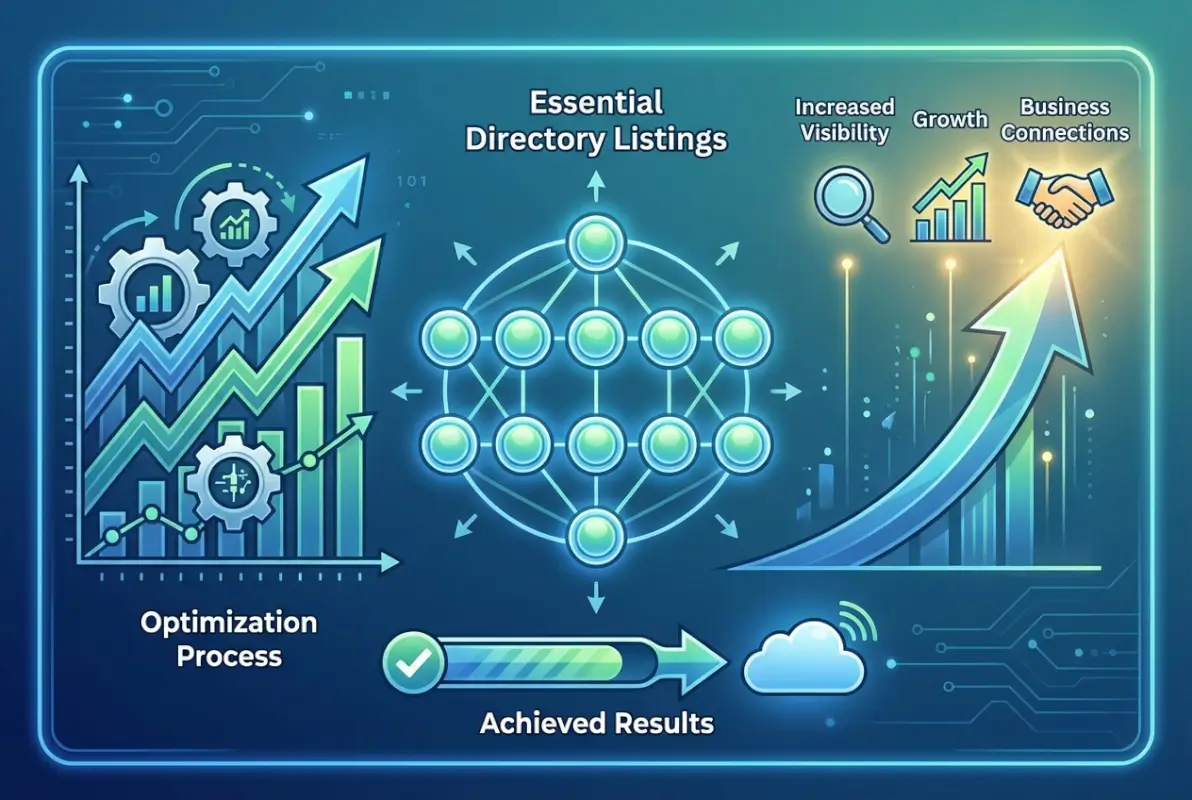
The Review Generation System
Proactively requesting reviews from satisfied customers should be built into your operational workflow. Send follow-up emails or text messages with direct links to your preferred review platforms. Make it frictionless—the easier you make leaving a review, the more you’ll receive.
Timing matters. Request reviews when customer satisfaction is highest, typically right after project completion or successful service delivery. Don’t wait weeks or months; strike while the positive experience is fresh in their mind.
Focus your efforts on the platforms that matter most for your industry. A restaurant should prioritize Yelp and Google reviews. A B2B consultant might emphasize LinkedIn recommendations and Clutch reviews. Don’t spread yourself too thin trying to generate reviews everywhere simultaneously.
Response Strategy That Converts
Responding to reviews might be even more important than the reviews themselves. Potential customers often pay closer attention to how you handle criticism than to the criticism itself. A professional, empathetic response to a negative review can actually build more trust than pages of positive feedback.
Respond to positive reviews with genuine appreciation and specific details (not generic “Thanks for your review!” responses). For negative reviews, acknowledge the concern, apologize if appropriate, explain your perspective briefly, and offer to resolve the issue offline. Never get defensive or argumentative in public responses.
Research consistently shows that businesses responding to at least 25% of reviews see 35% higher conversion rates from directory listings compared to non-responsive competitors. The engagement signals that you value customer feedback and take their experience seriously.
Industry-Specific Directories That Outperform General Platforms
While the major directories provide foundational visibility, industry-specific platforms often deliver higher-quality leads with better conversion rates. These specialized directories attract users with clear intent and specific needs, making them incredibly valuable despite lower overall traffic.

Home Services: Angi and Thumbtack
For contractors, plumbers, electricians, and other home service providers, Angi (formerly Angie’s List) and Thumbtack have become essential lead sources. These platforms connect homeowners actively seeking services with verified professionals. The intent is crystal clear—these aren’t browsers; they’re buyers ready to hire.
Angi combines trust-focused verification with modern features like instant booking and service guarantees. Premium listings offer enhanced visibility and lead management tools. The platform verifies licensing and insurance where applicable, adding credibility that helps you stand out. Responsive businesses with strong reviews rise quickly in Angi’s recommendation algorithm, creating a virtuous cycle of visibility and business growth.
Professional Services: Clutch and Avvo
Clutch has emerged as the dominant directory for agencies, consultants, and B2B service providers. What separates Clutch from general platforms is its verification process—the platform independently interviews your clients to create detailed, credible reviews. This rigor makes Clutch reviews significantly more trustworthy than self-submitted testimonials.
For legal professionals, Avvo provides industry-specific visibility with peer endorsements, client reviews, and lawyer ratings. The platform’s Q&A feature lets attorneys demonstrate expertise by answering public legal questions, building authority that translates into client inquiries.
Healthcare: Healthgrades and Zocdoc
Healthcare providers benefit enormously from platforms like Healthgrades and Zocdoc, which help patients find doctors based on specialty, insurance acceptance, location, and availability. These directories integrate appointment booking and patient reviews, creating streamlined discovery-to-appointment pathways.
The business directory boosts local marketing impact is particularly strong in healthcare, where patients actively research providers before making appointments. Complete profiles with credentials, accepted insurance, and positive reviews directly influence patient acquisition.
Selecting the Right Directories for Your Business
Not every directory deserves your investment. With limited time and resources, strategic selection becomes critical. The goal isn’t maximum listings—it’s maximum impact from your directory presence.
Evaluation Criteria That Matter
Audience alignment: Does the directory attract your target customers? A luxury interior designer should prioritize Houzz over general directories. A budget-focused service might make the opposite choice.
Domain authority: Check the directory’s own search visibility and backlink profile. High-authority directories pass more SEO value and typically have more organic traffic.
Industry relevance: Industry-specific directories often outperform general platforms despite lower traffic because visitors have higher purchase intent and more specific needs.
Competitive presence: Research where successful competitors maintain listings. Their presence indicates platforms that deliver value in your niche.
Review prominence: If social proof drives your industry’s purchase decisions, prioritize platforms where reviews are prominently displayed and actively engaged with.
Red Flags to Avoid
Some directories can actually harm your online presence. Watch for these warning signs:
- No verification process for business information
- Excessive advertising that overwhelms user experience
- Minimal organic traffic (check domain metrics)
- Charging for removal of your listing (extortion model)
- No clear focus or target audience
- Outdated design suggesting platform abandonment
Low-quality directory links can trigger search engine penalties if they appear manipulative. Quality always trumps quantity in directory strategy.
| Directory Quality Indicator | High-Quality Signal | Low-Quality Warning |
|---|---|---|
| Verification Process | Phone, mail, or email verification required | Anyone can add any business instantly |
| User Experience | Clean, focused on business discovery | Overwhelming ads, cluttered design |
| Domain Authority | DA 40+, established traffic | DA below 20, minimal traffic |
| Business Model | Free basic listing, optional premium | Charges for listing removal |
Implementation Playbook: Building Your Directory Presence
Effective directory management requires systematic execution, not one-time effort. The businesses seeing sustained results treat directory optimization as an ongoing process requiring regular attention and refinement.
Step 1: Audit and Inventory
Start by cataloging your existing directory presence. Search for your business name and see where listings already exist (often created automatically from public records). Document the information displayed, noting inconsistencies in NAP data, outdated details, or duplicate listings.
Claim existing listings before creating new ones. Many directories auto-generate basic profiles that need verification to access full management capabilities. Claiming these prevents duplicates and ensures you control the information displayed.
Step 2: Prioritize Based on Impact
Create a tiered approach focusing first on high-ROI platforms:
Tier 1 (Immediate priority): Google Business Profile, Yelp, industry-specific primary directory
Tier 2 (Secondary focus): Bing Places, BBB, LinkedIn, regional directories
Tier 3 (Time permitting): Niche directories, specialty platforms, community resources
Complete Tier 1 thoroughly before moving to Tier 2. A few excellent listings outperform dozens of mediocre ones.
Step 3: Standardize Your Information
Create a master document containing your standardized information for consistency across all platforms:
- Official business name (exactly as registered)
- Complete address with suite/unit numbers
- Primary phone number (no extensions or tracking numbers in listings)
- Business hours (including holiday schedules)
- Business description (2-3 variations optimized for different platforms)
- Service/product categories
- High-quality photos (logo, storefront, products/services, team)
- Social media profile links
- Payment methods accepted
- Certifications or accreditations
This document becomes your single source of truth, ensuring consistency even if multiple team members manage listings.
Step 4: Execute Systematically
Set aside dedicated time for directory work rather than approaching it haphazardly. Block 2-3 hours weekly to claim, complete, and optimize listings. Use your standardized document to fill fields quickly and consistently.
For each directory, complete these core tasks:
- Claim or create the listing with accurate NAP information
- Select the most specific, relevant category
- Write a compelling description using the platform’s character limits fully
- Upload high-quality photos (minimum 5-10 images)
- Add business hours and special schedules
- Include payment methods, services, and attributes
- Link to your website and relevant social profiles
- Enable any available features (messaging, booking, Q&A)
Step 5: Monitor and Maintain
Directory optimization isn’t a one-time project. Schedule quarterly reviews to update information, refresh photos, respond to reviews, and verify accuracy. Set up alerts for new reviews across platforms so you can respond promptly.
Track performance using available analytics. Most major directories provide insights into views, clicks, and customer actions. Monitor which directories drive actual business results, not just traffic. Adjust your focus based on performance data.
Frequently Asked Questions
What are the most important US business directories to list my company on?
The essential directories include Google Business Profile, Yelp, and LinkedIn as foundational platforms every business needs. Add industry-specific directories relevant to your sector—Angi for home services, Clutch for agencies, Avvo for legal, etc. These specialized platforms often deliver higher-quality leads than general directories despite lower traffic volume.
How do business directory listings improve local SEO rankings?
Directories boost local SEO through consistent NAP citations that validate your business location, quality backlinks that strengthen domain authority, and review signals that indicate relevance and credibility. Search engines crawl directories to verify information, so consistent listings across platforms directly impact local search visibility and local pack placement.
Should I pay for premium directory listings or stick with free options?
Start with free listings and optimize them completely before investing in paid upgrades. Many free directory listings deliver substantial value when properly maintained. Consider paid options only after you’ve maximized free listings and can clearly tie directory traffic to business results. Premium listings make sense on platforms already generating leads for you.
How often should I update my business directory information?
Review and update directory listings quarterly to ensure accuracy. Update immediately whenever your NAP information changes, business hours shift, or you add new services. Set calendar reminders for seasonal updates like holiday hours. Regular maintenance prevents the outdated information that frustrates customers and hurts search rankings.
Can directory listings hurt my SEO if I use too many?
Low-quality directories with spammy characteristics can potentially harm SEO through association with untrustworthy sites. Focus on reputable, established directories rather than pursuing maximum quantity. Ten well-maintained listings on authoritative platforms deliver far more value than fifty on questionable sites. Quality always trumps quantity in directory strategy.
What information is most important to include in directory listings?
Prioritize accurate NAP information (name, address, phone), complete business hours, primary service categories, compelling descriptions with relevant keywords, high-quality photos, and payment methods. Complete every available field—listings with 100% profile completion receive seven times more engagement than incomplete ones. Completeness signals professionalism and provides information customers actively seek.
How do I get more reviews on business directory sites?
Build review requests into your operational workflow immediately after positive customer interactions. Send follow-up emails or texts with direct links to your preferred review platforms. Make it frictionless and timely—strike while satisfaction is fresh. Never offer incentives for reviews (violates most platform policies), but do make the process as easy as possible for willing customers.
Which directories matter most for B2B companies versus B2C businesses?
B2B companies should prioritize LinkedIn, Clutch, industry-specific professional directories, and Chamber of Commerce listings. B2C businesses benefit more from Google Business Profile, Yelp, Facebook, and consumer-focused platforms. The fundamental difference is audience intent—B2B buyers research differently than consumers, so your directory strategy should reflect those behavioral differences.
How can I monitor whether directory listings are generating actual business?
Use UTM parameters on website links within directory listings to track traffic sources in Google Analytics. Many directories provide built-in analytics showing views and customer actions. Track phone calls by noting which directory prompted inquiries. Review which platforms generate the most leads monthly and adjust focus accordingly based on actual business results, not vanity metrics.
What should I do about duplicate or incorrect directory listings?
Claim and merge duplicate listings whenever platforms offer that functionality. For listings you can’t control directly, contact the directory’s support team with verification documentation. Regularly search for your business name to identify unauthorized or incorrect listings. Addressing duplicates improves NAP consistency and prevents customer confusion from outdated information.
Ready to Amplify Your Business Visibility?
Strategic directory presence isn’t built overnight, but systematic execution compounds over time. Start with the tier-one platforms, optimize completely before expanding, and maintain consistency across all listings. Your future customers are searching right now—make sure they find you first.
For businesses looking to create their own directory platform, TurnKey Directories offers WordPress solutions that make launching professional directory websites straightforward and effective.
The business directory website complete guide provides additional strategies for maximizing return on your directory investments and building comprehensive visibility across the platforms that matter most for your specific business model.
Was this article helpful?