What Is a Business Directory Website? Complete 2025 Guide to Listings & Local SEO

Generating summary...
Here’s something most business owners overlook: while you’re pouring money into Facebook ads and Google campaigns, there’s a network of business directory websites quietly driving qualified leads to your competitors. These platforms aren’t glamorous, they don’t promise viral growth, and they won’t make for exciting boardroom presentations. But they work—consistently, predictably, and often for free.
I learned this lesson the hard way when launching my first local service business. Despite a beautiful website and active social media, we were invisible in local search results. Then I spent two weeks systematically claiming and optimizing our listings across 30 business directories. Within 45 days, our organic traffic tripled, and we started receiving daily calls from customers who found us through platforms I’d never even heard of. That’s when I realized: business directory websites aren’t relics of the yellow pages era—they’re the infrastructure of local discovery.
Whether you’re trying to boost your business’s visibility or considering building a directory as a business venture itself, understanding how these platforms function is essential. They sit at the intersection of search engine optimization, consumer behavior, and trust-building in ways that few other marketing channels can match.
TL;DR – Quick Takeaways
- Business directories remain critical for local SEO – They provide citation signals, backlinks, and NAP consistency that search engines use for ranking
- Quality beats quantity – Focus on 20-30 authoritative directories rather than spamming hundreds of low-quality sites
- Complete listings outperform partial ones – Businesses with full profiles (photos, hours, descriptions) see 3x more engagement
- Directory types matter – Industry-specific and local directories often deliver better ROI than general platforms
- Building a directory can be profitable – With the right niche and monetization strategy, directories generate passive income through listings and advertising
- Maintenance is non-negotiable – Outdated information destroys credibility faster than you can rebuild it
Understanding Business Directory Websites in the Modern Digital Landscape
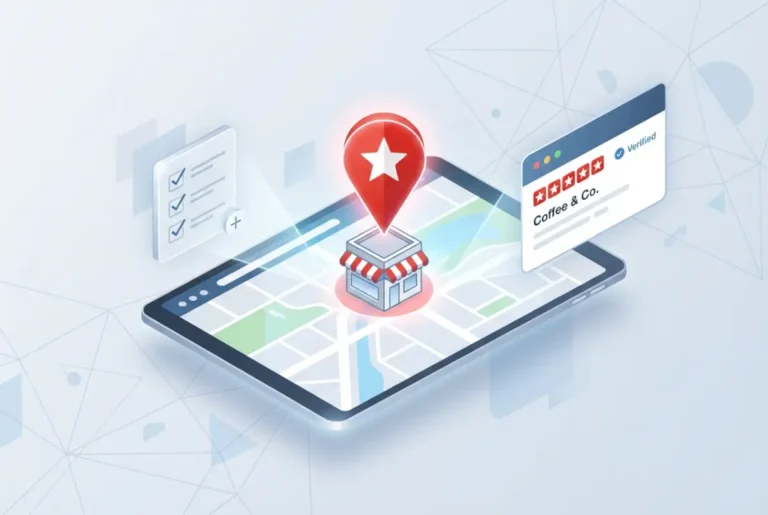
A business directory website is essentially a curated database of businesses organized by category, location, and attributes. Unlike search engines that index everything on the web, directories focus exclusively on business listings with structured, verifiable information. Think of them as the digital evolution of phone books—but instead of alphabetical listings in a dusty tome, you get searchable databases with reviews, photos, hours, and direct contact options.
The core value proposition is deceptively simple: connect consumers searching for specific products or services with businesses that provide them. But beneath this simplicity lies sophisticated functionality. Modern directories incorporate review systems, verification processes, multimedia content, map integration, and sometimes even booking or transaction capabilities.

What makes directories particularly valuable is their role in the local search ecosystem. When someone searches for “plumber near me” or “best Thai restaurant in downtown,” search engines don’t just look at business websites—they aggregate data from trusted directories to verify information and determine rankings. Your presence on these platforms essentially vouches for your legitimacy.
The transition from print directories to online platforms wasn’t just about digitization—it fundamentally changed how consumers discover businesses. Paper directories were static, outdated within months, and provided minimal information. Digital directories offer real-time updates, user-generated reviews, visual content, and the ability to compare multiple options instantly. According to WordStream’s business listing research, consumers now consult an average of 4.3 sources before visiting a local business, and business directories consistently rank among the top three sources.
Why Directories Still Matter for Visibility and Trust
You might wonder whether directories remain relevant when Google dominates local search. The answer is emphatically yes, for several reasons. First, search engines use directory information as confirmation signals. When your business name, address, and phone number (NAP) appear consistently across multiple trusted directories, it signals to Google that your business is legitimate and properly represented. This consistency directly impacts your local search rankings.
Second, many directories have substantial domain authority and rank well for industry-specific searches. A listing on a high-authority directory can appear on page one of search results even when your own website doesn’t. This provides an alternative discovery path that you’d be foolish to ignore.
Third, directories contribute to the critical trust signals consumers seek before making decisions. Being listed on recognized platforms like Better Business Bureau, industry-specific directories, or local chamber of commerce websites lends credibility. Combined with positive reviews, these listings serve as powerful social proof.
Types of Business Directories and When to Use Each
Not all business directories are created equal, and understanding the distinctions helps you prioritize where to invest time and potentially money. The directory landscape breaks down into several categories, each serving different strategic purposes.
General directories like Yelp, Yellow Pages, and Google Business Profile cast wide nets across multiple industries and geographic areas. These platforms attract massive traffic volumes and serve as starting points for consumers who aren’t sure where to begin their search. For most businesses, presence on major general directories is non-negotiable—it’s the baseline expectation for online visibility.

Niche directories focus on specific industries, professions, or business types. Examples include Houzz for home improvement, Healthgrades for medical practitioners, Avvo for attorneys, and TripAdvisor for tourism businesses. These specialized platforms attract highly qualified leads with specific intentions. Someone browsing Houzz is likely planning a renovation project, making them far more valuable than a random website visitor.
The backlinks from industry-specific directories also carry more SEO weight since they come from relevant sources within your ecosystem. Search engines recognize that a link from a legal directory to a law firm is more meaningful than a link from a general business listing site.
Local vs. National Directory Strategy
Local directories focus on specific geographic areas—cities, regions, or neighborhoods. Chamber of Commerce websites, neighborhood guides, and city-specific business platforms fall into this category. For businesses serving local customers (restaurants, retail shops, service providers), these directories are invaluable for proximity-based searches.
When someone searches for “coffee shop near me,” local directory listings significantly influence results. These platforms often have strong community connections and may offer networking opportunities beyond online visibility. I’ve personally closed several consulting contracts through connections made at Chamber of Commerce events, which I only attended after joining their online directory.
National directories cover businesses across entire countries or regions. While they provide broader exposure, they may not offer the same local search advantage as region-specific platforms. However, for businesses with multiple locations or nationwide service offerings, these broader directories are essential.
The optimal approach for most businesses combines both: leverage local directories for community presence and proximity searches, while using national platforms for broader visibility and SEO benefits. It’s a portfolio strategy, not an either-or decision.
| Directory Type | Best For | Key Benefits | Example Platforms |
|---|---|---|---|
| General | All businesses | Broad reach, high traffic | Yelp, Yellow Pages, Google Business |
| Niche | Industry-specific targeting | Qualified leads, relevant backlinks | Houzz, Healthgrades, TripAdvisor |
| Local | Service-area businesses | Proximity search, community trust | Chamber sites, neighborhood guides |
| National | Multi-location or online businesses | Broad visibility, domain authority | BBB, Manta, Superpages |
Free vs. Paid Listings: Where to Invest
Most directories offer basic listings at no cost, including essential information like business name, address, phone number, and perhaps a brief description. These free listings provide valuable visibility and contribute to your citation profile without financial investment.
For startups and businesses with limited marketing budgets, maximizing free directory listings is an essential first step. You can establish presence across dozens of platforms without spending a dollar. Several resources compile comprehensive lists of free business listing sites to streamline this process.
Paid or premium listings offer enhanced features: priority placement in search results, additional photos or videos, removal of competitor ads, detailed business information, verification badges, and analytics on listing performance. The investment in paid listings should be strategic, focusing on directories most relevant to your industry and customer base.
Premium listings on high-traffic platforms relevant to your business can deliver substantial returns. I’ve seen clients generate 10:1 ROI on premium Yelp listings in competitive restaurant markets. Conversely, paying for enhanced features on low-traffic or irrelevant directories wastes money that could be better spent elsewhere.
How Business Directories Boost Local SEO Performance
The SEO benefits of business directory listing platforms extend far beyond simple backlinks. These platforms contribute to search engine rankings through multiple interconnected mechanisms that collectively improve your online visibility.
Citations—mentions of your business name, address, and phone number—serve as trust signals to search engines. When Google’s algorithms crawl the web and find your NAP information consistently represented across dozens of trusted directories, it confirms that your business is legitimate, established, and properly documented. This consistency directly influences local pack rankings (those map results at the top of local searches).

Research from industry experts shows businesses with consistent information across 50+ quality directories rank approximately 12% higher in local search results compared to businesses with sparse or inconsistent citation profiles. That might not sound dramatic, but in competitive markets, a 12% ranking improvement can mean the difference between first-page visibility and digital obscurity.
The Backlink Advantage from Directory Listings
Backlinks from directory websites to your business site function as endorsements in the eyes of search algorithms. These links signal that your website is connected to the broader business ecosystem and recognized by established platforms. However, not all directory backlinks are created equal.
The quality of directory backlinks depends on several factors: the directory’s own domain authority and reputation, whether the link is followed or nofollowed, the relevance of the directory to your business category, and the overall link profile of the directory itself.
High-quality directories like BBB, industry-specific platforms, and established local directories typically provide the most valuable backlinks. These sites are trusted by search engines and pass meaningful link equity. In contrast, low-quality or spammy directories can potentially harm your SEO efforts—or at minimum waste your time without benefit.
It’s worth noting that even nofollowed links from reputable directories provide value. While they may not directly pass link equity, they contribute to a natural link profile and can drive referral traffic. The diversification of your link sources through directory listings creates a more robust and authentic-looking backlink profile that search engines reward.
NAP Consistency and Local Pack Rankings
Google and other search engines use directory information to verify your business details. Consistent NAP (Name, Address, Phone number) information across directories serves as confirmation that your business details are accurate and trustworthy. This consistency significantly impacts your chances of appearing in local pack results—those highly coveted map listings at the top of local search results.
NAP inconsistencies confuse search engines and erode trust. If your business name appears as “Smith’s Plumbing” on one directory, “Smith Plumbing Services” on another, and “John Smith Plumbing” on a third, search engines struggle to determine which version is correct. This confusion can suppress your local rankings or prevent you from appearing in local packs altogether.
Beyond Google, directories themselves often rank well for local service searches. Having optimized listings on these platforms effectively puts your business on the first page of search results through the directory, even if your website doesn’t rank well for those terms yet. This provides an alternative pathway to visibility—crucial for newer businesses building their SEO presence.
According to research on directory ranking strategies, businesses that maintain NAP consistency across top directories see a 35% increase in local pack appearances compared to businesses with inconsistent information.
Creating Your Own Business Directory Website
Building a business directory website can be a viable business model itself, particularly when you identify an underserved niche or geographic area. The barriers to entry have lowered significantly with modern platforms and tools, but success still requires strategic planning and ongoing commitment.
The first critical decision is platform selection. You essentially have three paths: custom development, directory-specific software, or content management systems with directory functionality. Custom development offers maximum flexibility and unique features but requires substantial investment—typically $50,000+ and several months of development time. This approach makes sense only for large-scale projects with specialized requirements or innovative features unavailable elsewhere.
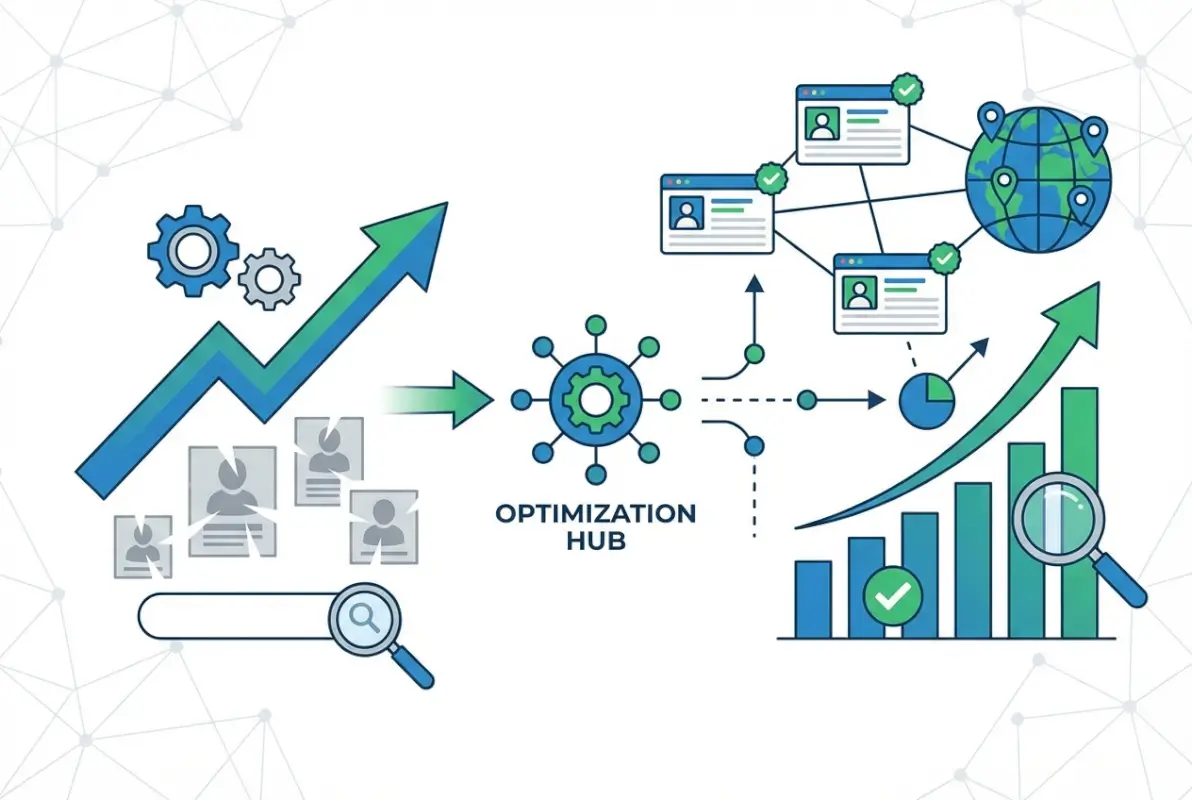
Directory-specific software provides purpose-built solutions with features designed explicitly for business listings. These platforms include ready-to-use templates, search functionality, review systems, and payment processing for premium listings. They’re generally easier to implement than custom solutions while still delivering professional results.
Content management systems like WordPress with directory plugins offer a middle ground. Solutions from providers like directory-focused theme developers provide reasonable customization options with lower development costs and maintenance requirements. For small to medium-sized directory projects, this approach often delivers the best balance of functionality and resource efficiency.
User Experience Design for Directory Success
The success of a directory website hinges on usability for both businesses and consumers. An intuitive, clean interface encourages engagement and return visits, while confusing layouts drive users away faster than you can say “bounce rate” (and I’ve seen plenty of those).
Critical elements of effective directory design include intuitive navigation and logical category structures, prominent search functionality with useful filters, mobile responsiveness for on-the-go searches, fast loading times (users abandon sites that take more than 3 seconds to load), simplified listing submission processes for businesses, and clear calls-to-action for both businesses and consumers.
I once worked on a regional directory that struggled with user engagement until we simplified the advanced search from twelve filter options to five, focusing only on the most-used criteria. This seemingly minor change increased user searches by 41% and time-on-site by nearly two minutes. Sometimes less truly is more—users want to find what they need quickly, not navigate complex interface layers.
Populating and Maintaining Directory Listings
A directory without listings is worthless—like a store without products. Initial population is critical for establishing value and attracting both businesses and consumers. Effective starting strategies include manually adding free basic listings for prominent local businesses, partnering with business associations or chambers of commerce, offering free premium listings for a limited time to early adopters, and creating incentives for businesses to self-submit.
Quality matters more than quantity in early stages. Focus on complete, accurate listings rather than high volumes of partial information. Each listing should include accurate contact information, business hours, a descriptive overview, proper categorization, and ideally some visual content.
For local business directory websites, geographic organization is essential. Ensure your structure accommodates searches by neighborhood, city, and region to maximize relevance for users looking for nearby services.
Maintenance is perpetual, not periodic. Outdated or inaccurate information erodes credibility faster than anything else. Effective maintenance practices include regular verification of existing listings (quarterly at minimum), processes for users to report closed businesses or inaccuracies, periodic outreach to listed businesses for updates, review moderation for policy compliance, and prompt removal of duplicate listings.
| Platform Type | Cost Range | Development Time | Best For |
|---|---|---|---|
| WordPress + Plugin | $100-500 | 1-2 weeks | Small local directories, testing concepts |
| Directory Software | $2,000-10,000 | 1-2 months | Regional or niche directories |
| Custom Development | $50,000+ | 3-6 months | National directories with unique features |
Monetization Strategies for Directory Websites
Building a directory is only half the equation—monetization determines whether it’s a business or an expensive hobby. Multiple revenue models exist, and the most successful directories typically employ several simultaneously rather than relying on a single income stream.
Premium listings represent the most direct monetization approach. Businesses pay for enhanced visibility through features like extended profiles with videos and additional photos, priority placement at the top of category searches, featured spots on high-traffic pages, verification badges that increase trust, and detailed analytics on listing performance.

Effective pricing strategies involve tiered options catering to businesses of different sizes and budgets. Many successful directories offer monthly subscriptions with annual plans at discounted rates to improve retention and create predictable revenue. The key is demonstrating clear value differentiation—businesses need to see tangible benefits that justify the investment.
Advertising Revenue Opportunities
Beyond paid listings, directories generate revenue through various advertising formats: display advertising with banner placements and sidebar spots, native advertising that mimics editorial style, sponsored email mentions in newsletters, and contextual advertising that changes based on the category or location being viewed.
The targeted nature of directory traffic makes these advertising opportunities particularly valuable. Advertisers can reach consumers with high purchase intent who are actively searching for relevant products or services. This specificity often commands premium rates compared to general web advertising.
Balancing advertising revenue with user experience is critical though. Excessive or intrusive advertising drives users away, ultimately reducing the platform’s value to advertisers. The best approach integrates advertising naturally into the user journey—think helpful suggestions rather than annoying interruptions.
Subscription and Transaction-Based Models
While less common than advertising and premium listings, subscription models offer alternative revenue streams. These typically take two forms: business subscriptions offering enhanced features, market insights, competitive analysis, or lead generation services; and consumer subscriptions providing premium access with benefits like verified reviews, special deals, or advanced search capabilities.
The business subscription approach works when directories provide genuine ongoing value beyond simple visibility. This might include regular reports on profile views, competitor analysis, industry trends, or lead qualification services.
Hybrid models combining free basic access with premium subscriber-only features have proven successful for many directories. This approach maximizes user base while creating conversion opportunities. It’s the “freemium” model that has worked so well for software companies, applied to directory services.
Transaction-based revenue—taking commissions on bookings, purchases, or leads generated through the directory—represents the highest potential returns but also the highest implementation complexity. This requires integrating payment processing, developing booking systems, and managing transactions between businesses and consumers.
Claiming and Optimizing Your Business Listings
For businesses seeking to leverage directories for visibility, the process begins with claiming existing listings. Many directories create basic listings automatically by scraping public business data. These auto-generated profiles are often incomplete or inaccurate—claiming them allows you to take control and optimize the content.
The claiming process typically involves verifying ownership through methods like receiving a phone call or postcard with a verification code, confirming through email associated with the business domain, or uploading documentation proving business ownership.
Once claimed, optimization is crucial. Complete every available field in your profile—businesses with comprehensive listings receive 3x more engagement than those with partial information. Include your exact business name as registered, complete address with suite or unit numbers if applicable, local phone number (not a call center number), accurate business hours including holidays, detailed business description incorporating relevant keywords naturally, high-quality photos of your location, products, or services, and your logo in required dimensions.
Your business description deserves particular attention. This is where you can incorporate keywords that potential customers might search for while describing what makes your business unique. Avoid keyword stuffing—write for humans first, search engines second. A natural, compelling description that explains your value proposition will always outperform awkward, keyword-stuffed text.
Managing Reviews and Reputation
Reviews on directory platforms significantly influence both consumer decisions and search rankings. Businesses with higher review volumes and better ratings consistently outperform competitors in local search results and conversion rates.
Actively encouraging satisfied customers to leave reviews is essential but must be done appropriately. Never offer incentives for positive reviews, as this violates most platform policies and can result in penalties. Instead, make the review process easy by providing direct links to your profiles and simply asking at the right moment (after a positive service experience).
Responding to reviews—both positive and negative—demonstrates engagement and professionalism. Thank customers for positive feedback briefly and professionally. For negative reviews, respond promptly and constructively, acknowledging concerns without being defensive, offering to resolve issues offline with contact information, and never arguing or being dismissive.
I’ve seen businesses completely turn around their online reputation by responding thoughtfully to every review for 90 days. The combination of new positive reviews and professional responses to old negative ones created a narrative of a business that cares about customer experience and continuously improves.
Future Trends Reshaping Business Directories
Business directories continue evolving as technology advances and consumer expectations shift. Several emerging trends are reshaping the landscape in ways that forward-thinking businesses and directory operators should monitor.
Artificial intelligence and machine learning are transforming directory functionality through personalized recommendations based on user behavior and preferences, predictive search that understands intent beyond literal query terms, natural language processing that extracts insights from reviews automatically, fraud detection systems that identify fake reviews or suspicious listings, and AI-powered chatbots that help users find exactly what they need through conversation.
Visual-first experiences are becoming standard rather than premium features. Enhanced visual content including virtual tours, 360° images, and video profiles help consumers make more informed decisions before visiting businesses. Augmented reality features that let users “preview” businesses or services are moving from experimental to practical applications.
Voice search optimization is critical as voice assistants grow in popularity. Directories are adapting to provide results for conversational queries like “find me a good Italian restaurant nearby” rather than typed keyword searches. This requires different optimization approaches focused on natural language and question-based content.
Integration with Broader Marketing Ecosystems
The future of directories involves deeper integration with broader marketing ecosystems rather than functioning as isolated platforms. This includes CRM integration where directory listings connect directly with business customer relationship management systems for seamless lead handling, marketing automation where actions on directories trigger appropriate follow-up communications, enhanced analytics providing insights into how directory traffic converts through sales funnels, and social media integration incorporating social content and enabling cross-platform engagement.
API ecosystems allowing third-party developers to build tools and integrations around directory data will create new possibilities for innovation. The most successful directories in coming years will position themselves as vital nodes in broader digital ecosystems rather than standalone platforms.
Real-time information capabilities are expanding beyond basic business hours to include live updates on capacity, wait times, inventory availability, and even real-time staff availability. This transforms directories from static information repositories to dynamic tools that facilitate immediate consumer decisions.
Transaction capabilities continue expanding, with directories increasingly incorporating booking, purchasing, or reservation features directly into listings. This evolution positions directories not just as discovery platforms but as complete customer journey facilitators from initial search through final transaction.
Frequently Asked Questions
What exactly is a business directory website and how does it differ from search engines?
A business directory website is a curated platform that specifically lists and organizes businesses by category, location, and attributes with structured, verified information. Unlike search engines that index the entire web, directories focus exclusively on business listings with standardized data formats that make comparison easier. Directories often include detailed reviews, business-specific attributes, and category filters that search engines don’t prominently display, essentially serving as specialized marketplaces rather than universal indexes.
How do business directory listings improve local SEO rankings?
Directory listings improve local SEO through multiple mechanisms: they provide citation signals that verify your business information, contribute valuable backlinks that increase domain authority, ensure NAP consistency across the web which search engines use as trust signals, and help you appear in location-based searches. Businesses with consistent information across 50+ quality directories typically rank 12% higher in local search results than those with sparse citation profiles.
Should I list my business on every directory I can find?
No, focus on quality over quantity. Prioritize reputable directories with high domain authority, industry relevance, and genuine user traffic. Low-quality or spammy directories waste time and can potentially harm your SEO. Start with major platforms like Google Business Profile, industry-specific directories relevant to your field, and local directories for your service area. A strategic presence on 20-30 quality directories typically delivers better results than 100+ mediocre listings.
What information should I include in my business directory listings?
Complete listings should include your business name exactly as registered, full address with suite numbers, local phone number, website URL, accurate hours including holidays, detailed description with relevant keywords, primary and secondary categories, high-quality photos of your location or products, logo, accepted payment methods, and social media links. The more complete your listing, the better it performs—comprehensive listings receive approximately 3x more engagement than partial ones.
How do I handle negative reviews on business directories?
Respond promptly and professionally, acknowledging the customer’s concerns without being defensive. Offer to resolve issues offline by providing contact information. Never argue or dismiss complaints, as your response often matters more than the original review. Address legitimate concerns by making actual improvements to your business. Encourage satisfied customers to leave positive reviews to balance negative ones, and flag reviews that violate directory policies such as fake or offensive content.
Can I build my own business directory website as a business venture?
Yes, creating a directory can be a viable business model, particularly for underserved niches or geographic areas. Success requires choosing the right platform (WordPress with plugins, directory software, or custom development), focusing on user experience, building a critical mass of quality listings, and implementing effective monetization strategies like premium listings, advertising, or subscriptions. However, it requires ongoing commitment to maintenance, marketing, and user acquisition rather than being a passive income source.
How long does it take to see SEO results from directory listings?
Directory listing SEO benefits typically appear within 4-12 weeks as search engines discover and index your listings. Local pack appearances may occur faster at 2-4 weeks, while domain authority improvements from backlinks take longer at 3-6 months. Consistency is crucial—maintaining accurate NAP information across all directories accelerates results. The timeline varies based on competition level, industry, and how many quality directories feature your business.
What’s the difference between free and paid directory listings?
Free listings typically include basic information like business name, address, phone, and brief descriptions—sufficient for establishing citation presence and basic visibility. Paid listings offer enhanced features such as priority placement in search results, additional photos or videos, removal of competitor ads, verification badges, detailed analytics, and extended descriptions. Investment in paid listings should be strategic, focusing on high-traffic directories relevant to your industry where premium placement delivers measurable ROI.
How do niche directories compare to general directories for SEO value?
Niche directories often provide more SEO value than general directories because they offer industry-relevant backlinks that search engines weight more heavily and attract highly qualified leads with specific intentions. A link from a legal directory to a law firm carries more authority than one from a general listing site. However, both play important roles—general directories provide broad visibility and citation signals, while niche directories deliver targeted traffic and relevant link equity.
What are the best monetization strategies for business directory websites?
The most effective approach combines multiple revenue streams: premium or featured listings with enhanced visibility and features, targeted display or native advertising relevant to user searches, subscription models offering businesses additional benefits like analytics or lead generation tools, and potentially transaction fees on bookings or purchases facilitated through the directory. Successful directories typically generate $2,000-5,000+ monthly once established with 500+ quality listings, though this varies significantly by niche and geography.
Take Control of Your Directory Strategy Today
Business directory websites represent one of the most underutilized yet effective digital marketing channels available. Whether you’re optimizing your business presence across existing platforms or building a directory as a business venture, the fundamentals remain constant: quality information, strategic selection, and consistent maintenance deliver results.
For businesses seeking visibility, start with an audit of your current directory presence. Identify gaps in coverage, particularly industry-specific and local directories your competitors may be leveraging. Claim and optimize existing listings with complete, accurate information and compelling descriptions. Monitor performance through available analytics and adjust your strategy based on which directories drive the most valuable traffic.
For entrepreneurs considering directory creation, identify underserved niches or geographic areas where existing options fall short. Focus intensely on user experience and data quality rather than trying to compete with established general directories. Build partnerships with business associations and implement multiple monetization streams from the start rather than trying to retrofit revenue models later.
The opportunity in business directories hasn’t disappeared—it’s simply shifted from broad general platforms to specialized, well-executed niche directories and from passive listings to actively managed, optimized business profiles. Those who understand this shift and act accordingly will continue finding success where others see only outdated relics of a previous era.
Was this article helpful?