How to Launch a Thriving Business Directory Website: 9 Pro Strategies for 2025

Generating summary...
Creating a successful business directory website isn’t just about listing businesses—it’s about building a trusted community platform that solves real problems for both businesses and consumers. After helping dozens of clients develop directory websites that generate substantial revenue, I’ve learned that the difference between thriving directories and those that fade into obscurity comes down to strategic execution, data quality, and genuine value creation.
The landscape has shifted dramatically. While general directories like Yelp dominated the early internet, today’s opportunities lie in specialized niches where you can provide curated, high-quality listings that serve specific audiences exceptionally well. The secret? Understanding that your directory is a trust platform first and a technology product second.
Let me share the proven strategies that separate successful business directories from the thousands that launch with high hopes but never gain traction.
TL;DR – Quick Takeaways
- Niche specialization wins – Focused directories outperform general ones in engagement and monetization
- Data quality is everything – NAP consistency and structured data determine your search visibility
- Mobile-first is non-negotiable – Over 60% of local searches happen on mobile devices
- Trust signals matter – Reviews, verification badges, and responsive support build credibility
- Multiple revenue streams – Diversify between paid listings, featured placement, and affiliate partnerships
- Community creates moats – Engaged users and businesses become your competitive advantage
1. Foundation and Strategy: Building Your Directory on Solid Ground
Before touching any code or choosing a platform, you need crystal clarity on your directory’s purpose, audience, and business model. I once watched a client spend $30,000 building a beautiful general business directory in Chicago, only to realize six months later they were competing against platforms with million-dollar marketing budgets. After pivoting to specialized healthcare providers—a niche they actually understood—they reached profitability within nine months.
Your foundation determines everything that follows. Get this wrong, and no amount of technical excellence will save you.

Define Your Niche and Value Proposition
The riches are in the niches, particularly for directory websites. Specialization reduces competition while increasing value for both sides of your marketplace. Instead of “restaurants,” consider “plant-based restaurants in the Southwest” or “family-friendly wineries in California.” The narrower focus allows you to become the definitive authority.
When evaluating potential niches, analyze these critical factors:
- Business density – Aim for at least 500-1,000 potential listings in your target area
- Search demand – Use keyword research tools to verify people actually search for this category
- Competition level – Look for markets with 3-5 competitors maximum, not dozens
- Market growth – Target industries growing at 5%+ annually rather than declining sectors
- Marketing budget – Businesses should spend $100+ monthly on visibility to afford your listings
Understand Your Dual Audience
Business directories serve two distinct groups with different needs and motivations. Your success depends on satisfying both simultaneously.
Businesses seeking visibility want targeted exposure to potential customers, competitive advantages over rivals, and measurable return on investment. They’re evaluating whether your directory delivers qualified leads worth the listing fee.
End users searching for services want accurate information, credible reviews, and efficient filtering to find exactly what they need. They’re assessing whether your directory saves them time compared to Google searches or asking friends.
Create detailed personas for each group. What frustrates them about existing solutions? What would make them choose your directory over alternatives? Use customer interviews and social listening to build these profiles based on real feedback, not assumptions.
Monetization Models and Listing Tiers
Successful directories implement multiple revenue streams rather than relying on a single source. The freemium model works exceptionally well—offer basic listings free to build your database, then charge for premium features that provide genuine value.
| Tier | Monthly Price | Key Features | Conversion Rate |
|---|---|---|---|
| Basic | Free | NAP, 1 image, category | 100% (entry point) |
| Standard | $39-59 | 5 images, description, social links | 15-20% |
| Premium | $99-149 | Featured placement, video, analytics | 8-12% |
| Elite | $249-399 | Top placement, lead notifications, priority support | 3-5% |
Additional revenue streams include display advertising from industry partners, affiliate commissions for related products, lead generation fees where businesses pay per qualified inquiry, and premium content like industry reports or market insights. Start with 2-3 monetization methods and optimize based on actual performance data.
Compliance, Privacy, and Data Governance
Directory platforms collect significant personal and business data, making compliance with privacy regulations essential. Under GDPR and CCPA, you must provide clear privacy policies, obtain explicit consent for data collection, allow users to access and delete their information, and implement proper security measures to protect stored data.
According to W3C Web Accessibility Initiative standards, accessible design isn’t just good practice—it’s increasingly a legal requirement. Implement WCAG 2.1 AA compliance minimum to ensure your directory serves users with disabilities.
2. Site Architecture and Strategic Content Structure
Your directory’s information architecture determines how easily users find what they need and how effectively search engines can crawl and index your content. Poor architecture creates frustration and abandonment, even if your listings are excellent.
I remember auditing a directory with over 5,000 quality listings but a confusing category structure. Users averaged only 1.3 page views before leaving because they couldn’t navigate effectively. After restructuring the taxonomy and implementing faceted search, engagement jumped to 4.7 pages per session and conversions increased by 340%.

Clear Navigation and Hierarchy
Design your navigation to match user mental models, not your internal organizational structure. Most directory users start with either a specific location (“plumbers in Austin”) or a broad category (“Italian restaurants”). Your homepage should prominently support both paths.
Implement a three-tier hierarchy: Homepage → Category/Location Pages → Individual Listings. Keep your main navigation to 5-7 top-level categories maximum. Additional categories can live in footer menus or be accessible through search and filters.
Location Pages That Convert
Location-specific landing pages are SEO gold for directories. Create dedicated pages for every major city or region you serve, each with unique, valuable content—not just a list of businesses.
Effective location pages include local market overviews (number of businesses, industry trends), neighborhood guides that help users understand different areas, featured businesses from that location, relevant statistics and demographics, and unique content about what makes this location special for your niche.
Avoid the cardinal sin of duplicate content. “Best plumbers in Austin” should have completely different written content than “Best plumbers in Dallas,” even if the structure is similar. Search engines penalize thin, duplicated location pages.
Category Taxonomy and Faceted Search
Your category structure should be intuitive and comprehensive without being overwhelming. Start with broad parent categories, then create subcategories that represent how users actually think about your industry.
For a food directory, don’t just list “Italian, Mexican, Chinese.” Consider cuisine, dietary preferences, dining style, price range, and special features. Users might search for “vegan-friendly Italian restaurants with outdoor seating under $30 per person.”
Faceted search allows users to combine multiple filters dynamically. The URL structure should reflect these filters for SEO purposes: yoursite.com/restaurants/italian/vegan/outdoor-seating. Each combination can potentially rank for long-tail search queries.
URL Structure and Canonicalization
Clean, descriptive URLs improve both user experience and SEO. Use this pattern:
- Homepage: yoursite.com
- Category: yoursite.com/category-name
- Location: yoursite.com/city-name
- Category + Location: yoursite.com/category-name/city-name
- Individual listing: yoursite.com/business-name-city
Implement canonical tags to prevent duplicate content issues when the same listing appears in multiple categories or when filter combinations create similar pages. The canonical should point to the primary version of the content.
3. Data Quality, NAP Consistency, and Directory Integrity
Data quality separates successful directories from failures. Inaccurate listings frustrate users, damage your credibility, and harm your search rankings. According to Statista research on local search behavior, 73% of consumers lose trust in a brand after encountering incorrect information online.
Your competitive advantage isn’t just having more listings—it’s having more accurate, comprehensive, and current listings than anyone else in your niche.

NAP Consistency Across Sites
NAP stands for Name, Address, Phone—the critical business information that must remain consistent across your directory and every other platform where that business appears. Inconsistent NAP data confuses search engines and damages local SEO performance for both the business and your directory.
Establish strict formatting standards: decide whether you’ll use “Street” or “St,” how to handle suite numbers, phone number formatting (with or without dashes), and business name formatting (including or excluding legal entities like LLC). Then enforce these standards consistently.
Before adding any listing, verify the information against the business’s Google Business Profile, official website, and at least two other authoritative sources. This verification step takes extra time initially but prevents the much larger problem of cleaning bad data later.
Local Citations and Consistency Checks
Citations are mentions of a business’s NAP information on other websites. The consistency of these citations across the web influences local search rankings. As a directory owner, you’re creating citations for every business you list.
Implement automated monitoring tools that regularly check your listings against other major directories and flag discrepancies. Tools like Moz Local or BrightLocal can automate this process, though manual verification is still necessary for critical listings.
Automated vs. Manual Directory Moderation
The tension between scale and quality defines every directory’s operational challenge. Automated submission and approval speeds growth but risks quality degradation. Manual review ensures accuracy but creates bottlenecks.
The optimal approach combines both: use automation for initial verification (checking that required fields are completed, validating phone numbers and addresses, detecting obvious spam patterns) while reserving human review for final approval, premium listings, and flagged submissions.
For premium paying listings, always include manual verification and optimization. Businesses paying for enhanced visibility deserve white-glove treatment that ensures their listing looks professional and includes all available features.
Data Validation Workflows and Update Cadences
Business information changes constantly—owners update hours, phone numbers change, locations close or relocate. Stale data destroys directory credibility faster than almost anything else.
Establish a quarterly update cycle where you systematically verify all listings, prioritizing premium listings and high-traffic businesses. Send automated reminders to business owners asking them to review and update their information. For businesses that don’t respond, conduct manual verification by calling or checking their website.
Implement a user reporting system that allows anyone to flag incorrect information. Respond to these flags within 24-48 hours to maintain trust. Some of your most valuable users will be the ones who care enough to report errors.
4. Structured Data, SEO, and SERP Features
Structured data is the secret weapon that helps search engines understand your directory content and display it prominently in search results. Implementing proper schema markup can earn you rich snippets, knowledge panels, and other SERP features that dramatically increase click-through rates.
According to Google Search Central updates and guidelines, properly implemented structured data improves how search engines crawl, index, and display your content, though it’s not a direct ranking factor.
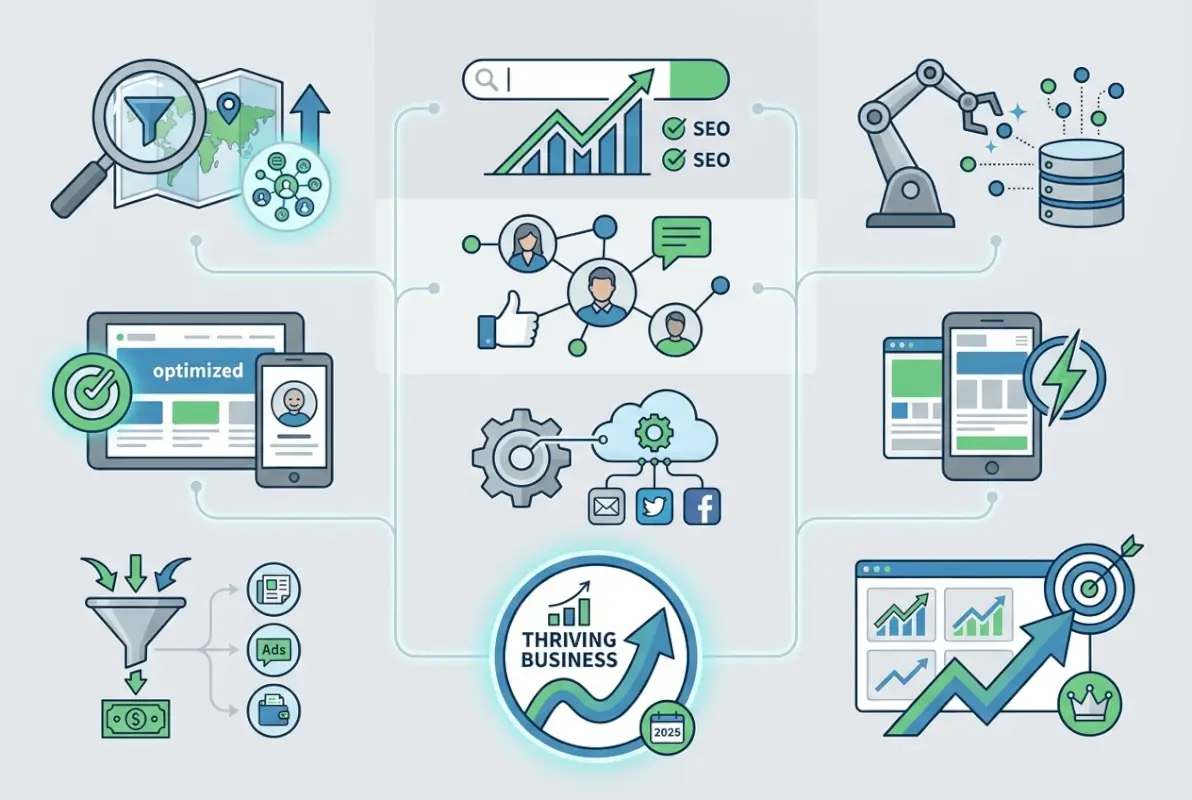
Implement Schema.org Markups for Listings and Reviews
Every listing on your directory should include LocalBusiness schema (or the appropriate subcategory like Restaurant, MedicalBusiness, or LegalService). This structured data tells search engines exactly what information represents business names, addresses, phone numbers, hours, reviews, and other critical details.
The essential schema properties for directory listings include name, address, telephone, url, image, priceRange, aggregateRating, and review. For maximum impact, reference the complete specifications at Schema.org structured data documentation.
Reviews deserve their own Review schema nested within your LocalBusiness markup. Include the reviewer name, rating value, review body, and date published. Rich review snippets in search results significantly improve click-through rates—listings with star ratings displayed in search results see 15-30% higher CTR.
Rich Results and FAQ Snippets
Beyond basic business listings, implement FAQ schema on category pages, location pages, and your main blog content. FAQ rich results occupy significant real estate in search results and answer user questions directly in the SERP, establishing your authority.
Create FAQ sections that address common questions about your niche: “How do I choose the right [service] in [location]?” or “What should I expect to pay for [service]?” These questions naturally incorporate long-tail keywords while providing genuine value.
For comparison and “best of” articles, implement ItemList schema that helps search engines understand ranked or ordered content. This can trigger carousel or list-based rich results that showcase multiple listings from your directory directly in Google.
Google Business Profile Integration and Local Intent Signals
While your directory listings are separate from Google Business Profiles, creating alignment between the two strengthens local SEO signals. Encourage listed businesses to claim their GBP and ensure the NAP information matches exactly what appears on your directory.
Embed Google Maps on individual listing pages when possible, showing the business location. This provides utility for users while sending additional location relevance signals to search engines. The map embed should include the business name and address in the surrounding content for maximum context.
Local intent signals include location-specific content, proximity indicators (“near me” functionality), locally-relevant images, and connections to other local resources. Your directory should emphasize local relevance at every opportunity—this is your competitive advantage against national platforms.
Accessibility and Performance Considerations
Schema markup and SEO optimization mean nothing if your pages load slowly or exclude users with disabilities. Performance and accessibility are both ranking factors and fundamental aspects of user experience.
Target Core Web Vitals metrics: Largest Contentful Paint under 2.5 seconds, First Input Delay under 100ms, and Cumulative Layout Shift under 0.1. Use tools like Google PageSpeed Insights to identify optimization opportunities, focusing on image compression, code minification, and server response times.
Accessibility requirements from W3C Web Accessibility guidelines include proper heading hierarchy, alt text for all images, keyboard navigation support, sufficient color contrast (4.5:1 for normal text), and form labels. These aren’t just compliance checkboxes—they make your directory usable for everyone, including the approximately 15% of the global population with some form of disability.
5. Content and Engagement Strategy
Content marketing transforms your directory from a searchable database into an authoritative industry resource that people actively seek out and recommend. This content creates multiple entry points from search engines, builds trust with both audiences, and provides valuable backlink opportunities.
The directories that dominate their niches aren’t just listing platforms—they’re content hubs that serve as the go-to resource for everything related to their industry.

Blog and Resource Content That Supports Listings
Your content strategy should support your directory’s core mission while targeting keywords and topics adjacent to direct business searches. Instead of competing for “Austin plumbers” (which your category page should target), create content around “how to prevent frozen pipes in winter” or “signs you need to replace your water heater.”
Effective directory blog content includes industry trend analysis and market reports, how-to guides solving common user problems, business spotlights featuring exceptional listings, comparison articles helping users choose between options, local event coverage and community news, and expert interviews establishing your authority.
Each article should naturally link to relevant directory categories or individual listings where appropriate. When writing about “choosing the right wedding photographer,” link to your wedding photography category and perhaps spotlight 2-3 exemplary photographers from your directory.
Understanding what is business directory listing essential facts helps inform your content strategy by aligning with what users expect and need from directory platforms.
User Reviews: Collection, Moderation, and Response Strategy
Reviews serve multiple critical functions—they provide social proof, generate fresh content, improve SEO, and help users make informed decisions. Directories with robust review systems consistently outperform those without.
Make leaving reviews effortless. After a user interacts with a listing (clicks phone number, visits website, requests information), send a follow-up email 3-7 days later asking for a review. Provide a direct link that minimizes friction—they shouldn’t need to search for the business again.
Implement a moderation system that filters obvious spam and inappropriate content while allowing negative reviews (within reason). Authentic review systems include both positive and negative feedback. Directories that only show glowing reviews lose credibility.
Encourage businesses to respond to reviews, especially negative ones. A thoughtful response to a complaint often impresses potential customers more than a dozen positive reviews. Provide businesses with notification when new reviews appear and templates for professional responses.
Case Studies and Success Stories
Nothing sells your directory’s value like concrete examples of businesses that benefited from premium listings. Develop 3-5 detailed case studies annually featuring different business types and showcasing specific results.
Effective case studies include the business’s initial challenge or goal, what directory features they utilized, specific outcomes with metrics (percentage increase in inquiries, new customers gained, revenue impact), and a testimonial from the business owner. These become powerful sales tools for premium memberships while providing social proof for potential new listings.
Share these success stories across your blog, email marketing, social media, and sales materials. The investment in developing thorough case studies pays dividends for years as prospects repeatedly encounter them during their research.
6. Technical Best Practices for Performance and Security
The technical foundation of your directory determines its reliability, speed, and security. Users (and search engines) abandon slow websites, while security breaches destroy trust permanently. Getting the technical details right isn’t glamorous, but it’s absolutely essential.
Speed Optimizations and Mobile-First Design
Mobile devices now account for over 60% of local searches, making mobile optimization non-negotiable. Design for mobile screens first, then enhance for tablets and desktops, rather than the reverse.
Critical speed optimizations include image compression using WebP format when possible, lazy loading for images below the fold, minifying CSS and JavaScript files, implementing browser caching with appropriate cache headers, using a content delivery network (CDN) for static assets, and choosing fast hosting infrastructure.
Test your directory on actual mobile devices, not just browser emulation. Touch targets should be minimum 44×44 pixels for comfortable tapping. Navigation should be simplified for small screens—hamburger menus work well when properly implemented. Forms should use appropriate input types to trigger the right mobile keyboards.
Security, Backups, and Uptime
Directories collect sensitive business and user data, making security paramount. Implement HTTPS site-wide with a valid SSL certificate—this is both a ranking factor and a trust signal. Use strong password requirements for user accounts and consider two-factor authentication for business owners with premium listings.
Regular automated backups are your insurance policy. Schedule daily backups of your database and weekly full-site backups, stored in multiple locations including off-site cloud storage. Test backup restoration quarterly to ensure they actually work when needed.
Monitor uptime with services like UptimeRobot or Pingdom. Directory downtime means lost leads for your listed businesses and lost revenue for you. Aim for 99.9% uptime minimum, which allows approximately 8 hours of downtime per year.
Accessibility and Inclusive Design
Accessibility isn’t just compliance—it’s good business. Implementing WCAG 2.1 AA standards ensures your directory works for users with visual, hearing, motor, or cognitive disabilities.
Key accessibility practices include semantic HTML with proper heading hierarchy, descriptive alt text for all meaningful images, keyboard navigation for all interactive elements, sufficient color contrast meeting minimum ratios, form labels and clear error messages, and captions or transcripts for video content.
Use automated testing tools like WAVE or axe DevTools to identify obvious issues, but also conduct manual testing with actual assistive technologies like screen readers. Many accessibility problems only surface when humans use the tools that automated scanners can’t fully evaluate.
7. Growth, Outreach, and Analytics
Building a quality directory is half the battle—the other half is getting businesses to list and users to visit. Your growth strategy should combine organic search, strategic partnerships, and targeted outreach.
Link-Building and Partnerships
Quality backlinks remain a significant ranking factor, but directory link-building requires a specific approach. Focus on relevance over quantity—a single link from a respected industry association carries more weight than dozens from random blogs.
Partnership opportunities include industry associations and trade organizations, local chambers of commerce, complementary service providers, event organizers and conference hosts, and local news publications covering your niche. Offer to contribute expert content in exchange for attribution and a link.
Looking at examples like the Hotfrog business directory reasons get listed asap demonstrates how a strong value proposition attracts both links and listings organically.
Local PR and Events
Taking your directory offline through events and local presence strengthens your online authority. Host quarterly networking events connecting businesses in your directory, educational workshops helping businesses improve their offerings, or virtual webinars reaching broader audiences with lower overhead.
These events generate multiple benefits: they strengthen community engagement, create content opportunities (event recaps, photos, videos), earn media coverage and backlinks, provide networking value that justifies premium memberships, and position you as the central authority in your niche.
Analytics Dashboards and Key Performance Indicators
You can’t improve what you don’t measure. Implement comprehensive analytics tracking user behavior, business engagement, and revenue metrics.
Critical KPIs for directories include total listings (free and paid), monthly active users, average session duration and pages per session, conversion rate from free to paid listings, search-to-click rate on listing pages, review submission rate, and revenue per listing. Track these monthly and watch for trends rather than focusing on individual data points.
Provide analytics dashboards to premium business members showing their listing views, clicks, contact form submissions, and other engagement metrics. This transparency demonstrates value and justifies their investment in your platform.
8. Governance, Compliance, and Risk Management
As your directory grows, governance and compliance become increasingly critical. Proactive policies prevent problems before they escalate into crises.
Data Privacy Compliance
Under GDPR (European users) and CCPA (California residents), you must provide transparent privacy policies explaining what data you collect and why, obtain explicit consent before collecting personal information, allow users to access, download, and delete their data, and report data breaches within specified timeframes.
Implement a privacy-focused approach from the start. Collect only data you actually need and use, provide clear opt-in mechanisms for marketing communications, store data securely with encryption, and establish data retention policies that delete old, unused information. Consult with a lawyer familiar with data privacy regulations to ensure full compliance.
Moderation Policies and Abuse Prevention
Establish clear community guidelines for listings, reviews, and user conduct. Specify what constitutes spam, inappropriate content, fake reviews, or abusive behavior. Make these policies visible and enforce them consistently.
Implement anti-spam measures including CAPTCHA on submission forms, email verification for new accounts, rate limiting to prevent automated abuse, and manual review for flagged content. For reviews specifically, watch for patterns suggesting fake reviews (multiple reviews from the same IP address, identical wording across different reviews, timing that suggests coordination).
9. Launch Playbook and Timeline
Launching a directory requires careful sequencing. Rush to market with sparse listings and you’ll struggle to attract users. Wait too long pursuing perfection and you’ll miss momentum and market opportunities.
Pre-Launch Checklist
Before announcing your directory publicly, ensure you have these foundational elements in place: 100-200 quality listings providing good coverage of your niche, all essential pages complete (About, Contact, Privacy Policy, Terms of Service), mobile-responsive design tested on multiple devices, all forms and interactive elements thoroughly tested, analytics and tracking properly implemented, basic SEO optimization including meta tags and schema markup, and at least 5-10 pieces of blog content establishing expertise.
Consider offering “founding member” pricing to early business listings—discounted rates locked in for businesses that join during your launch phase. This creates urgency while building critical mass.
Understanding the business directory id what it is why you need one concept helps structure your platform for proper identification and organization from day one.
Soft Launch vs. Hard Launch
A soft launch to a limited audience (your email list, industry contacts, local business groups) allows you to gather feedback and identify issues before your hard launch to the broader market. Run your soft launch for 2-4 weeks, actively soliciting user feedback and making rapid improvements.
During soft launch, focus on usability testing (watch people actually use your directory), gathering feature requests and identifying pain points, building initial reviews and content, and fixing bugs and technical issues. This investment in refinement pays enormous dividends—first impressions matter tremendously, and you only get one chance.
Your hard launch should include a coordinated campaign across email marketing to your collected leads, social media announcements across all platforms, press releases to local and industry media, partnerships and cross-promotions with complementary businesses, and potentially paid advertising to jumpstart traffic.
Post-Launch Optimization Sprints
After launch, implement two-week optimization sprints focusing on specific improvement areas. Your first sprint might focus on increasing listing submissions, the second on improving user engagement, the third on conversion optimization for premium memberships.
Continuously gather user feedback through surveys, user interviews, and behavior analytics. Let actual user behavior guide your feature development priorities rather than assumptions about what users want. The features you think are essential often aren’t, while users frequently request functionality you never considered.
Plan to reach critical mass (500-1,000 listings) within 6-12 months, then shift focus from quantity to quality and engagement. A directory with 500 well-maintained listings and active user engagement outperforms one with 5,000 stale listings and minimal activity.
Frequently Asked Questions
How do I choose the right niche for my business directory website?
Select a niche by analyzing search demand through keyword research tools, evaluating competition levels to find gaps in existing coverage, assessing business density to ensure at least 500-1,000 potential listings, and considering your personal expertise or industry connections. The ideal niche balances sufficient demand with manageable competition from established players.
What essential data should I collect for each business listing?
Collect Name, Address, Phone (NAP) with strict formatting consistency, business hours and days of operation, business category and subcategories, website URL and social media profiles, images showcasing the business, description highlighting unique value, accepted payment methods, and special features relevant to your niche. Optional but valuable data includes pricing information, service areas, certifications, and founding year.
How important is Schema.org markup for directory listings?
Schema markup is critically important for directories because it helps search engines understand and properly display your listings in search results. Implement LocalBusiness schema with properties for NAP, hours, reviews, and ratings. This structured data can earn rich snippets with star ratings and business information displayed directly in search results, dramatically improving click-through rates by 15-30%.
How can I ensure NAP consistency across my directory?
Establish strict formatting standards before accepting any listings, verify all information against authoritative sources like Google Business Profile and official websites, implement validation rules in your submission forms, use automated monitoring tools to check consistency against other directories, and conduct quarterly manual audits of high-priority listings to catch and correct any discrepancies.
What’s the best way to collect and manage user reviews?
Send automated review requests 3-7 days after user interaction with a listing, provide direct links that minimize friction for reviewers, implement moderation that filters spam while allowing authentic negative reviews, enable businesses to respond to reviews and provide response templates, display reviews prominently on listing pages with proper schema markup, and use review signals as ranking factors in your internal search algorithm.
How do I monetize a directory without harming user experience?
Implement a freemium model with basic listings free and premium features paid, offer featured placement that’s clearly labeled as sponsored, provide genuine value in premium tiers through enhanced profiles and analytics, maintain strict limits on display advertising to avoid cluttering pages, and never manipulate search results based solely on payment—organic relevance should remain the primary ranking factor.
What are the best CMS platforms for building a directory?
WordPress with directory plugins like Business Directory Plugin or GeoDirectory offers the best balance of cost and customization for most projects. For non-technical founders, SaaS platforms like Brilliant Directories provide easier setup with monthly fees. Consider custom development only if you have specific requirements and sufficient budget, as turnkey solutions like those from best low cost business directories for startups can save months of development time.
How do I optimize my directory for local SEO?
Create unique location pages for every major city or region you serve, implement LocalBusiness schema markup on all listings, ensure perfect NAP consistency across your directory and other citations, optimize for location-specific long-tail keywords, encourage review generation which provides local relevance signals, and build local backlinks from chambers of commerce, industry associations, and local news outlets.
How long does it take to build a profitable directory?
Using pre-built solutions, you can launch a functional directory in 2-4 weeks. However, building to profitability typically requires 6-12 months of consistent effort including content creation, business outreach, SEO optimization, and community building. Focus on reaching 100-200 quality listings before heavy promotion, as directories with sparse coverage lose credibility quickly. Following guidance from resources like local business directory guide can accelerate your path to profitability.
What metrics indicate my directory is succeeding?
Track total active listings and growth rate, monthly unique visitors and traffic sources, average session duration and pages per session, conversion rate from free to paid listings, review submission frequency, revenue per listing, and user retention rates. Healthy directories show consistent monthly growth in both listings and traffic, with premium conversion rates of 8-15% and average session durations above three minutes.
Your Path Forward: Building a Directory That Matters
Creating a thriving business directory isn’t about building the fanciest technology or having the most features. It’s about identifying an underserved niche, providing genuine value to both businesses and consumers, maintaining impeccable data quality, and fostering a community that sees your platform as essential.
The directories that succeed long-term focus relentlessly on user experience, data accuracy, and trust-building. They understand that every inaccurate listing damages credibility, every slow page load frustrates users, and every spam submission erodes trust. They sweat the details that less committed competitors overlook.
Start with clarity about your niche and audience, build on a foundation of clean data and solid technical infrastructure, and grow through consistent content creation and community engagement. The opportunities remain abundant for founders willing to specialize deeply and execute thoughtfully.
The digital landscape continues fragmenting into specialized niches, creating space for focused directories that serve specific communities better than generalized platforms ever could. Your expertise, local connections, or unique perspective might be exactly what transforms a good directory concept into an exceptional business.
Take that first step today. The directory landscape rewards those who start with focus, build with intention, and grow through genuine value creation rather than shortcuts or hype.
Was this article helpful?