6 Essential Elements of a Successful Local Business Directory Website

Create a striking, professional hero image for a blog article titled: 6 Essential Elements of a Successful Local Business Directory Website. Style: Modern, clean, eye-catching design that represents the main topic. No text overlays. High quality 1200x800 professional blog header.
Translated to

Most local business directories fail within their first year. Not because they lack listings or traffic potential, but because they fundamentally misunderstand what makes these platforms valuable. I’ve watched dozens of well-intentioned directory projects crumble under their own ambition—trying to be everything to everyone while delivering value to no one.

The directories that thrive don’t just aggregate business information. They create ecosystems where discovery feels effortless, data integrity is non-negotiable, and both businesses and consumers find genuine value. According to research from Pew Research Center, local information sources remain critical touchpoints for community engagement, making quality directories essential infrastructure for local economies.

This guide breaks down the six non-negotiable elements that separate directories people actually use from those that gather digital dust. We’ll explore practical implementation strategies, common pitfalls, and the unsexy details that determine whether your directory becomes indispensable or irrelevant.

TL;DR – Quick Takeaways
  • Data quality trumps quantity – Consistent NAP data and verification processes build trust faster than thousands of unverified listings
  • User experience drives retention – Mobile-first design, intuitive search, and fast load times aren’t optional anymore
  • Local authority requires focused positioning – Niche specialization beats broad coverage for building credibility and monetization
  • Structured data unlocks visibility – Schema markup and proper technical implementation determine search performance
  • Sustainable monetization balances value – Premium features work when they genuinely benefit businesses without degrading user experience
  • Community partnerships scale faster – Collaborations with local organizations provide data quality and distribution advantages

Data Quality and Standardization

Here’s an uncomfortable truth: most directory operators obsess over listing volume while their data slowly rots. A directory with 10,000 listings where 30% have disconnected phone numbers or incorrect addresses isn’t impressive—it’s actively harmful to your credibility.

Data quality begins with enforcing consistent NAP (Name, Address, Phone) formatting across every single listing. This sounds simple until you encounter businesses that list themselves as “Joe’s Pizza” on Facebook but “Joseph’s Pizzeria” on their website. Your directory needs canonical rules: one official business name, one standardized address format, one primary phone number. Period.
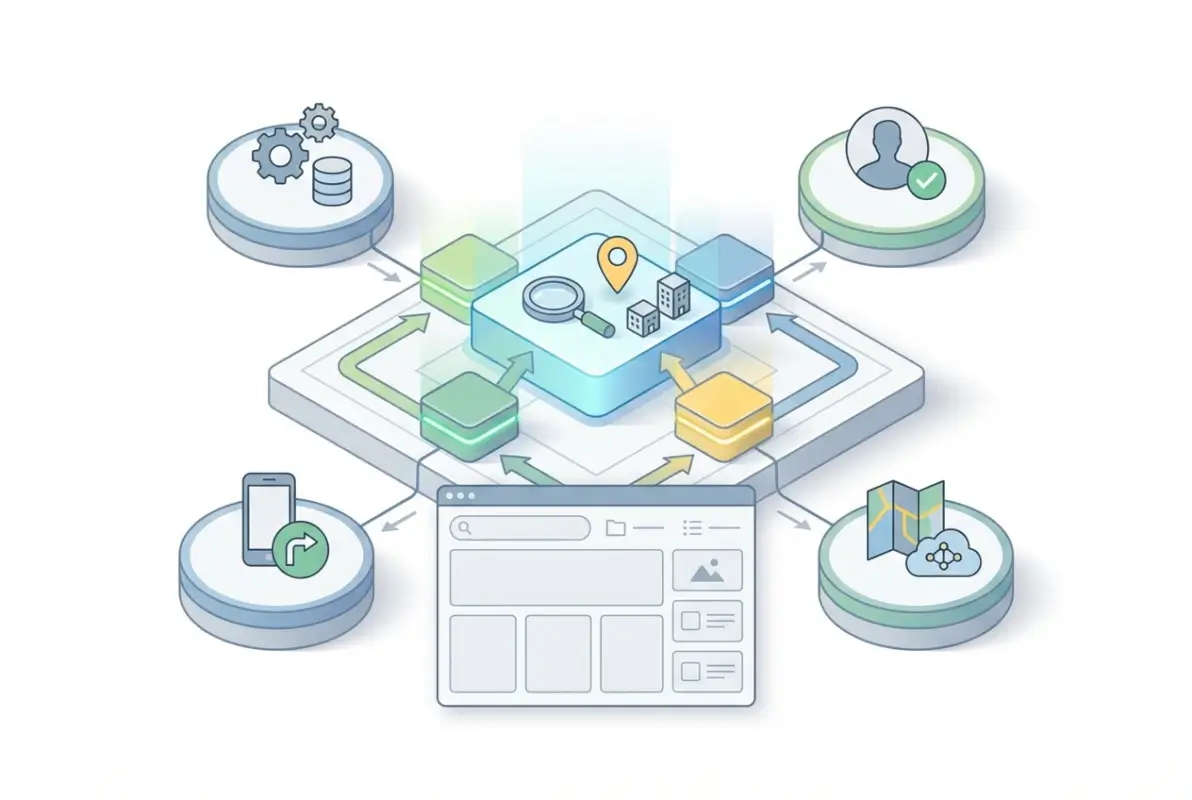
Image for 6 Essential Elements of a Successful Local Business Directory Website

I worked with a regional service directory that discovered 40% of their “unique” businesses were actually duplicates with slight name variations. After implementing strict data normalization—standardizing abbreviations, removing special characters, and geocoding addresses to verify accuracy—their user engagement jumped 60% within three months. People trusted the information they found.

Implementing Verification Workflows That Actually Work

Verification can’t be a one-time checkbox. Businesses move, change hours, update services, and occasionally close without telling anyone. Your verification system needs multiple layers:

Automated data validation catches obvious errors—invalid phone number formats, addresses that don’t geocode properly, websites that return 404 errors. This should run continuously, flagging questionable listings for review before they ever go live.

Periodic re-verification prompts business owners to confirm their information every 90 days. The key is making this frictionless—a simple email with pre-populated data they can approve with one click, or flag for updates.

User reporting mechanisms let your community help maintain quality. When someone encounters incorrect information, they need a dead-simple way to report it. Some directories even gamify this, rewarding frequent contributors with badges or recognition.

73%
of consumers lose trust in local businesses after encountering incorrect directory information
Source: BrightLocal Consumer Research

Structured Data and Schema Markup

If your listings don’t include LocalBusiness schema markup, search engines are basically flying blind trying to understand your content. This structured data vocabulary—developed by Schema.org and supported by major search engines—tells crawlers exactly what each piece of information represents.

Minimum schema implementation should include business name, address, telephone, opening hours, price range, accepted payment methods, and service area. More sophisticated implementations add aggregate ratings, menu items (for restaurants), available services, and booking capabilities.

The payoff? Rich results in search that dramatically improve click-through rates. According to Google Business Profile Guidelines, properly structured local business data significantly increases visibility in local search results and Google Maps.

Pro Tip: Use Google’s Rich Results Test tool to validate your schema implementation on individual listing pages. Fix any errors or warnings before they impact your search performance.

User Experience and Discovery

Users arrive at your directory with specific intent and limited patience. They’re looking for a plumber at 10 PM because their basement is flooding, or they want Thai food recommendations for a date tonight. Your interface either facilitates this search in seconds, or they leave and try somewhere else.

Mobile-first design isn’t a buzzword anymore—it’s table stakes. Over 60% of local searches happen on mobile devices, often in high-intent moments when someone needs immediate information. If your directory doesn’t load quickly on cellular connections, doesn’t work with touch interfaces, or requires zooming and horizontal scrolling, you’ve already lost.
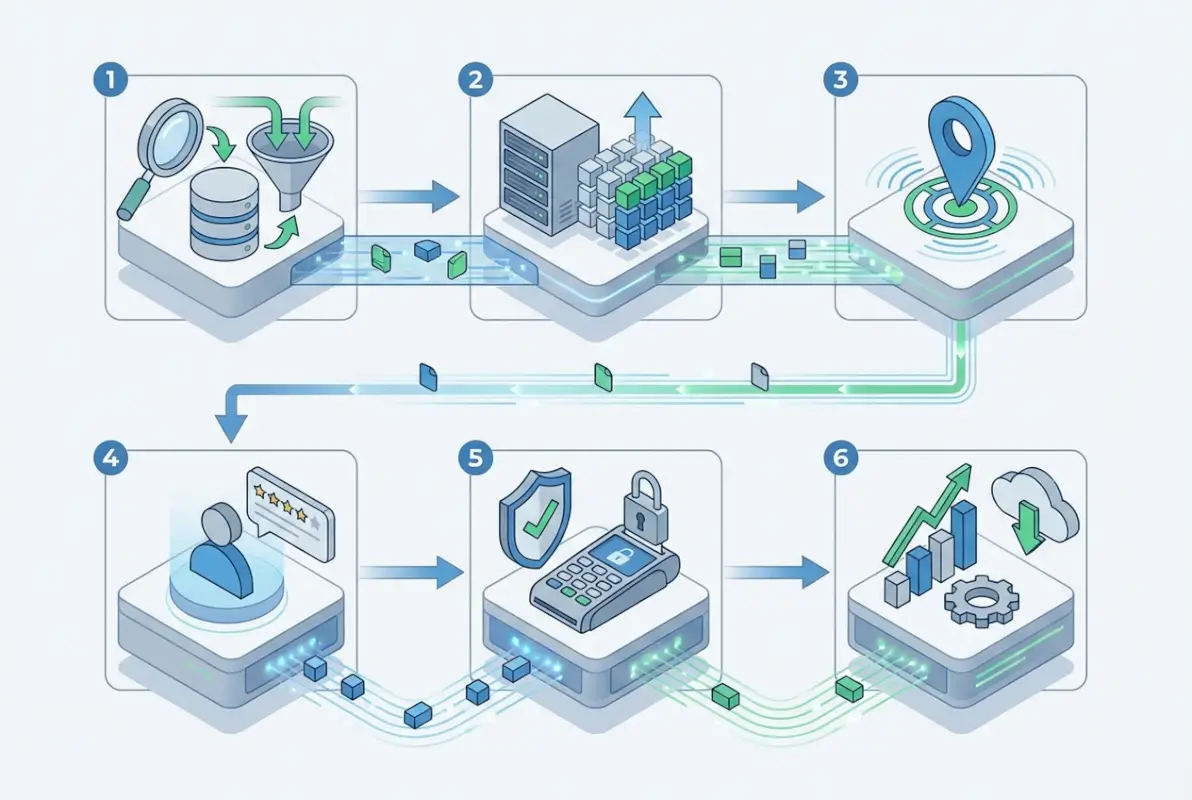
Image for 6 Essential Elements of a Successful Local Business Directory Website

Search functionality needs to be sophisticated yet simple. Users should be able to filter by location (with radius controls), category, ratings, hours (open now is critical), price range, and any domain-specific attributes that matter for your niche. A restaurant directory might include cuisine type, dietary accommodations, and ambiance; a contractor directory needs license verification, insurance status, and service specialties.

Location Pages That Drive Local Authority

Generic category pages don’t cut it anymore. Creating dedicated location pages for each city, neighborhood, or service area you cover establishes local relevance and captures long-tail search traffic.

Effective location pages include unique introductory content about the area, curated listings of top-rated businesses in that location, and contextual information that demonstrates local knowledge. Someone searching “plumbers in Brooklyn” should land on a Brooklyn-specific page, not a generic plumber category page with a location filter applied.

Internal linking structure matters enormously here. Location pages should link to relevant business listings, related service categories in that area, and neighboring locations. This creates a semantic web that helps both users and search engines understand geographic and categorical relationships.

UX ElementImpact on EngagementImplementation Priority
Mobile optimizationIncreases mobile conversions by 200%Critical
Advanced filteringReduces time-to-conversion by 45%High
Interactive mapsIncreases listing views by 35%High
Page load speedEvery 1s delay reduces conversions 7%Critical
Visual hierarchyImproves information retention by 55%Medium

Accessibility Creates Competitive Advantage

Accessible design isn’t just ethically important—it expands your addressable audience and often improves usability for everyone. Keyboard navigation, sufficient color contrast, descriptive alt text for images, and semantic HTML structure benefit users with disabilities while making your directory more crawlable for search engines.

Simple accessibility wins include ensuring all interactive elements are reachable via keyboard, providing skip-navigation links for screen readers, and using ARIA labels where appropriate. Resources from W3C Web Accessibility Guidelines provide comprehensive implementation guidance.

Content Strategy and Local Authority

Directories that position themselves as mere aggregators never build meaningful authority. The ones that thrive become trusted information sources—publishers of valuable local content that goes beyond basic business listings.

Niche focus beats broad coverage almost every time. A directory that covers “all businesses” competes with Yelp, Google, and countless others. A directory focused specifically on sustainable businesses in Portland, or licensed contractors in Texas, or dog-friendly establishments in coastal California—that has defensible positioning.

Image for 6 Essential Elements of a Successful Local Business Directory Website

This focus allows you to develop genuine expertise in your vertical. You understand the specific needs of both businesses and consumers in that niche. You can create targeted content that demonstrates this knowledge—comparison guides, “best of” lists with actual editorial perspective, educational resources that help consumers make informed decisions.

Building Community Through Content and Partnerships

Local partnerships multiply your credibility and data quality simultaneously. Collaborating with chambers of commerce, industry associations, local media outlets, and community organizations provides several advantages:

They often have access to verified business data you can license or share. They lend institutional credibility to your directory through association. They provide distribution channels—newsletters, social media, event sponsorships—that help you reach your target audience. And they can refer businesses to list with you, creating a network effect.

I remember when a regional healthcare directory partnered with their state medical association. Overnight, they gained access to verified physician data, official credentialing information, and promotional opportunities through the association’s member communications. Their listing volume and data quality both jumped significantly, and more importantly, they became the de facto source for finding local healthcare providers.

Key Insight: Content that addresses “decision moments” converts better than generic information. Focus on content that helps users choose between options, understand what to look for, or navigate complex decisions in your category.

Regular, locally-relevant content creation also signals freshness to search engines and gives users reasons to return. This might include local business spotlights, industry news affecting your niche, seasonal guides, or data-driven insights about trends in your market. The content doesn’t need to be daily, but it should be consistent and genuinely useful.

Listings Management and Moderation

The lifecycle of a business listing extends far beyond initial submission. Robust listings management encompasses ingestion, normalization, enrichment, verification, ongoing maintenance, and eventual deprecation when businesses close.

Data ingestion from multiple sources—direct business submissions, bulk imports from partners, web scraping (where legally appropriate), and API integrations—creates coverage breadth. But each source requires normalization to fit your canonical data model. Business name formatting, address standardization, phone number cleaning, category mapping—this unsexy work determines whether your directory feels professional or chaotic.
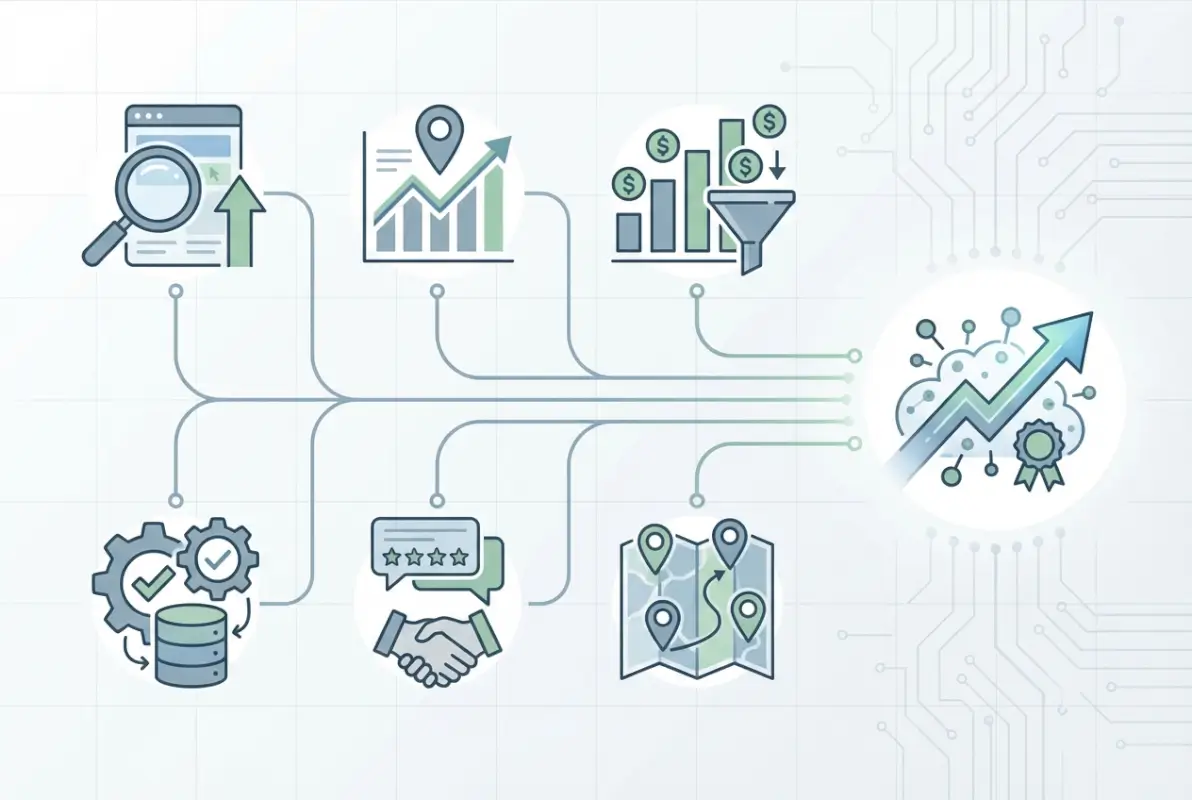
Image for 6 Essential Elements of a Successful Local Business Directory Website

Enrichment adds value beyond basic contact information. This includes business descriptions, photos, service lists, pricing information, specialties, credentials, and anything else that helps users evaluate their options. Some enrichment comes from businesses themselves; other elements might come from third-party data sources or even careful manual research for premium listings.

Quality Control at Scale

As your directory grows, manual review of every listing becomes impractical. You need systems that flag probable issues for human review while letting clean data flow through automatically.

Duplicate detection algorithms compare new submissions against existing listings using fuzzy matching on business names, addresses, and phone numbers. Confidence scores help prioritize which potential duplicates need human review versus automatic merging or rejection.

Thin listing detection identifies submissions lacking sufficient information to provide user value. A business profile with just a name and phone number shouldn’t appear equally to one with complete details, photos, and reviews. Minimum quality thresholds ensure you’re not padding numbers with useless listings.

Review moderation requires balancing authenticity with quality control. Obviously fraudulent reviews (competing businesses writing fake negatives, businesses writing fake positives for themselves) need removal. But overly aggressive moderation that removes all critical feedback destroys trust. According to WordStream’s directory research, transparent review policies and visible moderation guidelines build user confidence.

89%
of consumers say authentic reviews (positive and negative) make them trust a business directory more
Source: Consumer Review Trust Study

Empowering Business Owners

Self-service business portals reduce your operational burden while keeping data current. Business owners should be able to claim their listings, update information, respond to reviews, view analytics about their listing performance, and manage any premium features they’ve purchased.

Making this portal genuinely useful encourages ongoing engagement. Show businesses how many views their listing receives, which searches surface their profile, conversion metrics if you track them, and competitive benchmarks. When business owners see tangible value, they invest in maintaining accurate information and potentially upgrade to premium features. Learning listed in business directory key benefits for your business helps them understand the platform’s value proposition.

Monetization and Growth Strategy

Sustainable directory businesses require revenue, but premature or aggressive monetization kills growth. The sequence matters: build genuine value first, establish usage patterns, then introduce monetization that enhances rather than exploits the experience you’ve created.

Freemium models work exceptionally well for directories. Basic listings remain free, ensuring broad coverage and keeping barriers to entry low. Premium tiers offer enhanced visibility, expanded profile features, priority placement in search results, and additional marketing tools.

Image for 6 Essential Elements of a Successful Local Business Directory Website

The key is making premium features genuinely valuable without making free listings feel handicapped. Free listings should still provide complete, accurate information that serves users well. Premium features amplify visibility and provide additional tools, but they don’t create an unfair playing field that undermines directory credibility.

Diversified Revenue Streams

Relying solely on one revenue source creates fragility. Successful directories typically combine several monetization approaches:

Premium business listings and subscriptions form the foundation—predictable, recurring revenue from businesses that see value in enhanced profiles. Tiered pricing based on business size, category competitiveness, or feature sets allows flexibility.

Contextual advertising provides supplementary revenue without requiring direct business relationships. But implementation matters enormously—too many ads, poorly targeted ads, or intrusive placement all degrade user experience. Contextual relevance (showing home improvement ads to users searching for contractors) maintains usefulness.

Affiliate partnerships with complementary services create win-win-win scenarios. A restaurant directory might partner with reservation systems, a contractor directory with financing providers or material suppliers. You earn commissions when users engage with these services, businesses gain access to useful tools, and users discover relevant resources. The key is ensuring partnerships genuinely benefit your users, not just your bottom line. Understanding business directory boosts local marketing helps position these partnerships effectively.

Lead generation for high-value categories (home services, professional services, automotive) can generate significant revenue. Users submit requests, and you route qualified leads to appropriate businesses for a fee. This works when you’ve built sufficient traffic and trust that both sides see clear value.

Revenue ModelTypical MarginScalabilityBest For
Premium listings70-85%HighEstablished directories
Display advertising40-60%Very highHigh-traffic directories
Affiliate commissions15-30%MediumNiche directories
Lead generation50-70%MediumService directories
Marketing services60-80%LowFocused directories
Important: Introduce monetization gradually and transparently. Sudden, aggressive monetization of an established free directory often backfires spectacularly, alienating both users and businesses who feel betrayed by the change.

Technical Foundation and Scalability

Your technology stack determines what’s possible both today and five years from now. Choosing the wrong foundation early creates technical debt that compounds over time, eventually requiring expensive rebuilds or limiting your growth potential.

WordPress with specialized directory plugins (like those from TurnKey Directories) provides rapid deployment and familiar interfaces for most operators. The extensive ecosystem means you can add features without custom development. However, very large directories may need significant optimization work as they scale. Following PHP business directory simple steps can help establish proper foundations from the start.

Purpose-built directory software offers domain-specific features out-of-the-box but may lack flexibility for unique business models. Custom development provides ultimate control but requires larger investment and specialized talent for ongoing maintenance.

Performance Optimization for Growth

Database architecture decisions early on determine whether you can handle 50,000 listings as easily as 500. Proper indexing on frequently-queried fields (location, category, rating), efficient query design that avoids expensive joins on large tables, and caching strategies that reduce database hits all matter enormously at scale.

Content delivery networks (CDNs) distribute static assets geographically, reducing load times for users regardless of their location. Image optimization—proper compression, responsive sizing, lazy loading—dramatically impacts page performance, especially on mobile.

API architecture enables integrations with third-party tools businesses already use—booking systems, inventory management, payment processors, social media platforms. Modern directories operate as platforms, not isolated destinations. The more seamlessly you integrate with existing business workflows, the more valuable your directory becomes. Understanding how to start profitable business directory steps includes planning these integrations from the beginning.

3.2s
average time users wait before abandoning a slow-loading directory page
Source: Web Performance Research

Security and Data Protection

Directories handle sensitive business information and user data. Security breaches destroy trust instantly and completely. Basic security hygiene includes HTTPS everywhere, regular software updates, strong password requirements, and protection against common vulnerabilities outlined by OWASP Top Ten.

Data privacy compliance with regulations like GDPR and CCPA isn’t optional. Clear privacy policies, user data controls, and proper data handling procedures protect both you and your users legally and ethically.

Section Summary: Your technical foundation should support current needs while providing clear paths to scale. Prioritize performance, security, and integration capabilities from day one to avoid expensive rebuilds later.

Frequently Asked Questions

What makes a local business directory trustworthy?

Directory trustworthiness stems from verified, accurate data with consistent NAP information across all listings. Implementation of transparent verification processes, authentic moderated reviews, clear policies about paid placements, and visible security measures all contribute to credibility. Regular data audits and responsive handling of user-reported issues demonstrate ongoing commitment to quality.

How do I improve local SEO for my directory website?

Optimize for local keywords with geographic modifiers in titles, headings, and content. Implement LocalBusiness structured data markup on all listing pages. Create dedicated location pages for each service area with unique, valuable content. Build local citations through partnerships with relevant organizations. Encourage authentic reviews as fresh content signals. Ensure mobile optimization and fast load times across all pages.

What data should I require from businesses to list them?

Essential data includes official business name, complete physical address, primary phone number, business website URL, operating hours, primary category, and brief description. Optional but valuable fields include service areas, accepted payment methods, price range, photos, credentials or licenses, and specialty services. Balance completeness with submission friction—require essentials, make enhancements optional to maximize completion rates.

How can I compete with established directories like Yelp or Google Business Profile?

Differentiate through niche specialization rather than broad competition. Focus on specific geographic areas, industry verticals, or audience segments where you can provide deeper coverage and expertise. Build stronger relationships with local businesses through personalized service and responsive support. Position your directory as complementary rather than competitive—businesses maintain multiple profiles to maximize visibility.

What are the best monetization strategies for a new directory?

Start with free basic listings to build coverage and traffic. Introduce tiered premium features that enhance visibility without handicapping free listings. Add contextual advertising once traffic reaches meaningful levels. Develop affiliate partnerships with services that genuinely benefit your users. Consider lead generation for high-value service categories. Prioritize user experience over short-term revenue to build sustainable growth.

How often should business listings be updated?

Implement quarterly verification reminders prompting businesses to confirm or update their information. Run automated validation checks continuously to flag potential issues like disconnected phone numbers or broken website links. Provide self-service portals where businesses can update information anytime. Investigate user-reported issues within 48 hours. Regular maintenance prevents data decay and maintains directory credibility.

What technology platform is best for building a local directory?

WordPress with specialized directory plugins offers rapid deployment and familiar management for small to medium directories. Purpose-built directory software provides domain-specific features without extensive customization. Custom development offers maximum flexibility for unique business models or very large directories. Choose based on your technical expertise, budget, scalability needs, required integrations, and timeline constraints.

How long does it take to see meaningful traffic growth?

Expect 6-12 months for meaningful organic search traffic as your content gets indexed and builds authority. Social media and partnership traffic can start within weeks. Paid advertising provides immediate traffic but requires budget. Focus first on data quality and user experience—traffic follows value. Most successful directories don’t see significant revenue until 12-18 months as they refine their model.

Should I allow user-generated content like reviews and photos?

Yes, user-generated content provides fresh signals to search engines, helps users make decisions, and increases engagement. However, implement clear moderation policies and systems to prevent spam and fraudulent content. Display both positive and negative reviews to maintain authenticity. Provide businesses with tools to respond professionally. Balance openness with quality control for best results.

What metrics should I track to measure directory success?

Monitor unique visitors, search queries performed, listing page views, click-through rates to business websites or contact actions, time on site, bounce rate, and mobile versus desktop usage. Track business listing completion rates, premium upgrade conversion percentages, review submission rates, and business renewal rates. Measure search ranking positions for target keywords quarterly to assess SEO progress.

Building Your Directory for Sustainable Success

Successful local business directories aren’t built overnight, and they’re definitely not built by accident. The six elements we’ve explored—data quality, user experience, content authority, listings management, smart monetization, and technical foundation—work together as a system. Weakness in any single area undermines the others.

What separates directories that thrive from those that fade into obscurity? Consistent execution on these fundamentals combined with genuine commitment to serving both businesses and consumers. When your directory solves real problems—helping people discover quality local businesses and helping those businesses connect with customers—growth becomes organic.

The unsexy truth is that directory success requires ongoing maintenance, continuous improvement, and patience. You’re building infrastructure, not launching a viral app. But done right, directories become enduring assets that compound in value over time as they accumulate listings, reviews, backlinks, and community trust.

Your Action Plan

Ready to build or improve your directory? Start by auditing your current implementation against these six elements:

  • Run a data quality audit—check 50 random listings for accuracy and consistency
  • Test your mobile experience on actual devices, not just browser tools
  • Implement LocalBusiness schema if you haven’t already
  • Create your first three location-specific landing pages
  • Establish verification workflows for new and existing listings
  • Identify one local partnership opportunity to pursue this month

Focus on strengthening one element completely before moving to the next. Depth beats breadth when building directory foundations. To get started with the right tools and guidance, explore business directory website complete guide for comprehensive implementation strategies.

Was this article helpful?

Similar Posts

  • Blog

    Hotfrog Business Directory: Why Smart Businesses List Here in 2025

    Most business owners chase the latest social media trend or dump money into Google ads while overlooking something hiding in plain sight. I’ve watched countless small businesses struggle with visibility, spending thousands on marketing that barely moves the needle. Meanwhile, a simple directory listing – specifically on Hotfrog – can deliver consistent leads without the…

  • Blog

    How to Download All Files from an Online Directory: 5 Simple Steps

    substring(replace(

    Ever stumbled across a treasure trove of files on a website—maybe a research archive, a music collection, or a software repository—only to realize you’d need to click and save each file individually? That’s where knowing how to download all files from an online directory becomes a genuine superpower. Whether you’re archiving public domain content, backing up your own hosted files, or legally collecting open datasets, the right approach can turn hours of tedious clicking into a five-minute automated task. The trick isn’t just finding one tool that works, it’s understanding the ecosystem of methods (command-line utilities, browser extensions, server-side services, and scripting) so you can pick the best fit for your specific scenario.

    Most guides out there jump straight to “use wget and you’re done,” but that advice falls flat when you hit a password-protected directory, a JavaScript-heavy listing, or a site that throttles aggressive crawlers. I remember spending an entire afternoon trying to mirror a university’s open courseware directory, only to discover halfway through that my wget command had downloaded hundreds of useless HTML wrapper pages instead of the PDFs I actually wanted. That experience taught me the importance of a structured approach: assess first, choose your tool second, validate third. In this guide, we’ll walk through five deliberate steps that cover everything from legal checks to post-download verification, giving you a repeatable framework whether you’re working on Windows, Mac, Linux, or even mobile.

    TL;DR – Quick Takeaways

    • Assess before you automate – Confirm the directory is publicly listed and you have permission to bulk-download (check robots.txt and terms of use)
    • CLI power users love wget – Recursive download with depth and extension filters is ideal for simple open directories
    • GUI tools for everyone else – JDownloader, DownThemAll!, and OpenDirectoryDownloader offer point-and-click batch downloads with filtering
    • Server-side services simplify auth – Tools like FileGrab handle scraping and packaging remotely, perfect for complex or authenticated directories
    • Always verify completeness – Compare file counts and checksums to ensure your download captured everything correctly

    Step 1 — Identify the Directory Structure and Legality

    Before you fire up any download tool, take a moment to understand what you’re actually dealing with. Not all “online directories” are created equal—some are simple Apache or Nginx index pages listing files in a table, others are FTP-style listings, and a few hide behind dynamic server scripts that paginate results or require JavaScript to render links. The first paragraph of your reconnaissance should answer three questions: Can I see a raw list of file URLs? Are there subdirectories I need to recurse into? And most importantly, am I allowed to download this content in bulk?

    [KBIMAGE_1]

    Confirm Directory Listing Availability and File Types

    Open the directory URL in your browser and look at the page source (right-click, “View Page Source” in most browsers). If you see a clean list of anchor tags pointing directly to files—say, <a href="file001.pdf">—you’re in luck, that’s a standard directory index and most tools will handle it beautifully. On the other hand, if the links are generated by JavaScript or hidden behind POST requests, you’ll need a tool that can execute scripts or a custom scraper. Pay attention to file extensions too; if the directory contains a mix of PDFs, images, and text files but you only want PDFs, you’ll want filtering capabilities (we’ll cover those in Step 2 and Step 3).

    Another quick sanity check: note the depth of subdirectories. A flat directory with 500 files in one folder is trivial to download. A nested structure with dozens of subfolders requires recursive logic, and you’ll need to decide how many levels deep to go. Tools like wget let you set a recursion level (e.g., --level=2), while some GUI tools will ask you to specify whether to follow all subdirectories or just the top level. This upfront assessment saves you from downloading gigabytes of unwanted nested content later.

    Legal and Ethical Considerations

    Here’s the part nobody likes to talk about but everyone should: just because a directory is visible doesn’t mean it’s legal to mass-download. Check for a robots.txt file at the root of the domain (e.g., example.com/robots.txt)—if it disallows crawling or specifies rate limits, respect those rules. Many sites also have terms of service that explicitly prohibit automated scraping or redistribution of content. For academic or government data (like NASA’s Earthdata or university repositories), there are often acceptable-use policies that permit bulk downloads for research but forbid commercial resale.

    ⚠️ Important: Bulk downloading can trigger server alarms or even IP bans if you’re too aggressive. Always use polite crawl delays (e.g., --wait=2 in wget) and consider reaching out to the site administrator if you’re planning to download more than a few gigabytes. Some organizations prefer you to contact them first to arrange a proper data transfer, which is both faster and more courteous.

    Beyond legality, there’s the question of data licensing. Public domain or Creative Commons content is usually fair game, but copyrighted material—even if publicly accessible—requires permission for redistribution. If you’re uncertain, default to downloading only what you need for personal use and skip the mirroring or republishing step until you’ve confirmed the license terms.

    Quick Sanity Checks You Can Perform Manually

    Before automating anything, do a manual spot-check: click on one or two files to ensure they actually download (not redirect to a login page or return 404 errors). Note the URL pattern—if files are named sequentially (file001.pdf, file002.pdf, etc.), you might even be able to script a simple loop without a full crawler. Look for any access controls: does the page require a username and password, or cookies from a prior login? If so, you’ll need to factor authentication into your download method (we cover authenticated bulk downloads in Step 4).

    Also, check the total size estimate if the directory listing shows file sizes. Downloading 10 GB over a residential internet connection is very different from downloading 500 GB, you’ll want to plan for bandwidth, storage, and time accordingly. Some directories thoughtfully include a “Total Size” footer; if not, you can use a quick script or browser extension to sum up the listed sizes before committing to a full download.

    Step 2 — Command-Line Recursion: Using Wget (Best for One-Directory Depth, Simple Filtering)

    If you’re comfortable with a terminal and the directory structure is straightforward, wget is the gold standard for bulk downloads. It’s been around since the mid-’90s, it’s pre-installed on most Linux distributions and macOS (or easily added via Homebrew on Mac), and it supports recursive downloads with fine-grained control over depth, file types, and crawl behavior. The beauty of wget is its simplicity: one command can mirror an entire directory tree while respecting your specified filters.

    [KBIMAGE_2]

    Why Choose Wget for This Task

    Wget excels at non-interactive downloads, meaning you can kick off a command, walk away, and come back to a fully downloaded directory. It handles HTTP and HTTPS, follows redirects, retries on connection failures, and can resume interrupted downloads—all features that GUI tools sometimes lack. For a typical open directory with a few hundred files spread across one or two subdirectory levels, wget is often the fastest and most reliable option.

    Another advantage: wget is scriptable. You can embed it in shell scripts, cronjobs, or CI/CD pipelines, making it perfect for automated archival tasks or scheduled backups. Unlike browser extensions that require manual intervention, wget runs headlessly, which is ideal if you’re working on a remote server or need to document your download process for reproducibility (important in research or compliance contexts).

    💡 Pro Tip: If you’re on Windows and don’t have wget natively, you can install it via Chocolatey (choco install wget) or use the Windows Subsystem for Linux (WSL) to get a full Linux environment. Alternatively, curl (which ships with Windows 10+) can do similar tasks, though the syntax differs slightly.

    Basic Recursive Download Commands

    The simplest recursive wget command looks like this:

    wget -r -l 1 -np http://example.com/files/

    Let’s break that down: -r enables recursive mode, -l 1 sets the recursion level to 1 (so it grabs files in the current directory and one level of subdirectories), and -np (no-parent) prevents wget from ascending to parent directories and downloading unrelated content. This is your bread-and-butter command for a straightforward directory listing.

    Now, suppose you only want PDF files. Add the -A (accept) flag:

    wget -r -l 1 -np -A pdf http://example.com/files/

    Conversely, if you want to exclude certain file types (say, skip HTML wrappers and only grab media), use -R (reject):

    wget -r -l 1 -np -R html,htm http://example.com/files/

    For directories with deep nesting, increase the level: -l 3 or even -l inf for unlimited depth (use with caution, you can end up downloading the entire website). A practical middle ground is -l 2 for most directory structures.

    Tips and Caveats

    First, always add a polite delay to avoid hammering the server. Use --wait=2 (wait 2 seconds between requests) or --random-wait to vary the delay. This reduces the risk of triggering rate limits or bans. If the directory is large, consider using --limit-rate to cap your download speed (e.g., --limit-rate=500k for 500 KB/s), especially if you’re on a shared network or the server is known to be slow.

    Second, set a custom user-agent string with --user-agent="YourName/1.0" so server logs show a meaningful identifier instead of the default wget string. Some sysadmins appreciate this transparency, and it can prevent your requests from being mistaken for malicious bot traffic.

    Third, be aware that wget will create a local directory structure mirroring the remote one. If you download from example.com/files/docs/, wget creates example.com/files/docs/ on your local machine. If you’d rather flatten the structure, use -nd (no directories) to dump all files into one folder—but beware of filename collisions if multiple subdirectories contain files with the same name.

    ✅ Key Insight: Wget’s recursive mode follows all links it encounters, not just file links. If the directory page includes navigation links or external references, you might end up downloading unrelated content. The -np flag helps, but for complex pages consider using --accept-regex to whitelist only file URLs matching a specific pattern.

    Lastly, if you encounter authentication (HTTP Basic or Digest), wget supports --user and --password flags. For more complex auth (OAuth, cookies), you’ll need to export cookies from your browser and feed them to wget with --load-cookies=cookies.txt. This is common for university repositories or enterprise data portals, and we’ll dive deeper into authenticated scenarios in Step 4.

    Step 3 — GUI Tools and Extensions for Non-Programmers

    Not everyone loves (or has access to) a command line, and that’s perfectly okay. Graphical download managers and browser extensions have matured significantly over the past decade, offering powerful batch-download capabilities with point-and-click simplicity. These tools are especially popular for users on Windows or macOS who want to quickly grab all files from a directory without memorizing command syntax or troubleshooting terminal errors.

    [KBIMAGE_3]

    JDownloader and Related Browser Extensions

    JDownloader is a free, open-source download manager that’s been a favorite in the file-hoarding community for years. It monitors your clipboard for URLs and can automatically detect link patterns in copied text, making it trivial to grab dozens or hundreds of files from a directory listing. You simply copy the directory URL, paste it into JDownloader’s link grabber, and let the software crawl the page for downloadable links. It supports filtering by file extension, parallel downloads, and automatic retries on failed connections.

    One of JDownloader’s killer features is its ability to handle captchas and premium file-host accounts (useful if you’re downloading from sites like Mega or MediaFire), though for open directories you typically won’t need those extras. The software is cross-platform (Windows, Mac, Linux) and has a surprisingly active development community, so compatibility with modern websites tends to be good. The main downside? The installer bundles optional third-party software, so you’ll want to pay attention during setup and decline any unwanted add-ons (a minor annoyance but worth mentioning).

    Browser extensions like DownThemAll! (available for Firefox) offer similar functionality directly in your browser. You right-click on a page, choose “DownThemAll!”, and it presents a list of all downloadable links with checkboxes to select or filter by type. It’s lightweight, doesn’t require a separate application, and integrates seamlessly with your browser’s download manager. The tradeoff is that extensions are sometimes limited by browser security policies—they can’t always handle complex JavaScript-rendered links or authenticated downloads as robustly as standalone tools.

    OpenDirectoryDownloader / DownThemAll! Variants

    OpenDirectoryDownloader is a specialized tool (available on GitHub and various download portals) designed explicitly for indexing and downloading from open directory listings. It’s a command-line tool with a simple GUI wrapper on Windows, and it’s optimized for the kinds of Apache/Nginx index pages that wget sometimes stumbles on (especially if the HTML formatting is non-standard). You feed it a directory URL, it crawls the structure, and it generates a downloadable file list or starts downloading immediately.

    What makes OpenDirectoryDownloader stand out is its speed and efficiency on large directories—some users report it outperforms wget on directories with thousands of files because it batches requests more intelligently. It also has built-in resume support and can export the file list to a text file if you want to review or share the inventory before committing to a full download. It’s particularly popular in data-hoarding communities and among archivists who regularly work with public FTP mirrors or university repositories.

    For those who prefer staying entirely in the browser, DownThemAll! and its spiritual successor (the Firefox WebExtension version) remain solid choices. They’ve been around since the early 2000s, and while the interface feels a bit dated, the functionality is rock-solid. You get regex filtering, automatic subdirectory detection, and the ability to queue downloads in batches to avoid overwhelming your connection or the server.

    Practical Tips

    When using GUI tools, always start with a small test run—select a handful of files first to make sure the tool correctly interprets the directory structure and doesn’t download HTML wrappers instead of actual files. This is especially important on directories with non-standard formatting or server-side generated links.

    Most of these tools let you set download speed limits and parallel connection counts. For polite crawling, limit parallel connections to 2-4 and throttle your speed if the server seems slow. Remember, the goal is to download efficiently without causing problems for the server or other users. If you’re using JDownloader, disable any “Reconnect” features that attempt to reset your IP address—those are intended for bypassing file-host limits and can be seen as hostile behavior on open directories.

    Section Summary: GUI tools like JDownloader, DownThemAll!, and OpenDirectoryDownloader provide accessible, user-friendly alternatives to command-line wget, with built-in filtering and parallel download support perfect for non-technical users or quick one-off tasks.

    Finally, check that your chosen extension or tool is still actively maintained. Browser APIs change frequently, and an abandoned extension might not work on the latest version of Chrome or Firefox. JDownloader and OpenDirectoryDownloader both have active communities as of recent years, so they’re relatively safe bets. If you encounter bugs or compatibility issues, GitHub issues pages and user forums (like Reddit’s data hoarding community) are great places to find workarounds or alternative tools.

    Step 4 — Server-side and automated bulk-download approaches

    When you need a scalable, centralized solution—or when you want to avoid running downloads locally—server-side and automated bulk-download approaches offer a flexible alternative. These methods range from third-party batch-download services that scan a directory listing and deliver a ZIP archive, to custom scripts that parse file links and queue transfers in a loop. This step is especially valuable for large archives, authenticated content, or workflows where reproducibility and scheduling matter.

    [KBIMAGE_4]

    FileGrab and similar batch-download services

    Server-side bulk-downloaders like FileGrab take a different approach: you provide the URL of a directory listing, the service scans the page to extract all file links, and then delivers a single ZIP bundle containing every file. Because the transfer happens on the service’s infrastructure, you sidestep local bandwidth constraints and can leave the job running in the background. FileGrab’s bulk file downloader, for example, supports filtering by file extension and can handle directories with hundreds of files without requiring you to write a single line of code.

    This approach is ideal when you need a one-click solution for archiving an entire directory and your network connection or local disk isn’t suited for parallel, long-running downloads. Keep in mind that server-side tools must respect rate limits and robots.txt just as much as client-side utilities; reputable services will honor those rules automatically. You’ll typically paste the directory URL into a web form, select any filters (for instance, only PDFs or images), and receive a download link for the bundled archive once the scan completes.

    Repository and script-based solutions (Python, scripting)

    If you prefer full control and repeatability, a Python script that parses directory listings offers maximum flexibility. The general pattern is straightforward: use a library like requests to fetch the index page, parse the HTML with BeautifulSoup to extract all <a href="..."> links that point to files, filter by extension (for example, keep only .pdf or .zip), and then loop through the list to download each file. This approach is especially common in automation workflows where you might schedule nightly syncs or need to log download status for audit trails.

    The Python package ecosystem includes dedicated utilities—directory-downloader on PyPI, for instance—that wrap this logic into a simple command-line interface. You can also embed custom retry logic, parallel workers, or checksum verification in your script. Because the code lives in version control, you can reproduce the exact download weeks or months later, adjust filters, or extend the script to handle pagination or nested subdirectories. This method bridges the gap between quick one-off CLI commands and enterprise-grade data-pipeline tools.

    Pro tip: Start by writing a dry-run script that prints file URLs without downloading. Once you confirm the list looks correct—correct extensions, no extraneous links—switch to actual download mode. This two-phase approach catches pagination issues or broken links before you commit to a long transfer.

    Using wget in combination with authentication and filters

    Many bulk-download tasks involve servers that require login credentials—scientific data portals, government archives, or institutional repositories often sit behind authentication. In these cases, wget supports cookie-based sessions and HTTP authentication, letting you pair recursive downloads with credential handling. The NASA Earthdata bulk-download guide, for example, walks through creating a .netrc file to store credentials securely, then invoking wget with the --auth-no-challenge and --load-cookies flags to authenticate each request.

    Combining authentication with filters like -A "*.hdf,*.nc" ensures you pull only the file types you need, even from a directory with thousands of mixed assets. This technique is common in geospatial and climate-data workflows where datasets are organized in deep directory trees and require token-based or username/password authentication. Always review the target site’s bulk-download documentation; many data portals publish official guides that specify recommended wget flags and rate-limit policies.

    Practical considerations

    Regardless of the tool you choose, server performance and rate-limiting must guide your implementation. A poorly tuned script can issue hundreds of parallel requests in seconds, triggering DDoS protections or getting your IP temporarily banned. Best practice is to add a polite delay between requests (for example, time.sleep(1) in Python or --wait=1 in wget), use a single connection per file, and respect any published rate limits. Some servers expose an API or provide rsync endpoints specifically for bulk transfers; prefer those when available.

    Copyright and compliance remain critical. Just because a directory is indexed doesn’t mean bulk copying is permitted. Check the site’s terms of service, confirm whether an explicit license (Creative Commons, public domain, or institutional data-use agreement) covers the content, and verify that your intended use aligns with that license. Automated tools make it easy to download thousands of files in minutes—the legal responsibility to ensure you have permission rests with you.

    ApproachBest forKey advantage
    FileGrab / server-side serviceOne-click ZIP bundlesNo local setup or bandwidth strain
    Python scripting (requests + BeautifulSoup)Automation & repeatable pipelinesFull control, custom filtering, version-control
    Authenticated wgetProtected scientific/government dataHandles cookies and HTTP auth natively

    Step 5 — Validation, verification, and post-processing

    Once your bulk download completes, you’re not quite finished. The final step—validation and post-processing—ensures that every file arrived intact, that your local directory structure matches the remote listing, and that you can efficiently search or archive the downloaded content. Skipping this step can leave you with incomplete datasets, corrupted archives, or a sprawling mess of files that’s hard to navigate later.

    [KBIMAGE_5]

    Verification of downloaded content

    Start by comparing the number of files you downloaded against the count in the original directory listing. A quick ls | wc -l (Linux/macOS) or dir /b | find /c /v "" (Windows) gives you a local count; if the remote server provided a manifest or file index, diff those numbers. Many tools log skipped or failed downloads—review those logs to catch network timeouts or access-denied errors that left gaps in your archive.

    Where possible, validate checksums. If the directory includes .md5 or .sha256 files alongside each asset, run a batch checksum verification (md5sum -c checksums.md5 on Linux, or a PowerShell script on Windows). FileGrab and similar services often package downloads in ZIP format with built-in integrity checks; extract the archive and confirm no errors are reported. Even a single corrupted file can compromise downstream analysis, so treat checksum validation as non-negotiable for scientific, financial, or legal datasets.

    Post-processing options

    Depending on your workflow, you may want to recreate the remote directory structure on your local machine. Tools like wget with the -x or --force-directories flag automatically mirror the server’s path hierarchy; GUI tools may offer a “preserve structure” checkbox. If your bulk downloader flattened everything into a single folder, consider writing a short script to parse filenames (which often encode subdirectory information) and move files into appropriate subfolders.

    Other common post-processing tasks include filtering by extension after download (moving all PDFs to one folder, images to another), converting archives (unzipping nested .tar.gz files), or generating an inventory spreadsheet with filenames, sizes, and modification dates. Python’s os.walk or PowerShell’s Get-ChildItem -Recurse can quickly produce CSV manifests for large archives. This inventory becomes invaluable when you need to audit what you downloaded or share metadata with colleagues.

    Best practice: Archive the original download logs and any manifests alongside your files. Six months from now, you’ll want proof of when you downloaded the data, which server version you mirrored, and whether checksums passed—especially in regulated or research environments.

    Performance and efficiency tips

    Before committing to a full-scale mirror of a large directory, run a dry run or limited test. Use wget’s --spider mode to crawl links without downloading, or set a depth limit (-l 1) and file-count cap to fetch just a few dozen files. This preview helps you calibrate filters, confirm that your authentication works, and estimate total transfer time and disk space. If the test run reveals unexpected file types or broken links, adjust your accept/reject filters or refine your script before the real download.

    Bandwidth and parallelism tuning can dramatically improve throughput. Wget’s --limit-rate flag prevents saturating your connection (useful if you’re sharing bandwidth), while tools like aria2 support multi-connection downloads that can speed up transfers from fast servers. Python scripts can use thread pools (concurrent.futures.ThreadPoolExecutor) to fetch multiple files simultaneously—but always respect the server’s capacity. A good rule of thumb is to start with 2–4 parallel workers, monitor server response times, and scale up only if latency remains low.

    Finally, schedule and automate recurring downloads when the directory updates regularly. A cron job (Linux) or Task Scheduler task (Windows) can invoke your wget command or Python script nightly, pulling only new or changed files (use wget’s -N timestamp-checking or rsync’s differential sync). Automated downloads ensure your local mirror stays current without manual intervention, and logging each run’s output gives you an audit trail of what changed over time.

    Common design patterns found in top-ranking content

    Across the bulk-download tutorials and tools that rank highly in search results, several design patterns recur—each optimized for a different user profile and use case. Understanding these patterns helps you choose the right method for your environment and ensures you’re following best practices already validated by thousands of users.

    Pattern A: Stepwise CLI approach (wget/wget-like)

    The most widely documented pattern is the command-line recursive download with wget or curl. Tutorials typically start with a single-file example, then layer in recursive flags (-r), depth control (-l), and extension filters (-A/-R). This pattern appeals to power users and sysadmins who value scriptability and minimal dependencies. The GNU Wget manual’s recursive-download chapter is the canonical reference, and countless university IT departments and government data portals publish wget one-liners tailored to their directory structures. Strengths: portability, speed, and fine-grained control. Weakness: steeper learning curve for non-technical users.

    Pattern B: GUI-first tutorials (JDownloader, DownThemAll!)

    A second pattern centers on graphical download managers like JDownloader and browser extensions like DownThemAll! or OpenDirectoryDownloader. These tools emphasize ease of use: you paste a URL, the tool scans for links, you select file types in a checklist, and downloads begin with a click. Tutorials often include screenshots of the interface and troubleshooting tips for browser compatibility. This pattern is popular among students, researchers, and hobbyists who need a quick solution without touching the terminal. Strengths: minimal setup, visual feedback, and broad file-host support. Weakness: less flexibility for advanced filtering or automation.

    Pattern C: Server-side bulk-download services

    Services like FileGrab represent a third pattern: offload the download to a remote server that scans the directory, fetches files, and delivers a ZIP bundle. This pattern suits users with limited local bandwidth or those who want to archive a directory once without installing software. Tutorials for these services are typically short—sign up, paste URL, receive link—but emphasize verifying the service’s terms and ensuring it respects robots.txt. Strengths: zero local configuration and centralized management. Weakness: reliance on a third-party service and potential privacy concerns for sensitive data.

    Pattern D: Scripted automation (Python)

    The Python scripting pattern is favored in data-engineering and research workflows where repeatability and version control matter. Tutorials show how to parse HTML with BeautifulSoup, loop over file links with requests, and add logging or retry logic. Some guides point to PyPI packages like directory-downloader that wrap common tasks. This pattern integrates naturally into CI/CD pipelines, Jupyter notebooks, and scheduled ETL jobs. Strengths: full customization, reproducibility, and integration with larger workflows. Weakness: requires programming knowledge and initial script development time.

    Almost every high-quality guide includes a legal and ethical disclaimer. This pattern manifests as introductory sections on checking robots.txt, confirming directory-listing availability, and respecting copyright. Tutorials often link to examples of permitted bulk downloads (public scientific data, government archives) and warn against scraping e-commerce sites or proprietary content. This pattern reflects the community norm that automation carries responsibility—tools make bulk copying trivial, but users must ensure they have permission. The best guides weave these reminders throughout, not just in a single disclaimer paragraph.

    PatternRepresentative toolTypical userCore strength
    A – CLI recursivewget, curlSysadmin, power userScriptable, fast, portable
    B – GUI batchJDownloader, DownThemAll!Student, researcherEasy setup, visual interface
    C – Server-sideFileGrabOne-time archiverNo local install, ZIP delivery
    D – ScriptedPython (requests + BeautifulSoup)Data engineer, developerReproducible, version-controlled
    E – Legal focusAny (cross-cutting)All usersEnsures compliance and respect

    By recognizing these patterns, you can quickly map your own needs to proven approaches. If you prize ease of use, lean toward Pattern B. If you need automation and audit trails, adopt Pattern D. If you’re mirroring a massive scientific archive with authentication, blend Patterns A and E. The landscape of bulk-download tools is mature; the challenge is simply picking the pattern that fits your skill level, infrastructure, and compliance requirements.


    Frequently Asked Questions

    Common questions about downloading files from online directories

    How do I download all files from a website directory at once?

    Use command-line tools like wget or HTTrack to download entire directories. Run wget with the recursive flag: wget -r -np -nH --cut-dirs=1 [URL]. Alternatively, browser extensions like DownThemAll can batch download files. Always verify you have permission to download before proceeding with bulk operations.

    What is the fastest way to download multiple files from a server?

    Wget and cURL offer the fastest download speeds for multiple files because they support parallel connections and resume capabilities. Use wget’s -P flag to increase parallel downloads, or implement a script with cURL that fetches multiple files simultaneously. Download managers with multi-threading capabilities also significantly improve speed.

    Can I download files from a directory without wget?

    Yes, several alternatives exist including cURL, HTTrack, browser extensions like DownThemAll, and Python scripts using libraries like requests or Beautiful Soup. Windows users can use PowerShell’s Invoke-WebRequest cmdlet. Each method has unique advantages depending on your operating system, technical skill level, and specific requirements.

    Should I use wget or cURL for downloading directories?

    Wget is better suited for downloading entire directories recursively with its built-in options for mirroring websites and directory structures. cURL excels at single file transfers and API interactions with more protocol support. For comprehensive directory downloads, wget is generally the preferred choice due to its recursive capabilities and simpler syntax.

    How can I download only specific file types from a directory?

    Use wget with the accept flag: wget -r -A pdf,jpg,png [URL] to download only specified file types. Alternatively, use the reject flag to exclude certain types. Browser extensions and download managers also offer filtering options. Python scripts with Beautiful Soup can parse directories and selectively download files based on extensions.

    What are the legal considerations when downloading from online directories?

    Always verify you have explicit permission before downloading directory contents. Check the website’s robots.txt file and terms of service. Respect copyright laws and intellectual property rights. Avoid overwhelming servers with aggressive scraping. Commercial or public websites may have specific usage policies that prohibit automated downloading without authorization.

    Can I resume interrupted downloads from a directory?

    Yes, wget supports resume functionality with the -c or --continue flag, which picks up where downloads were interrupted. Download managers like JDownloader also offer automatic resume capabilities. This feature is particularly valuable for large directories or unstable connections, preventing the need to restart entire download operations.

    How do I preserve the directory structure when downloading?

    Wget preserves directory structure by default when using recursive mode. Use flags like -nH to exclude the hostname and --cut-dirs=N to remove specified directory levels. HTTrack also maintains folder hierarchies. Download managers typically have settings to replicate server directory structures or flatten all files into one folder.

    What is the best tool for beginners to download directories?

    Browser extensions like DownThemAll or Bulk Image Downloader offer the most user-friendly experience for beginners with intuitive graphical interfaces. They require no command-line knowledge and integrate directly into your browser. For slightly more control, HTTrack provides a GUI while offering powerful features. These tools balance simplicity with functionality effectively.

    How can I limit download speed to avoid overwhelming a server?

    Use wget’s --limit-rate flag to cap download speed: wget --limit-rate=200k -r [URL]. Add delays between requests with --wait=2 to pause two seconds between downloads. Respecting server resources prevents IP bans and demonstrates ethical scraping practices. Most download managers include built-in bandwidth throttling options.


    Ready to Master Directory Downloads?

    You now have the knowledge and tools to efficiently download files from any online directory. Whether you choose command-line tools for power and flexibility or graphical applications for simplicity, the techniques covered in this guide will save you hours of manual work.

    Start with a small test directory to practice your chosen method. Experiment with different flags and settings to understand how they affect your downloads. Remember to always respect website policies and server resources while automating your workflows.

    The difference between manual clicking and automated downloading is the difference between working hard and working smart. Take action today and reclaim your time.

    Take Your Next Steps

    Don’t let this knowledge sit unused. Open your terminal or download manager right now and try downloading a simple directory. Start with your own website or a test server to build confidence. As you become comfortable with basic commands, gradually incorporate advanced options like filtering, rate limiting, and custom scripts.

    The skills you’ve learned extend far beyond simple file downloads. They form the foundation for web scraping, data collection, backup automation, and countless other productivity-enhancing workflows. The investment you make in mastering these tools will pay dividends throughout your professional life.

    Your challenge: Within the next 24 hours, successfully download an entire directory using at least one method from this guide. Document what works, troubleshoot any errors, and celebrate your progress. You’ve got this.

    ; <[^>]+>; ); 0; 155)

  • Blog

    Free Directory Listing: How to Boost Your Online Presence (2025 Guide)

    Most businesses pour money into ads and social media while ignoring one of the simplest visibility multipliers available: free directory listings. These aren’t dusty digital yellow pages collecting cobwebs—they’re active search engines that millions of people use daily to find local services, and they feed crucial trust signals directly to Google. The real power isn’t…

  • Blog

    How to Get Your Business Listed on Directories for Free: 5 Websites

    Ever wonder why your competitors show up in Google’s local pack while you don’t? The answer often lies in something surprisingly simple yet overlooked by most business owners: free business directory listings. While many entrepreneurs focus exclusively on paid advertising and social media marketing, they’re missing out on one of the most powerful (and completely…

  • Blog

    How to Get Your Listing Back on eBay: 5 Steps for Sellers

    Finding your eBay listing suddenly vanished from the marketplace can feel like a gut punch, especially when you’ve invested time crafting the perfect description and waiting for buyer interest. But here’s something most sellers don’t realize: eBay’s listing removal process isn’t a one-way street, and understanding the system’s inner workings can actually give you more…

  • Blog

    Why Companies Delete Business Directory Listings: 5 Proven Prevention Strategies

    Picture this: you’re searching for your business online, expecting to find your carefully crafted directory listing—and it’s gone. Completely vanished. No warning, no explanation, just… empty space where your business information used to be. The frustration hits immediately, followed by a sinking question: “How long has it been missing, and how many customers have I…