
How to Create Your Own Business Directory: 6 Steps to Success

Picture this: you’ve spotted a gap in the market—a niche crying out for better organization, better visibility, better connections. Maybe it’s local artisan bakeries that don’t show up in mainstream searches, or specialized B2B service providers scattered across a dozen fragmented platforms. You think to yourself, “Someone should build a directory for this.” Well, why not you?

The business directory model isn’t new, but it’s far from dead. In fact, with over 36 million small businesses operating in the United States alone, the hunger for local discovery and credible business information has never been stronger. The catch? Most people who attempt to build directories make the same critical mistakes: they try to be everything to everyone, they underestimate data quality challenges, and they launch without a clear monetization path. This guide cuts through the noise and gives you a practical, battle-tested framework to build a directory that actually works—and makes money.
TL;DR – Quick Takeaways
- Niche specificity beats broad coverage – Focused directories dominate their vertical far more effectively than generalist platforms
- Data quality is your currency – Accurate, verified listings with consistent NAP (Name, Address, Phone) drive both SEO and user trust
- Local SEO signals make or break discovery – Structured data, citations, and geographic optimization determine visibility
- Monetization should be built in from day one – Don’t wait until you have traffic; plan your revenue model during the planning phase
- Ongoing governance isn’t optional – Directories decay without continuous verification and content moderation
Step 1: Define Your Niche and Value Proposition
Here’s where most aspiring directory builders go wrong—they think bigger is better. They imagine creating the next Yelp or Yellow Pages, covering every business in every category across entire countries. The reality? Those battles have already been fought (and won) by billion-dollar companies with massive teams. Your competitive advantage lies in specialization.
Start by asking yourself a simple question: what group of businesses or professionals struggles most with online visibility in their current ecosystem? I remember consulting with someone who wanted to build “a directory for all service businesses in California.” After some probing, we discovered her real expertise and passion was in eco-friendly home services—contractors, landscapers, cleaners who used sustainable practices. That specificity became her moat.
Geographic Scope vs. Vertical Focus
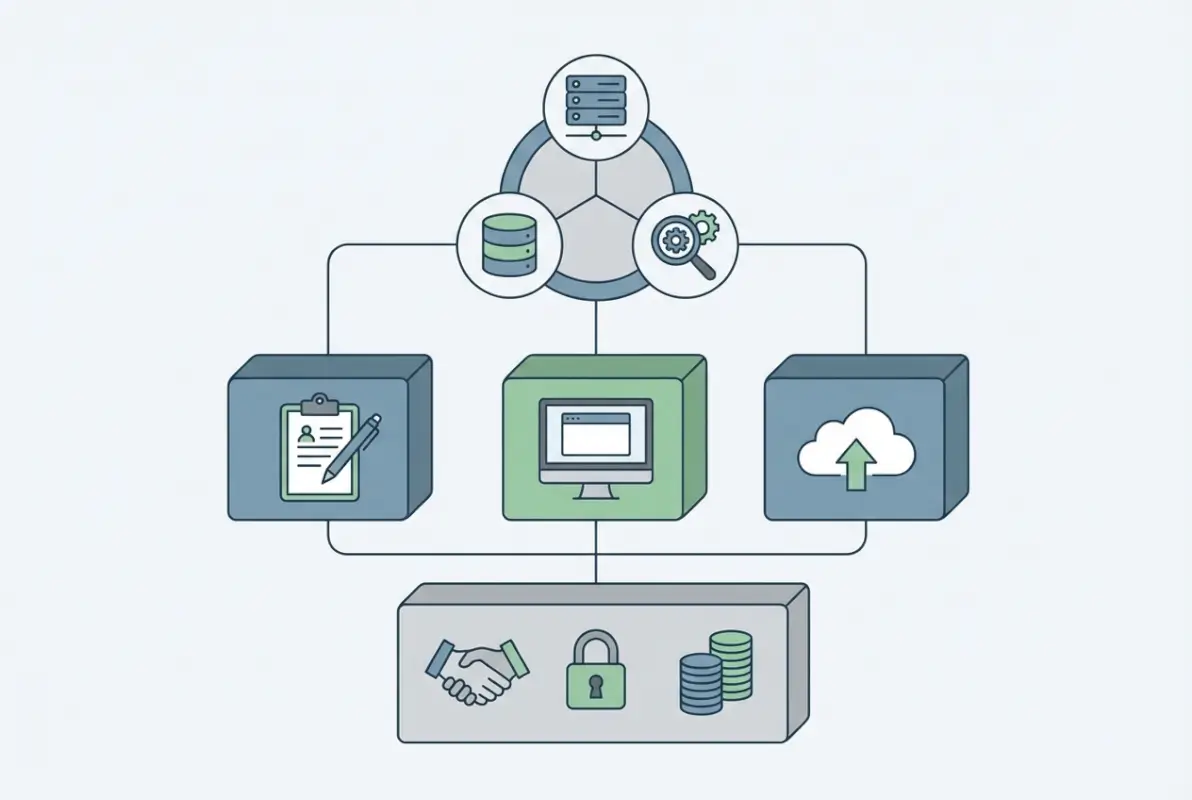
You have two primary axes to consider when defining your niche. Geographic scope (are you covering a city, region, or going national?) and vertical focus (are you industry-specific or cross-category?). The sweet spot often combines both: a specific industry within a defined geography, or a tightly defined vertical that can scale nationally because the target audience is naturally dispersed.
For example, a directory of certified pediatric therapists across the United States might work because parents searching for specialized child development services have limited local options and routinely search beyond their immediate zip code. Conversely, a directory of restaurants in Austin, Texas works because dining is inherently local and Austin’s food scene has passionate enthusiasts who want curated, quality listings.
Establish a Clear Value Proposition
What problem does your directory solve that existing solutions don’t? This isn’t about features (though those matter), it’s about outcomes. Maybe your directory is the only one that verifies certifications for listed professionals. Perhaps you offer the most comprehensive categorization system for a complex industry. Or maybe your value is curation—you don’t list every business, only the best ones that meet specific quality standards.
Competitive Landscape Analysis
Who else is playing in this space, and what are they doing wrong? Spend time actually using competing directories as an end-user would. Sign up, search for listings, try to contact businesses, read reviews. Where do they fall short? Common gaps include outdated information, poor mobile experience, limited filtering options, lack of rich media (photos, videos), and terrible customer support for listed businesses. Each gap represents an opportunity for differentiation.
Understanding how to create a business directory that stands out requires this competitive intelligence work upfront, not after you’ve already committed to a platform and data structure.
Step 2: Plan Data, Governance, and Platform
If Step 1 was about vision, Step 2 is about architecture. The decisions you make here will either enable rapid scaling and excellent user experience, or they’ll become technical debt that haunts you for years. I’ve seen directories crumble because they didn’t plan their data model properly—adding new fields or categories later becomes a nightmare when you already have thousands of listings.

Data Model and Schema
At minimum, every listing needs the holy trinity: Name, Address, Phone (NAP). But competitive directories go much deeper. Think about hours of operation, accepted payment methods, service areas, price ranges, specialties, certifications, booking links, social media profiles, and more. The key is balancing comprehensiveness with ease of submission—too many required fields and businesses won’t complete their listings.
From an SEO perspective, implementing LocalBusiness schema markup is non-negotiable. This structured data helps search engines understand your content and can earn you rich results in search. Google’s guidelines are pretty clear about the properties you should include: @type, name, image, address, telephone, openingHoursSpecification, and geo coordinates at minimum.
| Data Field | Priority Level | SEO Impact |
|---|---|---|
| Business Name | Critical | High |
| Full Address | Critical | High |
| Phone Number | Critical | High |
| Business Hours | High | Medium |
| Categories/Tags | High | High |
| Photos/Videos | Medium | Medium |
| Reviews/Ratings | High | High |
| Social Media Links | Low | Low |
Data Governance
Data decay is real and relentless. Businesses move, phone numbers change, owners sell to new management, hours shift seasonally. According to research on local search, inconsistent business information across directories negatively impacts local SEO rankings. Without a governance plan, your directory becomes unreliable within months.
Build verification into your workflow from day one. This might mean requiring email confirmation, phone verification, or even physical mail verification for high-value listings. Create a system for businesses to claim and update their listings. Set up automated checks for broken phone numbers or defunct websites. And establish a clear process for handling disputes or removal requests.
Platform and Tech Stack
The build-versus-buy decision comes down to resources and requirements. If you have development skills and unique functional needs, building custom might make sense. For most people, starting with a SaaS directory platform or WordPress plugin (there are several specialized ones) provides faster time-to-market and proven functionality.
Key technical considerations include search performance (especially geographic radius search), mobile responsiveness, page load speed, and scalability. A directory with 100 listings has very different infrastructure needs than one with 100,000 listings. Think ahead about caching strategies, database optimization, and content delivery networks if you’re planning to scale beyond a local geography.
Step 3: Populate with High-Quality Listings
An empty directory is worthless. A directory full of incomplete, inaccurate listings might actually be worse—it damages credibility and user trust. Your initial population strategy will determine whether you gain traction or stall out. The goal isn’t just quantity; it’s reaching a critical mass of quality listings that make the directory genuinely useful.

Sourcing Listings
How do you get your first 100, 500, or 1,000 listings? There are several approaches, each with tradeoffs. Manual research and outreach is time-intensive but yields high-quality, verified listings. Data partnerships or licensing from chambers of commerce, industry associations, or existing databases provides scale but may come with cost and exclusivity constraints. User-generated submissions sound great but often result in incomplete or spam entries without strong moderation.
The best approach usually combines methods. Seed your directory with 50-100 manually researched, high-quality listings to establish credibility. Then, open up business owner submissions with verification requirements. Supplement with strategic partnerships where they make sense. And consider the business directory of Australian associations model if your niche has established trade groups that can validate members.
Verification & Moderation Workflow
Every listing should go through some level of verification before going live. For basic verification, this might mean confirming the business phone number is working and the website actually exists. For premium or professional directories, verification could include checking licenses, certifications, insurance, or business registration documents.
Build a clear workflow: submission → automated checks → manual review (if needed) → approval → live listing. Give business owners the ability to claim and update their listings through a simple dashboard. And create an appeals process for businesses that get rejected or flagged—transparency here builds trust.
Content Enrichment
A listing with just NAP information is a missed opportunity. Rich listings with photos, detailed service descriptions, pricing information (where appropriate), customer reviews, and multimedia content perform better in both search and conversion. They also command higher fees if you’re monetizing through premium placements.
Encourage business owners to complete their profiles by showing them the benefits: better visibility, higher click-through rates, more customer inquiries. Consider offering tiered listing levels where businesses can upgrade to add more content, media, or features. And make the submission process as smooth as possible—use smart defaults, conditional fields, and progressive disclosure to avoid overwhelming users with 50 form fields at once.
Step 4: Optimize for Discovery
Building a great directory that nobody finds is like opening a beautiful store in the middle of nowhere with no signs. Discovery optimization—particularly local SEO—is what turns your directory from a pet project into a traffic-generating asset. The mechanics here can get technical, but the principles are straightforward.

On-Page SEO for Listings
Each listing should be its own optimized landing page. That means unique title tags (not just the business name, but the business name plus key descriptive terms), meta descriptions that encourage clicks, and structured data markup that helps search engines understand what they’re looking at. The URL structure matters too—readable, keyword-rich URLs perform better than cryptic ID numbers.
Internal linking is crucial but often overlooked. Link from category pages to individual listings. Link from location pages to relevant businesses in that area. Link between related businesses. Create a logical site hierarchy that both users and search engine crawlers can navigate easily. For insights on structuring this properly, looking at how established platforms create a business directory can provide valuable patterns.
Local SEO Playbook
Local search ranking factors include NAP consistency across the web, proximity to the searcher, prominence (reviews, links, citations), and behavioral signals (clicks, calls, direction requests). For a directory, this means ensuring your listings have consistent information, encouraging businesses to complete their profiles fully, and building citations to both your directory and individual listings where it makes sense.
Integration with Google Business Profile can enhance visibility. Consider adding maps to listing pages, implementing location-based search with radius filtering, and creating dedicated location landing pages for geographic targets you want to rank for. If you’re building something like a business foundation directory Milwaukee-style hyper-local platform, geographic optimization becomes even more critical.
User Experience and Conversion
SEO gets people to your site; UX determines whether they stay and take action. Fast load times are non-negotiable—every second of delay reduces conversions. Mobile-first design isn’t optional anymore; the majority of local searches happen on mobile devices. Your search and filter functionality needs to be intuitive and fast, with clear options for narrowing results by category, location, rating, price, and other relevant criteria.
What actions do you want users to take? Contacting a business, visiting their website, leaving a review, claiming a listing? Make those calls-to-action prominent and friction-free. A/B test different layouts, button placements, and messaging to optimize conversion rates over time.
Step 5: Monetization and Growth Mechanics
Let’s talk about money because a directory that doesn’t generate revenue is a hobby, not a business. The good news is directories have multiple proven monetization paths. The challenge is choosing the right mix for your audience without degrading the user experience that made your directory valuable in the first place.

Monetization Models
Premium listings are the most common model: basic listings are free, but businesses can upgrade to featured placements, enhanced profiles with more media and content, higher search ranking, or inclusion in special promotional sections. Pricing can be monthly subscriptions, annual fees, or one-time payments depending on your market and what businesses are willing to pay.
Advertising is another option—banner ads, sponsored content, or promoted listings that appear above organic results. Just be careful not to make your directory feel like a spam site. Partnerships and affiliate commissions work well if your listed businesses offer products or services you can earn commission on (booking systems, e-commerce, lead generation). And data licensing—selling access to your verified business data to other platforms or research firms—can be lucrative once you’ve built a substantial, high-quality database.
| Monetization Method | Typical Revenue | Implementation Difficulty |
|---|---|---|
| Premium Listings | $25-500/month per business | Low |
| Display Advertising | $5-50 CPM | Low |
| Lead Generation | $10-100 per qualified lead | Medium |
| Affiliate Commissions | 5-25% of transaction | Medium |
| Data Licensing | $500-50K+ per deal | High |
Growth Engines
Content marketing works exceptionally well for directories. Create guides, how-to articles, industry news, local spotlights, best-of lists, and comparison content that attracts your target audience. This content serves double duty: it brings in organic search traffic and positions your directory as an authority in your niche.
Partnerships with local organizations, chambers of commerce, industry associations, and complementary businesses can drive both listings and users. Offer co-marketing opportunities, sponsorships of local events, or data exchanges that benefit both parties. And don’t underestimate direct outreach—personally contacting businesses to invite them to join your directory, especially in the early days, builds relationships and often converts at higher rates than passive sign-up forms.
Metrics and Optimization
What should you measure? Start with these key performance indicators: total listings (and active versus inactive), listing completeness (percentage with all key fields filled), user registrations, listing claims by business owners, monthly active users, repeat visit rate, conversion events (clicks to call, website visits, direction requests), and revenue per listing. Track these monthly and look for trends.
Set realistic targets based on your niche and resources. A hyper-local directory might aim for 200-500 listings in year one. A national vertical directory might target 1,000-2,000. The quality of engagement often matters more than raw listing count—a directory with 300 highly engaged businesses is more valuable than one with 3,000 dormant listings.
Step 6: Governance, Compliance, and Ongoing Improvement
The launch is just the beginning. Directories require continuous attention to maintain quality, build trust, and adapt to changing user needs and search algorithms. Think of governance as the operating system that keeps everything running smoothly while you focus on growth and new features.
Data Quality & Compliance
Schedule regular audits of your listings. Sample 5-10% of your database quarterly and verify the information is still accurate. Set up automated monitoring for broken links, disconnected phone numbers, and other signals of data decay. Create clear policies for how you handle user data, reviews, and privacy that comply with regulations like GDPR or CCPA if you operate in affected jurisdictions.
User-generated content moderation is critical. Reviews, comments, and Q&A sections add value but also introduce risk—fake reviews, competitor sabotage, hate speech, and spam all need active management. Establish clear community guidelines, implement automated filters for obvious spam, and have a process for manual review of flagged content.
Platform Evolution
Your directory should improve based on user feedback and data. What features are users requesting? Where do they drop off in the submission or search process? What searches yield poor results that indicate gaps in your categorization or tagging? Build a product roadmap that balances user needs, technical feasibility, and business value.
Consider developing an API if businesses or partners want to integrate your directory data into their own systems. This can open new revenue streams and expand your ecosystem. Think about mobile app opportunities if your user behavior data shows high mobile usage and repeat engagement that would benefit from an app experience.
Risk Management
Fake listings, review fraud, and reputation attacks are real threats. Bad actors will try to game your system—competitors leaving negative reviews, businesses creating multiple fake listings, SEO spam trying to inject links. Stay vigilant. Implement verification barriers, monitor for suspicious patterns, and respond quickly to reports of abuse.
Legal risk management means having clear terms of service, privacy policies, and DMCA procedures if applicable. Consider liability insurance if your directory operates in a sensitive vertical like healthcare or finance. And maintain good relationships with listed businesses—most disputes can be resolved through communication before they escalate to legal threats.
Frequently Asked Questions
How do I choose the right niche for my business directory?
Choose a niche where you have expertise or strong interest, where existing solutions are inadequate, and where you can clearly define both the businesses you’ll list and the users who will search. Narrow focus beats broad coverage in competitive markets. Validate demand by talking to potential users before you build.
What essential data should I collect for each business listing?
At minimum, collect business name, full address, phone number, website, and primary category. Add hours of operation, accepted payment methods, service descriptions, and photos for better listings. Include fields for customer reviews, ratings, and social media links to enhance engagement and SEO value.
How do I verify listings and keep data fresh over time?
Implement email or phone verification during submission. Require business owners to claim listings for full access. Schedule automated checks for broken links and disconnected numbers. Conduct manual audits of sample listings quarterly. Encourage users to report outdated information through an easy flagging system.
Which platform should I use to build my directory site?
For non-technical founders, WordPress with a specialized directory plugin or a SaaS directory platform offers the fastest path to launch. For custom requirements or unique functionality, consider building on frameworks like Laravel or Django. Choose based on your technical skills, budget, timeline, and specific feature needs.
How can I monetize a local directory without alienating users?
Keep basic listings free to encourage participation. Offer premium upgrades with clear value like enhanced visibility, more media, analytics, or promotional features. Price fairly based on what local businesses in your niche can afford. Avoid intrusive ads that degrade the user experience and harm your reputation.
How do I improve local SEO for directory listing pages?
Implement LocalBusiness schema markup on all listing pages. Ensure NAP consistency across your site. Create location-specific landing pages with unique content. Build internal links between related listings and category pages. Encourage verified business owners to complete their profiles fully, as completeness correlates with ranking performance.
What are effective ways to drive new business listings and user sign-ups?
Personally reach out to high-value businesses in your launch phase. Partner with local organizations and industry associations. Create valuable content that attracts your target audience organically. Offer incentives for early adopters. Make the submission process simple and show businesses the tangible benefits of listing.
How do I handle user reviews and manage reputation issues?
Establish clear review guidelines that prohibit fake content, hate speech, and irrelevant posts. Implement automated filters for obvious spam. Allow business owners to respond to reviews publicly. Create a fair dispute process for reviews that violate guidelines. Never delete negative reviews just because a business complains.
What makes a business directory successful in a competitive market?
Success comes from clear niche focus, high data quality, excellent user experience, and continuous improvement based on feedback. Directories that solve specific problems better than alternatives, maintain current accurate information, and build trust with both users and listed businesses tend to dominate their verticals over time.
How often should I refresh and update my directory listings?
Review high-value listings quarterly at minimum. Monitor all listings continuously through automated checks for broken links and bad data. Encourage business owners to update their own listings anytime information changes. Plan for comprehensive database audits annually to catch decay and improve overall quality systematically.
Taking Action: Your 90-Day Directory Launch Plan
Building a successful business directory isn’t a sprint, it’s a marathon with a very strategic starting line. The difference between directories that thrive and those that become digital ghost towns usually comes down to execution discipline in the first 90 days. You’ve got the framework now—six clear steps from niche definition through ongoing governance.
Start small and focused. Don’t try to build the perfect directory with every feature on day one. Launch with your core value proposition, 50-100 quality listings that demonstrate what you’re about, and the basic infrastructure for users to search and businesses to claim listings. Get feedback early and often. Watch how people actually use your directory versus how you thought they would, and be willing to pivot quickly.
The directory landscape is crowded but not closed. There’s room for well-executed, focused directories that serve specific communities or industries better than the generalist giants. Your competitive edge isn’t technology or budget—it’s understanding your niche deeply, maintaining obsessive data quality, and building genuine relationships with the businesses and users you serve. Those fundamentals never go out of style, they compound over time.
So map out your niche this week. Draft your data model next week. Line up your first 20 listings the week after that. Momentum matters more than perfection when you’re getting started. The businesses in your target vertical are waiting for someone to organize them properly, connect them with customers more effectively, and build the infrastructure they need to be found online. Why shouldn’t that someone be you?