How to Find an Online Directory from the Past: 6 Research Tips
Picture this: you’re tracing your great-grandfather’s footsteps through 1920s Chicago, trying to pinpoint the exact address of his shoe repair shop. Or maybe you’re a local historian attempting to reconstruct an entire neighborhood’s social fabric before urban renewal erased it forever. The key to unlocking these mysteries? Historical directories—those fascinating compilations of names, addresses, and occupations that once served as the Yellow Pages of their era. But here’s the thing most people don’t realize: these treasures aren’t gathering dust in some inaccessible vault. Thousands of city directories, telephone books, and business listings from the past are now digitized and waiting online, if you know where to look and how to navigate the surprisingly complex landscape of digital archives.

What makes finding an online directory from the past both exciting and challenging is that the preservation landscape is fragmented. Some directories live on major institutional sites like the Library of Congress, others hide in state library databases, and still others exist only as rescued snapshots in the Internet Archive’s Wayback Machine. The research skills required bridge traditional archival methods with modern digital detective work—you’ll need to understand how libraries catalog materials, how web archiving works, and how to verify that a directory you’ve found is authentic and complete. Unlike searching for a modern business listing, historical directory research demands provenance checks, cross-referencing with other records, and a healthy skepticism about OCR errors and missing pages.
TL;DR – Quick Takeaways
- Define your directory type first – City, telephone, street, or business directories each require different search strategies and live in different archives
- Start with major institutional portals – Library of Congress, National Archives, DPLA, and state libraries hold the most comprehensive digitized collections with verified metadata
- Use the Wayback Machine strategically – Web archives capture directories that moved online or disappeared, providing access to versions from specific time periods
- Always verify edition and date information – Cross-check catalog records, publisher details, and scan quality before citing any directory entry
- Triangulate with other historical records – Census data, newspapers, and property records confirm directory information and fill gaps
- Document your sources meticulously – Create a research log with URLs, access dates, image quality notes, and provenance for every directory you consult
Clarify the Directory Type You Are After
Before you dive into any archive or database, you need to get crystal clear about what type of directory will actually answer your research question. This isn’t just academic hairsplitting, the format, coverage, and preservation patterns vary dramatically across directory types. A city directory from 1890 Detroit will tell you completely different things than a telephone directory from the same city and era, and they’re cataloged in entirely different places.
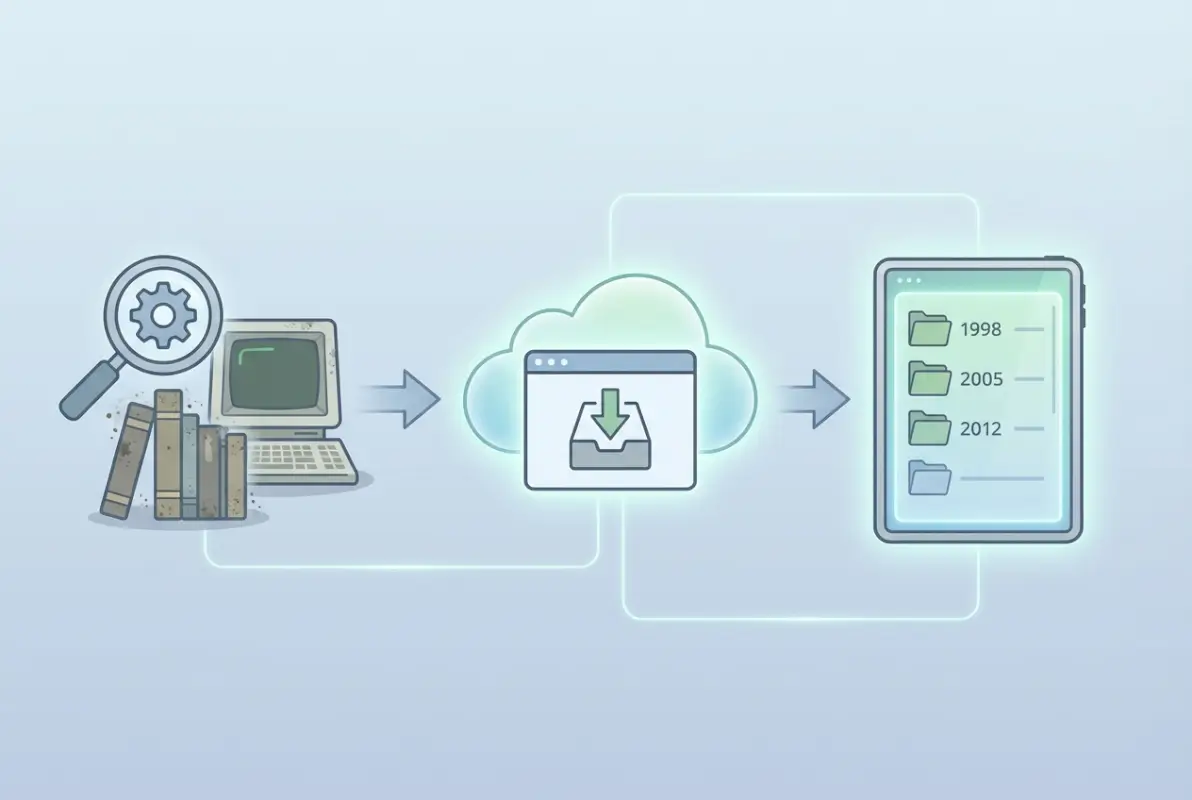
City directories represent the gold standard for genealogists and local historians. These annual or biennial publications listed residents (usually household heads) alphabetically by surname, along with their occupation, street address, and sometimes their spouse’s name. Many also included a reverse directory organized by street name, letting you reconstruct entire blocks. The catch? Coverage was never universal—transient populations, the very poor, and people of color were frequently underrepresented or omitted entirely. When searching for city directories, you’ll want to identify the publisher (R.L. Polk Company dominated the American market for decades) and understand that most major U.S. cities have runs digitized from roughly the 1850s through the 1930s or 1940s.
Telephone directories operate on a completely different logic. They list subscribers—people who could afford phone service—which creates a massive selection bias especially in the pre-1950 era when phones were luxury items. Early telephone directories often organized listings by exchange and included business advertisements, making them valuable for commercial history even if they miss most residents. The Library of Congress holds a particularly strong collection of U.S. telephone directories, with business listing coverage that’s remarkably detailed for urban centers.
Street and address directories flip the organization entirely—they’re sorted by street name and number, listing the occupant at each address. These are phenomenal for property history, understanding neighborhood composition, or tracking when a building changed use from residential to commercial. However, they’re less common in digitized form because they were often produced locally by smaller publishers. Ward maps, which sometimes accompanied directories, show geographic boundaries and are essential when street names or numbering systems changed (which happened more often than you’d think).
Then there’s the category I call directory-like finding aids—these aren’t directories in the traditional sense but function similarly for researchers. Archive catalogs, MARC records in library systems, and specialized indexes to manuscript collections all help you locate materials organized by name, subject, or location. Understanding how to search these is just as important as working with the directories themselves.
What to Do: Building Your Search Parameters
Grab a notebook (digital or paper, I’m not judging) and write down three things: your target city or region, your time window, and your intended use. Be specific. “Chicago, 1915-1925, tracking my grandfather’s barbershop locations” is a searchable query. “Midwest, early 1900s, general interest” will drown you in irrelevant results. If you’re flexible on dates, start with census years (1900, 1910, 1920, etc.) since that makes cross-referencing much easier later.
Next, check whether the Library of Congress, your state library, or major university libraries hold digitized runs for your target city. The LOC’s City Directories collection is searchable by location and year, though not every directory has been fully indexed for name searches. State libraries often have better coverage for smaller cities in their region—the Wisconsin Historical Society, for instance, has extraordinary runs of directories for towns you’ve never heard of. Document what’s available, what years are covered, and whether you need special access (some require reading room visits or institutional login credentials).
Build a Credible List of Current, Authoritative Sources and Archives
Here’s something they don’t tell you in the “how to research your family history” pamphlets: not all digitized directories are created equal, and some sources are frankly unreliable. I learned this the hard way when I spent three hours transcribing entries from what turned out to be a partial, badly scanned directory with missing pages and no metadata. Building a trusted source list upfront saves you from that kind of frustration and ensures your findings will hold up to scrutiny.
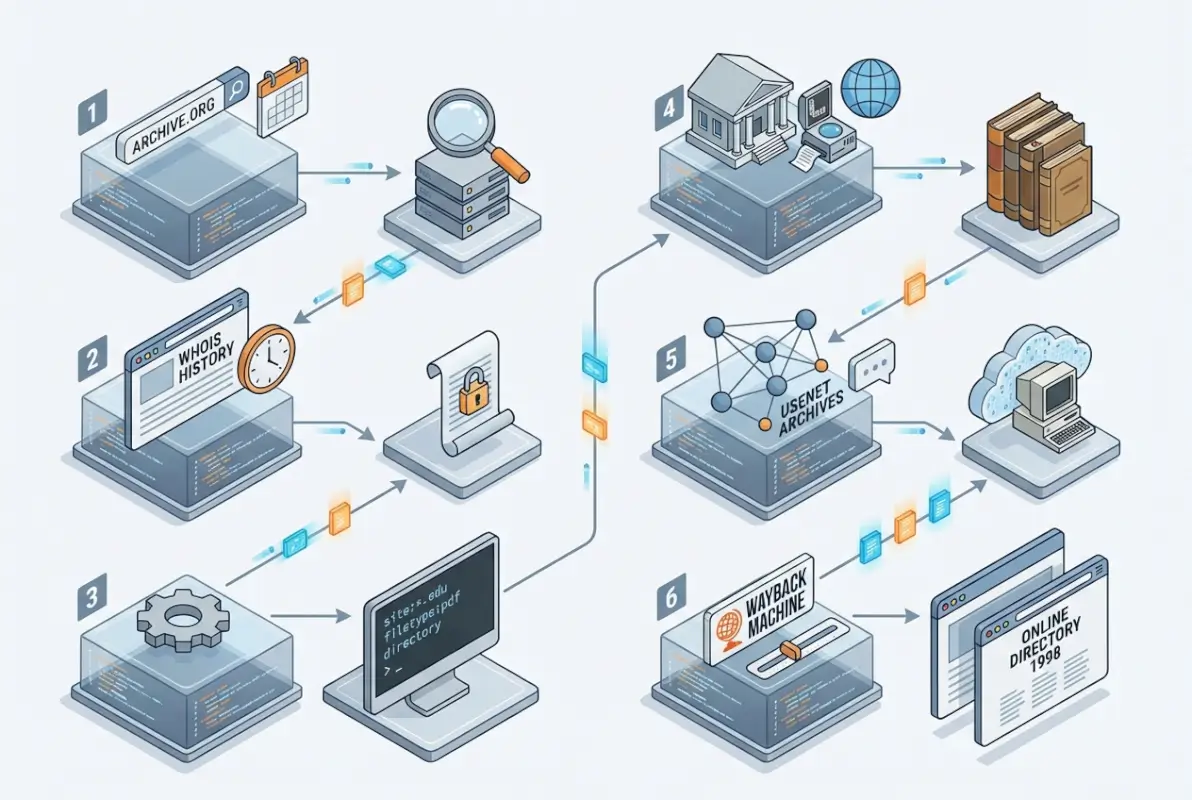
Start at the top of the archival food chain with national-level portals. The Library of Congress houses the United States Telephone Directory Collection and extensive city directory holdings, with detailed guidance on street-address directories and how to request materials. What I appreciate about the LOC is their meticulous cataloging—when you find a directory there, you get publisher information, edition notes, and often a comparison with other editions they hold. The National Archives (NARA) focuses more on federal records, but their NHPRC grants have funded digitization projects for local directories at institutions nationwide, making them a useful discovery layer even if they don’t host the files directly.
The Digital Public Library of America (DPLA) functions as an aggregator, pulling together collections from libraries, archives, and museums across the country. You might find the same Cincinnati directory indexed through both the Public Library of Cincinnati and DPLA, but DPLA’s unified search interface lets you cast a wider net. The tradeoff is that metadata quality varies wildly depending on the contributing institution. Harvard Library’s guide to public digital collections includes DPLA in its overview and explains how to evaluate what you’re looking at.
| Repository Type | Coverage Strength | Access Model | Metadata Quality |
|---|---|---|---|
| Library of Congress | Major cities, telephone directories | Free online, some on-site only | Excellent |
| State Libraries | Regional cities, rural areas | Mixed (free + institutional) | Good to excellent |
| DPLA | Wide geographic range | Free aggregated search | Variable |
| University Libraries | Local history, alumni | Often requires affiliation | Excellent |
| Internet Archive | Crowd-sourced, eclectic | Free, unlimited | Fair to good |
Don’t overlook local public libraries, especially for business listing research. The New York Public Library’s city directories guide is a masterclass in both accessing their collection and understanding what directories can and can’t tell you. They’re transparent about gaps, damaged volumes, and the difference between their circulating microfilm and digitized versions—the kind of honesty that builds trust. Many major city libraries maintain similar research guides, and they often have stronger runs for their own municipality than national repositories do.
National and University Libraries with Digitized Directories
University libraries punch above their weight for local history because they serve both academic researchers and the broader community. The University of Michigan’s collection of Michigan city directories is spectacular, while Penn State has strong Pennsylvania coverage. The pattern holds across the country, when you’re researching a specific state or region, check the flagship public university’s special collections first. Many participate in consortial digitization projects that make their holdings discoverable through shared catalogs.
International researchers should know that these principles apply globally, though the specific portals differ. Historic England offers guidance on using historical directories that’s applicable beyond UK research. The National Library of Australia has similarly strong local history resources, organized through their Trove discovery service which aggregates directories, newspapers, and archives in one searchable interface.
Leverage Web Archives to Access Past Versions of Online Directories
Now we get to the truly wild west of directory research: using web archives to find directories that once existed online but have since vanished or moved. This is where the Internet Archive’s Wayback Machine becomes your secret weapon, though you need to understand both its capabilities and its limitations. The Wayback Machine has archived over 866 billion web pages since 1996, hitting the trillion-page milestone recently—but that doesn’t mean every directory you need was captured, or captured completely.
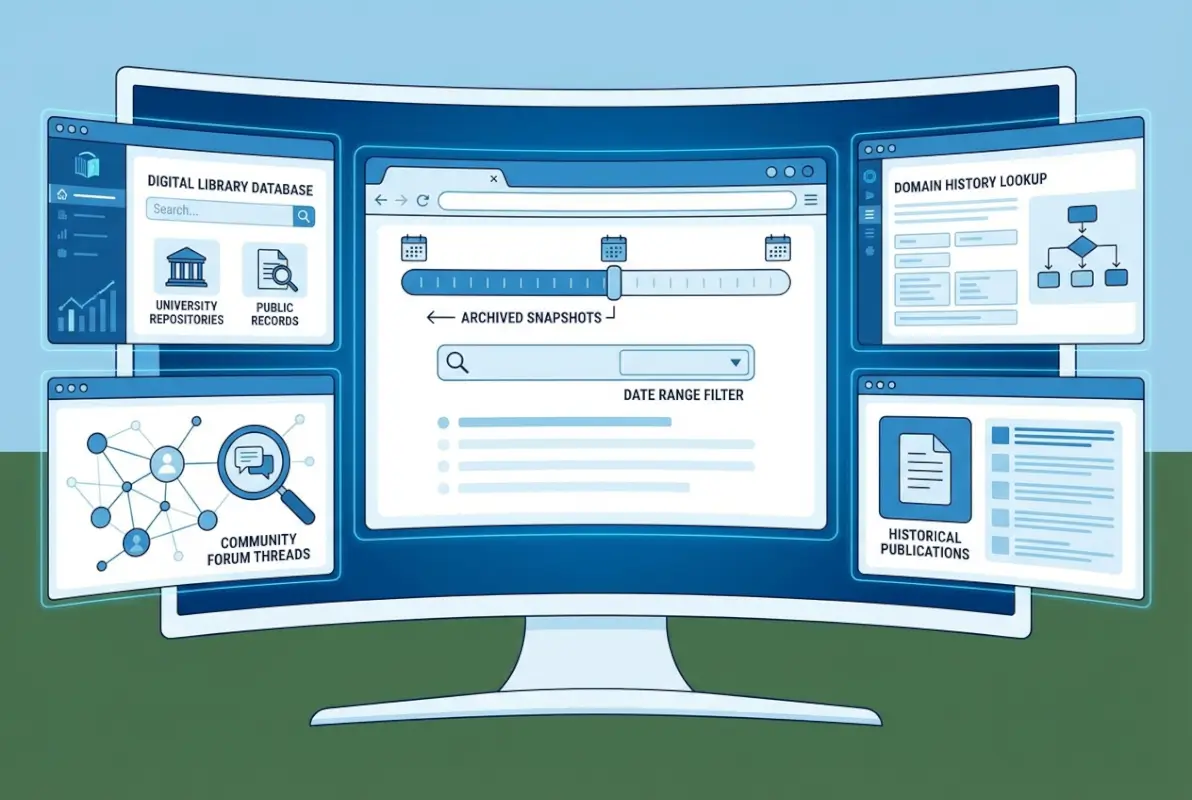
Here’s a scenario I’ve encountered multiple times: a small local historical society digitized their city’s directories in the early 2000s and put them on a simple website. Then their webmaster retired, the domain lapsed, and those scans disappeared from the live web. But if the Wayback Machine crawled that site before it went dark, those directories might still be accessible as archived snapshots. You search for the old URL (which you might find referenced in a forum post or genealogy mailing list), select a capture date from when the site was active, and suddenly you’re looking at directories that exist nowhere else online.
The technical side matters here. The Wayback Machine captures pages when its crawlers visit sites or when users manually save URLs. Coverage is uneven—popular sites get archived frequently, obscure pages might have just one or two snapshots, and some content (especially PDFs behind login walls or dynamic database results) may not be captured at all. When you find a directory in the Wayback Machine, you’re looking at a frozen moment in time, which means you need to verify that all the pages loaded correctly and that the PDF or image files are complete.
Beyond the Wayback Machine, other web archives exist with different focus areas. The UK Web Archive (by the British Library) captures UK websites, while Archive-It allows institutions to create custom collections of archived sites. Some genealogy and local history sites have been preserved through targeted archiving projects. Knowing these alternatives matters because they sometimes capture content the Wayback Machine missed. If you’re looking for company directory information from corporate websites, web archives may be your only option for historical data that companies no longer host.
Internet Archive Trends and Milestones
The Internet Archive isn’t just the Wayback Machine—it’s a broader digital preservation initiative that includes books, software, audio, and video. For directory researchers, their digitized book collection overlaps significantly with directory holdings, since many directories have been scanned and uploaded as PDF files with OCR text. The search interface lets you filter by publication date, making it relatively easy to find directories from specific decades.
What makes the Archive compelling is its commitment to open access and download capability. Unlike some institutional repositories that only allow page-by-page viewing, Archive items can typically be downloaded as PDF, EPUB, or plain text files. This is huge for systematic research—you can download an entire run of directories and work offline, use text search across multiple years, or preserve copies against future access changes. The trade-off is variable scan quality and metadata, you’ll find pristine scans sitting next to barely legible photocopies of microfilm.
Common Crawl represents another facet of web archiving, focused on creating open datasets of crawled web content for research purposes. While not directly useful for finding specific directories (it’s more raw data than searchable archive), it provides context for understanding the scale of web preservation efforts and which types of content get captured. The supplementary web archival landscape includes national libraries worldwide, all running preservation programs that occasionally surface directories not available through U.S. sources.
Tip 4 — Verify Authenticity, Edition, and Date Information
Once you’ve located a candidate directory online, the next critical step is to confirm that it is what it claims to be. Historical directories were often published annually or biennially, and each edition may cover different months or years. Additionally, digitized versions can introduce errors during scanning or OCR (optical character recognition) processing. Authenticating your source protects your research from false leads and ensures that any citations or genealogical conclusions are defensible.
Check Publisher, Edition Year, and Catalog Record Metadata
Start by examining the title page or cover of the digitized directory. Look for:
- Publisher name and location: Major directory publishers (e.g., R. L. Polk & Co., Gould’s, Caron Directory Company) were well-established and produced consistent formats. Verify the publisher matches known historical records.
- Edition year or volume number: Many directories display “Nineteenth Annual Edition” or “For the Year 1895.” Note both the publication year and the period the data covers—some directories published in late 1894 cover addresses for 1895.
- Subtitle and scope: Directories often specify coverage (“City of Philadelphia and Suburbs”) or specialized listings (“Business and Professional Directory”). Ensure the scope matches your research needs.
Next, consult the catalog record provided by the hosting repository. Libraries such as the Library of Congress, NYPL, and university archives include MARC records or descriptive metadata that list:
- Full bibliographic citation
- Physical description (number of pages, presence of maps or ads)
- Holdings information (which years the library owns)
- Digital surrogate notes (scan date, resolution, OCR availability)
Cross-referencing the directory’s internal metadata with the library catalog helps catch mislabeled scans or incomplete digitizations. For guidance on reading catalog records and finding aids, review the NYPL guide to preparing archival searches.
Cross-Check with Library Catalogs and Finding Aids
Use union catalogs such as WorldCat or national library catalogs to verify that the edition you’ve found is recognized and held by multiple institutions. Search by title, publisher, and year. If several libraries hold the same edition, you gain confidence in its authenticity. If your candidate directory appears nowhere else, investigate further—it may be a rare or private publication, or it may be mislabeled.
Finding aids—detailed inventories of archival collections—can also confirm directory provenance. For example, a city archives may list a donation of business directories from 1870–1920, complete with donor notes and condition reports. Comparing your online find against such inventories adds a layer of verification. The Library of Congress policy on telephone directories (PDF) explains how LOC catalogs and preserves these materials, offering a model for what robust metadata looks like.
Distinguish Scans vs. OCR Text Quality and the Presence of a Metadata Record
Not all digitized directories are created equal. Some are high-resolution page scans with no searchable text; others include OCR-generated text that may contain errors. When evaluating a directory:
- Page-image scans: Examine clarity, completeness (missing pages?), and whether maps or advertisements are included. Note the scan resolution (DPI) if available.
- OCR text: Test search functionality by looking up a known name or address. Check a few results manually against the images to gauge OCR accuracy. Old typefaces, faded ink, and column layouts can confuse OCR engines.
- Metadata completeness: A directory with rich metadata (author, publisher, edition, year range, subject headings) is more reliable than a bare PDF with no description.
Pro Tip: Always record the exact year(s) the directory covers and capture the bibliographic details of the edition you access. If relying on digitized scans, note the scan date and hosting repository in your research log. This practice ensures you can re-locate the source and cite it correctly in genealogical or historical reports.
Tip 5 — Use a Structured Workflow and Verification Checklist
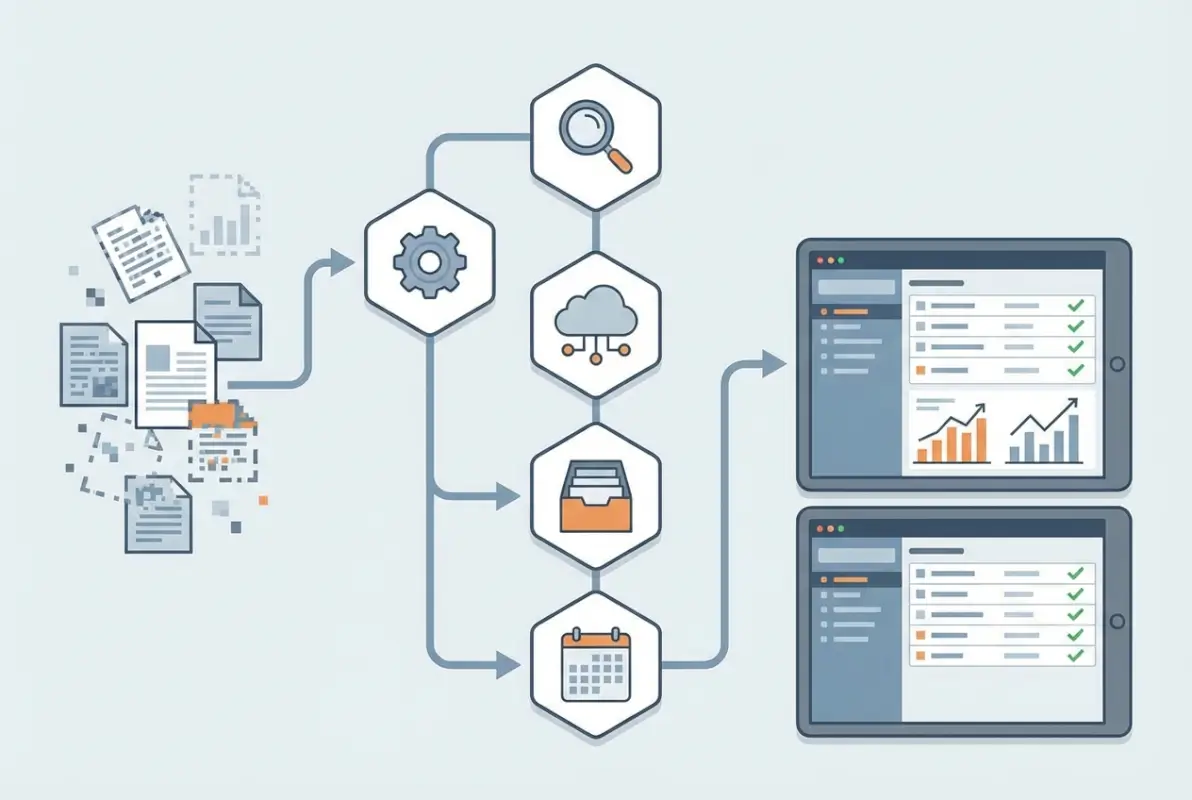
A repeatable, documented workflow transforms directory hunting from a haphazard browse into a systematic research process. By defining search terms, saving findings with provenance notes, and recording image quality, you build a corpus of verified, citation-ready sources that you—and others—can trust and reuse.

Define Search Terms and Synonyms
Before you begin searching, brainstorm all the variants and synonyms relevant to your target:
- City name: Historical cities may have had different official names, spellings, or boundaries. For example, “New Amsterdam” vs. “New York,” or “St. Louis” vs. “Saint Louis.”
- Year range: List the specific years or decade you need. Remember that directories may be published a year ahead or behind the data they cover.
- Street names: Streets were often renamed, renumbered, or absorbed into new districts. Compile a list of historical and modern names.
- Alternate spellings: OCR errors, historical orthography, and typographical conventions can all introduce variations. Search for both “Smith” and “Smyth,” “Mc” and “Mac,” “St.” and “Street.”
Document these search terms in a simple text file or spreadsheet. As you discover new synonyms during your research, add them to the list. This growing glossary will speed up future searches and help you catch entries that would otherwise be missed.
Save and Tag Findings with Provenance Notes and URLs
Each time you locate a relevant directory, capture:
- Source URL or permalink: Use stable identifiers (DOIs, ARK IDs, or Internet Archive URLs) when available. For Wayback Machine snapshots, copy the full timestamped URL.
- Repository name: Library of Congress, NYPL, Internet Archive, university library, etc.
- Access method: Free online, library login required, subscription database (HeritageQuest, Ancestry), or on-site viewing only.
- Download or screenshot: Save a local copy of the title page and relevant entries. Name files descriptively (e.g.,
Philadelphia_Directory_1895_TitlePage.jpg). - Tags and notes: Use keywords like “city directory,” “telephone,” “verified,” “OCR-poor,” or “missing pages” to quickly filter your collection later.
Store these records in a spreadsheet, reference manager (Zotero, Mendeley), or note-taking app (Evernote, Notion). Consistent tagging and provenance notes turn a pile of PDFs into a searchable research library.
Record Image Quality, Page Scans, and Any OCR Text
In your research log, add fields that capture technical details:
| Field | Description | Example Entry |
|---|---|---|
| Directory Type | City, telephone, business, or address directory | City directory |
| City / Region | Geographic coverage | Boston, MA |
| Year(s) Covered | Data period, not necessarily publication year | 1902 |
| Publisher | Company or organization that issued the directory | Sampson & Murdock Co. |
| Source / Repository | Where you found it | Internet Archive |
| URL / Identifier | Stable link or catalog number | archive.org/details/bostondirectory1902samp |
| Access Method | Free, login, subscription, or on-site | Free online |
| Image Quality | Resolution, clarity, completeness | Good; 300 DPI scans; all pages present |
| OCR Available? | Searchable text layer present | Yes, moderate accuracy |
| Notes / Tags | Special remarks, missing pages, verification status | Verified against WorldCat; includes ward maps |
This log becomes your single source of truth. When writing a report or citing a directory, you can quickly retrieve all the metadata you need. For more on building effective research workflows in archives, see the Cal Poly guide to online archives.
Workflow Tip: Create a simple research log with fields for directory type, city, year, source URL, access method, image quality, and notes. This log will become your citation backbone and help you avoid re-searching the same directories. Review and update it after each research session to keep your findings organized and accessible.
Tip 6 — Contextualize Findings with Local History and Related Records
A directory entry on its own is a snapshot—a name, an address, perhaps an occupation. To transform that snapshot into a meaningful narrative, you must place it in context. Cross-referencing directories with other historical records reveals migration patterns, business partnerships, family networks, and social mobility. This triangulation is what separates casual browsing from rigorous historical research.
Use Linked Data and Archive Finding Aids to Triangulate Information
Modern digital archives increasingly expose linked data—structured metadata that connects people, places, events, and documents across collections. For example, a directory entry for “John Smith, grocer, 123 Main St.” might link to:
- A census record showing John Smith’s household composition and birthplace
- A newspaper advertisement for Smith’s grocery store
- A deed record documenting Smith’s purchase of the property at 123 Main St.
- A city map showing the location of Main Street in a specific ward
To exploit these connections, use archive finding aids and catalog search interfaces that support faceted browsing. The National Archives (NHPRC) digital resources portal and the Digital Public Library of America (DPLA) aggregate metadata from thousands of institutions, allowing you to search across collections by name, place, or date. When you find a directory entry, immediately pivot to these portals and search for the same name and address in other record types.
Finding aids—especially those for manuscript collections, photograph archives, and local government records—often include biographical notes, scope and content descriptions, and cross-references to related materials. Reading a finding aid can reveal that the grocer John Smith also served as a city councilman, donated land for a school, or appeared in court records. These details enrich your understanding and open new research avenues.
Cross-Reference with Census Records, Newspapers, and Business Directories
Three record types are especially powerful complements to directories:
- Census records: Federal and state censuses (U.S. decennial censuses, UK censuses, etc.) provide household composition, ages, birthplaces, occupations, and sometimes property values. Match directory addresses to census enumeration districts to confirm identities and discover family members not listed in directories.
- Newspapers: Historical newspapers are goldmines for context. Search digitized newspaper collections (e.g., Chronicling America, British Newspaper Archive) for the names and businesses you find in directories. You may uncover birth, marriage, and death notices; business advertisements; legal notices; or society columns that place individuals in social networks.
- Business and trade directories: Specialized directories (e.g., medical registers, bar association lists, industrial directories) offer deeper details on professional credentials, partnerships, and business histories. Cross-referencing a city directory’s “John Smith, physician” with a medical register can confirm degrees, licensure dates, and hospital affiliations.
The Chronicling America project and the National Digital Newspaper Program provide large-scale digitized newspaper access. For research strategies on integrating newspapers with directories, review their documentation and published case studies.
Document Changes in City Boundaries, Street Names, or Numbering Systems
Cities evolve. Streets are renamed to honor civic leaders, renumbered to rationalize addressing systems, or absorbed into new municipalities through annexation. If you’re tracking an address across multiple decades, you must account for these changes—or you risk concluding that a person “moved” when in fact only the street name changed.
To handle this complexity:
- Consult historical city atlases, fire insurance maps (Sanborn maps), and ward maps that show street layouts and numbering systems over time.
- Check city council minutes, local history books, and historical society publications for records of street renamings and renumberings.
- Use modern GIS tools and historical GIS layers (when available) to overlay historical maps on current street grids.
- Maintain a “street name concordance” in your research notes, listing old and new names side by side.
For example, if a 1900 directory lists “456 Oak Avenue” but a 1910 directory shows the same resident at “789 Elm Street,” a street-renaming or renumbering event may have occurred. Confirming this through maps or municipal records prevents false conclusions about mobility or identity.
Research Strategy: Pair directory entries with other historical records to confirm identities and locations. Create a “person-place-time” matrix in your notes: for each individual, list every directory appearance, census record, newspaper mention, and map location, then look for consistencies and anomalies. This matrix reveals life trajectories and flags errors or ambiguities that require further investigation.
Tip 7 — Practical Constraints and Accessibility Considerations
Even when you know where a directory lives, you may face barriers to access. Understanding the landscape of free versus subscription-based resources, on-site versus remote access policies, and copyright constraints will help you plan your research efficiently and ethically.
Free Access vs. Subscription-Based Databases
Many historical directories are freely available through institutions that have digitized their holdings and released them into the public domain or under open licenses. Examples include:
- Library of Congress: Extensive free collections of city and telephone directories.
- Internet Archive: Millions of scanned books, including directories, available for borrowing or download.
- HathiTrust: Large-scale digital library with public-domain directories from partner universities.
- DPLA and national library portals: Aggregated access to state and local repositories.
However, some directories—especially those still under copyright, held by commercial publishers, or requiring specialized licensing—live behind paywalls:
- Ancestry.com and MyHeritage: Subscription genealogy platforms with extensive directory holdings, often with enhanced indexing and search tools.
- Fold3: Military and government records, including some directories.
- HeritageQuest Online: Available through many public libraries; includes U.S. city directories and census records.
- ProQuest and other academic databases: University libraries may subscribe to historical collections that include directories.
If you encounter a paywall, check whether your local public library or university library offers remote access to the database. Many public libraries provide free access to Ancestry Library Edition or HeritageQuest from home with a valid library card. Planning your research around library access can save hundreds of dollars in subscription fees.
On-Site vs. Remote Access Policies for Major Repositories
Some directories are only accessible on-site due to copyright restrictions, fragility of original materials, or institutional policy. Major repositories like the Library of Congress, National Archives, and research libraries may offer:
- Reading room access: View originals or microfilm on-site; no remote access.
- Controlled digital access: Digital surrogates viewable only on library computers within the building.
- Request and delivery services: Order scans or photocopies for a fee; turnaround time varies.
Before traveling to a repository, review its access policies and catalog. The NYPL city directories guide outlines NYPL’s on-site and remote access options, and similar guides exist for other major libraries. Many repositories now offer virtual reference services—email or chat with an archivist to confirm availability and access before your visit.
Copyright and Reuse Considerations for Digitized Directories
Most historical directories published before 1928 in the United States are in the public domain, but later works may still be under copyright. When using a digitized directory:
- Check the rights statement: Repositories often include a “rights and access” note in the catalog record (e.g., “No known copyright restrictions,” “In copyright—educational use permitted”).
- Understand fair use: For works still under copyright, fair use may allow limited quotation and citation for research, but large-scale reproduction or republication requires permission.
- Cite your source: Even for public-domain works, proper attribution is essential for scholarly integrity. Include the repository, collection name, identifier, and access date in your citations.
- Respect terms of use: Some platforms (e.g., subscription databases) prohibit bulk downloading or redistribution. Read and follow the terms of service.
For more on copyright in archives and libraries, consult institutional guides such as those from the Library of Congress and NYPL, which explain U.S. copyright law and provide decision trees for reuse.
Access Tip: Note access mode and any library login requirements; plan visits or library card access when needed. Create a checklist of access requirements for each major repository you plan to use, including library card registration, on-site hours, digitization request forms, and fee schedules. This upfront planning saves time and frustration during your research.
Quick Win Workflow and Mini-Checklist
To put all these tips into practice, here’s a condensed, actionable workflow designed to produce verified directory findings in a single research session. This “quick win” approach is ideal for beginners and serves as a repeatable template for larger projects.
Step-by-Step Quick Win
- Pick 2–3 target directories and 2–3 cities: Choose a manageable scope. For example, select the 1900 city directory for Boston, the 1910 telephone directory for Chicago, and the 1895 business directory for Philadelphia.
- Gather 1–2 candidates per city with publication years: Use the Library of Congress, Internet Archive, and DPLA to locate digitized copies. Record URLs, publishers, and years covered.
- Verify with a secondary source: Cross-check each candidate against WorldCat, a library catalog, or a finding aid. Confirm the edition, publisher, and scope match your needs.
- Save captures with provenance and links: Download or screenshot title pages and sample entries. Fill in your research log with all metadata fields (directory type, city, year, source, access method, image quality, notes).
- Test search and OCR: If OCR text is available, search for a known name or address and verify the result against the page image. Note any OCR errors or missing pages.
- Contextualize one entry: Choose one individual or business from a directory and search for them in census records, newspapers, or maps. Document your findings and any new leads.
By the end of this session, you’ll have a small, verified collection of directories, hands-on experience with search and verification techniques, and at least one contextualized example. This mini-project serves as a proof of concept and builds confidence for larger research efforts.
Mini-Checklist
| Task | Done? |
|---|---|
| Defined target city, directory type, and year range | ☐ |
| Searched LOC, Internet Archive, and DPLA for candidates | ☐ |
| Verified edition and publisher against library catalog | ☐ |
| Saved stable URL or permalink | ☐ |
| Downloaded or screenshotted title page and sample entries | ☐ |
| Recorded metadata in research log (city, year, source, access, quality, notes) | ☐ |
| Tested OCR search and verified against page images | ☐ |
| Cross-referenced at least one entry with census, newspaper, or map | ☐ |
| Documented any street name or boundary changes | ☐ |
| Noted access restrictions (free, login, subscription, on-site) | ☐ |
For additional guidance on structuring archival searches and building iterative research workflows, consult the Hull University search strategies guide.
Regional Case Studies (Illustrative)
To see how these tips play out in practice, let’s examine three regional contexts: the United States, the United Kingdom and Ireland, and Australia. Each region has its own archival landscape, digitization initiatives, and access quirks—but the core research workflow remains the same.
United States: LOC, NARA, and State Libraries
The United States benefits from decades of federal and state investment in digital archives. The
Frequently Asked Questions
How can I find old business directories online?
Use the Wayback Machine to view archived versions of directory websites. Search Google Books for digitized print directories. Check local library digital collections and genealogy sites like FamilySearch. Many historical societies maintain searchable databases of regional business directories from specific time periods.
What are the best websites for accessing historical directories?
Archive.org’s Wayback Machine preserves website snapshots. Google Books contains thousands of scanned print directories. HathiTrust Digital Library offers academic access to historical publications. Ancestry.com and FamilySearch provide city directories. Local library systems often host regional directory collections in their digital archives.
Can I access old Yellow Pages directories from past decades?
Yes, through multiple sources. The Wayback Machine archived YellowPages.com from the late 1990s onward. Many libraries maintain physical Yellow Pages collections on microfilm or microfiche. Some digitization projects have scanned regional Yellow Pages, available through state library systems and historical society databases.
How far back does the Wayback Machine archive websites?
The Wayback Machine began archiving websites in 1996, with its earliest snapshots from that year. Coverage varies by website—popular sites have more frequent captures. Not all pages were archived due to robots.txt restrictions or technical limitations. Directory sites from the late 1990s and early 2000s often have extensive snapshot histories.
What should I do if a directory page won’t load in the Wayback Machine?
Try different snapshot dates, as some captures are more complete than others. Remove “www” or add it to the URL. Look for cached versions in Google’s search results. Check if the content exists in Archive-It collections. Consider requesting the page through interlibrary loan if it was originally a digitized print resource.
Can I search for specific businesses in old online directories?
Search functionality depends on the archive source. Google Books allows full-text search within digitized directories. The Wayback Machine preserves original search features if they still function. For non-searchable archives, use your browser’s find function or download PDFs for keyword searching. Some genealogy sites offer indexed, searchable directory databases.
How do I find city directories from the 1800s or early 1900s?
Check Google Books and HathiTrust for digitized city directories from this era. FamilySearch and Ancestry.com have extensive collections organized by location and year. Contact your local historical society or public library special collections department. Many universities have digitized regional directories as part of local history preservation initiatives.
What information can I typically find in historical directories?
Historical directories usually list business names, addresses, phone numbers, and classifications by industry. City directories often include resident names, occupations, and home addresses. Some contain advertisements, maps, and demographic information. Professional directories may list credentials, specialties, and years of practice. Content varies by directory type and publication era.
Should I contact libraries for directories not available online?
Absolutely. Many libraries hold non-digitized directory collections in their reference or special collections departments. Librarians can search their catalogs, provide photocopies of specific pages, or offer research assistance. Some libraries participate in interlibrary loan programs. Always call ahead to verify availability and access policies for archival materials.
Start Your Directory Search Today
Finding online directories from the past takes patience and a strategic approach, but the information you uncover can be invaluable. Whether you’re researching family history, verifying business claims, conducting competitive analysis, or investigating property records, these archived resources provide a window into how communities and markets looked years or decades ago.
The techniques outlined in this guide give you multiple pathways to success. Start with the Wayback Machine for websites that existed in the digital era. Explore Google Books and library databases for print directories that have been digitized. Don’t overlook specialized genealogy sites and local historical societies, which often maintain curated collections that major search engines miss.
Your Action Plan
- Identify the specific directory type, location, and time period you need
- Begin with the Wayback Machine for post-1996 online directories
- Search Google Books and HathiTrust for digitized print directories
- Check FamilySearch and Ancestry.com for city and residential directories
- Contact local libraries and historical societies for regional resources
- Document your sources and save copies of critical information
Remember that persistence pays off in archival research. If your first approach doesn’t yield results, try alternative search terms, different date ranges, or complementary resources. The directory you need might exist under a different name, in a broader collection, or through an institution you haven’t yet contacted.
Take the first step right now. Open the Wayback Machine, enter the directory URL you’re seeking, and see what snapshots are available. Or search Google Books for your city name plus “directory” and the decade you’re researching. The information you’re looking for is out there, waiting to be discovered. Apply these research strategies, stay organized in your approach, and you’ll be amazed at what you can uncover from the digital archives of the past.