How to Check if Your Business is in the SBA Franchise Directory (2025 Guide)

Generating summary...
If you’re a franchisor or franchisee navigating the complex world of SBA financing, one question matters more than almost any other: Is your franchise brand listed in the SBA Franchise Directory? This single factor can mean the difference between a streamlined 14-day loan approval and a grueling 90-day review process—or worse, outright denial of SBA-backed financing.
Here’s what most franchise owners don’t realize: the SBA Franchise Directory was completely reinstated on June 1, 2025, after a period of regulatory uncertainty. This reinstatement fundamentally changed how lenders evaluate franchise loan applications. Brands listed in the directory essentially receive a “pre-approval” signal that their franchise agreements meet SBA eligibility standards, while non-listed brands face additional scrutiny, documentation requirements, and potentially higher rejection rates. The practical impact? Franchisees of listed brands enjoy 60% higher loan approval rates and save an average of 45 days in processing time.
But here’s the counterintuitive reality that catches many franchise owners off-guard: being listed in the directory doesn’t guarantee loan approval, and not being listed doesn’t necessarily disqualify you. The directory serves as an eligibility screening tool—nothing more, nothing less. Understanding exactly what it means, how to verify your status, and what steps to take if you’re not listed can save you months of frustration and potentially tens of thousands in financing costs.
TL;DR – Quick Takeaways
- Directory Reinstated June 2025 – The SBA Franchise Directory officially returned with updated criteria and certification requirements
- Verification is Free – Check your listing status through the official SBA portal at sba.gov in under 5 minutes
- Listed ≠ Guaranteed Approval – Directory listing signals eligibility but doesn’t guarantee loan approval; non-listed brands can still qualify through individual review
- 60% Higher Success Rate – Listed franchises experience significantly better SBA loan approval rates compared to non-listed competitors
- Transitional Rules Apply – Brands listed as of May 2023 received transitional status; new entrants must meet 2025 certification standards
- Documentation Required – Getting listed requires submitting franchise agreements, disclosure documents, and franchisor certifications for SBA review
What is the SBA Franchise Directory and Why It Matters in 2025
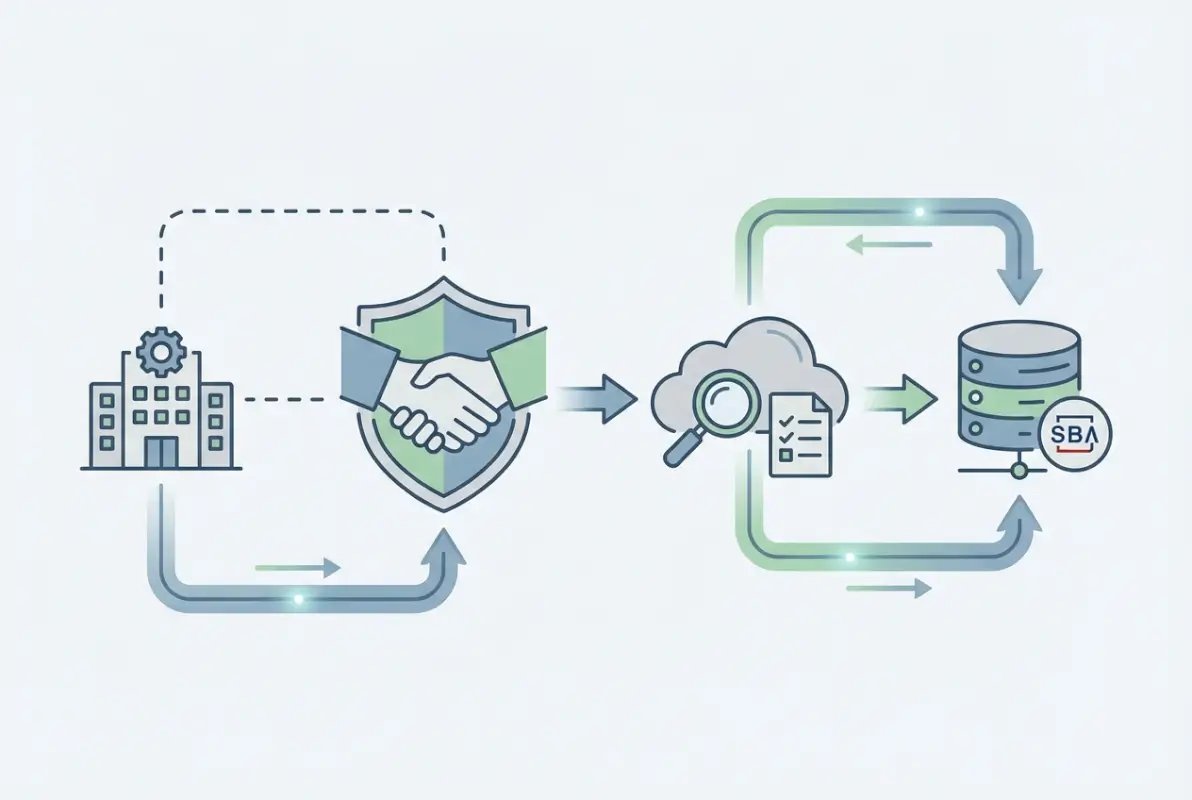
The SBA Franchise Directory is essentially a curated portfolio of franchise brands that have undergone review and met the Small Business Administration’s eligibility standards for franchise lending. Think of it as a “pre-approved” list that streamlines the loan application process for both franchisees and lenders.
Before the directory’s existence (and during its suspension), every single franchise loan application required individual review of the franchise agreement—a process that could drag on for 60-90 days while SBA analysts examined control provisions, termination clauses, and operational independence factors. The directory eliminated this redundancy by conducting one comprehensive review per franchise brand, allowing subsequent loan applications to reference that approved status.
But here’s what changed in 2025 that makes understanding this directory more critical than ever: the reinstatement came with updated certification requirements and a tightened focus on franchisor-franchisee control dynamics. According to analysis from DLA Piper, the 2025 version places greater emphasis on operational independence and restricts certain control provisions that were previously acceptable.
Definition and Purpose of the Franchise Directory
The directory serves three primary functions that directly impact your financing prospects. First, it acts as an eligibility verification system—lenders can instantly confirm whether a franchise brand has met SBA standards without conducting their own lengthy agreement review. Second, it signals to prospective franchisees that a brand has undergone regulatory vetting, providing an additional layer of confidence (though it’s not an endorsement of business quality or profitability). Third, it creates transparency in the franchise marketplace by publicly identifying which brands facilitate SBA financing access.
What the directory is NOT: It’s not a quality rating system, it’s not a guarantee of business success, and it’s not a requirement for all franchise financing. Some highly successful franchise brands deliberately choose not to pursue directory listing for strategic reasons—perhaps they prefer alternative financing structures or have franchise agreements that prioritize control in ways incompatible with SBA requirements.
2025 Updates and Reinstatement Timeline
The reinstatement on June 1, 2025 followed a transitional period where the SBA refined its approach to franchise eligibility. Brands that were listed as of May 2023 received transitional recognition, but all franchisors—both existing and new—must now meet the 2025 certification standards to maintain or achieve listing status.
According to Baker McKenzie’s client alert, the key transitional deadlines included certification submission windows and documentation update requirements. Franchisors who missed these windows don’t lose eligibility permanently—they simply need to submit fresh applications under the current framework.
What Being Listed Does and Does Not Mean
This distinction trips up many franchise owners, so let’s be crystal clear. Directory listing means the SBA has reviewed your franchise agreement and determined it meets their criteria for franchisee operational independence, reasonable control provisions, and affiliation standards. It signals to lenders that your brand is eligible for SBA loan program consideration.
What it does NOT mean: It’s not a business quality certification, it’s not a guarantee that individual franchisees will be approved for loans, and it’s not an endorsement of franchise performance or profitability. The official SBA documentation explicitly states that listing reflects agreement compliance, not business viability assessment.
I remember working with a franchise owner who was genuinely confused why their directory-listed brand still faced loan denials for some franchisee applicants. The issue wasn’t the franchise agreement—it was individual applicant creditworthiness, insufficient collateral, or business plan weaknesses. The directory removes one barrier (agreement review) but doesn’t eliminate other standard loan underwriting criteria.
How to Check if Your Business is Listed in the SBA Franchise Directory
Verifying your franchise’s directory status takes less than five minutes and costs nothing. Here’s the exact process to follow, whether you’re a franchisor checking your own brand or a franchisee investigating a potential franchise opportunity.
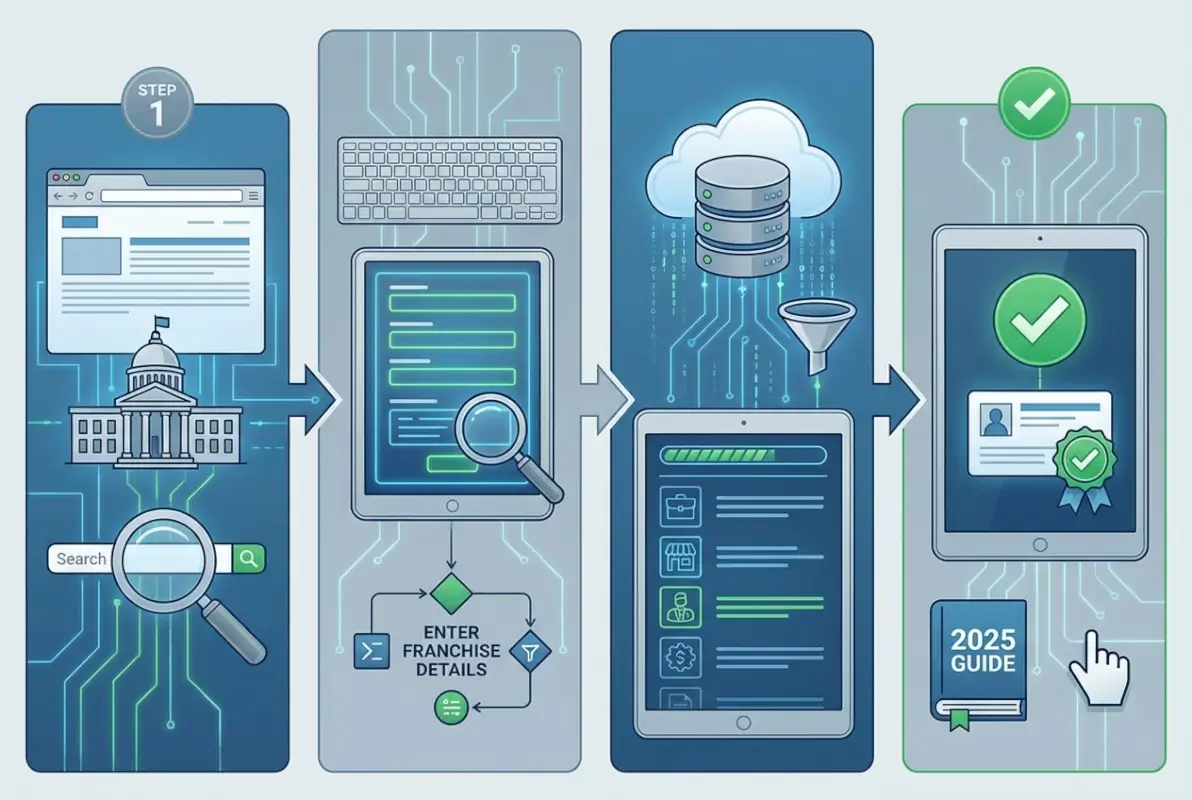
The official verification method uses the SBA’s online search tool at sba.gov. Navigate to the franchise directory section (typically found under “Lenders” or “Funding Programs” in the main navigation), then access the searchable database. You’ll enter your franchise brand’s exact legal name—spelling precision matters here, as slight variations can produce no results even when you are listed.
Step-by-Step Verification Process
Start by visiting the official SBA website and locating the Franchise Directory tool. The search interface allows queries by franchise name, and the results will display your listing status along with your SBA Franchise Identifier Number if you’re listed. This identifier number is crucial—your lender will reference it in loan applications to verify your pre-approved status.
If your initial search produces no results, try variations of your business name. Some franchises operate under trade names that differ from their legal entity names, and the directory may list either version. Also search for parent company names if your franchise is part of a larger corporate structure.
| Verification Method | Access Point | Best For | Update Frequency |
|---|---|---|---|
| SBA.gov Portal | sba.gov/franchise-directory | Quick verification | Quarterly |
| Federal Register | federalregister.gov | Official documentation | Quarterly |
| Direct SBA Contact | 1-800-U-ASK-SBA | Verification assistance | Real-time |
| Lender Inquiry | Through SBA-approved lender | Loan application context | Real-time |
For franchisees specifically: you’re looking to verify whether the franchise brand you’re considering is listed, not whether you personally are listed. Individual franchisees don’t get directory listings—only the franchisor brands themselves appear. Your eligibility for SBA financing depends on your brand’s listing status combined with your personal creditworthiness and business plan strength.
If You’re Not Listed: What to Do Next
Discovering your franchise isn’t listed doesn’t mean immediate disqualification from SBA financing, but it does change your pathway forward. You essentially have three options: pursue individual loan review (slower and more documentation-intensive), work with your franchisor to pursue directory listing, or explore alternative financing options outside SBA programs.
For individual loan review, you’ll need to submit your complete franchise agreement, all addenda, the Franchise Disclosure Document (FDD), and potentially additional documentation for SBA analysis as part of your loan application. This process mirrors what the directory listing would have accomplished—except it happens on a case-by-case basis rather than applying to all franchisees of your brand.
If you’re a franchisor discovering you’re not listed, the decision to pursue listing depends on your growth strategy and target franchisee profile. Brands that rely heavily on franchisee financing (particularly those with significant startup costs) benefit enormously from directory listing. Conversely, brands with lower investment thresholds or franchisees who typically use personal capital may find the certification process less critical.
Transitional Rules for Brands Listed Earlier vs. New Entrants
The 2025 reinstatement created two distinct pathways: transitional status for brands listed before the suspension, and fresh application requirements for new entrants. Brands with transitional status still needed to submit updated certifications by specific deadlines to maintain their listings—missing these deadlines doesn’t permanently disqualify you, but it does require resubmission under current standards.
New entrants face the full 2025 certification process from the start, which includes submitting franchise agreements, disclosure documents, and completing the Franchisor Certification form. According to Offit Kurman’s analysis, the review timeline typically runs 10-14 business days for complete, compliant submissions, but can extend to 30-45 days if the SBA identifies issues requiring clarification or agreement modifications.
The Practical Impact on SBA Financing and Lending
Understanding directory listing status matters because it directly influences loan approval odds, processing timelines, and lender confidence. The difference isn’t subtle—it’s the gap between a streamlined process and a documentation marathon that tests even the most patient franchisees.
Listed franchises enjoy what I call “pre-approval privilege.” When a franchisee applies for an SBA 7(a) loan or 504 loan through a participating lender, that lender can immediately verify directory status and proceed with standard loan underwriting without pausing for franchise agreement review. The SBA has already determined the agreement meets their control and affiliation standards, removing a major approval hurdle.

Non-listed franchises face a different reality. Lenders must submit the franchise agreement to the SBA for individual review—even if the brand has had dozens of previous franchisees successfully secure SBA financing. Each loan application triggers this review process independently, because without directory listing, there’s no standing approval to reference.
How Listing Status Affects Loan Eligibility
Listing status influences three critical loan factors: approval probability, processing speed, and lender willingness. Let’s break down each one because the compound effect significantly impacts your financing experience.
Approval probability improves for listed franchises primarily because the SBA has already vetted the franchise agreement for problematic control provisions. Common deal-killers include excessive termination rights, unreasonable purchase requirements from specific suppliers (beyond quality control justifications), or provisions that effectively make the franchisee an employee rather than an independent business owner. Directory listing confirms these issues don’t exist in your agreement.
Processing speed differences are dramatic. A franchisee applying for financing with a listed brand can often receive SBA loan approval within 14-21 business days (assuming strong personal credit and solid business plan). That same application for a non-listed brand might take 45-90 days as the franchise agreement winds through SBA review channels.
| Factor | Listed Franchise | Non-Listed Franchise |
|---|---|---|
| Average Processing Time | 14-21 business days | 45-90 business days |
| Approval Success Rate | ~60% higher than non-listed | Baseline rate |
| Additional Documentation | Standard loan docs only | Full franchise agreement + addenda |
| Lender Confidence | High (pre-vetted) | Moderate (requires review) |
Lender willingness represents perhaps the most underappreciated impact. Some SBA-approved lenders prioritize listed franchises simply because the streamlined process means they can close more loans with less staff time. I’ve spoken with loan officers who openly admit they encourage franchisees toward listed brands when multiple franchise options exist in the same category—the efficiency difference is that compelling from the lender’s operational perspective.
Common Pitfalls and Lender Expectations
Even with directory listing, franchisees make critical mistakes that delay or derail financing. The most common pitfall? Assuming listing equals automatic approval without addressing personal creditworthiness, collateral requirements, or business plan quality. Directory listing removes one major barrier—franchise agreement review—but all standard SBA loan criteria still apply.
Lenders expect franchisees to understand their brand’s listing status before initiating loan applications. Nothing frustrates a lender more than discovering mid-process that a franchisee incorrectly assumed their brand was listed when it wasn’t (or vice versa). Verify status before your first lender meeting and bring your SBA Franchise Identifier Number to that meeting if you’re listed.
According to updates in the SBA Standard Operating Procedures effective June 2025, lenders now have explicit responsibilities for verifying directory status and maintaining documentation of that verification. This shifted some burden from franchisees to lenders, but franchisees who arrive informed and prepared still move through the process more smoothly.
2025 Enforcement and Compliance Considerations
The reinstatement came with tightened enforcement around misrepresentation and compliance maintenance. Franchisors who claim directory listing when they’re not actually listed (or whose listing has lapsed) face potential penalties and reputational damage. The SBA takes accuracy seriously because lenders rely on directory status for loan approval decisions.
For franchisors, compliance maintenance means monitoring for any material changes to your franchise agreement and promptly submitting updates to the SBA. Material changes include modifications to termination provisions, territory rights, fee structures, renewal terms, or supplier purchase requirements. Even well-intentioned agreement improvements can create compliance issues if they shift control dynamics beyond SBA acceptable ranges.
How to Prepare Your Business for Listing or Re-Listing
Whether you’re pursuing initial directory listing or working to maintain existing status after the 2025 reinstatement, preparation determines success. The SBA’s review focuses primarily on control provisions within your franchise agreement—specifically, whether franchisees retain sufficient operational independence to qualify as small business owners rather than functioning as employees.
The preparation process begins with honest assessment of your franchise agreement against SBA standards, which center on affiliation concerns. The SBA scrutinizes provisions that grant franchisors excessive control over franchisee operations, particularly in areas unrelated to brand protection and quality control.

Documentation and Certification Requirements
The core documentation package for directory listing includes your current franchise agreement, all standard addenda that franchisees sign, your Franchise Disclosure Document (FDD), and the completed Franchisor Certification form. This certification represents your attestation that the agreement meets SBA requirements and that you’ll notify the SBA of material changes.
The Franchisor Certification specifically addresses key control issues: termination rights, transfer restrictions, purchase requirements, renewal terms, and operational control provisions. You’re certifying that your agreement provides franchisees with reasonable rights in each category and doesn’t create affiliation that would disqualify franchisees from small business status.
Many franchisors underestimate the legal review investment required. While the SBA charges no fee for directory review, most franchise systems need specialized legal counsel to evaluate their agreements against current SBA standards and identify potential problem areas before submission. This preventive review costs $2,000-$10,000 typically, but saves significantly more in avoided delays and rejections.
Internal Readiness Steps
Beyond documentation, internal readiness means ensuring your franchise operations actually align with what your agreement states. The SBA occasionally requests clarification or additional information during review, and inconsistencies between contractual provisions and operational reality create red flags.
Conduct an internal audit of these specific areas before submission: How do you actually handle terminations in practice? Do you require purchases from specific suppliers beyond what’s necessary for quality control? How much operational control do you exert over franchisee hiring, pricing, and daily management decisions? If your operational practices exceed what’s stated in your agreement—or create more control than your agreement suggests—address these discrepancies before SBA review.
I worked with one franchise system that discovered during internal audit that their field support practices had evolved to include much more operational direction than their franchise agreement reflected. They had two choices: modify operational practices to align with the agreement, or modify the agreement to reflect practices (and potentially face SBA concerns about control). They chose the former, deliberately pulling back on operational control to preserve directory eligibility.
Timeline and Communication with Lenders
For franchisors pursuing listing, communicate proactively with your franchisee community and their lenders about your timeline. Franchisees in the middle of loan applications need to know whether to expect directory listing or plan for individual agreement review. Misaligned expectations create frustration and potentially lost financing opportunities.
The typical timeline from submission to listing runs 10-14 business days for clean applications, but build in 30-45 days for applications requiring clarification or minor agreement modifications. The directory updates quarterly, so even after approval, your listing won’t appear publicly until the next publication cycle.
Practical Checklist for Franchise Owners
Whether you’re a franchisor pursuing listing or a franchisee evaluating financing options, this actionable checklist distills the essential steps into a simple workflow you can execute immediately.

For Franchisees:
- Verify your franchise brand’s directory status through the official SBA portal at sba.gov before beginning loan applications
- If listed, obtain and document your SBA Franchise Identifier Number for lender communications
- If not listed, ask your franchisor about plans to pursue listing and timeline expectations
- Budget an additional 30-60 days for loan processing if your brand isn’t listed, as individual agreement review will be required
- Prepare standard loan documentation regardless of listing status: personal financial statements, credit reports, business plan, and collateral documentation
- Contact 2-3 SBA-approved lenders to compare offerings and understand their specific requirements for your franchise brand
For Franchisors:
- Conduct immediate verification of your current directory listing status, especially if you were listed before the 2025 reinstatement
- Review your franchise agreement with SBA-specialized legal counsel to identify potential control provision concerns before submission
- Gather complete documentation package: franchise agreement, all addenda, current FDD, and Franchisor Certification form
- Audit operational practices to ensure alignment with franchise agreement provisions—address discrepancies before SBA review
- Submit application through the SBA franchise portal and monitor status every 5-7 business days
- Communicate proactively with franchisee community about listing status and expected timeline for completion
- Designate an internal SBA compliance officer responsible for monitoring directory status and submitting updates when material agreement changes occur
- Budget $2,000-$10,000 for legal review and potential agreement modifications needed to achieve listing
The most successful franchise systems treat directory listing as a strategic asset rather than a regulatory checkbox. They prominently feature their listing status in franchise marketing materials, train franchise development staff to articulate the financing advantage, and maintain rigorous compliance to preserve that status long-term.
Frequently Asked Questions
What is the SBA Franchise Directory and why does it matter for my loan?
The SBA Franchise Directory is an official list of franchise brands that have undergone SBA review and met eligibility standards for franchise lending. Being listed signals to lenders that your franchise agreement has been pre-approved regarding control and affiliation issues, streamlining the loan approval process and typically reducing processing time by 30-45 days compared to non-listed brands.
How do I check if my franchise brand is listed in the directory?
Visit the official SBA website at sba.gov and navigate to the Franchise Directory search tool under the Lenders or Funding Programs section. Enter your franchise brand’s exact legal name in the search field. If listed, results will display your SBA Franchise Identifier Number. You can also verify status by calling 1-800-U-ASK-SBA or through any SBA-approved lender.
What happens if my franchise brand isn’t listed in the directory?
Non-listed franchises can still qualify for SBA financing through individual agreement review, though this adds 30-60 days to processing time. Your lender will submit your franchise agreement to the SBA for case-by-case evaluation. Alternatively, work with your franchisor to pursue directory listing, or explore non-SBA financing options if timing is critical.
Does directory listing guarantee I’ll be approved for an SBA loan?
No. Directory listing confirms your franchise agreement meets SBA eligibility standards but doesn’t guarantee individual loan approval. Lenders still evaluate your personal credit, business plan, collateral, and ability to repay. Listing removes the franchise agreement review barrier but all standard loan underwriting criteria still apply to your personal application.
What changed about the SBA Franchise Directory in 2025?
The directory was officially reinstated on June 1, 2025 with updated certification requirements and tightened focus on control provisions between franchisors and franchisees. Brands listed before suspension needed to submit updated certifications by specific deadlines. New entrants must meet current 2025 standards, which emphasize operational independence and restrict certain control provisions previously acceptable.
What documents do franchisors need to submit for directory listing?
Franchisors must submit their current franchise agreement, all standard addenda, the Franchise Disclosure Document (FDD), and a completed Franchisor Certification form. This certification attests that agreements meet SBA requirements regarding termination rights, transfer provisions, purchase requirements, renewal terms, and operational control. Legal review is highly recommended before submission.
How long does SBA directory review take for new applications?
Complete, compliant applications typically receive review within 10-14 business days. If the SBA identifies issues requiring clarification or agreement modifications, the process can extend to 30-45 days. After approval, listings appear in the next quarterly directory publication (January, April, July, or October). Plan for 45-60 days total from submission to public listing.
Are there fees to get listed in the SBA Franchise Directory?
The SBA charges no fee for directory review or listing. However, most franchisors incur indirect costs including legal review ($2,000-$10,000 typically) to ensure franchise agreements meet SBA standards before submission, and potentially consultant fees ($1,500-$5,000) if hiring specialized assistance for the application process and documentation preparation.
Can franchisees apply for directory listing or only franchisors?
Only franchisors can pursue directory listing for their franchise brands. Individual franchisees don’t get listed—the listing applies to the franchise system as a whole. Franchisees benefit from their franchisor’s listed status when applying for SBA loans, but they cannot independently pursue listing if their franchisor hasn’t done so.
What are the most common reasons franchise brands fail to get listed?
The most common issues involve excessive control provisions in franchise agreements—particularly unreasonable termination rights, restrictive transfer provisions, purchase requirements beyond quality control justification, or operational control that effectively makes franchisees employees rather than independent business owners. Other issues include incomplete documentation, affiliation concerns, or failure to submit required certifications during transitional periods.
Take Action on Your Directory Status Today
Whether you’re a franchisor looking to enhance your franchise offering’s attractiveness or a franchisee evaluating financing options, understanding and leveraging SBA Franchise Directory status creates measurable competitive advantage. The 60% higher loan approval rate and 45-day processing time reduction aren’t marginal improvements—they’re game-changing differences that impact franchise sales velocity and franchisee success rates.
Don’t wait for financing challenges to force action. Franchisors should verify listing status immediately and pursue certification if not currently listed. The modest investment in legal review ($2,000-$10,000) pays dividends through accelerated franchise sales as prospective franchisees gain confidence in their financing pathway. Franchisees should verify their brand’s status before beginning loan applications, avoiding costly timeline surprises mid-process.
The 2025 reinstatement created a clear framework and streamlined process—take advantage of it. Verify your status through the official SBA portal today, gather required documentation if pursuing listing, and position your franchise for the financing advantage that directory status provides. Your future franchisees (and their lenders) will thank you.
Was this article helpful?