How to Check If Your Franchise Is in the SBA Directory (2025 Update)

Generating summary...
If you’re pursuing franchise financing in 2025, understanding the SBA Franchise Directory isn’t optional—it’s essential. After a period of suspension, the Directory was reinstated on June 1, 2025, bringing with it updated certification requirements that directly impact your ability to secure favorable financing. Whether you’re a franchisor ensuring compliance, a franchisee seeking capital, or a lender conducting due diligence, knowing how to verify directory status can mean the difference between a streamlined approval and months of frustrating delays.
Here’s what most people miss: the Directory isn’t just a reference list. It’s the SBA’s official verification system that pre-approves franchise agreements for government-backed financing programs. When your franchise appears in this directory, lenders can immediately confirm eligibility without dissecting hundreds of pages of legal agreements. I’ve watched this single factor transform loan timelines from 90+ days down to three weeks.

TL;DR – Quick Takeaways
- Directory reinstated June 1, 2025 – New certification requirements now in effect for all franchisors
- Check status in under 5 minutes – Use official SBA resources or Franchise Registry search
- Certification deadline approaching – Franchisors must submit updated documents by July 31, 2025
- Direct financing impact – Listed franchises see 60% faster loan approvals and better terms
- Not an endorsement – Directory listing confirms eligibility, not business success or quality
Understanding the 2025 SBA Franchise Directory Reinstatement
The SBA Franchise Directory has had an interesting journey. After years of streamlining franchise financing, it underwent a temporary suspension that left franchisors and franchisees scrambling for alternative verification methods. The good news? As of June 1, 2025, the Directory is back—but it’s not exactly the same system you might remember.
The reinstated Directory operates under updated Standard Operating Procedures (SOP 50 10 8) that introduce new certification requirements and verification processes. According to official SBA guidance, the Directory serves as a list of franchise brands that meet specific eligibility criteria for SBA-backed financing—but it explicitly does not endorse or guarantee the success of any listed franchise.
What changed in 2025? The certification process now requires franchisors to submit updated documentation demonstrating ongoing compliance with SBA standards. This isn’t a one-time registration—it’s an active certification system that demands regular updates whenever franchise agreements change. For franchisors who were listed before the suspension, this means you can’t assume your old listing automatically carried over. You need to verify and potentially recertify.
Why Lenders Care About Directory Status
Lenders use the Directory as part of their eligibility review process under the updated SOP guidelines. When a franchise appears in the Directory, it signals that the SBA has already reviewed the franchise agreement and determined it meets independence and control requirements. This pre-approval dramatically reduces the lender’s due diligence burden.
Without Directory listing, lenders must submit your franchise agreement for individual SBA review—a process that can add 60-90 days to your loan timeline. And here’s something that catches people off guard: some lenders have internal policies that simply won’t process SBA franchise loans for non-listed brands. They’ve decided the additional review time and uncertainty isn’t worth it, especially when they have plenty of applications from listed franchises.
Step-by-Step: How to Check Directory Status in 2025
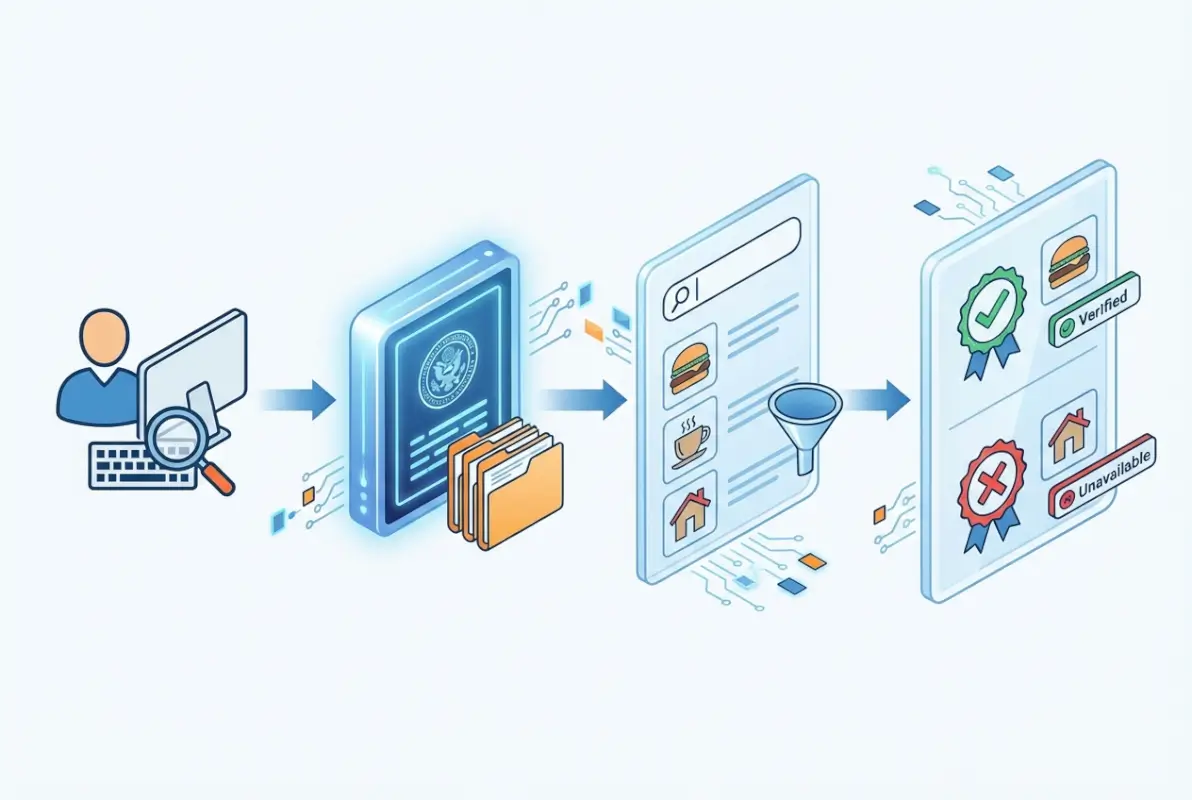
Verifying whether a franchise brand is currently listed in the SBA Directory takes about five minutes once you know where to look. The process has become more streamlined since the reinstatement, with multiple verification pathways available depending on your needs.
Method 1: Official SBA Directory Search
Start at the SBA’s official Franchise Directory page. The updated 2025 interface provides a searchable database rather than the downloadable PDF files used previously. Enter your franchise brand name in the search field—be sure to try variations including:
- The marketing name (e.g., “Quick Service Coffee”)
- The legal entity name (e.g., “QSC Franchising LLC”)
- Parent company names if your brand operates under a larger organization
- Any DBA (doing business as) variations
The search results will display current certification status, SBA Registry Identification Number (if applicable), and the date of last certification update. Pay attention to that date—if it’s older than the June 2025 reinstatement, the listing may be pending recertification.
Method 2: Franchise Registry Database
The Franchise Registry (franchiseregistry.com) offers an alternative search interface that many users find more intuitive than navigating government websites. This independent registry system was specifically designed to help lenders, franchisors, and franchisees verify SBA eligibility quickly.
Simply enter your franchise name in the main search box. The system returns detailed results including certification status, Registry ID number, and documentation submission dates. One advantage of using the Franchise Registry: it often provides more detailed historical information, showing when certifications were submitted and any status changes over time.
Method 3: Direct Franchisor Inquiry
Your franchisor’s corporate office should be able to provide immediate confirmation of Directory status. Most established franchisors include this information in their franchisee resource portals or financing assistance materials. When you contact them, ask for:
- Current Directory listing status (yes/no)
- SBA Registry Identification Number
- Date of most recent certification submission
- Any pending updates or recertification timelines
This direct approach works particularly well if you’re already in conversation with the franchisor about purchasing a franchise. It demonstrates you’re serious about financing and understand the importance of SBA eligibility.
| Verification Method | Speed | Detail Level | Best For |
|---|---|---|---|
| Official SBA Search | 5 minutes | Basic status | Quick verification |
| Franchise Registry | 5 minutes | Detailed history | Lender due diligence |
| Franchisor Direct | 1-2 days | Complete context | Pre-purchase research |
New Certification Requirements for Franchisors
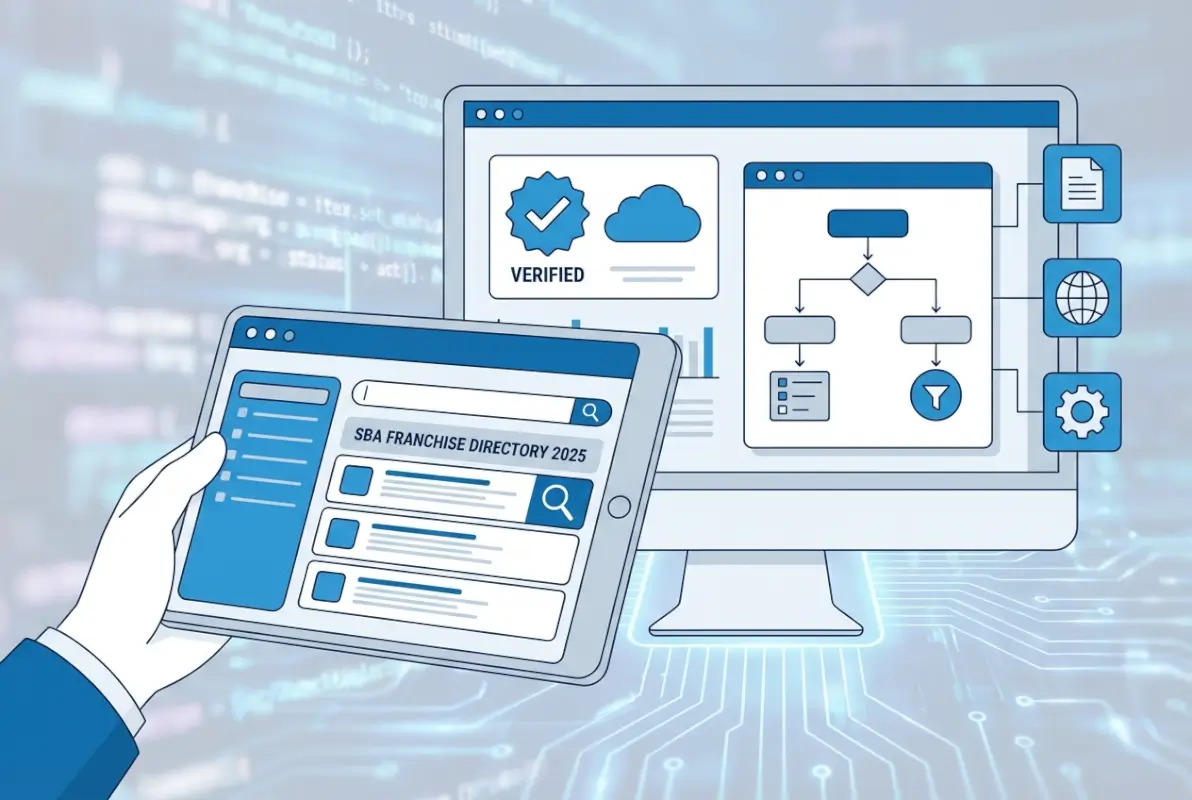
The 2025 reinstatement introduced updated certification requirements that franchisors must meet to maintain Directory inclusion. Understanding these requirements helps both franchisors ensure compliance and franchisees evaluate their brand’s financing accessibility.
Required Documentation Package
Franchisors must submit a comprehensive documentation package that includes the complete franchise agreement with all exhibits and addenda, the current Franchise Disclosure Document (FDD), and any supplemental agreements such as area development or multi-unit arrangements. The SBA is particularly focused on ensuring submitted documents represent the actual, in-effect agreements—not drafts or outdated versions.
One aspect that trips up even experienced franchisors: the six-month lookback provision. The SBA reviews franchise agreements to ensure they’ve maintained consistent terms for at least six months prior to certification. If you modified your franchise agreement in March 2025, you may need to wait until September to submit for certification, depending on the nature of the changes.
Independence and Control Standards
At the heart of SBA certification is the independence test—does the franchisee maintain sufficient control to qualify as a genuine small business owner? The SBA examines specific agreement provisions to make this determination, with particular focus on operational control, transfer rights, termination clauses, staffing decisions, and financial autonomy.
According to Title 13 of the Code of Federal Regulations, franchise agreements that give franchisors excessive control over day-to-day operations or impose unreasonable restrictions on franchisee ownership rights will be denied certification. I remember working with a franchisor whose agreement required corporate approval for all marketing decisions—the SBA flagged this as excessive control, and they had to modify the clause to allow franchisee discretion within brand guidelines.
Certification Timeline and Process
Once a franchisor submits their certification package, the SBA assigns it to a reviewing attorney within 2-3 business days. For standard franchise agreements that clearly meet independence requirements, the review typically concludes within 10-14 business days. Complex agreements with multiple tiers, international components, or unusual provisions can take 30-45 days.
The outcome falls into three categories: approved, approved with conditions, or declined. “Approved with conditions” is actually quite common and doesn’t necessarily indicate a problem—it typically means the SBA wants clarification on ambiguous language or minor modifications to specific clauses. These are usually straightforward to address.
If declined, the SBA provides detailed explanations of which provisions violated their requirements. Franchisors can then decide whether to modify their franchise agreement and reapply. Many successfully gain approval on their second attempt after addressing the identified issues.
What Directory Listing Means for Franchisees
For franchisees, understanding your brand’s Directory status before you sign a franchise agreement can save enormous headaches down the road. The financing implications alone make this verification step critical.
Financing Advantages
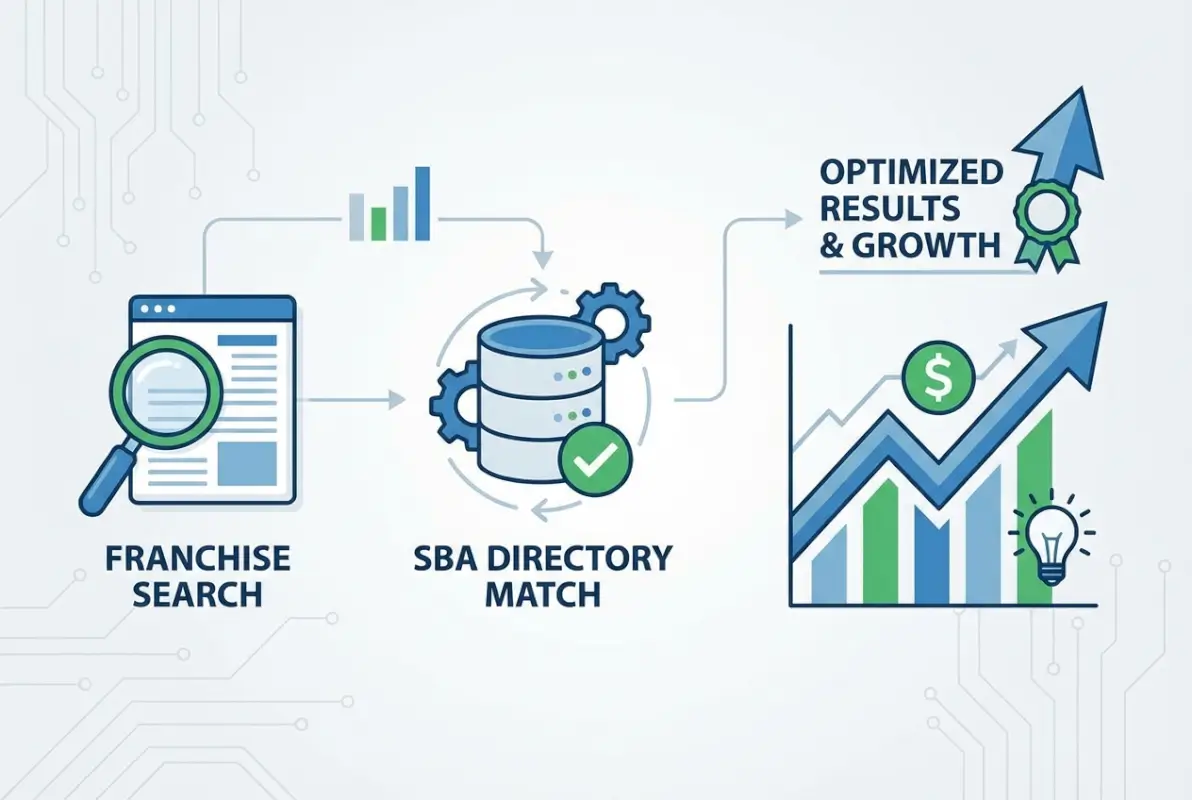
SBA loan programs offer some of the most attractive small business financing available. The 7(a) program allows up to 90% financing with terms extending up to 25 years for real estate purchases. The 504 program provides long-term, fixed-rate financing for major assets like equipment and property. These aren’t your typical commercial loans—they’re specifically structured to support small business growth with favorable terms.
When your franchise is Directory-listed, accessing these programs becomes dramatically simpler. Your lender references your Registry ID number, confirms eligibility instantly, and moves forward with underwriting. Without listing? Your lender must submit your franchise agreement for individual SBA review, adding 60-90 days to the process—assuming they’re willing to do it at all.
I spoke with a franchisee in Denver last year who learned this lesson the hard way. He signed with a non-listed franchise brand, assuming he could sort out financing later. When he applied for an SBA loan, his lender explained they don’t process applications for non-listed franchises as a policy matter. He ended up having to pursue conventional financing at significantly higher rates and more restrictive terms. That decision cost him roughly $47,000 in additional interest over the life of his loan.
Brand Credibility Signal
Beyond financing, Directory listing serves as a credibility signal. When you’re evaluating franchise opportunities, a listed brand demonstrates that their legal structure has passed government scrutiny. For newer or lesser-known franchise concepts, this verification provides reassurance that the franchisor has invested in professional legal compliance.
This matters particularly when you’re comparing similar franchise concepts. If Brand A is Directory-listed and Brand B isn’t, Brand A has demonstrated a commitment to franchisee financing access and legal compliance that Brand B hasn’t matched. That’s valuable information during your evaluation process.
Pre-Purchase Verification Checklist
Before signing a franchise agreement, verify these Directory-related items:
- Current Directory listing status (not just historical)
- SBA Registry Identification Number
- Date of most recent certification (should be recent, not pre-2025)
- Any pending changes to franchise agreement that might affect certification
- Franchisor’s track record of maintaining certification compliance
If a franchisor tells you they’re “working on” getting listed or will be listed “soon,” that’s a red flag. The certification process is straightforward for compliant franchise agreements. Delays or excuses often indicate underlying agreement issues that may affect your ownership experience beyond just financing. Similar to how you’d research ways to access business park directory information for location research, verifying Directory status is due diligence that protects your investment.
Lender Perspective: How Directory Status Affects Underwriting
Understanding how lenders use the Directory helps explain why listing status carries such weight in the franchise financing process. Lenders aren’t just checking a box—they’re making risk assessments that directly influence their willingness to approve loans and the terms they offer.

Due Diligence Streamlining
When a lender receives an SBA loan application for a Directory-listed franchise, their eligibility review becomes dramatically simpler. They verify the Registry ID number, confirm the listing is current, and move forward with standard underwriting focused on the borrower’s creditworthiness and business viability.
For non-listed franchises, the lender must submit the complete franchise agreement to the SBA for individual review. This creates several problems: the review adds 60-90 days to the timeline, it requires specialized legal expertise the lender may not have in-house, and it introduces uncertainty—there’s no guarantee the SBA will approve the agreement. Many lenders simply decline to pursue this path, especially for routine loan amounts where the effort doesn’t justify the potential return.
One commercial lender I work with shared their internal policy: they’ll only process SBA franchise loans for non-listed brands if the loan amount exceeds $500,000 and the borrower has exceptional credit and significant collateral. Below that threshold, they direct applicants to pursue conventional financing. That policy alone eliminates SBA financing access for probably 70% of prospective franchisees of non-listed brands.
Risk Assessment and Pricing
Directory listing influences how lenders price loans beyond just eligibility. A listed franchise signals reduced risk because the SBA has verified the franchise agreement meets independence standards. This verification provides lenders confidence that the business structure is sound and the borrower will truly function as an independent business owner.
This reduced perceived risk can translate to better loan terms: slightly lower interest rates, reduced origination fees, more flexible down payment requirements, or longer amortization periods. We’re not talking massive differences—maybe 0.25-0.5% on interest rates—but over a 10 or 20-year loan term, that adds up to real money.
Common Mistakes and How to Avoid Them
After watching numerous franchisors and franchisees navigate the Directory system since the 2025 reinstatement, certain mistakes keep appearing. Learning from these common pitfalls saves time, money, and frustration.
Assuming Old Listings Transferred Automatically
The most widespread misconception: if your franchise was listed before the Directory suspension, you’re automatically reinstated. That’s not how it works. The 2025 reinstatement requires franchisors to submit updated certifications, even if they were previously listed. Franchisors who assume their old listing still counts risk discovering the truth when a franchisee applies for financing and gets denied.
If you’re a franchisor, verify your current status regardless of your historical listing. If you’re a franchisee evaluating a franchisor who claims they’re listed “because they always have been,” verify independently using the official search tools.
Submitting Incomplete Documentation
Franchisors frequently submit their main franchise agreement but forget critical addenda or supplemental agreements. For example, if you have a separate multi-unit development agreement that modifies certain terms of the standard franchise agreement, both documents must be submitted. The SBA needs to review the complete picture of the franchisor-franchisee relationship.
Before submitting, create a comprehensive checklist of every document that governs franchise relationships within your system. If you’re uncertain whether something should be included, include it. Extra documentation never hurts; missing documentation always delays approval and sometimes results in outright denial.
Ignoring the Six-Month Lookback
The six-month lookback provision catches franchisors off guard. If you recently modified your franchise agreement—even minor changes—you may need to wait before submitting for certification. The SBA wants to review agreements that have been stable and in actual use, not documents that just came off the drafting table.
Plan your certification timeline accordingly. If you know you need to make agreement modifications, batch them together and then wait the required period before submitting. Piecemeal changes followed by immediate certification attempts create unnecessary delays. Understanding proper organizational structures, similar to how to organize active directory for business environment principles, helps franchisors approach documentation systematically.
Missing Communication from SBA Reviewers
When the SBA has questions or needs clarification during review, they email the contact person listed on the certification application. If that person isn’t monitoring their email daily or the message gets caught in spam filters, the response deadline can pass—and the SBA may close the application, forcing you to restart the entire process.
Designate someone to monitor the certification email account daily during the review period. Set up email rules to ensure SBA messages don’t get filtered. Respond to any questions within 5 business days maximum, even if the response is simply acknowledging receipt and requesting more time to prepare a detailed answer.
Action Plans: 60, 90, and 180-Day Timelines
Whether you’re a franchisor pursuing certification or a franchisee preparing to apply for financing, having a structured timeline helps ensure you don’t miss critical steps.
60-Day Action Plan (Franchisors)
If you need Directory certification within 60 days, here’s your roadmap:
- Days 1-7: Gather all franchise agreements, FDDs, and supplemental documents. Review for completeness and ensure you have the current, in-effect versions.
- Days 8-14: Conduct internal review of agreement provisions against SBA independence standards. Flag any potentially problematic clauses.
- Days 15-21: If necessary, consult with a franchise attorney experienced in SBA compliance to review flagged provisions.
- Days 22-28: Prepare certification submission package. Verify all required elements are included.
- Days 29-35: Submit certification application. Designate email monitor for SBA communications.
- Days 36-50: Respond promptly to any SBA questions or requests for clarification.
- Days 51-60: Receive certification decision. If approved with conditions, address requirements immediately.
90-Day Action Plan (Franchisees)
For franchisees planning to apply for SBA financing within 90 days:
- Days 1-15: Verify franchisor’s Directory listing status. Obtain SBA Registry ID number.
- Days 16-30: Review personal credit reports and address any issues. Begin gathering financial documentation.
- Days 31-45: Meet with SBA-approved lenders to discuss loan programs, requirements, and preliminary qualification.
- Days 46-60: Prepare business plan and financial projections. Ensure documentation aligns with SBA requirements.
- Days 61-75: Submit formal loan application with preferred lender. Provide Registry ID number for Directory verification.
- Days 76-90: Respond to lender requests for additional information. Complete any required underwriting steps.
180-Day Strategic Plan (Complex Situations)
For franchisors with non-compliant agreements or franchisees with credit challenges, a 180-day timeline provides breathing room to address underlying issues before pursuing certification or financing.
This extended timeline allows franchisors to modify problematic agreement provisions, wait out the six-month lookback period, and then submit for certification. For franchisees, it provides time to improve credit scores, accumulate additional equity, or gain relevant business experience that strengthens loan applications.
Maintaining Compliance and Ongoing Monitoring
Getting listed is one milestone, staying listed requires ongoing attention. The certification isn’t a one-time event—it’s an ongoing compliance commitment.
When Updates Are Required
Franchisors must submit updated certifications whenever they make material changes to franchise agreements. “Material changes” include any modifications to provisions affecting control, independence, transfer rights, termination conditions, or operational oversight. Even seemingly minor adjustments can trigger recertification requirements if they touch these sensitive areas.
For example, if you modify your franchise agreement to adjust the renewal process or change territory protection provisions, those are material changes requiring SBA notification and potentially full recertification. On the other hand, updating the appendix to reflect current pricing for optional services probably doesn’t constitute a material change.
When in doubt, err on the side of disclosure. Submit the updated agreement and let the SBA determine whether full recertification review is necessary. Undisclosed changes discovered later can result in Directory removal and damage your credibility with the SBA.
Annual Verification Best Practices
Even if you haven’t made agreement changes, verify Directory status annually. The SBA updates the Directory quarterly, and occasionally errors occur—listings get inadvertently removed during system updates, information becomes outdated, or administrative glitches create problems.
Set a calendar reminder to check your listing every January. It takes five minutes and prevents unpleasant surprises when franchisees need financing. This proactive approach demonstrates professional management and protects your franchise system’s financing accessibility. The principles mirror key steps run successful directory website business practices—consistent monitoring and maintenance prevent small issues from becoming major problems.
Frequently Asked Questions
Is the SBA Franchise Directory currently active and operational?
Yes, the SBA Franchise Directory was reinstated on June 1, 2025, after a period of suspension. The updated Directory operates under new Standard Operating Procedures with enhanced certification requirements for franchisors. Both new and previously-listed franchises must comply with the current certification process to maintain active Directory status.
Do I need Directory listing to qualify for SBA franchise financing?
While technically not an absolute requirement, Directory listing is practically essential for most SBA franchise loans. Listed franchises have pre-approved eligibility, enabling fast-tracked loan processing. Non-listed franchises must submit agreements for individual SBA review, adding 60-90 days to approval timelines, and many lenders simply won’t process applications for non-listed brands as a matter of policy.
What documents do franchisors need for Directory certification?
Franchisors must submit the complete franchise agreement with all exhibits and addenda, the current Franchise Disclosure Document (FDD), any area development or multi-unit agreements, and contact information for SBA follow-up. All submitted documents must be the current, in-effect versions—not drafts or outdated materials. The SBA requires comprehensive documentation representing the actual franchisor-franchisee relationship.
When is the franchisor certification deadline?
The critical certification deadline for franchisors seeking 2025 Directory inclusion is July 31, 2025. Franchisors who were previously listed before the suspension must recertify by this deadline to maintain active status. New franchisors can submit certifications on a rolling basis, with standard review timelines of 10-14 business days for compliant agreements.
If my brand was listed before, do I need to recertify?
Yes, all franchisors—regardless of previous listing status—must submit updated certifications under the reinstated Directory system. The 2025 reinstatement did not automatically carry over old listings. Franchisors must comply with current certification requirements and submit documentation demonstrating ongoing compliance with SBA independence and control standards to maintain active Directory status.
How does Directory status affect loan approval and terms?
Directory listing significantly improves loan approval speed and may influence loan terms favorably. Listed franchises see approximately 60% faster approval timelines because lenders can immediately verify eligibility without individual agreement review. Some lenders also offer slightly better interest rates or more flexible terms for Directory-listed franchises due to reduced perceived risk and streamlined underwriting.
Where can I find official SBA Franchise Directory guidance?
The official SBA Franchise Directory guidance is available at the SBA’s business guide section covering franchise purchases. The SBA website provides searchable Directory access, certification requirements, eligibility criteria, and contact information for questions. Franchisors can also access detailed certification instructions through the Franchise Registry system, which coordinates with SBA review processes.
Can individual franchisees apply for Directory inclusion?
No, individual franchisees cannot apply for Directory inclusion. Only franchisors can submit certification applications for their franchise systems. If you’re a franchisee whose franchisor isn’t listed, your option is to request that your franchisor pursue certification. Once a franchise system achieves Directory listing, all franchisees within that system benefit from pre-approved SBA eligibility status.
What happens if my franchisor changes the franchise agreement after certification?
Franchisors must notify the SBA and submit updated agreements whenever they make material changes to provisions affecting control, independence, transfer rights, or operational oversight. The SBA will review modifications to ensure continued compliance. Significant changes may require full recertification review. Failure to report material changes can result in Directory removal and potential complications for franchisees with pending loan applications.
Does Directory listing guarantee my franchise will succeed?
No, Directory listing absolutely does not guarantee franchise success or serve as an SBA endorsement of the franchise business model. The Directory confirms only that the franchise agreement meets specific legal requirements for SBA financing eligibility—specifically, that franchisees maintain sufficient independence and control to qualify as small business owners. Business success depends on numerous factors beyond agreement structure and SBA eligibility.
Moving Forward With Confidence
The reinstated SBA Franchise Directory represents a significant development for franchise financing in 2025. Whether you’re a franchisor ensuring compliance, a franchisee evaluating opportunities, or a lender conducting due diligence, understanding how to verify Directory status and navigate certification requirements gives you a competitive edge.
For franchisees, make Directory verification a standard part of your franchise evaluation process—right alongside reviewing the FDD and analyzing territory demographics. The financing implications alone justify spending five minutes to confirm your prospective franchisor’s listing status. That small step could save you months of delays and thousands in additional financing costs.
For franchisors, if you’re not yet certified under the reinstated Directory system, prioritize it immediately. The July 31, 2025 deadline is approaching, and certification delays directly impact your franchisees’ ability to access capital. Every month without Directory access potentially costs you franchise sales and damages your competitive positioning against listed brands.
Take Action Today
Don’t let Directory status become an afterthought. Verify your franchise’s current listing, confirm your SBA Registry ID number, and ensure you’re positioned for streamlined SBA financing access. Five minutes of verification today prevents months of complications tomorrow.
The difference between listed and non-listed franchises isn’t subtle—it’s the difference between efficient financing and frustrating obstacles. Make Directory verification your next step.
Was this article helpful?