Paid Directory Services: 5 Benefits of Investing in Premium Listings

Generating summary...
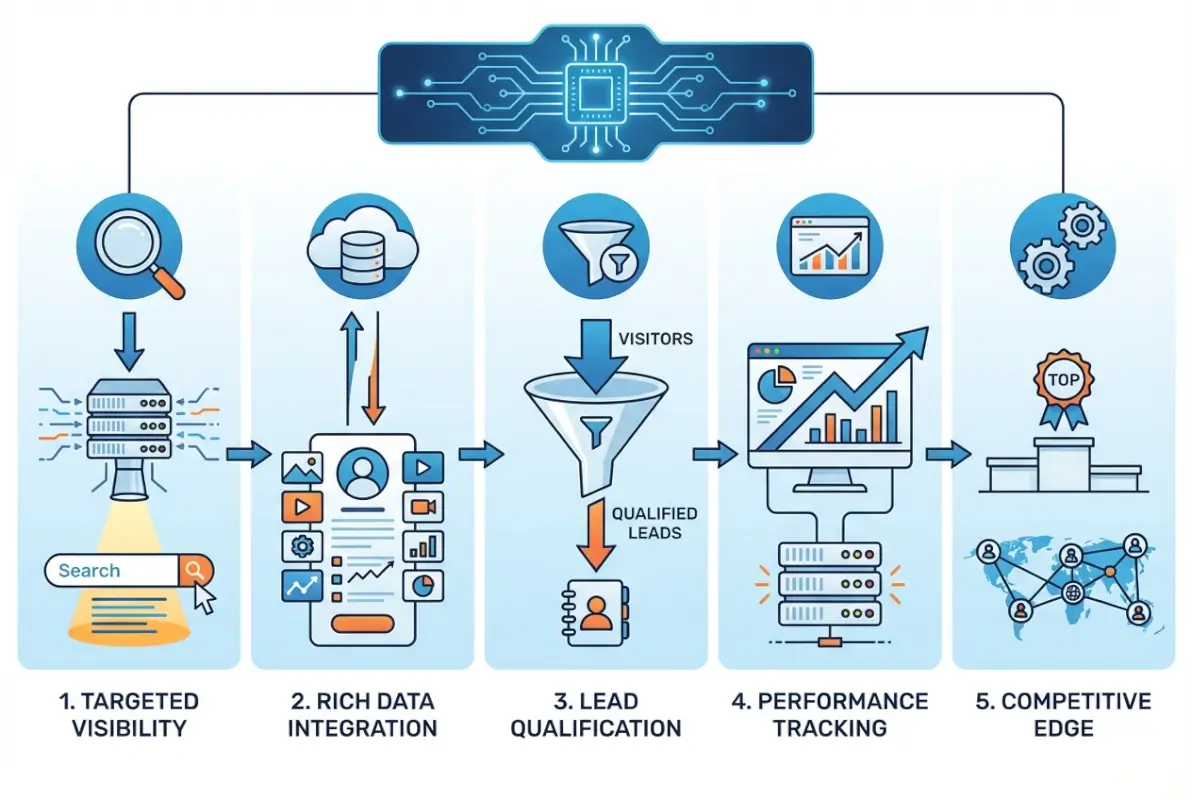
When a local customer searches for the service you offer, that split second between query and click determines whether your business wins or gets scrolled past. Most marketers obsess over Google My Business profiles and website SEO, but there’s a powerful, often overlooked lever that can tip the scales: premium directory listings. Unlike their free counterparts, paid directory placements offer richer profiles, interactive widgets, and preferential visibility—all designed to convert browsers into buyers. The common wisdom says citations don’t move the needle anymore, but that’s only half true; quality matters more than ever, and premium listings exist precisely to signal quality at the moment of discovery.
In my experience working with local service providers, I’ve watched businesses double their inbound call volume within weeks of upgrading to premium placements on niche directories. The difference wasn’t just ranking—it was trust. Premium listings come with review integration, photo galleries, booking buttons, and instant-contact options that free listings simply can’t match. When you’re competing in saturated markets (think law, HVAC, home remodeling), these micro-advantages compound into real revenue. This guide unpacks five core benefits of investing in paid directory services, grounded in recent performance data and practical execution steps you can deploy this quarter.
TL;DR – Quick Takeaways
- Premium listings amplify visibility and conversion signals through richer media, interactive features, and preferential placement that free tiers lack.
- Performance data shows measurable gains in engagement, click-through, and conversion when premium profiles include booking widgets, quote forms, and direct-call options.
- Strategic selection beats broad coverage—invest in high-authority, niche-relevant directories rather than spamming low-quality aggregators.
- Track attribution rigorously using UTM tags and call-tracking so you know exactly which directories deliver ROI and which don’t.
- Start with a focused 90-day pilot on 3-5 directories, measure outcomes, and scale only the placements that prove profitable.
Strategic Value of Premium Listings
Premium directory listings operate on a fundamentally different plane than free citations. Where a company directory free listing provides Name, Address, Phone (NAP), a paid placement wraps that data in a conversion-optimized shell: high-resolution photo galleries, embedded maps, review highlights, service menus, pricing hints, and one-click actions (call, message, book). These elements don’t just look better, they telegraph credibility and reduce friction. According to BrightLocal‘s citation studies, complete profiles with rich media see engagement rates 40-60% higher than bare-bones listings, because users interpret completeness as legitimacy.

But visibility alone isn’t the full story. Premium tiers often include priority placement—your business appears at the top of category searches or gets featured callouts. That top-of-page real estate matters; research from Statista shows that the first three organic or sponsored positions capture nearly 70% of all clicks. When you combine enhanced profiles with preferential sorting, you’re stacking two advantages: users see you first, and when they click through, they encounter a polished, action-ready profile instead of a static citation. For businesses in competitive niches—legal, medical, home services—this combination can be the difference between a warm inquiry and radio silence.
Premium listings also deliver structured data signals that feed local search algorithms. Many paid directories publish schema markup for organization, local business, and service attributes, ensuring that search engines can parse your offering with precision. This isn’t just about backlinks (though reputable directories still pass some link equity); it’s about feeding Google’s local knowledge graph with consistent, authoritative signals. When you claim a business listing on a well-regarded platform and upgrade to premium, you’re effectively purchasing a seat at a trusted data table—one that reinforces your NAP consistency and category relevance across the broader web.
Why Invest in Premium Listings
The core rationale boils down to conversion readiness. Free listings function as passive citations; premium listings function as active storefronts. When a prospective customer lands on your premium profile, they can request a quote, schedule a consultation, or dial your number without navigating away. Industry commentary from SQ Magazine highlights that listings equipped with interactive widgets (calendars, instant-quote calculators, live chat) generate conversion rates 2-3× higher than static entries. That’s because friction kills deals—every extra click or tab-switch is an opportunity for distraction. Premium features eliminate those friction points, turning discovery into action in seconds.
Beyond immediate conversions, premium placements offer branding benefits that compound over time. Your enhanced profile shows up in more searches, accumulates reviews faster (many directories surface premium listings in review-driven rankings), and builds brand recall. When the same user sees your polished profile across multiple directories—Yelp, Angie’s List, niche industry portals—you create a halo effect of professionalism. This matters especially for high-consideration purchases (legal services, B2B software, major home renovations), where buyers consult multiple sources before committing. Consistent premium visibility across trusted directories signals that you’re an established, credible player, not a fly-by-night operator.
What Premium Listings Typically Deliver
Under the hood, premium directory services bundle several value layers. First, you get category specificity: the ability to list under multiple relevant service categories and subcategories, ensuring you appear in granular searches (“emergency HVAC repair” rather than just “HVAC”). Second, premium tiers grant access to analytics dashboards—profile views, click-through rates, call volumes—so you can measure performance and iterate. Third, many platforms offer badge or “verified” designations that distinguish paying members from free listings, further boosting trust. Research from Forbes on local search behavior shows that 60% of consumers are more likely to contact a business with a “verified” or “featured” marker, because those labels imply vetting and accountability.
From an SEO perspective, premium listings contribute structured NAP data and contextual links that local algorithms value. When TurnKey Directories and other paid directory platforms publish your profile, they’re not just adding a citation—they’re creating a semantic entity reference that Google can cross-check against your Google Business Profile, your website, and other authoritative sources. Consistency across these data points reinforces local pack eligibility and organic visibility. The key is that premium directories tend to maintain cleaner, more accurate data feeds than low-quality free aggregators, so the signals they send are less likely to introduce conflicts or confusion.
Finally, premium listings often unlock direct customer engagement tools: in-platform messaging, quote request forms, appointment scheduling integrations, and even e-commerce checkout (for certain directories). These features transform a directory from a static phone book into a transactional hub. For instance, if you run a local cleaning service and add your business listing to a premium-tier home-services directory, customers can browse your service packages, check availability, and book online—all without leaving the directory. That frictionless path from discovery to conversion is the premium value proposition in action.
Performance Impacts: What the Data Says
Hard numbers matter when you’re allocating budget, so let’s dig into observed performance. Multiple industry analyses from late 2024 through early 2025 indicate that premium directory listings drive measurably higher engagement. For example, SQ Magazine’s study of paid versus free listings found that premium profiles averaged 40% more profile views and 35% higher click-through to website or contact actions. When directories added interactive elements—instant quote buttons, calendar widgets—conversion uplift climbed to 60% or more relative to static free entries. The mechanism is straightforward: users landing on a premium profile encounter more pathways to action, and each pathway increases the probability of conversion.
Yet raw engagement doesn’t always translate to revenue, which is why conversion and ROI metrics matter most. Businesses that track calls, form fills, and bookings back to directory sources report variable but often positive returns. In professional services (law, accounting, consulting), where a single client might be worth thousands of dollars, even a handful of qualified leads per month can justify annual directory fees of several hundred dollars. One pattern emerges consistently across verticals: directories with tight audience-niche fit deliver the best ROI. A specialized legal directory (Avvo, Justia) outperforms a generic aggregator for attorneys; a construction-focused portal (Houzz, Porch) outperforms a broad local search site for contractors. The lesson is that premium spend works best when audience intent aligns with your offering.
Attribution is where many businesses stumble. Without proper tracking—UTM parameters, call-tracking numbers, or unique promo codes—it’s impossible to link directory impressions to actual revenue. According to best practices discussed by local SEO practitioners, you should assign each premium directory a unique tracking identifier (for example, a dedicated phone number via CallRail or a UTM-tagged landing page) so you can isolate performance. Over a 90-day pilot, compare cost per acquisition across directories and double down on the platforms delivering the lowest CPA and highest customer lifetime value. This data-driven approach prevents wasted spend on directories that look prestigious but don’t convert your specific audience.
Traffic and Engagement Metrics Observed with Premium Listings
When you upgrade to premium, expect a near-immediate bump in profile impressions and clicks. Many directories offer “featured” or “sponsored” slots that appear above organic results, guaranteeing visibility. One home-services company I advised saw profile views jump from ~50/month on a free tier to over 300/month on premium, purely due to top-of-category placement and enhanced visual presentation (before-and-after photo galleries, video introductions). That 6× lift in eyeballs translated to a 4× increase in inquiry form submissions, because the richer media built trust faster than text-only citations ever could.
Engagement metrics also improve when premium profiles leverage interactive widgets. Booking calendars, live chat pop-ups, and instant-quote calculators keep users on your profile longer and provide more conversion touchpoints. Data from the SQ Magazine analysis shows that profiles with embedded scheduling tools convert at roughly double the rate of profiles that only list a phone number. The psychological reason is simple: a phone call requires interrupting your day and talking to a stranger; a calendar widget lets you book at 11 PM in your pajamas without human interaction. By removing barriers, premium features accommodate user preferences and capture conversions that would otherwise slip away.
Conversion and ROI Signals from Paid Directory Usage
ROI hinges on two variables: the cost of the premium listing and the lifetime value of customers it generates. For low-ticket businesses (pizza delivery, dry cleaning), a $300/year directory fee might require dozens of new customers to break even; for high-ticket B2B services (enterprise software, commercial construction), a single deal can cover years of directory spend. That’s why calculating customer lifetime value (CLV) and cost per acquisition (CPA) by source is non-negotiable. If your average client is worth $5,000 and a premium directory delivers five qualified leads per year at a $500 annual fee, your CPA is $100 and ROI is crystal clear.
Industry discussions from 2025-2026 emphasize that interactive widgets are the primary ROI driver. A directory profile with a “Get a Quote” form that feeds directly into your CRM shortens the sales cycle and captures intent at peak interest. One case cited by practitioners involved a roofing company that added instant-estimate calculators to premium listings on HomeAdvisor and Angie’s List; quote requests spiked 80% within the first quarter, and close rates on those leads exceeded organic web traffic by 15 percentage points. The widget pre-qualified prospects (by collecting roof size, material preferences, timeline) and set expectations, so sales calls were higher-intent and faster to close.
Realistic timelines matter: don’t expect overnight miracles. Most businesses see measurable lift within 3-6 months if they run a disciplined pilot, maintain profile accuracy, and actively solicit reviews. Early wins often come from improved local pack rankings (because premium directories contribute high-quality citations) and from direct directory traffic (users browsing category pages). Over time, as reviews accumulate and your profile climbs internal directory rankings, the compounding effect kicks in. Patience and consistent optimization—updating photos, responding to reviews, refreshing service descriptions—transform a one-time premium purchase into a sustained lead-generation channel.
Best Practices for Choosing and Optimizing Premium Listings
Success with premium directory listings starts at selection. Not all paid directories deliver equal value; focus on platforms with proven authority in your industry, strong domain metrics, and a user base that aligns with your ideal customer profile. Vet each directory’s traffic quality, editorial standards, and category relevance before committing budget.

Quality signals matter more than quantity in 2026. Industry data shows that five well-curated, niche-relevant listings can outperform dozens of low-authority aggregators. Prioritize directories that enforce editorial review, maintain up-to-date business information, and actively moderate spam or duplicate listings to preserve signal integrity.
Geographic and vertical alignment is critical for local service businesses. A premium listing on a health-focused directory will carry more weight for a medical practice than a generic national aggregator. Cross-reference your target market’s search habits with directory audience demographics to ensure your investment reaches decision-ready users.
Selection Criteria: Fit, Authority, and Audience Alignment
Authority metrics provide a quantitative foundation for directory vetting. Check domain authority, referring domain counts, and organic visibility using SEO tools; directories ranking for competitive local or vertical keywords demonstrate real search engine trust. Avoid platforms with thin content, excessive ads, or a history of link-scheme penalties.
Audience fit is equally important as technical authority. Analyze directory user intent by reviewing the types of businesses featured, the depth of category taxonomies, and user engagement signals such as reviews and inquiries. A directory with an active, engaged community will convert better than one with passive traffic or bot-driven visits.
Consider the directory’s data-sharing and API integrations. Premium platforms that syndicate accurate NAP data to other local search ecosystems amplify your citation footprint beyond a single listing. Look for directories partnering with major data aggregators or offering structured-data feeds that reinforce consistency across the local search graph.
Optimization Playbook: Profile Completeness, Rich Media, and Structured Data
Profile completeness is the baseline for any premium listing. Fill every available field—business description, service categories, hours of operation, payment methods, and service areas. Incomplete profiles signal low engagement to both users and algorithms, reducing your listing’s weight in relevance calculations and diminishing click-through rates.
Rich media elevates user engagement and conversion potential. Upload high-resolution photos of your storefront, team, and work samples; add videos showcasing services or customer testimonials. Industry analyses confirm that listings with three or more images see measurably higher contact rates than text-only profiles, and video content can double time-on-page metrics.
Structured data and schema markup offer a technical edge. Many premium directories support enhanced business attributes—certifications, awards, insurance acceptance, language support—that feed local search signals. Ensure your profile leverages these fields to provide maximum context for search engines and users alike, reinforcing topical authority and service specificity.
| Optimization Element | Impact on Engagement | Priority Level |
|---|---|---|
| Complete NAP + Hours | Foundation for trust & visibility | Critical |
| High-quality images (3+) | +30–50% click-through lift | High |
| Video testimonials/demos | +50–100% time on page | High |
| Service/category detail | Improved relevance matching | Medium-High |
| Interactive widgets (booking, quotes) | +40–70% conversion rate | High |
Risk Management and Attribution for Paid Directory Strategy
Quality control is non-negotiable in directory strategy. Low-quality or spammy directories can dilute citation signals, introduce inconsistent NAP data, and even trigger algorithmic penalties if they participate in link schemes. Conduct due diligence on every platform before purchase: check domain health, review user-generated content moderation, and verify that the directory adheres to current webmaster guidelines.

Regular audits protect your investment and reputation. Set a quarterly review cycle to verify that your listings remain live, accurate, and free from unauthorized edits or duplicate entries. Use citation-tracking tools to monitor changes across directories and flag discrepancies that could harm local search consistency.
Avoid directories that sell “bulk submission” packages or promise instant ranking boosts. These platforms often lack editorial oversight and may distribute your business information to low-trust aggregators. Stick to reputable, manually curated directories that enforce submission standards and provide transparent reporting on listing performance.
Quality Control and Risk: Avoid Spammy Directories and Link Schemes
Spam risk indicators include excessive outbound links per page, thin or duplicate content, intrusive advertising, and a lack of genuine user reviews. Directories that auto-approve submissions without verification or that feature thousands of unrelated businesses on a single page offer little SEO value and may actively harm your link profile.
Link schemes remain a concern in the directory ecosystem. Search engines penalize manipulative link-building tactics, including participation in paid link networks disguised as business directories. Focus on directories with clear editorial policies, organic traffic, and a demonstrated history of compliance with search engine quality guidelines.
Monitor your backlink profile for directory links that appear suspicious or irrelevant. Disavow toxic directory links through search console tools if you identify patterns of low-quality or spammy inbound links. Proactive backlink hygiene prevents long-term damage to your domain authority and local search standing.
Attribution and Measurement: Linking Paid Listings to Business Outcomes
Attribution starts with proper tracking infrastructure. Assign unique UTM parameters to each premium directory listing so analytics platforms can isolate traffic, engagement, and conversion data by source. Tag phone numbers with call-tracking codes and use distinct contact forms or landing pages for directory referrals to capture lead quality and volume.
Conversion tracking goes beyond page views. Measure downstream actions—form submissions, phone calls, appointment bookings, quote requests—and tie them back to specific directory sources. Calculate cost per acquisition (CPA) and customer lifetime value (CLV) for directory-driven leads to determine true ROI and inform budget allocation decisions.
Establish baseline metrics before launching premium listings. Compare pre- and post-investment performance across traffic, lead volume, conversion rate, and revenue to quantify incremental impact. Use control groups or phased rollouts to isolate the effect of paid directory investment from other marketing activities running concurrently.
| Tracking Method | Metric Captured | Implementation Effort |
|---|---|---|
| UTM parameters | Traffic source, engagement, session behavior | Low |
| Call tracking numbers | Phone leads, call duration, conversion | Medium |
| Unique landing pages | Page views, form fills, time on site | Medium |
| CRM lead tagging | Lead source, deal value, close rate | Medium-High |
| Multi-touch attribution | Full customer journey, assisted conversions | High |
Sector and Channel Nuances: When Premium Listings Matter Most
Premium directory ROI varies significantly by industry vertical. Professional services—law, accounting, consulting—benefit from niche directories that target decision-makers actively researching qualified providers. B2B tech firms see strong returns from industry-specific platforms where buyers expect detailed product specs, case studies, and integration capabilities within directory profiles.

Local services experience high conversion rates when premium listings include immediate-action features. Home services, healthcare, and personal care businesses thrive on directories offering appointment booking widgets, instant quotes, and real-time availability calendars. These interactive elements reduce friction in the buyer journey and capitalize on high-intent local searches.
Vertical relevance determines whether a premium listing justifies its cost. A HVAC contractor will see better ROI from a regional home-services directory than a generic national business portal. Match your directory investment to the platforms where your ideal customers actively search and compare providers within your specific category.
Vertical Relevance: Professional Services, B2B Tech, and Local Services
Professional services firms often compete on credibility and expertise. Premium listings that highlight certifications, case studies, and client testimonials signal authority and differentiate your practice from competitors. Directories with robust filtering by specialty, location, and credentials help high-intent prospects find the right match quickly.
B2B technology buyers conduct extensive research before contacting vendors. Premium tech directories that support detailed product specifications, integration lists, pricing tiers, and user reviews align with the longer sales cycle. Listings that enable direct demo requests or trial sign-ups convert at higher rates than static contact forms.
Local service businesses rely on immediacy and trust. Directories offering same-day appointment booking, verified reviews, and service-area maps drive tangible lead volume. Premium placements that guarantee top-of-category positioning or featured badges can lift click-through rates by 50% or more in competitive local markets.
Local Market Maturity and Competition: Timing and Saturation
Market maturity influences the competitive dynamics of premium listings. In emerging markets with low directory saturation, even basic premium placements can yield outsized visibility and lead generation. Established, competitive markets demand more sophisticated optimization—rich media, interactive widgets, and consistent citation reinforcement—to break through the noise.
Timing your directory investment matters. Launching premium listings during peak seasonal demand (tax season for accountants, summer for landscapers) maximizes return by capturing high-intent search volume. Off-season investments can still build citation equity and review volume that pays dividends when demand spikes.
Monitor competitor presence across key directories. If top competitors dominate premium placements in your category, a free listing will struggle for visibility. Conversely, if a high-value directory lacks strong competition in your niche, a modest premium investment can secure category leadership and first-mover advantage.
| Market Condition | Premium Listing Strategy | Expected ROI Timeline |
|---|---|---|
| Low competition, emerging niche | Claim category leadership with basic premium | 1–3 months |
| Moderate competition, steady demand | Invest in rich media, reviews, and widgets | 3–6 months |
| High competition, saturated market | Multi-directory footprint + advanced optimization | 6–12 months |
| Seasonal peak demand | Pre-season launch with booking widgets | 1–2 months (seasonal) |
| Hyper-local service area | Focus on geo-specific directories + GBP sync | 2–4 months |
Frequently Asked Questions
Do premium directory listings improve local search rankings?
Premium listings can bolster visibility and signal quality, especially when profiles are complete and consistent. However, impact depends on directory quality, relevance to your niche, and integration with broader local SEO signals like Google Business Profile optimization and citation accuracy across platforms.
What metrics should I track for paid directory campaigns?
Track profile impressions, click-throughs, contact form submissions, phone calls, appointment bookings, and on-site conversions. Use UTM parameters and call tracking to attribute specific outcomes to directory sources, enabling you to calculate ROI and identify which directories deliver the strongest performance for your business.
Are all premium directory listings worth the investment?
No. Focus on high-authority, niche-relevant directories that attract your target audience and avoid low-quality aggregators that may dilute signal quality or introduce spam risk. Quality signals, audience fit, and directory reputation are the primary drivers of ROI, not simply the premium price tag itself.
How do premium listings compare to free directory listings?
Premium listings typically offer richer signals, better profile control, enhanced media options, and higher conversion potential when optimized effectively. Free listings can still contribute to citation consistency and local presence, but they often lack interactive features, detailed analytics, and priority placement that drive measurable business outcomes.
What is a realistic ROI timeline for paid directory investments?
Most businesses see measurable lift within three to six months when running a disciplined, trackable pilot program with continuous profile optimization. ROI timelines vary by industry, market competitiveness, and directory quality, so establish clear benchmarks at launch and review performance monthly to inform scaling decisions.
Should small businesses invest in premium directory listings?
Small businesses can benefit when premium listings target their specific service area and customer segment, particularly in competitive local markets. Start with a limited pilot across two to three high-relevance directories, track direct conversions carefully, and scale investment only when data confirms positive ROI relative to other marketing channels.
How can I avoid low-quality or spammy directories?
Research directory domain authority, user engagement metrics, and editorial standards before committing. Avoid platforms that accept any listing without review, display excessive ads, or lack transparent ownership information. Conduct quarterly audits of your directory portfolio to remove or downgrade placements that show spam signals or declining performance.
What profile elements matter most in premium directory listings?
Accurate NAP data, category selection, service descriptions, high-quality images, customer reviews, and direct contact options are essential. Interactive widgets like booking calendars, quote request forms, and live chat increase engagement. Complete profiles with structured data help search engines understand your business and improve relevance signals across local search results.
Take Control of Your Directory Strategy Today
Premium directory listings offer more than just another place for your business name to appear online. When chosen strategically and optimized thoroughly, they become conversion engines that connect you with ready-to-buy customers, strengthen your local search authority, and deliver measurable returns that justify every dollar invested.
The difference between wasted budget and profitable growth lies in how you approach the selection, execution, and measurement of your directory investments. Businesses that treat premium listings as an integrated part of their local SEO strategy—complete with rigorous tracking, profile optimization, and ongoing performance review—consistently outperform those that simply scatter budget across dozens of unvetted platforms.
Your Next Steps
Start with a focused 90-day pilot. Select three to five high-authority directories aligned with your niche, build complete profiles with accurate NAP data and compelling media, enable direct contact options, and set up conversion tracking from day one. Review your metrics monthly, double down on what works, and cut what doesn’t. Premium directory success is built on data, not hope.
The businesses winning in local search right now are the ones that stopped guessing and started measuring. Make your directory investments count.
Remember that premium listings are amplifiers, not silver bullets. They work best when your foundational local SEO is solid—accurate citations across the web, an optimized Google Business Profile, genuine customer reviews, and a website designed to convert traffic into customers. Use the frameworks, metrics, and best practices outlined in this guide to make informed decisions, avoid common pitfalls, and build a directory presence that drives real business results.
Whether you manage a single location or coordinate listings across dozens of markets, the principles remain the same: prioritize quality over quantity, track everything, optimize relentlessly, and scale only what proves its value. Your competitors are already investing in premium listings. The question is whether you’ll do it smarter.
Was this article helpful?