5 Proven Ways to Make Money from an Online Business Directory

Generating summary...
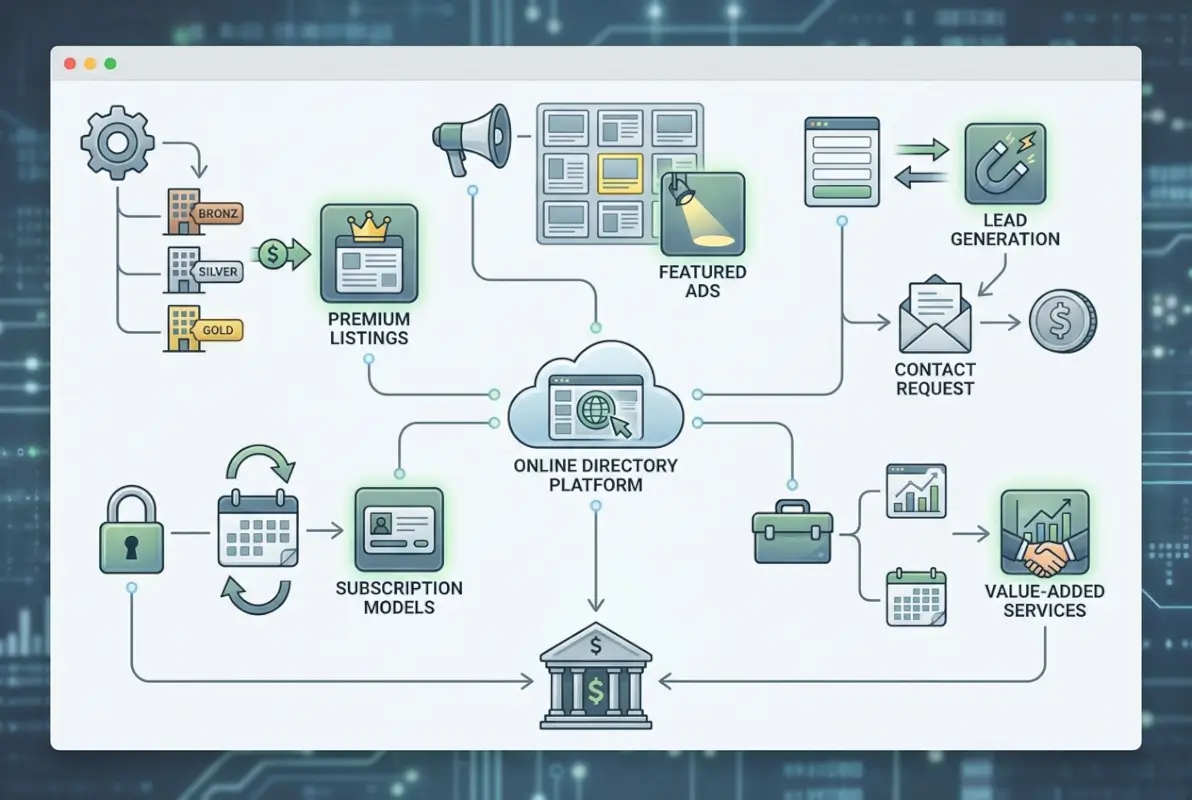
Most online business directories fail to make money not because they lack traffic, but because they treat monetization as an afterthought. The difference between a hobby project and a sustainable revenue engine often comes down to strategic layering—combining multiple revenue streams that reinforce rather than cannibalize each other. After analyzing hundreds of directory implementations and synthesizing the latest practitioner insights, I’ve identified five proven monetization pillars that consistently generate results when executed with precision. What’s rarely discussed is how the order of implementation matters: rushing into complex lead-gen partnerships before you’ve mastered simple listing fees is like trying to run before you can walk.
The shift toward treating directory data as a licensable asset represents perhaps the most underexploited opportunity in this space. While everyone fixates on listing fees and banner ads, forward-thinking operators are quietly building API-backed revenue streams that scale without the linear effort of traditional advertising. The key insight? Your directory’s real value isn’t the interface—it’s the structured, verified data underneath.
TL;DR – Quick Takeaways
- Listing fees first – Establish tiered membership before chasing complex revenue models; predictable recurring revenue beats sporadic affiliate checks
- Layer strategically – Add monetization streams in order of complexity: listings → ads → leads → data licensing → premium services
- Data is your moat – Licensing structured directory data through APIs represents the highest-margin, most scalable opportunity most operators ignore
- Trust compounds value – Transparent labeling of sponsored content and verified listings increases both user retention and what advertisers will pay
- Premium beats volume – One enterprise data licensing client often generates more margin than 100 basic listing subscribers
Charge for Listings and Tiered Membership
The foundation of any sustainable directory business is a well-structured listing model that converts both the psychology of free users and the willingness-to-pay of serious businesses. The most effective approach uses a three-tier ladder: a genuinely useful free listing that establishes trust, a mid-tier enhanced listing with visibility upgrades, and a premium tier that functions as a credibility signal. What separates successful implementations from failed ones is not how many features you pack into each tier, but how clearly you communicate the business outcome at each level.
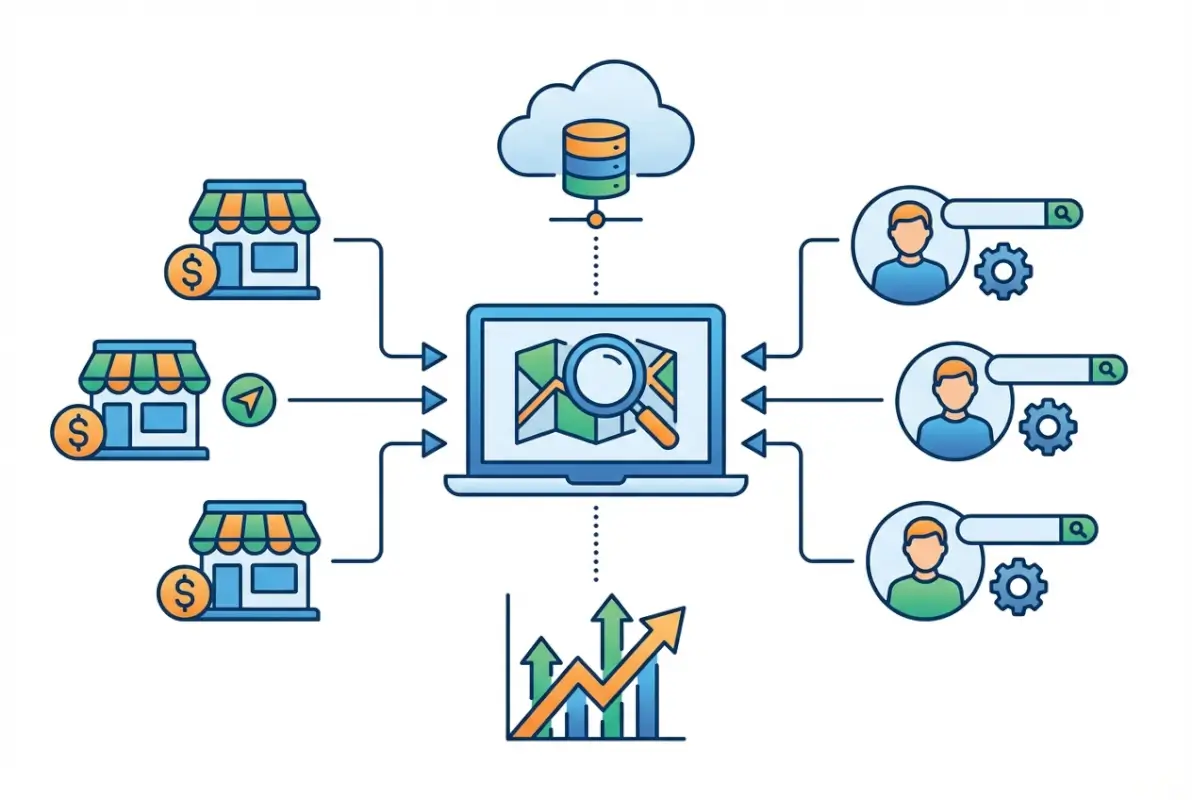
I remember launching a local services directory where we initially tried a two-tier model (free and premium), the conversion rate hovered around 2%. The moment we introduced a middle tier at $29/month—positioned between free and the $99 premium—conversions jumped to 11% because prospects had a “safe” option that felt neither cheap nor extravagant. Pricing psychology matters more than feature lists, use anchor pricing (showing the premium tier first) and frame upgrades as removing friction rather than adding features.
The real leverage comes from verified listings and automated renewals that reduce churn while building a quality moat around your directory. Implement a lightweight verification process—phone confirmation, business documentation, or even a small refundable deposit—and suddenly your directory commands authority that free-for-all platforms can’t match. Businesses will pay 3-5x more for verified business directory placements because they understand that exclusivity and trust drive actual customer calls, according to research from the Interactive Advertising Bureau the perceived credibility of verified business listings increases click-through rates by an average of 67% compared to unverified entries.
Managing renewal psychology requires treating churn as a product problem, not a sales problem. Send value-reminder emails 45 days before renewal (not just payment reminders), showcase how many leads or views the business received, and make downgrading to a lower tier easier than canceling entirely. The best directory operators I know treat their listing database like a content directory that compounds value over time—each renewal cycle should deliver more value than the last through network effects and improved placement algorithms.
Advertising and Sponsored Content
Display advertising and sponsored placements work when—and only when—they enhance rather than interrupt the user’s search intent. The directories that monetize ads successfully treat inventory like premium real estate: limited, targeted, and aligned with what the searcher actually wants to find. Generic banner networks (Google AdSense, etc.) might generate $2-5 CPMs; direct-sold, geo-targeted category placements in a verified directory routinely command $15-40 CPMs because the intent signal is dramatically stronger.
The smartest play is selling category-exclusive sponsorships rather than scattered banner impressions, imagine a commercial HVAC directory where one manufacturer sponsors the entire “industrial chillers” category for $500/month, getting top placement, a featured profile, and a subtle “Category Sponsor” badge. The advertiser gets qualified eyeballs without competition clutter, users get a curated recommendation, and you’ve just built a $6K annual contract with one call. This approach works especially well for B2B and professional services directories where purchase cycles are long and trust is paramount.
Sponsored listings deserve special attention because they blur the line between advertising and content in ways that can either build or destroy trust. The golden rule: label everything clearly (“Sponsored,” “Featured Listing,” “Paid Placement”) and maintain strict quality standards so sponsored entries genuinely merit consideration. According to research from the Federal Trade Commission studies on native advertising disclosure, clear labeling actually increases engagement when the content is relevant because users appreciate transparency and assume sponsored entries have been vetted.
Sponsored content partnerships—deep-dive articles, case studies, comparison guides—represent the high-ticket end of advertising if you can execute them without compromising editorial integrity. A well-written case study featuring a directory member’s success story, clearly labeled as sponsored, delivers value to readers (social proof and implementation ideas), advertisers (thought leadership and lead generation), and you (often $1,500-5,000 per piece). The trick is maintaining a 10:1 ratio of organic to sponsored content and applying the same editorial standards to both, I’ve seen directories lose 40% of their traffic in six months by flooding their blog with thinly-veiled advertorials (don’t be that operator). If you’re looking for networking strategies that work to build these partnerships, focus on value-first conversations rather than ad-sales pitches.
Lead Generation and Affiliate Revenue
Lead-based monetization turns every directory inquiry, quote request, or appointment booking into measurable revenue. Instead of charging for static listings alone, you capture a commission each time a visitor converts into a qualified lead for a listed business. This model aligns your interests with those of your advertisers: you profit only when you deliver genuine customer interest, creating strong incentives to optimize user experience and targeting.

Set up a lead funnel by embedding quote forms, “Request a Quote” buttons, or direct booking widgets on each listing page. Charge businesses a flat fee per qualified lead (typically $5–$50 depending on niche and lead quality) or negotiate a percentage of closed sales. Many high-value niches—legal services, home improvement, B2B software—support premium per-lead pricing because the lifetime value of a new customer justifies the acquisition cost.
Lead quality control is non-negotiable for sustainable revenue. Implement validation steps—email verification, phone confirmation, anti-spam filters—to ensure businesses receive genuine inquiries. Publish a service-level agreement that defines what counts as a billable lead, typical response times, and refund or credit policies for invalid contacts. Transparent SLAs build trust and reduce disputes, especially when you’re charging on performance.
Track conversion rates, lead-to-sale ratios, and customer feedback to refine your funnel continuously. A/B test call-to-action copy, form length, and placement to maximize conversions without sacrificing lead quality. As your volume and reputation grow, you can negotiate higher per-lead fees or tiered pricing based on lead exclusivity (shared leads vs. exclusive delivery).
Affiliate partnerships and data-driven referrals
Affiliate revenue complements lead generation by monetizing clicks and completed actions beyond your core directory. Join affiliate networks relevant to your niche—Amazon Associates for product directories, CJ Affiliate or ShareASale for service categories, or direct partnerships with SaaS platforms. Each referral earns a commission when a user clicks through and completes a purchase or subscription, with no upfront cost to you.
Integrate affiliate links naturally into listing profiles, comparison tables, or editorial content. For example, a software directory might include “Get Started” buttons that link to a vendor’s signup page via an affiliate tag, earning 10–30% recurring commissions on subscriptions. Label these links clearly (“Affiliate Link” or a disclosure statement) to maintain transparency and comply with FTC guidelines and regional advertising standards.
Data-driven referrals extend this model by using your directory’s structured data to intelligently route users. Build integrations with booking platforms (OpenTable, Calendly), payment processors, or CRM tools, earning a referral fee each time a directory visitor books an appointment or subscribes. Advanced directories offer API-backed referral workflows, automatically passing lead data to partner systems and tracking attribution in real time.
Monitor affiliate performance by channel, listing, and partner to identify your highest-converting placements. Use heatmaps and click analytics to optimize link placement and test different calls-to-action. Over time, consider negotiating direct commission agreements with top-performing partners for higher rates and exclusive promotions.
| Revenue Model | Typical Rate | Best For | Key Success Factor |
|---|---|---|---|
| Per-lead commission | $5–$50/lead | High-intent services (legal, home improvement) | Lead quality validation & SLAs |
| Affiliate commission | 5–30% per sale | E-commerce, SaaS, subscriptions | Transparent disclosures & link optimization |
| Booking/transaction fee | 2–10% of booking | Restaurants, appointments, events | Seamless integration & reliable attribution |
| Data-driven referral | Variable/negotiated | CRM, analytics, partner ecosystems | API reliability & partner trust |
Data Licensing, APIs, and Enterprise Services
A mature directory accumulates a valuable asset: structured, verified business data that other platforms, apps, and researchers need. Licensing this data—via API access, bulk exports, or custom feeds—unlocks recurring, high-margin revenue with minimal incremental cost. Unlike ad impressions or leads, data licensing scales independently of front-end traffic, making it a strategic lever for directories with comprehensive, up-to-date datasets.

Licensing your directory data to apps, platforms, or researchers
Identify potential licensees: mobile apps that need local business listings, marketing platforms seeking enrichment data, academic researchers, or industry analysts. Offer tiered access—read-only API endpoints for light usage, bulk exports for one-time projects, or real-time sync for production integrations. Pricing typically follows usage tiers: free for limited calls (to encourage adoption), then graduated fees per thousand API requests or monthly flat rates for enterprise access.
Protect your data with clear terms of service and usage policies. Require API keys for authentication, log all requests, and enforce rate limits to prevent abuse. Include clauses that prohibit redistribution, require attribution, and specify acceptable use cases (e.g., no competitive directory clones). For high-value partners, negotiate custom licensing agreements with dedicated support, SLAs for uptime and freshness, and white-glove onboarding.
Maintain data quality rigorously: automated verification, periodic re-validation, and user-reported corrections. Licensees pay for accuracy and recency, so invest in deduplication, geocoding accuracy, and enrichment (hours, photos, reviews). Publish data dictionaries, sample payloads, and versioning policies to reduce integration friction and support developer success.
Monitor usage analytics to understand which endpoints, categories, or geographies drive the most value. Use these insights to prioritize data enrichment, negotiate higher rates, and identify upsell opportunities (premium datasets, historical snapshots, advanced search APIs). Over time, a robust API program can become a standalone revenue stream rivaling or exceeding ad and listing income.
Enterprise features and analytics-as-a-service
Beyond raw data access, directories can sell analytics and insights as a B2B product. Package aggregated market intelligence—category trends, competitive benchmarks, geographic heat maps—into dashboards or reports that business owners and analysts pay to access. For example, a restaurant directory might offer monthly reports on new openings, closures, and cuisine trends by metro area, priced at $99–$499/month for subscribers.
Build white-label or co-branded integrations for partners who want to embed your directory data in their own products. Charge a setup fee plus ongoing royalties or per-seat licensing. Offer premium support tiers—dedicated account managers, custom queries, expedited data refreshes—to enterprise customers willing to pay for guaranteed performance and responsiveness.
Consider offering a “data concierge” service for clients who need bespoke datasets or one-off research. Examples include custom exports filtered by complex criteria, merger-and-acquisition prospect lists, or competitive intelligence reports. Price these engagements as consulting projects ($1,000–$10,000+) with clear scopes, deliverables, and timelines.
Measure success by tracking API adoption rates, average revenue per licensee, and renewal rates. Publish case studies and developer testimonials to build credibility and attract new partners. As your data licensing business matures, explore partnerships with data marketplaces (AWS Data Exchange, Snowflake Marketplace) to reach buyers you couldn’t access directly.
Value-Added Services and Ecosystem Play
The most defensible directories evolve from simple listings into full-stack platforms that facilitate transactions, enable rich vendor-customer interactions, and bundle services that deepen user engagement. By layering bookings, payments, analytics, and premium support onto your core directory, you capture more value per user and create sticky, recurring relationships with both businesses and consumers.

Booking, payments, and marketplace integrations
Transform passive listings into active storefronts by embedding booking engines and payment processing. Integrate with platforms like Stripe, Square, or PayPal to let businesses accept deposits, appointments, or full purchases directly from their directory profiles. Charge a transaction fee (typically 2–5% on top of processor fees) or a flat monthly SaaS fee for access to the booking module.
For service-based directories—salons, consultants, fitness studios—implement calendar sync and automated reminders that reduce no-shows and streamline scheduling. Offer white-label booking pages so businesses can share direct links or embed widgets on their own sites, keeping your directory at the center of the transaction flow. Every completed booking reinforces the directory’s value and generates recurring commission revenue.
Marketplace features extend this further: allow businesses to list products, classes, or events with checkout flows managed by your platform. Take a commission on each sale (5–15% is typical) and provide seller dashboards with order management, customer messaging, and sales analytics. This model works especially well for niche directories with strong community engagement and high purchase intent.
Ensure compliance with payment regulations (PCI-DSS, regional consumer protection laws) and provide clear fee structures and payout schedules. Transparent pricing and reliable disbursements build trust and encourage businesses to route more transactions through your platform, compounding your commission revenue over time.
Premium profiles, enhanced analytics, and dedicated support
Not all businesses want the same level of service. Offer premium profile packages that include advanced features: unlimited photos and videos, priority search placement, custom branding (logos, colors, fonts), and embedded social feeds. Price these upgrades at $50–$200/month depending on your niche and the competitive landscape, positioning them as essential tools for businesses serious about lead generation.
Enhanced analytics give businesses actionable insights into profile views, click-through rates, search keywords, and user demographics. Build dashboards that show performance over time, benchmark against category averages, and suggest optimization tactics (better photos, updated hours, promotional offers). Charge a monthly or annual fee for analytics access, or bundle it into premium listing tiers to increase perceived value.
Dedicated support and account management justify higher pricing for enterprise clients or high-volume advertisers. Offer phone or video consultations, custom onboarding, quarterly business reviews, and proactive optimization recommendations. This concierge tier can command 2–3× the base listing fee and dramatically reduces churn by making clients feel invested in their success.
Experiment with bundling: a “Growth Package” that combines premium listings, analytics, priority support, and a monthly blog post or social share. Bundles simplify decision-making, increase average order value, and create opportunities for annual contracts with upfront payment. Track upgrade rates and feature usage to refine your bundles and identify the next tier of premium services to develop.
| Value-Added Service | Revenue Model | Typical Pricing | Implementation Tip |
|---|---|---|---|
| Booking & payments | Per-transaction commission | 2–5% per booking | Integrate with Stripe/Square APIs; automate invoicing |
| Premium profiles | Monthly/annual subscription | $50–$200/month | Highlight visual differentiation & priority placement |
| Enhanced analytics | Add-on or bundled tier | $20–$100/month | Use Google Analytics API or custom tracking; auto-generate reports |
| Dedicated support | Premium tier or concierge package | 2–3× base listing fee | Schedule quarterly check-ins; proactive optimization advice |
| Marketplace (product sales) | Per-sale commission | 5–15% per transaction | Build seller dashboards; ensure PCI compliance |
Frequently Asked Questions
How do online business directories typically make money?
Online directories generate revenue through listing fees, advertising, lead generation commissions, data licensing, and value-added services. Most successful directories combine multiple streams, starting with tiered listing subscriptions and display advertising, then expanding into lead-based models and premium features. This diversified approach creates stable, scalable income while serving both users and listed businesses.
What pricing model works best for directory listings?
A tiered subscription model with clear value differentiation works best. Offer a free or low-cost basic listing to attract businesses, then premium tiers with enhanced visibility, priority placement, and richer profiles. Annual commitments with renewal incentives reduce churn and increase lifetime value. This approach balances accessibility with revenue while creating a clear upgrade path for growing businesses.
Can a directory make money through affiliate marketing?
Yes, affiliate marketing can be a viable supplementary revenue stream when aligned with your directory’s niche and user intent. Partner with relevant service providers that genuinely benefit your listed businesses or users. Success requires transparent disclosure, careful partner selection, and integration into natural user journeys. Affiliate revenues work best alongside core listing fees and lead generation programs.
How can a directory license its data to other platforms?
License your directory data by offering API access or structured data feeds to trusted partners. Set up tiered pricing based on usage volume, data freshness, and access levels. Ensure data quality through regular verification and updates to justify licensing terms. This model works well for B2B partnerships, research institutions, and apps that need reliable business information at scale.
What is the quickest way to start monetizing a new directory?
Start with a simple featured-listing or premium-placement plan that offers immediate visibility benefits. This creates quick revenue while building your database. Once you have steady traffic and credibility, add display advertising or sponsored content. Focus on one or two revenue streams initially, perfect them, then systematically expand into lead generation, partnerships, and value-added services as your audience grows.
Should I offer free listings on my business directory?
Yes, offering free basic listings helps populate your directory quickly and builds trust with users and businesses. Free listings create a larger database, improve SEO, and establish market presence. The key is to design clear, compelling premium tiers that offer tangible value like enhanced visibility, analytics, and priority placement. Free listings become your acquisition funnel for converting businesses to paid memberships.
How much can you realistically earn from a directory website?
Earnings vary widely based on niche, traffic, and monetization mix. Small niche directories can generate a few hundred dollars monthly from basic listings and ads, while established directories with strong traffic earn thousands through diversified revenue streams. Enterprise-level directories with data licensing and premium services can reach six or seven figures annually. Success depends on audience quality, value delivery, and strategic revenue diversification.
What are value-added services for a business directory?
Value-added services include integrated booking systems, payment processing, performance analytics dashboards, premium support, enhanced profile features, and marketplace functionality. These services transform your directory from a simple listing platform into a comprehensive business tool. They command higher prices, increase customer stickiness, and create recurring revenue streams while genuinely helping listed businesses operate more effectively and attract more customers.
Start Building Your Revenue Engine Today
The opportunity to build a profitable online business directory has never been more accessible. The five monetization strategies outlined in this guide give you a complete framework to transform traffic into sustainable revenue, whether you’re launching a new directory or scaling an existing one.
The most successful directory owners don’t try to implement everything at once. They start with a solid foundation of tiered listings and basic advertising, then systematically layer in lead generation, data licensing, and value-added services as their platform grows. This staged approach reduces overwhelm, lets you validate each revenue stream before expanding, and builds momentum through early wins.
Your next step is to choose one monetization method that aligns with your current traffic and capabilities. If you’re just starting out, focus on creating a compelling premium listing tier with clear value propositions. If you already have steady traffic, test sponsored content or lead generation partnerships. If you’ve built a data-rich directory, explore API licensing opportunities with complementary platforms.
Ready to Monetize Your Directory?
The difference between a hobby directory and a profitable business comes down to implementation. Choose your first revenue stream, set up the infrastructure, and start testing pricing and positioning. Track what works, refine your approach, and expand systematically.
Your directory holds real value for businesses searching for visibility and users seeking trusted recommendations. The monetization strategies in this guide simply capture that value in a way that benefits everyone in your ecosystem.
Remember that sustainable directory revenue comes from balancing user experience with business value. Every monetization decision should pass a simple test: does this make the directory more useful, or does it detract from the core experience? When you maintain that balance, you’ll build a directory that grows in value, attracts quality listings, and generates reliable revenue for years to come.
The directories that win in the long run are those that deliver genuine value to both sides of their marketplace while capturing a fair share of that value through smart, diversified monetization. Start building yours today.
Was this article helpful?