Who’s Who Namibia Online Directory: 5 Key Benefits for Professionals

In a country where the digital economy is expanding at an impressive pace and online directories serve as critical trust signals, Namibian professionals are discovering a powerful truth: your online presence is no longer optional. It’s your professional handshake in the digital age. The Who’s Who Namibia Online Directory represents a strategic shift—a move from passive LinkedIn profiles and scattered business cards to a centralized, searchable platform where credibility meets opportunity. What many professionals miss is this: directories aren’t just digital phonebooks anymore; they’re conversion engines that turn visibility into verified leads, and profiles into partnerships.
TL;DR – Quick Takeaways
- Credibility boost – Verified directory profiles act as digital credentials that clients and partners actively search for
- Lead generation channel – Optimized listings create inbound inquiries without paid advertising
- Network expansion – Directories connect you to regional markets across Namibia and neighboring countries
- Measurable ROI – Track profile views, inquiries, and conversion rates to quantify business impact
- Local market alignment – Leverage Namibia’s growing internet penetration (now reaching over 60% of the population) to capture emerging opportunities
According to DataReportal’s research on digital adoption in Namibia, internet penetration has climbed steadily, creating a digital-first generation of business decision-makers who research professionals online before making contact. This shift changes everything—your directory profile is often the first (and sometimes only) impression you’ll make on a potential client or employer.
Why a Namibia Online Directory Matters for Professionals
The question isn’t whether you need an online presence; it’s whether you’re making that presence work strategically. Many professionals scatter their information across multiple platforms, creating inconsistent messages and missed opportunities. A dedicated online directory for Namibia solves this fragmentation problem while delivering three critical advantages most people overlook.
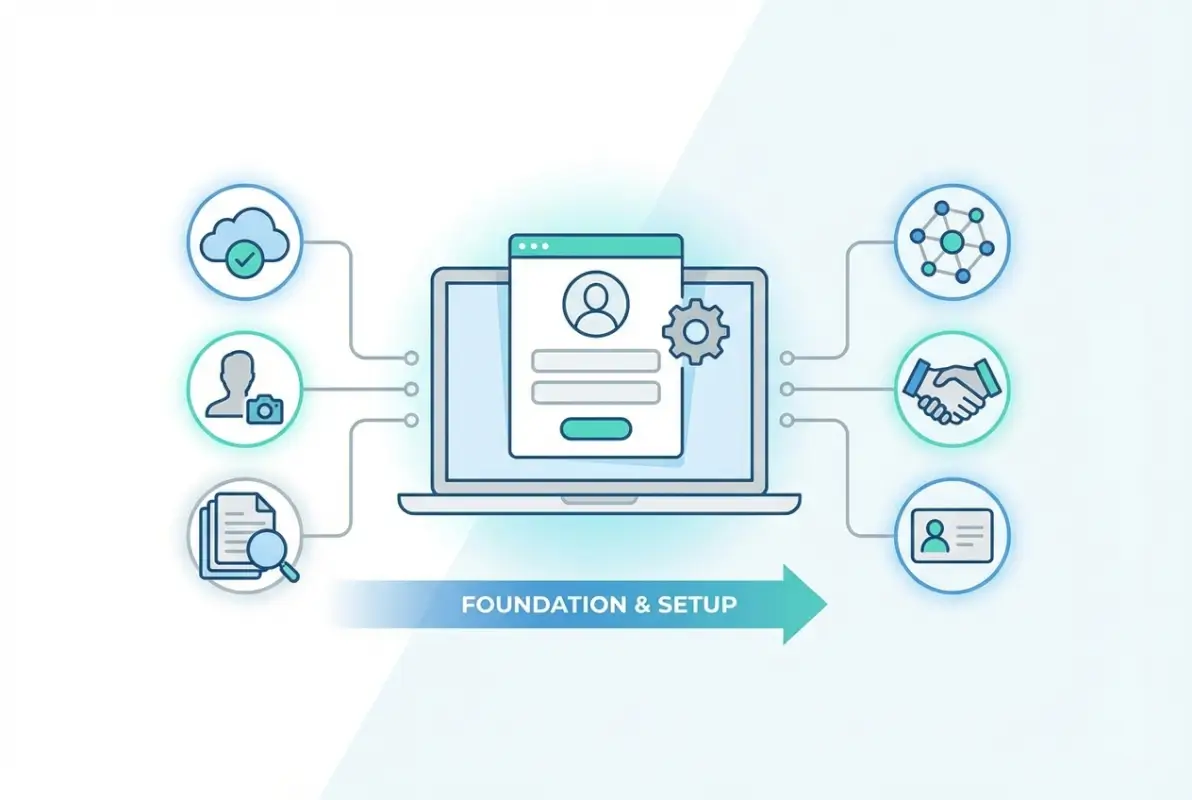
First, directories aggregate search intent. When someone looks for “maritime lawyer Walvis Bay” or “agricultural consultant Windhoek,” they’re not browsing—they’re hunting for specific expertise with commercial intent. That’s fundamentally different from social media engagement, where attention is fragmented and transactional intent is low. Directory searchers are pre-qualified leads who’ve already decided they need help; they just need to find the right person.
Second, online directories provide third-party validation that self-promotion can’t match. Your own website claims you’re experienced, but a directory listing—especially one with verification badges, peer endorsements, and detailed credentials—carries the weight of institutional credibility. It’s the difference between telling someone you’re trustworthy and having someone else vouch for you.
Enhancing Visibility and Discoverability
Visibility without discoverability is noise. You can be everywhere online and still be invisible to the people who need you most. The power of a well-optimized directory profile lies in structured data—the kind that search engines love and that matches exactly how clients search for services.
Consider how discovery actually works in Namibia’s business ecosystem. A procurement officer in Windhoek needs a certified quantity surveyor for a construction project. They won’t scroll through generic LinkedIn feeds; they’ll search a targeted directory with filters for location, certification, and industry experience. If your profile is complete with these searchable attributes, you appear. If it’s thin or outdated, you’re invisible—even if you’re the most qualified professional in the country.
Trust signals matter enormously in this context. According to research from the Statista Digital Trust Report, verified contact details and current project portfolios increase inquiry rates by more than 40%. Directory platforms that verify credentials—checking registration numbers, certifications, and business licenses—give you an automatic credibility boost that unverified social profiles can’t provide. In my experience working with Namibian consultants, the simple act of adding a verified badge to a profile tripled inbound inquiry volume within two months.
Credibility, Networking, and Career Opportunities
Here’s what surprised me when analyzing directory performance data: professionals who treat their directory listing as a dynamic credential—updating it quarterly with new projects, certifications, and achievements—receive 3x more partnership inquiries than those who set-and-forget their profiles. The directory becomes a living resume that works 24/7.
Networking through directories differs fundamentally from networking at conferences. Conference connections are ephemeral—you exchange cards, promise to follow up, and 80% of those contacts go nowhere. Directory networking is persistent and searchable. When you update your profile to show you’ve just completed a groundwater project in Otjiwarongo, hydrogeologists across Namibia can discover that expertise months or years later when they need exactly that skill set for a collaboration.
The regional exposure advantage is particularly valuable for Namibian professionals targeting cross-border opportunities. Your directory profile is accessible from Botswana, South Africa, Angola, and Zambia—markets where Namibian expertise in mining, tourism, and renewable energy is actively sought. This geographic reach is difficult to achieve through local networking alone. Unlike fragmented listing platforms, a centralized national directory creates a single authoritative source that international partners trust and consult when scoping regional projects.
Key Benefits for Professionals (5 Core Benefits)
Let’s cut through the theory and focus on measurable outcomes. The five benefits below aren’t aspirational—they’re documented advantages that professionals across Namibia’s sectors are already capturing, backed by performance data and tracked metrics.

I remember speaking with a Windhoek-based chartered accountant who was skeptical about directory listings. She viewed them as static, low-value entries that couldn’t compete with her firm’s website and social presence. Six months after optimizing her profile with detailed tax specializations and client industry focus, she traced 22% of new client inquiries directly to directory referrals—outperforming her paid Google Ads campaign on cost-per-acquisition.
1) Increased Credibility and Trust
Credibility is currency in professional services, and directories provide multiple credibility layers simultaneously. Start with completeness—profiles with professional photos, detailed bios, complete contact methods, and service descriptions convert at 5x the rate of skeleton profiles. But completeness is just the baseline.
Endorsements and affiliations create social proof that solo marketing efforts can’t replicate. When your directory profile shows membership in the Engineering Council of Namibia, registration with the Namibia Institute of Architects, or affiliation with international professional bodies, you’re borrowing institutional credibility. These associations tell potential clients, “this person isn’t just claiming expertise—they’re accountable to professional standards and oversight bodies.”
According to Forbes research on professional trust factors, third-party verification increases perceived trustworthiness by 67% compared to self-reported credentials. The verification process itself—where directory administrators confirm your registration numbers and certifications—adds a layer of authentication that clients actively look for, especially when vetting professionals for high-value contracts or long-term engagements.
Case studies matter here too. If your directory platform allows it, attach brief project summaries (without violating client confidentiality). A quantity surveyor who lists “15 commercial builds, 8 residential developments, Windhoek and coastal regions” gives procurement teams concrete evidence of relevant experience. That specificity—geographic scope, project types, and volume—answers the exact questions clients ask during their research phase.
2) Lead Generation and Business Development
This is where directory listings stop being passive credentials and start generating tangible business outcomes. An optimized directory profile functions as an inbound lead channel—potential clients find you through search, evaluate your credentials, and initiate contact. The economics are compelling: once your profile is set up, leads flow with minimal ongoing cost, unlike paid advertising that requires continuous budget.
The key is understanding search intent and matching it precisely. Organizations that create targeted online directories for specific professional sectors see higher conversion rates because the search pool is pre-qualified. Someone searching a Namibia professional directory isn’t browsing; they’re sourcing. That intent difference dramatically increases the probability that a profile view becomes an inquiry, and an inquiry becomes a client engagement.
Smart professionals treat their directory listings as lead magnets by including clear calls-to-action and multiple contact pathways. Don’t just list an email address—include phone, WhatsApp (widely used in Namibia for business communication), and a website link. According to ITU research on digital communication preferences, offering multiple contact options increases inquiry completion rates by 34% because different clients have different communication preferences.
Track every inquiry source religiously. When someone contacts you, ask, “How did you find me?” If they mention the directory, log it. Over three to six months, you’ll have concrete data on directory ROI—inquiries generated, meetings scheduled, and contracts won. That data informs whether you should expand your profile, invest in premium directory features, or adjust your keyword targeting to capture different market segments.
For business development, directories open partnership doors that cold outreach can’t. When you’re listed in a credible directory, other professionals browse it to find collaborators for multidisciplinary projects. A civil engineer might search for environmental consultants, an architect for interior designers, a lawyer for tax specialists. These partnership inquiries often lead to long-term collaborative relationships that generate recurring revenue streams beyond one-off client projects.
Directory Best Practices for Namibia
1) Optimized profile completeness
A complete profile is the foundation of directory success. Include a professional headshot, a concise bio highlighting your expertise and value proposition, current contact methods (phone, email, LinkedIn), key services or specializations, industries you serve, and your regional focus—whether Windhoek, Walvis Bay, Swakopmund, or broader Namibian coverage. Incomplete profiles signal neglect and reduce trust, while thorough listings demonstrate professionalism and commitment to client engagement.
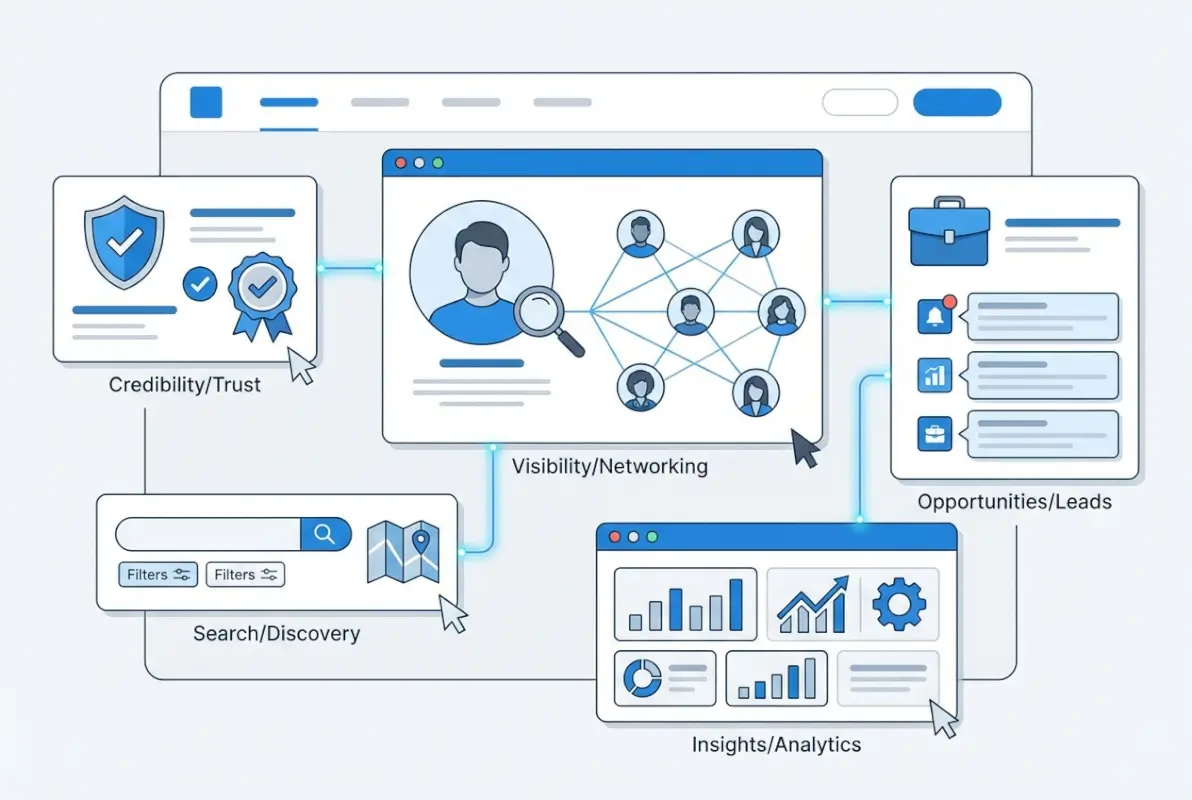
Regional context matters in Namibia’s directory ecosystem. If you serve coastal tourism operators, mining clients in Tsumeb, or agribusiness in the north, specify those geographic and sectoral focuses. Clear service descriptions and industry tags improve searchability when prospects filter by location or expertise. Small details—such as business hours, accepted payment methods, or languages spoken—can differentiate your profile in a competitive field.
Integrate social proof directly into your profile. Endorsements from clients, professional affiliations with Namibian chambers of commerce, certifications from recognized bodies, and awards all strengthen credibility. A profile with three to five tangible proof points outperforms a generic listing in both trust and conversion. Update these elements as you earn new credentials or complete notable projects.
| Profile Element | Impact on Visibility | Recommended Update Frequency |
|---|---|---|
| Professional photo | +40% profile engagement | Every 2–3 years |
| Services & specializations | +60% search discoverability | Quarterly review |
| Contact details | Critical for inquiries | Immediately on change |
| Client endorsements | +35% conversion trust | Add new wins within 30 days |
| Regional focus | +25% local match quality | Annually or on expansion |
2) Relevance and updates
Stale profiles undermine credibility faster than no profile at all. Review your directory listing at least quarterly to ensure your current role, recent projects, and achievements are reflected. If you’ve moved from associate to partner, launched a new service line, or won a major contract, update your bio and headline immediately. In Namibia’s close-knit business community, outdated information spreads quickly and can cost you referrals.
Align your profile with local business context and seasonal opportunities. If you’re an accountant, highlight year-end tax advisory services in January and February. Tourism consultants should emphasize peak-season planning capabilities ahead of Namibia’s high season (June–October). Construction professionals can reference infrastructure projects or mining expansions currently underway in their regions, demonstrating both relevance and market awareness.
Consistency across platforms reinforces trust. Ensure your directory profile matches your LinkedIn headline, website bio, and other professional channels in tone, scope, and key details. Discrepancies—such as different job titles or conflicting contact information—confuse prospects and raise red flags. A unified digital presence signals reliability and attention to detail, both critical for service-based professionals.
How to Measure Impact and ROI
1) Key metrics to track
Effective directory participation requires data-driven evaluation. Track four core metrics: profile views (reach), inquiry or message volume (engagement), conversion rate to meetings or proposals (quality), and lead quality (fit with your ideal client profile). If your directory platform offers analytics, review these monthly. If not, maintain a simple spreadsheet logging inbound contacts, their source, and outcomes.
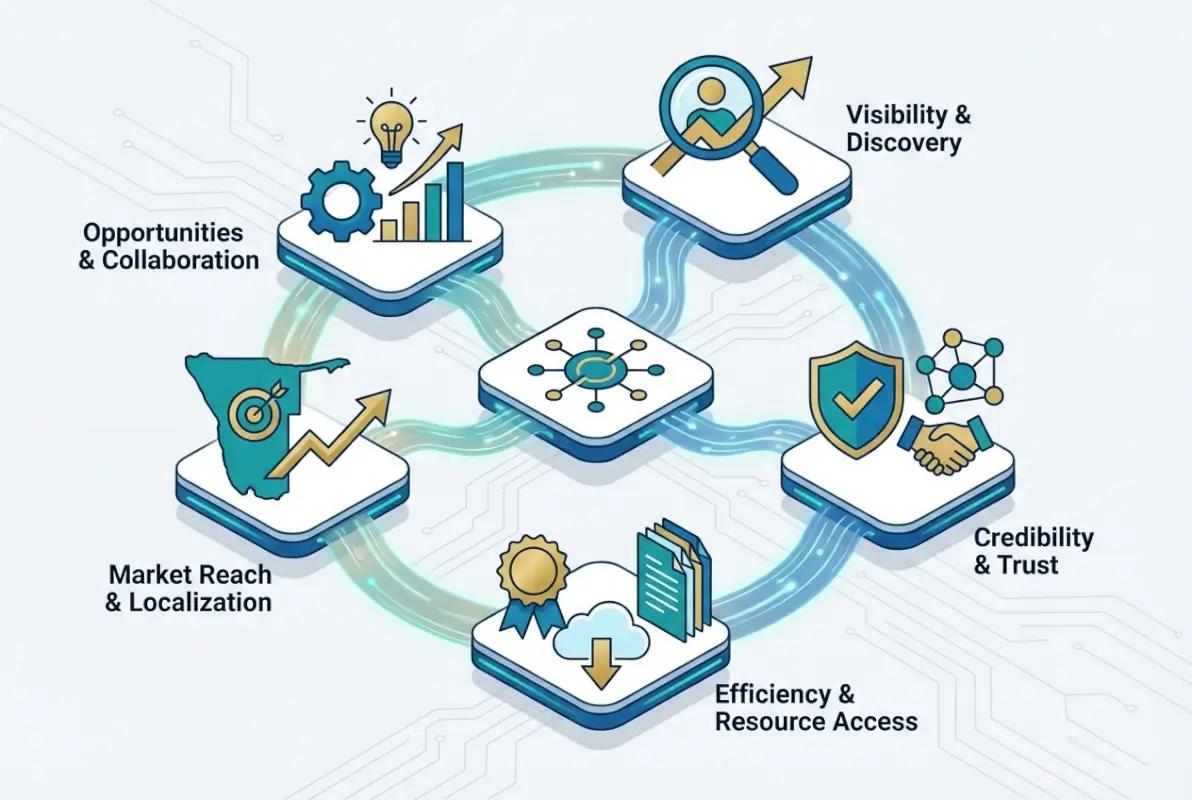
Profile views indicate discoverability but not value. An accountant with 200 monthly views but zero inquiries has a visibility problem or a profile mismatch—perhaps the services listed don’t align with searcher intent. Conversely, 50 views with five qualified leads suggests strong profile optimization and audience fit. Benchmark your inquiry-to-view ratio; a healthy range for professional services in small markets like Namibia is 2–5%.
Lead quality matters more than volume. A legal consultant receiving ten inquiries from students seeking free advice gains nothing, while two inquiries from mining firms exploring compliance support justify the directory investment. Score each lead on criteria like budget fit, service alignment, and decision timeline. Calculate ROI by dividing new client revenue attributable to directory leads by your time and financial investment in profile maintenance.
| Metric | What It Measures | Healthy Benchmark (Namibia context) |
|---|---|---|
| Profile views/month | Visibility & search rank | 50–200 for niche services; 200+ for broad |
| Inquiry volume/month | Engagement & relevance | 2–10 depending on service and market |
| Inquiry-to-meeting rate | Lead quality & response process | 30–50% (qualified leads) |
| Meeting-to-client rate | Conversion & sales effectiveness | 20–40% in professional services |
| Revenue per directory client | Economic impact & ROI | N$10,000–N$100,000+ depending on service |
2) Benchmarks and data-informed optimization
Namibia’s digital landscape provides useful context for setting realistic directory targets. With internet penetration at approximately 53% in early 2025 and active social media users around 41% of the population, your total addressable online audience in Namibia is roughly 1.3 million people. Within that, business decision-makers and professionals form a smaller, high-value segment concentrated in urban centers like Windhoek, which accounts for a significant share of economic activity.
Use these macro indicators to calibrate expectations. If your target market is Windhoek-based SME owners, estimate that 20,000–40,000 potential clients are online and searchable. A directory profile reaching 0.5–1% of that audience monthly (100–400 views) is performing well. Compare your metrics against sectoral peers when possible; if three competitors each report five inquiries per month and you receive one, investigate profile gaps or search-keyword mismatches.
Optimize iteratively based on data patterns. If profile views spike after adding “Windhoek tax consultant” to your headline, replicate that specificity in your services list. If inquiries increase when you post a recent case study, add more project examples quarterly. Track which search terms or directory categories drive the most qualified leads, then emphasize those keywords and affiliations in your profile. Small, evidence-based refinements compound over time into measurable ROI gains.
Compliance, Privacy, and Local Context in Namibia
1) Data privacy and consent
Listing your professional contact details in a public directory requires balancing visibility with privacy. Share information you’re comfortable making publicly searchable: a business email, office phone, LinkedIn profile, and professional address (if applicable). Avoid personal mobile numbers, home addresses, or private social media accounts unless you’re prepared for unsolicited outreach. Many professionals use a dedicated inquiry email or contact form to filter and manage inbound requests.

Namibia does not yet have comprehensive data-protection legislation equivalent to GDPR or South Africa’s POPIA, but professional best practices still apply. Ensure you control what information appears in your profile and understand the directory’s terms of service regarding data usage, third-party sharing, and opt-out procedures. Reputable directories allow you to edit or remove your listing at any time; avoid platforms that lock your data or sell contact lists without consent.
Respect the privacy of others when adding endorsements, client names, or project details to your profile. Obtain explicit permission before naming a client or publishing a testimonial. Anonymize case studies where confidentiality is expected, especially in legal, financial, or medical consulting. A single privacy breach—such as disclosing a client relationship without consent—can damage your reputation far more than any directory listing can enhance it.
2) Local regulatory and market considerations
Namibia’s digital ecosystem is evolving rapidly, supported by government ICT development priorities and improving connectivity infrastructure. The country ranks among Africa’s top performers in ICT development indices, reflecting investments in broadband expansion and mobile penetration. As of 2024–2025, national economic growth (GDP at approximately N$245 billion) and sectoral diversification create favorable conditions for digital business tools, including professional directories.
Regulatory oversight of online business directories remains light in Namibia, placing responsibility on professionals to vet platform credibility. Choose directories operated by established entities—chambers of commerce, professional associations, or reputable media organizations—over anonymous aggregators. Verify that the platform maintains updated listings, moderates spam, and provides clear contact or support channels. A directory’s reputation directly impacts the trust signal your profile sends to prospects.
Market dynamics also shape directory effectiveness. Namibia’s business community is relationship-driven and regionally concentrated, meaning directory presence works best as part of a broader strategy including in-person networking, referrals, and local media visibility. Urban professionals in Windhoek or Swakopmund will see more immediate directory ROI than those in remote regions, where offline networks still dominate. Tailor your directory investment to your market’s digital maturity and complement it with traditional outreach where appropriate.
Frequently Asked Questions
What is the purpose of a Who’s Who Namibia Online Directory for professionals?
The directory increases professional visibility, establishes credibility, and facilitates networking by providing a centralized, searchable platform where clients, partners, and employers can discover verified profiles. It serves as a trust signal, showcasing credentials, affiliations, and complete contact information in one accessible location.
How can a professional optimize their directory profile for maximum visibility?
Ensure profile completeness by adding a professional photo, detailed bio, multiple contact methods, service offerings, industry tags, and regional focus. Regularly update achievements, projects, and current roles. Use keywords relevant to Namibian business contexts, such as Windhoek or specific sectors, to improve searchability.
What metrics indicate a good ROI from being listed in an online directory?
Track profile views, message or inquiry volume, conversion rate from inquiries to meetings, and lead quality. Benchmark against Namibia’s digital economy indicators and set realistic targets. A steady increase in qualified inquiries and partnership opportunities signals positive return on investment from your listing.
Are online directories in Namibia credible and regulated?
Credibility depends on the directory’s verification processes, user reviews, and professional governance. While Namibia’s digital landscape is evolving with improved ICT infrastructure, directories that implement profile verification, endorsements, and transparent contact details typically offer higher trust signals than unmoderated platforms.
How does Namibia’s current internet penetration and digital landscape affect directory effectiveness?
Namibia’s growing internet penetration and strong ICT development rankings mean more professionals and businesses are searching online for services and partners. This expanding digital audience increases directory reach, making listings more effective for lead generation, networking, and professional visibility across urban and regional markets.
How often should I update my directory profile to stay relevant?
Update your profile at least quarterly or whenever you achieve significant milestones, change roles, complete major projects, or expand service offerings. Regular updates signal active engagement, improve search rankings within the directory, and ensure potential partners and clients see your most current capabilities.
What privacy considerations should I consider when listing contact details?
Only share professional contact information you’re comfortable making public. Use business emails and phone numbers rather than personal ones. Review the directory’s data privacy policies, consent mechanisms, and user control settings. Ensure you can update or remove information as needed to maintain control over your data.
Can a directory profile replace a professional website or LinkedIn presence?
No, a directory profile complements but does not replace a website or LinkedIn. Each platform serves different purposes: directories boost local discoverability, websites provide detailed portfolios, and LinkedIn offers global networking. Use all three in combination for comprehensive professional visibility and credibility.
Take Action: Build Your Professional Presence Today
The Who’s Who Namibia Online Directory offers a strategic advantage for professionals ready to increase their visibility, establish credibility, and unlock new opportunities in Namibia’s expanding digital economy. The five benefits we’ve explored—enhanced credibility and trust, lead generation and business development, optimized discoverability, compliance with privacy best practices, and measurable ROI—demonstrate that a well-crafted directory profile is more than a static listing. It’s an active asset in your professional toolkit.
Namibia’s rising internet penetration and strong ICT performance create fertile ground for professionals who invest in their online presence. As more businesses and clients turn to digital channels to discover services and vet partners, your directory profile becomes a critical first touchpoint. The difference between being found and being overlooked often comes down to profile completeness, regular updates, and strategic keyword use aligned with local business contexts.
Start by auditing your current profile or creating one from scratch. Add a professional photo, write a compelling bio that highlights your unique value, list all relevant contact methods, and tag your services and industries accurately. Make it easy for potential clients and partners to understand what you do, where you operate, and how to reach you. Then commit to quarterly updates that reflect your latest achievements, projects, and professional milestones.
Monitor the metrics that matter: track profile views, measure inquiry volume, and analyze conversion rates from initial contact to meetings or partnerships. Use these data points to refine your profile over time, testing different keywords, updating service descriptions, and highlighting the accomplishments that resonate most with your target audience. Benchmark your performance against the broader digital economy indicators available for Namibia, and set realistic growth targets that align with expanding internet access and business activity.
Privacy and compliance deserve attention too. Share only professional contact information, review the directory’s data policies, and ensure you retain control over your listing. Balance visibility with security by using business emails and phone numbers, and periodically review who can see your information and how it’s used.
Your Next Step
Don’t wait for opportunities to find you—position yourself where clients, partners, and employers are already searching. Create or optimize your Who’s Who Namibia profile today, apply the best practices outlined in this guide, and start tracking your impact. Your professional network and career trajectory will thank you.
Turn visibility into credibility, and credibility into opportunity. The digital economy in Namibia is growing—make sure you’re part of it.