Academy of Nutrition and Dietetics Find a Nutrition Expert Directory: How to Find a Qualified Dietitian in 2025

Generating summary...
Finding qualified nutrition guidance has become a minefield of self-proclaimed experts, questionable credentials, and conflicting advice. When you’re managing diabetes, navigating food allergies, or simply trying to optimize your health, the last thing you need is misinformation from someone who took a weekend certification course. The Academy of Nutrition and Dietetics Find a Nutrition Expert Directory offers a solution—a searchable database of credentialed professionals who’ve met rigorous education and practice requirements.
Most people don’t realize that anyone can legally call themselves a “nutritionist” in many states, regardless of their training. But a Registered Dietitian Nutritionist (RDN) has completed accredited education, supervised practice hours, and national examinations. This distinction isn’t just bureaucratic—it’s the difference between evidence-based medical nutrition therapy and potentially harmful dietary advice.
- Use official directories first – The Academy of Nutrition and Dietetics Find a Nutrition Expert Directory verifies credentials automatically
- Verify RD/RDN status – Check the Commission on Dietetic Registration database before your first appointment
- Match specialty to need – Diabetes management, sports nutrition, and eating disorders require specific expertise
- Ask about approach – Some dietitians emphasize meal plans while others focus on intuitive eating or behavior change
- Check insurance coverage – Medical nutrition therapy for conditions like diabetes is often covered
Locate Credentialed Nutrition Experts Using Trusted Directories and Official Sources
The fastest way to find a qualified nutrition professional is through directories that pre-verify credentials. These platforms eliminate the guesswork by listing only practitioners who meet specific educational and licensure standards.

The Academy of Nutrition and Dietetics Find a Nutrition Expert Directory maintains the most comprehensive database of credentialed nutrition professionals in the United States. Every listed practitioner has verified RDN or NDTR (Nutrition and Dietetic Technician, Registered) credentials through the Commission on Dietetic Registration.
Leverage the Academy’s Official Find a Nutrition Expert Directory
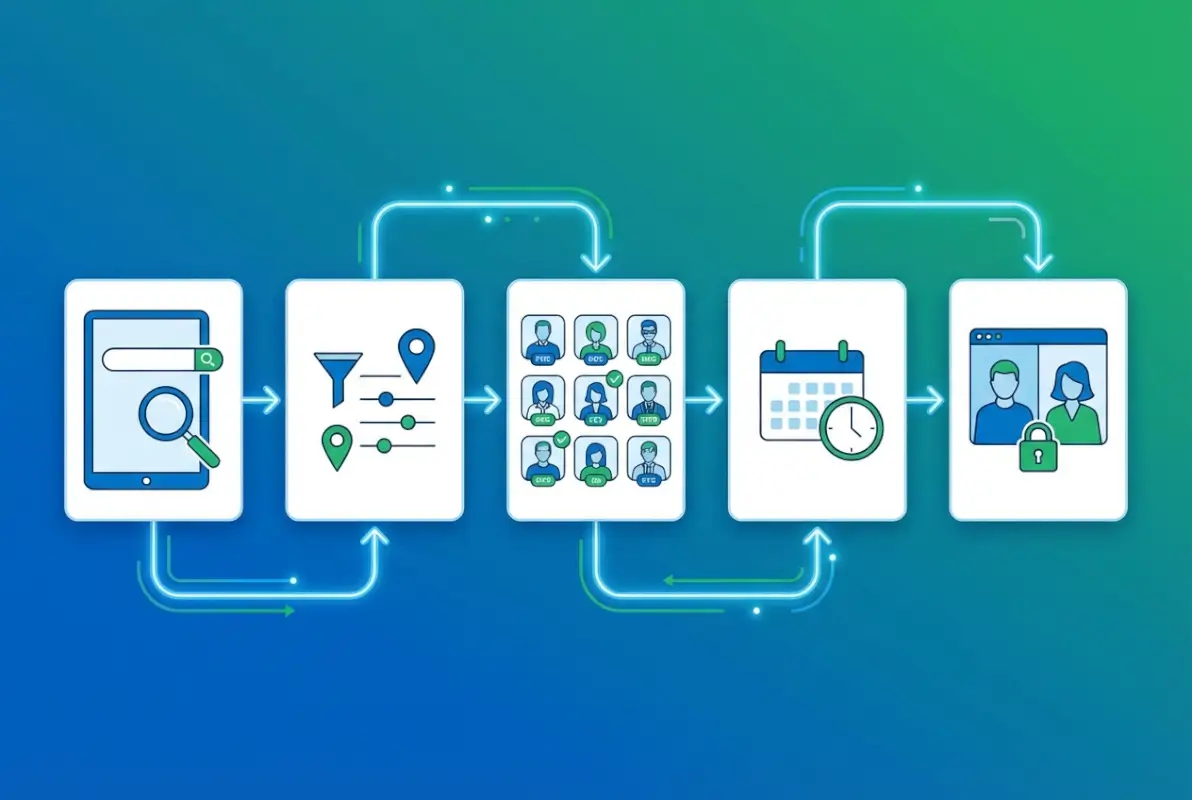
The Academy’s directory offers filtering options that help you narrow results based on your specific needs. You can search by zip code or city, specialty areas (diabetes, cardiovascular health, pediatrics, sports nutrition, eating disorders), insurance providers accepted, languages spoken, and whether the practitioner offers telehealth consultations.
I searched this directory when my doctor recommended nutrition counseling for prediabetes management. Within minutes, I found three RDNs within five miles who specialized in diabetes prevention and accepted my insurance. The directory showed their education, certifications, and practice focus—information that would have taken hours to compile from individual websites.
Cross-Check with Regional Directories and State Licensure Boards
Many states maintain separate licensure boards for dietitians that offer public lookup tools. The College of Dietitians of Alberta provides a model example of regional professional directories that complement national resources.
State-level verification serves two purposes. First, it confirms current licensure status (some states require separate licenses beyond national RDN credentials). Second, these databases often show disciplinary actions or restrictions that wouldn’t appear in the Academy directory immediately.
The Pennsylvania Academy of Nutrition and Dietetics offers a state-specific search tool that includes local practitioners who may not maintain national directory profiles. Smaller practices or dietitians in rural areas sometimes appear in state directories but not national ones.
Understand Credentials, Roles, and When to Choose Which Type of Professional
The nutrition field includes multiple credential types with varying education requirements and practice scopes. Understanding these distinctions prevents matching the wrong professional to your needs.
A Registered Dietitian Nutritionist has completed a minimum bachelor’s degree from an accredited nutrition program, 1,200+ hours of supervised practice (typically through an accredited internship), passed the national Registration Examination for Dietitians, and maintains continuing education requirements (75 hours every five years). Many RDNs now enter the field with master’s degrees, as the Academy is transitioning to graduate-level entry requirements.
Distinguish Between RDN, NDTR, and Nutritionist Credentials
Nutrition and Dietetic Technicians, Registered (NDTRs) complete associate degrees and supervised practice hours but work under RDN supervision in clinical settings. They can provide nutrition education and support but cannot perform medical nutrition therapy independently.
The term “nutritionist” carries no legal protection in most states, anyone can use it regardless of education. Some nutritionists hold advanced degrees and legitimate certifications (like CNS—Certified Nutrition Specialist, which requires a master’s degree). Others completed online courses lasting weeks or even days.
| Credential | Education Required | Supervised Practice | Legal Protection |
|---|---|---|---|
| RD/RDN | Bachelor’s minimum (moving to master’s) | 1,200+ hours required | Protected title in most states |
| NDTR | Associate degree | 450 hours required | Protected in some states |
| CNS | Master’s or doctoral | 1,000 hours required | Protected in limited states |
| Nutritionist | Varies (none to PhD) | Usually not required | Unregulated in most states |
Know When to Involve a Dietitian for Medical Nutrition Therapy
Medical nutrition therapy requires an RDN in most healthcare settings and insurance contexts. If you’re managing diabetes or prediabetes, cardiovascular disease, kidney disease, cancer (during treatment or recovery), eating disorders (anorexia, bulimia, binge eating disorder), gastrointestinal conditions (Crohn’s, ulcerative colitis, IBS), or preparing for bariatric surgery, you need an RDN, not a general nutritionist.
Insurance companies recognize this distinction. Medicare and most private insurers cover medical nutrition therapy for specific conditions only when provided by an RDN. A nutritionist without RDN credentials can’t bill insurance for these services, meaning you’ll pay out of pocket even if your condition would otherwise be covered.
Verify Qualifications and Ethics Efficiently
Credential verification takes five minutes and prevents weeks of ineffective (or dangerous) nutrition advice. Even when using the Academy of Nutrition and Dietetics Find a Nutrition Expert Directory, independent verification adds a safety layer.

The Commission on Dietetic Registration maintains a public verification database where you can confirm any practitioner’s RDN or NDTR status. Enter their name or credential number to see current status, credential issue date, specialty certifications, and any disciplinary actions or restrictions.
Look for Board Certifications and Specialty Credentials
Beyond basic RDN credentials, board certifications indicate advanced expertise in specific areas. The Commission on Dietetic Registration offers specialist certifications including CSSD (Board Certified Specialist in Sports Dietetics), CSOWM (Board Certified Specialist in Obesity and Weight Management), CSP (Board Certified Specialist in Pediatric Nutrition), CSR (Board Certified Specialist in Renal Nutrition), and CSO (Board Certified Specialist in Oncology Nutrition).
These certifications require years of specialized practice experience and passing additional examinations. A CSSD working with recreational athletes brings deeper sport-specific knowledge than a general RDN, even though both are qualified professionals.
The CDCES credential (Certified Diabetes Care and Education Specialist, formerly CDE) appears frequently among dietitians working with diabetes patients. While not exclusive to RDNs, this certification requires substantial diabetes education experience and examination.
Review Ethics Standards and Professional Conduct
The Academy of Nutrition and Dietetics Code of Ethics establishes professional conduct standards for all RDNs. These principles prevent conflicts of interest, protect patient privacy, ensure competent practice within scope, maintain professional boundaries, and require evidence-based recommendations.
Red flags include aggressive supplement sales (especially proprietary brands), multi-level marketing involvement, promises of rapid weight loss or disease cure, dismissal of medical treatments in favor of diet alone, and inability or unwillingness to explain the evidence behind recommendations.
I once consulted with someone who spent the first appointment pushing $400 in supplements before even reviewing my diet history. When I asked about the research supporting these specific products, she deflected with vague statements about “toxins” and “cellular health.” A quick credential check revealed she held only a non-accredited nutrition certificate, not an RDN credential.
Practical Steps to Evaluate and Compare Providers
Finding qualified practitioners is step one. Step two involves determining which qualified professional best matches your specific situation, communication preferences, and practical needs.

Most nutrition practices offer free 15-20 minute discovery calls before scheduling full consultations. These brief conversations help both parties assess fit without financial commitment. Use this time strategically to evaluate compatibility beyond credentials.
Prepare a Short-List Using Search Filters
Start with 5-7 candidates from the Academy of Nutrition and Dietetics Find a Nutrition Expert Directory who match your geographic area (or offer telehealth if location flexibility matters), specialty or practice focus aligned with your needs, insurance acceptance (if relevant), and schedule availability that fits your constraints.
Create a simple comparison spreadsheet tracking specialty certifications, years in practice, appointment format (in-person, virtual, or hybrid), initial consultation fee, follow-up session structure and pricing, and insurance/payment options. This systematic approach prevents decision paralysis when everyone seems qualified on paper.
For those building professional directories, TurnKey Directories offers WordPress directory solutions that make provider comparison straightforward through filtering and detailed profile pages.
Conduct Preliminary Consultations to Assess Fit
During discovery calls or initial consultations, ask about their specific experience with your condition (number of similar clients, outcomes, approach), philosophy on nutrition counseling (rigid meal plans vs. flexible frameworks vs. intuitive eating), how they measure progress beyond weight (lab values, symptoms, quality of life, behavior change), typical timeline and session frequency for situations like yours, and communication between sessions (email support, messaging platforms, or appointment-only contact).
Pay attention to communication style as much as credentials. The most qualified RDN won’t help if their communication approach doesn’t match your learning style or if you feel dismissed or judged.
A friend with celiac disease interviewed three RDNs before choosing one. The first was technically qualified but spoke in complex medical terminology without translating it. The second seemed rushed and impatient with questions. The third took time to explain cross-contamination risks in practical terms and demonstrated genuine interest in her specific challenges—that’s who she hired, and the personalized guidance made all the difference in managing symptoms.
What to Expect: Budgeting, Logistics, and Service Structure
Understanding the financial and practical aspects of nutrition counseling prevents surprises and helps you plan appropriately for the investment in your health.

Nutrition counseling costs vary significantly based on geographic location, practitioner experience and specialization, practice setting (hospital-based vs. private practice), and session format (individual vs. group). Initial consultations typically run 60-90 minutes and cost $150-300, while follow-up sessions (30-60 minutes) range from $75-200.
Typical Services, Session Structure, and Pricing Considerations
Most RDNs structure services as an initial comprehensive assessment followed by regular follow-ups. The first session involves detailed health history, medication review, diet analysis, goal setting, and initial recommendations. Follow-up sessions (typically every 2-4 weeks initially, then monthly or quarterly) include progress review, troubleshooting challenges, plan adjustments, and ongoing education.
Package pricing often offers savings over per-session rates. Common structures include 3-month packages (initial consultation plus 4-6 follow-ups), 6-month programs for complex conditions, or 12-session packages for significant behavior change goals. These typically save 10-20% compared to individual session pricing.
Some practices offer group programs for weight management, diabetes prevention, or prenatal nutrition at reduced per-person rates ($40-80 per session). While less personalized than individual counseling, groups provide peer support and cost savings.
Insurance Coverage, Telehealth Options, and Accessibility
Medicare covers medical nutrition therapy for diabetes, kidney disease, and post-transplant care when provided by RDNs. Most private insurance plans cover medical nutrition therapy for specific conditions, though coverage varies by carrier and plan. Some plans require physician referrals, while others allow direct access to RDNs.
Before scheduling, verify whether the practitioner accepts your specific insurance plan, participates as an in-network provider (or if you’ll pay out-of-network rates), requires referrals or pre-authorization, and bills insurance directly or requires upfront payment with reimbursement.
Many RDNs who don’t accept insurance will provide “superbills”—detailed receipts you can submit to your insurance for possible reimbursement under out-of-network benefits. HSA and FSA funds typically cover nutrition counseling, even when insurance doesn’t.
Telehealth has expanded access dramatically. Video consultations work well for most nutrition counseling (excluding situations requiring physical assessment or measurements). Virtual sessions eliminate travel time, expand geographic options for specialist RDNs, often offer more flexible scheduling, and sometimes cost less than in-person appointments.
How do I verify a dietitian’s credentials and licensure?
Visit the Commission on Dietetic Registration website and use their verification tool. Enter the practitioner’s name to confirm their RDN status is current and check for any disciplinary actions. Also verify state licensure through your state’s dietetics board if your state requires separate licensing beyond national credentials.
What’s the difference between a Registered Dietitian Nutritionist and a nutritionist?
RDNs have completed accredited bachelor’s or master’s degrees, 1,200+ supervised practice hours, and passed national examinations. The title is legally protected. “Nutritionist” is unregulated in most states—some hold advanced degrees while others completed brief online courses. Always verify specific credentials through official databases like the CDR.
How do I find a qualified dietitian near me using the Academy directory?
Visit the Academy of Nutrition and Dietetics website and access their Find a Nutrition Expert Directory. Enter your zip code or city, then filter by specialty area, insurance accepted, and whether you prefer virtual or in-person consultations. All listed practitioners have verified RDN credentials through the Commission on Dietetic Registration.
Should I schedule an initial consultation before committing to ongoing sessions?
Yes, most dietitians offer brief discovery calls or initial consultations specifically to assess fit. Use this time to evaluate their communication style, approach to nutrition counseling, and expertise with your specific needs before committing to multi-session packages. Chemistry and communication compatibility matter as much as credentials for successful outcomes.
What questions should I ask during an intake or first appointment?
Ask about their specific experience with your condition, their philosophy and approach to nutrition planning, how they measure progress beyond weight, typical session frequency and timeline, communication availability between sessions, and their cancellation policy. Also inquire about fees, insurance acceptance, and whether they provide meal plans or focus on behavior change strategies.
Do health insurance plans cover sessions with a dietitian or nutritionist?
Many insurance plans cover medical nutrition therapy provided by RDNs for conditions like diabetes, cardiovascular disease, kidney disease, and eating disorders. Coverage varies by carrier and plan—some require physician referrals while others allow direct access. Contact your insurance company to verify your specific benefits before scheduling, as nutritionists without RDN credentials typically aren’t covered.
Can I find a dietitian who offers online consultations through the Academy directory?
Yes, the Academy of Nutrition and Dietetics Find a Nutrition Expert Directory includes a filter specifically for practitioners offering telehealth services. Virtual consultations have become standard practice and work effectively for most nutrition counseling needs. Many RDNs now offer hybrid models with both in-person and virtual options for flexibility.
What are red flags when choosing a nutrition expert?
Watch for unverifiable credentials, promises of rapid weight loss or disease cure, aggressive supplement sales especially of proprietary brands, one-size-fits-all approaches without personalization, dismissal of medical treatments in favor of diet alone, and unwillingness to coordinate with your other healthcare providers. These indicate potentially dangerous or ineffective guidance regardless of claimed credentials.
Taking the Next Step Toward Evidence-Based Nutrition Guidance
The Academy of Nutrition and Dietetics Find a Nutrition Expert Directory removes the guesswork from finding qualified nutrition professionals. By starting with credentialed practitioners, verifying credentials through official databases, matching specialty expertise to your specific needs, and evaluating communication fit through discovery calls, you stack the odds in favor of successful outcomes.
Your health deserves more than trending diet advice from social media influencers or practitioners with questionable credentials. The five-minute investment in credential verification and the hour spent on preliminary consultations prevents months of ineffective guidance and potential harm.
Whether you’re managing a chronic condition, optimizing athletic performance, or simply building a healthier relationship with food, the right RDN provides personalized, evidence-based guidance that respects your unique circumstances and goals. The Academy’s directory, combined with state licensure verification and thoughtful evaluation of specialty fit and communication style, creates a reliable path to finding that professional.
Ready to Find Your Qualified Nutrition Expert?
Start your search today with these concrete steps:
- Visit the Academy of Nutrition and Dietetics Find a Nutrition Expert Directory and filter by your location and specialty needs
- Verify top candidates through the Commission on Dietetic Registration database
- Schedule discovery calls with your top three choices to assess communication fit
- Prepare specific questions about their experience with your condition and approach to counseling
- Verify insurance coverage before your first full consultation to understand your financial commitment
The difference between generic nutrition advice and personalized guidance from a qualified RDN often determines whether you achieve sustainable results or cycle through another failed attempt. Which path will you choose?
Was this article helpful?