How to Hire a Listing Agent: 7 Tips for Home Sellers

Generating summary...
Choosing the right listing agent can mean the difference between a quick, profitable sale and months of frustration watching your home stagnate on the market. While most sellers focus on commission rates or flashy marketing promises, the real game-changers are often hidden in the details: how an agent prices comparables, their negotiation psychology, and their ability to pivot strategy when market conditions shift. The agents who consistently outperform aren’t necessarily the most popular—they’re the ones who treat your listing like a business case study, not just another commission check.
TL;DR – Quick Takeaways
- Interview 3-4 agents minimum – Compare pricing strategies, marketing plans, and communication styles
- Focus on data, not promises – Demand specific metrics on days on market and sale-to-list price ratios
- Marketing matters more than ever – Professional photography and strategic online exposure directly impact sale speed
- Pricing strategy trumps commission rates – A skilled agent’s CMA methodology can add thousands to your final sale price
- Track record beats personality – Verify past performance with references and verifiable case studies
Clarify the Listing Agent’s Role and Value Proposition
Understanding exactly what a listing agent brings to your sale is crucial before you start interviewing candidates. Many sellers underestimate the complexity of what goes on behind the scenes, leading to unrealistic expectations or poor agent selection.
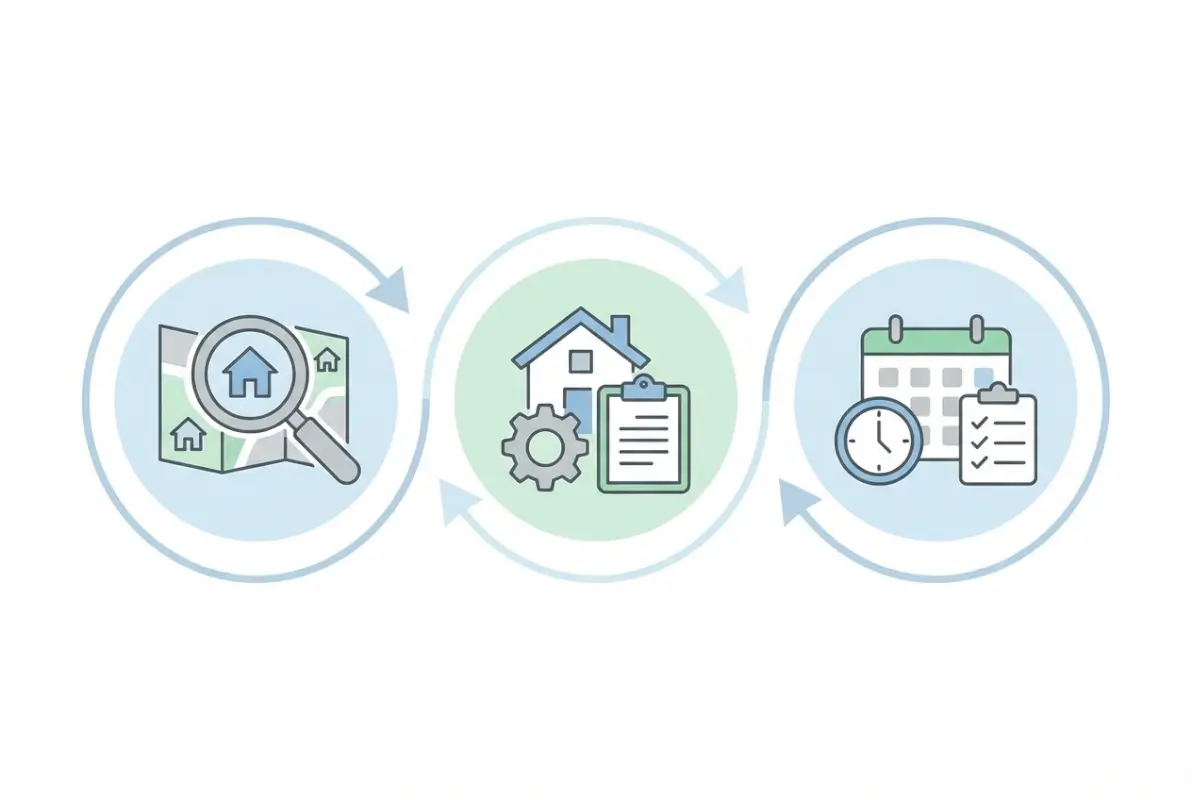
Distinguish Listing Agent vs. Other Real Estate Roles
The terminology can be confusing, but the distinctions matter. A real estate agent is licensed to help with transactions but works under a broker’s supervision. A REALTOR® is an agent who belongs to the National Association of REALTORS® and follows their code of ethics. A listing agent specifically represents the seller, while a buyer’s agent represents the purchaser. Some agents work both sides, but the best listing agents often specialize because selling requires different skills than buying.
The key difference lies in their primary obligation: your listing agent’s job is to maximize your sale price while minimizing time on market, not to make buyers happy or facilitate easy deals.
What a Listing Agent Typically Handles
A competent listing agent manages far more than most sellers realize. They conduct comparative market analysis (CMA) to establish pricing strategy, coordinate professional photography and staging, manage MLS listings and syndication across multiple platforms, screen potential buyers and their agents, negotiate offers and counteroffers, handle contract contingencies and deadlines, coordinate inspections and appraisals, and shepherd the transaction through closing.
How the Right Listing Strategy Affects Market Performance
Current market dynamics make strategic listing management more critical than ever. Homes that sit on the market beyond the initial surge of buyer interest often face stigma, requiring price reductions that could have been avoided with better initial strategy. The difference between a 30-day sale at asking price and a 60-day sale with a 5% price reduction can be substantial—sometimes tens of thousands of dollars on a typical home sale.
Data from recent market reports shows that properly priced and marketed listings typically receive the most activity within their first two weeks. After that, showing activity drops significantly, and sellers often find themselves in a weaker negotiating position.
Build a Shortlist: How to Find and Vet Candidates
The agent selection process should be systematic, not based on whoever calls you first after you mention selling. Building a proper shortlist requires research, and the effort you put in here directly impacts your selling success.
Most sellers make the mistake of interviewing just one or two agents, often people they know socially or who contacted them recently. This approach virtually guarantees you’ll miss better options and have no basis for comparison when evaluating proposals.
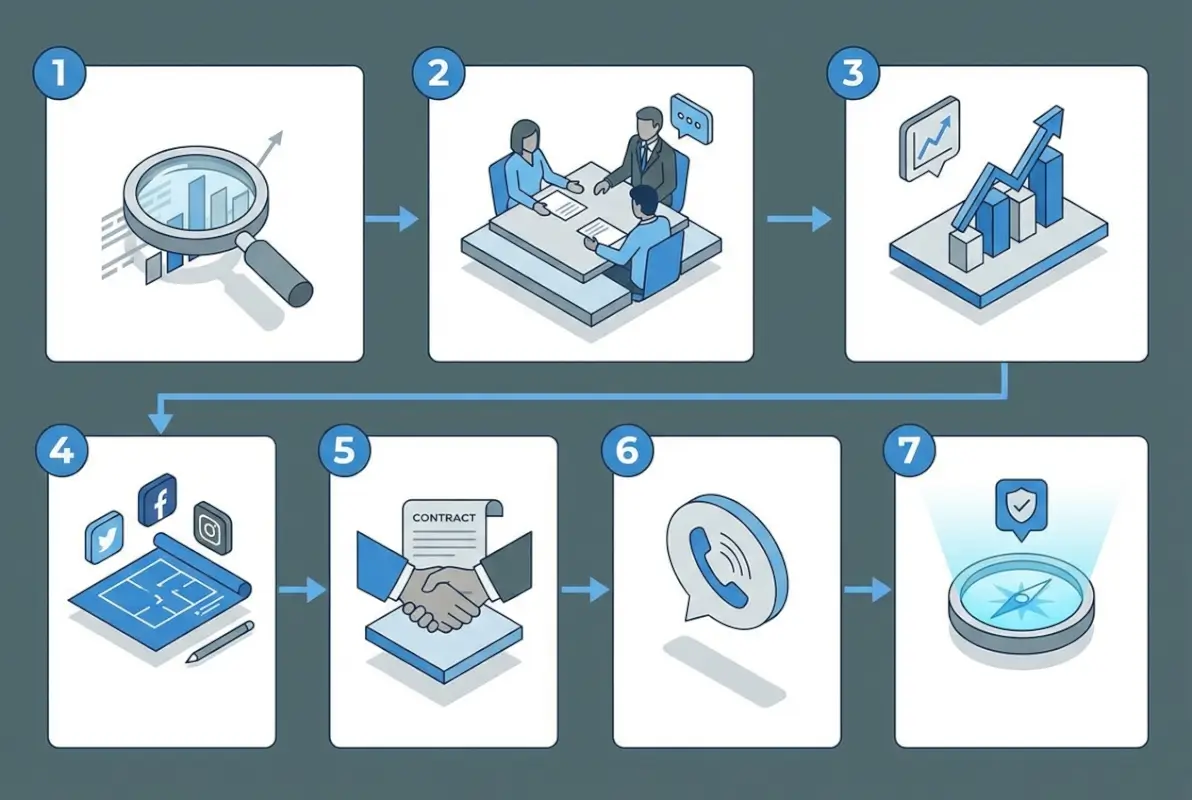
Sourcing Candidates
Start with referrals from recent sellers in your area, not buyers. Selling and buying require different skill sets, and a great buyer’s agent may be mediocre at listing homes. Check recent sales in your neighborhood and note which agents are consistently representing sellers, especially on homes similar to yours in price range and style.
Online reviews can be helpful but focus on recent reviews from sellers, not buyers. Pay attention to specifics about communication, marketing execution, and problem-solving rather than generic praise. Local market presence matters more than you might think—agents who regularly work your area understand pricing nuances, buyer preferences, and neighborhood dynamics that outsiders miss.
Interview Framework: Key Questions to Ask
Plan to interview at least three to four agents, and use a consistent framework so you can compare responses effectively. Essential questions include: How do you determine listing price, and can you walk me through your CMA process? What’s your specific marketing plan for my home and neighborhood? How often will you communicate with me, and what metrics will you report? What’s been your average days on market for homes like mine in the past six months? Can you provide references from recent seller clients?
The quality of their answers matters more than charm or confidence. Look for specific, data-driven responses rather than generic marketing speak.
Red Flags to Watch
Certain warning signs should eliminate agents from consideration immediately. These include: suggesting a listing price significantly higher than comparable sales without compelling justification, being unable to provide specific examples of their marketing strategy, promising results they can’t control (like “I’ll sell your house in 30 days”), having no recent references from seller clients, or seeming unfamiliar with your neighborhood or price range.
Credentials and Designations Worth Noting
While credentials aren’t everything, certain designations indicate additional training and commitment. The CRS (Certified Residential Specialist) designation requires significant transaction volume and continuing education. The ABR (Accredited Buyer’s Representative) is more relevant for buyer’s agents. REALTOR® membership matters because it includes ethical obligations and ongoing education requirements.
More important than alphabet soup after their name is their actual track record and current market knowledge. A newer agent with great systems and recent training might outperform a veteran who’s resting on past success.
Critically Evaluate Marketing Plans and Listing Services
Marketing capabilities separate good listing agents from mediocre ones more than any other factor. In today’s market, where buyers start their search online and make quick decisions, your agent’s marketing execution directly impacts both sale price and time on market.
The days when sticking a sign in the yard and putting the house in MLS was sufficient are long gone. Today’s buyers expect professional presentation, comprehensive information, and easy access to property details across multiple platforms.

Marketing Mix: Professional Photography, Virtual Tours, and Online Exposure
Professional photography isn’t optional—it’s the foundation of effective listing marketing. Homes with professional photos sell faster and often for higher prices than those with amateur pictures. But photography is just the starting point. Virtual tours, video walkthroughs, and detailed floor plans have become standard buyer expectations, especially for homes above the entry-level price point.
Your agent’s marketing plan should include comprehensive MLS syndication to major real estate websites, targeted social media advertising, and professional listing descriptions that highlight your home’s unique selling points. Ask to see examples of their recent listings and how they presented homes similar to yours.
Pricing Strategy and CMA Rigor
Comparative Market Analysis (CMA) methodology separates great listing agents from average ones. A thorough CMA doesn’t just look at recent sales—it considers active listings (your competition), pending sales (current market direction), and expired listings (what doesn’t work in your market).
Pay attention to how agents select comparables. They should focus on truly similar homes in terms of size, condition, location, and features, not just anything that sold recently in your general area. Good agents also adjust for differences between your home and the comparables, explaining their reasoning for each adjustment.
Pricing strategy should align with your goals and timeline. If you need to sell quickly, aggressive pricing might make sense even if it means leaving some money on the table. If you have time and your home has unique features, a premium pricing strategy might be worth trying initially.
Seller Communications Plan
Regular communication prevents most seller-agent conflicts and helps you make informed decisions throughout the selling process. Your agent should provide clear expectations about how often you’ll hear from them and what information they’ll share.
Weekly updates during active marketing should include showing feedback, website traffic data, and any market changes affecting your listing. Some agents provide detailed analytics showing online views, inquiry sources, and buyer agent feedback. This data helps you understand whether your pricing and marketing strategy are working or need adjustment.
Technology Leverage and Performance Metrics
Modern listing management requires sophisticated technology tools for MLS management, lead tracking, and performance measurement. Your agent should be able to show you exactly where your listing appears online and provide metrics about buyer engagement.
Look for agents who use technology to enhance service, not replace personal attention. For example, automated showing scheduling is helpful, but your agent should still personally qualify potential buyers and gather meaningful feedback from showings.
Just as understanding get listing featured zillow tips real estate agents can help maximize online visibility, your real estate agent should have strategies for prominent placement across all major real estate platforms.
Assess Track Record and Market Knowledge
Past performance doesn’t guarantee future results, but it’s the best predictor you have of how an agent will handle your listing. However, you need to dig deeper than just “how many homes did you sell last year” to get meaningful insights into their capabilities.
Track record evaluation should focus on relevant metrics: days on market for homes similar to yours, sale-to-list-price ratios, and how they’ve performed in different market conditions. An agent who only has experience in hot markets may struggle when conditions cool.

Past Listing Performance Analysis
The most revealing metrics are days on market and sale-to-list-price ratios, but context matters enormously. An agent whose listings average 45 days on market might be excellent if the local average is 60 days, or concerning if the average is 30 days. Similarly, achieving 98% of list price could be great or disappointing depending on local market conditions.
Ask for specific examples of challenging listings they’ve handled successfully. How did they handle a home that didn’t sell in the first 30 days? What strategies did they use for a home in a declining market? Their answers reveal problem-solving skills and adaptability.
| Metric | Strong Performance | Average Performance | Concerning Signs |
|---|---|---|---|
| Days on Market | Below local average | At local average | Consistently above average |
| Sale-to-List Price | 95%+ in balanced market | 90-95% consistently | Below 90% regularly |
| Transaction Volume | 2-4 listings monthly | 1-2 listings monthly | Very high or very low volume |
Local Market Expertise
Neighborhood knowledge goes beyond knowing street names and recent sales. The best listing agents understand buyer preferences specific to your area, seasonal patterns affecting your market segment, and how local factors like schools, transportation, or development plans impact property values.
Test their knowledge by asking about recent changes in your neighborhood or how they’d position your home compared to current competition. Agents who regularly work your area should have immediate, specific answers rather than general market commentary.
Local expertise becomes especially valuable when market conditions shift. An agent who understands your neighborhood’s typical buyer profile can adjust marketing and pricing strategy more effectively than someone learning on the job with your listing.
References and Verifiable Case Studies
Don’t just ask for references—ask for references from sellers whose situations were similar to yours. If you’re selling a starter home, talk to other starter home sellers. If you’re dealing with a unique property or challenging timeline, get references from clients who faced similar circumstances.
Good references will discuss both strengths and areas where the agent could have improved. Be suspicious of references who only offer glowing praise without specific examples or any constructive feedback.
Verify case studies by looking up the actual sales data. If an agent claims they sold a house in 15 days for full asking price, you should be able to confirm those details through public records.
Current Market Context Understanding
Market conditions change rapidly, and agents need to adapt their strategies accordingly. An agent whose approach worked perfectly two years ago might be using outdated methods that hurt your sale today.
Ask how they’ve adjusted their listing strategies based on recent market changes. Are they pricing more aggressively or conservatively than last year? Have they changed their marketing approach? How are they handling multiple offer situations versus single offers?
The best agents can articulate specific changes they’ve made to their listing approach based on current market realities, not just repeat general market statistics.
Understand Fees, Contracts, and Negotiation Leverage
Commission and contract terms significantly impact your net proceeds and selling experience, but many sellers don’t fully understand what they’re agreeing to until problems arise. The key is clarity upfront about what you’re paying for and what protections you have if things don’t go as planned.
Commission structure varies more than most sellers realize, and the lowest rate isn’t always the best deal if it comes with reduced services. Focus on value provided relative to cost, not just the percentage rate.

Commission Structure and What’s Included
Standard commission rates typically range from 5-6% of sale price, split between listing and buyer agents, but everything is negotiable. More important than the rate is understanding exactly what services are included and what might cost extra.
Some agents offer tiered service levels with different commission rates. Premium service might include professional staging consultation, enhanced photography, or guaranteed marketing spend. Basic service focuses on essential listing management and transaction coordination.
Be wary of agents who quote extremely low commissions but add fees for services that others include. Sometimes a 4% commission with fees ends up costing more than a 6% all-inclusive rate.
Agency Disclosure and Contract Length
Listing agreements typically run 90-180 days, with most agents preferring longer terms. However, you should have exit options if the agent doesn’t perform as promised. Look for clauses that allow cancellation with reasonable notice if certain benchmarks aren’t met.
Agency disclosure explains your agent’s obligations and any potential conflicts of interest. For example, if your agent also represents buyers, they must disclose how they handle situations where their buyer wants to purchase your home.
Some contracts include “protection periods” that entitle your agent to commission even after the listing expires if they introduced the eventual buyer during the listing period. These clauses are reasonable but should be clearly defined and limited in duration.
How Agents Pursue Best Offers and Manage Contingencies
Negotiation skills become crucial when you receive offers, especially multiple offers or offers with contingencies. Ask potential agents how they’ve handled various scenarios: multiple offers at different prices, offers with financing contingencies, buyers requesting repairs after inspection, and deals that hit snags before closing.
The best listing agents know how to structure counteroffers that protect your interests while keeping buyers engaged. They understand which contingencies are reasonable to accept and which ones signal potential problems.
Understanding how to structure successful negotiations is similar to learning how to get your listing back on ebay steps for sellers – both require strategic thinking about presentation, pricing, and buyer psychology.
Listing Protections and Required Disclosures
Your listing agreement should include protections for both parties. You deserve guarantees about marketing activities, communication frequency, and performance standards. Your agent deserves reasonable cooperation and access to show your home.
Property disclosure requirements vary by state but typically include known defects, environmental hazards, and neighborhood factors that might affect value. Your agent should guide you through these requirements and help you understand potential liability issues.
Some agents offer performance guarantees, such as minimum marketing spend or the right to cancel if certain benchmarks aren’t met. These protections can provide peace of mind, but read the fine print carefully to understand what triggers them.
Prepare for the Listing Appointment: Questions to Ask Now
The listing appointment is your opportunity to evaluate agents head-to-head and get specific commitments about how they’ll market your home. Preparation is crucial because this meeting often determines which agent you’ll choose and what terms you’ll negotiate.
Come prepared with specific questions and take notes on each agent’s responses. The differences in their answers will help you make an informed decision rather than relying on first impressions or personal chemistry alone.
Questions About CMA Methodology and Marketing Calendar
Start with pricing questions because this is where agent expertise shows most clearly. Ask them to walk through their comparative selection process and explain any adjustments they made for differences between your home and the comparables. Good agents will have detailed reasoning for each comparable choice and adjustment.
Marketing timeline questions reveal organizational skills and commitment level. When will professional photos be taken? How quickly will the listing go live? What’s their plan for the first two weeks when buyer interest typically peaks? A detailed marketing calendar demonstrates preparation and professionalism.
Ask to see examples of their marketing materials for homes similar to yours. This includes MLS descriptions, social media posts, and any printed materials. The quality and creativity of their marketing execution often correlates with overall service quality.
Probing Questions to Quantify Expected Timeline and Outcomes
While agents can’t guarantee results, they should be able to provide realistic expectations based on current market conditions and their experience with similar properties. Ask for their honest assessment of how long your home is likely to take to sell and what price range is realistic.
Push for specifics: “Based on current inventory and recent sales, how many showings would you expect in the first two weeks?” “What would trigger a pricing discussion, and when would that likely happen?” “How will we know if our marketing strategy is working?”
Good agents will give you ranges rather than specific predictions, but their reasoning should be sound and based on market data, not just optimism.
How to Interpret Agent Responses
Pay attention to how agents handle questions they can’t answer immediately. Do they admit uncertainty and promise to research, or do they give vague non-answers? Professional agents are comfortable saying “I don’t know, but I’ll find out” when appropriate.
Look for data-driven responses rather than generic market commentary. When discussing pricing, they should reference specific comparables and market trends, not just general statements about “good” or “challenging” markets.
Body language and communication style matter for the ongoing relationship. You’ll be working closely with this person for several months, potentially through stressful situations. Trust your instincts about whether their communication style works for you.
Similar to mastering get directory first page google seo strategies, successful real estate agents need systematic approaches to maximize visibility and attract qualified prospects.
Make a Decision: What to Prioritize in Current Market Context
Making the final agent selection requires balancing multiple factors while keeping your specific situation and goals in mind. Current market conditions should influence your decision criteria, as different agent strengths matter more in different market environments.
The temptation is to choose the agent who promises the highest listing price or lowest commission, but these factors often don’t correlate with the best final outcome. Focus on the agent whose overall approach gives you the highest probability of achieving your real goals.
Aligning Your Listing Strategy with Current Market Conditions
Market conditions should influence both your agent selection and your strategy expectations. In competitive seller markets, agent negotiation skills and offer management become crucial. In slower markets, pricing accuracy and marketing creativity matter more.
If inventory is high in your price range, you need an agent skilled at differentiation and aggressive marketing. If inventory is low but buyer demand has softened, pricing strategy becomes the primary factor in success.
Ask potential agents how they adjust their approach based on current conditions. Agents using the same strategies regardless of market context may not be adapting effectively to changing circumstances.
Balancing Price Ambition with Sale Probability
Every seller wants to maximize sale price, but unrealistic pricing often leads to lower final proceeds due to extended marketing time and eventual price reductions. The best agents help you find the sweet spot between ambition and realism.
Consider your priorities honestly. If you must sell within a specific timeframe, pricing aggressively may be worth sacrificing some potential profit. If you have flexibility and your home has unique features, testing the market at a premium price might make sense.
Your agent’s pricing philosophy should align with your risk tolerance and timeline. Conservative agents may leave money on the table in hot markets, while aggressive agents may hurt you in slower markets.
Final Checklist Before Signing
Before making your final decision, review each agent’s CMA for accuracy and reasoning. Verify their marketing plan includes all elements you consider important. Confirm communication expectations and performance metrics are clearly defined.
Check references one final time, focusing on any concerns that arose during your interviews. Make sure you understand the commission structure, contract terms, and any performance guarantees or exit clauses.
Trust your instincts about the working relationship. Technical competence matters, but you also need an agent you can communicate with effectively during potentially stressful situations.
| Decision Factor | High Priority | Medium Priority | Lower Priority |
|---|---|---|---|
| Pricing Accuracy | Always | – | – |
| Marketing Quality | High inventory markets | Balanced markets | Hot seller markets |
| Negotiation Skills | Multiple offer scenarios | Balanced markets | Single offer markets |
| Commission Rate | – | After service evaluation | Primary decision factor |
Just as how to get your business listing on the first page of google seo tips requires understanding search algorithms and user behavior, choosing a listing agent requires understanding market dynamics and buyer psychology.
Implementation Timeline and Next Steps
Once you’ve selected your listing agent, the execution phase begins immediately. Understanding the typical timeline helps set realistic expectations and ensures you’re prepared for each phase of the selling process.
Most listing agents can have your home on the market within two weeks of signing the agreement, but preparation quality matters more than speed. Rushing through important steps like photography or staging often hurts final results.
First 14 Days: Agent Onboarding and Market Preparation
Your agent should schedule a detailed property walkthrough within 48 hours of signing the listing agreement. This includes identifying any repairs or improvements that could impact sale price, planning optimal staging and photography angles, and finalizing the marketing strategy based on your home’s specific features.
Professional photography typically happens within the first week, assuming any necessary staging or minor repairs are complete. High-quality photos are crucial, so don’t pressure your agent to rush this step if weather or preparation issues create delays.
MLS listing should go live within 7-10 days of signing, with syndication to major real estate websites following immediately. Your agent should provide confirmation of where your listing appears and initial performance metrics within the first few days of being active.
Active Selling Window: Ongoing Marketing and Adjustments
The first two weeks after going live are typically your highest activity period. Your agent should provide detailed feedback from showings and online activity metrics. If showing volume is lower than expected, pricing or presentation adjustments may be needed quickly.
Weekly check-ins should include showing feedback, website analytics, and any changes in market conditions affecting your listing. Don’t wait 30 days to address problems—most successful adjustments happen within the first 3-4 weeks if initial response is weak.
Marketing adjustments might include enhanced photography, price modifications, or expanded advertising reach. Good agents proactively suggest changes rather than waiting for you to express frustration with lack of activity.
Post-Sale Transition and Closing Coordination
Once you accept an offer, your agent’s role shifts to transaction management and problem-solving. They coordinate inspections, handle repair negotiations, work with lenders and appraisers, and ensure all contract deadlines are met.
The period between accepted offer and closing typically takes 30-45 days and requires active management. Your agent should keep you informed of all developments and potential issues before they become crises.
Closing coordination includes final walkthrough scheduling, fund transfer arrangements, and key handover logistics. Even experienced agents sometimes miss details during this phase, so stay engaged and ask questions about anything that seems unclear.
Understanding business listing optimization principles can be valuable here too, as shown in guides about how to get your business listed on directories essential steps – systematic processes and attention to detail drive better outcomes.
Frequently Asked Questions
What should I ask a listing agent during an interview?
Focus on their CMA methodology and comparable selection process, specific marketing plan for your home and price range, communication frequency and reporting metrics, average days on market for similar properties, recent references from seller clients, and their strategy for handling challenges like slow showing activity or multiple offers.
Is it better to hire the agent with the highest list price or lowest commission?
Neither factor alone should determine your choice. Unrealistically high list prices often lead to longer market time and eventual price reductions. Low commissions may come with reduced services. Focus on the agent whose pricing strategy seems most realistic and whose marketing plan provides the best value for their fee structure.
How important is professional photography and staging in a listing?
Professional photography is essential in today’s market where most buyers search online first. Listings with professional photos typically sell faster and receive more showing requests. Staging advice can also add value, but full staging may not be cost-effective for all homes and price ranges.
What marketing channels should a listing agent use in today’s market?
Comprehensive MLS listing with syndication to major real estate websites, professional photography and virtual tours, targeted social media advertising, email marketing to their buyer network, and strategic online advertising. Print advertising and open houses are less effective but may be appropriate for certain markets and price ranges.
How many transactions should a listing agent typically handle per year?
Quality matters more than quantity, but agents handling 12-30 transactions annually often provide the best balance of experience and personal attention. Very high volume agents may lack time for individual attention, while very low volume agents may lack current market experience and negotiation practice.
How long does a typical listing stay on the market in today’s conditions?
Market time varies significantly by location, price range, and current conditions, but 30-60 days is typical for properly priced homes in balanced markets. Homes receiving limited interest within the first 21 days often need pricing or marketing adjustments to avoid extended market time.
Should I interview multiple agents or can I just hire one I know?
Interview at least three agents to compare pricing strategies, marketing approaches, and communication styles. Personal relationships don’t guarantee professional competence, and the comparison process helps you understand different approaches and negotiate better terms regardless of whom you ultimately choose.
What happens if my home doesn’t sell within the listing period?
Most listing agreements include renewal options, but you should evaluate whether the original pricing and marketing strategy were effective. If the agent performed well but market conditions changed, renewal might make sense. If performance was poor, consider interviewing new agents with fresh perspectives and strategies.
How do I know if my agent is pricing my home correctly?
A good CMA should include recent sales, pending listings, and current competition with specific adjustments explained for each comparable. The pricing should align with recent market activity for truly similar homes, not just homes in your general area or price range.
What red flags should make me avoid a particular listing agent?
Major warning signs include suggesting prices significantly above recent comparable sales without justification, inability to provide recent seller references, unfamiliarity with your specific neighborhood or price range, promises about results they cannot control, or spending more time talking about themselves than understanding your situation and goals.
The right listing agent combines market expertise, strategic thinking, and execution excellence to maximize your sale price while minimizing time on market. Take the selection process seriously, because this decision impacts both your financial outcome and your stress level throughout the selling experience. Start with a systematic evaluation process, trust the data over personal impressions, and choose the agent whose approach best aligns with your goals and current market realities. Your home sale success depends on making this choice based on competence and strategy, not just personality or commission rates.
Was this article helpful?