
Can You List a Business Without Permission? Legal Guide to Opt Out Business Directories
Opens a Google-translated copy of this article in a new tab.
Here’s something most business owners discover by accident: their company is already listed on dozens of directories they never authorized, never heard of, and definitely never verified. Some listings have wrong phone numbers. Others show addresses from three years ago. A few even claim services the business stopped offering long ago. And yet, there they are—shaping customer perception, influencing local search rankings, and potentially costing opportunities.
The question “can you list a business on a directory without permission?” doesn’t have a simple yes-or-no answer. It’s tangled up in data protection laws that vary by country, platform policies that change quarterly, and ethical considerations that matter even when the law stays silent. What’s technically possible isn’t always legally permissive, and what’s legally permissible isn’t necessarily the right approach for your reputation or relationships.
I found this out the hard way when a client—a boutique consulting firm—discovered they were listed on eleven different directories with contact information from their previous office. Potential clients were calling disconnected numbers and leaving one-star reviews about “businesses that don’t answer.” The firm had no idea these listings existed until the damage was done.
TL;DR – Quick Takeaways
- Technical possibility vs. legal permission – Many platforms allow community-contributed listings, but data protection laws (especially GDPR) may require consent for processing business information
- Platform terms matter – Each directory has distinct policies about who can create listings, claim ownership, and request removal
- Opt out business directories – Businesses typically have legal rights to claim or remove unauthorized listings through platform-specific processes
- Accuracy problems are inevitable – Listings created without business involvement almost always contain outdated or incorrect information
- Regional laws create different obligations – UK PECR, EU GDPR, and various US state laws impose varying requirements on directory operators
- Ethical practice beats legal minimums – Even where law permits unauthorized listings, getting permission protects relationships and ensures data quality
Understanding the Legal Framework for Unauthorized Business Listings
The legality of listing businesses without their knowledge depends on three intersecting factors: applicable data protection regulations, the specific platform’s terms of service, and the type of information being published. None of these factors operates in isolation, which is why blanket statements about legality rarely hold up under scrutiny.
In jurisdictions with robust data protection frameworks—the EU’s GDPR being the most comprehensive example—unauthorized business listings can potentially violate privacy laws. The framework establishes that personal data, which includes business contact information for sole proprietors and small businesses where the owner’s identity is inseparable from the company, must be processed lawfully with proper legal basis.

Under GDPR Article 6, lawful processing requires at least one of six legal bases. For directory listings, “consent” and “legitimate interests” are most relevant. Without explicit consent, you’d need to demonstrate that your legitimate interest in publishing the information outweighs the business owner’s rights and freedoms—a difficult argument when the owner hasn’t been notified or given an opportunity to object.
The UK’s Privacy and Electronic Communications Regulations (PECR) add another layer of specificity. According to ICO guidance on PECR and directories, subscribers have the right to opt out of directory inclusion, and directory operators must provide clear mechanisms for exercising this right. The regulations distinguish between different types of subscribers and impose specific disclosure requirements.
Regional Variations in Data Protection Standards
In the United States, federal data protection laws are less comprehensive than GDPR, but state-level regulations are evolving rapidly. The California Consumer Privacy Act (CCPA) and Virginia Consumer Data Protection Act (VCDPA) primarily focus on consumer data rather than business-to-business information, creating more permissive conditions for business directories in those states.
However, when business information includes personal details of owners or employees—which it almost always does for small businesses—these laws may still apply. The key question becomes whether the information qualifies as “personal information” under the specific statute, and whether any exemptions for business contact information apply.
Australia’s Privacy Act includes provisions for businesses to opt into privacy protections, as outlined in OAIC guidance on opting into privacy protections. This creates a different dynamic where businesses may voluntarily subject themselves to privacy standards even when not legally required to do so.
Platform Terms of Service as Contractual Obligations
Beyond statutory law, each business directory website operates under terms of service that create contractual obligations for users. Violating these terms might not constitute a criminal offense, but it can result in account suspension, content removal, and potential civil liability if the violation causes demonstrable harm.
Google Business Profile allows community contributions through its “suggest an edit” feature, but maintains strict policies about who can claim management rights. Only authorized representatives—owners, managers, or employees—can verify and manage listings. Creating a listing for a business you don’t represent doesn’t violate Google’s terms, but claiming management authority falsely does.
Yelp similarly permits users to add businesses not yet in their database, treating this as community contribution. However, Yelp’s terms explicitly state that business owners have priority rights to claim and control their listings, including the ability to respond to reviews and update information. This creates a two-tier system: anyone can suggest, but only verified owners can manage.
| Platform | Community Contributions | Ownership Verification | Removal Options |
|---|---|---|---|
| Google Business Profile | Allowed (edits & new) | Postcard, phone, email, video | Mark permanently closed |
| Yelp | Allowed (edits & new) | Documentation review | Hide from search (historical preserved) |
| Industry-Specific | Varies widely | License verification common | Platform-dependent |
| Small/Niche Directories | Often unrestricted | Minimal or none | Often difficult |
The Reality of Listed Small Businesses Without Their Knowledge
The phenomenon of businesses discovering they’ve been listed without permission is more common than most people realize. It happens through several mechanisms: automated scraping of public records, well-intentioned but misguided “helpful” additions by customers or competitors, data aggregators selling information to multiple directories, and platforms that auto-generate listings based on mentions or citations across the web.
Each of these mechanisms creates specific problems. Scraped data is often outdated the moment it’s collected. Public records reflect filing addresses (which may be a lawyer’s office or registered agent location) rather than actual business locations. Customer-contributed listings reflect the customer’s perception of the business, which may not align with how the business wants to be categorized or described.
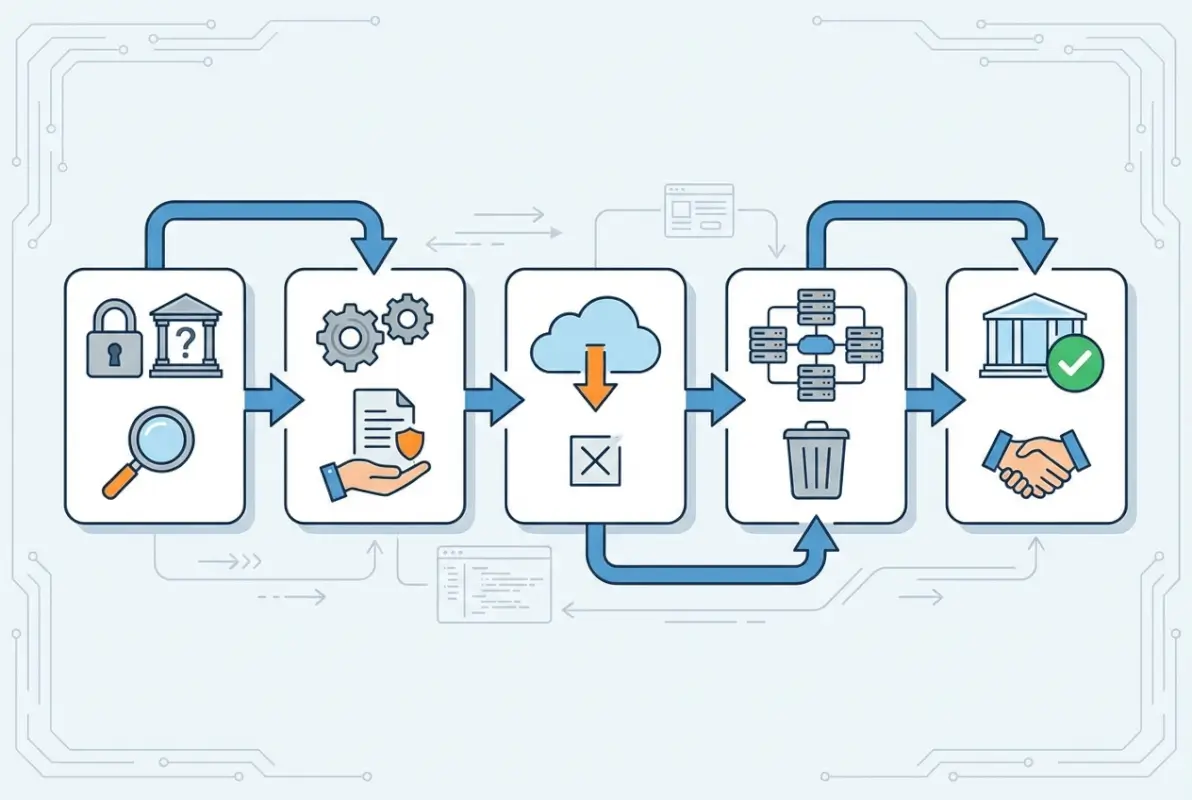
The accuracy problem compounds over time. A business that relocates updates their website and official channels but has no idea they’re listed on forty-seven different directories, thirty-nine of which still show the old address. Customers show up at the old location, can’t find the business, and assume it’s closed. Google reviews accumulate complaints about the “wrong address” on a listing the business owner doesn’t control.
Common Scenarios Where Listings Appear Without Permission
Understanding how unauthorized listings typically emerge helps businesses protect themselves and helps directory operators implement better verification processes. Here are the most frequent patterns:
- Data aggregator syndication – A business appears in one directory (perhaps legitimately), and that directory sells or shares data with aggregators who distribute it to dozens of other directories without additional verification
- Public record harvesting – Business registration filings, professional licenses, and incorporation documents become fodder for automated scraping, often pulling registered agent addresses instead of actual business locations
- Competitive intelligence gathering – Competitors add businesses to directories as part of market research or to claim “first-mover” advantage in controlling the narrative about a business category
- SEO manipulation – Marketing agencies create listings for their clients without permission, sometimes using this as justification for ongoing “directory management” services
- Well-intentioned customer additions – Satisfied customers who want to help a business gain visibility add listings without realizing they may be creating problems
The Ethical Dimension Beyond Legal Compliance
Even when creating unauthorized listings doesn’t violate laws or platform terms, significant ethical questions remain about consent, accuracy, and respect for business autonomy. Professional ethics generally dictate that you shouldn’t make decisions about another business’s online presence without their input.
Consider these scenarios where businesses intentionally limit their directory presence:
- Capacity management – Service businesses operating at full capacity don’t want additional exposure generating leads they can’t serve, which damages customer relationships and wastes everyone’s time
- Target market precision – Businesses serving specific demographics or price points avoid directories that attract incompatible customer segments who will be disappointed by the offering
- Privacy and safety concerns – Home-based businesses, counselors, legal services, and medical practices may limit address publication for security reasons or to comply with professional regulations
- Strategic competitive positioning – Companies may strategically control where their service offerings, pricing, or contact information appears to manage competitive intelligence and market positioning
- Review consolidation strategy – Businesses that focus review solicitation on one or two key platforms rather than spreading attention across many directories do this intentionally to build critical mass and manage reputation efficiently
Creating listings without consultation overrides these strategic decisions, potentially undermining carefully planned marketing approaches and business development strategies. What looks like “helping” from the outside may actually be interference from the business owner’s perspective.
How Platforms Handle Listing Ownership and Verification
Different directory platforms have developed varying approaches to balance community contributions with business owner rights and data accuracy. Understanding these systems helps both businesses protect themselves and directory operators implement effective policies.
Google implements a multi-stage system where anyone can suggest a business or propose edits, but verification is required for management control. This verification typically occurs through one of several methods designed to confirm legitimate connection to the business. The business directory boosts local marketing potential significantly, which is why Google invests heavily in these verification systems to maintain data integrity.

Verification Methods and Their Security Implications
The security level of different verification methods varies considerably, and understanding these differences matters for both claiming listings and evaluating the trustworthiness of information on various platforms:
Postcard verification (5-14 days, high security) – Google mails a postcard with a verification code to the business address. Only someone with physical access to that location can complete verification. This prevents remote bad actors from claiming listings but creates delays and doesn’t work well for businesses in mail-problematic areas.
Phone verification (immediate, medium security) – Automated calls to publicly listed business numbers with verification codes. Faster than postcards but vulnerable if an old phone number is still active or if someone else controls the listed number. Works well for service area businesses without physical locations.
Email verification (immediate, medium security) – Codes sent to business email addresses, typically requiring the email domain match the business website. Faster and more convenient but vulnerable to email compromise or if someone else controls the business email system.
Instant verification (immediate, high security) – Available for businesses that have already verified their website through Google Search Console. Leverages existing verification to streamline the process, but requires technical capability to complete Search Console verification initially.
Video verification (1-3 days, very high security) – Required for high-risk categories or when other methods fail. Business representatives record video showing the business location, signage, and themselves, which Google reviews manually. Time-intensive but highly effective at preventing fraud.
Industry-Specific Directory Policies
Specialized directories like Avvo (legal services), Healthgrades (healthcare), or TripAdvisor (travel) implement unique policies reflecting their industries’ specific needs and regulations. Healthcare directories often require professional license verification before listings can be created or claimed. Legal directories may verify bar association membership. Financial services directories might require regulatory registration confirmation.
These additional verification layers serve dual purposes: they protect consumers by ensuring listed practitioners are legitimately licensed, and they protect the platforms from liability for facilitating unlicensed practice. The listedin business directory key benefits for your business often correlate directly with verification rigor—more stringent verification typically means higher user trust and better quality leads.
According to research on common business directory mistakes, one of the most frequent problems is inconsistent verification standards leading to duplicate listings, inaccurate information, and user frustration.
Practical Steps When Your Business Is Listed Without Permission
Discovering unauthorized listings requires a systematic response that protects your business interests while maintaining professional relationships. The specific steps vary based on the platform, the accuracy of the information, and your strategic goals for that particular directory.
First, audit your current directory presence by searching for your business name across major platforms. Use variations of your business name, your personal name (if you’re a sole proprietor), your address, and your phone number. Set up Google Alerts for your business name to catch new listings as they appear.

| Step | Action | Timeline | Priority |
|---|---|---|---|
| 1. Document | Screenshot listing, note URL and date | Immediate | High |
| 2. Evaluate | Assess accuracy and strategic value | Same day | High |
| 3. Claim or Remove | Initiate ownership verification or removal request | Within 48 hours | High |
| 4. Correct | Update all inaccurate information | After verification | Medium |
| 5. Monitor | Set up alerts for future changes | Ongoing | Medium |
The Claiming vs. Removal Decision
When you discover an unauthorized listing, you face a strategic choice: claim it and correct the information, or request removal entirely. This decision should be based on several factors that go beyond simply being annoyed that someone listed you without permission.
Claim the listing when the directory has high domain authority that could benefit your SEO, when the directory serves your target customer demographic, when competitors are also listed (making your absence notable), when the listing already has positive reviews you don’t want to lose, or when the platform makes removal difficult or impossible.
Request removal when the directory has a poor reputation or association with spam, when the directory attracts customers incompatible with your business model or capacity, when maintaining the listing would require ongoing effort you can’t justify, when the listing contains false or defamatory information the platform won’t correct, or when your strategic positioning specifically requires limiting your online footprint.
For those looking to start profitable business directory steps, understanding this decision matrix helps design better user experiences and business-friendly policies that encourage claiming rather than removal.
Template for Removal or Correction Requests
When contacting directory operators about unauthorized listings, a professional, specific request yields better results than angry demands. Here’s a framework that works:
Subject: Ownership Verification Required for [Business Name] Listing
I am the owner/authorized representative of [Business Name] and have discovered a listing for my business on your directory at [specific URL] that was created without my authorization.
The listing contains the following inaccuracies: [list specific errors]. I request either (1) immediate removal of this listing, or (2) transfer of management control to me so I can correct the information.
I can provide verification of my authority to manage this listing through [business license, incorporation documents, website verification, etc.]. Please advise on your verification process and timeline for resolution.
Under [relevant data protection law, if applicable], I am exercising my right to [correct/delete] personal data processed without proper legal basis. Please confirm receipt of this request and provide a timeline for resolution.
Best Practices for Directory Operators and Contributors
If you operate a directory or contribute listings to existing directories, following ethical practices protects everyone involved—the businesses being listed, the users searching for information, and yourself from legal and reputational risk.
The fundamental principle is simple: obtain permission before creating business listings whenever possible. This isn’t just about legal compliance (though that matters), it’s about building a directory that businesses trust and actively maintain, which creates exponentially more value than a directory full of stale, contested, or abandoned listings.

According to legal guidance on directory terms and conditions, implementing clear policies around listing creation, verification, and ownership transfer protects both the platform and listed businesses from disputes.
Verification Best Practices for Directory Platforms
For directory operators, implementing systematic verification protects your platform’s credibility and reduces legal risk. Consider these verification layers as minimum standards rather than optional features:
- Initial identity verification – Confirm the person requesting a listing actually represents the business through business email addresses, phone verification, or documentation review before the listing goes live
- Ownership documentation – For high-stakes directories (legal, medical, financial services), require business licenses, incorporation documents, professional licenses, or other official proof
- Ongoing re-verification – Contact businesses annually to confirm they still operate and information remains current, especially for critical details like locations and contact information
- Change authorization – Require verification before significant listing changes to prevent unauthorized modifications by competitors or malicious actors
- Dispute resolution processes – Establish clear procedures for handling ownership disputes when multiple parties claim authority over a listing, with documented evidence requirements
The php business directory simple steps for creating platforms should always include these verification protocols from the beginning, as retrofitting verification onto an existing directory full of unverified listings creates enormous cleanup work.
Data Accuracy Maintenance Strategies
Even with permission, listing accuracy requires ongoing attention. The most effective directories implement multiple complementary strategies rather than relying on any single approach:
- Annual verification requests – Automated emails asking businesses to confirm or update their information, with easy one-click verification for unchanged listings
- User-reported error mechanisms – Allow directory users to flag potentially inaccurate information, then verify corrections with business owners before publishing changes
- Automated monitoring – Tools that detect disconnected phone numbers, websites that no longer resolve, or other indicators that listings need updating
- Business owner dashboards – Self-service interfaces where business owners can directly update their information without platform intervention
- Change notification systems – Alert business owners when changes are suggested to their listings, allowing them to approve or reject modifications before they go live
These systems work best in combination. User reports catch errors human beings notice but automated systems miss. Automated monitoring catches systematic issues (like area code changes or street renamings) that would overwhelm manual processes. Business owner dashboards keep the most motivated people—the business owners themselves—in control of their information.
Transparency and Communication
Clear communication about your directory’s policies builds trust with both businesses and users. Your terms of service and privacy policy should explicitly address how listings are created, who can claim ownership, what verification is required, how users can request corrections or removal, what data is shared with third parties, and how often information is refreshed or verified.
Don’t hide these policies in legal jargon buried in footer links. Surface the key points in plain language on your “Add a Business” page, in confirmation emails after listing creation, and in periodic communications with listed businesses. Transparency doesn’t create problems—it prevents them by setting clear expectations.
Frequently Asked Questions
Can you legally list a business on a directory without permission?
Legality varies by jurisdiction and business type. In EU countries under GDPR, listing businesses without permission may violate data protection regulations when personal data is processed without legal basis. In the US, it’s generally legal but may violate platform terms. The key factors are whether personal information is involved, applicable privacy laws, and whether false information appears.
What should I do if I discover my business listed without my knowledge?
First, document the listing with screenshots and URLs. Evaluate whether the directory has strategic value—if yes, claim the listing through the platform’s verification process rather than requesting removal. Update any inaccurate information once you have control. If the directory has no value or won’t transfer control, send a formal removal request citing inaccuracies and your rights under applicable data protection laws.
How do I opt out of business directories I never authorized?
Each directory has different opt-out processes. Most major platforms like Google and Yelp allow you to claim the listing first, then mark your business as closed or request delisting through their support systems. For smaller directories, contact the operator directly with proof of business ownership and a removal request. Under GDPR and similar laws, you may have a legal right to deletion if no legitimate processing basis exists.
Is it illegal to add someone else’s business to a directory?
Adding a business isn’t inherently illegal in most jurisdictions, but claiming to represent the business falsely violates platform terms and potentially fraud laws. In GDPR jurisdictions, processing personal data without legal basis may constitute a violation. The legality depends on what information you publish, whether you misrepresent your authority, and applicable data protection regulations in your and the business’s jurisdiction.
Why do businesses get listed on directories without permission?
Unauthorized listings typically emerge from data scraping of public records, aggregator syndication where information spreads from one directory to many others, well-intentioned customer contributions, competitor research activities, or automated listing generation by platforms that create profiles based on business mentions across the web. Each mechanism creates different accuracy and control challenges for business owners.
Can unauthorized directory listings help or hurt my business?
Both outcomes are possible. Accurate listings on high-authority directories can improve local SEO and visibility without your effort. However, inaccurate listings damage reputation when customers receive wrong information, waste marketing effort by spreading attention across unmonitored platforms, create customer service problems when you can’t respond to questions or reviews, and may violate your strategic positioning or privacy preferences.
What information can directories publish without permission?
This varies by jurisdiction. Generally, publicly available information like business names, addresses, and phone numbers from public records can be republished in most US jurisdictions. However, GDPR requires legal basis for processing even public data, particularly when it includes personal information. Information obtained through scraping or automated collection faces stricter scrutiny. The safest approach involves limiting listings to minimal public information while obtaining consent for anything beyond basic contact details.
How long does it take to remove an unauthorized business listing?
Timeline varies significantly by platform. Major directories like Google typically process removal requests within 1-2 weeks if you provide proper documentation. Yelp rarely removes listings entirely but will hide them from search within several business days. Smaller directories may take weeks or months, and some never respond to removal requests. Legal routes through data protection authorities can take months but create enforceable obligations in regulated jurisdictions.
Do I need permission to list a business if the information is publicly available?
Public availability doesn’t automatically grant permission to republish. Under GDPR and similar frameworks, processing personal data requires legal basis even when the data is public. In less regulated jurisdictions, it’s generally permissible but may still violate platform terms if you misrepresent your authority. Best practice involves obtaining permission regardless of legal requirements, as this ensures accuracy and prevents disputes or reputational damage.
What rights do business owners have over directory listings?
Rights vary by jurisdiction and platform. Generally, business owners can claim listings through verification processes, correct inaccurate information once ownership is established, request removal (though platforms may refuse), respond to reviews and customer inquiries, and in GDPR jurisdictions, exercise rights to correction, deletion, or objection to processing under data protection law. Specific rights depend on the platform’s terms and applicable regulations.
Taking Control of Your Directory Presence
The question of whether you can list a business without permission has a technically-yes-but-ethically-questionable answer. Many platforms permit community contributions, making unauthorized listing creation possible. But possibility doesn’t equal advisability, particularly when you consider data protection obligations, platform policies, accuracy challenges, and professional ethics.
For business owners, the proliferation of directories makes proactive management essential rather than optional. Waiting to discover unauthorized listings after they’ve caused problems puts you in reactive mode, fighting fires instead of strategically building your presence. Take control by claiming your business profiles on major directories, maintaining accurate information through regular audits, and monitoring for new listings as they appear.
Action Steps for Business Owners
- Audit quarterly – Search for your business across major directories to identify existing listings, both authorized and unauthorized
- Claim everything valuable – Complete verification on all platforms where your business appears and where your target customers search
- Establish monitoring – Set up alerts to discover new listings as they appear rather than months later
- Create accuracy protocols – Designate someone responsible for maintaining consistent, current information across all directory profiles
- Document preferences – Clearly communicate to partners and employees which directories you want listed on and who is authorized to create or manage listings
For marketers, SEO professionals, and anyone working with business directories, the ethical path is always clearer than the expedient one. Get permission before creating listings. Verify information directly with business owners. Respect their strategic decisions about online visibility, even when you think you know better. The short-term convenience of unauthorized listings isn’t worth the long-term damage to professional relationships and potential legal exposure.
The digital landscape continues evolving, with data protection regulations becoming stricter and consumers demanding more accurate information. Building sustainable practices around permission and accuracy today positions you well as these trends accelerate. Whether you’re protecting your own business from unauthorized listings or building directory services that respect business autonomy, the principle remains constant: permission and accuracy aren’t obstacles to overcome—they’re the foundation of trust that makes directories valuable to everyone involved.
Was this article helpful?