How to Choose the Right Therapist: A Complete Guide to Counseling Directories

Generating summary...
Finding a therapist shouldn’t feel harder than the issues you’re trying to resolve. Yet thousands of people abandon their search after scrolling through endless profiles, making a few awkward phone calls, or feeling overwhelmed by choices. Here’s what most articles won’t tell you: the directory itself isn’t the problem—it’s how you’re using it. Most people treat therapist directories like yellow pages when they should be using them as strategic filters to match very specific criteria that actually predict therapeutic success.
The quality of your therapeutic relationship matters more than the specific techniques your therapist uses, according to decades of clinical research. This means your search strategy should prioritize fit indicators—communication style, cultural competency, specialty alignment—over surface-level credentials. When you know how to read between the lines of therapist profiles and apply the right sequence of filters, counseling directories transform from overwhelming databases into precision-matching tools.
- Start with credibility checks: verify licenses through state boards before evaluating anything else
- Apply filters in order of priority: insurance/budget first, then specialty, then modality and logistics
- Use initial consultations strategically with a prepared script to test rapport and treatment approach
- Watch for red flags like vague credentials, guaranteed outcomes, or pressure tactics
- Expect to contact 3-5 therapists before finding the right match—this is normal, not a failure
Understanding Therapist Directories and How to Use Them Effectively
Therapist directories are searchable databases that connect potential clients with licensed mental health professionals based on specific criteria. Unlike general search engines, these platforms aggregate verified practitioner information and allow filtering by location, insurance acceptance, treatment specialties, session formats, and therapeutic approaches.
The most effective directories—like the APA Psychologist Locator and SAMHSA’s treatment finder—include verification processes that confirm licenses and credentials. This saves you from having to manually check every therapist’s background with state licensing boards (though you should still verify finalists).

Directories serve three distinct functions in your search: initial screening to eliminate obvious mismatches, comparison to evaluate multiple candidates side-by-side, and outreach to initiate contact efficiently. The mistake most people make is trying to find “the one” perfect profile rather than using directories to generate a shortlist of 5-7 strong candidates for further evaluation.
Different directories serve different needs. Insurance-focused directories prioritize in-network providers and cost transparency. Specialty directories like the National Queer and Trans Therapists of Color Network or platforms focused on trauma specialists help you find practitioners with specific cultural competencies or treatment expertise. General directories like Psychology Today cast a wider net but require more manual filtering.
Assessing Directory Credibility Before You Search
Not all therapist directories maintain the same verification standards. Before investing time in any platform, check whether it displays clear licensure information, includes professional credentials (LCSW, PhD, PsyD, etc.), and provides verifiable contact details for each listing.
Credible directories typically partner with professional associations, display disclaimers about independent verification of licenses, and update listings regularly to remove practitioners who’ve moved or whose credentials have lapsed. The APA Psychologist Locator exemplifies this standard by requiring active APA membership and verified state licensure.
Red flags include directories that don’t display license numbers, platforms that mix licensed professionals with unlicensed coaches without clear distinction, or listings that redirect you through multiple referral layers before revealing actual therapist information. If a directory feels like a lead-generation funnel rather than a straightforward search tool, trust that instinct.
| Directory Feature | Credible Directory | Low-Quality Directory |
|---|---|---|
| License verification | Displays license numbers, links to state boards | No license info or vague credentials |
| Contact information | Direct therapist contact details | Form submissions only, multiple referral steps |
| Profile updates | Recent activity, regular verification | Outdated information, inactive profiles |
| Specialties listed | Specific modalities and treatment focuses | Claims to treat “everything” |
How to Evaluate Therapists and Listings for Your Needs
The order in which you apply filters determines whether you waste hours scrolling or quickly identify viable candidates. Start with hard constraints—factors that absolutely must align—then layer in preferences and fit indicators.
Your first filter should always be financial accessibility: insurance acceptance if you’re using coverage, or fee ranges that match your budget for private pay. According to SAMHSA guidance, confirming payment compatibility upfront prevents you from emotionally investing in therapists you can’t afford long-term.
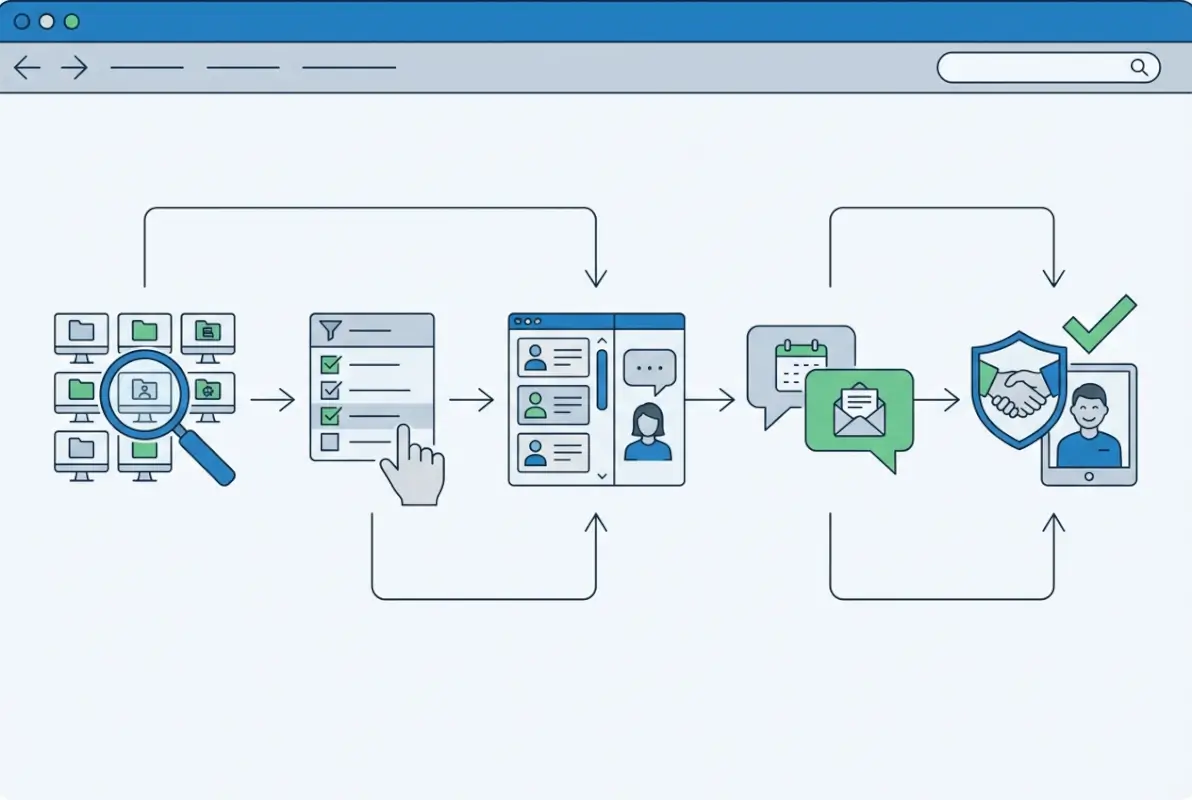
Next, filter by treatment specialty that matches your primary concern. If you’re dealing with OCD, prioritize therapists who specifically list exposure and response prevention (ERP) as a modality. For trauma, look for EMDR certification or prolonged exposure training. General listings like “anxiety and depression” are too broad—you want documented expertise in your specific challenge.
Third, apply logistical filters: location if you want in-person sessions, teletherapy capability if you need remote access, and schedule availability that matches your constraints (evening appointments, weekend sessions, etc.). These practical factors directly impact whether you’ll maintain consistent attendance, which predicts treatment success more than almost any other variable.
Key Decision Criteria Beyond the Basics
After filtering for financial and logistical fit, evaluate these deeper compatibility factors:
Treatment modality alignment: Research shows different approaches work better for different conditions. Cognitive Behavioral Therapy (CBT) has strong evidence for anxiety and depression. Dialectical Behavior Therapy (DBT) was developed specifically for emotional regulation challenges. EMDR targets trauma processing. Match the modality to your diagnosis or primary concern, not just the therapist’s general availability.
Cultural and identity competency: Therapists who share or demonstrate deep understanding of your cultural background, identity, or lived experience create stronger therapeutic alliances. Look for explicit mentions of LGBTQ+ affirmative practice, racial justice frameworks, religious/spiritual integration, or other identity-specific training if these factors matter to your experience.
Communication style preview: Many directories now include video introductions or detailed “about me” sections. Pay attention to how therapists describe their approach. Do they use jargon or speak plainly? Do they emphasize collaboration or position themselves as experts directing treatment? These subtle cues predict whether their communication style will work for you.
Red Flags That Should Eliminate Candidates
Certain warning signs should immediately remove a therapist from consideration, regardless of how well they match other criteria.
Missing or vague licensure information is disqualifying. Legitimate therapists proudly display their credentials with license numbers you can verify. If you see certifications from unfamiliar organizations instead of state licenses (LCSW, LMFT, PhD, PsyD), investigate whether those credentials meet your state’s requirements for independent practice.
Therapists who guarantee specific outcomes (“cure your anxiety in 8 weeks”) or make grandiose claims violate ethical guidelines that recognize therapy’s inherent uncertainty. Similarly, practitioners who claim to specialize in 15+ different areas likely lack deep expertise in any of them—depth beats breadth in therapeutic effectiveness.
Poor responsiveness during initial contact predicts ongoing communication problems. If a therapist takes a week to return your inquiry, misses scheduled consultation calls, or provides vague answers to straightforward questions about their approach, these patterns will continue throughout treatment.
A Step-by-Step Plan to Find the Right Therapist
Successful therapist searches follow a systematic process, not a passive browsing approach. Before opening any directory, spend 15-20 minutes documenting your requirements and preferences in writing.
Start by defining your primary treatment goals in specific, observable terms. Instead of “feel less anxious,” write “reduce panic attacks from 3x/week to 1x/month” or “attend social events without two days of anticipatory dread.” Concrete goals help you evaluate whether a therapist’s approach actually addresses your needs.

Next, list your hard constraints: budget per session, insurance requirements, geographic limitations, schedule restrictions, and any non-negotiable identity or cultural competency needs. These become your first-round filters that eliminate 70-80% of listings immediately.
Then identify your strong preferences (not dealbreakers): preferred therapeutic modality, therapist gender, years of experience, session format preferences. These become your second-round filters for ranking the candidates who passed your hard constraints.
Structured Outreach and Initial Consultation Strategy
Once you’ve identified 5-7 potential matches, create a standardized outreach approach that efficiently tests fit before committing to full sessions.
Draft a brief email template (3-4 sentences) that introduces your primary concern, asks about current availability, confirms insurance/fee information, and requests a 15-minute phone consultation. Most therapists offer these brief consultations free of charge as they’re also assessing whether they can effectively help you.
Prepare a consultation script with 4-5 questions that reveal treatment approach and compatibility:
- “What’s your typical approach for someone dealing with [your specific concern]?”
- “How do you measure progress and know when treatment is working?”
- “What would the first few sessions focus on?”
- “How do you handle situations where a client isn’t improving as expected?”
During the call, pay attention to how they answer—not just what they say. Do they listen before responding or launch into a prepared speech? Do they ask clarifying questions about your specific situation? Do they acknowledge uncertainties or pretend to have all the answers?
After each consultation, immediately rate the therapist on a simple 1-5 scale across three dimensions: technical expertise match (do they have relevant experience?), communication compatibility (did you understand each other easily?), and gut feeling (did something feel “off” or did you feel hopeful?). This prevents later conversations from blurring together in your memory.
If you’re building your own counseling directory to help others through this process, TurnKey Directories offers a WordPress plugin specifically designed for creating searchable therapist databases with the filtering capabilities and profile features clients actually need. The platform handles the technical infrastructure so you can focus on curating quality provider listings.
Making the Final Decision
After completing consultations, you should have 1-3 finalists who met your criteria and felt like potential matches. If you’re torn between candidates, default to whoever made you feel most comfortable discussing difficult topics during the consultation—that openness will be essential once therapy begins.
Schedule an initial full session with your top choice, but keep your second choice’s information readily available. It’s completely acceptable to try 2-3 sessions with one therapist and switch if the fit isn’t right. Most therapists won’t be offended if you decide to work with someone else—they understand that compatibility matters.
The research from NIMH indicates that therapeutic alliance—the relationship quality between client and therapist—forms within the first three sessions. If you’re not feeling a connection by session three, that’s valuable data, not a failure.
Understanding Insurance and Payment Options
Cost concerns derail more therapy searches than any other single factor, but understanding the full range of payment options reveals more flexibility than most people realize.
If you’re using insurance, verify coverage details before your first session, not after. Call your insurance company directly (directory listings can be outdated) to confirm the therapist is in-network, understand your deductible status, learn your co-pay or coinsurance amount, and ask whether you need prior authorization for mental health services.

In-network therapists have contracted rates with your insurer, typically resulting in $20-50 co-pays per session regardless of the therapist’s full fee. Out-of-network therapists charge their full rate ($100-250+ per session in most areas), but many insurance plans reimburse 50-80% after you meet your out-of-network deductible. Some people intentionally choose out-of-network therapists they prefer and submit claims for partial reimbursement.
For those without insurance coverage, explore these alternatives before abandoning your search:
Sliding scale fees: Many therapists reserve slots for reduced-fee clients based on income. These rates typically range from $50-100 per session. Some directories specifically filter for sliding-scale availability, or you can directly ask therapists who don’t advertise it—many will negotiate for clients who are otherwise good fits.
Community mental health centers: Federally Qualified Health Centers and community mental health organizations charge on sliding scales and often accept Medicaid. The SAMHSA provider locator includes these facilities, which are specifically designed for underserved populations.
Training clinics: University counseling programs and postgraduate training institutes offer supervised therapy from graduate students or newly licensed professionals at substantially reduced rates ($20-60 per session). While providers are less experienced, they receive intensive supervision and often have more time for each client than busy private practitioners.
| Payment Option | Typical Cost Per Session | Best For |
|---|---|---|
| In-network insurance | $20-50 co-pay | Those with comprehensive insurance plans |
| Out-of-network with reimbursement | $50-125 after reimbursement | Those who want specific therapist but have out-of-network benefits |
| Sliding scale private practice | $50-100 | Lower income individuals seeking experienced therapists |
| Community mental health center | $0-50 based on income | Uninsured or underinsured populations |
| Training clinic | $20-60 | Budget-conscious clients comfortable with supervised trainees |
Top Counseling Directory Platforms Worth Using
Different directories excel at different search priorities, so understanding each platform’s strengths helps you choose the right tool for your specific needs.
Psychology Today Therapist Finder remains the largest general directory with detailed profiles, extensive filtering options, and therapist self-descriptions that reveal personality and approach. Its size is both strength and weakness—you’ll find many options but may feel overwhelmed. Best for: broad initial searches when you’re not sure exactly what you need.

TherapyDen has built a reputation for inclusive, anti-oppressive practice with particularly strong representation of LGBTQ+-affirming therapists and practitioners with racial justice frameworks. Profiles tend to be more personal and values-explicit than other directories. Best for: individuals seeking culturally competent care and therapists who explicitly address identity and oppression in their work.
Alma focuses specifically on insurance acceptance and transparent billing, making it easier to find in-network providers and understand costs upfront. The platform also emphasizes diverse provider backgrounds. Best for: insurance users who want cost clarity and diverse practitioner options.
Open Path Collective offers a nationwide network of therapists who provide reduced-fee sessions ($30-80) after a one-time $65 membership fee. All providers are vetted and commit to offering affordable slots. Best for: uninsured or underinsured individuals seeking long-term affordable therapy.
Inclusive Therapists curates a directory specifically of practitioners committed to anti-racism, social justice, and liberation-focused practice. Smaller than mainstream directories but highly vetted for values alignment. Best for: those seeking therapists who explicitly integrate anti-oppression frameworks into clinical work.
For those building their own specialized counseling directories—whether for a particular geographic region, treatment specialty, or underserved population—platforms like TurnKey Directories provide the infrastructure to create searchable, filterable databases with the same professional features major directories offer, but customized to your community’s specific needs.
How do I know if a therapist is properly licensed?
Verify credentials directly through your state’s licensing board website, which maintains searchable databases of all licensed mental health professionals. Look for active licenses in clinical psychology (PhD, PsyD), clinical social work (LCSW), marriage and family therapy (LMFT), or professional counseling (LPC). The therapist’s license number should match board records exactly.
What questions should I ask during an initial consultation?
Ask about their specific experience with your presenting concern, their typical treatment approach and timeline, how they measure progress, their availability and cancellation policies, and what happens if you’re not improving as expected. Pay attention to whether they ask clarifying questions about your situation rather than providing generic answers.
Can I switch therapists if the first one isn’t a good fit?
Absolutely. Most therapists expect that not every client will be a good match and won’t take it personally if you decide to work with someone else. The therapeutic relationship quality predicts outcomes more than specific techniques, so finding the right fit matters more than loyalty to your first choice. Give it 2-3 sessions, then reassess.
How long does it typically take to find the right therapist?
Most people contact 3-5 therapists and schedule 1-2 initial consultations before finding a good match. The entire search process typically takes 1-3 weeks if you’re systematic about it. Using directory filters strategically can reduce this timeline significantly by eliminating poor matches before you make contact.
Do online therapy platforms work as well as traditional directories?
Online therapy platforms like BetterHelp match you with employed therapists and provide the technology for sessions, while directories help you find independent practitioners. Platforms offer convenience and often lower costs but less choice in specific therapist selection. Research shows teletherapy outcomes are comparable to in-person for most conditions, so format matters less than finding the right practitioner.
What if I can’t afford any of the therapists in my area?
Explore community mental health centers that charge on sliding scales, university training clinics with supervised therapists at reduced rates, Open Path Collective’s $30-80 sessions, or therapists who reserve sliding-scale slots but don’t advertise them publicly. Many practitioners will negotiate fees for clients who are good clinical matches but facing financial constraints.
Should I prioritize therapist credentials or personal fit?
Verify basic qualifications first (active license, relevant training for your concern), then prioritize personal fit. Research consistently shows therapeutic alliance predicts outcomes more strongly than credentials or specific techniques. A well-matched LCSW will help you more than a poorly-matched PhD. Use credentials to screen, fit to decide.
How do I find a therapist who understands my cultural background?
Use specialized directories like TherapyDen, Inclusive Therapists, the National Queer and Trans Therapists of Color Network, or Therapy for Black Girls that specifically highlight cultural competencies. Filter general directories by languages spoken, cultural specialties, and identity-affirming practice. During consultations, directly ask about their experience working with clients from your background.
Start Your Search with Confidence
Finding the right therapist doesn’t require luck—it requires a systematic approach that filters for the factors that actually predict therapeutic success. By verifying credentials first, applying filters in priority order, conducting structured consultations, and trusting your assessment of personal fit, you dramatically increase your chances of finding a practitioner who can genuinely support your mental health goals.
The barriers to getting help are lower now than they’ve ever been. Counseling directories have removed the guesswork and reduced the time investment from weeks to days when you use them strategically. Take the first concrete step today: open two directories, apply your hard-constraint filters, and reach out to three potential matches. Your future self will thank you for starting now rather than waiting for the perfect moment that never comes.
Was this article helpful?