
How to Build a Directory Website: A Profitable Step-by-Step Guide (2025)
Opens a Google-translated copy of this article in a new tab.
Building a directory website is one of the most proven ways to create a sustainable online business. Unlike content sites that rely solely on ads, directories create value by connecting people with businesses, services, or resources—and businesses will pay for that visibility. If you’re wondering how to create a directory website that actually generates revenue, you’re in the right place.
The directory business model works because it solves a real problem: people need to find specific services, and businesses need to be found. Whether you’re building a local business directory, a niche industry resource, or a specialized listing site, the fundamentals remain the same. I’ve personally built three directory websites over the past six years, and the one that succeeded wasn’t the most complex—it was the one with the clearest focus and best user experience.
This guide walks you through the exact process of how to build a directory website from planning to profitability. You’ll learn which platform to choose, how to structure your site for search engines, and the monetization strategies that actually work. Most importantly, you’ll understand how to validate your idea before investing months of work.
TL;DR – Quick Takeaways
- Niche specificity matters more than breadth – Successful directories dominate one vertical rather than competing broadly
- WordPress with directory plugins is the fastest path – Platforms like TurnKey Directories offer the best balance of flexibility and ease
- Monetization should be built in from day one – Featured listings and tiered plans convert 15-20% of free users to paid
- SEO drives sustainable traffic – Proper listing structure and schema markup are critical for visibility
- Quality beats quantity for listings – Start with 50 excellent listings rather than 500 poor ones
- Launch takes 2-3 weeks, profitability takes 6-12 months – Set realistic expectations and optimize continuously
Validate Your Niche and Market Before You Build
The biggest mistake people make when building a directory website is choosing a niche without validating demand. You need real evidence that businesses will pay for visibility and users will actually search for what you’re offering.
Start by examining search volume for your target keywords. If you’re considering a wedding vendor directory for Austin, check how many people search for “Austin wedding photographers” or “wedding venues Austin Texas.” Tools like Google Keyword Planner or Ubersuggest will show you monthly search volumes. Look for niches with at least 1,000 combined monthly searches across your main keyword clusters.

Next, analyze the competition that already exists. Open an incognito browser and search for your main terms. What shows up? If major platforms like Yelp or Google Business dominate with no specialized directories, that’s actually an opportunity. The gap means users aren’t being served well by generic platforms. I once researched “sustainable product suppliers” and found only outdated directories with poor UX—that validation told me there was room for something better.
Check if businesses in your niche have marketing budgets. Look at whether they advertise on Google, maintain social media presence, or pay for listings on other platforms. If businesses aren’t investing in visibility anywhere, they won’t pay for your directory either. According to research from the U.S. Census Bureau, small businesses spend an average of 7-8% of revenue on marketing, which means they have budget if you can prove value.
Your market validation checklist should confirm sufficient search demand (1,000+ monthly searches), identifiable competition gaps (features or niches underserved), businesses with marketing budgets (evidence of paid advertising), and long-term industry stability (growing or stable market, not declining). Don’t skip this step—it determines whether you’re building a business or a hobby project.
Choose Between Local, Vertical, and Horizontal Directories
Directory websites fall into three main categories, each with different competitive dynamics and monetization potential.
Local directories focus on a specific geographic area—think “Brooklyn restaurants” or “Denver home services.” These benefit from lower competition and strong community connections. Your advantage is local knowledge and relationships with area businesses. The limitation is a ceiling on total listings and revenue unless you expand to multiple cities.
Vertical directories serve a specific industry nationwide, like “architectural firms” or “organic food suppliers.” These can scale nationally and command higher listing fees because they reach a professional audience. The challenge is that you’re competing with established industry associations and specialized platforms.
Horizontal directories list many business types in one location—essentially a general business directory for a city. These face the most competition from Google Business and established platforms, but they can work in underserved markets or with exceptional execution.
I recommend starting vertical or local. The narrower your focus, the easier it is to become the definitive resource. You can always expand later once you’ve proven the model works.
Choose Your Platform and Set Up the Technical Foundation
How you build your directory website determines everything from launch speed to long-term scalability. The right platform balances ease of use with customization flexibility.
For most people building their first directory, WordPress with a dedicated directory plugin is the smart choice. It offers a proven ecosystem, extensive customization options, and hundreds of compatible plugins. You don’t need coding skills to get started, but you have the option to customize if needed later.

TurnKey Directories (turnkeydirectories.com) is specifically built for creating business directory websites on WordPress. It includes built-in monetization features, submission forms, search functionality, and mobile-responsive templates. Other solid options include Business Directory Plugin, GeoDirectory (excellent for location-based directories), and Directorist.
Specialized directory platforms like Brilliant Directories or eDirectory offer all-in-one solutions with hosting included. They’re easier initially but more expensive long-term ($50-200 monthly vs. one-time WordPress plugin costs). You also have less control over customization and you’re locked into their ecosystem.
Custom development using Laravel or Django makes sense only if you have very specific requirements that no existing platform can handle, or if you’re building something you plan to scale to millions of listings. For 95% of directory projects, this is overkill and will cost $5,000-$50,000+ versus $200-500 for a WordPress solution.
| Platform Type | Best For | Launch Time | Cost Range |
|---|---|---|---|
| WordPress + Plugin | Most directory projects | 2-3 weeks | $200-$500 one-time |
| Specialized Platform | Non-technical users | 1-2 weeks | $50-$200/month |
| Custom Development | Unique requirements | 3-6 months | $5,000-$50,000+ |
Essential Technical Setup Steps
Once you’ve chosen WordPress with a directory plugin, your technical setup follows a predictable sequence. First, purchase hosting from a provider optimized for WordPress—SiteGround, WP Engine, or Kinsta all offer excellent performance. You need at least 99.9% uptime, SSD storage, and one-click WordPress installation. Budget $10-30 monthly for hosting suitable for a growing directory.
Choose a domain name that’s memorable, includes a relevant keyword if possible, and uses a .com extension. Exact-match domains aren’t as powerful for SEO as they used to be, but “DenverPlumbers.com” still signals your focus better than “SmithBusiness.com.” Register it through Namecheap or your hosting provider.
Install WordPress, then add your directory plugin. TurnKey Directories and similar solutions come with setup wizards that guide you through initial configuration. You’ll define your listing submission fields, set up categories, configure search filters, and establish your pricing tiers for paid listings.
Critical plugins beyond your directory solution include an SEO plugin (Yoast or Rank Math), a security plugin (Wordfence or Sucuri), a caching plugin (WP Rocket or W3 Total Cache), and a backup solution (UpdraftPlus). According to Google’s webmaster guidelines, site speed and security directly impact search rankings.
Structure Your Site Architecture for SEO and Usability
Your site structure determines how easily users find listings and how well search engines index your content. Plan these core pages before launch: a homepage with search and featured listings, category pages for each business type (e.g., /restaurants/, /contractors/), individual listing detail pages (e.g., /listing/joes-pizza/), a submission page where businesses add their listings, pricing/plans page explaining monetization tiers, about and contact pages, and terms of service plus privacy policy.
URL structure matters for both SEO and user experience. Use clean, readable URLs like yoursite.com/category/listing-name rather than yoursite.com/?p=12345. Enable pretty permalinks in WordPress and configure your directory plugin to use semantic slugs. When planning how to organize active directory for business environment or similar systems, logical hierarchies help both users and search engines understand your content structure.
Implement schema markup for local businesses from day one. This structured data tells search engines exactly what each listing represents—business name, address, phone, hours, ratings—and can earn you rich results in search. Most modern directory plugins include schema markup automatically, but verify it using Google’s Rich Results Test.
Create Your Initial Listings and Submission System
An empty directory looks unprofessional and won’t attract either users or business listings. You need to seed your platform with quality initial content before launching publicly.
Start by manually creating 30-50 high-quality listings in your niche. If you’re building a directory of marketing agencies in Chicago, research the top firms, visit their websites, and create detailed listings with accurate information. Include complete contact details, comprehensive descriptions (150-200 words minimum), 3-5 high-quality images, business hours and pricing information where applicable, and proper categorization.

Where do you source this initial data? Public business registries and chamber of commerce listings provide names and contact information. Business websites offer descriptions and images. Industry associations often maintain member directories you can reference. Google Business listings are publicly visible. Just never copy descriptions verbatim—rewrite in your own words to avoid duplicate content issues.
As you create listings, maintain consistent formatting. Use a template approach where each listing includes the same information fields: overview, services offered, years in business, service area, contact information, and social media links. This consistency helps users compare options and makes your directory feel professional.
Set Up User Submission and Business Claiming
Once you have seed content, enable business owners to submit new listings and claim existing ones. Your submission form should collect business name, category and subcategory, complete address with map verification, phone and website, description (with minimum and maximum character counts), business hours, pricing tier selection, and 3-5 photos with quality requirements.
Implement a moderation workflow before listings go live. Every submission should be reviewed for accuracy and completeness, checked for duplicate entries, verified with a phone call or website confirmation, and scanned for spam or inappropriate content. I learned this lesson the hard way when I launched a directory without moderation—within two weeks I had 40 spam listings for dubious services that hurt our credibility.
Allow businesses to claim listings you’ve created. When an owner claims their listing, they should verify ownership (via business email or phone), then gain access to edit their information, respond to reviews, view analytics on their listing performance, and upgrade to premium tiers. This claiming feature is powerful—it converts manual listings into engaged users who often become paying customers.
Write Descriptions That Convert and Rank
Generic listing descriptions provide little value. Users want specific information that helps them make decisions, and search engines reward unique, detailed content.
Each listing description should answer what makes this business unique, what specific services or products they offer, who their ideal customer is, what their pricing range is (budget, mid-range, premium), and what area they serve. For a restaurant listing, mention cuisine type, signature dishes, ambiance and atmosphere, price per person, and whether they take reservations.
Incorporate keywords naturally without stuffing. If you’re listing a Brooklyn coffee shop, mention “Brooklyn” and “coffee shop” once or twice along with related terms like “specialty coffee,” “espresso,” and the neighborhood name. According to guidance from Google’s helpful content guidelines, write for humans first and search engines second.
Include a call-to-action in each listing. Direct users to visit the website, call for a consultation, book a table, or request a quote. Listings that drive conversions are more valuable to businesses, which increases their willingness to pay for premium placement.
Implement Monetization and Pricing Tiers
A directory website without monetization is just an expensive hobby. Your revenue model should be built into the platform from day one, not bolted on later.
The freemium model works best for most directories. Offer basic listings free to build your database and create value for users. Then charge for enhanced features that provide genuine benefits to businesses. This approach grows your listing count quickly while generating revenue from businesses that see the value.
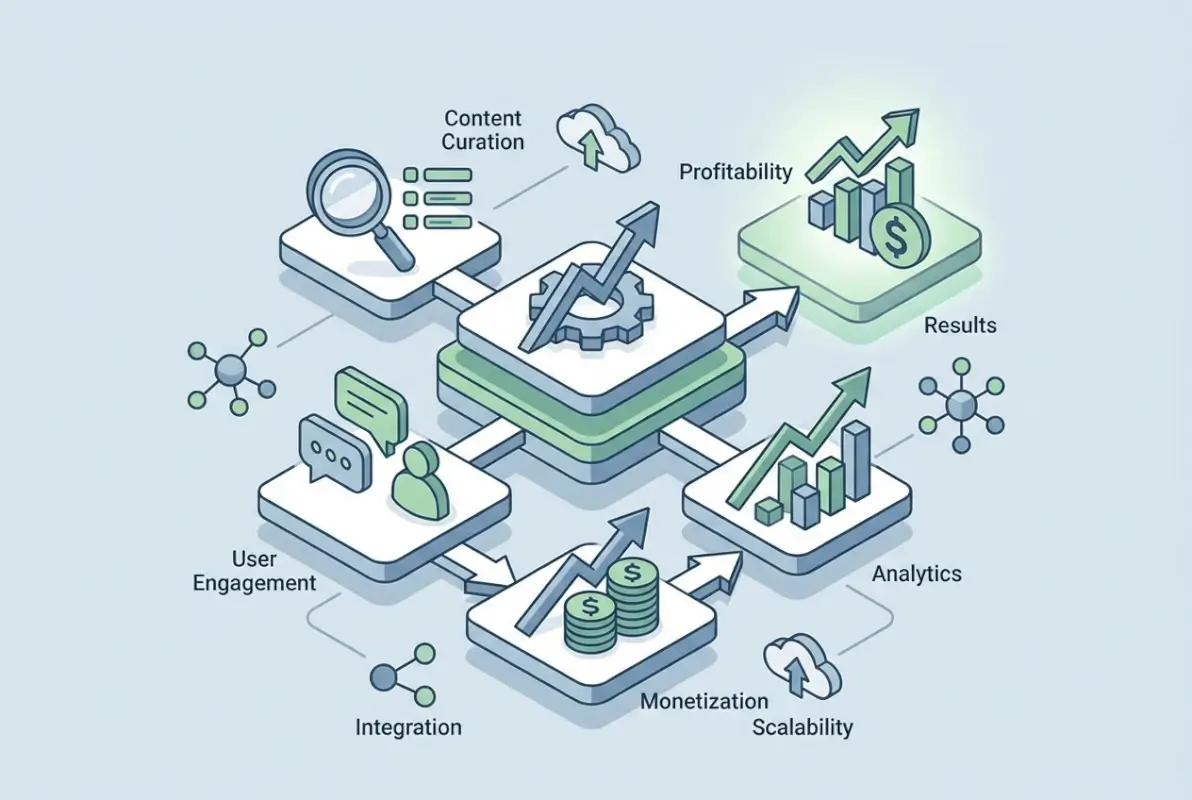
Your pricing tiers typically follow this structure: Free listings with basic contact information, one photo, standard placement in search results, and limited description length. Premium listings ($25-75 monthly) add unlimited photos and video, extended description space, featured placement in category pages, highlighted listing badges, and social media links. Featured listings ($75-150 monthly) include top placement in search results, homepage featured rotation, enhanced profile customization, and performance analytics.
Determine your pricing based on business size and marketing budgets in your niche. Small local businesses might pay $25-50 monthly, while professional services like law firms or consultants might pay $100-200. Look at what competitors charge, but don’t be afraid to price higher if you deliver superior value. According to data from the Bureau of Labor Statistics, businesses in professional services allocate significantly more to marketing than retail or hospitality.
Additional Revenue Streams Beyond Listing Fees
Diversifying your revenue reduces dependence on any single source. Consider these additional monetization strategies for building a directory website:
Display advertising works when you have significant traffic (5,000+ monthly visitors). Sell banner placements to businesses relevant to your niche. A local directory might sell ads to insurance agents, real estate brokers, or financial advisors. Keep ads highly relevant—irrelevant ads damage user experience faster than they generate revenue.
Sponsored content and featured articles let businesses pay for in-depth profiles or guides. A wedding directory might create “How to Choose Your Wedding Photographer” sponsored by a top-tier photography studio. This provides value to users while generating revenue beyond standard listings.
Affiliate partnerships work well for directories in certain niches. If you list SaaS tools, you can join affiliate programs and earn commissions when users sign up through your links. If you’re building a local business directory, affiliate programs for business services like accounting software or payment processors can add recurring revenue.
Lead generation fees apply when you directly connect users with businesses. Instead of just listing businesses, you collect contact requests from users and deliver them to businesses for a fee per lead. This works particularly well for high-value services like legal, financial, or home improvement.
Remember to balance monetization with user experience. The goal is to create genuine value for businesses that justifies their payment, not to squeeze every possible dollar from users at the expense of usability. When I implemented key steps run successful directory website business strategies, I found that directories with transparent, fair pricing converted better than those with aggressive upselling.
Set Up Payment Processing and Subscription Management
Your directory needs seamless payment processing for listing fees and subscriptions. Most directory plugins integrate with Stripe or PayPal, which handle credit cards, automated billing, and subscription management.
Configure automated billing cycles (monthly or annual subscriptions), email receipts and renewal reminders, automatic downgrade when payment fails (premium to free tier), and clear cancellation processes. Make cancellation easy—difficult cancellation processes create chargebacks and damage your reputation.
Offer both monthly and annual payment options. Annual subscriptions typically convert at 20-30% and provide better cash flow, but monthly options lower the barrier to entry. Consider offering a discount for annual payment (e.g., 2 months free when paying annually).
Optimize for SEO and User Experience
Building a directory website is pointless if users can’t find it, this is where SEO and user experience work together to drive sustainable growth.
Directory websites have natural SEO advantages. Each listing creates a unique page targeting specific keywords. A plumbing directory in Seattle automatically generates pages optimized for “Seattle plumber,” “[neighborhood] plumbing services,” and individual business names. The key is structuring these pages correctly.

Every listing page needs a unique, descriptive title tag following this formula: [Business Name] – [Category] in [Location] | [Your Directory Name]. For example, “Joe’s Pizza – Italian Restaurant in Brooklyn | NYC Food Guide.” Keep title tags under 60 characters to avoid truncation in search results.
Meta descriptions should be unique for each listing, summarizing what makes that business valuable in 150-155 characters. While meta descriptions don’t directly impact rankings, they dramatically affect click-through rates from search results. A compelling meta description can double your CTR compared to a generic one.
Category pages are your highest-value SEO assets. These pages can rank for competitive terms like “Austin wedding photographers” or “Chicago marketing agencies.” Each category page should include unique introductory content (200-300 words explaining the category), filters to refine results, and listings displayed with key information visible. Avoid thin content—a category page with just a list of business names won’t rank.
Implement Structured Data for Rich Results
Schema markup tells search engines exactly what your content represents. For directory websites, LocalBusiness schema is essential. This structured data enables rich results in search—star ratings, business hours, price range, and other details display directly in Google search results.
Most directory plugins include schema markup automatically, but verify implementation using Google’s Rich Results Test. Check that each listing includes schema for name, address, phone (NAP consistency is critical), business type/category, ratings and reviews, operating hours, and price range.
According to research from Schema.org documentation, properly implemented structured data can improve visibility in local search results by 30-40%.
Mobile Optimization Is Non-Negotiable
Over 60% of directory searches happen on mobile devices. Your site must work flawlessly on smartphones and tablets. This means responsive design that adapts to screen size, touch-friendly navigation with adequate tap targets, fast loading speeds (under 3 seconds ideally), readable text without zooming, and easy-to-use search filters on small screens.
Test your directory on actual mobile devices, not just desktop browser resize. I once launched a directory that looked perfect in Chrome’s mobile simulator but had unusable filters on real iPhones—we lost two weeks of traffic before fixing it.
Internal Linking Strategy for Directories
Strategic internal linking distributes authority throughout your directory and helps search engines understand relationships between content. Link category pages to related categories, individual listings to their category pages, blog content (if you publish guides) to relevant listings, and featured businesses from homepage to their detail pages.
Use descriptive anchor text that includes relevant keywords. Instead of “click here,” use “Brooklyn Italian restaurants” or “see top-rated plumbers.” This helps both users and search engines understand what they’ll find when clicking.
Frequently Asked Questions
How do I build a directory website from scratch?
Start by validating your niche with search volume data, then choose WordPress with a directory plugin like TurnKey Directories. Create 50 quality seed listings, set up monetization tiers, implement schema markup, and launch with a focused marketing plan. The entire process takes 2-3 weeks from start to launch.
Are directory websites profitable in the current market?
Yes, directory websites remain profitable when they serve a specific niche well. Successful directories typically earn $2,000-$10,000 monthly within 12-18 months through listing fees, featured placements, and advertising. The key is focusing on a niche where businesses have marketing budgets and compete for customer attention.
What is the best platform to create a directory website?
WordPress with a dedicated directory plugin like TurnKey Directories offers the best balance of ease and flexibility for most projects. It provides built-in monetization, search functionality, and mobile responsiveness without requiring coding skills. Specialized platforms like Brilliant Directories work too but cost more long-term with less customization control.
How do I monetize a directory website effectively?
Use a freemium model with free basic listings and paid premium tiers at $25-75 monthly. Premium listings get featured placement, unlimited photos, enhanced profiles, and analytics. Additional revenue comes from display advertising, sponsored content, affiliate partnerships, or lead generation fees depending on your niche.
How long does it take to build a directory website?
Using WordPress with a directory plugin, you can launch a basic directory in 2-3 weeks. This includes setup, creating seed listings, configuring monetization, and implementing SEO. However, reaching profitability typically takes 6-12 months of consistent marketing and listing acquisition.
What makes a directory website successful?
Successful directories focus on a specific niche, maintain high-quality verified listings, provide exceptional search and filter capabilities, implement user reviews for trust, and optimize for mobile users. They prioritize user experience over listing quantity and continuously improve based on user behavior data.
How do I drive traffic to my new directory website?
Focus on SEO through optimized listing pages, category pages with unique content, and LocalBusiness schema markup. Complement this with partnerships with local business associations, content marketing through niche-relevant guides, and encouraging listed businesses to link to their profiles. Paid advertising works for testing but SEO drives sustainable long-term traffic.
Should I start with a local or niche-specific directory?
Start with whichever you have stronger knowledge and connections in. Local directories benefit from lower competition and community relationships. Niche directories can scale nationally and often command higher listing fees. Both work—the key is dominating one focused area rather than trying to compete broadly against established platforms.
Launch Your Directory and Start Building Revenue
Building a directory website is one of the most practical online business models because it creates tangible value—connecting people with services they need and businesses with customers they want. Unlike content sites that rely purely on ad revenue, directories generate income from multiple streams while serving both sides of the market.
The path from idea to profitability follows a clear sequence: validate your niche with hard data, choose WordPress with a directory plugin for fast launch, create 50 high-quality seed listings before going public, implement freemium monetization from day one, optimize every listing page for SEO with schema markup, and focus on user experience above all else. Most directories that fail do so because they skip validation or launch with empty databases, not because the model doesn’t work.
Your biggest competitive advantage is focus. The narrower and more specific your niche, the easier it becomes to dominate and the more valuable your platform becomes to both users and businesses. A directory of vegan restaurants in Portland is infinitely more valuable than a generic restaurant directory competing with Yelp.
Start today by validating your niche, choosing your platform, and creating those first 50 listings. The directory you build over the next few weeks could generate meaningful revenue for years to come—but only if you actually start. When people search for white label business directory software solutions or tools to build directories efficiently, they’re looking for exactly what you can create with the right foundation and consistent execution.
What niche will you serve? The opportunity exists right now in hundreds of underserved markets waiting for someone to build the definitive resource.
Was this article helpful?