What Is the Best Location for a Flower Shop? Your Complete Guide to Finding Quality Florists Nearby
Generating summary...
Here’s something most people get wrong about finding a great flower shop: they assume the closest one will do the job. I learned this the hard way when I ordered “fresh” roses from the shop two blocks away for my anniversary, only to have them droop within 24 hours. Meanwhile, my neighbor’s bouquet from a florist fifteen minutes across town stayed vibrant for over a week.
What is the best location for a flower shop? The answer isn’t just about distance—it’s about understanding how a florist’s physical location affects everything from flower freshness to delivery reliability, pricing, and specialty services. A shop’s proximity to wholesale markets, their delivery infrastructure in your neighborhood, and even their rent costs all play into whether you’ll receive stunning arrangements or disappointing stems.
The florist landscape has changed dramatically. According to the U.S. Census Bureau, there are over 31,000 retail florist establishments nationwide, but quality varies wildly. Some shops are positioned perfectly to serve your area with fresh inventory and reasonable fees, while others—despite fancy websites—struggle with logistics that leave customers frustrated.
- Location matters beyond distance – proximity to suppliers, delivery zones, and overhead costs all affect your experience
- Check delivery infrastructure – a shop’s established routes in your area determine reliability and fees
- Balance convenience with quality – the nearest shop isn’t always the best option for freshness or value
- Use map-based search strategically – filter by actual delivery capabilities, not just straight-line distance
- Verify location-specific reviews – read feedback from customers in your neighborhood, not citywide averages
- Consider specialty alignment – downtown florists excel at corporate work; neighborhood shops often provide better personal service
Understanding the Local Florist Landscape: Location, Proximity, and Quality
The relationship between a flower shop’s location and the quality you receive is more complex than most people realize. It’s not just about how many minutes it takes to drive there or how quickly they can deliver to your address.
A florist’s physical location determines their access to fresh inventory, their operational costs, and their ability to serve your specific area efficiently. According to Pew Research Center, 79% of Americans now shop online, but local proximity still matters tremendously for perishable goods like flowers.
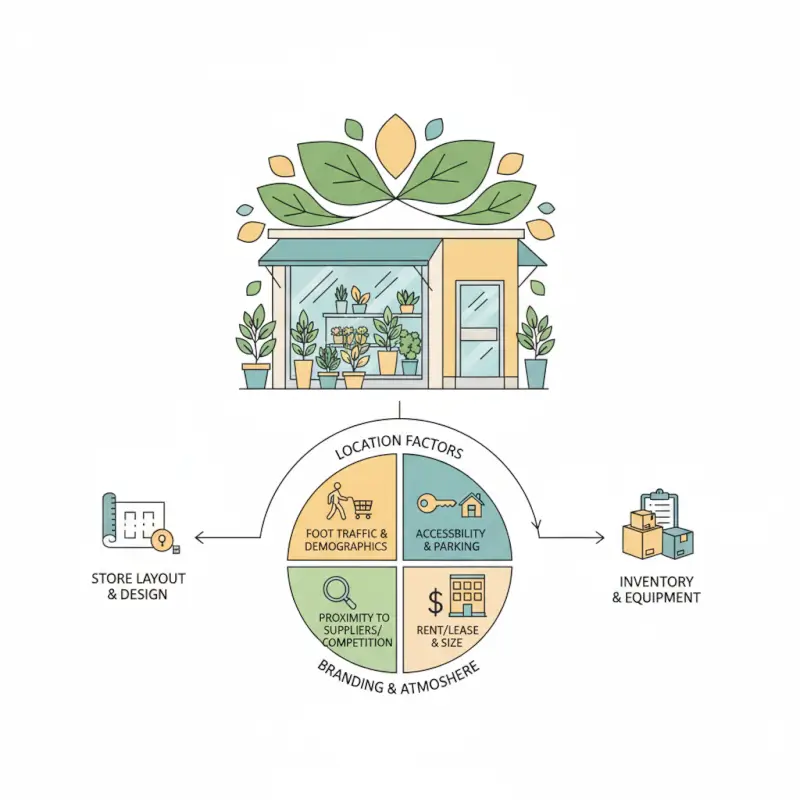
Think about it this way: a shop located near major flower markets can refresh their inventory daily, offering you stems that arrived just hours ago. Meanwhile, a florist in a remote location might rely on weekly deliveries, meaning the “fresh” roses you’re ordering could already be several days old. I once visited two shops on the same day—one downtown near the wholesale district, one in a suburban strip mall. The downtown shop’s cooler was restocked that morning with locally-sourced peonies; the suburban shop was still selling tulips from the previous week’s shipment.
What makes a great local flower shop beyond distance
Distance alone tells you almost nothing about whether a florist will meet your needs. The best flower shop for you combines several location-related factors that work together.
First, consider their supply chain positioning. Florists located within 30 minutes of major flower markets typically offer superior freshness and variety. They can source specialty blooms on short notice and maintain higher inventory turnover. This means the stems you purchase haven’t been sitting in coolers for days waiting for someone to buy them.
Second, look at their delivery infrastructure in your specific area. A shop might be geographically close to you but still charge premium fees if you’re outside their primary delivery zone. Research from Bureau of Labor Statistics shows delivery costs have increased significantly, making route efficiency more important than ever.
Third, evaluate their specialization relative to your needs. Downtown florists often focus on corporate clients and events—they’re positioned to handle business deliveries, large installations, and high-volume orders. Their overhead is higher (think premium rent and parking challenges), but they excel at professional arrangements. Neighborhood shops, conversely, often specialize in personal occasions: birthdays, anniversaries, sympathy arrangements. They typically offer more personalized service and better value for individual orders.
Inventory variety matters too, and it’s directly tied to location. Shops with consistent customer traffic can justify carrying diverse selections—roses, seasonal stems, exotic tropicals, and specialty items. Low-traffic locations often stock only basics because they can’t risk stems going unsold.
Balancing location, accessibility, and specialty needs
Your ideal florist depends entirely on what you need and when you need it. Different scenarios call for different location priorities.
For last-minute orders, proximity and same-day delivery capabilities trump everything else. You need a shop within their primary delivery zone who can guarantee arrival within hours. Check their cutoff times for your specific area—shops farther from your delivery address typically require earlier order placement.
For planned events (weddings, corporate functions, major celebrations), specialty expertise matters more than distance. You might drive 45 minutes to consult with a florist known for exceptional wedding work, even if closer options exist. Their location becomes less relevant when you’re planning weeks or months ahead.
Urban versus rural considerations shift the equation completely. In dense cities, multiple florists may serve overlapping territories, giving you options to compare. In rural or suburban areas, your choices might be limited to one or two shops with practical delivery access to your location, making location a constraint rather than a selection criterion.
Corporate clients often prioritize downtown locations for weekly office deliveries or client gifts. These shops understand business schedules, offer account billing, and maintain inventory suitable for professional settings. Residential customers, however, often get better value and more personalized attention from neighborhood florists who focus on individual relationships rather than volume business.
How to Find and Compare Flower Shops Near You
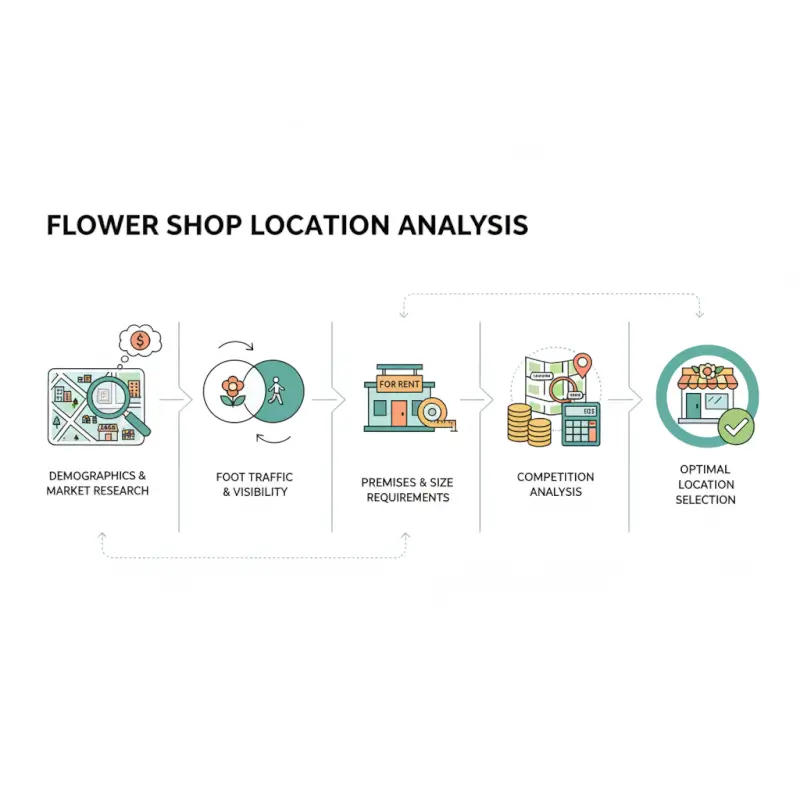
Finding florists in your area requires more strategy than typing “flower shop near me” into Google Maps. You need a systematic approach that uncovers reliable options while filtering out shops that look great online but deliver disappointing results.
The challenge is separating genuinely excellent local florists from those gaming their online presence with fake reviews or misleading photos. TurnKey Directories (turnkeydirectories.com) offers WordPress-based directory solutions that help customers discover verified local service providers, but you’ll still need to dig deeper on individual florists.
Start by understanding that “near me” results prioritize proximity, not quality. Google shows you shops based on distance and their local SEO performance, which doesn’t correlate with arrangement quality or service reliability. You might see a florist listed first because they’re 0.3 miles closer than their competitor, even if that competitor has vastly superior reviews and delivery performance in your neighborhood.
Efficient search and map-based discovery
Map-based searches work best when you layer multiple filters beyond simple distance. Start with Google Maps, but don’t stop there—cross-reference results with Yelp, Angie’s List, and specialized floral platforms like BloomNation or FTD’s local finder.
When searching, use specific parameters that match your needs. Instead of “florists,” try “same-day flower delivery [your zip code]” or “wedding florist [your neighborhood].” This surfaces shops that explicitly offer those services rather than making you contact each one individually to ask.
Pay attention to delivery radius indicators. Many florists now display their service areas directly on their Google Business Profile or website. If this information isn’t visible, it’s often a red flag—professional shops understand customers need this detail and make it easy to find.
Look for these signals of established, quality operations:
- Complete business listings with photos of actual arrangements (not just stock images)
- Professional website with portfolio examples and clear pricing
- Physical storefront address you can verify on street view
- Consistent business hours and multiple contact methods
- Active social media showing recent work and customer interactions
- Specified delivery zones with transparent fee structures
Cross-reference listings across multiple platforms. A shop appearing on Google Maps, Yelp, and industry directories with consistent information is far more trustworthy than one with scattered, contradictory details. I once nearly ordered from a florist with gorgeous Instagram photos, only to discover their Google listing showed a different address, their website was under construction, and Yelp had zero reviews—all red flags I would have missed with a single-platform search.
Interpreting reviews, ratings, and trust signals
Review analysis requires looking beyond star averages to understand location-specific performance. A florist might maintain 4.5 stars overall but have consistent complaints about deliveries to your side of town—details you’ll miss if you only glance at the rating.
Filter reviews by recency (last 3-6 months) and search for mentions of your neighborhood or zip code. Pay particular attention to comments about delivery timing, flower freshness upon arrival, and whether arrangements matched expectations. According to Federal Trade Commission consumer guidance, verified purchase reviews carry more weight than unverified ones.
Watch for these credible review patterns:
- Specific details about the experience (flower types, colors, delivery times) rather than vague praise
- Photos uploaded by customers showing actual received arrangements
- Mentions of staff members by name, indicating genuine interactions
- Balanced feedback that includes minor criticisms alongside praise
- Responses from the business owner addressing concerns professionally
Red flags include clusters of generic 5-star reviews posted within days of each other, reviews that sound like marketing copy rather than personal experiences, or zero business responses to negative feedback. Fake review patterns are easier to spot than you’d think—genuine customers mention specific occasions, describe actual flowers, and often include minor details that wouldn’t appear in manufactured reviews.
Look specifically for reviews mentioning your type of order. If you need wedding flowers, prioritize reading wedding-related reviews. If you’re sending a sympathy arrangement, look for feedback on how the shop handles sensitive occasions. A florist might excel at birthday bouquets but struggle with formal event work, and only detailed review reading will reveal this.
Evaluating Quality: Freshness, Design, and Customer Guarantee
Quality evaluation separates average flower purchases from exceptional ones, yet most people skip this step entirely. They assume all florists offer comparable products, when reality couldn’t be further from the truth.
The difference between flowers that last three days and those that brighten a room for two weeks often comes down to how carefully you assess quality signals before ordering. A florist’s location influences these factors more than you’d expect—shops with proper cooler facilities, proximity to suppliers, and high inventory turnover simply deliver superior blooms.

I learned this after receiving wilted carnations for a “deluxe” arrangement I’d ordered sight-unseen based solely on the website photo. Had I visited the shop beforehand or asked specific quality questions, I would have noticed their cooler was set too warm and their inventory showed obvious age. Those warning signs were there; I just didn’t know to look for them.
Assessing freshness, bloom quality, and design versatility
Freshness starts at the source, which is why a florist’s supply chain matters so much. Shops that source directly from local growers or visit wholesale markets multiple times weekly offer dramatically fresher products than those relying on occasional shipments from distant suppliers.
When visiting a shop in person (which I strongly recommend before placing significant orders), look for these freshness indicators:
- Stems stored in clean, cold water with properly maintained coolers (should feel noticeably cool when you walk past)
- Petals with vibrant color and no browning edges or wilting
- Firm stems without sliminess or discoloration
- Foliage that’s crisp and green, not yellowing or drooping
- Minimal fallen petals or debris in display buckets
- Rotation system visible in coolers (newer stock behind older)
Bloom quality extends beyond freshness to encompass the actual grade of flowers being sold. Professional florists typically work with premium-grade stems that have larger blooms, stronger colors, and longer vase life than grocery store flowers. Ask directly: “What grade flowers do you carry?” Quality shops will explain their sourcing and won’t be offended by the question.
Design versatility tells you whether a florist can execute your vision or only produces cookie-cutter arrangements. Review their portfolio (in-person displays or online galleries) and look for variety in style, color palettes, and complexity. A florist showing only identical arrangements in different sizes probably can’t handle custom requests well.
Ask to see examples of custom work similar to what you’re requesting. Wedding clients should ask for wedding portfolios; corporate clients should see corporate arrangement examples. A florist who excels at one specialty may struggle with another, and their location often indicates their focus (downtown shops lean corporate, neighborhood shops lean personal occasions).
Delivery policies, guarantees, and post-purchase support
Delivery policies reveal how seriously a florist takes customer satisfaction. Professional operations have clear, written policies covering delivery windows, failed delivery attempts, and quality guarantees. Vague or nonexistent policies suggest you’re dealing with an operation that handles problems poorly.
Ask these specific questions before ordering:
“What’s your delivery window for my address?” Shops should provide realistic timeframes (typically 2-4 hour windows) rather than promising exact times they can’t guarantee. Be suspicious of anyone promising precise delivery times to residential addresses—traffic and route logistics make this nearly impossible.
“What happens if the recipient isn’t available?” Some florists leave arrangements with neighbors or in safe locations; others return to the shop and attempt redelivery later (often with additional fees). Know this policy upfront, especially for surprise deliveries.
“Do you offer a freshness guarantee?” Reputable florists guarantee their flowers will last a minimum period (typically 7 days for cut flowers) and will replace arrangements that don’t meet this standard. Get this in writing.
“What’s your substitution policy?” Flower availability fluctuates, so understand how the shop handles unavailable items. Do they contact you for approval before substituting? Do they ensure substitutions are equal or greater value? Or do they make changes without notice, potentially ruining carefully planned color schemes?
Post-purchase support separates exceptional florists from adequate ones. After delivery, you should receive confirmation with delivery time and recipient name. If issues arise, responsive customer service should address them immediately, not days later. Test this by calling during business hours before placing a large order—if they don’t answer or take forever to return calls, imagine trying to resolve a problem after they’ve already charged your card.
Shopping for Occasions and Budgets: Style Fit and Transparency
Matching florals to occasions requires understanding both the symbolic meaning of flowers and the practical execution capabilities of different florists. A shop might create stunning arrangements but completely miss the mark for formal sympathy work, or excel at weddings but struggle with everyday bouquets.
Budget transparency separates honest florists from those who nickel-and-dime customers with hidden fees. According to Forbes consumer research, unexpected fees are among the top complaints about service providers, and flower delivery is particularly prone to these issues.

I once ordered what I thought was a $60 arrangement, only to discover at checkout that delivery fees ($18), weekend surcharge ($10), and a “service fee” ($7) brought the total to $95. Had I asked upfront for the complete price including all fees for delivery to my specific address, I would have either chosen differently or found a more transparent shop.
Matching florals to occasion and sentiment
Different occasions call for different arrangement styles, and not all florists handle all occasions equally well. Understanding these distinctions helps you choose the right shop for your specific need.
Classic arrangements work for traditional occasions—anniversaries, Mother’s Day, Valentine’s Day. These typically feature roses, lilies, and carnations in conventional styles. Most florists handle these competently, making this category the safest for trying new shops.
Modern designs suit contemporary tastes and younger recipients. These arrangements emphasize unique textures, unexpected color combinations, and architectural elements rather than traditional shapes. Not all florists—especially those in older, established shops—excel at modern work. Check portfolios specifically for contemporary examples before ordering these styles.
Seasonal arrangements leverage whatever’s freshly available and affordable during that time of year. Spring tulips and daffodils, summer sunflowers and zinnias, fall mums and dahlias, winter evergreens and amaryllis. Florists who emphasize seasonal options typically offer better value and fresher products than those pushing the same roses and lilies year-round.
Wedding and event florals require specialized expertise. Look for florists who dedicate significant portions of their portfolio to weddings, offer consultation services, and can provide references from recent events. Wedding work involves logistics, timing, and installation capabilities far beyond simple deliveries—choosing a florist without event experience for your wedding is a recipe for disaster.
Sympathy and funeral arrangements demand sensitivity and understanding of cultural traditions. Shops specializing in these have relationships with funeral homes, understand timing constraints, and know appropriate styles for different religious and cultural contexts. Ask directly about their experience with sympathy work if this is your need.
Transparent pricing, value, and add-on options
Price transparency requires asking the right questions upfront and getting answers in writing. Never assume the price you see online is the final amount you’ll pay.
Start by requesting an itemized quote that includes:
- Base arrangement cost
- Delivery fee for your specific address (fees vary by distance and area)
- Weekend or holiday surcharges if applicable
- Any service, handling, or processing fees
- Tax
- Total amount you’ll be charged
Compare quotes from multiple florists for genuinely equivalent arrangements. A $50 bouquet from one shop might contain twice as many stems as a $50 bouquet from another. Ask about stem counts, flower types, and whether they’re using premium or standard-grade blooms.
Understand what drives price variations. Location overhead affects base pricing—downtown florists typically charge 15-30% more than suburban shops due to higher rent and operating costs. However, they may offer advantages like better supplier access or corporate account options that justify the premium for business clients.
Delivery fees should scale logically with distance. Expect $10-15 for nearby deliveries (within 5 miles), $15-25 for mid-range (5-10 miles), and $25-40+ for distant deliveries (10+ miles). Fees higher than these ranges suggest either inefficient routing or price padding.
| Occasion Type | Typical Price Range | Best Shop Type | Lead Time Needed |
|---|---|---|---|
| Everyday bouquet | $35-65 | Neighborhood shop | Same day possible |
| Anniversary/Birthday | $60-120 | Any quality shop | 1-2 days |
| Sympathy arrangement | $75-150 | Funeral specialist | 24 hours |
| Wedding (per table) | $80-200 | Event specialist | 6-12 weeks |
| Corporate display | $100-300 | Downtown/corporate | 3-5 days |
Add-on options (vases, greeting cards, chocolates, balloons) can enhance gifts but also inflate costs quickly. Ask whether these are included in quoted prices or extra. Some shops include a basic vase; others charge $15-30 for the same container. Knowing this upfront prevents checkout surprises.
Practical Tools, Trends, and Data to Inform Your Choice
Making informed florist choices requires understanding seasonal patterns, inventory signals, and broader market trends that affect quality and pricing. Most customers ignore these factors, then wonder why their flowers don’t meet expectations.
The flower market operates on seasonal cycles and supply chain rhythms that smart shoppers can leverage for better quality and value. Knowing when specific blooms are in season, how to read inventory cues, and which market signals indicate quality shops gives you a significant advantage.

I used to order roses in January without understanding they’d be imported from South America at premium prices and questionable freshness. Now I choose seasonal alternatives like amaryllis and paperwhites in winter—locally available, fresher, and half the cost. This shift came from understanding seasonal patterns rather than just ordering whatever looked good in photos.
Seasonal availability and local inventory signals
Flower seasonality affects both price and quality more than any other factor. Blooms purchased during their natural season cost less, last longer, and look better than out-of-season alternatives forced from distant greenhouses.
Spring (March-May) brings tulips, daffodils, hyacinths, ranunculus, and peonies at their peak. Summer (June-August) offers sunflowers, zinnias, dahlias, and hydrangeas. Fall (September-November) features chrysanthemums, asters, and late-season dahlias. Winter (December-February) showcases amaryllis, paperwhites, evergreens, and forced branches.
Roses, carnations, and lilies are available year-round but quality fluctuates. Peak domestic production runs May through October; winter roses are imported and often inferior despite higher prices.
Local inventory signals tell you whether a shop manages stock well. Visit on different days and observe:
- Rotating selection indicating frequent restocking versus static inventory suggesting slow turnover
- Seasonal emphasis on current blooms rather than forcing out-of-season flowers
- Visible gaps in cooler displays after busy periods (Valentine’s, Mother’s Day), showing they sold out rather than overstocked
- Staff knowledge about when specific items arrive and how often they restock
Same-day delivery capabilities versus in-store pickup options reveal inventory confidence. Shops with robust same-day programs typically maintain higher stock levels and fresher inventory because they move product quickly. Those requiring 2-3 day lead times might be ordering your flowers after you place your order—not necessarily a problem, but it means you’re not selecting from existing inventory.
Data-backed signals and credible primers for better choices
Certain objective signals correlate strongly with florist quality and reliability. While no single factor guarantees excellence, patterns across multiple signals help you identify trustworthy operations.
Business longevity indicates stability and local reputation. Shops operating 10+ years have weathered market changes, built supplier relationships, and maintained customer bases despite competition. This doesn’t guarantee quality—some old shops coast on past reputation—but it’s a positive signal worth considering alongside other factors.
Professional affiliations suggest commitment to industry standards. Membership in organizations like the Society of American Florists or wire services like FTD, Teleflora, or BloomNation typically requires meeting quality standards and maintaining insurance. These aren’t guarantees, but they indicate professionalism beyond fly-by-night operations.
Online engagement patterns reveal customer service philosophy. Florists who respond to reviews (both positive and negative), maintain active social media with recent work examples, and update their websites regularly tend to care more about reputation than those with dormant online presences.
Delivery tracking and notification systems indicate operational sophistication. Shops offering real-time delivery updates, photo confirmation upon delivery, and immediate notification systems have invested in infrastructure that benefits customers. These features cost money to implement, so their presence suggests the business values customer experience.
Payment and ordering flexibility shows customer-focus. Operations accepting multiple payment methods, offering online ordering with detailed customization options, and providing clear cancellation policies are generally more professional than those requiring phone orders only or offering vague terms.
For business directory needs that help customers discover quality local florists and other service providers efficiently, TurnKey Directories offers comprehensive WordPress-based platforms with verified listings, user reviews, and geographic search capabilities that make finding reliable local businesses straightforward.
Frequently Asked Questions
What is the best location for a flower shop to serve my area?
The best location balances proximity to your delivery address with access to fresh suppliers and efficient delivery infrastructure. Look for shops within their primary delivery zone for your area, preferably positioned near wholesale flower markets for superior freshness. Downtown florists excel at corporate deliveries; neighborhood shops often provide better value for residential orders.
How can I verify a local florist’s freshness and bouquet quality before buying?
Visit the shop in person to inspect their cooler conditions, check stems for firmness and vibrant color, and look for clean water and proper refrigeration. Ask about sourcing frequency and what grade flowers they carry. Review their portfolio for design variety and request photos of recent work similar to what you’re ordering. Professional florists welcome these questions.
What should I look for in a florist’s delivery policy and guarantees?
Verify they deliver to your specific address, request total costs including delivery fees for your location, confirm delivery windows and what happens if the recipient is unavailable, and get written freshness guarantees (typically 7 days minimum). Ask about their substitution policy and whether they provide delivery confirmation. Professional operations have clear, written policies covering all these points.
How do I compare prices without getting hidden fees?
Request itemized quotes including base arrangement cost, delivery fee for your specific address, any weekend or holiday surcharges, service fees, and tax. Ask for the total amount you’ll be charged before providing payment information. Compare equivalent arrangements by asking about stem counts and flower grades, not just total price. Get quotes in writing when possible.
What stylistic cues indicate a florist’s specialty?
Review their portfolio for dominant styles—traditional arrangements with roses and lilies indicate classic work, while architectural designs with unique textures suggest modern expertise. Wedding specialists showcase extensive event portfolios; corporate florists display professional installations. Ask directly about their experience with your specific need and request references from recent similar projects before committing to large orders.
Are online flower-shop marketplaces a good alternative to local shops?
Online marketplaces like BloomNation, FTD, or 1-800-Flowers connect you with local florists who fulfill orders, offering convenience and sometimes guarantees. However, you sacrifice direct relationships and may pay middleman fees. For one-time orders they work well; for recurring needs, establishing a relationship with a specific local florist typically delivers better value and personalized service over time.
How reliable are customer reviews for florists, and how should I weight them?
Reviews are highly reliable when you filter for recency (last 3-6 months), look for detailed experiences with specific flowers and occasions mentioned, and search for feedback from customers in your delivery area. Prioritize verified purchase reviews with photos over generic praise. Balance overall patterns against individual outliers, and weight business responses to negative reviews as indicators of customer service quality.
Should I choose a florist close to me or close to the delivery address?
Choose a florist close to the delivery address when possible, as they’ll offer better delivery timing, lower fees, and more reliable service to that area. A shop near the recipient is far more valuable than one near you, unless you plan to pick up arrangements in person. Florists with established delivery routes in the target neighborhood provide superior results.
Take Action: Find Your Perfect Florist Today
You now have a complete framework for finding florists that actually deliver on their promises—not just flowers that look good in photos but disappoint when they arrive. The best location for a flower shop isn’t about simple proximity; it’s about strategic positioning that enables fresh inventory, efficient delivery to your area, and specialization that matches your needs.
Start by mapping florists in your area using the multi-platform search approach we covered, filtering for shops with established delivery infrastructure in your neighborhood. Visit your top candidates in person before placing significant orders—those fifteen minutes spent inspecting coolers and talking with staff will save you from disappointments down the road.
Don’t settle for the first option that appears in “near me” results, because algorithms prioritize distance and SEO performance over actual quality. The florist three miles away with exceptional reviews from your neighborhood and proximity to wholesale markets will serve you far better than the shop around the corner with aging inventory and spotty delivery.
Your Florist Selection Checklist
Before placing your next order, verify the florist offers transparent pricing with itemized quotes for your delivery address, maintains fresh inventory you can inspect in person, provides written delivery and guarantee policies, shows portfolio examples matching your occasion type, and has recent positive reviews from customers in your area. Save contact information for 2-3 reliable options so you have choices for different needs.
What special occasion will you celebrate next? Whether it’s a milestone birthday, a sympathy arrangement, or simply brightening someone’s Tuesday, you now know how to find florists who’ll make it memorable for the right reasons—stunning arrangements that arrive fresh, on time, and exactly as promised.
Was this article helpful?