
Florida Realtors Exclusive Right of Sale Listing Agreement: Complete 2025 Guide for Sellers
Opens a Google-translated copy of this article in a new tab.
When you decide to sell property in Florida, the listing agreement you sign determines everything—from how your home is marketed to who earns the commission when it sells. The Exclusive Right of Sale (ERS) listing agreement is the most common contract used by Florida Realtors, yet many sellers sign it without fully understanding what they’re agreeing to or how recent form updates affect their rights.
Florida Realtors updated their ERS forms in 2024-2025, introducing revised single-agent versions (ERS-19sa), no-brokerage options (ERS-17nr), and transition-to-transaction-broker provisions (ERS-20tn). These changes reflect evolving legal requirements and disclosure standards. If you’re using an outdated form or don’t understand the exclusivity clause, termination dates, or commission obligations, you could face unexpected costs or legal disputes down the road.
TL;DR – Quick Takeaways
- Exclusive right of sale means you pay commission no matter who finds the buyer — even if you locate them yourself
- Florida Realtors released updated ERS forms in 2024 (ERS-19sa, ERS-17nr, ERS-20tn) with clearer termination language and brokerage relationship options
- Always use the latest official forms from Florida Realtors or Form Simplicity to comply with current Florida law
- Termination dates are now required by law — no more automatic renewals without clear end dates
- Commission rates are fully negotiable despite what some agents may suggest; 5-6% is typical but not mandated
- Read the protection period clause carefully — you may owe commission for 30-180 days after termination if the buyer was introduced during the listing
Understanding the Exclusive Right of Sale Listing Agreement: What Florida Sellers Need to Know
The exclusive right of sale listing agreement is a legally binding contract between you (the seller) and a licensed real estate broker that grants the broker the sole right to market and sell your property for a specified period. The key word here is “exclusive”—under this arrangement, the listing broker earns their commission regardless of who actually procures the buyer, whether it’s the broker, another agent, or even you directly.
This differs fundamentally from other listing types. With an exclusive agency agreement, you only pay commission if the broker or another agent brings the buyer—if you find the buyer yourself, no commission is due. With an open listing, you can work with multiple brokers simultaneously, and only the one who produces a buyer earns commission. The exclusive right of sale offers the highest certainty to brokers, which in turn motivates maximum marketing effort and MLS exposure for your property.
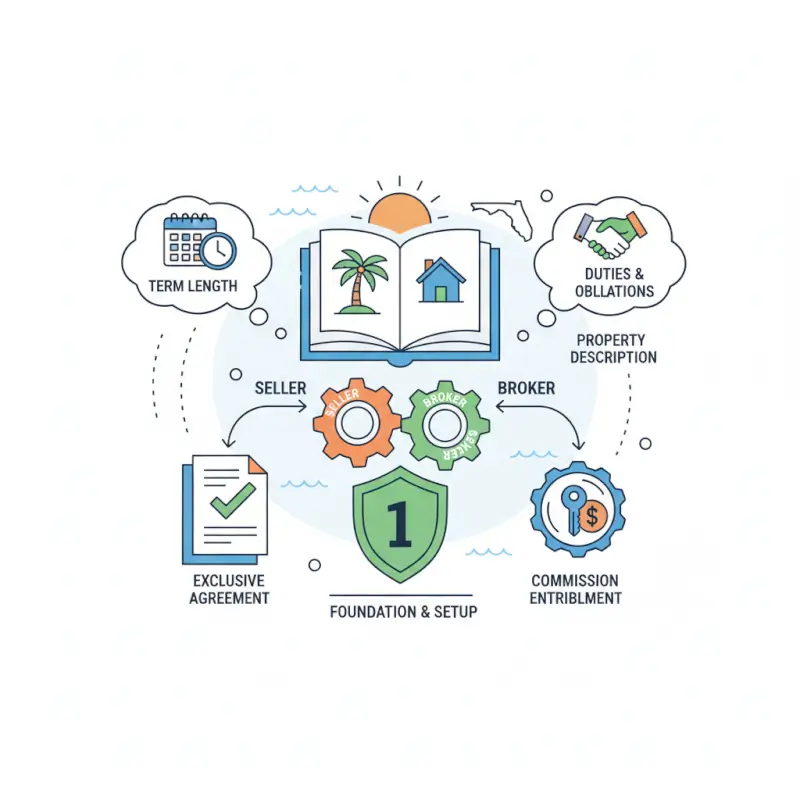
According to Florida Realtors legal guidance, Florida law now requires all listing agreements to include a definite termination date. This 2024 update eliminated vague “evergreen” clauses that automatically renewed listings indefinitely. Every ERS form must now clearly state when the agreement ends, giving sellers predictability and control over the listing duration.
How ERS Differs from Other Florida Listing Agreements
Understanding the distinctions helps you choose the right contract for your situation:
| Agreement Type | Commission if Seller Finds Buyer | Multiple Brokers Allowed | MLS Listing | Broker Marketing Commitment |
|---|---|---|---|---|
| Exclusive Right of Sale | Still owed | No | Guaranteed | Maximum |
| Exclusive Agency | Not owed | No | Usually | Moderate |
| Open Listing | Not owed | Yes | Often no | Minimal |
The exclusive right of sale typically produces the best results for standard residential transactions because brokers know their investment in professional photography, staging advice, virtual tours, and extensive advertising will be protected. This guaranteed compensation model encourages brokers to dedicate significant resources to your listing rather than hedging their bets across multiple uncertain opportunities.
Latest Florida Realtors ERS Forms and Where to Find Them
Florida Realtors maintains standardized forms that comply with state law and reflect current best practices. The organization updated several ERS forms in 2024, and using the latest versions is critical for legal compliance and clarity. Here are the current primary forms:
- ERS-19sa (Exclusive Right of Sale Listing Agreement – Single Agent): The standard form for sellers who want single-agent representation, where the broker owes fiduciary duties exclusively to the seller. The July 2024 redlined version shows recent revisions including clearer termination date language and broker assignment provisions.
- ERS-17nr (Exclusive Right of Sale Listing Agreement – No Brokerage Relationship): Used when the seller prefers not to enter into a brokerage relationship, revised July 2024 to align with statutory requirements.
- ERS-20tn (Exclusive Right of Sale with Consent to Transition to Transaction Broker): Allows sellers to start with single-agent representation but consent in advance to the broker transitioning to a transaction broker role if needed (for example, if the broker wants to represent both buyer and seller in the same transaction).
You can access these forms through Florida Realtors if you’re a member, or your broker can provide them via Form Simplicity, the official forms platform. Never use forms downloaded from random internet sources or outdated versions from previous years—Florida law and disclosure requirements change, and using obsolete forms can create liability.
How to Use the ERS in Florida: Practical Steps for Sellers
Signing an exclusive right of sale listing agreement isn’t just a formality—it’s the foundation of your entire selling process. Proper preparation and understanding of what you’re agreeing to will prevent disputes and ensure your interests are protected throughout the transaction.
Before you sign any ERS form, you should gather essential documents, understand your disclosure obligations, and be clear about the terms you’re committing to. Florida law requires specific disclosures from sellers, and your listing agreement will reference these obligations even though the disclosures themselves are separate documents.
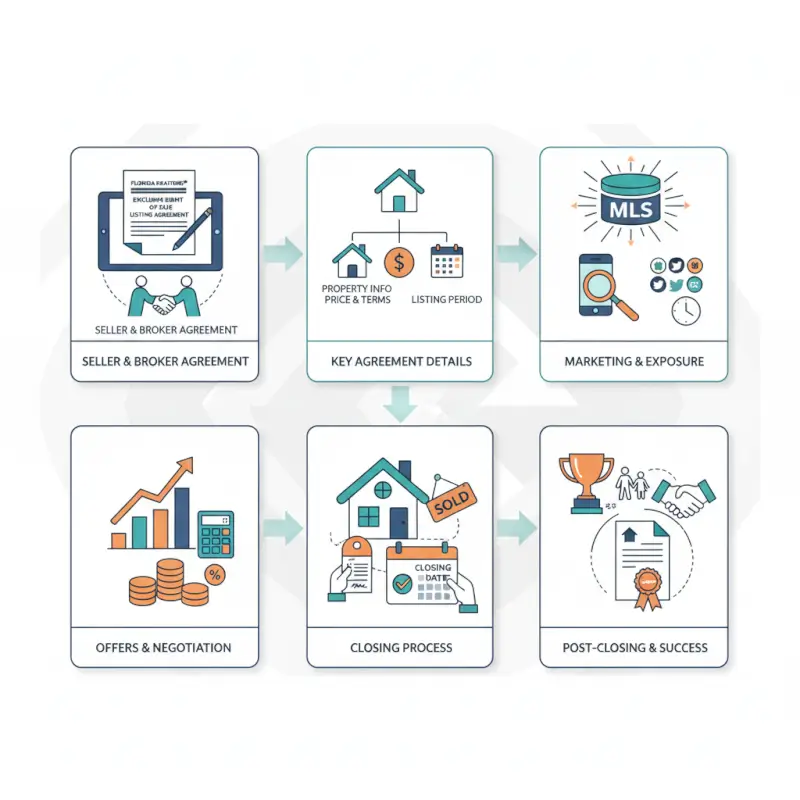
Preparing to Sign an ERS: Documents, Disclosures, and Timing
Here’s what you need to have ready before signing your listing agreement:
Property Information: Accurate legal description from your deed, property tax records, survey (if available), homeowners association documents (if applicable), and information about any liens, easements, or title issues. Your broker will need this to complete the listing accurately and ensure MLS data is correct.
Seller’s Disclosure Requirements: Florida law requires sellers to disclose known material defects that could affect the property’s value or desirability. While the formal disclosure form is separate from the ERS, your listing agreement will reference your obligation to provide truthful disclosures. Common disclosure items include roof age and condition, HVAC system age, past water intrusion or flooding, foundation or structural issues, and any ongoing disputes with neighbors or HOAs.
Recent Improvements and Repairs: Documentation of any major renovations, permit records for additions or substantial modifications, and warranties for new systems or appliances. This information helps your broker accurately market the property and can prevent disclosure disputes later.
Current Property Condition: Be prepared to discuss the property’s condition honestly with your broker. They need accurate information to set realistic pricing and marketing strategies. Trying to hide problems rarely works and usually results in deal failures or legal claims after closing.
Negotiating Terms Within the ERS: Commission, Duration, and Termination
Despite being a standardized form, nearly every aspect of the ERS is negotiable before you sign. Here’s what you should discuss with your broker:
Commission Rate and Structure: Commission rates in Florida typically range from 5-6% of the sale price, but this is not fixed by law or regulation. Federal antitrust laws actually prohibit setting standard commission rates. You can negotiate based on factors like property value (higher-priced properties might warrant lower percentage rates), expected ease of sale (hot markets or highly desirable properties), services the broker will provide, and whether the broker will reduce commission if they represent both sides of the transaction.
Some brokers offer tiered commission structures—for example, 6% on the first $500,000 and 4% on amounts above that. Others might offer flat-fee arrangements for certain property types. Don’t assume the first number proposed is non-negotiable.
Listing Duration and Termination Date: The ERS must now include a specific termination date under Florida law. Typical listing periods run 3-6 months, but you can negotiate shorter or longer terms based on your circumstances and market conditions. Consider market conditions (hot markets may warrant 3-month terms, slow markets might need 6+ months), seasonal factors (beachfront properties might align with peak tourist seasons), and your timeline needs (if you need to sell quickly due to relocation, a shorter initial term with renewal options might work better).
Some sellers prefer a shorter initial term (90 days) with the option to extend if they’re satisfied with the broker’s performance. This gives you an exit point if the relationship isn’t working without requiring a contentious termination process.
Protection Period (Safety Clause): Most ERS agreements include a protection period—typically 30-180 days after termination—during which the broker may still claim commission if the property sells to someone they introduced during the listing period. This clause is fair to brokers who invested time and money marketing to specific prospects, but you can negotiate the length and conditions. For example, you might agree to a 90-day protection period instead of 180 days, or require the broker to provide a written list of protected prospects within 10 days of termination for the clause to be enforceable.
Marketing Commitments: While standard ERS forms don’t detail specific marketing activities, you can add an addendum specifying what the broker will do. This might include professional photography within 7 days of listing, virtual tour or 3D walkthrough, minimum number of open houses per month, specific online advertising platforms, print advertising in certain publications, or regular feedback reports after showings.
Getting these commitments in writing prevents misunderstandings and gives you recourse if the broker isn’t performing as promised.
Consent to Transition (ERS-20tn): If your broker presents the ERS-20tn form with consent to transition to transaction broker, understand what you’re agreeing to. This provision allows your single agent to become a transaction broker (representing both buyer and seller in a limited capacity) if they find a buyer and want to represent both parties. Some sellers prefer this flexibility because it can facilitate deals when the broker has the perfect buyer. Others want to maintain single-agent representation throughout and would rather use the standard ERS-19sa form without transition consent. There’s no right or wrong choice—it depends on your priorities and how much you value exclusive fiduciary representation versus deal flexibility.
Compliance, Best Practices, and Common Pitfalls in Florida ERS Agreements
Even with the best intentions, sellers and brokers sometimes make mistakes that lead to disputes, legal issues, or failed transactions. Understanding common pitfalls and compliance requirements helps you avoid these problems.
Florida’s real estate laws are specific and detailed, with requirements for written agreements, mandatory disclosures, and clear termination dates. Using outdated forms or misunderstanding key provisions can create liability for both sellers and brokers.

Legal Compliance and Florida Law Considerations for Listing Agreements
Florida Statute 475 governs real estate licensing and practice, including listing agreements. Key legal requirements include:
Written Agreement Requirement: According to Florida Realtors, listing agreements must be in writing to be enforceable for commission claims. Oral agreements won’t hold up in court if a dispute arises over compensation.
Termination Date Mandate: Florida law now requires all listing agreements to include a definite termination date. The statute specifically states the agreement must use the term “termination date” rather than vague language like “expiration” or “end date.” This protects sellers from being locked into indefinite automatic renewals.
License Requirements: Only licensed real estate brokers can execute listing agreements and earn commissions. While you may work primarily with a sales associate or agent, the agreement is technically between you and their sponsoring broker. Make sure the broker’s license is current and in good standing—you can verify this through the Florida Department of Business and Professional Regulation website.
Disclosure Obligations: Your ERS agreement will reference your duty to disclose known material defects, but the actual disclosure form is typically a separate document (like the Florida Realtors Seller’s Property Disclosure form). Material defects include anything that substantially affects the property’s value or desirability—roof leaks, foundation issues, electrical problems, past flooding, or ongoing disputes with neighbors or HOAs.
Fair Housing Compliance: The ERS includes language requiring compliance with federal and Florida fair housing laws. You cannot refuse to sell or negotiate based on race, color, religion, sex, national origin, familial status, or disability. Your broker should discuss these obligations with you and may ask you to sign a fair housing acknowledgment.
Common Mistakes and How to Avoid Them
Here are the most frequent errors sellers make with ERS agreements and how to prevent them:
Using Outdated Forms: Real estate forms change regularly to reflect new laws and court decisions. Using an old version of the ERS—even from just a couple years ago—may lack required provisions or include language that’s no longer compliant with Florida law. Always confirm you’re using the current year’s form. Ask your broker directly: “Is this the most recent version of the ERS form approved by Florida Realtors?” If they hesitate or can’t show you the form revision date, that’s a red flag.
Not Reading the Protection Period Carefully: Many sellers don’t realize they can still owe commission for months after the listing agreement ends if the property sells to someone the broker introduced. I’ve seen situations where a seller terminated their listing, waited a few weeks, then sold to a buyer who had toured the property during the listing period—and was shocked to receive a commission claim. To protect yourself, request that the broker provide a written list of all protected prospects within 10 days of termination, and specify this requirement in the agreement. Without a written list, many states (including Florida under certain circumstances) won’t enforce the protection period.
Ignoring Marketing Performance Clauses: Standard ERS forms don’t specify exactly what marketing the broker will do. If your broker isn’t actively marketing your property and you have nothing in writing about their obligations, you may have difficulty terminating the agreement early. Add a simple addendum that lists specific marketing activities and timelines—”Broker agrees to: (1) arrange professional photography within 7 days of listing, (2) list property on MLS within 48 hours, (3) conduct at least one open house within first 30 days, (4) provide weekly activity reports.” This gives you clear performance benchmarks and grounds for termination if they’re not met.
Verbal Modifications: After signing the ERS, you and your broker might discuss changes—adjusting the price, extending the termination date, or modifying commission terms. These changes don’t count unless they’re in writing. I remember a client who claimed his broker agreed to reduce commission if the property didn’t sell within 90 days, but had nothing in writing. When the commission dispute arose, the original agreement terms prevailed. Any modification to the ERS should be documented in a written addendum signed by both parties.
Not Excluding Known Prospects: If you’ve already been discussing the sale with neighbors, friends, or family members before signing the ERS, make sure to list them as excluded prospects. Otherwise, you’ll owe the full commission even if you sell to someone you found on your own before the broker was involved. The ERS typically has a section for listing excluded prospects—use it. Be specific: include full names and any identifying information. “My neighbor John Smith at 123 Oak Street” is better than just “John.”
Misunderstanding the Termination Date vs. Protection Period: The termination date is when the agreement ends and the broker’s exclusive right to market your property expires. The protection period is the window after termination when the broker may still claim commission for prospects they introduced. These are two different things. If your ERS terminates on June 1st and has a 90-day protection period, the broker’s exclusive marketing rights end June 1st, but they can still claim commission on any protected prospects who buy through September 1st.
Comparing ERS with Other Florida Listing Options
While the exclusive right of sale is the most common listing agreement in Florida, it’s not your only option. Understanding the alternatives helps you make an informed choice based on your specific situation and goals.
Each listing type represents a different balance between broker motivation, marketing exposure, and your flexibility as a seller. The right choice depends on factors like whether you have your own buyer prospects, how much marketing support you need, and your willingness to pay commission regardless of who finds the buyer.

Exclusive Right of Sale vs. Exclusive Agency vs. Open Listings
Here’s how the three main listing types compare in practical terms:
Exclusive Right of Sale (Most Common): The broker earns commission no matter who finds the buyer—even if you locate them yourself. This provides maximum motivation for the broker to invest in marketing since their compensation is guaranteed. Virtually all MLS systems require exclusive listings, so this agreement gives you the broadest market exposure. The trade-off is that you’re locked into one broker and will pay commission even if you find the buyer through your own efforts. This works best for sellers who want maximum professional marketing support and don’t have their own buyer prospects lined up.
Exclusive Agency: The broker has exclusive rights to market the property, but you retain the right to sell it yourself without paying commission. If the broker or any other agent finds the buyer, you owe commission. If you find the buyer independently, you don’t. This sounds appealing, but it significantly reduces broker motivation because they might invest time and money only to have you sell to a prospect you found on your own. Many brokers won’t accept exclusive agency agreements for this reason, and those who do may provide less aggressive marketing. This option works for sellers who have strong buyer prospects (maybe a neighbor has expressed interest) but still want professional marketing backup. You’ll likely still get MLS exposure, but don’t expect the same marketing investment as with exclusive right of sale.
Open Listing: You can work with multiple brokers simultaneously, and only the one who produces a buyer earns commission. If you find the buyer yourself, no commission is due to anyone. This provides maximum flexibility but minimum broker motivation. Most brokers won’t invest in professional photography, staging, or advertising for an open listing because another broker might reap the reward of their investment. Many MLS systems don’t accept open listings, significantly limiting your exposure. Open listings are rare in Florida residential real estate and typically used only for unique situations—commercial properties, vacant land, or distressed properties where traditional marketing doesn’t apply.
When to Choose ERS (and When Another Approach Might Be Better)
Use the exclusive right of sale listing agreement when:
- You want maximum MLS exposure and professional marketing (photography, virtual tours, open houses, advertising)
- You don’t have your own buyer prospects already identified
- You want your broker to be fully motivated to invest time and resources in selling your property
- You’re selling a standard residential property in a normal market timeframe
- You value the security of having one committed professional managing the entire process
Consider an exclusive agency agreement when:
- You have specific buyer prospects (neighbors, friends, family) who have expressed serious interest
- You want professional marketing backup but need the flexibility to sell directly without commission
- You can find a broker willing to accept these terms (many won’t)
- You’re willing to accept potentially less aggressive marketing than you’d get with exclusive right of sale
Consider an open listing when:
- You’re selling commercial property or land where traditional residential marketing doesn’t apply
- You have multiple strong broker relationships and want them all working on the sale simultaneously
- You’re willing to sacrifice MLS exposure and professional marketing for maximum flexibility
- The property is so unique that specialized brokers with different networks might each have distinct buyer prospects
For most Florida residential sellers, the exclusive right of sale offers the best combination of professional service, market exposure, and broker motivation. The commission you’ll pay is generally the same regardless of listing type (brokers don’t typically reduce commission for exclusive agency or open listings), so you might as well get the maximum service and exposure that comes with exclusive right of sale.
Tools, Resources, and Next Steps for Florida Sellers
Having the right information and resources makes the listing process smoother and helps you avoid costly mistakes. Here’s where to find official forms, guidance documents, and expert help when you need it.
Florida Realtors maintains the authoritative source for listing agreement forms and provides extensive guidance on proper use. Using these official resources ensures you’re working with current, legally compliant documents rather than outdated or modified versions that could create problems.

Where to Access Official ERS Forms and Updates
The most reliable sources for current Florida listing agreement forms are:
Florida Realtors Official Website: FloridaRealtors.org provides forms and guidance to members. If you’re not a Realtor member, your broker should have access through their membership. The site includes form libraries, revision notes explaining what changed between versions, and legal Q&A addressing common scenarios. You can find the latest ERS forms including ERS-19sa (single agent), ERS-17nr (no brokerage relationship), and ERS-20tn (transaction broker consent).
Form Simplicity: This is the official forms platform used by Florida Realtors and many brokerages statewide. Your broker likely accesses forms through Form Simplicity, which automatically provides the most current versions and includes digital signature capabilities. The platform also offers form completion guides and field-by-field instructions.
Your Local Realtor Board: Most local Realtor associations provide forms and legal guidance to members and can direct you to current versions of standard agreements. They also often offer classes and workshops on properly completing listing agreements.
Helpful Checklists, Sample Language, and Expert Guidance
Beyond the forms themselves, several resources can help you navigate the listing agreement process:
Florida Realtors Preparation Manuals: Florida Realtors publishes detailed preparation manuals for each form, including the ERS. These guides explain each section of the agreement, offer sample language for common scenarios, and highlight areas that frequently cause confusion. Ask your broker if they can provide the current preparation manual for the specific ERS form you’re using.
Pre-Listing Checklist: Before signing an ERS, gather:
- Copy of your deed showing legal description and current ownership
- Recent mortgage statement (if applicable) showing current balance
- Property tax records for the past year
- HOA documents, CCRs, and current dues information (if applicable)
- List of all personal property you intend to exclude from the sale
- Documentation of recent improvements or major repairs
- Any warranties for systems, appliances, or components
- Existing survey or plot plan (if available)
- Information about any easements, encroachments, or title issues
Questions to Ask Your Broker Before Signing:
- “Is this the current year’s version of the ERS form approved by Florida Realtors?”
- “What specific marketing activities will you perform, and can we add these to the agreement?”
- “What is your average list-price-to-sale-price ratio for similar properties?”
- “How many days on average do your listings take to sell in this price range?”
- “What happens if I’m not satisfied with your performance—what are my options for termination?”
- “How long is the protection period, and will you provide a written list of protected prospects if we terminate?”
- “Do you carry errors and omissions insurance, and what does it cover?”
- “Will you be my single agent throughout, or might you transition to transaction broker?”
When to Consult a Real Estate Attorney: While most residential transactions proceed smoothly with standard forms, consider legal counsel if:
- You’re selling a high-value property (over $1 million) where commission dollars are substantial
- You have complex title issues, easements, or boundary disputes
- You’re selling investment property and need to coordinate with a 1031 exchange
- You’re going through divorce or estate settlement and multiple parties have ownership interests
- Your broker wants to modify the standard ERS form significantly or include unusual provisions
- You’re uncertain about any aspect of the agreement and want independent legal advice
A real estate attorney can review the listing agreement before you sign, explain the implications of each provision, and suggest modifications to protect your interests. The cost of an hour or two of legal advice is minimal compared to the commission dollars at stake and the potential for disputes.
For sellers who want to maximize their property’s online visibility, platforms like TurnKey Directories offer WordPress-based directory solutions that can complement your broker’s marketing efforts by increasing local online presence and property exposure through business and real estate directories.
Frequently Asked Questions About Florida ERS Agreements
What is an Exclusive Right of Sale Listing Agreement in Florida?
An exclusive right of sale listing agreement is a contract between a property seller and a licensed real estate broker granting the broker the sole right to market and sell the property. The broker earns commission regardless of who finds the buyer—even if the seller locates the buyer independently. This arrangement motivates maximum broker marketing effort and guarantees MLS exposure.
How long does an ERS listing agreement last in Florida?
Florida ERS agreements typically last 3-6 months, though duration is fully negotiable. Florida law now requires all listing agreements to include a specific termination date—no more vague or automatic renewal clauses. The appropriate length depends on market conditions, property type, and your timeline. You can negotiate shorter initial terms with extension options if desired.
Can I switch from single agent to transaction broker within an ERS?
Yes, if you sign the ERS-20tn form (Exclusive Right of Sale with Consent to Transition to Transaction Broker). This version includes your advance consent for the broker to transition from single agent to transaction broker if they want to represent both you and the buyer. The standard ERS-19sa form maintains single-agent representation throughout unless you later agree in writing to a change.
Do I have to pay commission if I find the buyer myself during the listing term?
Yes, under an exclusive right of sale agreement, you owe the broker commission even if you find the buyer yourself. The “exclusive right” means the broker earns commission regardless of who procures the buyer. If you want the flexibility to sell without commission to buyers you find independently, you would need an exclusive agency or open listing agreement instead.
Where can I find the official Florida ERS forms and latest updates?
Official current ERS forms are available through Florida Realtors at FloridaRealtors.org (for members) or through Form Simplicity, the official forms platform. Your broker should provide current versions including ERS-19sa (single agent), ERS-17nr (no brokerage), and ERS-20tn (transaction broker consent). Never use forms from generic legal websites or outdated versions, as Florida updates forms regularly to reflect law changes.
Are commission rates negotiable in Florida ERS agreements?
Yes, commission rates are fully negotiable in Florida and throughout the United States. Federal antitrust laws prohibit setting standard or fixed commission rates. While typical rates range from 5-6% of the sale price, you can negotiate based on property value, market conditions, services provided, and other factors. Don’t assume the first rate proposed is non-negotiable—it’s a business transaction open to discussion.
What is the protection period in a Florida listing agreement?
The protection period (also called a safety clause) is a timeframe after the listing terminates—typically 30-180 days in Florida—during which the broker may still claim commission if the property sells to a buyer they introduced during the listing period. The broker should provide a written list of protected prospects for this clause to be enforceable. This protects the broker’s investment if you terminate and immediately sell to their prospect.
Can I cancel an exclusive right of sale listing agreement early in Florida?
Early termination is possible through mutual agreement with your broker, but the agreement is binding for its stated term. Some brokers will release you if the relationship isn’t working, while others might charge termination fees or require reimbursement of marketing costs. Review the termination provisions carefully before signing and consider negotiating performance-based termination rights or shorter initial listing periods with extension options.
Take Control of Your Florida Property Sale with the Right ERS Agreement
The exclusive right of sale listing agreement forms the legal and practical foundation of your entire selling experience. Understanding what you’re signing—from commission obligations and termination dates to protection periods and brokerage relationship options—puts you in control rather than leaving you vulnerable to surprises months into the listing.
Florida’s updated ERS forms from 2024-2025 offer clearer language, mandatory termination dates, and flexible brokerage relationship options that previous versions lacked. Taking advantage of these improvements requires using current official forms from Florida Realtors, not outdated versions or generic contracts from internet sources.
Your Action Plan for Success
1. Verify Form Currency: Confirm your broker is using the current year’s ERS form (ERS-19sa, ERS-17nr, or ERS-20tn as appropriate) with required termination date language.
2. Negotiate Key Terms: Discuss commission rate, listing duration, marketing commitments, and protection period length before signing—everything is negotiable at this stage.
3. Document Marketing Expectations: Add a written addendum specifying what marketing activities your broker commits to perform and when.
4. Understand Your Exit Options: Review termination provisions carefully and consider negotiating performance-based cancellation rights or shorter initial terms with renewal options.
5. Get Legal Review When Stakes Are High: For properties over $1 million or complex situations, invest in an hour of real estate attorney review before signing.
The right ERS agreement with a qualified, committed broker creates a partnership that maximizes your property’s exposure, streamlines the transaction process, and positions you for the best possible outcome. The wrong agreement—or misunderstanding key provisions—can lock you into an unsatisfactory relationship, create commission disputes, or leave money on the table.
Take the time now to understand what you’re signing. Read every clause of the agreement, ask questions about anything unclear, negotiate terms that protect your interests, and verify you’re using current forms that comply with Florida law. These steps take a few hours but can save you thousands of dollars and months of frustration.
Your property sale is one of the most significant financial transactions you’ll make. Start it right with a clear, fair listing agreement that sets both you and your broker up for success.
Was this article helpful?