Free Article Directories: Are They Still Worth It in 2025?

Generating summary...
The SEO landscape has transformed dramatically over the past decade, and nowhere is this more evident than in the fate of free article directories. These platforms once dominated backlink strategies, but Google’s algorithm updates fundamentally changed their role. If you’re wondering whether free article directories still deserve a place in your content distribution strategy, you’re asking the right question at the right time.
Free article directories occupy an unusual position in modern digital marketing—neither completely obsolete nor particularly powerful. Their effectiveness depends entirely on how you use them, which directories you choose, and what realistic expectations you set. The truth is more nuanced than the “directories are dead” narrative suggests, but also far less optimistic than outdated SEO guides would have you believe.
After analyzing current directory performance data, reviewing algorithm updates, and examining real-world case studies, I’ve found that strategic, limited use of quality directories can supplement broader marketing efforts. The key word is “supplement”—these platforms should never form the foundation of your strategy.
TL;DR – Quick Takeaways
- SEO value is minimal – Most directories offer nofollow links with negligible ranking impact
- Niche directories outperform general ones – Industry-specific platforms deliver better qualified traffic
- Traffic quality matters more than volume – Focus on referral potential, not link equity
- Limit directory work to under 10% of strategy – Invest the majority of effort in owned media and guest posting
- NAP consistency is crucial – Especially for local SEO and citation building
- Measure actual outcomes – Track conversions and engagement, not just backlink counts
Current Landscape: Are Free Article Directories Still Viable in 2025–2026?
The short answer: barely, and only in specific contexts. The longer answer requires understanding what search engines actually value today versus what they prioritized fifteen years ago.
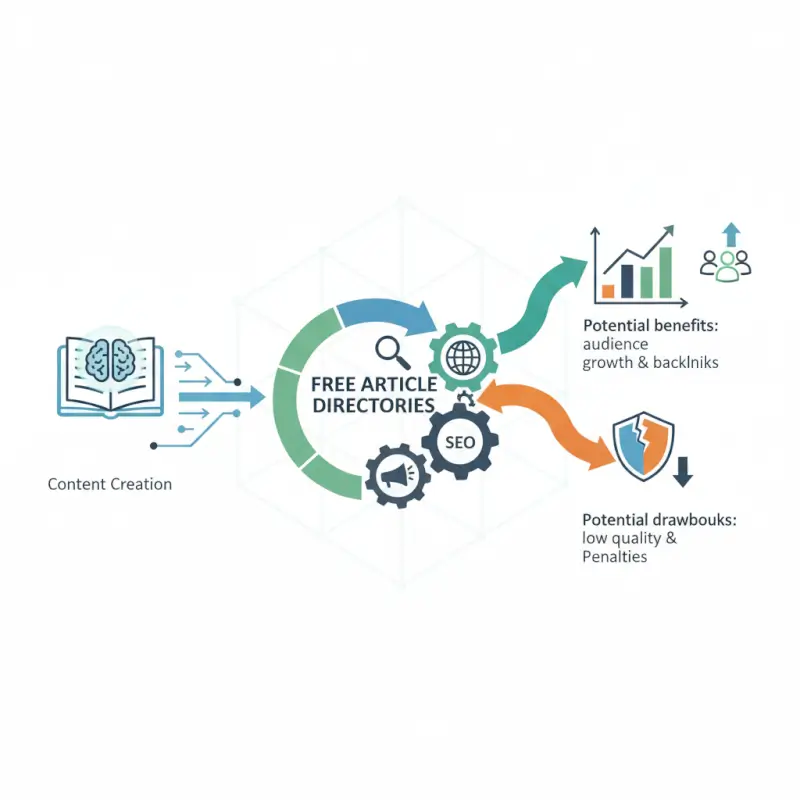
Google’s algorithm has evolved to prioritize genuine expertise, authoritative sources, and user satisfaction signals. According to Google’s spam policies documentation, manipulative link schemes—including mass directory submissions—can trigger penalties. The search engine now evaluates link context, surrounding content quality, and whether links appear editorially placed rather than self-submitted.
This doesn’t mean all directory submissions are worthless, but it fundamentally changes which ones matter. A link from a well-maintained, editorially curated directory in your specific industry carries more weight than dozens of links from general-purpose submission sites that accept anything.
What the Latest SEO Signals Say About Directory Submissions
Modern ranking algorithms evaluate directories through multiple lenses: domain authority, editorial standards, user engagement metrics, and topical relevance. Research from Moz’s analysis of external links shows that context and relevance now outweigh raw link volume by a significant margin.
The directories that maintain value share common characteristics. They enforce submission guidelines, reject low-quality content, update listings regularly, and serve actual user search intent rather than existing purely for SEO manipulation. These platforms have evolved into legitimate information resources rather than link farms.
User engagement signals tell the real story. Directories with high bounce rates, short session durations, and minimal click-through rates to listed sites signal low quality to search engines. The platforms that survive and provide value show opposite metrics—users browse multiple listings, spend time on pages, and click through to discover businesses or content.
When Directories May Still Merit Attention (And When They Don’t)
Directories can provide incremental value in three specific scenarios: local citation building, niche authority establishment, and brand visibility in specialized industries. Outside these contexts, your time is better spent elsewhere.
For local businesses, consistent NAP (Name, Address, Phone) citations across reputable directories still influence local pack rankings. This isn’t about link equity—it’s about verification signals that confirm your business exists and operates at the stated location. Local directories like Chamber of Commerce listings, industry association directories, and local business coalitions carry weight here.
Niche-specific directories serve another legitimate function. A legal directory for attorneys, a medical directory for healthcare providers, or a technical directory for software developers can connect you with audiences actively seeking specialized services. These aren’t general article repositories—they’re curated resource lists that users actually consult.
When should you ignore directories entirely? When they accept any submission without review, when they’re cluttered with outdated listings and broken links, when their domain shows signs of algorithmic penalties, or when they exist in industries completely unrelated to yours. Mass submission to hundreds of general directories wastes time and risks your domain reputation.
Relevance and Value Drivers: What to Optimize for Today
The metrics that matter for directory submissions have shifted dramatically. Instead of obsessing over PageRank or Domain Authority scores, focus on whether a directory drives qualified referrals and strengthens your brand’s topical authority signals.
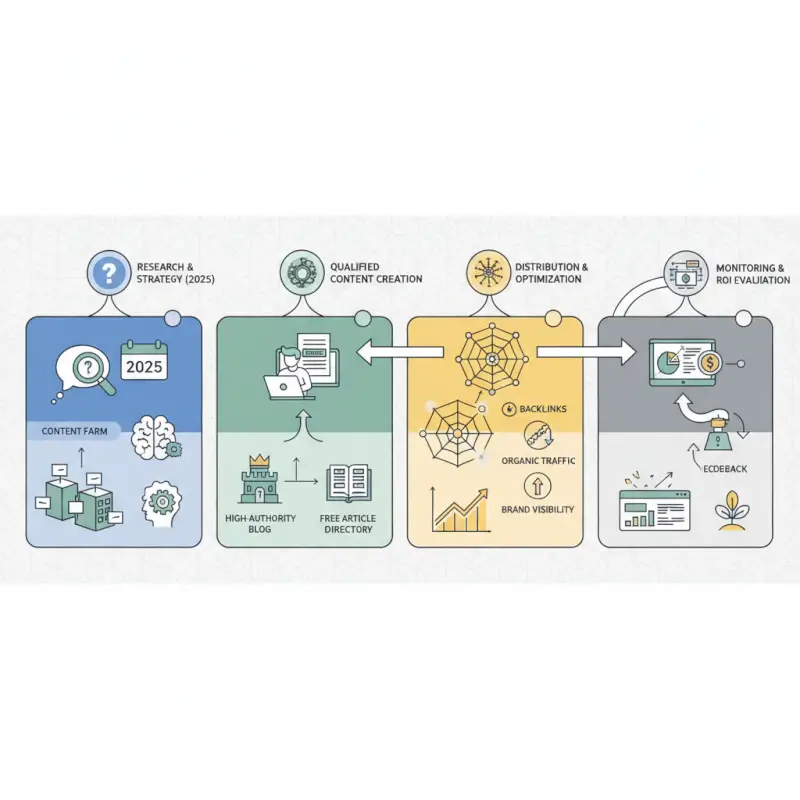
Think of modern directory value through a funnel perspective. A single visitor from a relevant directory who converts into a customer delivers more value than 100 low-quality backlinks that never send traffic. This reframing changes which directories merit your attention and how you measure success.
Quality, Relevance, and Editorial Standards in Directories
Editorial oversight separates useful directories from digital landfills. Platforms that review submissions, verify information, and maintain listing accuracy provide genuine value to users—which translates to value for you as a listed business.
NAP consistency across directories matters more for local businesses than most realize. Conflicting information—different phone numbers, address variations, or business name inconsistencies—creates confusion for both search engines and potential customers. According to research from BrightLocal’s consumer survey, 87% of consumers read online reviews and check business information before visiting, making accurate directory listings crucial touchpoints.
User engagement signals reflect directory quality. Platforms where visitors browse multiple listings, click through to websites, and return for future searches demonstrate they serve real information needs. These behavioral signals influence how search engines evaluate the directory’s overall quality and, by extension, the value of links from that platform.
I’ve seen businesses gain meaningful traction from industry-specific directories that maintain strict standards. A sustainable architecture firm secured several high-value clients from a green building directory that architects and developers actually use as a resource. That single listing generated more business value than dozens of general directory submissions combined.
Traffic Capture vs. Link Equity: What to Measure
Shift your measurement focus from link metrics to traffic quality and conversion potential. The question isn’t “did I get a backlink?” but rather “did this directory send qualified visitors who engaged with my content or became customers?”
Track referral traffic from each directory separately using UTM parameters. Monitor not just visitor volume but engagement metrics—time on site, pages per session, and conversion rates. A directory sending 10 highly engaged visitors monthly outperforms one sending 100 visitors who immediately bounce.
Brand visibility in relevant contexts deserves measurement too. Even without direct traffic, appearing in curated industry directories can influence perception when prospects research your brand. These “zero-click impressions” contribute to brand awareness and credibility, though they’re harder to quantify than traffic metrics.
For platforms like TurnKey Directories, understanding these value drivers helps create directory solutions that actually serve users rather than just gaming search algorithms. Quality directories built with WordPress and proper optimization can become legitimate resources in their niches.
Updated Best Practices: A Disciplined, Modern Approach
If you’ve determined that selective directory submissions fit your strategy, implementation discipline separates success from wasted effort. A methodical approach to choosing platforms and submitting information yields far better results than spray-and-pray tactics.

The modern best practice is quality over quantity, selectivity over volume. Five well-chosen, maintained directory listings deliver more value than fifty low-quality submissions that you’ll never update or monitor.
Strategic Selection: Which Directories to Consider
Evaluate potential directories using a systematic framework before investing time in submissions. Not all platforms deserve your attention, regardless of their Domain Authority scores.
Industry relevance should be your primary filter. A directory serving your specific vertical—legal, medical, construction, technology, or another specialized field—provides better targeting than general business directories. These niche platforms connect you with audiences already interested in your category of service or product.
Geographic focus matters for local businesses. Prioritize directories that serve your service area—city-specific business directories, regional industry associations, or state-level professional organizations. National or international directories matter less unless you actually operate at that scale.
Editorial oversight indicates quality and longevity. Directories that review submissions, verify information, and remove outdated listings maintain value over time. Those accepting any submission without review tend to degrade into spam repositories that eventually get deindexed or devalued.
Maintenance cadence reveals platform commitment. Check when listings were last updated, whether broken links get removed, and if the directory itself publishes fresh content or news. Abandoned directories provide no value and may eventually become liability.
| Selection Criteria | High-Value Directory | Low-Value Directory |
|---|---|---|
| Editorial Process | Reviews and approves submissions | Auto-accepts everything |
| Industry Focus | Niche-specific, curated | General, accepts all categories |
| Maintenance | Regular updates, removes dead links | Outdated listings, broken links |
| User Traffic | Organic visitors searching for solutions | Minimal traffic, mostly bots |
| Link Attribute | Editorial dofollow or natural nofollow | All nofollow or sponsored tags |
Implementation Blueprint: How to Submit Effectively
Once you’ve identified worthy directories, submission execution matters. Consistent information, thoughtful descriptions, and strategic timing reduce risk while maximizing potential benefits.
Standardize your NAP data before any submissions. Create a master document with your exact business name, complete address (formatted identically every time), phone number, website URL, and business description. Use this same information verbatim across all directory submissions to maintain consistency.
Craft thoughtful, unique descriptions for each directory rather than copying identical text everywhere. Tailor your description to emphasize aspects most relevant to that directory’s audience while maintaining core messaging. This reduces duplicate content concerns and improves engagement when users read your listing.
Stagger submissions over weeks or months rather than submitting to dozens of directories simultaneously. Natural link acquisition happens gradually—mass submission in a short timeframe creates an unnatural pattern that algorithms can flag. Patience here reduces risk.
Document every submission in a spreadsheet tracking the directory name, submission date, listing URL, login credentials, and review dates. This enables you to audit listings periodically, update information when your business changes, and remove listings from directories that degrade over time.
Alternatives and Complements: What Else to Do for SEO and Visibility
Directory submissions should occupy a small fraction of your overall content distribution and link-building efforts. Higher-ROI alternatives deserve the bulk of your attention and resources.

The most successful digital marketing strategies in 2025 focus on owned media development, relationship-based link building, and creating genuinely valuable content assets that naturally attract links and attention. These approaches require more effort but deliver compounding returns over time.
Content-Led Link-Building Alternatives
Building linkable assets on your own properties generates more sustainable value than chasing directory placements. Research-backed content, original data, comprehensive guides, and visual resources naturally attract editorial links from other publishers.
Guest posting on authoritative industry publications connects you with engaged audiences while earning contextual backlinks from high-quality domains. According to Forbes analysis of content marketing, strategic guest posting remains one of the most effective link-building tactics when done with genuine value-add rather than thin promotional content.
Digital PR campaigns that generate media coverage, interviews, or expert commentary create powerful authority signals. Being quoted in industry publications or major media outlets delivers brand visibility and high-quality backlinks that far exceed directory submissions in impact.
Resource page link building targets curated lists of tools, guides, or services in your industry. When you create genuinely useful resources, reaching out to site owners maintaining resource pages can earn natural, contextual links from relevant sources.
Original research and data publication attracts links organically as other content creators reference your findings. Surveys, industry reports, or proprietary data analysis become linkable assets that generate ongoing backlinks without active outreach.
Local and Brand Signals: Where Directories Fit in a Broader Strategy
For local businesses, directory citations complement but don’t replace core local SEO tactics. Your Google Business Profile optimization, review generation, and local content creation matter far more than directory quantity.
Citation consistency across major data aggregators—platforms like Data Axle, Localeze, and Factual—influences how information flows to other directories and search engines. Ensuring accuracy in these foundational sources has ripple effects across the local search ecosystem.
Google Business Profile optimization deserves priority attention. Regular posts, complete business information, customer Q&A engagement, and review responses signal active management and business legitimacy. This single platform drives more local visibility than any number of directory listings.
Cross-channel consistency reinforces brand signals. When your business name, description, categories, and contact information match across your website, social profiles, and directory listings, it strengthens entity recognition in search algorithms.
For businesses considering building their own directory platforms, solutions like TurnKey Directories provide WordPress-based tools to create valuable, well-organized directories that serve real user needs. Understanding how to organize active directory for business environment helps create structures that benefit both directory operators and listed businesses.
Case Studies and Measurable Outcomes: What Practitioners Report
Real-world data provides clearer guidance than theoretical analysis. Examining what actually works—and what wastes time—helps calibrate your expectations and strategy.

The patterns in successful directory usage reveal common threads: selectivity, consistency, measurement, and integration with broader strategies. The failures show opposite patterns—volume focus, inconsistent information, no tracking, and directory work isolated from other marketing efforts.
Contemporary Anecdotes and Data Points
A specialty coffee roaster documented their directory submission experiment across twelve months. They submitted to 47 general business directories and 8 coffee-industry-specific platforms. The results: general directories generated 23 total referral visits with zero conversions, while niche directories sent 127 visits with 8 wholesale inquiries and 3 new accounts worth $4,200 in first-year revenue.
An immigration law firm tracked local directory performance versus guest posting on legal publications. Their 15 local directory citations (Chamber of Commerce, state bar association, regional business groups) generated consistent monthly traffic of 40-60 visitors with a 12% consultation booking rate. Five guest posts on legal industry blogs generated 890 visits with a 7% booking rate. The directories provided steady baseline traffic; guest posts created traffic spikes and stronger authority signals.
A B2B SaaS company abandoned general directories entirely after analyzing two years of data showing 1,847 referral visits but zero trial signups from these sources. They reallocated that effort to creating comparison pages and feature guides, which generated 8x more qualified traffic and actual conversions.
According to analysis from SEMrush’s link-building research, the average time investment for directory submissions yields a 4.7x better return when redirected to creating linkable content assets or relationship-based outreach for most industries.
Risk and Measurement: Avoiding Penalties and Misallocated Effort
The primary risk isn’t penalties (though those remain possible from extremely low-quality directories), but opportunity cost—time spent on directory work that could generate better returns elsewhere.
Monitor directory performance quarterly using Google Analytics filtered referral reports. If a directory hasn’t sent a single visitor in six months, it’s delivering zero value and you can remove that listing. If traffic arrives but immediately bounces with 0% engagement, that directory attracts the wrong audience.
Watch for algorithmic penalties by monitoring overall link profile health. Sudden ranking drops coinciding with link velocity spikes from directories signal potential issues. Use Google Search Console to identify unnatural link warnings and disavow problematic directory links if needed.
Set clear discontinuation criteria before starting any directory work. If submissions don’t generate measurable traffic or conversions within six months, redirect that effort to proven tactics. Testing is valuable, but continuing ineffective tactics wastes resources.
Track time investment honestly. If directory research, submission, and maintenance consume more than 5-10% of your content marketing time, you’re overinvested in a low-ROI channel. Successful marketers spend the majority of time on owned content creation and relationship building, not directory hunting.
Are free article directories still worth submitting to in 2025?
Free article directories provide minimal SEO value in 2025. Most offer nofollow links with negligible ranking impact. Niche-specific directories can deliver modest qualified traffic, but general directories rarely justify the time investment. Focus on directories serving your specific industry rather than mass submission to general platforms.
Which directory types deliver real traffic versus just links?
Industry-specific and local directories deliver better traffic quality than general submission sites. Professional association directories, regional business coalitions, and niche-focused platforms attract users actively seeking solutions. General directories accepting all submissions typically generate minimal engaged traffic regardless of link attributes.
How do I ensure my NAP data stays consistent across directories?
Create a master document with your exact business name, address, phone number, and website URL formatted identically every time. Use this same information verbatim across all directory submissions. Schedule quarterly audits to verify accuracy and update any changed information across all platforms.
What metrics should I track to judge directory performance?
Track referral traffic volume, engagement metrics (time on site, bounce rate), and conversion rates from each directory using UTM parameters. Monitor whether traffic leads to actual business outcomes—email signups, consultation requests, or sales. If a directory sends zero traffic in six months, it delivers no value.
What are better long-term SEO investments than directory submissions?
Creating comprehensive content on your own website, guest posting on authoritative industry publications, and developing original research or data that naturally attracts links deliver better long-term ROI. Digital PR campaigns, strategic partnerships, and building genuinely useful resources outperform directory submissions substantially.
How do I avoid penalties from low-quality directories?
Research directories before submitting by checking their organic traffic, editorial standards, and listing quality. Avoid platforms accepting all submissions without review, those with spam content, or directories showing signs of algorithmic penalties. Stagger submissions over time rather than mass submitting to dozens simultaneously.
Can directory submissions help with local SEO in 2025?
Yes, but only selective local citations on reputable platforms. Consistent NAP information across local business directories, Chamber of Commerce listings, and industry associations supports local pack rankings. However, Google Business Profile optimization and review generation deliver significantly greater impact than directory quantity.
How often should I review directory listings for accuracy?
Audit directory listings quarterly to verify information accuracy and remove listings from directories that have degraded. Set calendar reminders every three months to check NAP consistency, update any business changes, and evaluate whether each directory continues generating value worth maintaining.
The Strategic Place of Directories in Modern Marketing
After examining current performance data, algorithm priorities, and real-world outcomes, the verdict is clear: free article directories occupy a minor supporting role in comprehensive marketing strategies, not a starring position.
They haven’t disappeared entirely because they still serve limited functions—local citation building for businesses with physical locations, niche exposure in highly specialized industries, and occasional referral traffic from well-maintained platforms. But these benefits are modest and come with opportunity costs.
The most successful approach treats directory work as a time-boxed experiment. Identify 3-5 high-quality, relevant directories, submit consistent information, track results for six months, and discontinue anything not generating measurable value. This disciplined testing reveals whether directories merit continued attention in your specific context.
Simultaneously, invest the majority of your resources in tactics with proven, compounding returns. Build comprehensive content on your own website that ranks for valuable search terms. Develop relationships with industry publications for guest posting opportunities. Create original research, tools, or resources that naturally attract editorial links. Optimize your Google Business Profile if you serve local markets.
The question isn’t whether directories work in absolute terms—it’s whether they represent the best use of your limited time and budget compared to alternatives. For most businesses, the answer is no. Your content creation hours generate better returns when invested in owned media. Your outreach time produces stronger results when building genuine relationships with publishers and partners.
Your Action Plan for Directory Strategy
- Audit current directory presence – identify which listings generate actual traffic and conversions
- Select 3-5 high-quality platforms maximum – niche-specific or local directories with real user traffic
- Standardize NAP information – create a master document used consistently across all submissions
- Set clear success metrics – track referral traffic, engagement, and conversions with 6-month review points
- Allocate resources proportionally – limit directory work to under 10% of content marketing time
- Invest in higher-ROI alternatives – owned content, guest posting, and linkable asset creation
The digital marketing landscape will continue evolving, and tactics that work today may not work tomorrow. What remains constant is the value of understanding your audience, creating genuinely useful content, and building real relationships. Whether those efforts involve directories or not depends on your specific circumstances—but they should never depend on directories alone.
Was this article helpful?