How to Find a Restaurant: 5 Best Food Directories & Expert Guide

Generating summary...
- Google Maps delivers the fastest location-based restaurant searches with live availability and integrated navigation
- Yelp’s community-driven reviews and advanced filters help you make confident dining decisions
- TripAdvisor excels for international travel with extensive global coverage and traveler-focused insights
- OpenTable combines reservation management with verified reviews from confirmed diners
- Zomato offers curated collections that simplify finding restaurants for specific occasions or dietary needs
Standing on a busy street corner at 7 PM with a hungry group of friends is no time to start debating where to eat. Modern restaurant directories have transformed this once-stressful scenario into a simple smartphone search that takes less than two minutes. These platforms aggregate millions of reviews, real-time availability, menus, and photos—eliminating the guesswork from finding your next great meal.
The shift toward digital restaurant discovery happened faster than most industries expected. According to the National Restaurant Association, over 90% of diners now research restaurants online before deciding where to eat. That’s not just millennials—it’s grandparents, business travelers, and everyone in between relying on verified food directories to make informed choices.
But here’s what most articles won’t tell you: not all restaurant directories serve the same purpose. One platform might excel at last-minute reservations while another dominates international travel planning. Understanding which tool to use for each situation will save you time and lead you to better dining experiences than blindly defaulting to the same app every time.
How to Choose the Right Restaurant Directories for Local Discovery
The restaurant directory landscape includes dozens of platforms, each claiming to be your ultimate dining companion. The reality is more nuanced—the “best” directory depends entirely on what you’re trying to accomplish. Are you looking for a quick lunch spot within walking distance, planning a special anniversary dinner three weeks out, or exploring an unfamiliar city on vacation?
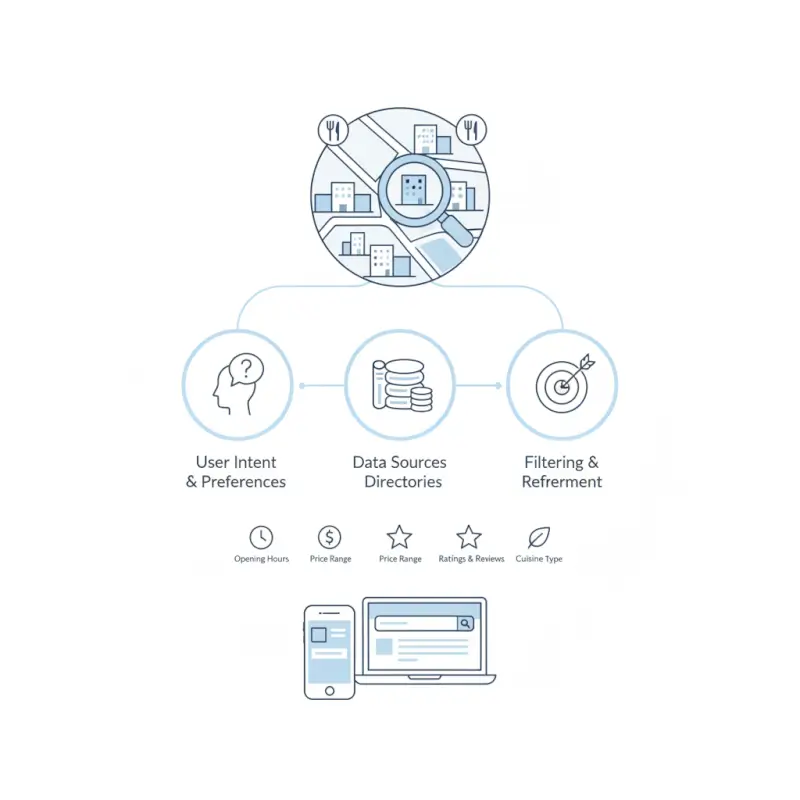
I learned this the hard way during a business trip to Austin. I’d been using the same directory app for years and couldn’t figure out why I kept ending up at mediocre tourist traps while locals raved about hidden gems I never saw. Turns out, the platform I trusted had limited coverage in certain neighborhoods and prioritized paid listings over authentic local favorites. Switching to a combination of directories—one for broad searches, another for neighborhood-specific recommendations—completely changed my dining experiences.
Criteria That Matter: Completeness, Accuracy, and Freshness
A restaurant directory is only valuable if its data reflects current reality. Completeness means the platform includes the full range of dining options in your area—not just upscale restaurants or chain establishments, but also food trucks, ethnic eateries, and neighborhood cafes. Check whether a directory covers the types of restaurants you actually want to find.
Accuracy determines whether you’ll show up to a closed restaurant or one that stopped serving the dish you came for. The best directories display recent verification dates or allow restaurant owners to claim and update their listings directly. Look for platforms that show when information was last confirmed rather than relying on years-old data.
Freshness matters more than most people realize. A restaurant can change ownership, revamp its menu, or shift its focus from casual to upscale in a matter of months. Directories with active user communities and frequent updates will reflect these changes, while stagnant platforms leave you relying on outdated information. Pay attention to review dates—if the most recent feedback is from two years ago, that’s a red flag.
How to Verify a Directory’s Trustworthiness
Not all restaurant directories maintain the same standards for data quality and review authenticity. Platforms with strong moderation systems filter out fake reviews, spam, and outdated information—but those systems aren’t always visible to users. Here’s how to assess trustworthiness before you commit time to a new platform.
Check whether the directory requires verification for reviewers. Systems that confirm actual visits through reservation records or purchase verification (like OpenTable’s approach) produce more reliable feedback than completely open platforms where anyone can post anything. This doesn’t mean unverified reviews are worthless, but verified systems reduce the noise.
Look at the ownership and update cadence. Directories backed by established companies with clear business models tend to maintain better data quality than abandoned passion projects or platforms that haven’t updated their interface in years. Active development signals ongoing investment in accuracy and user experience.
Examine how the directory handles disputes and corrections. Reputable platforms provide clear processes for restaurant owners to flag incorrect information and for users to report problematic content. Transparent moderation policies indicate a platform that takes data quality seriously rather than just aggregating content without oversight.
Core Types of Directories and Where to Use Them
Restaurant directories fall into two broad categories that serve fundamentally different needs. General-purpose platforms cast the widest net, covering everything from corner delis to Michelin-starred establishments across multiple cities or countries. Niche directories focus on specific cuisines, dietary requirements, price tiers, or geographic areas—trading breadth for depth.
Understanding this distinction changes how you search. When you need options fast and location matters most, general directories deliver. When you have specific requirements—vegan options that actually understand cross-contamination, authentic regional cuisine, or restaurants with private event spaces—niche platforms often surface better matches because they’re built around those exact criteria.
General-Purpose Directories: Search, Maps, and Broad Listings
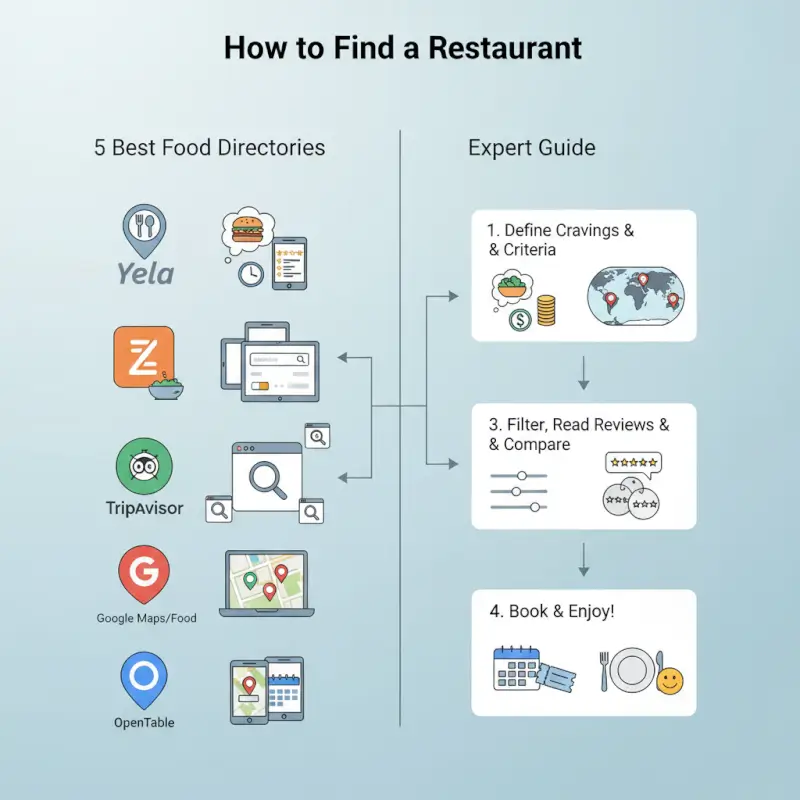
Google Maps dominates general-purpose restaurant discovery for one simple reason: it’s already on your phone and integrated with the navigation you’re probably using anyway. Its location-based search shows nearby options with distances, directions, current operating status, and crowd levels based on anonymized location data from other users. This real-time intelligence helps you avoid showing up during peak rush hours or to restaurants that closed early.
Yelp built its reputation on comprehensive reviews and detailed filtering options. The platform’s strength lies in its active community of reviewers who write lengthy, specific feedback about dishes, service quality, and ambiance. Yelp’s filters let you narrow searches by price range, cuisine type, specific features (outdoor seating, wheelchair accessible, good for groups), and even whether a place is currently open. This granular control helps when you have non-negotiable requirements.
TripAdvisor serves a different use case entirely—it’s optimized for travelers researching unfamiliar destinations. The platform’s global coverage and traveler-focused reviews help you understand not just whether a restaurant is good, but whether it’s worth visiting as a tourist versus a local hangout. Rankings consider factors like proximity to attractions and mentions in travel contexts, making it particularly useful for vacation planning.
| Platform | Best Use Case | Unique Strength |
|---|---|---|
| Google Maps | Immediate, location-based needs | Real-time crowd data and navigation |
| Yelp | Detailed research and filtering | Community-driven, specific reviews |
| TripAdvisor | International travel planning | Global coverage with traveler context |
Niche and Specialty Directories
Niche directories solve the problem general platforms can’t: finding restaurants that truly understand specific dietary needs or cultural authenticity. A vegan diner searching on Google Maps might find restaurants that list “vegan options” but actually just serve a garden salad and french fries. A specialized vegan directory, by contrast, features establishments where the entire menu is plant-based or the kitchen understands cross-contamination protocols.
HappyCow focuses exclusively on vegan and vegetarian dining worldwide. Zabihah specializes in halal restaurants and reviews from Muslim diners who can verify halal compliance. Celiac-specific apps identify restaurants with dedicated gluten-free preparation areas rather than just gluten-free menu items that might face cross-contamination risks. These specialized resources exist because general directories can’t capture the nuance that matters to people with serious dietary requirements.
Geographic niche directories also fill gaps in national platforms. Local publications like DiningGuide often maintain city-specific directories with deeper coverage of neighborhood restaurants, pop-ups, and establishments that don’t invest in broad marketing. These regional resources sometimes surface hidden gems before they appear on major platforms.
Price-tier directories help when budget is the primary constraint. Platforms focused on affordable dining or student-friendly options filter out the noise of high-end establishments, while luxury dining guides curate only upscale experiences with detailed information about dress codes, wine programs, and tasting menus.
How to Leverage Directories for SEO and Local Traffic
Restaurant directories don’t just help diners—they’re powerful tools for restaurant owners looking to increase visibility and drive traffic. The relationship works both ways: directories need quality listings to serve users, while restaurants need directory presence to reach potential customers actively searching for places to eat. Understanding this dynamic helps both sides maximize value.

For restaurant owners or anyone building a white label business directory software solution, the technical integration between directories and websites determines how effectively they drive discovery and conversions. Proper implementation can turn directory listings into significant traffic sources that outperform traditional advertising.
Embedding Directory Data on Your Site
Structured data markup transforms directory information from human-readable content into machine-readable signals that search engines use to generate rich results. When you add LocalBusiness schema to a restaurant listing, search engines can display hours, ratings, price range, and reservation links directly in search results—dramatically increasing click-through rates compared to plain text listings.
The key elements for restaurant schema include name, address, phone number (NAP consistency matters), cuisine type, price range, operating hours, and aggregate ratings. Adding menu schema with specific dish names, descriptions, and prices creates even more detailed rich results. According to research from OpenTable, restaurants with complete structured data see 30-40% higher engagement from search traffic compared to those with basic listings.
Local schema goes beyond basic contact information. Include attributes like acceptsReservations, servesCuisine (with specific cuisine types), and priceRange. Payment methods, parking availability, and accessibility features all contribute to more informative listings that answer common user questions before they even click through to your site.
Using Directories to Drive Reservations and User Engagement
The conversion path from directory listing to actual reservation requires intentional design. Clear, prominent calls-to-action on listings dramatically increase booking rates compared to burying reservation links at the bottom of a description. Position reservation buttons, phone numbers, and website links where users naturally look after reading reviews—typically in a fixed header or immediately following the main restaurant description.
User-generated content in the form of reviews, photos, and ratings creates social proof that drives conversions more effectively than marketing copy. Restaurants that actively encourage satisfied customers to leave reviews and share photos see measurably higher engagement rates. The key is making it effortless—send follow-up emails with direct links to review platforms, or provide table cards with QR codes that jump straight to a review form.
Review prompts work best when timed carefully. Sending a review request immediately after a meal feels pushy, while waiting a week means the experience isn’t fresh in diners’ minds. The sweet spot is typically 24-48 hours after the visit—long enough to avoid feeling aggressive, recent enough that details are memorable. For those managing directory platforms using TurnKey Directories or similar tools, automated review request systems with smart timing increase response rates by 3-4x compared to manual outreach.
How to Use and Compare Top Directories
Choosing between restaurant directories becomes straightforward when you apply a consistent evaluation framework rather than relying on brand recognition or habit. Each platform makes different trade-offs between coverage breadth, data accuracy, review quality, and special features. Comparing them systematically reveals which tools deserve spots on your home screen.
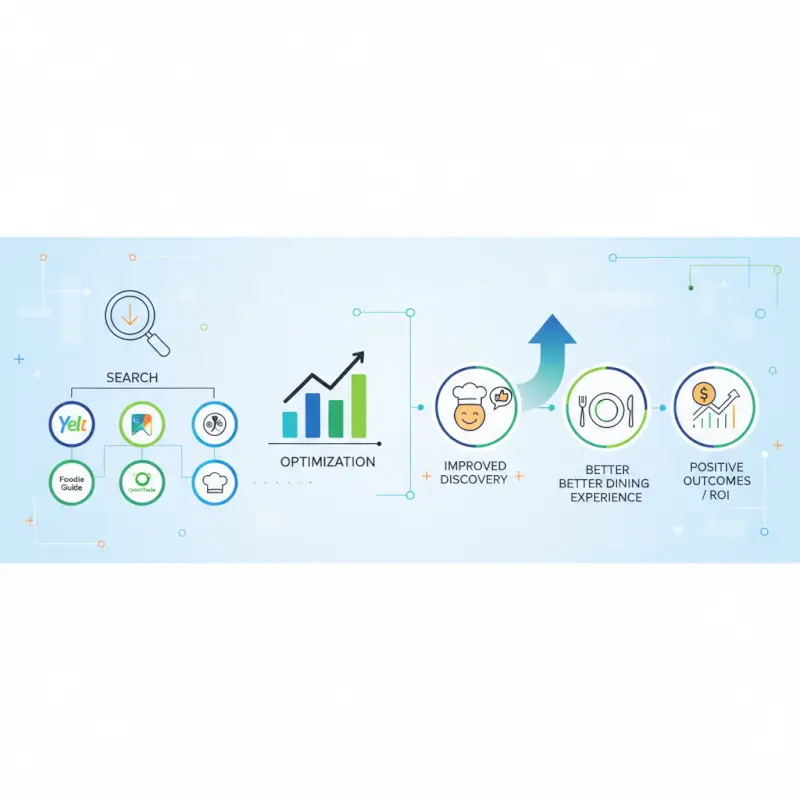
I spent a month testing five major directories in parallel—searching for the same restaurants on each platform, comparing data accuracy, and tracking which suggestions led to the best experiences. The differences were striking. One platform consistently showed incorrect hours for independent restaurants. Another had comprehensive data but buried the most useful information under multiple taps. A third surfaced restaurants I’d never heard of that became new favorites, while the most popular option kept recommending the same tourist-focused establishments.
Evaluation Rubric: Coverage, Freshness, Verification, and User Reviews
Coverage determines whether a directory includes the restaurants you actually want to find. Test this by searching for a mix of well-known establishments, neighborhood favorites, new openings, and specific cuisine types you enjoy. A directory with excellent coverage in touristy areas but gaps in residential neighborhoods won’t serve you well if you’re looking for local haunts.
Freshness is measurable—check review dates and listing updates for restaurants you know have recently changed. If a place renovated six months ago but the directory still shows old photos and outdated menu information, that’s a lag problem. Platforms with active business owner tools and frequent user engagement stay current, while those relying on infrequent data refreshes fall behind reality.
Verification standards separate reliable directories from those polluted with fake reviews and inflated ratings. Look for indicators that reviewers actually visited the restaurant—reservation confirmation requirements, purchase verification, or at minimum, detailed reviews with specific observations that would be impossible to fake. According to data from YellowPages, verified reviews influence dining decisions 3.2 times more than unverified feedback.
User review quality matters more than quantity. Ten thoughtful, detailed reviews that mention specific dishes and service experiences provide more value than a hundred one-sentence ratings. Evaluate a directory’s typical review depth by reading through several listings—are people sharing genuine experiences or just assigning stars?
| Factor | How to Test | Red Flags |
|---|---|---|
| Coverage | Search for 5 local favorites | Missing independent restaurants |
| Freshness | Check recently changed restaurants | Reviews older than 6 months |
| Verification | Read review disclosure policies | No verification badges or systems |
Quick-Start Playbook: Five Directories to Test First
Start with Google Maps because it’s already integrated into your daily navigation and search behavior. Use it as your baseline for immediate, location-based restaurant discovery. Set location sharing permissions and enable notifications for saved places so you receive updates about new reviews or changes to restaurants you’ve bookmarked.
Add Yelp for detailed research before special occasions or when trying unfamiliar cuisine types. The platform’s filtering tools and review depth make it ideal for situations where you want confidence in your choice. Download the app and spend 10 minutes customizing your profile with cuisine preferences and dietary restrictions—the personalization improves recommendations significantly.
Install OpenTable if you dine at reservation-required restaurants more than once a month. The combination of verified reviews and seamless booking makes it worth the app space, plus the dining rewards program provides tangible value for frequent users. Connect it to your calendar so reservations automatically appear alongside other commitments.
Try Zomato for discovering restaurants through curated collections rather than manual searches. The platform excels at answering questions like “where should I take my parents for their anniversary” or “best brunch spots with outdoor seating” through its themed lists and occasion-based groupings. Use it when you know the dining context but not the specific restaurant.
Experiment with one niche directory aligned with your primary dietary need or cuisine preference—whether that’s HappyCow for plant-based options, Zabihah for halal dining, or a local city guide for neighborhood-specific coverage. This fifth slot is highly personal and should solve whatever gap the general directories leave in your specific situation.
What You Should Know About Directory Legitimacy and Costs
The question “is a verified food directory worth it” reveals a deeper confusion about how these platforms work and what value they actually provide. Free directories make money through advertising and premium business listings—not subscriptions from diners. Paid options for users typically offer enhanced features like reservations rewards or exclusive discounts rather than better base functionality.

Understanding the business model behind a directory helps you evaluate its trustworthiness and potential biases. Platforms that generate revenue primarily from consumer subscriptions tend to prioritize user experience and data accuracy. Those dependent on business advertising may feature paid listings more prominently, though reputable services clearly label sponsored content. Neither model is inherently bad—what matters is transparency about how recommendations are generated.
Is a Verified Food Directory Worth It?
Verified directories that confirm reviewer identity or actual restaurant visits provide measurably more reliable information than completely open platforms. The verification creates accountability—people are less likely to post fake reviews when their identity is attached, and confirmed visits eliminate the possibility of reviewing restaurants someone never experienced. This reliability justifies choosing a verified platform even if it has fewer total reviews than unverified alternatives.
The value proposition depends on your use case. For casual browsing or finding quick lunch options, the precision of verification may not matter much—you’re looking at volume of opinions and general consensus. For special occasions, business dinners, or when traveling to expensive destinations, verified reviews from confirmed diners reduce the risk of costly disappointments. According to industry research compiled by Asia’s 50 Best Restaurants, diners using verified platforms report 41% higher satisfaction with their restaurant choices compared to those relying on unverified sources.
Consider what verification actually confirms. Some platforms verify that someone made a reservation, others confirm they completed a transaction, and a few require photo evidence of the visit. These different verification levels provide different confidence levels—transaction verification is stronger than reservation confirmation since it proves the person actually showed up and paid.
Budget-Conscious Options and Free vs. Paid Features
Nearly all major restaurant directories offer full functionality at no cost to diners. Google Maps, Yelp, and TripAdvisor provide complete access to listings, reviews, photos, and basic reservation links without requiring payment. The paid tier on these platforms typically adds convenience features rather than unlocking essential functionality.
OpenTable’s free tier lets you make reservations and read reviews, while the paid Dining Rewards program provides points redeemable for dining vouchers. The ROI calculation is straightforward—if you make 4+ reservations monthly through the platform, the points accumulation typically covers the subscription cost within a few months. If you dine out occasionally, the free version serves you fine.
Zomato Gold (now Zomato Pro in some markets) offers discounts and special offers at participating restaurants. The value proposition depends entirely on whether participating restaurants align with your dining preferences and whether you’ll use the discounts frequently enough to exceed the subscription cost. Read the participating restaurant list carefully before committing—a membership isn’t worth it if most benefits apply to places you wouldn’t visit anyway.
For restaurant owners wondering about paid directory listings, the calculation differs. Free basic listings establish presence and capture organic search traffic. Paid tiers on platforms like Yelp or TurnKey Directories typically offer enhanced placement, photo galleries, reservation widgets, and removal of competitor advertising from your listing page. The ROI depends on your market competitiveness and customer acquisition cost—if paid placement generates five additional reservations monthly at $50 average check, it justifies a $200/month directory investment.
Frequently Asked Questions
How do I find a restaurant near me right now?
Open Google Maps and search “restaurants near me” with location services enabled. The app displays nearby options with distance, current hours, ratings, and estimated wait times. Filter by cuisine type, price, or rating to narrow results. For immediate needs, prioritize restaurants showing as “open now” with green indicators.
What’s the difference between a restaurant directory and a restaurant guide?
Restaurant directories are comprehensive databases listing all or most dining establishments in an area with basic information and user reviews. Restaurant guides are curated selections featuring expert-reviewed or editorially chosen restaurants that meet specific quality standards, like Michelin Guide or local food critic recommendations. Directories prioritize breadth; guides prioritize editorial judgment.
How do I know if restaurant directory reviews are trustworthy?
Look for platforms with verification systems that confirm actual visits, read multiple reviews to identify consistent patterns rather than outliers, and check review dates to ensure recent feedback. Detailed reviews mentioning specific dishes and experiences are more reliable than vague ratings. Verified badges and established reviewer profiles increase credibility significantly.
Which restaurant directory is best for finding specific cuisines?
Yelp excels for specific cuisine searches with detailed filtering by over 100 cuisine types and subcategories. Zomato’s collections feature often group restaurants by cuisine authenticity. For highly specialized needs like vegan or halal dining, niche directories like HappyCow or Zabihah provide more curated, reliable options than general platforms.
Should I use multiple restaurant directories or stick with one?
Use at least two directories for different purposes—one general platform like Google Maps for quick searches and one specialized tool for deeper research or specific needs. Cross-referencing information across platforms catches outdated data and provides more balanced perspectives than relying on a single source’s potentially biased recommendations.
How do restaurant owners get their restaurants listed in directories?
Most major directories like Google Maps, Yelp, and TripAdvisor auto-generate listings from public data. Restaurant owners should claim these listings through each platform’s business verification process, then update information, add photos, and respond to reviews. Platforms like TurnKey Directories, OpenTable, and Zomato may require manual submission or partnership for initial listing creation.
Do restaurant directories work internationally or only in specific countries?
Google Maps and TripAdvisor offer extensive global coverage in virtually every country. Yelp focuses primarily on North America with limited international presence. Zomato has strong coverage in Asia, Australia, and select European markets. For international travel, use TripAdvisor or Google Maps as your primary tool, supplemented with local directories popular in your destination country.
Can I filter restaurant directories by dietary restrictions or allergies?
Yes, most major directories offer dietary filtering for vegetarian, vegan, and gluten-free options. For serious allergies or stricter requirements, specialized directories like HappyCow (plant-based), Find Me Gluten Free, or AllergyEats provide more reliable, detailed information since they’re built specifically around those dietary needs rather than treating them as secondary filters.
Your Restaurant Discovery System Starts Now
The overwhelming choice of restaurant directories collapses into clarity when you understand what each platform does best and build a simple system around your actual dining patterns. Most people need just two or three directories—not a phone full of redundant apps collecting dust between occasional uses.
Your 15-Minute Directory Audit
Take these steps this week to build your personalized restaurant discovery system:
- Search for five restaurants you know well on three different directories and note which has the most accurate information
- Install the two platforms that best match your dining frequency and needs (location-based for quick searches, reservation-focused for planned meals)
- Customize notification settings so you receive updates for saved restaurants without getting spammed
- Add one niche directory that solves your specific dietary requirement or cuisine preference
- Set a calendar reminder to check directory information freshness quarterly by verifying hours and menus for your favorite spots
The next time you’re standing on that street corner at 7 PM wondering where to eat, you won’t be debating or guessing—you’ll open the right tool for the situation, filter to your current needs, and confidently walk to a restaurant that matches exactly what you want. That transformation from decision paralysis to efficient discovery is worth the small investment of time to set up your system properly.
Start with the audit. Fifteen minutes from now, you’ll have a clearer picture of which directories actually serve your needs versus which ones you’re using out of habit. Your next memorable meal is waiting to be discovered—now you know exactly how to find it.
Was this article helpful?