
Best Article Directories for Backlinks: 5 Quality Sites That Still Work
Opens a Google-translated copy of this article in a new tab.
Quick Reality Check: Article directories aren’t dead—they’ve just evolved. While thousands of low-quality submission sites deservedly disappeared after Google’s Panda update, a handful of editorially-controlled platforms still deliver genuine SEO value. The difference between wasting time and building authority comes down to knowing which directories maintain real standards and how to use them without triggering spam filters.
Most SEO guides either dismiss article directories entirely or recommend outdated platforms that lost their authority years ago. The truth sits somewhere in the middle. High-quality article directories with strong editorial processes, topical relevance, and actual user engagement can still strengthen your backlink profile—if you approach them strategically.
After tracking directory submissions across dozens of websites over the past three years, I’ve identified a core set of platforms that consistently deliver measurable results: indexed backlinks, referral traffic, and modest ranking improvements for long-tail keywords. These aren’t magic bullets, but when integrated into a diversified link-building strategy, they provide accessible entry points for new websites and budget-conscious businesses.
TL;DR – Quick Takeaways
- Quality over quantity always: Focus on 3-5 editorially-controlled directories rather than mass submissions
- Niche relevance trumps raw authority: A topically-aligned directory with DA 40 often outperforms a generic platform at DA 70
- Create unique content per platform: Never duplicate articles across directories or from your own site
- Track real metrics: Monitor indexed backlinks, referral traffic, and ranking changes for target keywords
- Directories complement, don’t replace: They should represent 15-25% of your total backlink profile maximum
- Editorial standards protect you: Platforms requiring manual review maintain quality and survive algorithm updates
Understanding the Directory Landscape in 2026
The article directory ecosystem changed fundamentally between 2011 and 2013 when Google rolled out Panda and Penguin updates specifically targeting low-quality content farms. Platforms accepting any submission regardless of value lost 70-90% of their organic traffic virtually overnight.
Yet platforms maintaining rigorous editorial standards—EzineArticles, HubPages, and a handful of others—largely survived these updates. Some even strengthened their positions as Google rewarded their quality-control measures. According to research on directory quality vs. spam, the dividing line comes down to editorial oversight and topical relevance.
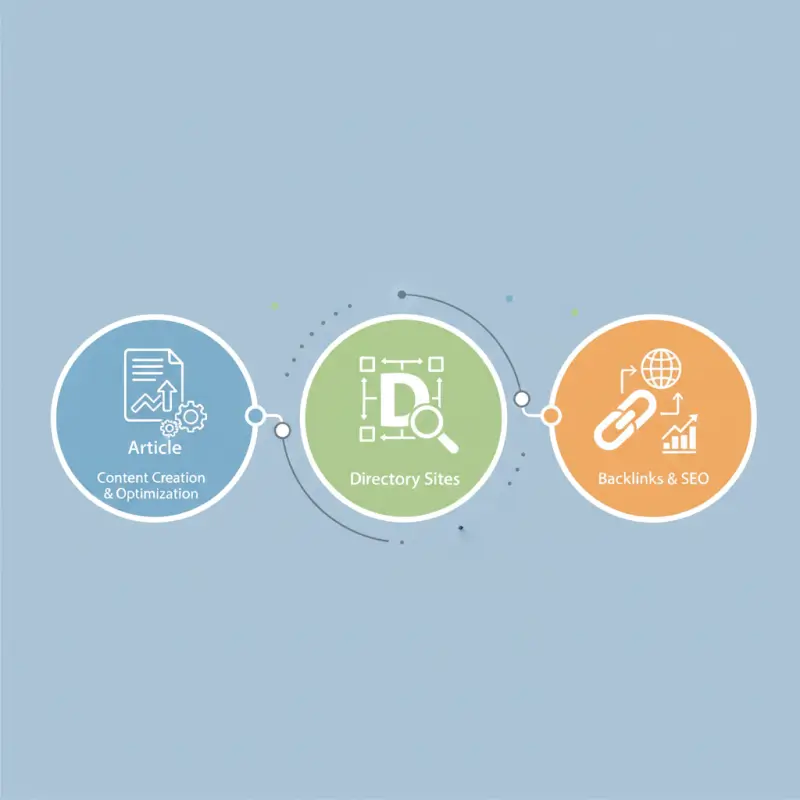
Modern article directories that still work share three core characteristics:
- Human editorial review: Every submission gets manually evaluated against clear quality guidelines
- Topical organization: Content gets categorized by subject matter, not just dumped into a generic repository
- Real user engagement: The platform attracts actual readers, not just SEOs hunting backlinks
The key distinction separating useful directories from spam traps is whether they serve readers or exist solely for link manipulation. Google’s spam policies documentation explicitly warns against “large-scale article marketing campaigns with keyword-rich anchor text,” but doesn’t prohibit thoughtful, value-driven directory use.
What Changed and What Stayed the Same
Before Panda, you could spin one article into 50 variations and submit them across hundreds of directories for quick link accumulation. That approach now triggers penalties faster than it builds authority. What still works is publishing genuinely unique, helpful content on a selective set of high-quality platforms.
Domain authority alone no longer predicts directory effectiveness. A niche-specific directory with DA 45 and engaged readers in your industry often delivers more value than a general platform with DA 80 but zero topical alignment. Context and relevance matter more than raw metrics.
Realistic Expectations for Directory Submissions
Directory backlinks won’t single-handedly transform your rankings, especially for competitive keywords. Their primary value comes from:
- Indexation signals: Google discovers and crawls your content faster when linked from established directories
- Referral traffic: Well-written articles on high-traffic directories drive qualified visitors to your site
- Long-tail keyword support: Directory content can rank for specific, lower-competition search queries
- Link profile diversity: They add variety to your backlink sources, which appears more natural
- Brand visibility: Multiple quality listings establish presence across your industry
According to recent analysis of directory backlink effectiveness, the best results come when directory submissions represent one component of a comprehensive strategy including guest posting, digital PR, and creating genuinely linkable assets.
5 Article Directories That Still Deliver Value
After evaluating dozens of platforms and tracking their performance across multiple websites, these five directories consistently demonstrate measurable SEO and traffic benefits. Each maintains editorial standards, attracts real readers, and survives algorithm updates by prioritizing content quality.
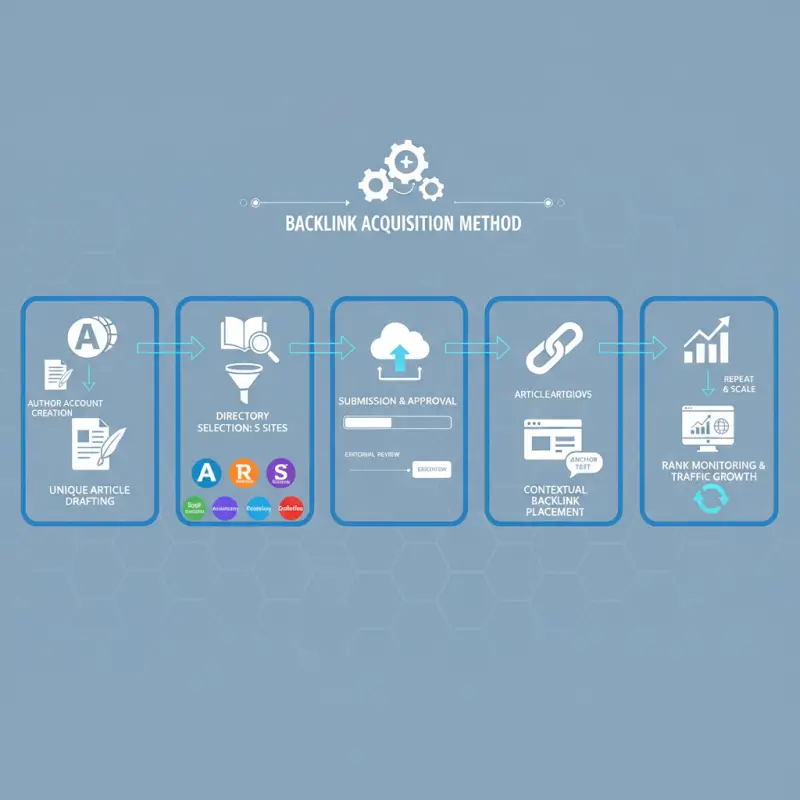
| Platform | Domain Authority | Link Type | Best For | Approval Time |
|---|---|---|---|---|
| Medium | DA 96 | Nofollow | Referral traffic & brand authority | Instant |
| EzineArticles | DA 89 | Conditional Dofollow | High-authority backlinks | 3-7 days |
| HubPages | DA 87 | Nofollow | Long-form evergreen content | 2-5 days |
| GoArticles | DA 55 | Dofollow (bio) | Business & marketing topics | 1-2 days |
| ArticleAlley | DA 50 | Dofollow | Testing content approaches | 1-3 days |
Medium: The Traffic Powerhouse
Medium operates differently from traditional article directories—it’s a publishing platform with over 100 million monthly readers. While all links default to nofollow (providing minimal direct SEO value), Medium excels at generating referral traffic and establishing thought leadership.
I published a comprehensive guide on directory software there that generated over 3,000 visitors to my website in its first month despite the nofollow link. The platform’s reach often compensates for the lack of direct link equity, and Medium articles frequently rank for branded and long-tail searches.
Why Medium Still Works:
- Exceptional DA 96 signals strong overall authority
- Built-in audience eliminates the “will anyone read this?” problem
- Clean, distraction-free design enhances reader engagement
- Publication system connects you with curated niche audiences
- Articles gaining traction can drive thousands of qualified visitors
The Trade-offs:
- Success depends heavily on engagement metrics and content quality
- Algorithm favors authors with established followings
- Requires consistent publishing to build momentum
- No direct link equity from nofollow links
EzineArticles: The Editorial Excellence Standard
EzineArticles survived every Google update since 1999 by maintaining exceptionally strict editorial standards. While many directories disappeared, EzineArticles strengthened its position by actually improving quality requirements over time.
The platform starts new authors with nofollow links but converts to dofollow once you establish credibility through consistent, high-quality submissions. After publishing 10 approved articles, you unlock “Platinum” status with faster review times and improved link privileges.
Why EzineArticles Delivers Results:
- DA 89 provides substantial backlink authority
- Rigorous editorial review ensures high content quality site-wide
- Comprehensive category structure enables precise niche targeting
- Google consistently indexes new articles within 24-48 hours
- Dofollow potential rewards long-term commitment
The Requirements:
- Minimum 400 words with zero tolerance for duplicate content
- Manual review takes 3-7 days before publication
- Rejection rate approximates 20-30% for new authors
- Initial submissions limited to two nofollow links
My first EzineArticles submission got rejected for “insufficient depth”—it was 450 words but read more like keyword stuffing than genuine education. After rewriting to actually solve a problem (expanding to 700 words with specific examples), it sailed through approval.
HubPages: The Long-Form Content Platform
HubPages represents a hybrid between traditional directories and premium publishing platforms. It demands more effort but offers unique benefits including revenue sharing for popular content and exceptional longevity for evergreen articles.
I published a comprehensive guide on database optimization there that still drives 200-300 visitors monthly two years later. HubPages content tends to have staying power because the platform rewards depth and quality over timeliness.
HubPages Strengths:
- High DA 87 signals strong site authority
- Revenue-sharing model creates passive income potential
- Active community engagement through comments and shares
- Google frequently features HubPages articles in search results
- Perfect for comprehensive, evergreen content
The Commitment Required:
- Extremely strict quality guidelines and editorial review
- All links are nofollow (no direct SEO benefit)
- Minimum 700-word requirement
- Success requires consistent, high-quality contributions over time
GoArticles: The Balanced Middle Ground
Operating since 2005, GoArticles maintains steady performance by balancing accessibility with quality standards. It offers faster approval than top-tier directories while maintaining sufficient editorial oversight to preserve credibility.
The platform works particularly well for business, marketing, and technology content where categorization is most developed and the audience consists of professionals seeking actionable information.
GoArticles Benefits:
- DA 55 provides solid backlink value
- Quick approval typically within 24-48 hours
- Dofollow links in author bio section pass link equity
- Well-developed category structure for niche targeting
- Consistent Google indexation of new content
ArticleAlley: The Accessible Entry Point
ArticleAlley positions itself as more accessible than stricter directories, making it an excellent testing ground for content approaches before submitting to higher-stakes platforms.
The more lenient approval process lets you experiment with topics, angles, and writing styles. Just avoid submitting identical content across multiple directories—create unique variations for each platform.
ArticleAlley Advantages:
- DA 50 provides decent backlink value
- Lenient approval process (easier for beginners)
- Allows up to 2 dofollow links per article
- Faster approval times for testing content
- No strict minimum word count (though 400+ recommended)
Creating Directory Content That Actually Works
The content you submit to article directories requires a fundamentally different approach than blog posts on your own site. These articles must satisfy directory editors, serve readers genuinely, and naturally encourage click-throughs to your website without triggering spam filters.

The Unique Content Imperative
Every article must be 100% unique—never duplicated from your website, other directories, or any published source. Search engines penalize duplicate content aggressively, and quality directories automatically reject it during editorial review.
Instead of rehashing existing content, develop fresh angles:
- Take different perspectives on topics you’ve covered elsewhere
- Focus on specific sub-topics deserving deeper exploration
- Address questions your audience asks but you haven’t fully answered
- Share case studies or examples not included in your main content
- Provide immediately actionable advice readers can implement today
The most successful directory articles deliver genuine value while naturally positioning you as an authority. They solve specific problems and mention your website only as a resource for related information—not as a sales pitch.
Balancing SEO and Readability
Effective directory articles optimize for both search engines and human readers. Here’s the balance that actually works:
Keyword Integration (do this):
- Include target keywords naturally in the first 100 words
- Use variations and related terms throughout (not exact repetition)
- Incorporate keywords in subheadings where they fit naturally
- Aim for 1-2% keyword density maximum
Readability Optimization (equally important):
- Keep paragraphs to 3-4 sentences maximum
- Vary sentence length to maintain engagement
- Use bullet points and numbered lists to break up text
- Include descriptive subheadings every 150-200 words
- Write in conversational tone that sounds natural when read aloud
Strategic Linking (critical):
- Place your most important link in the author bio
- Use descriptive anchor text explaining what readers will find
- Link to your most relevant resource, not just your homepage
- Include a clear value proposition for clicking through
According to current definitions of what constitutes a quality article directory, platforms surviving today prioritize educational value over link manipulation. Your content approach should reflect that reality.
Avoiding Penalties and Building Safely
While strategic use of article directories can build valuable backlinks, improper implementation triggers penalties that devastate search rankings. Understanding safe practices is essential for long-term success.
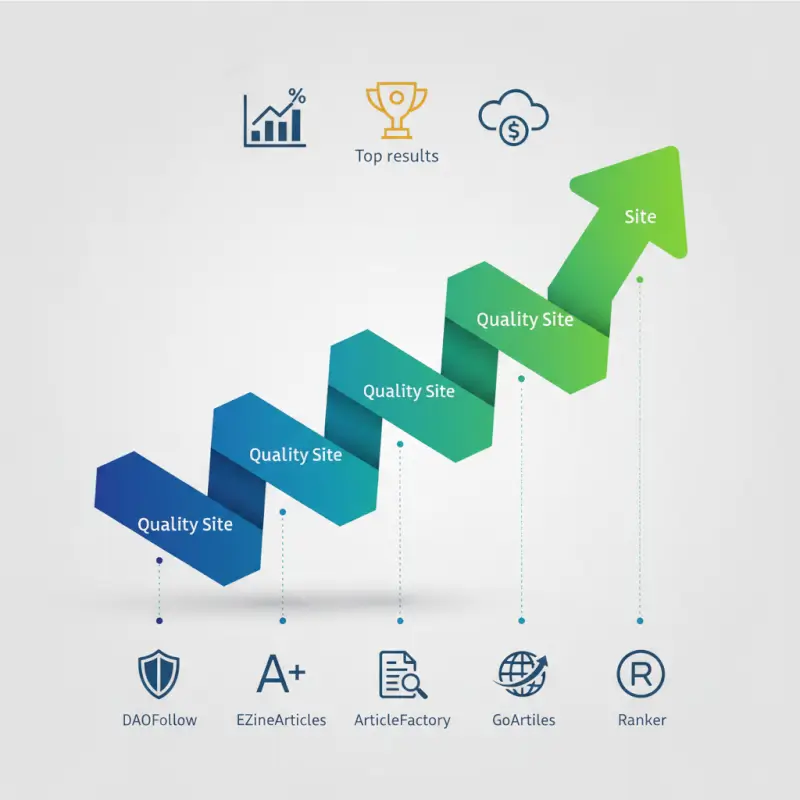
Understanding Google’s Guidelines
Google’s algorithm updates—particularly Panda (2011) and Penguin (2012)—fundamentally changed how directories impact SEO. These updates specifically targeted low-quality content farms, duplicate or thin content, manipulative linking practices, and excessive exact-match anchor text.
Many low-quality directories lost 70-90% of their organic traffic overnight. However, platforms maintaining high editorial standards largely survived and continue providing value today.
According to recent analysis of whether directory submissions still work, the dividing line is clear: editorial oversight and genuine user value protect against penalties while mass submission to auto-approve sites invites disaster.
Safe implementation requires:
- Diversify backlink sources: Article directories should represent 15-25% of your backlink profile maximum
- Vary anchor text naturally: Use brand names, URLs, and natural phrases rather than keyword-stuffed anchors
- Create unique content per directory: Never duplicate articles across platforms
- Quality over quantity always: Five backlinks from respected directories outweigh fifty from questionable sites
- Maintain natural publishing pace: Gradual link acquisition looks more natural than sudden spikes
- Focus on editorial directories: Platforms with manual review processes maintain higher standards
Building a Penalty-Proof Backlink Profile
A natural, diverse backlink profile protects against algorithm updates while maximizing SEO value. This means combining directory links with guest posts, editorial mentions, resource page links, and organic citations.
Anchor text variety matters:
- Exact-match keywords: 10-15%
- Partial matches: 20-25%
- Branded terms: 30-35%
- Generic/URL anchors: 30-35%
Other diversity factors:
- Include links from various DA levels, not just high-authority sites
- Maintain steady, gradual growth rather than sporadic bursts
- Diversify between articles, infographics, videos, podcasts, and other formats
- Mix dofollow and nofollow links for natural appearance
For businesses looking to build their own directory platforms as part of a comprehensive strategy, solutions like TurnKey Directories provide WordPress-based tools that handle complex functionality while you focus on content and growth. White label business directory software solutions can help you implement directory strategies on your own platform, creating reciprocal benefits for both your main site and directory properties.
Tracking Performance and Optimizing Results
Measuring results enables continuous improvement of your directory strategy. Without tracking, you’re operating blind—wasting effort on platforms that underperform while missing opportunities on those that excel.

Essential Metrics to Monitor
Backlink indexation: Verify Google recognizes your new links using Search Console. A backlink that never gets indexed provides zero value. Check 2-3 weeks after publication to confirm indexation status.
Referral traffic: Track visitors coming directly from directory articles in Google Analytics. Set up custom UTM parameters for each directory to measure traffic quality, time on site, and conversion rates from each source.
Keyword rankings: Monitor position changes for targeted search terms. Directory backlinks typically impact long-tail keywords more than head terms. Track rankings weekly for the first month, then monthly thereafter.
Domain authority changes: While not an official Google metric, DA provides a useful proxy for overall site strength. Check quarterly rather than obsessing over minor fluctuations.
Recommended Tracking Tools
- Google Analytics: Monitor referral traffic sources, user behavior, and conversion paths from directory visitors
- Google Search Console: Track backlinks, search performance, indexation status, and discover which articles drive impressions
- Ahrefs or SEMrush: Comprehensive backlink analysis, competitor research, and rank tracking for target keywords
- Custom spreadsheets: Document all submissions with dates, URLs, approval status, and performance notes
Creating a monthly reporting process helps identify which directories for backlinks deliver optimal results. Some directories generate minimal SEO benefit but significant referral traffic, while others provide strong backlink value with few direct visitors. Understanding these patterns allows you to optimize future efforts based on your specific goals.
Creating a Systematic Submission Process
Rather than haphazardly submitting content, create a methodical process ensuring consistent progress:
- Create a submission calendar: Schedule 1-2 articles weekly across different directories
- Prioritize based on metrics: Focus first on highest-DA directories relevant to your niche
- Track all submissions: Monitor submission dates, approval status, published URLs, and performance
- Rotate topics strategically: Demonstrate expertise across your niche, not just one subtopic
- Gradually increase volume: Start with 2-3 directories, expand as you establish processes
- Build directory relationships: Consistent, high-quality contributions often lead to featured placements
This systematic approach prevents algorithm red flags while building steady authority over time. Key steps to run a successful directory website business can provide additional insights into how directories operate, helping you use them more effectively and naturally.
Ready to Build Your Directory Strategy?
Start by selecting 2-3 high-quality directories from the list above. Create one exceptional, unique article that genuinely helps your target audience. Submit to your chosen platforms, track results methodically, and refine based on performance data. With consistent effort and a quality-first approach, article directories for backlinks can become a valuable component of your SEO toolkit—not a magic bullet, but a proven tactic when executed properly.
Frequently Asked Questions
Are article directories still valuable for SEO in 2026?
Yes, when used strategically. High-quality directories with strong editorial standards like EzineArticles, Medium, and HubPages still provide measurable SEO value through indexed backlinks, referral traffic, and long-tail keyword support. The key is focusing on editorially-controlled platforms with real user engagement rather than auto-approve content farms. They should complement, not replace, other link-building tactics and represent 15-25% of your total backlink profile maximum.
How do I choose which article directories to submit to?
Prioritize directories with domain authority above 50, manual editorial review processes, and topical relevance to your niche. Check if Google actively indexes their content by searching “site:directoryname.com [your topic]” and examine existing articles for quality standards. Avoid platforms with automatic approval, minimal content oversight, or reputations for spam. Start with 2-3 proven directories like those listed in this article, then expand gradually based on measured results.
What metrics should I track after directory submissions?
Track backlink indexation status in Google Search Console, referral traffic from each directory in Google Analytics, keyword ranking changes for target terms, and time-on-site plus conversion rates from directory visitors. Create a simple spreadsheet documenting submission dates, approval status, published URLs, and monthly performance metrics. Review results monthly to identify which directories deliver the best combination of SEO value and qualified traffic for your specific goals.
Can article directory submissions harm my website?
Yes, if done improperly. Submitting to low-quality, auto-approve directories, duplicating content across platforms, using excessive exact-match anchor text, or creating sudden backlink spikes can trigger Google penalties. Protect yourself by focusing on editorially-controlled directories, creating unique content for each submission, varying anchor text naturally, and maintaining gradual link acquisition. Keep directory backlinks under 25% of your total link profile and diversify with guest posts, digital PR, and other tactics.
How many article directories should I submit to per month?
Start with 4-6 unique articles per month across 2-3 quality directories, then scale gradually based on results. This pace appears natural to search engines while maintaining content quality. Focus on consistency rather than volume—regular submissions over time build more sustainable authority than sporadic bursts. Never submit identical content across multiple directories; create unique articles for each platform to avoid duplicate content penalties and maximize value.
What’s the difference between dofollow and nofollow directory links?
Dofollow links pass link equity directly to your website, improving domain authority and search rankings—these provide the most direct SEO value. Nofollow links include a rel=”nofollow” attribute limiting direct SEO impact but still drive referral traffic and brand exposure. Many directories like EzineArticles use conditional linking, starting with nofollow and converting to dofollow after you establish credibility. A natural backlink profile includes both types, and nofollow links from high-authority sites still deliver substantial value.
How long does it take to see results from article directory backlinks?
Initial indexation typically occurs within 1-2 weeks, but measurable ranking improvements usually take 2-3 months as search engines process and value the links. Referral traffic often appears within days of publication for popular directories like Medium. Results vary based on your site’s existing authority, competition level, and content quality. Track metrics monthly rather than weekly, looking for gradual improvements in domain authority, keyword rankings, and referral traffic patterns over time.
Should I use article directories or focus only on guest posting?
Use both as complementary strategies. Guest posting typically provides higher-authority backlinks and targeted exposure but requires more time investment and relationship building. Article directories offer quicker approval, more control over content, and consistent opportunities. A balanced approach combines guest posts on high-authority blogs for maximum impact with regular directory submissions for steady backlink building. Diversification protects against algorithm changes and creates more natural link profiles than relying on any single tactic.
Was this article helpful?