How Many Funders Are Listed in the Foundation Center Online Directory?

When you’re diving into grant research or fundraising, one of the first questions that pops up is: just how big is the Foundation Directory Online database? If you’ve ever wondered whether it’s worth the investment—or if you’re trying to convince your board or library committee to spring for a subscription—you need hard numbers. Here’s the surprising reality: the Foundation Directory Online (now part of Candid’s suite of tools) doesn’t have one simple answer to “how many funders?” Instead, you’ll find figures ranging from roughly 166,000 to over 228,000 funders depending on the product tier, the date of the snapshot, and what types of funders are included. That variance might sound confusing, but understanding where those numbers come from can transform how you approach prospect research and make smarter decisions about which databases to rely on.
In this guide, we’ll break down exactly what counts as a “funder” in the Foundation Directory Online, explore the most credible tallies from academic libraries and vendor materials, compare FDO with its competitors, and give you actionable takeaways for getting the most out of this massive resource. Whether you’re a nonprofit development director, a graduate student hunting down fellowship opportunities, or a librarian evaluating subscriptions, you’ll walk away with clarity on the scope and structure of one of the philanthropy world’s largest databases.
TL;DR – Quick Takeaways
- Funder count range: Credible sources cite between 166,000 and 228,000+ funders in Foundation Directory Online, depending on edition and snapshot date
- What’s counted: Private foundations, corporate foundations, community foundations, public charities, and some government grantmakers feed into these totals
- Data sources: IRS Form 990/990-PF filings, annual reports, grant records, and public materials form the backbone of funder profiles
- Access matters: Most users gain access through institutional subscriptions (libraries, universities); public access is limited
- Practical tip: Always verify the latest count via your library’s FDO access page or vendor documentation, and note the snapshot date when citing figures
What Counts as a “Funder” Entry in Foundation Directory Online
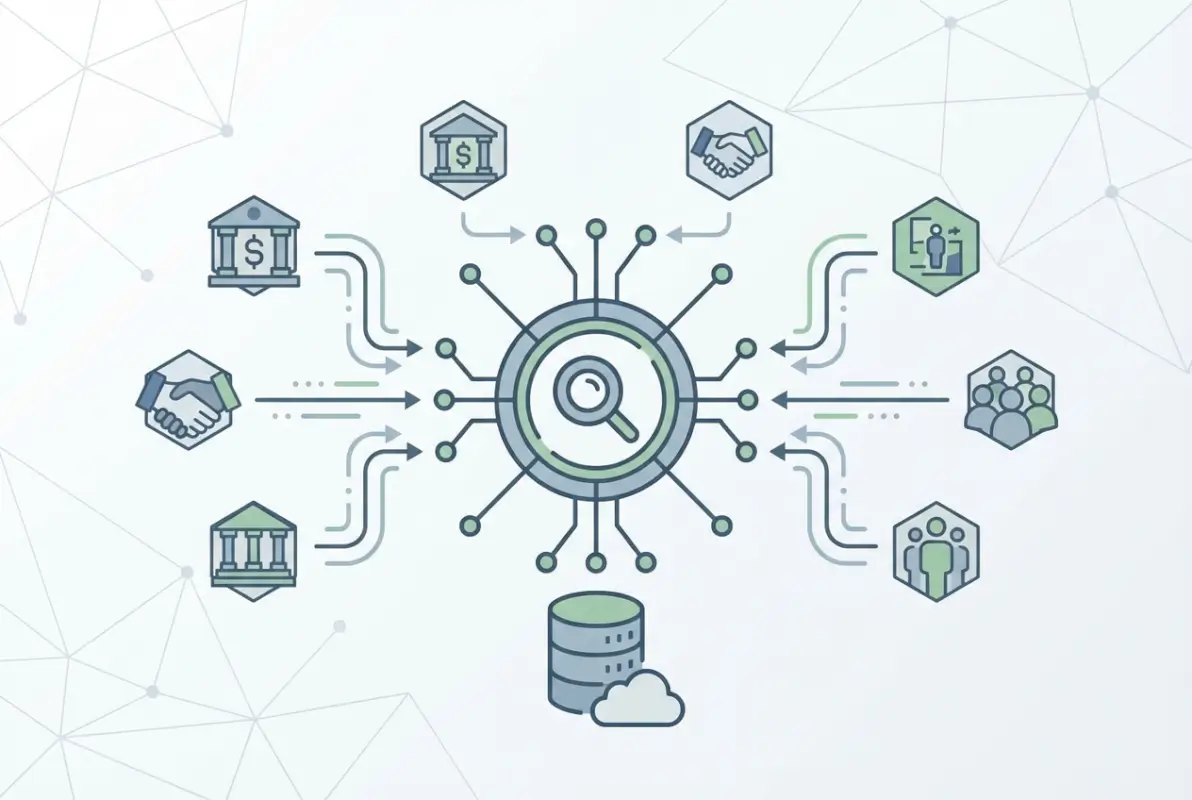
Before we dive into the numbers, let’s clarify what Foundation Directory Online actually tracks. Not all funders are created equal, and the database includes a broad mix of grantmaking entities. You’ll find private independent foundations (think family foundations and endowments), corporate foundations tied to major companies, community foundations serving specific regions, public charities that make grants, and even some government grantmakers. Each entry represents an organization that has reported philanthropic activity through IRS filings or other public records.
The counts you’ll encounter depend heavily on which product tier you’re using. Foundation Directory Online Essential offers a slimmed-down version focused on the largest and most active grantmakers, while FDO Professional (or Complete, depending on the vendor’s naming convention at different points) pulls in smaller funders, historical records, and more granular data. That means a library guide referencing “166,000 funders” might be describing one snapshot or tier, while vendor marketing materials touting “over 228,000 funders” could be showcasing a more comprehensive package that includes international funders, inactive foundations, or specialized government programs.
Data sources play a huge role in shaping these counts. The IRS Form 990 and 990-PF are the primary pipelines—every private foundation and many public charities must file these forms annually, disclosing assets, grants, and key personnel. Foundation Directory Online ingests these filings, cross-references them with annual reports and press releases, and compiles grant records into searchable profiles. Because the IRS filing cycle runs on a delayed schedule (foundations typically file months after their fiscal year ends), there’s always a lag between a foundation’s latest activity and when it shows up in FDO. Weekly or periodic updates help keep the database fresh, but it’s never perfectly real-time.
How Many Funders Are Listed in Foundation Directory Online (Current Tallies)
Now for the numbers. The most widely cited figure in academic and library circles comes from the University of Washington Libraries guide, which notes “more than 166,000 funders” as of a mid-year snapshot. This count is frequently referenced because it’s conservative and tied to a reputable institutional source. Alongside that, the guide mentions access to over 9.5 million grants, which gives you a sense of the database’s depth—it’s not just funder names, but decades of grant history.
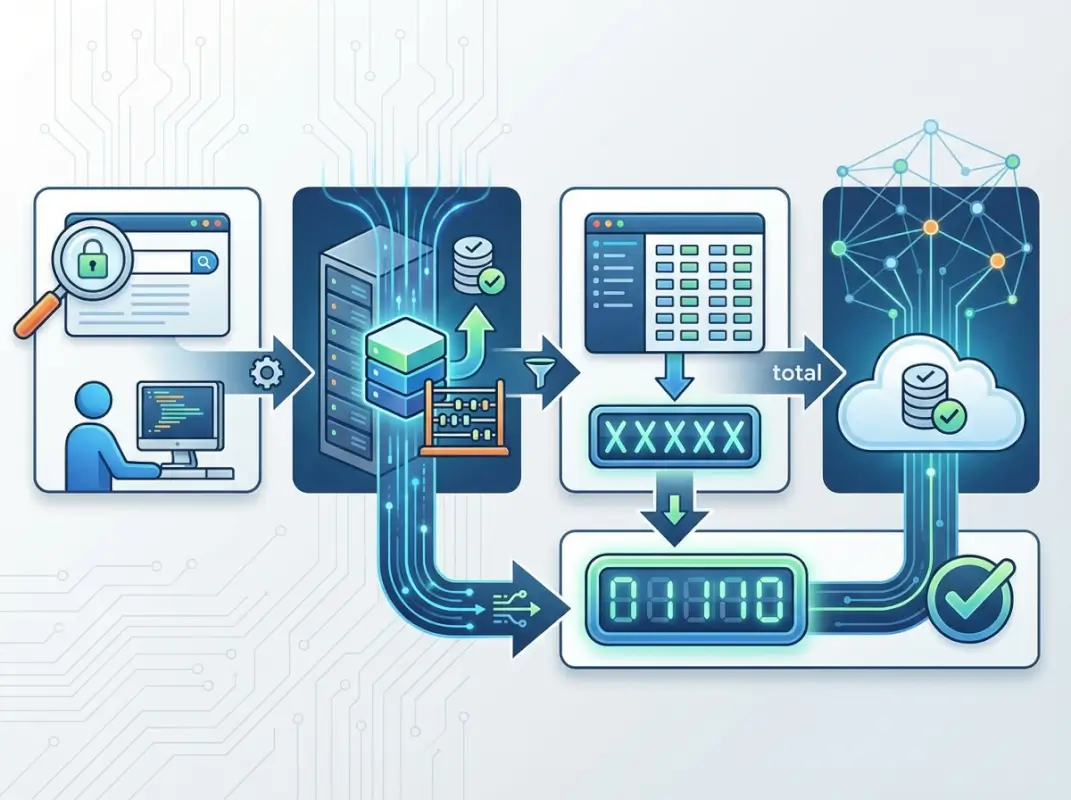
At the same time, quick-start materials and training documents from Foundation Directory Online itself have cited “over 228,000 funders” in certain releases. The gap between 166k and 228k isn’t an error or contradiction; it reflects different scopes. The higher count likely includes smaller funders that didn’t make grants in recent years, international foundations with U.S. ties, or specialized government programs. The lower count probably focuses on active U.S.-based private and community foundations with recent grantmaking activity.
How to Interpret the Numbers
When you see a funder count, drill down into three key variables. First, geographic scope: is the count U.S.-only, or does it include Canadian and international funders? FDO does track some international entities, especially if they fund U.S. nonprofits, but the bulk of the database skews domestic. Second, activity status: are inactive or defunct foundations counted? Some databases include historical records for research purposes, which inflates the total but isn’t helpful if you’re looking for active prospects. Third, snapshot timing: counts shift as new foundations register with the IRS, older ones dissolve, and data updates roll out. A figure quoted in spring might be 5-10% different by winter.
Here’s a practical example: if you’re planning a major prospecting campaign and your library’s FDO subscription shows 166,000 funders, you might be working with the Essential edition or an older snapshot. If you upgrade to Professional or wait for a quarterly refresh, you could unlock tens of thousands more profiles. The question is whether those additional records match your needs—often, the core 166k active funders are more than enough for most grant seekers, especially if your focus is U.S.-based health, education, or social services.
| Source | Funder Count | Scope / Notes |
|---|---|---|
| University of Washington Libraries | 166,000+ | Active U.S. funders, mid-year snapshot |
| FDO Quick Start Materials | 228,000+ | Includes international, inactive, and specialized funders |
| Typical Academic Library Guides | 160,000–200,000 | Varies by subscription tier and update cycle |
What the Top Competitors and Related Databases Report About Funder Counts
Foundation Directory Online isn’t the only game in town. FoundationSearch, GuideStar (also part of Candid), and several niche databases all tout large funder inventories. FoundationSearch, for instance, markets access to “hundreds of thousands” of funder profiles, though the exact number fluctuates based on licensing agreements and data partnerships. These figures are often marketing estimates—vendors bundle corporate giving programs, individual donor advisors, and even federated fundraising groups into their totals to maximize the headline number.
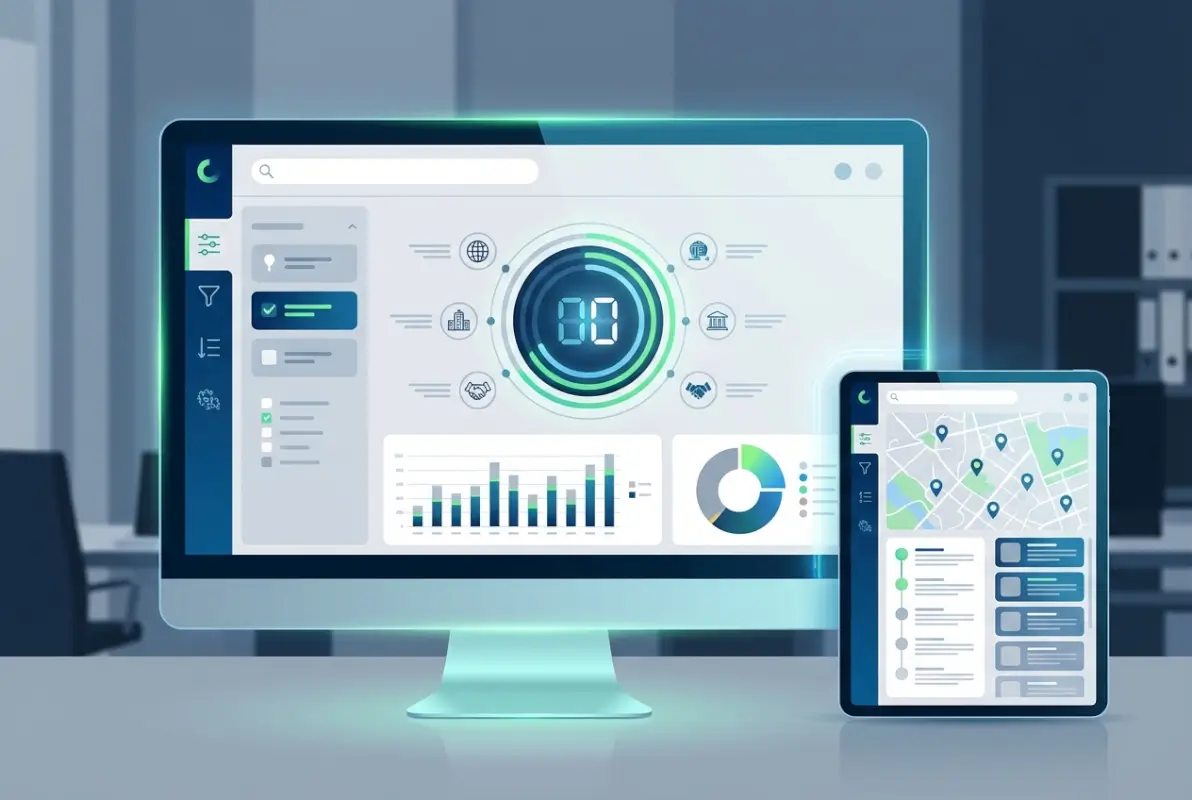
When you compare databases, look beyond the raw count. A database with 300,000 “funders” might include 100,000 corporate matching-gift programs or donor-advised funds that don’t accept unsolicited proposals, whereas a database with 150,000 funders might focus exclusively on foundations that proactively seek grant applications. Quality beats quantity when your goal is actionable prospect research. In my experience working with nonprofits, teams that chase the biggest database often end up overwhelmed by irrelevant leads, while those that prioritize curated, active funders close more grants.
Industry Commentary on Size and Scale
Philanthropy trade publications and The Chronicle of Philanthropy occasionally publish features on the growth of funder databases and the evolution of data standards. Over the past decade, we’ve seen a steady uptick in funder counts as more family foundations formalize with the IRS and as community foundations proliferate. At the same time, database consolidation (like the Foundation Center and GuideStar merger into Candid) has streamlined access but also made it trickier to compare historical counts across different vendor snapshots.
One notable trend is the rise of AI-assisted discovery and data interoperability. Some newer platforms scrape IRS data and supplement it with web crawling to capture funders that don’t yet appear in traditional directories. These experimental databases can claim even higher counts—sometimes north of 250,000—but the trade-off is data quality and verification. If you’re serious about running a successful directory website business, you know that curation and accuracy matter more than sheer volume.
Common Sections and Structure Found in Top-Ranking Content
If you’ve read competing articles on this topic, you’ve probably noticed a pattern. High-ranking content tends to open with a definition of Foundation Directory Online and its parent organization (Candid, formerly Foundation Center), then quickly pivots to the “how many funders” question. From there, most guides walk through search features, data fields (funder name, location, giving interests, staff contacts, 990 references), and the differences between subscription tiers. Finally, they wrap up with pros and cons, case studies, and a call to action.
The best-performing articles also integrate tutorial elements—screenshots of the search interface, step-by-step instructions for filtering by geography or subject area, and tips for exporting results. They recognize that readers aren’t just curious about the size of the database; they want to know how to use it effectively. That’s where the value comes in, and it’s what separates a quick listicle from a resource people bookmark and share with colleagues.
Observed Patterns Across Top Articles
Most top articles emphasize three things: the vast scale of the directory, the credibility of IRS-sourced data, and practical guidance for narrowing down prospects. They’ll include callouts like “Start broad, then filter by location and funding focus” or “Save your searches and create notes for follow-up.” Some incorporate user testimonials—development directors sharing how they discovered a regional foundation that became a six-figure partner, or graduate students highlighting fellowships they found through FDO’s advanced search.
Interestingly, very few articles dig into the nuances of funder counts or explain why the numbers vary. That’s a missed opportunity, because understanding the scope and limitations of the data can save you hours of dead-end research. For example, if you know that FDO’s international coverage is spotty, you won’t waste time searching for European foundations—you’ll pivot to a specialized database or consult nonprofit research hubs that aggregate global giving data.
Navigating the Foundation Directory Online: Practical Tips
Let’s get tactical. Once you’ve confirmed your library or institution has an FDO subscription, your first step is to run a broad search—maybe just your nonprofit’s mission area (e.g., “environmental conservation”) and your state. You’ll likely get hundreds or thousands of results. That’s where filters come in. Narrow by total assets (e.g., foundations with at least $1 million in assets), by geographic focus (funders that prioritize your state or city), and by application deadlines if you’re on a tight timeline.

FDO’s advanced search lets you combine multiple criteria. You can search for funders that gave at least $10,000 in your subject area in the past three years and are located within 100 miles of your office. That level of precision is invaluable when you’re building a prospect list for a major campaign. Save your search parameters so you can re-run the query monthly as new 990 data rolls in—I remember one development director who discovered a brand-new family foundation this way, submitted a letter of inquiry within days of their first public grant, and ended up as the foundation’s inaugural grantee.
Searching by Funder Name, Location, and Focus Areas
Name searches are straightforward—great if you’ve heard a foundation mentioned at a conference and want to learn more. Location filters let you zoom in on community foundations and regional family foundations that prioritize local nonprofits. Subject filters are where the magic happens, though. FDO uses standardized taxonomy (based on the National Taxonomy of Exempt Entities and other classification systems), so searching “arts and culture” will catch funders coded under performing arts, museums, historic preservation, and more.
One gotcha: not all funders self-report their giving interests with the same level of detail. A small family foundation might file a bare-bones 990 that only lists generic “charitable purposes,” while a large corporate foundation provides detailed subject codes for every grant. That means your search might miss some relevant prospects or return false positives. Cross-reference FDO results with the funder’s website or annual report (often linked in the profile) to confirm alignment.
Using Filters and Advanced Search Features
Advanced search is where power users live. You can filter by application process (online portal vs. letter of inquiry vs. invitation-only), by trustees or staff names (useful if you have a personal connection), and by grant range (to avoid wasting time on funders whose average grant is too small or too large for your ask). Some versions of FDO also let you search by keyword in grant descriptions, which is incredibly helpful if you’re looking for funders that supported a specific initiative or program model.
Export features vary by subscription tier. Essential might let you export basic contact info for up to 50 funders at a time, while Professional tiers can export hundreds of records with full 990 data, grant histories, and trustee lists. If you’re building a community builder online directory or integrating prospect data into your CRM, those export capabilities can be a game-changer.
Data Quality and Sources: Why the Foundation Directory Online Numbers Are Reliable
Skeptics sometimes ask: how do we know these funder counts are accurate? The answer lies in the data pipeline. Every private foundation with assets over $5,000 must file IRS Form 990-PF annually, and public charities with significant revenue file Form 990. These are public documents, accessible through the IRS or through data aggregators like Candid. Foundation Directory Online ingests these filings, normalizes the data (cleaning up inconsistent foundation names, matching grants to recipient EINs), and layers on additional research from annual reports, foundation websites, and press releases.
That multi-source approach means FDO profiles often include details you won’t find in a raw 990—like program officer contact info, strategic priorities from the latest annual report, or news about a major gift that signals expanded grantmaking. Of course, no database is perfect. Smaller foundations might fly under the radar if they don’t file electronically or if they operate just below IRS thresholds. And there’s always a lag: a foundation that filed its 990 in May might not appear in FDO until late summer, depending on the vendor’s update cycle.
Data Governance and Update Cadence
Candid publishes updates on a rolling basis—some sources cite weekly refreshes for new 990 filings, while major annual reports and staff changes might be added monthly or quarterly. The exact cadence depends on your subscription level and the vendor’s internal workflows. If you’re organizing an Active Directory for a business environment, you’ll appreciate the parallels: consistent data governance, version control, and audit trails are essential for maintaining trust.
Data corrections happen, too. If a foundation notifies Candid of an error in its profile (say, an outdated address or a grant that was misattributed), the vendor will issue a correction. Users can sometimes flag issues through feedback forms, though the turnaround varies. For high-stakes research—like preparing a seven-figure grant proposal—it’s smart to verify key details directly with the foundation or through a secondary source like GuideStar (which shares data with Candid but might have different update timing).
Practical Use Cases: Who Benefits Most from Foundation Directory Online?
Nonprofits are the obvious users, but the database serves a broader ecosystem. University libraries subscribe to support faculty research, student fellowships, and institutional advancement. Graduate students use FDO to find dissertation funding or travel grants. Consultants and grantwriters rely on it for prospect research. Even foundations themselves sometimes subscribe to benchmark their giving against peers or identify co-funding partners.
In my experience, small to mid-size nonprofits get the biggest return on investment. Large institutions often have dedicated prospect research teams with access to multiple databases, while tiny grassroots groups might not have the bandwidth to chase hundreds of leads. But a 10-person nonprofit with one part-time development staffer? FDO can level the playing field, surfacing regional funders and niche opportunities that would otherwise require weeks of manual web searching.
Prospect Research Workflow for Nonprofits
Here’s a typical workflow: start with a broad search (e.g., “youth development” + “California”), export the top 100 results, and score them based on giving capacity, alignment with your mission, and accessibility (do they accept unsolicited proposals?). Prioritize 20-30 high-potential prospects, then dive into their 990s to see which organizations they’ve funded recently. Look for patterns—do they favor new initiatives or established programs? Do they fund capital campaigns or only operating support? Use that intel to craft tailored letters of inquiry.
Save your notes in FDO’s built-in tagging or notes system (if your tier supports it), or export to a spreadsheet for tracking. Flag prospects that require follow-up (e.g., “email program officer in September after their board meeting”). This systematic approach, which you can also apply when you’re trying to encourage businesses to sign up for a directory, turns a massive database into a manageable pipeline.
Comparison with Major Competitors: FDO vs. FoundationSearch and Others
How does Foundation Directory Online stack up against alternatives? FoundationSearch offers a comparable database with a different user interface and pricing model. Some users prefer FoundationSearch’s visual dashboards and pre-built reports, while others find FDO’s deeper integration with Candid’s other tools (like GuideStar profiles and the Philanthropy Classification System) more valuable. Both claim large funder counts, but as we’ve discussed, the real question is how many of those funders are active, relevant, and accessible to you.
There are also free or low-cost options. The IRS publishes 990 data in bulk, which technically gives you access to every foundation’s financials, but without the search features, normalization, or grant histories that make FDO useful. Foundation Center’s old Foundation Finder was a free preview tool (now largely phased out in favor of Candid’s freemium model), and some state associations of nonprofits maintain curated lists of local funders. None of these free resources match FDO’s breadth, but they can supplement your research or serve as a starting point if you’re on a tight budget.
| Feature | Foundation Directory Online | FoundationSearch |
|---|---|---|
| Funder Count | 166,000–228,000+ | Varies; often marketed as “hundreds of thousands” |
| Data Sources | IRS 990s, annual reports, public filings | Similar; may include proprietary research |
| Integration | Deep ties to GuideStar, Candid ecosystem | Standalone; some CRM plugins |
| Pricing | Tiered; often via institutional license | Tiered; individual and org plans |
Costs, Access, and Training Resources
Most users access Foundation Directory Online through a library or university subscription. If your institution already pays for it, you’ll typically log in via an IP-authenticated portal or with a library card number. Pricing for institutional licenses varies based on the size of the institution and the tier (Essential, Professional, etc.), but expect costs in the thousands to tens of thousands per year for a full-featured subscription.
Individual subscriptions are available, though they’re less common. Candid occasionally offers grants to nonprofits or discounted access for qualifying organizations. Check their website or ask your local nonprofit support center if you’re eligible. Training resources are robust: Candid provides webinars, video tutorials, and quick-start guides. Many libraries also run in-person or virtual workshops on using FDO effectively. If you’re serious about maximizing your investment, take advantage of these—I’ve seen teams cut their prospect research time in half after attending a single training session.
Tips and Best Practices for Researchers
First, don’t treat FDO as a one-stop shop. Cross-reference your findings with foundation websites, recent news articles, and peer organizations’ grant acknowledgments. Second, maintain a research log. Note when you last updated a prospect’s profile, what you learned, and next steps. This habit prevents duplicate work and keeps your team aligned. Third, use Boolean search operators and wildcard characters to refine queries—for example, “environment*” will catch “environmental,” “environmentalism,” etc.
Data hygiene matters, too. If you export funder lists into a spreadsheet or CRM, clean up duplicates and standardize names. Foundations sometimes appear under multiple variations (e.g., “The Smith Family Foundation” vs. “Smith Foundation”), and sloppy data will sabotage your outreach. Finally, respect privacy and ethical guidelines. Just because a 990 lists a trustee’s home address doesn’t mean you should mail unsolicited proposals there—stick to the foundation’s official contact channels.
Cross-Referencing with External Data
Beyond FDO, tap into IRS bulk data downloads if you have the technical chops to parse XML files. Tools like IRS 990 downloads offer raw data that you can analyze for trends or gaps. Public annual reports are gold mines for strategic insights—many foundations publish these on their websites, detailing upcoming priorities, application deadlines, and recent grants. If you’re trying to get a business listed in a directory, similar cross-referencing techniques apply: official filings plus web research plus direct outreach.
Future Directions and Trends in Funder Directories
The philanthropy data landscape is evolving fast. AI-assisted discovery tools are emerging that can predict which funders are likely to support your work based on natural language processing of your mission statement and their grant histories. Open data movements are pushing for more standardized, machine-readable formats (like the grants data schema championed by 360Giving in the UK), which could eventually make cross-database comparisons easier. Blockchain-based verification is even on the horizon, though it’s more hype than reality for now.
Interoperability is another trend to watch. Imagine seamlessly pulling FDO data into your CRM, cross-referencing it with your donor database, and generating tailored cultivation plans—all in a single dashboard. Some CRMs already offer partial integrations, and as APIs become more robust, we’ll see tighter linkages. For directory operators and data aggregators, these trends underscore the importance of clean, standardized data and open APIs.
Frequently Asked Questions
How many funders does Foundation Directory Online have?
Foundation Directory Online includes between 166,000 and 228,000+ funders, depending on the subscription tier and snapshot date. The lower figure reflects active U.S.-based private and community foundations, while the higher count includes international funders, inactive entities, and specialized government programs. Always check your library’s access page or vendor documentation for the latest count.
Is Foundation Directory Online available to the public or only through libraries?
Access is primarily through institutional subscriptions at libraries, universities, and nonprofit support centers. Public access is limited, though Candid occasionally offers discounted or grant-funded access to qualifying nonprofits. Check with your local library to see if they provide FDO access to cardholders.
What types of funders are included in FDO?
FDO includes private independent foundations, family foundations, corporate foundations, community foundations, public charities that make grants, and some government grantmakers. The mix varies by edition; Professional tiers tend to include more specialized and international funders than Essential editions.
How often is the funder data updated in FDO?
Update cadences vary by subscription level. Many sources cite weekly refreshes for new IRS 990 filings, with quarterly or monthly updates for annual reports, staff changes, and grant records. Always verify the last-updated date on a funder’s profile within the database.
What data sources feed FDO funder profiles?
FDO draws primarily from IRS Form 990 and 990-PF filings, supplemented by foundation websites, annual reports, press releases, and grant recipient acknowledgments. This multi-source approach provides richer context than raw 990 data alone.
How does FDO handle international funders?
FDO includes some international funders, especially those that fund U.S. nonprofits or maintain U.S. operations. Coverage is less comprehensive than for domestic foundations, so consider supplementing with regional databases if you’re seeking international grants.
Can I export funder lists from FDO?
Export capabilities depend on your subscription tier. Essential plans may allow limited exports (e.g., 50 records at a time with basic fields), while Professional plans support larger exports with full 990 data, grant histories, and trustee information. Check your plan’s documentation for specifics.
How does FDO compare to other funder databases like FoundationSearch?
Both FDO and FoundationSearch offer large funder inventories and advanced search features. FDO integrates tightly with Candid’s ecosystem (GuideStar, Philanthropy Classification System), while FoundationSearch emphasizes visual dashboards and pre-built reports. The best choice depends on your workflow and which interface you prefer.
What are the differences between FDO plans (Essential vs. Professional)?
Essential plans focus on the largest, most active U.S. funders and offer basic search and limited export. Professional plans include smaller funders, international entities, historical records, advanced search operators, and expanded export limits. Pricing and exact features vary, so consult your library or vendor for current offerings.
Are there free alternatives to FDO, or free trials for libraries?
The IRS publishes 990 data for free in bulk downloads, but without search tools or normalization. Some state nonprofit associations curate regional funder lists. Candid occasionally offers trial access to libraries; contact them or check their website for current programs. Free resources lack FDO’s depth but can supplement your research.
Wrapping It All Up: Your Next Steps
So, how many funders are listed in Foundation Directory Online? The honest answer is: it depends on when you’re asking, which product tier you’re using, and what types of funders you count. But for most practical purposes, you’re looking at a range of 166,000 to 228,000+ foundations, corporate givers, and public charities—backed by millions of grant records and decades of IRS filings. That’s a staggering resource, and if you approach it with a clear strategy (targeted searches, rigorous cross-referencing, and systematic follow-up), it can transform your fundraising outcomes.
Don’t get paralyzed by the sheer size of the database. Start with a focused query, use filters to narrow your prospects, and verify key details through secondary sources. Leverage training resources and collaborate with colleagues to share insights. And remember, the best database in the world won’t write your grant proposals for you—it’s a tool, not a magic wand. Pair FDO with strong relationship-building, compelling storytelling, and a mission that resonates, and you’ll turn those hundreds of thousands of funder profiles into real partnerships and funding.
Ready to dive in? Check with your library or institution today to confirm your FDO access level, bookmark the latest library guides for quick reference, and block out an hour this week to run your first advanced search. The funders are out there—now it’s your turn to find them.