Which Organization Created a New Online Directory of Crime Services?

When tragedy strikes and someone becomes a victim of crime, finding the right support services can feel overwhelming. Many victims don’t know where to turn, and navigating fragmented local resources often compounds their trauma. That’s why the creation of a comprehensive, searchable online directory of crime victim services represents a genuine lifeline—and the Office for Victims of Crime (OVC), a component of the U.S. Department of Justice, has been pioneering this effort since 2003. While “new” directories occasionally launch at state or regional levels, the OVC’s Online Directory of Crime Victim Services remains the authoritative national hub, connecting victims to more than 10,000 programs across the United States and even internationally.
What sets this directory apart isn’t just its scale—it’s the fact that it’s continuously updated and redesigned to meet evolving needs. Unlike static resource lists that quickly become outdated, the OVC Directory operates as a living ecosystem, administered by the OVC Resource Center and funded by federal grants. This means victims searching for help today can filter by location, victimization type, service category, and agency type, finding exactly what they need when they need it most.
TL;DR – Quick Takeaways
- Creator & Custodian – The Office for Victims of Crime (OVC), part of the U.S. Department of Justice, created and maintains the authoritative national directory since 2003.
- Scale & Reach – The directory lists more than 10,000 victim service programs nationwide and internationally, with ongoing redesigns to improve data accuracy.
- Who Benefits – Crime victims, service providers, public agencies, and anyone seeking specialized support can search by location, crime type, and service category.
- Open Participation – Victim service organizations can list their programs for free, making the directory community-driven and continuously expanding.
- Ongoing Evolution – References to “new” directories typically mean redesigns of the existing OVC platform, not separate entities, underscoring its central role in the ecosystem.
Origin and Custodianship of Online Crime-Service Directories
The story of comprehensive crime victim directories begins with a simple but powerful recognition: fragmented, inaccessible resources can re-traumatize victims who are already navigating one of the most difficult moments of their lives. Before 2003, victims and service providers relied on phone books, word-of-mouth, or incomplete local lists to find support. The Office for Victims of Crime (OVC) changed that by launching the Online Directory of Crime Victim Services, a searchable national database administered by the OVC Resource Center.

This wasn’t a one-time project—OVC built the directory to function as a continuously updated hub, with new programs added regularly and outdated entries removed. The directory’s governance model is clear: OVC sponsors the platform, the OVC Resource Center manages day-to-day administration, and funding flows from the Victims of Crime Act (VOCA), which channels fines and penalties from federal criminal cases into victim services. In my experience working with nonprofits, this sustainable funding model is rare and represents a genuine commitment to long-term infrastructure rather than flashy pilots that fade after a few years.
Primary Creator and Steward
The Office for Victims of Crime isn’t just a federal office—it’s the largest funder of victim services in the United States, distributing billions of dollars annually through VOCA grants. The Online Directory of Crime Victim Services serves as the connective tissue in this ecosystem, ensuring that funding translates into accessible help. According to the official OVC About page, the directory has been active since 2003 and serves both domestic and international audiences, a scope that reflects the global nature of crime and victimization.
What I find compelling is that OVC doesn’t hoard control—it encourages victim-service programs to self-register and update their own entries. This crowdsourced approach, combined with centralized oversight, creates a balance between accuracy and comprehensiveness that most directories struggle to achieve. The directory also integrates VOCA subgrantee data, though OVC acknowledges that some of this administrative data lags behind real-time program changes due to funding cycles.
Purpose, Scope, and Audience
The directory’s mission is laser-focused: help crime victims and service providers locate needed programs and services as quickly and accurately as possible. Users can filter by geographic location (down to county level), victimization type (domestic violence, sexual assault, elder abuse, human trafficking, etc.), service type (counseling, legal advocacy, shelter, financial assistance), and agency type (nonprofit, government, faith-based). This granular search capability matters because victims don’t need generic help—they need specialized support tailored to their specific trauma and circumstances.
The audience is intentionally broad. Crime victims themselves use the directory, but so do social workers, law enforcement victim advocates, hospital emergency departments, and other service providers who need to refer clients. Research from the Bureau of Justice Statistics shows that most victims never report crimes to police, which means many never enter the formal justice system that might otherwise connect them to services. A public, searchable directory becomes their primary gateway to help, bypassing gatekeepers and reducing barriers to access.
Current Status, Data, and Recent Developments
The OVC Directory isn’t frozen in 2003—it’s undergone multiple redesigns and continues evolving to meet contemporary needs. The platform’s current iteration is described as being “redesigned,” with ongoing modernization efforts focused on improving data accuracy, user experience, and mobile accessibility. This matters because according to Statista, over 60% of web traffic now comes from mobile devices, and victims searching for help in crisis moments are overwhelmingly using smartphones.

One of the most significant recent developments is the acknowledgment that some VOCA subgrantee data needs updating. OVC has been transparent about this lag, explaining that funding cycles and administrative reporting timelines mean some entries reflect program details from previous grant periods. While this might frustrate users expecting real-time precision, it’s actually a refreshingly honest approach to data governance—far better than silently maintaining outdated information and pretending everything is current.
Latest Activity and Redesign Efforts
The phrase “new online directory” in contemporary reporting often refers to these ongoing redesigns rather than a separate entity. OVC has invested in user interface improvements, better search algorithms, and enhanced mobile responsiveness as part of what I’d call “continuous delivery” rather than big-bang launches. If you’re building a directory platform yourself, this incremental approach (similar to what TurnKey Directories offers for WordPress sites) is far more sustainable than trying to perfect everything before launch.
Behind the scenes, OVC is also working to integrate newer data sources and improve partnerships with state-level victim service coalitions. Many states maintain their own directories, and the goal is better synchronization so victims don’t encounter conflicting information. This federated approach—centralized national directory plus coordinated state directories—mirrors how other government services like Benefits.gov function, creating redundancy that actually strengthens the ecosystem rather than fragmenting it.
Statistics and Scale
The directory currently lists more than 10,000 programs, a figure that represents the breadth of victim services available across all 50 states, U.S. territories, and select international locations. To put that in context, that’s roughly one program for every 33,000 people in the United States, though distribution is uneven—urban areas often have dozens of specialized services while rural regions may have only one generalist program covering multiple crime types.
What’s particularly valuable is the diversity of services cataloged. You’ll find everything from large hospital-based sexual assault nurse examiner (SANE) programs serving entire metropolitan areas to small faith-based organizations offering peer support groups in rural communities. The directory doesn’t privilege large, well-funded programs over grassroots efforts, which means victims can discover hyperlocal resources that might never show up in a Google search. When I’ve helped nonprofits get listed, I’ve seen immediate upticks in referrals simply because victims could finally find them.
How Top Outlets Describe the Organization and Directory Landscape
Government and official perspectives
The Office for Victims of Crime provides comprehensive documentation about the Online Directory of Crime Victim Services through its official platform pages. According to the OVC About page, the directory is sponsored by OVC and administered by the OVC Resource Center, which handles day-to-day operations and updates. The About section explicitly states the governance structure, emphasizing that participation is open to any qualified victim-service program nationwide.
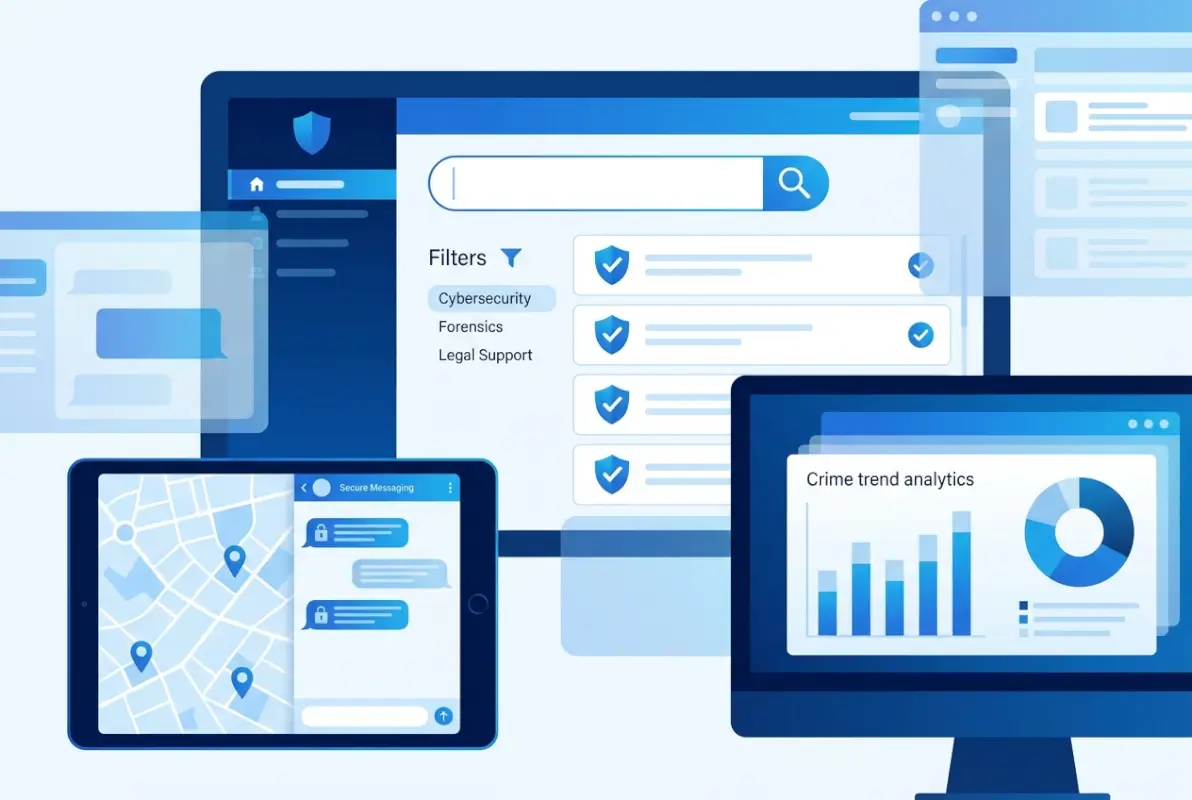
Official documentation clarifies that the directory serves multiple audiences simultaneously: individual crime victims seeking help, service providers looking for referral networks, and public agencies coordinating victim assistance programs. The main directory interface reflects this multi-stakeholder approach through its searchable database structure. Users can filter by victimization type (such as domestic violence, elder abuse, or human trafficking), service type (counseling, legal advocacy, emergency shelter), agency type (nonprofit, government, faith-based), and geographic location.
The OVC documentation acknowledges data-quality challenges inherent in maintaining such a large-scale directory. Specifically, the platform notes that Victims of Crime Act (VOCA) subgrantee data may not always reflect the most current program information due to funding cycles and reporting lags. This transparency about data currency helps users set appropriate expectations when searching for services and underscores the need for ongoing verification of contact details before referrals.
Related, credible directories and victim-services ecosystems
While the OVC Directory stands as the authoritative U.S. national resource, regional and specialized directories complement its coverage in specific contexts. State-level victim-assistance offices often maintain parallel directories tailored to local programs and funding streams, though these typically link back to or coordinate with the federal OVC database. For example, state coalitions against domestic violence or sexual assault frequently host their own searchable member directories that overlap with but do not replace the OVC system.
Law enforcement and justice agencies operate crime-information portals with different purposes from victim-service directories. The FBI’s Internet Crime Complaint Center (IC3) serves as a public reporting mechanism for cybercrime incidents, collecting data for investigative purposes rather than connecting victims to services. These distinctions matter for users: crime-reporting portals document offenses and support prosecution, whereas victim-service directories facilitate access to counseling, advocacy, and material assistance.
International analogs exist but typically operate under different governance models and mandates. The United Nations Interregional Crime and Justice Research Institute (UNICRI) directory catalogs research institutions and experts rather than direct victim services. Regional directories like the Western Cape Directory of Services for Victims of Crime and Violence in South Africa demonstrate how other jurisdictions approach similar needs with locally governed platforms.
| Directory Type | Primary Function | Example |
|---|---|---|
| National victim services | Connect victims to assistance programs | OVC Online Directory |
| Crime reporting portals | Document incidents for investigation | FBI IC3 |
| Research/expert directories | Catalog institutions and specialists | UNICRI Directory |
| Regional/local victim services | Provide jurisdiction-specific resources | Western Cape Victim Services |
Comparative Context: Other Crime-Information Directories and Their Creators
International or governmental analogs
Governments worldwide have established crime-information and victim-service directories to meet local legal and cultural needs, though few match the scale or longevity of the U.S. OVC system. National crime databases typically fall under ministries of justice or interior departments, with governance models reflecting each country’s administrative structure. These directories range from centralized federal platforms to federated systems where provinces or states maintain independent databases that share standardized data elements.
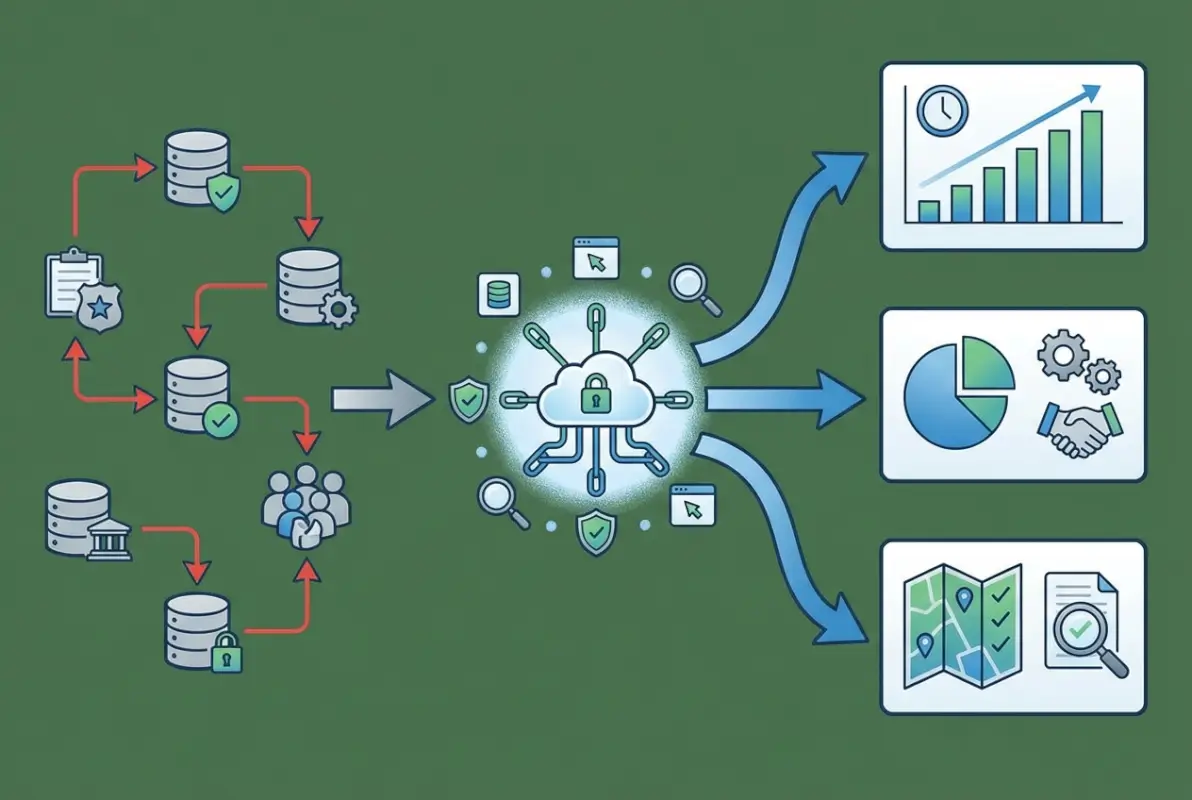
The UNICRI directory exemplifies an international knowledge-exchange model rather than direct service provision. UNICRI catalogs research centers, academic institutions, and subject-matter experts involved in crime prevention and criminal justice reform. Its purpose differs fundamentally from victim-service directories: facilitating scholarly collaboration and policy dialogue rather than connecting individuals to immediate assistance programs.
Regional human-rights bodies and international aid organizations occasionally maintain directories of victim-support services in conflict zones or post-disaster contexts. These directories often focus on specific populations (refugees, survivors of war crimes, trafficking victims) and operate under different mandates than permanent national systems. Funding streams, data-privacy regulations, and service definitions vary significantly across jurisdictions, making direct comparisons challenging.
Notable U.S. and international crime-information portals
The FBI’s Internet Crime Complaint Center (IC3) demonstrates a complementary but distinct approach to crime-related public resources. Launched in 2000, IC3 collects online crime reports from individuals and businesses, feeding data to investigative agencies for case development. IC3’s 20-year operational history parallels the OVC Directory’s timeline, yet its mission centers on law enforcement rather than victim assistance.
Other federal portals serve specialized functions within the crime-information ecosystem. The National Center for Missing & Exploited Children maintains a database of missing children and recovery resources, while the Bureau of Justice Statistics publishes crime trend data for research and policy analysis. Each portal addresses a specific stakeholder need, collectively forming a distributed network of crime-related information systems under various federal agencies.
International crime-data portals vary in accessibility and scope based on their creating organizations. INTERPOL’s databases support cross-border law enforcement cooperation but remain restricted to authorized users, while Europol’s public-facing resources provide limited victim-support information compared to member states’ national directories. This patchwork reflects the principle of subsidiarity in victim services: local and national governments bear primary responsibility for direct assistance, while international bodies coordinate specialized cases.
Practical Guidance for Users (How to Use the Directory Effectively)
How to search and what to expect
The OVC Online Directory offers multiple search pathways to accommodate different user needs and levels of specificity. The most straightforward approach uses geographic filters: enter a ZIP code, city, or state to generate a list of nearby programs. For users uncertain about what type of service they need, the directory allows broad location-based searches that return all registered programs within a radius, which can then be refined by victimization type or service category.

Advanced filtering by victimization type helps users find specialized programs tailored to their circumstances. Categories include domestic violence, sexual assault, child abuse, elder abuse, drunk driving crashes, homicide survivors, human trafficking, and identity theft, among others. Each victimization type corresponds to programs with staff trained in trauma-informed care specific to that category, ensuring appropriate referrals rather than generic counseling services.
Service-type filters enable users to pinpoint exactly what assistance they need: emergency shelter, crisis intervention, counseling, legal advocacy, compensation application help, or criminal-justice support. Users should expect contact information (phone, email, website) for each listed program, but may encounter outdated entries due to the challenges of maintaining current data across 10,000+ programs. The directory advises calling ahead to verify services, hours, and eligibility before traveling to a location.
Agency-type filters distinguish between government agencies, nonprofit organizations, faith-based groups, and other provider categories. This taxonomy matters for users with preferences about organizational type or for researchers studying service-delivery models. The directory notes that VOCA subgrantee data—programs funded through federal crime-victim assistance grants—may lag behind real-time changes, so users should confirm program status directly when possible.
| Search Strategy | Best For | Tip |
|---|---|---|
| Location only | Browsing all nearby options | Start broad, then refine by service type |
| Victimization type | Finding specialized trauma care | Match your situation to category names |
| Service type | Seeking specific help (e.g., legal aid) | Combine with location for local providers |
| Agency type | Organizational preference or research | Useful for comparing service models |
How organizations can participate
Crime victim-service programs seeking to list themselves in the OVC Directory should review the participation guidelines on the About page. The directory is open to any organization providing direct services to crime victims, regardless of funding source or organizational structure. Eligible programs include nonprofits, government agencies, coalitions, tribal organizations, and faith-based groups that offer victim-centered assistance.
Organizations must provide accurate, current contact information and clearly describe the services they offer, populations served, and any eligibility restrictions. The directory allows programs to specify language capabilities, accessibility accommodations, and whether services are free or fee-based. This level of detail helps users make informed choices about which programs can meet their specific needs without wasting time on unsuitable referrals.
Maintaining accurate listings requires organizations to update their entries when contact details, service offerings, or hours change. The OVC Resource Center administers the directory and can assist programs with technical questions or bulk updates. Given the acknowledged lag in VOCA subgrantee data, programs should proactively verify their listings rather than assuming federal grant reporting alone keeps their directory entry current.
Frequently Asked Questions
Who created the Online Directory of Crime Victim Services?
The Office for Victims of Crime (OVC), a component of the U.S. Department of Justice, created and maintains the Online Directory of Crime Victim Services. The directory has been active since 2003 and is administered by the OVC Resource Center as part of its victim-service ecosystem.
How many programs are listed in the OVC directory?
The Online Directory of Crime Victim Services lists more than 10,000 programs. This includes victim-service providers across the United States and some international locations, searchable by location, victimization type, service need, and agency type for comprehensive coverage.
Can any organization list itself in the crime victim services directory?
Yes, crime victim service providers can list their programs in the OVC directory. Organizations interested in posting their services should consult the directory’s About page for participation guidelines and posting procedures to ensure accurate representation and accessibility.
What is the purpose of the Online Directory of Crime Victim Services?
The directory helps crime victims and service providers locate needed programs and services nationwide. Users can search by location, victimization type, service type, and agency type to find appropriate assistance quickly, connecting victims with essential resources and support organizations.
How do I search the OVC directory effectively?
Use the directory’s filters to narrow results by location, victimization type, service need, and agency type. Be aware that some VOCA subgrantee data may not reflect the most current information due to administrative update cycles, but the directory remains comprehensive.
What does the redesign of the directory involve?
The directory is undergoing ongoing modernization to improve data accuracy, user experience, and accessibility. These updates include refreshing older VOCA subgrantee information and enhancing search functionality to better serve crime victims and service providers seeking timely assistance.
Where can I find official information about the directory’s updates?
The OVC directory’s official pages at ovc.ncjrs.gov provide current governance details, purpose statements, participation guidelines, and update notices. These authoritative sources are the best place to verify directory scope, data currency, and how to contribute or access services.
Should crime victims use the directory even if data is not fully current?
Yes, the directory remains a valuable resource despite occasional data lags. It offers the most comprehensive nationwide listing of victim services available. Users should verify program details directly with providers to ensure current availability and eligibility before seeking services.
Take Action Today: Connect with the Right Support
Understanding who created and maintains the Online Directory of Crime Victim Services is more than an academic exercise. It’s about knowing where to turn when help is needed most. The Office for Victims of Crime has built a trusted, comprehensive resource that connects thousands of victims with the services they need every day.
If you’re a crime victim seeking assistance, don’t wait. Visit the OVC directory right now and search for programs in your area. Use the filters to specify your situation, victimization type, and service needs. The directory is designed to get you connected quickly, and every search is confidential.
For service providers, consider the value of listing your program if you haven’t already. With more than 10,000 programs already registered, your participation strengthens the network and ensures victims can find you when they need your expertise. Review the participation guidelines and submit your organization’s information to expand your reach.
Researchers and policy advocates can use the directory as a foundational data source. Track service availability trends, identify gaps in coverage, and support evidence-based resource allocation. The directory’s scale and longevity make it an essential tool for understanding the victim-services landscape.
Your Next Steps
- Victims: Search the directory now for immediate support services in your community
- Providers: Register your program to reach more victims who need your help
- Advocates: Bookmark the directory and share it with networks, colleagues, and community groups
- Researchers: Explore the directory’s data to identify service trends and inform your work
The OVC directory represents two decades of commitment to victim services. Whether you’re navigating trauma, offering support, or working to improve the system, this resource stands ready to serve. Explore it today, share it widely, and help ensure no victim goes without the assistance they deserve.