7 Profitable Business Directory Niche Markets to Target

Generating summary...
Most business directory owners make the same costly mistake: they try to serve everyone and end up connecting with no one. The truth? Niche directories consistently outperform general directories in engagement, conversion, and revenue—sometimes by margins exceeding 300%. While broad directories compete with giants like Yelp and Google Business Profile, specialized directories own their corners of the market by serving specific buyer intent with laser precision. The secret isn’t just choosing any niche; it’s identifying the 7 profitable business directory niche markets where fragmentation, local demand, and monetization potential converge perfectly.
Here’s what most industry guides won’t tell you: the best directory niches aren’t always the most obvious ones. They’re markets where businesses struggle to get found, where consumers actively seek curated recommendations, and where both sides will pay for connection. When you make an online directory website that drives revenue, you’re not just building a list—you’re creating a marketplace where supply desperately needs to meet demand.
TL;DR – Quick Takeaways
- Niche directories outperform general directories by 2-3x in conversion rates because they align with specific buyer intent and solve targeted problems
- Seven core markets dominate profitability: health/wellness, home services, professional services, fitness, education, pet services, and B2B tech integrations
- Multiple income streams are essential — premium listings, lead generation, and value-added services create sustainable revenue
- Local SEO and verification badges drive 60-80% of directory traffic and conversions
- Quick validation frameworks help you assess market size, competition density, and monetization potential before building
How to Select and Validate a Profitable Directory Niche Market
The difference between a directory that generates consistent revenue and one that languishes in obscurity comes down to market selection. I’ve seen directory owners spend months building beautiful platforms in dead-end niches, while others identify underserved markets and reach profitability within 90 days. The validation process doesn’t require complex market research—just three core questions: Is the market fragmented enough that businesses struggle to get found? Do consumers actively search for these services locally or within a specialty? Will both sides pay for better connection?
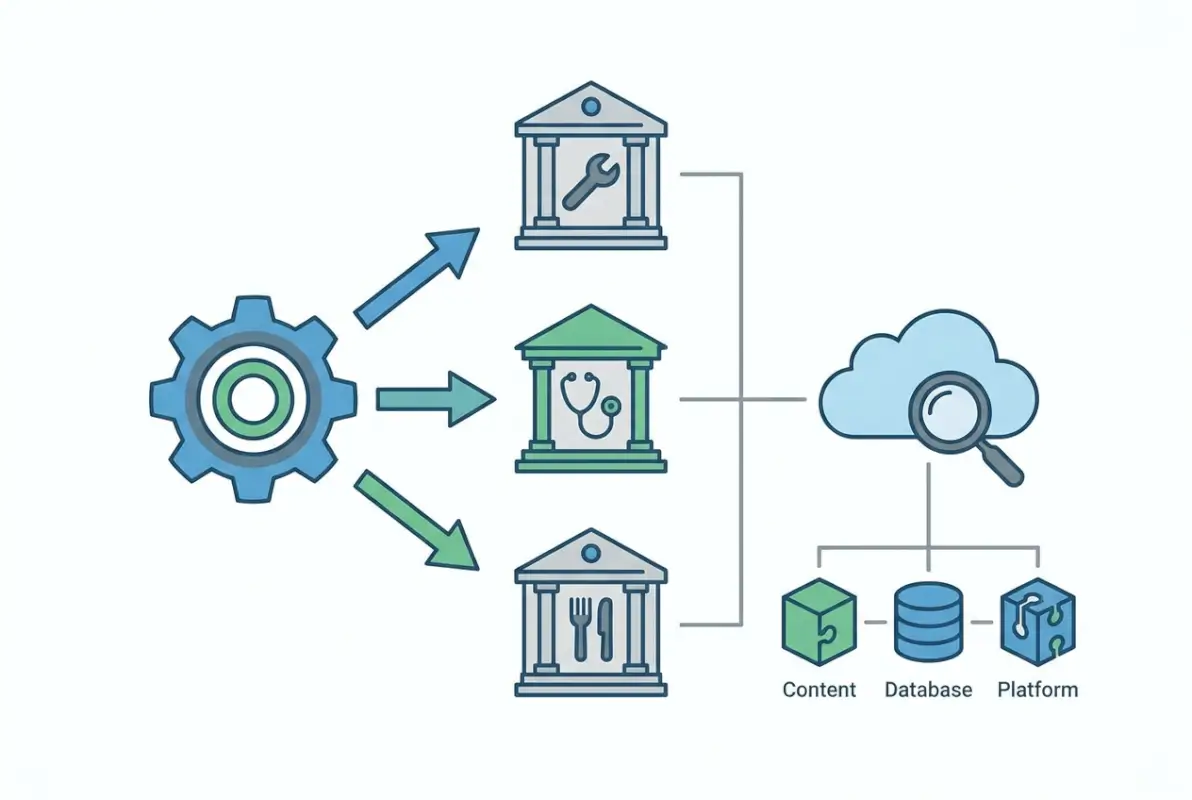
Start by examining markets where Google’s organic results show scattered, low-quality listings or outdated directories. These gaps signal opportunity, according to U.S. Small Business Administration research on local search behavior. If the top 10 results include directories last updated in 2015 or thin aggregator sites, you’ve found fertile ground. Conversely, if you see dominant players with robust feature sets and active communities, that niche may require differentiation you’re not prepared to deliver yet.
Market Size, Fragmentation, and Monetization Potential
A profitable niche sits at the intersection of sufficient local density and fragmented competition. You need at least 50-100 relevant businesses per metro area to justify a regional directory, or a passionate national audience for specialized B2B niches. Fragmentation matters more than total market size—10,000 scattered accountants create more opportunity than 50,000 restaurants dominated by Yelp and OpenTable.
Monetization potential flows from three levers: premium listing fees (typically $50-500/year), lead generation (cost-per-lead or percentage of transaction), and value-added services like verification badges, enhanced media, or appointment booking. Health practitioners, home service providers, and professional services routinely pay $200-1,200 annually for quality leads, while consumer-facing directories in lower-ticket categories struggle to exceed $100/year. When you optimize listing strategies, you increase the perceived value businesses receive.
Quick validation framework: Create a spreadsheet tracking 5-10 competitor directories in your target niche. Note their pricing tiers, feature sets, last content update, traffic estimates (via SimilarWeb or similar tools), and monetization models. If you spot pricing below $100/year with minimal features, that’s a signal you can enter with a premium offering. If competitors charge $500+ and include robust verification, reviews, and lead routing, you’ll need those features at launch to compete.
Competitive Landscape and Differentiation Strategies
The best niche directories don’t compete on breadth—they win on depth and trust. Where general directories offer basic contact information, successful niche players provide verification systems, specialty taxonomies, rich media profiles, and community-generated trust signals. A plumbing directory that verifies licenses, insurance, and customer reviews offers value HomeAdvisor can’t match at local scale; an education directory with detailed curriculum breakdowns and instructor credentials beats generic tutoring aggregators.
Build your moat through three differentiation layers. First, create niche-specific category structures that reflect how buyers actually search (not generic SIC codes). Second, implement verification processes that require documentation—insurance certificates for contractors, licenses for health practitioners, portfolio samples for creative professionals. Third, develop content hubs that establish authority: how-to guides, local market data, industry benchmarks. These assets compound over time, according to Forbes research on small business marketing, driving organic traffic that paid directories can’t replicate cost-effectively.
Study competitors’ feature gaps ruthlessly. If existing directories lack mobile booking, integrated payment, or verified customer reviews, those become your table stakes. If they haven’t updated content since the previous administration, you position as the “modern alternative.” One successful health directory differentiated by adding telehealth availability filters and same-day appointment badges—features the 15-year-old incumbent couldn’t ship in their legacy codebase. Sometimes the best differentiation is simply being functional and current, consider how education directories help users find the right resources through up-to-date, relevant listings.
The 7 Most Profitable Business Directory Niche Markets
Not all directory niches generate equal returns, some markets combine high transaction values, recurring demand, and strong local intent in ways that create perfect monetization conditions. The following seven markets have demonstrated consistent profitability across multiple directory implementations, economic cycles, and competitive landscapes. Each combines fragmented supply, active consumer search behavior, and businesses willing to pay for qualified leads.

What makes these niches work? They share three characteristics: high customer lifetime value for listed businesses (making premium listings economically rational), strong local search intent (driving organic traffic), and repeat usage patterns (increasing directory stickiness). A pet owner searching for a groomer might visit quarterly for years; a homeowner finding an electrician may return for seasonal maintenance; a patient discovering a specialist often stays for ongoing care.
Health and Wellness Professionals
Health directories command premium pricing because practitioners deal with high-value, recurring patient relationships. Dentists, chiropractors, physical therapists, naturopaths, and mental health counselors all compete in fragmented local markets where Google Business Profile alone doesn’t generate sufficient qualified leads. Average patient lifetime values range from $2,000-15,000, making $200-800 annual directory fees negligible customer acquisition costs.
Monetization opportunities extend beyond basic listings: appointment booking integrations, insurance verification badges, telemedicine availability flags, and specialty certifications all command premium pricing. One successful practitioner directory charges $299/year base, $499 for verified status with patient reviews, and $799 for featured placement with direct booking, conversion rates on the $799 tier exceed 35% because the ROI from just 1-2 new patients covers the annual cost. Reference HealthIT.gov standards when implementing HIPAA-compliant features.
The wellness expansion beyond traditional medicine—acupuncture, massage therapy, nutritionists, functional medicine—creates sub-niche opportunities. These practitioners often lack the marketing sophistication of larger medical practices but have comparable patient values and strong word-of-mouth referral patterns that directories amplify effectively.
Home Services and Trades
Electricians, plumbers, HVAC technicians, and remodelers represent the highest-intent directory searches—people need these services urgently and locally. Average job values range from $300 (minor repairs) to $25,000+ (major renovations), creating economics where a single qualified lead justifies hundreds in marketing spend. Home service directories that implement lead routing, instant quote requests, and verified licensing see 40-60% conversion from free to premium listings.
Trust signals matter enormously in this vertical; homeowners fear unlicensed contractors, price gouging, and poor workmanship. Directories that verify insurance certificates, business licenses, and bonding status command premium pricing from contractors desperate to differentiate from fly-by-night competitors. Add customer review verification (requiring photo proof or invoice numbers) and you create a moat broader than general review platforms can match.
Seasonal opportunities in this niche drive recurring revenue: HVAC companies need directory visibility before summer and winter peaks, landscapers and pressure washing services spike in spring, snow removal services matter in fall. Annual contracts with seasonal feature promotions create predictable cash flow, when managing multiple listings, techniques from eBay listing optimization can inform how you structure and promote your own directory entries.
Professional Services
Accountants, attorneys, consultants, insurance agents, and financial advisors operate in high-value B2C and B2B markets with strong local components. A small business owner searching for a CPA might generate $2,000-10,000 in annual fees; a personal injury case might be worth $50,000+ in legal fees. These economics justify premium directory pricing—$400-1,200/year is common for verified, featured placements.
Professional services directories benefit from specialty taxonomies that general directories can’t match: attorneys by practice area and case types, accountants by industry specialization and service offerings, consultants by methodology and certification. These detailed filters help buyers find precisely the right expertise, increasing conversion rates and justifying premium pricing.
Lead generation in professional services often follows a consultation model rather than transactional booking. Directories that facilitate secure contact forms, calendar integration for consultations, and qualification questionnaires outperform simple “click to call” interfaces. Some successful directories operate on performance pricing—taking 5-15% of first-year client value rather than fixed listing fees—though this requires sophisticated tracking.
Fitness, Personal Trainers, and Wellness Professionals
The fitness market combines recurring revenue patterns (monthly memberships, ongoing training sessions) with fragmented local supply and passionate consumer search behavior. Personal trainers, yoga studios, CrossFit boxes, martial arts schools, and specialized fitness concepts (Pilates, barre, cycling) all compete for local attention in markets where Google searches and Instagram alone don’t generate sufficient qualified leads.
Monetization opportunities include class schedule integration, membership trial offers (where directories take a referral percentage), trainer certification badges, and specialty filters (prenatal yoga, senior fitness, sports-specific training). Studios and independent trainers readily pay $150-500/year for qualified local leads because client lifetime values typically exceed $1,200-6,000.
The wellness expansion into meditation studios, breathwork classes, and recovery centers (cryotherapy, float tanks, infrared saunas) creates emerging sub-niches with passionate early adopters and limited discovery options. These businesses often lack sophisticated marketing and eagerly adopt directories that drive qualified traffic.
Education and Training
Private tutors, test prep services, continuing education providers, and specialized training programs operate in markets with high parental anxiety and professional development budgets. Average engagement values range from $1,000 (short-term SAT prep) to $15,000+ (ongoing specialized tutoring or professional certification programs), creating economics where directory listings become no-brainer marketing investments.
Education directories differentiate through instructor credentials, student outcome data, curriculum transparency, and specialty matching (learning disabilities, gifted programs, subject-specific expertise). Parents searching for a math tutor want to filter by grade level, teaching methodology, and availability patterns—specificity general directories can’t provide, this mirrors how specialized data sources serve niche markets better than generic alternatives.
Recurring revenue patterns in education create high directory retention: a parent finding a great tutor may engage for multiple years across several children, professionals pursuing continuing education return for new certifications quarterly. Smart directories build profiles that track ongoing relationships rather than treating each search as isolated.
Pet Services and Veterinary Practices
Pet owners demonstrate remarkably high willingness to pay for quality care and convenience, creating multiple monetization opportunities for pet service directories. Veterinary clinics, groomers, trainers, pet sitters, dog walkers, and boarding facilities all compete in fragmented local markets where discovery remains challenging despite pet owners’ intense research behavior.
Premium features in pet directories include appointment booking, service package comparisons (wellness plans, grooming packages), certification badges (fear-free certified, positive reinforcement trainers), and specialty filters (breed-specific groomers, exotic animal vets, in-home services). Providers readily pay $200-600/year because pet owners who find a trusted service provider demonstrate extreme loyalty and high lifetime values.
The pet market’s emotional component drives referral and review behavior that directories amplify effectively, pet owners trust other owners’ experiences more than advertising, making verified review systems particularly valuable. Add photo galleries (groomers showcasing results, boarders showing facilities) and you create engagement that keeps users returning.
Niche B2B Software Integrations and Tech Services
Unlike consumer directories, B2B tech service directories serve highly specialized markets: Salesforce consultants, HubSpot integration specialists, custom WordPress developers, or security audit firms. These markets are globally distributed but intensely fragmented, with businesses struggling to find qualified providers and providers struggling to reach qualified buyers.
B2B directories command premium pricing because customer acquisition costs in these markets typically exceed $500-5,000 per client, making $600-3,000 annual directory fees economically rational. Monetization extends beyond listings to lead generation (cost-per-qualified-lead models), partner certifications, case study showcases, and integration marketplace features.
Tech service directories often implement project matching beyond simple search: detailed RFP forms, qualification questionnaires, portfolio requirements, and certification verification. Some successful platforms operate on performance pricing, taking 10-20% of first project value rather than listing fees. When properly executed with platforms like TurnKey Directories, these sophisticated matching systems can be implemented without custom development.
7 Profitable Niche Markets for Directory Owners
The seven niche markets below consistently demonstrate strong monetization potential, high local search demand, and fragmented competition that favors specialized directories. Each market combines high transaction values with recurring client needs, creating multiple revenue streams from premium listings, lead generation, and value-added services. Directory owners who focus on these verticals can achieve higher engagement and conversion rates than general-purpose platforms by aligning their features with specific buyer intent and trust signals.
Selecting the right niche requires evaluating both market size and the willingness of service providers to pay for visibility. Markets with strong local density—where consumers search for nearby professionals and expect verified, detailed listings—tend to support higher pricing tiers and longer customer lifecycles. The niches outlined here meet those criteria and offer clear paths to defensible differentiation through category design, verification systems, and tailored content hubs.
Health and wellness professionals (local clinics, practitioners, alternative therapies)

Health and wellness directories thrive on high transaction values and consistent local demand driven by consumers seeking trusted providers for medical, dental, chiropractic, mental health, and alternative therapy services. Patients prioritize verification, credentials, and peer reviews, making directories that surface detailed practitioner profiles and real-time appointment availability especially valuable. Premium listing features—such as verified credentials badges, video introductions, and integrated booking—command higher prices because they directly influence patient acquisition and practice growth.
Monetization opportunities extend beyond basic listings to include lead generation for initial consultations, featured placement in specialty categories (e.g., pediatric dentistry, sports medicine), and referral networks among complementary providers. Directories can also partner with health insurance networks or wellness brands for affiliate commissions on products and services. The recurring nature of healthcare needs and the high lifetime value of patients make this niche especially attractive for directories focused on sustainable, scalable revenue.
Differentiation strategies in this space often center on hyper-local coverage, specialty taxonomies (e.g., separating functional medicine from traditional primary care), and trust signals such as board certification verification or patient outcome data. Directories that invest in content hubs—condition-specific guides, treatment comparisons, and practitioner Q&A—can capture organic search traffic at the top of the funnel and convert it into qualified leads for listed providers. This combination of strong local intent, high monetization potential, and opportunities for defensible content makes health and wellness one of the most profitable directory niches.
Home services and trades (electricians, plumbers, HVAC, remodeling)
Home services directories address a fragmented, locally driven market where consumers frequently need urgent, high-ticket work from trusted professionals. Electricians, plumbers, HVAC technicians, and remodelers compete on reliability, response time, and verifiable credentials, creating strong demand for directories that highlight licensing, insurance, customer reviews, and availability. Because these jobs often involve emergency calls and project-based work with budgets in the thousands, service providers are willing to pay premium rates for verified listings, priority placement, and qualified leads.
Multiple monetization streams are available in this niche: featured listings in high-demand categories (emergency plumbing, whole-home remodeling), pay-per-lead models for job requests submitted through the directory, and preferred vendor programs that bundle visibility with exclusive territory or service guarantees. Directories can also integrate scheduling tools, quote request forms, and video portfolio galleries to increase conversion rates and justify higher listing fees. The repeat business potential—homeowners who find a reliable electrician often return for future projects or refer neighbors—amplifies the lifetime value of each directory user and listed contractor.
Competitive differentiation in home services directories hinges on verification depth (license lookups, proof of insurance, background checks), multimedia profiles (before-and-after project galleries, video testimonials), and geo-targeted content that ranks for local search queries like “emergency HVAC repair near me.” Directories that establish themselves as the go-to resource for a specific metro area or service category can command higher prices and build defensible moats through network effects and brand trust. This niche combines strong local SEO opportunities with high customer acquisition costs in paid advertising, making organic directory traffic especially valuable to service providers.
Professional services (accountants, lawyers, consultants with local focus)
Professional services directories cater to high-intent searchers looking for accountants, attorneys, financial advisors, and business consultants in their local market or practice area. These professionals serve clients with significant budgets and ongoing needs—tax planning, legal representation, strategic consulting—so the average client value is high and the cost of customer acquisition through traditional channels (paid ads, referrals) is steep. Directories that offer detailed practice area filters, credential verification, and client testimonials can command premium listing fees because they deliver highly qualified leads with strong conversion potential.
Monetization models in this niche typically include tiered membership plans (basic profile, enhanced listing with multimedia and case studies, featured placement in specialty categories), pay-per-consultation leads, and affiliate partnerships with complementary service providers (business insurance, accounting software, legal tech platforms). Professional services directories can also generate revenue from sponsored content, webinars, and industry guides that position the directory as a thought leadership hub. Because many professional relationships are long-term—clients retain the same CPA for years or refer colleagues within their network—the lifetime value of each acquired client is substantial, justifying higher upfront acquisition costs for listed professionals.
Differentiation strategies focus on practice area specialization (e.g., family law vs. corporate M&A, small business accounting vs. high-net-worth tax planning), verification of credentials and bar admissions, and rich content that demonstrates expertise (attorney blog posts, accountant webinars, consultant case studies). Directories that invest in local SEO for high-value queries (“estate planning attorney Chicago”) and build trust through transparent reviews and credential checks can outperform general business directories and capture a disproportionate share of high-intent traffic. This niche’s combination of high transaction values, recurring client needs, and strong willingness to pay for visibility makes it one of the most lucrative directory markets.
Monetization Strategy and Business Model for Niche Directories
Sustainable niche directories rely on multiple income streams rather than a single revenue source, blending recurring subscription fees with transactional lead generation and value-added services. The most successful models combine tiered listing plans (free basic, premium enhanced, featured top-tier) with pay-per-lead or pay-per-appointment options for high-intent searches. This hybrid approach captures revenue from providers who want passive visibility as well as those actively seeking new customer acquisition, maximizing monetization across different business maturity stages and marketing budgets.

Premium listing features typically include enhanced media (photo galleries, video profiles, virtual tours), verification badges (credentials, insurance, background checks), priority placement in search results and category pages, and analytics dashboards that show profile views and lead sources. Annual or multi-month subscription plans improve cash flow predictability and reduce churn compared to month-to-month billing. Many directories also layer on affiliate partnerships with complementary service providers—insurance, software, payment processing—to generate commissions on products and services that listed businesses need, creating a win-win ecosystem that deepens engagement and loyalty.
Multiple income streams for sustainability
Diversifying revenue across premium listings, lead generation, local advertising, and affiliate partnerships reduces risk and increases resilience during market downturns or seasonal fluctuations. Premium listing tiers typically start with a basic free or low-cost profile to maximize directory coverage and SEO reach, then upsell to enhanced listings that include priority placement, rich media, and advanced features like appointment booking or quote request forms. Featured placements—banner ads, category sponsorships, and homepage highlights—offer additional revenue from businesses willing to pay for maximum visibility during high-demand periods.
Lead generation models charge per qualified inquiry, phone call, or appointment booked through the directory, aligning directory revenue with business outcomes and justifying higher per-lead prices. This model works especially well in high-ticket niches like home services and professional services, where a single project or client can generate thousands in revenue for the listed provider. Affiliate and referral commissions—such as partnerships with booking platforms, payment processors, or industry-specific software—add incremental revenue without requiring direct sales effort from the directory operator, leveraging existing traffic and user trust to drive conversions.
Local advertising from complementary businesses (e.g., a home warranty company advertising in a contractor directory) and sponsored content (industry guides, webinars, case studies) provide additional streams that don’t depend solely on listed providers. Directories can also explore data licensing or API access for third-party apps and platforms that need verified business information. By stacking multiple revenue models, directory owners create financial stability and can reinvest in content, SEO, and user experience improvements that drive long-term growth.
Pricing structures, packaging, and lifecycle
Effective pricing strategies segment offerings into three to five tiers, each with clear value differentiation and price anchoring that guides buyers toward the mid-tier or premium option. A common structure includes a free basic listing (name, address, phone, website link), an enhanced listing ($20–$100/month with photos, reviews, social links, and analytics), and a featured or premium tier ($100–$500/month with priority placement, video, booking integration, and lead credits). Annual prepayment discounts (10–20% off monthly rates) improve cash flow and reduce churn, while add-on services (verification badges, extra categories, sponsored blog posts) provide upsell opportunities throughout the customer lifecycle.
Packaging bundles—such as “verification + enhanced listing + 10 lead credits”—simplify decision-making and increase average transaction value by presenting a curated set of high-value features at a discounted rate compared to à la carte pricing. Lifecycle pricing can also reward long-term customers with loyalty discounts or grandfathered rates, reducing churn and encouraging multi-year commitments. Directories should test pricing regularly, using cohort analysis to track how different tiers and packages perform across customer segments, geographies, and seasonality.
Transparent pricing pages with clear feature comparisons, ROI calculators (e.g., “How many leads do you need to break even?”), and social proof (testimonials from successful listed businesses) increase conversion rates and reduce sales friction. Offering a free trial or money-back guarantee for premium tiers lowers perceived risk and accelerates adoption among first-time directory advertisers. By aligning pricing with delivered value—visibility, leads, trust signals—and continuously optimizing packages based on customer feedback and usage data, directory owners can maximize revenue per listing while maintaining high satisfaction and retention.
| Revenue Stream | Model | Typical Range | Best Fit Niches |
|---|---|---|---|
| Premium Listings | Monthly/Annual Subscription | $20–$500/month | All niches |
| Lead Generation | Pay-per-lead or Pay-per-appointment | $5–$200/lead | Home services, Health, Professional services |
| Featured Placement | Sponsorship or Banner Ad | $100–$1,000/month | High-traffic categories in all niches |
| Affiliate Commissions | Revenue share on partner products | 5–30% of sale | B2B tech, Professional services |
| Local Advertising | Display or Sponsored Content | $50–$500/month | Home services, Pet services |
Traffic, SEO, and User Experience Essentials for Niche Directories
Attracting and converting directory users requires a dual focus on local and niche SEO fundamentals combined with trust signals and user experience optimizations that reduce friction and increase engagement. Directories that rank well for geo-targeted queries (“best family dentist in Austin”) and category-specific long-tail searches (“certified industrial electrician near me”) capture high-intent traffic with strong conversion potential. Strong on-page SEO—structured data markup, optimized category pages, keyword-rich listing profiles—ensures search engines can crawl, index, and surface directory content for relevant queries.

User experience improvements—mobile-responsive design, fast page load times, intuitive search and filter interfaces, and clear calls-to-action—directly impact bounce rates, session duration, and conversion to leads or appointments. Directories that integrate trust signals such as verified badges, authentic reviews, photo galleries, and video introductions build credibility and reduce the perceived risk of choosing a new provider. Continuous iteration based on user behavior data (heatmaps, click tracking, A/B tests) helps directory owners identify and remove friction points that prevent users from completing key actions like submitting a contact form or booking a consultation.
Local and niche SEO fundamentals
Local SEO for directories starts with comprehensive, accurate business information (name, address, phone, hours, service areas) and consistent NAP (Name, Address, Phone) data across all listings and external citations. Each listing profile should include geo-tagged content, service area descriptions, and keyword-rich business descriptions that help search engines understand the provider’s location and specialties. Category and subcategory pages must be optimized for both broad (“plumbers in Miami”) and long-tail (“emergency water heater repair Miami Beach”) queries, with unique content, internal links, and schema markup (LocalBusiness, Service, AggregateRating) that signals relevance to search engines.
Google Business Profile optimization—though owned by individual businesses—should be encouraged and supported by the directory through guides, reminders, and verification checklists, since a strong GBP presence increases the likelihood that directory listings appear in local pack results and map searches. Directories can also create location-specific landing pages (city guides, neighborhood overviews, service area maps) that rank for local queries and funnel traffic to relevant category and listing pages. Building local backlinks from chambers of commerce, industry associations, local news outlets, and community blogs strengthens domain authority and improves rankings for competitive local search terms.
Niche SEO tactics include targeting industry-specific keywords, building content hubs around common customer questions and pain points, and earning mentions and links from authoritative trade publications and professional organizations. Directories should monitor keyword rankings, organic traffic sources, and conversion rates by category to identify high-performing content and replicate success across additional geographies or service verticals. Regular content updates, fresh listings, and active user-generated reviews signal to search engines that the directory is current and valuable, improving crawl frequency and ranking stability over time.
Engagement and trust signals to boost conversions
Trust signals—verification badges, authentic customer reviews, detailed business profiles, and multimedia content—reduce buyer uncertainty and increase the likelihood that users will contact or book a listed provider. Verification processes (license checks, insurance confirmation, background screening) should be visible on listing pages with clear explanations of what was verified and when. Encouraging and moderating genuine reviews (with response mechanisms for businesses) builds social proof and provides fresh, user-generated content that improves SEO and conversion rates.
Multimedia profiles that include professional photos, video introductions, virtual tours, and before-and-after project galleries create a richer, more engaging experience that keeps users on the page longer and builds confidence in the provider’s capabilities. Mobile-friendly design is essential, as a majority of local searches now originate on smartphones; directories must ensure that search, filter, and contact forms work seamlessly on small screens with fast load times and tap-friendly buttons. Clear, prominent calls-to-action—”Request a Quote,” “Book an Appointment,” “Call Now”—guide users toward conversion and make it easy to take the next step without navigating away from the directory.
Analytics and user behavior tracking (Google Analytics, heatmaps, session recordings) help identify drop-off points, popular search filters, and high-performing listing features. A/B testing different layouts, CTA placements, and content formats reveals what drives the highest engagement and conversion, enabling continuous optimization. Directories that combine strong local SEO, rich trust signals, and a frictionless mobile experience consistently outperform competitors on both traffic acquisition and lead conversion, creating a virtuous cycle of growth and reinvestment in content and platform improvements.
Frequently Asked Questions
How does a niche directory differ from a general directory?
A niche directory focuses on a specific industry, profession, or geographic market, offering deeper categorization and specialized features. General directories list businesses across all sectors with minimal differentiation. Niche directories achieve higher engagement and conversion rates by targeting specific buyer intent and providing verified, trusted listings tailored to their audience’s needs.
What are the best high-potential niches for a new directory in 2024-2026?
Health and wellness professionals, home services and trades, professional services like lawyers and accountants, fitness trainers, education and tutoring, pet services, and niche B2B software integrations show the strongest monetization potential. These markets combine high transaction values, consistent local demand, and willingness to pay for premium visibility and qualified leads.
How can a niche directory monetize effectively beyond basic listings?
Implement premium featured placements, lead generation systems, verified badges, enhanced media profiles, appointment booking integrations, referral partnerships, and targeted local advertising. Offer tiered memberships with annual plans, bundled services, and analytics dashboards. Multiple revenue streams create sustainability and increase lifetime customer value while serving both directory users and listed businesses.
What are the essential features of a successful niche directory?
Verification systems that build trust, robust review and rating functionality, high-quality multimedia profiles, mobile-responsive design, intuitive category search and filtering, local SEO optimization, Google Business Profile integration, and clear calls-to-action. These features drive engagement, extend session times, and convert visitors into leads or customers for listed businesses.
How do I validate a niche directory idea before building it?
Assess market size and local density to ensure sufficient inventory, analyze competitor positioning and pricing to identify gaps, evaluate fragmentation and buyer intent signals through search volume data, and test monetization potential by surveying target businesses about their willingness to pay for visibility, leads, or premium features before committing to full development.
How important is local SEO and Google Business Profile optimization for directory success?
Critical for driving qualified traffic and conversions. Local SEO ensures your directory ranks for location-specific searches, while Google Business Profile optimization increases visibility in local pack results. Together, they position your directory as the authoritative resource for local discovery, directly impacting user acquisition and the value proposition for businesses paying for premium listings.
What are common mistakes to avoid when launching a niche directory?
Avoid choosing overly broad or saturated markets, launching without a clear monetization plan, neglecting mobile optimization and page speed, underinvesting in verification and trust signals, relying solely on one revenue stream, failing to implement local SEO from day one, and building complex features before validating core demand with a lean minimum viable product.
Should I build a custom directory platform or use a white-label solution?
White-label or modular CMS solutions accelerate time to market, reduce development costs, and provide proven functionality for listings, search, and payments. Custom builds offer maximum control and differentiation but require significant technical investment. For most niche directory launches, starting with a configurable platform and customizing incrementally based on user feedback delivers the best risk-adjusted returns.
Take Action on Your Niche Directory Today
The seven niche markets outlined in this guide represent proven opportunities for building profitable, sustainable directory businesses. Health and wellness, home services, professional services, fitness, education, pet services, and B2B software integrations all share key characteristics: high transaction values, consistent local demand, and businesses willing to invest in visibility and qualified leads.
Success in the niche directory space comes down to three core principles. First, choose a market with sufficient size and fragmentation where businesses struggle to stand out through general search alone. Second, design a monetization model with at least two to three revenue streams, from premium listings and featured placements to lead generation and value-added services. Third, implement the technical and trust-building essentials from day one: local SEO, Google Business Profile integration, verification systems, and mobile-responsive design.
The competitive landscape is shifting toward specialized directories that deliver targeted value rather than broad aggregation. General directories continue to lose ground to niche players that understand their market, speak the language of their audience, and build defensible moats through content, verification, and community trust signals.
Your Next Steps
- Select your target niche from the seven markets covered, prioritizing those where you have domain expertise or existing network access.
- Validate market demand by analyzing search volume, competitor pricing, and surveying 10 to 15 potential listing customers about their pain points and willingness to pay.
- Design your monetization plan with tiered pricing, featured listings, and at least one lead generation or referral revenue stream.
- Launch a lean MVP using a white-label or modular platform, focusing on core listing, search, and trust features before building advanced functionality.
- Implement local SEO foundations immediately: optimize your directory for location-based keywords, claim and optimize your Google Business Profile, and create location-specific landing pages.
- Build trust signals early through business verification, reviews, multimedia profiles, and editorial content that positions your directory as the authoritative source in your niche.
The niche directory opportunity is strongest for operators who move quickly, validate rigorously, and focus relentlessly on delivering value to both users seeking trusted providers and businesses seeking qualified leads. The tools, platforms, and market conditions are aligned for new entrants who can identify underserved niches and execute with clarity.
Start with one niche, validate your model, and scale from there. The difference between a profitable directory and a struggling one often comes down to market selection, monetization strategy, and the discipline to build trust and authority before chasing scale. Apply the frameworks in this guide, test your assumptions with real data, and commit to iterating based on what your market tells you.
Your niche directory can become the go-to resource in your chosen market. The opportunity is there. The question is whether you’ll take the steps to seize it.
Was this article helpful?