Foundation Directory Online Cost: Pricing Plans & Features Compared
Opens a Google-translated copy of this article in a new tab.
Finding the right foundation research platform can feel like searching for a needle in a haystack—especially when you’re trying to balance comprehensive data against tight nonprofit budgets. Foundation Directory Online (FDO) has long been the go-to resource for grantseekers hunting down potential funders, but recent market shifts and the emergence of AI-powered competitors have fundamentally changed the cost-benefit calculation. Here’s what most coverage won’t tell you: the “sticker price” you see online often bears little resemblance to what organizations actually pay, and the traditional advantages of FDO’s vast database are being eroded by nimbler platforms that offer targeted intelligence at a fraction of the cost.
Whether you’re a development director weighing subscription options or a library administrator exploring access programs, understanding the true cost of Foundation Directory Online—and how it stacks up against alternatives in the rapidly evolving 2026 landscape—requires looking beyond marketing pages. The pricing structure has grown more complex as Candid (FDO’s parent organization) has unified its platforms and introduced enterprise tiers, while competitors have rolled out AI features that change the value proposition entirely. This guide cuts through the confusion with current data, real-world pricing insights, and a framework for matching platform features to your actual needs (not just vendor promises).
TL;DR – Quick Takeaways
- Pricing varies dramatically by access method – Free library access, quote-based enterprise plans, and self-service tiers create a three-tiered market where similar data may cost $0 to $10,000+ annually
- AI features are reshaping value calculations – Platforms adding AI search and LOI writers in 2026 deliver time savings that can justify higher per-seat costs for busy development teams
- Data depth still matters most for compliance research – FDO’s comprehensive 990 archives remain unmatched for due diligence, but daily grant discovery often works better on competitor platforms
- Small nonprofits should explore library programs first – Funding Information Network sites offer free FDO access that eliminates subscription costs for organizations with flexible research schedules
- Enterprise pricing requires negotiation – Published rates represent starting points; multi-user licenses typically include custom data feeds and training that aren’t reflected in list prices
Pricing Landscape for Foundation Directory Online and Competitors
The foundation research market operates on a dual-pricing model that confuses first-time buyers: public-facing “self-service” rates and opaque enterprise quotes that can differ by 300% or more. Foundation Directory Online exemplifies this split. According to Candid’s pricing page, individual subscriptions start in the low four figures annually, but the exact per-seat cost for teams of five, ten, or fifty users isn’t listed—you’ll need to contact sales. This isn’t unusual in the B2B research space (think Bloomberg Terminal or LexisNexis), but it creates friction for small nonprofits accustomed to transparent SaaS pricing.
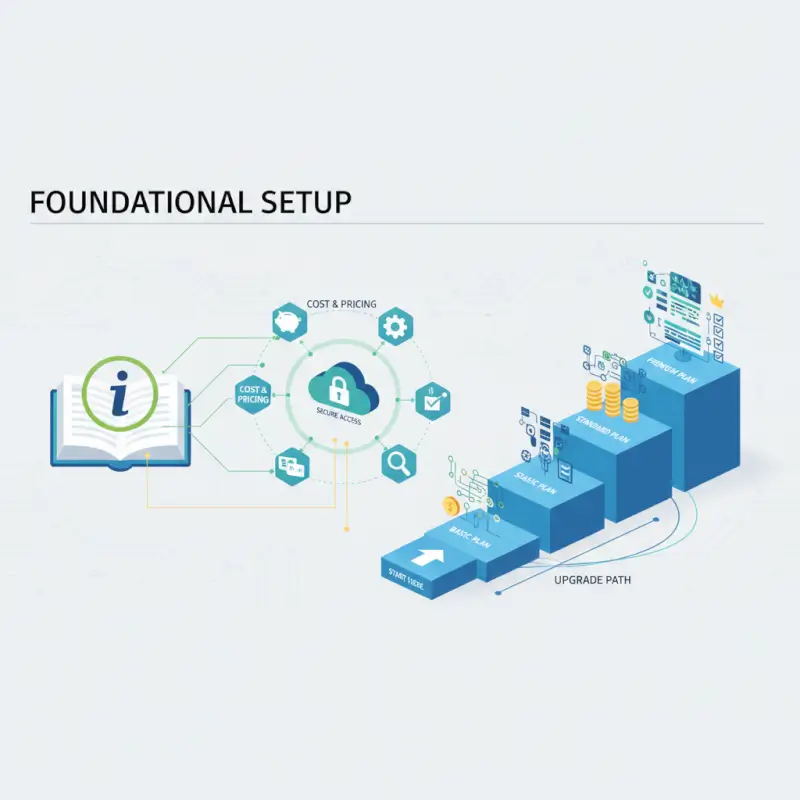
Here’s what matters: FDO positions itself as a comprehensive data utility, not a point solution. You’re paying for access to millions of IRS Form 990s, foundation profiles spanning decades, and compliance data that competitors simply don’t maintain. The free tier exists but offers limited search functionality—enough to identify a handful of prospects, not enough to build a diversified funding pipeline. Mid-tier plans unlock advanced search filters and grant history, while premium subscriptions add features like saved searches, alerts, and downloadable datasets. For development teams running ongoing campaigns, these workflow tools justify the cost; for occasional users, free directory resources and library access often suffice.
Competitor pricing reflects different product philosophies, which is why direct comparisons mislead. Platforms like Instrumentl bundle prospecting, tracking, and deadline management into annual subscriptions priced per user (typically $3,000–$6,000 per seat). Signal990 takes a different approach entirely, focusing on relationship intelligence and board connections rather than comprehensive foundation catalogs; their pricing follows a similar quote-driven model but emphasizes quality over quantity. A recent Signal990 comparison noted that FDO’s 2026 platform unification rolled AI search into higher tiers—a move that narrows the feature gap with newer entrants but also raises the floor price for users who want cutting-edge tools.
The practical takeaway: budget allocation depends on your research workflow, not abstract “best value” rankings. If your team spends ten hours weekly vetting foundations and tracking application deadlines, a $5,000 annual subscription that cuts that time in half pays for itself in staff costs within weeks. If you research quarterly and rely on relationships more than cold outreach, you’re better served by occasional library visits and targeted competitor trials. The key is matching subscription structure to usage patterns—something most vendors won’t help you calculate because it might reveal you need less than they’re selling.
Feature Sets: What You Get at Each Price
Data depth varies wildly across pricing tiers, and this is where FDO’s legacy shows both strengths and weaknesses. The free tier grants basic search across foundation names and locations but locks you out of full 990 filings, detailed grant histories, and the compliance flags that experienced fundraisers rely on to screen out poor-fit prospects. Mid-tier subscriptions open the vault: you get complete 990-PF data (including officer compensation, board lists, and investment holdings), searchable grant descriptions, and the ability to build and save complex queries. Premium tiers add bulk export, API access for larger organizations, and—as of the 2026 updates—AI-powered search that interprets natural language queries instead of requiring Boolean logic.
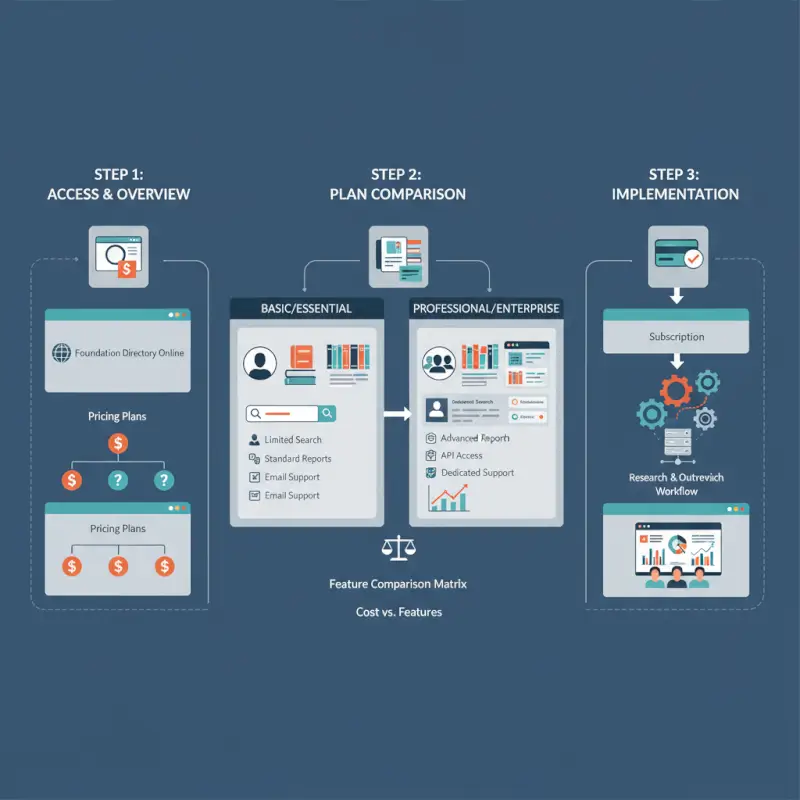
This matters more than most buyers realize. Foundation research isn’t just about finding names; it’s about qualifying fit efficiently. A tool that surfaces 500 foundations matching your keyword is useless if you spend days reading 990s to eliminate 450 bad matches. FDO’s strength lies in its filterable metadata: you can exclude foundations that don’t fund in your state, that give only to pre-selected grantees, or that show declining assets. Competitors like Instrumentl bake this screening into their algorithms, using machine learning to score foundation-nonprofit matches—but they’re drawing from the same underlying 990 data FDO maintains, just with a different interface. According to TrustRadius comparisons, users consistently rate FDO higher for data completeness but lower for ease of use, which explains the platform’s appeal to experienced researchers and frustration among newcomers.
The 2026 AI rollout targets this usability gap directly. Instead of crafting elaborate search strings (“foundation AND (education OR youth) AND assets > $5M AND grants:California”), you can now type “foundations in California supporting youth education programs with assets over $5 million” and get reasonable results. The AI layer also suggests related foundations based on giving patterns rather than keywords—think “Amazon recommendations for funders” rather than catalog search. Competitor platforms introduced similar features earlier (Instrumentl’s match scores, Signal990’s board connection graphs), so Candid is playing catch-up here. The question for buyers: does AI search justify a premium tier when you could get it at base price from a newer platform? That depends on whether you also need FDO’s historical depth—twenty years of 990s versus five, or board compensation data that most competitors omit.
Workflow features differentiate the premium tiers more than raw data. Grant tracking, collaboration tools, and customizable dashboards appeal to development teams juggling dozens of applications simultaneously. If you’re running a directory website or managing foundation relationships at scale, these tools save hours weekly. But they also create lock-in—migrating years of saved searches and notes to a new platform is painful enough that many organizations stick with FDO long after cheaper alternatives emerge. Smart buyers negotiate these features into their initial contracts rather than upgrading later when switching costs are higher (and vendor leverage stronger).
Accessibility, Access Models, and How Organizations Choose
Foundation Directory Online’s access landscape extends beyond direct subscriptions, offering pathways that can significantly reduce or eliminate costs for qualifying organizations. Candid operates a nationwide Funding Information Network (FIN) of libraries, community foundations, and nonprofit resource centers that provide free public access to FDO terminals. Small nonprofits with tight budgets can use these partner sites to conduct funder research without paying for a full subscription, though they must visit the physical or virtual location during available hours.
Libraries and community foundations often hold institutional subscriptions that cover multiple concurrent users within their service area. This model is particularly valuable for rural or under-resourced nonprofits that lack dedicated grant research staff. However, access is typically limited to onsite use or time-bound sessions, and advanced features such as saved searches, project tracking, and bulk export may be restricted compared to direct organizational subscriptions.
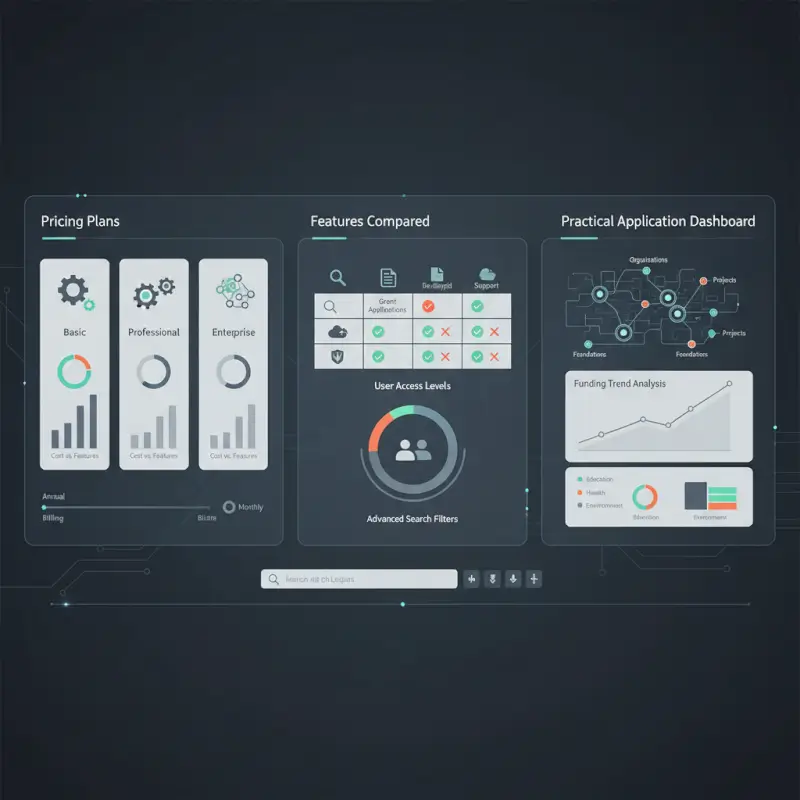
For mid-sized and large nonprofits, direct organizational subscriptions offer the most flexibility, with tiered plans based on the number of seats and feature sets. Candid’s pricing page outlines three main tiers—Essential, Professional, and Premium—each supporting different numbers of users and including progressively deeper data access and workflow tools. Premium plans unlock full foundation profiles, historical grant data, and the ability to export lists for CRM integration, which justifies the higher cost for teams managing large grant portfolios.
Enterprise-level access involves custom quotes tailored to organization size, user count, and integration needs such as API access or white-label reporting. Larger health systems, universities, and federated nonprofits negotiating multi-year contracts often secure volume discounts and dedicated support. Transparency at this level is limited; prospective buyers should request detailed proposals and reference checks from peer institutions to benchmark pricing and ensure alignment with internal budgeting cycles.
Value, ROI, and When It Makes Sense to Subscribe
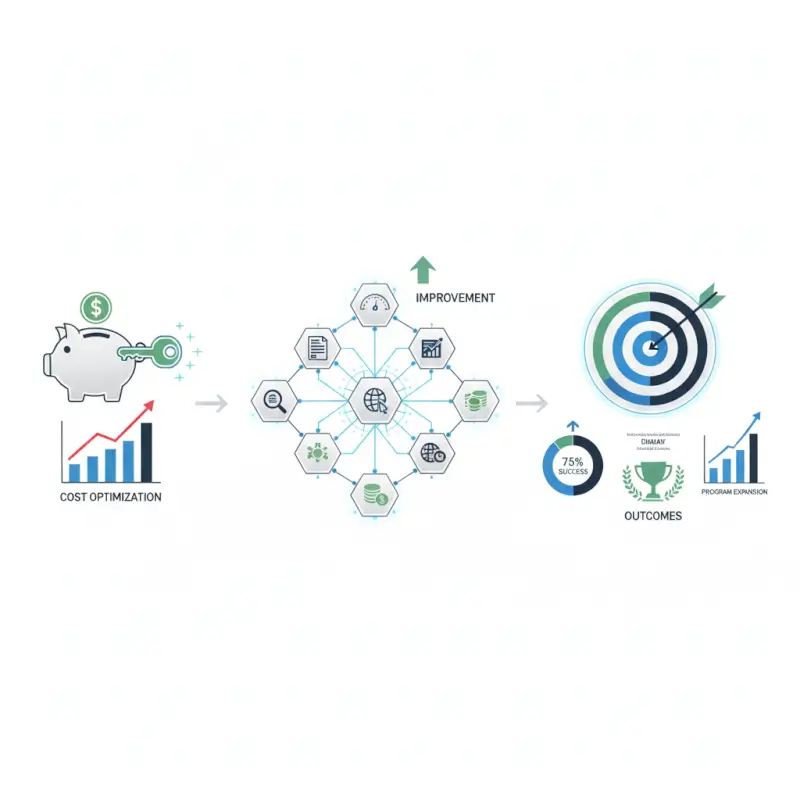
Calculating return on investment for Foundation Directory Online hinges on quantifying time saved, grants secured, and avoided mismatches with funders whose priorities don’t align with your mission. A development director spending 10 hours per week manually searching IRS 990-PF filings and foundation websites can recoup an annual subscription cost of $1,500–$3,000 if FDO cuts research time by half, freeing capacity to cultivate donor relationships or draft more competitive proposals. Candid’s pricing page emphasizes access to over 200,000 foundation profiles and millions of historical grants, data that would cost thousands of staff hours to compile independently.
Small nonprofits with budgets under $500,000 should weigh FDO’s cost against the probability of securing new grants large enough to justify the expense. If your organization applies to fewer than five foundations per year, free library access or lower-cost alternatives such as Instrumentl or Signal990 may deliver better value. Conversely, development teams chasing six-figure grants from multiple sources benefit from FDO’s compliance data, including foundation tax filings, board rosters, and recent giving patterns that inform tailored asks and reduce proposal rejection rates.
Market shifts in 2024–2026 have redefined value propositions, particularly with Candid’s integration of AI-powered search and letter-of-inquiry drafting tools into higher-tier plans. These features automate tasks previously requiring consultant fees or dedicated grant writers, potentially offsetting subscription costs for organizations that leverage them consistently. Signal990’s 2026 analysis notes that unified platforms combining research, tracking, and AI assistance are eroding the standalone value of pure data tools, pressuring FDO to compete on workflow efficiency rather than data breadth alone.
Return on investment also depends on user adoption and training investment. A Premium subscription underutilized by untrained staff delivers far less value than an Essential plan fully leveraged by a skilled grant researcher. Organizations should budget for onboarding webinars, create internal best-practice guides, and track metrics such as grants submitted per month and average award size to validate that FDO’s cost translates into measurable fundraising gains.
| Organization Size | Annual Grant Applications | Recommended Approach | Estimated Annual Cost |
|---|---|---|---|
| Grassroots (<$250K budget) | 1–5 | Library/FIN access or free tier | $0 |
| Small ($250K–$1M) | 6–15 | Essential plan (1–2 seats) | $1,500–$2,500 |
| Mid-sized ($1M–$5M) | 16–40 | Professional plan (3–5 seats) | $3,000–$6,000 |
| Large (>$5M) | 40+ | Premium or Enterprise (custom quote) | $6,000+ |
How to Choose: Quick Comparison Table
Choosing the right funder research platform requires aligning data depth, user interface, and workflow features with your team’s specific grant-seeking process and budget constraints. Organizations with a dedicated development staff managing multi-year foundation relationships prioritize comprehensive historical grant data, board information, and compliance filings that inform personalized cultivation strategies. In contrast, smaller teams or volunteer-led nonprofits benefit more from streamlined search interfaces, curated prospect lists, and templates that accelerate proposal drafting without requiring deep research expertise.

Data breadth is a primary differentiator: Foundation Directory Online aggregates IRS 990 filings, foundation websites, and self-reported giving patterns for over 200,000 funders, making it the most comprehensive database for U.S. foundations. Competitors such as Instrumentl emphasize government grants and corporate giving alongside foundations, appealing to nonprofits pursuing diversified funding portfolios. Signal990 focuses on rapid 990 parsing and AI-driven matching, ideal for agile teams prioritizing speed over exhaustive profiling.
User count and seat licensing shape total cost of ownership. FDO’s tiered plans scale pricing with the number of concurrent users, so a five-person development team pays significantly more than a single grant writer. Alternatives like Instrumentl often charge per user with unlimited searches, which can be more cost-effective for small teams conducting high-volume research. Evaluate whether your workflow requires shared workspaces, collaborative project tracking, and role-based permissions—features that justify higher per-seat costs in Premium and Enterprise FDO plans.
Workflow integration and AI enhancements increasingly influence platform selection. FDO’s 2026 updates introduced AI-assisted search and draft LOI generation, bridging the gap between research and proposal writing. Signal990’s analysis notes that unified platforms combining CRM-like tracking with research tools reduce the need for separate grant management software, potentially lowering overall technology spend. Organizations already using Salesforce or dedicated grant CRMs should confirm API compatibility and export formats to avoid data silos.
| Decision Criterion | FDO Strength | When to Consider Alternatives |
|---|---|---|
| Data Depth (Foundation Profiles) | 200,000+ U.S. foundations, historical grants back 10+ years | If you need corporate or government grants; try Instrumentl |
| Speed & AI Matching | 2026 AI search and LOI drafting in Premium+ | If budget <$1,500; Signal990 offers faster AI at lower cost |
| Compliance & 990 Access | Full 990-PF filings, board rosters, geo filters | If you only need basic contact info; free IRS tools suffice |
| Collaboration (Multi-User) | Tiered seat licensing, shared projects | If team >5 users; negotiate Enterprise quote or test Instrumentl’s per-user model |
| Budget Constraints | Free library/FIN access for small nonprofits | If remote access required; evaluate lower-cost alternatives |
Organizations should pilot platforms through free trials or demo accounts before committing to annual contracts. TrustRadius comparisons and peer reviews provide real-world feedback on usability, customer support responsiveness, and hidden costs such as training time or data export fees. Schedule live demos with your full development team to test search workflows, export formats, and integration with existing tools, ensuring the chosen platform fits daily grant-seeking routines rather than forcing process changes.
Frequently Asked Questions
What is Foundation Directory Online and what data does it include?
Foundation Directory Online is Candid’s comprehensive database of U.S. grantmakers and their funding activity. It includes profiles of over 140,000 foundations, detailed grants data, IRS Form 990 records, compliance information, and searchable nonprofit profiles. The platform provides access to historical giving patterns, foundation trustees, application guidelines, and funding priorities to help nonprofits identify and research potential funders.
How much does Foundation Directory Online cost?
Foundation Directory Online pricing operates on tiered subscription plans. Basic plans start around several hundred dollars annually for individual users, while Professional and Enterprise tiers range from approximately $1,300 to $3,000+ per year depending on features and user seats. Exact pricing requires a direct quote from Candid, particularly for multi-user licenses and customized enterprise solutions with full data access and advanced features.
Is Foundation Directory Online worth the cost for small nonprofits?
For small nonprofits actively pursuing foundation grants, FDO can deliver strong ROI through targeted funder research and time savings. However, organizations with limited grant budgets may find better value through free library access via Candid’s Funding Information Network, lower-cost starter plans, or AI-powered alternatives that bundle proposal tools. Evaluate whether your grant volume and success rate justify the annual subscription cost.
What are the main differences between Foundation Directory Online and competitors like Instrumentl?
Foundation Directory Online emphasizes comprehensive data depth with 140,000+ foundation profiles and historical grants. Instrumentl focuses on AI-powered grant discovery, active grant opportunities, and workflow automation for proposal management. Signal990 offers deep 990 analysis and AI tools for prospect research. FDO provides broader foundational data; competitors often deliver more streamlined modern interfaces and integrated fundraising project management at comparable or lower price points.
Can libraries or nonprofits access Foundation Directory Online for free?
Yes, Candid operates a Funding Information Network of over 400 libraries and partner organizations offering free public access to Foundation Directory Online. Nonprofits can visit participating libraries to conduct funder research at no cost. Some libraries also provide training and assistance. Check Candid’s website to locate a Funding Information Network partner near you and verify their access hours and services.
How do I choose between Foundation Directory Online subscription tiers?
Select your tier based on team size, data needs, and feature requirements. Basic plans suit solo researchers needing foundation profiles and basic search. Professional tiers add deeper grants analysis, compliance data, and multi-user access for development teams. Enterprise plans provide unlimited seats, custom reports, API access, and dedicated support for large organizations with sophisticated prospect research workflows. Request quotes to compare feature-to-cost alignment.
What new features has Foundation Directory Online added in recent years?
Recent updates through Candid’s unified platform integration include AI-powered search capabilities, enhanced filtering for grant opportunities, streamlined user interfaces, and integration with other Candid tools like GuideStar nonprofit profiles. The platform continues to expand data coverage and compliance tracking. Candid has also invested in improved mobile accessibility and faster search performance to compete with newer AI-driven fundraising platforms entering the market.
Should I negotiate pricing for Foundation Directory Online Enterprise plans?
Yes, Enterprise and multi-user licenses are typically quote-driven and negotiable. Candid offers flexibility on seat counts, contract length, and bundled services for larger organizations. Discuss your organization’s budget constraints, user needs, and expected usage patterns during the sales conversation. Multi-year commitments and nonprofit status may unlock discounts. Always compare quoted pricing against competitor offerings to ensure you receive competitive value.
Making Your Foundation Directory Online Decision
The fundraising technology landscape has evolved dramatically, and Foundation Directory Online sits at the center of a cost-versus-capability calculation that looks different for every organization. Your ideal choice hinges on three pillars: the depth of data you need, the number of users who will access that data, and the workflow features that will actually save your team time and increase your grant success rate.
Small nonprofits and solo grant writers should start by exploring free library access through Candid’s Funding Information Network before committing to a paid subscription. If your grant portfolio justifies a paid tier, compare FDO’s data breadth against newer platforms that bundle AI-powered proposal tools and active opportunity alerts. Mid-sized development teams often find the sweet spot in Professional-tier subscriptions that balance comprehensive foundation profiles with multi-user access and compliance tracking.
For larger organizations with dedicated prospect research staff, Enterprise plans deliver the customization, API access, and unlimited seats that support sophisticated fundraising operations. But even at this level, request quotes from multiple vendors and evaluate whether competitors offer comparable data with better user experience or integrated CRM functionality at a lower total cost of ownership.
The market continues to shift. Platform unification, AI feature rollouts, and competitive pressure from agile new entrants mean that pricing structures and feature sets will keep changing through the next funding cycle. What won’t change is the fundamental question: does this tool help you identify the right funders, craft better proposals, and close more grants than you could without it?
Ready to Choose the Right Funder Research Platform?
Start by mapping your specific needs: how many team members need access, which features are non-negotiable, and what your annual grant revenue targets justify in subscription costs. Request current pricing quotes from Foundation Directory Online and at least two competitors, then test each platform’s search interface and data quality with a trial focused on your actual funding priorities.
Don’t buy on brand name alone—buy on the platform that will demonstrably improve your team’s efficiency and grant hit rate within your budget constraints.
Foundation Directory Online has earned its reputation through decades of authoritative foundation data and comprehensive grants history. Whether it remains the best fit for your organization in the current competitive landscape depends entirely on your willingness to match your specific operational needs against transparent, current pricing and feature comparisons. Take the time to validate vendor claims, leverage free access options where available, and negotiate Enterprise quotes with confidence. Your next successful grant may depend on the research platform you choose today.
Was this article helpful?