Business Directory Websites: Top 10 Platforms to List Your Company

Generating summary...
If you’re running a business—whether it’s a coffee shop downtown or a B2B SaaS platform—there’s a real question worth asking: are the major directory platforms still relevant, or are they just digital busywork? The honest answer is, well, nuanced. Some directory listings drive qualified leads and tangible traffic; others collect dust. What separates the two isn’t just which platform you pick, but how you approach the entire strategy—from selecting the right directories to optimizing your profile and integrating those listings into your broader marketing stack. This guide distills the latest thinking from top industry roundups and current data (spanning recent years) into a focused, actionable blueprint: the top 10 business directory platforms to list your company, plus the tactical playbook for making those listings work. Instead of regurgitating the usual “just claim your Google Business Profile” advice, we’ll dig into emerging platform dynamics, niche directory opportunities, and the cross-platform hygiene practices that actually move the needle on local SEO and conversion rates.
TL;DR – Quick Takeaways
- Directory listings boost local visibility – Multi-platform presence correlates with higher local traffic, more qualified inquiries, and stronger search-engine signal consistency.
- Top platforms span general, review-driven, niche, and B2B directories – Google Business Profile, Yelp, Jasmine Directory, Yellow Pages aggregators, and enterprise platforms each serve distinct use cases.
- Profile optimization is make-or-break – Consistent NAP (Name, Address, Phone), keyword-rich descriptions, fresh photos, and quarterly updates separate converting listings from wasted effort.
- Track metrics rigorously – Impressions, clicks, calls, directions, and attributed conversions per platform reveal which directories justify ongoing investment.
- Integration matters – Connect directory listings to your CRM, use UTM tags, and synchronize promotions across directories, landing pages, and social channels for maximum ROI.
Why List Your Business on Directory Platforms in 2026
Directory platforms aren’t relics of the pre-smartphone era. They’ve evolved into specialized discovery channels that feed Google’s local algorithm and serve distinct user intents—someone hunting for “plumbers near me” behaves differently than someone browsing a niche B2B marketplace. Listing your company on the right directories signals to search engines that your business exists across multiple authoritative sources, which can strengthen your local pack rankings and organic visibility. Beyond SEO, directories drive direct referral traffic: users click through from Yelp reviews, Google Maps, or industry-specific portals to your website or call your number. SEO strategies for directory websites emphasize this multi-signal approach, where each verified listing acts as a vote of confidence. The practical upshot? You reach audiences who might never find you through organic search alone, especially if your owned channels (website, blog, social) are still building authority.

According to Jasmine Directory’s platform roundup, businesses with complete, consistent profiles across five or more directories tend to see measurably higher inquiry volumes compared to single-platform players. That doesn’t mean you should chase every listing site—it means picking platforms where your target customers actually search, then maintaining data hygiene so search engines trust your signals.
Benefits for visibility, local SEO, and referral traffic
Local SEO hinges on two pillars: relevance and authority. Directory listings contribute to both. When your business appears on Google Business Profile, Yelp, and a handful of niche directories, Google’s algorithm cross-references the NAP data (Name, Address, Phone number) to verify legitimacy. Discrepancies—different phone numbers, misspelled addresses—erode trust and can push you down local search results. Consistent, optimized listings signal that you’re a real, active business. On the referral side, directories like Yelp and industry-specific platforms (for example, TurnKey Directories’ WordPress business directory plugin lets you build custom portals) can funnel high-intent visitors who are already in decision mode. These users aren’t just browsing; they’re comparing options, reading reviews, and ready to contact or purchase.
The data backs this up. Google research shows that “near me” searches have grown significantly, and a majority of those searches result in same-day store visits or calls. If your listing is incomplete—missing hours, no photos, outdated category tags—you’re invisible to that wave of ready-to-buy traffic.
When to prioritize directory listings vs. owned channels
Owned channels (your website, email list, CRM) give you control and long-term asset value; directories give you reach and credibility shortcuts. The smart play is balance. If you’re a new business with minimal domain authority, directory listings can deliver faster wins—verified Google Business Profile and a handful of niche directories put you on the map (literally) while your site builds SEO muscle. For established brands, directories complement your owned presence by covering different user journeys: someone might discover you via a Yelp review, validate you on Google Maps, then land on your website to convert. Foundigy’s USA business directory overview recommends treating directories as lead-generation funnels rather than standalone channels—link back to strong landing pages, capture UTM data, and measure which directories send quality traffic, not just volume.
In my experience, small local businesses often over-index on social media (which can be ephemeral and algorithm-dependent) and under-invest in directories. The irony is that a well-maintained Google Business Profile or a verified niche listing can outperform a flurry of Facebook posts for local search intent. Owned channels are essential for nurturing and conversion; directories are essential for discovery and trust-building. Use both, and track which channels drive which outcomes.
Top 5 Directory Platforms You Should Consider
Not all directory platforms are created equal. Some cast a wide net (Google Business Profile, Yelp), others specialize by geography or industry (local chamber directories, B2B marketplaces), and a few offer hybrid models where you can self-host directories using WordPress business directory themes. The platforms below represent a cross-section of must-have general directories, review-driven powerhouses, niche leaders, broad-reach aggregators, and emerging B2B/enterprise options. For each, we’ll outline core benefits, ideal use cases, and optimization best practices—keeping it concise so you can make quick decisions about where to invest time and, where relevant, budget.

This isn’t an exhaustive catalog of every directory on the internet (there are thousands). Instead, it’s a curated shortlist drawn from Whalesync’s 2025 directory-site analysis, Jasmine Directory’s platform guides, and other leading roundups. The goal: help you prioritize platforms that deliver measurable traffic, leads, or SEO lift, rather than scattering effort across low-impact listings.
Platform 1: Google Business Profile and Major Aggregators
Core benefits and ideal use cases: Google Business Profile (formerly Google My Business) is the single most important directory listing for local businesses. It feeds Google Maps, local pack results, and Knowledge Graph panels—essentially, it is your storefront on Google. Ideal for any business with a physical location or service area, from restaurants and retail to plumbers and consultants. Beyond Google, major aggregators like Apple Maps and Bing Places pull data from similar sources, so maintaining a Google Business Profile also improves your presence across other map platforms. Use cases include driving foot traffic, generating phone calls, and surfacing customer reviews in search results. ListandPost’s 2025 listing guide highlights that businesses with complete Google profiles—photos, posts, Q&A, reviews—rank higher in local pack and see 2–3× more engagement than sparse profiles.
Best practices for optimization and consistency: Claim and verify your profile immediately (Google mails a postcard or uses phone/email verification). Fill every field: business name (no keyword stuffing), correct category (primary + secondary), accurate address and phone, website URL, hours (including special hours for holidays), and a keyword-rich business description (750 characters max). Upload high-quality photos (exterior, interior, products, team) and refresh them quarterly. Post updates weekly—offers, events, product launches—to signal activity. Respond to every review, positive or negative, within 48 hours; Google’s algorithm favors active engagement. Use theme designs that engage users on your own directory site to mirror the best practices you see on Google Business Profile.
Platform 2: Yelp and Review-Driven Directories
Why reviews matter for credibility and click-through: Yelp remains a dominant force in categories like restaurants, home services, and healthcare, where consumer reviews heavily influence decisions. A robust Yelp profile with dozens of authentic reviews and a 4+ star rating can differentiate you from competitors who neglect the platform. Yelp’s search algorithm prioritizes recency, review count, and engagement (responses, check-ins, uploaded photos), so an active presence compounds over time. Reviews drive credibility—prospective customers trust peer opinions more than brand claims—and Yelp’s layout surfaces reviews front-and-center, making it a discovery and validation tool rolled into one.
How to leverage reviews for conversion (responses, Q&A, updates): Claim your Yelp business page (it’s free) and complete your profile: logo, cover photo, hours, services, price range, and a compelling “From the Business” section. Encourage satisfied customers to leave reviews (but never incentivize or gate-keep, as Yelp’s algorithm penalizes that). Respond publicly to reviews—thank positive reviewers by name and address negative feedback constructively (this shows you care and can turn detractors into repeat customers). Use Yelp’s Q&A feature to answer common questions proactively; searchers often skim Q&A before calling. Post regular updates (new menu items, seasonal promotions, COVID protocols) to keep your listing fresh. DirectoryHub’s revenue models overview notes that businesses investing in Yelp Ads or enhanced profiles see faster review accumulation and higher click-through rates, though the free tier is sufficient for most small businesses if you actively manage it.
How to Create Listings That Convert
Creating a directory listing that converts visitors into customers requires more than simply filling out form fields. Every element of your profile—from your business description to your contact details—must communicate professionalism, relevance, and value. Start by crafting a keyword-rich description that clearly states what you do, whom you serve, and what sets you apart from competitors. Keep your NAP (Name, Address, Phone) data identical across every platform; inconsistent information confuses both search engines and customers.
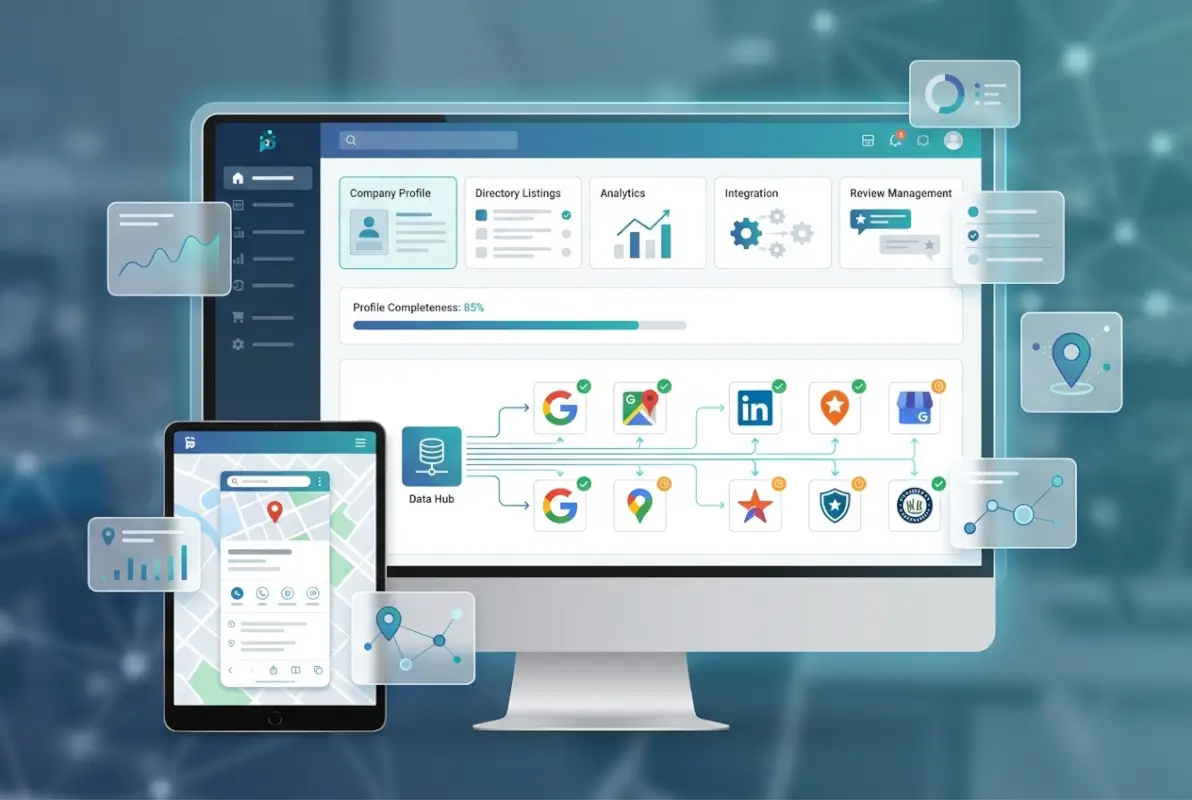
A compelling listing should answer the visitor’s core question: “Why should I choose this business?” Front-load your description with benefits rather than features, and include a clear call to action (e.g., “Call today for a free consultation” or “Visit our showroom this weekend”). Use all available character limits—directories reward complete profiles with better visibility. Upload high-quality images that showcase your storefront, products, team, or completed projects; listings with photos receive significantly more clicks and engagement than text-only entries.
Crafting Compelling Listing Content
Your listing description is prime real estate for local SEO signals and persuasion. Incorporate primary and secondary keywords naturally—mention your city, neighborhood, and service categories without keyword stuffing. For example, a plumber in Austin might write: “Family-owned plumbing service in South Austin specializing in emergency repairs, water heater installation, and drain cleaning—24/7 availability and same-day service.” This approach tells both search algorithms and humans exactly what you offer and where.
Beyond the core description, populate every optional field: hours of operation, accepted payment methods, service area, founding year, and certifications. Many directories use profile completeness as a ranking factor, so a 100% complete listing will outrank a 60% complete competitor. Add business attributes (e.g., “wheelchair accessible,” “accepts credit cards,” “free parking”) that help customers self-qualify before they contact you. The more specific and helpful your listing, the more qualified your inbound leads will be.
Profile Optimization and Maintenance Cadence
Optimization is not a one-time task. Schedule quarterly reviews of every active listing to refresh photos, update seasonal hours, and revise descriptions to reflect new services or promotions. Respond to every review—positive or negative—within 48 hours; engagement signals to both the platform and future customers that you’re attentive and professional. Use the Q&A feature if available to preemptively answer common questions (pricing, availability, service areas).
Set up alerts for new reviews, questions, and messages so you can respond in real time. Many platforms now penalize listings that ignore customer inquiries or let reviews languish without replies. Track which listings drive the most calls, form fills, or direction requests, and prioritize those platforms for updates and content refreshes. Consistency and responsiveness are as important as the initial listing quality; a well-maintained profile compounds its value over time.
Data, Metrics, and Best Practices for 2024–2026
Tracking the right metrics transforms directory listings from “set it and forget it” into a performance-driven channel. Most major platforms provide analytics dashboards showing impressions (how many users saw your listing), clicks (profile views), and actions (calls, direction requests, website clicks). Aggregate these metrics monthly to identify which platforms deliver the highest engagement and which need profile optimization or photo updates. If a listing generates high impressions but low clicks, your description or primary photo likely needs improvement.

For local SEO impact, monitor your rankings for key city + service queries over time. Tools like BrightLocal or Whitespark can track your position in the local pack and map results across multiple directories. Watch for NAP inconsistencies or duplicate listings, which dilute your authority; use data aggregators like Neustar Localeze or Foursquare to push consistent information across dozens of downstream directories at once. The best practices for 2024–2026 emphasize automation and centralization—manual updates across ten platforms are error-prone and unsustainable.
Key Metrics to Track Per Listing and Across Directories
Start with platform-native metrics: Google Business Profile Insights shows total searches (discovery + direct), views, and actions; Yelp provides page views, user actions, and lead volume. Compare these against your website analytics to see which directories drive qualified traffic that converts. Use UTM parameters on every directory link to your site so you can attribute leads and sales back to specific platforms in Google Analytics or your CRM.
Beyond vanity metrics, focus on conversion rates and cost per acquisition. If you’re paying for enhanced listings or ads on a directory, calculate the cost per lead and compare it to other channels (Google Ads, social, email). Track phone calls using unique tracking numbers for each major directory so you know which platforms generate voice leads. For directories that allow messaging or booking, monitor response times and appointment set rates—these operational metrics directly impact your return on effort.
| Metric | What It Tells You | Optimization Lever |
|---|---|---|
| Impressions | How often your listing appears in search results | Category selection, keyword usage, profile completeness |
| Click-Through Rate (CTR) | How compelling your listing title and photo are | Primary photo quality, business name clarity, star rating |
| Actions (calls, directions, visits) | How well your listing converts browsers into customers | Call-to-action clarity, hours accuracy, review quality |
| Review Volume & Rating | Social proof and ranking signal strength | Active review-request campaigns, response rate |
Best-Practice Cadences and Signal Hygiene
Establish a quarterly audit cycle: check NAP consistency, verify hours and service areas, refresh photos, and update service descriptions to reflect seasonal offerings or new capabilities. Use a spreadsheet or listing-management platform (Yext, Moz Local, BrightLocal) to track the last update date for each directory so nothing falls through the cracks. Run a duplicate-scan at least twice a year; platforms like Yelp and Yellow Pages are notorious for creating duplicate listings that split your reviews and confuse customers.
Monitor the directories themselves for policy changes or new features. Google Business Profile, for example, regularly adds new post types, messaging options, and attribute fields; adopting these features early can give you a visibility edge. Keep your business open/closed status accurate, especially around holidays—incorrect hours are a top driver of customer frustration and negative reviews. Signal hygiene means treating every listing as a living document that reflects your current operations and brand.
Integrating Directory Efforts into Your Marketing Stack
Directory listings should not exist in a silo; they are part of a unified customer acquisition and brand-consistency strategy. Integrate listing data into your CRM by tagging leads with their originating platform (Yelp, Google, Bing, etc.) so your sales team knows the context of each inquiry. Use UTM codes on every website link in your listings (e.g., ?utm_source=yelp&utm_medium=listing&utm_campaign=profile) to track which directories drive not just clicks but conversions—purchases, form submissions, or phone calls.

Sync your directory content calendar with your broader marketing calendar. If you’re running a spring promotion on your website and social channels, update your directory listings with the same offer, imagery, and call to action. This creates a consistent brand experience and reinforces messaging across every touchpoint. Many platforms (Google, Facebook, Nextdoor) allow you to post updates or offers directly on your listing; treat these posts like mini social-media campaigns to keep your profile fresh and top-of-mind.
CRM, Analytics, and Attribution
Modern CRMs (HubSpot, Salesforce, Pipedrive) can capture “original source” data when a lead fills out a form or calls a tracking number. Configure your CRM to record the referring URL or UTM parameters so you can build reports that show which directories generate the highest lifetime value customers. If a directory consistently delivers low-quality leads, downgrade your investment in that platform; if another drives high-close-rate leads, consider upgrading to a paid or featured listing.
Use call-tracking software (CallRail, CallTrackingMetrics) to assign unique phone numbers to high-value directories. This lets you attribute phone inquiries—which often represent higher intent than web clicks—back to specific platforms. Pair call data with conversion data in your analytics platform to calculate ROI per directory. Attribution is especially critical for multi-location businesses; you need to know which directories drive traffic to which locations so you can replicate success and cut underperformers.
Content and Offer Synchronization
Every directory listing should mirror your core brand messaging and current value propositions. If your homepage highlights “free estimates” or “veteran-owned,” those same hooks should appear in every directory description. Maintain a master content document that outlines approved taglines, descriptions, service lists, and images; reference it whenever you create or update a listing. Consistency builds trust and reinforces your positioning, while mismatched messaging confuses prospects and dilutes your brand.
Synchronize promotional offers across directories and your website. If you launch a limited-time discount, update your Google Business posts, Yelp “special offers” section, and any other directories that support promo features. This omnichannel approach ensures customers see the same offer regardless of where they discover you, increasing conversion rates and reducing friction. Schedule a monthly or quarterly content sync meeting with your marketing team to align directory updates with campaigns, product launches, and seasonal shifts.
Frequently Asked Questions
Do directory listings actually improve local search rankings?
Yes, consistent directory listings signal trust and relevance to search engines, particularly for local queries. Citations across platforms validate your NAP data, which correlates with improved local pack visibility. Studies show multi-platform presence increases discoverability and referral traffic, though impact varies by industry and platform authority.
How many directories should a small business realistically list on?
Focus on 5–10 high-authority platforms: Google Business Profile, Yelp, industry-specific directories, and major aggregators like Jasmine Directory or Yellow Pages. Prioritize quality over quantity; complete, maintained profiles on fewer directories outperform neglected listings across dozens. Monitor which platforms drive actual leads and double down there.
What details should I include in a directory listing?
Include exact business name, address, phone number, website URL, hours, category tags, a keyword-rich description, and high-quality photos. Add service areas if relevant, payment options, and special attributes. Consistency across all platforms is critical; even minor variations can dilute local SEO signals and confuse potential customers.
How often should I update directory listings?
Update listings at least quarterly, or immediately when key details change—hours, services, offers, or contact info. Regular updates signal active management to both users and algorithms. Refresh photos and descriptions seasonally, respond to reviews within 48 hours, and audit for duplicate or outdated entries monthly.
Are free listings as effective as paid listings?
Free listings provide foundational visibility and SEO value; paid tiers often add premium placement, enhanced analytics, and lead-capture tools. For most small businesses, well-optimized free profiles on major platforms deliver strong ROI. Invest in paid when you need priority positioning, A/B testing, or granular conversion tracking in competitive markets.
Which directory platforms drive the most qualified leads in 2025–2026?
Google Business Profile consistently drives high-intent traffic and calls. Yelp excels for consumer services with strong review ecosystems. Industry-specific directories like Jasmine Directory or niche aggregators deliver targeted leads when aligned with your category. Track source attribution in your CRM to identify top performers for your business.
How can I measure the ROI of directory listings?
Track impressions, clicks, calls, direction requests, and form fills per platform. Use UTM parameters on directory URLs and match them to conversions in Google Analytics or your CRM. Calculate cost per lead and customer acquisition cost; compare time invested versus revenue attributable to each directory source.
Should I focus on global vs. local directories?
Prioritize local directories if you serve specific geographies—they drive foot traffic and map pack rankings. Global directories make sense for e-commerce, B2B, or service-based businesses with remote delivery. A hybrid approach works best: anchor on Google and major aggregators, then layer in geo-targeted or niche platforms.
Take Action: Build Your Directory Presence Today
Directory listings are no longer optional—they’re a cornerstone of modern local and digital marketing. By claiming and optimizing profiles on the right platforms, you unlock visibility, credibility, and referral traffic that compound over time. The framework outlined here gives you a clear roadmap: start with Google Business Profile and high-authority aggregators, expand into niche and review-driven directories, then integrate everything into your broader marketing stack.
The real magic happens when you treat directory listings as living assets, not set-and-forget tasks. Regular updates, prompt review responses, and data consistency across platforms signal to both search engines and customers that your business is active, trustworthy, and ready to serve. Monitor your metrics, attribute leads back to specific directories, and double down on the platforms delivering qualified inquiries.
Ready to Amplify Your Reach?
Claim your free listings on Google Business Profile, Yelp, and at least one niche directory this week. Set a quarterly calendar reminder to audit NAP consistency, refresh photos, and respond to reviews. Track your click and conversion data to refine your strategy each quarter.
Start with the five-platform framework above, and watch your local presence—and pipeline—grow steadily throughout 2026 and beyond.
Directory listings are a high-leverage, low-cost tactic that every business should master. Implement the checklist, monitor the metrics, and iterate based on real performance data. Your next customer is searching right now—make sure they find you first.
Was this article helpful?