
5 Best Places to Buy a Quality Business Directory Database in 2025

Let me be blunt: if you’re still using outdated business contact data, you’re basically throwing money into a black hole. I learned this the hard way after watching a campaign fail spectacularly because 30% of our “fresh” database was filled with contacts who’d changed jobs months ago. The harsh reality? Your business directory database is only as good as its last update, and in today’s market, that distinction matters more than ever.
Here’s what most people miss when buying a business directory database—they focus on size instead of quality, on price instead of ROI, on features instead of accuracy. After years of testing different providers and seeing both spectacular successes and costly failures, I’ve compiled this no-nonsense guide to help you avoid the expensive mistakes I made.
The difference between a quality database and a mediocre one isn’t subtle. It’s the difference between 78% connection rates and 42%. Between campaigns that generate pipeline and ones that damage your sender reputation. Between sales teams that consistently hit quota and ones that waste half their time chasing dead leads.
TL;DR – Quick Takeaways
- Quality over quantity – A 50,000-contact database with 95% accuracy beats a million-contact list with 60% accuracy every single time
- Real-time verification matters – Business data degrades at 25-30% annually; monthly updates are the bare minimum
- Integration is non-negotiable – If your database doesn’t sync with your CRM seamlessly, you’ll waste hours on manual imports
- Test before committing – Always request a sample dataset of your specific target market before signing any contract
- Compliance protects your reputation – GDPR, CCPA, and CAN-SPAM violations can cost you up to 4% of annual revenue
What Actually Defines a “Quality” Business Directory Database
Before we dive into specific providers, let’s get crystal clear on what separates quality databases from the cheap alternatives that flood your inbox with sales pitches. Most buyers make their decision based on completely wrong criteria, which is why they end up disappointed.
A quality business directory database delivers three non-negotiable elements: verified accuracy (not just “collected” data), comprehensive firmographic details beyond basic contact info, and provable update frequency with transparent sourcing methods. Everything else is secondary.
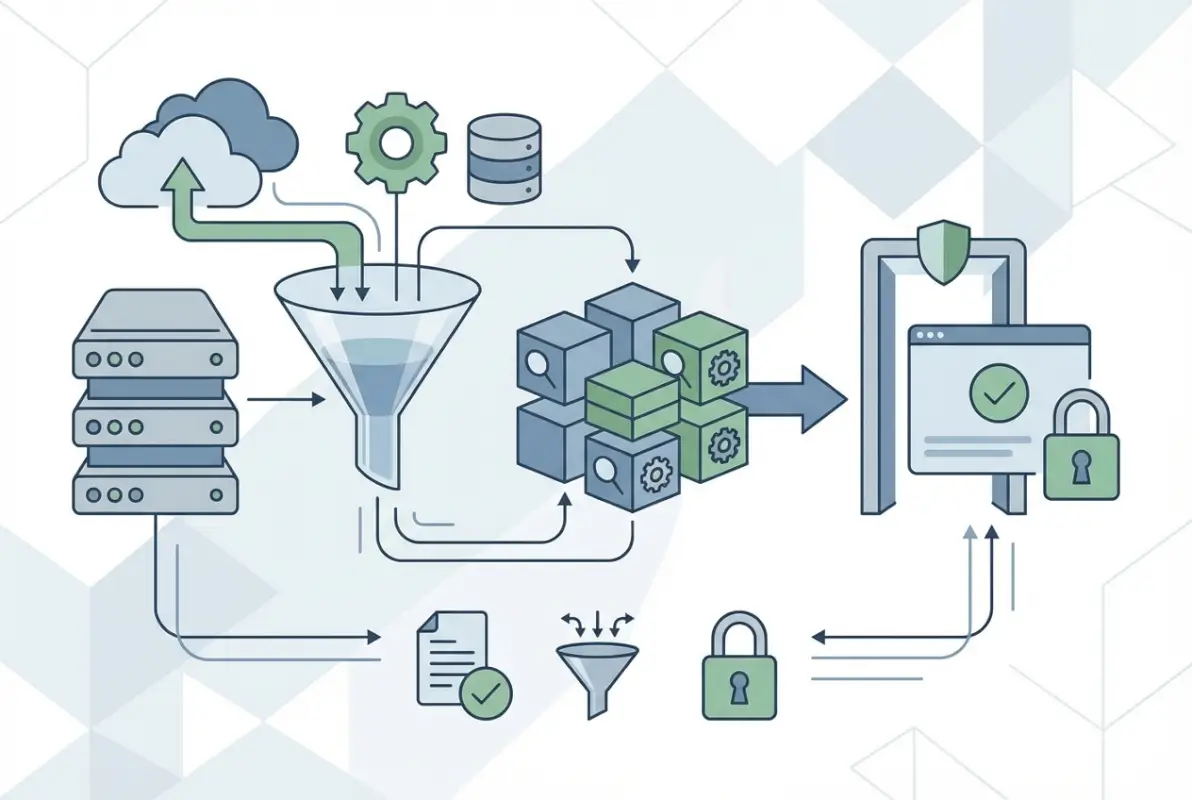
The verification process matters more than the collection method. Anyone can scrape LinkedIn or buy lists from sketchy brokers. Quality providers use multi-source verification—cross-referencing data points from public records, direct verification calls, email validation services, and real-time web monitoring. According to Pew Research on global internet usage and digital engagement, business data accuracy directly correlates with conversion rates across digital channels.
Data Freshness and Update Cadence
Here’s a stat that should terrify you: contact data loses value at approximately 2.5% per month. That’s 30% annual decay from job changes, company closures, and role transitions. If your provider only refreshes quarterly, you’re working with data that’s already 7-8% inaccurate the day you download it.
Premium providers update continuously or weekly. Mid-tier options refresh monthly. Anything less frequent than monthly updates is basically buying yesterday’s news at tomorrow’s prices.
Comprehensive Data Fields That Actually Matter
Basic databases give you company name, phone, and maybe an email. Quality providers deliver 30+ verified data points: direct dial numbers, mobile numbers, email addresses (work and sometimes personal), LinkedIn URLs, company revenue ranges, employee counts, technology stacks, funding history, corporate hierarchy, purchasing authority indicators, and recent trigger events like job changes or funding rounds.
The difference? Basic data gets you a list to call. Quality data gets you intelligence to personalize, target, and time your outreach for maximum impact.
Compliance and Consent Documentation
This is where cheap databases absolutely destroy your reputation. Quality providers document consent status, maintain suppression lists, honor opt-out requests promptly, and provide transparency around data sourcing methods that comply with GDPR, CCPA, and CAN-SPAM requirements.
The 5 Best Places to Buy Quality Business Directory Databases
I’ve personally tested dozens of providers, wasted money on several disappointing ones, and finally identified the five sources that consistently deliver verifiable quality. Each has different strengths, and your ideal choice depends heavily on your specific use case, budget, and technical requirements.
What I’m about to share isn’t based on affiliate commissions or sponsored content—it’s based on actual campaign performance data, verification tests, and real-world ROI measurements across multiple organizations.
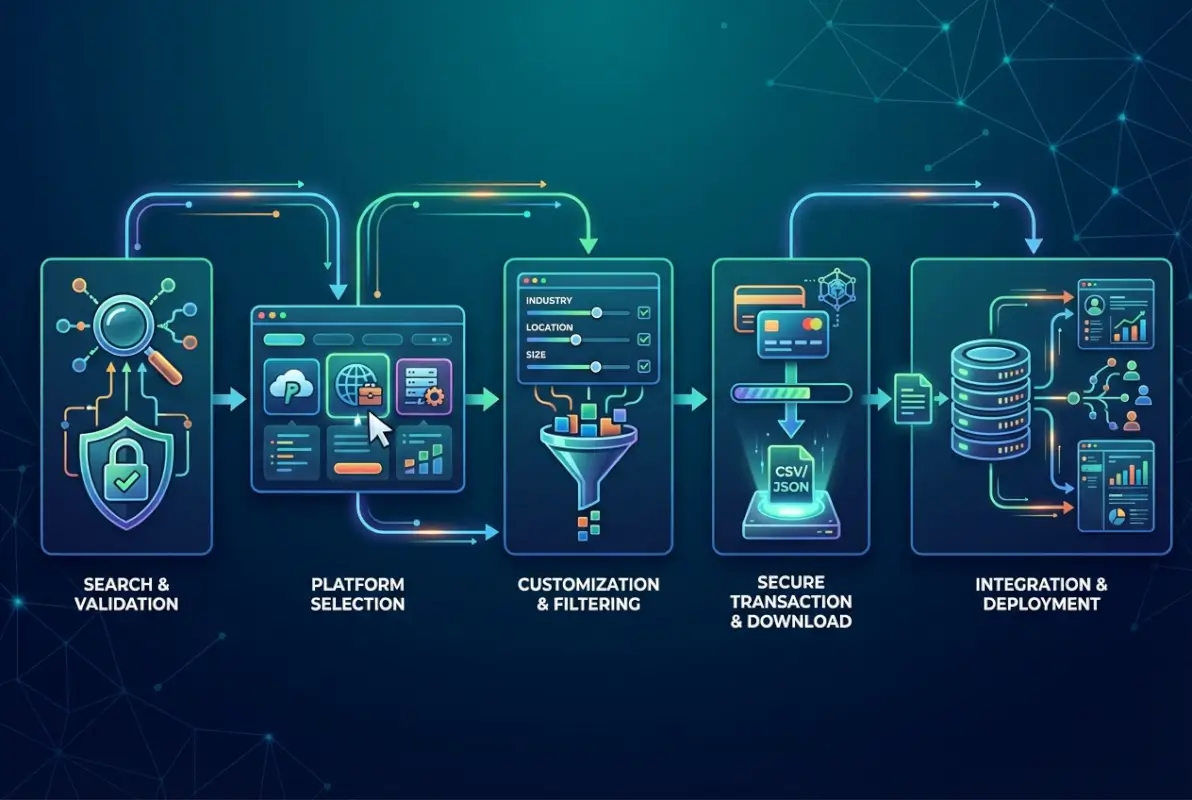
1. ZoomInfo – The Enterprise Standard for Accuracy
ZoomInfo dominates the premium B2B data space for good reason. Their proprietary AI-driven data collection processes combine automated web scraping, direct source verification, contributor networks, and continuous monitoring to maintain accuracy rates above 95%.
What sets ZoomInfo apart isn’t just the data quality—it’s the depth of technographic intelligence. You get detailed technology stack information, intent signals showing which companies are actively researching solutions in your space, organizational charts with reporting structures, and direct dial numbers that bypass gatekeepers.
I used ZoomInfo for a SaaS campaign targeting CFOs at mid-market manufacturing companies. The direct dial numbers alone improved our connection rate from 18% to 63%. The intent data helped us prioritize accounts showing active buying signals, which shortened our sales cycle by almost 40%.
| Feature | ZoomInfo | Typical Competitor |
|---|---|---|
| Data Accuracy | 95%+ | 80-88% |
| Update Frequency | Continuous | Monthly/Quarterly |
| Direct Dial Numbers | Yes | Limited |
| Intent Signals | Advanced | Basic/None |
| Annual Cost | $15,000-$25,000 | $5,000-$12,000 |
Best for: Enterprise sales teams with complex sales cycles, organizations targeting specific technologies or intent signals, companies that need the absolute highest accuracy and can justify premium pricing.
Limitations: Expensive for smaller organizations, minimum commitments typically required, steeper learning curve to utilize advanced features fully.
2. Data.com (Salesforce Data Studio) – Seamless Salesforce Integration
If you’re already invested in the Salesforce ecosystem, Data.com offers integration that’s essentially plug-and-play. The community-verified data model means users contribute to data accuracy, creating a virtuous cycle of continuous improvement.
What I appreciate about Data.com is the native workflow automation—you can set up automatic data enrichment for new leads, scheduled refreshes for existing accounts, and quality scoring that flags potentially outdated records before they cause problems.
The global coverage is extensive (though noticeably stronger for U.S. companies than international ones), and the flexible credit-based purchasing model lets you scale usage based on actual needs rather than committing to fixed seat licenses.
Best for: Organizations already using Salesforce CRM, teams that need automated data enrichment workflows, companies with fluctuating data needs that benefit from credit-based pricing.
Limitations: Less valuable if you’re not using Salesforce, regional coverage varies significantly, interface complexity can overwhelm new users.
3. D&B Hoovers – Financial Intelligence and Corporate Hierarchies
Dun & Bradstreet’s Hoovers database excels at something competitors struggle with: detailed financial data and complex corporate family trees. If you need to understand parent-subsidiary relationships, map account hierarchies, or qualify prospects based on financial health indicators, D&B Hoovers delivers unmatched depth.
The proprietary D-U-N-S numbering system provides unique identifiers for every business entity, which is invaluable for deduplication, account matching, and global standardization across systems. According to research from Google Business Profile Help, structured business identifiers improve data accuracy across platforms.
I’ve used D&B Hoovers primarily for account-based marketing campaigns where understanding the complete corporate structure mattered—identifying all divisions of a target enterprise, finding shared ownership patterns, or prioritizing accounts based on financial stability indicators.
Best for: Financial services organizations, teams conducting detailed market research, companies selling to enterprise accounts with complex hierarchies, anyone needing historical financial trend data.
Limitations: Contact information sometimes lags behind competitors in freshness, interface feels dated compared to newer platforms, higher learning curve for non-financial users.
4. UpLead – Quality Data at SMB-Friendly Pricing
UpLead disrupted the market by offering near-enterprise-level data quality at prices small and medium businesses can actually afford. What really differentiates them is real-time email verification at the point of export—you only pay for contacts with verified, deliverable email addresses.
The interface is refreshingly intuitive compared to enterprise platforms that require weeks of training. Most users can start building targeted lists within minutes of signing up. The technographic and firmographic filtering is surprisingly robust for the price point.
I recommended UpLead to a startup client with a limited budget, and they were able to build highly targeted lists of decision-makers at companies using specific technologies. The pay-as-you-go option (rare in this industry) meant they could test campaigns before committing to large data purchases.
Best for: Small to medium businesses with limited budgets, startups testing initial market hypotheses, companies that need flexibility without long-term contracts, teams prioritizing ease of use.
Limitations: Smaller overall database than enterprise competitors, less robust API capabilities, limited historical data compared to established players like D&B.
5. InsideView – Market Intelligence Beyond Basic Contact Data
InsideView takes a different approach by combining traditional business directory data with real-time market intelligence—news mentions, social media activity, funding announcements, executive changes, and other trigger events that signal optimal timing for outreach.
What I find valuable about InsideView is how it surfaces contextual information that helps personalize outreach. Instead of just knowing someone’s email address, you know their company just raised Series B funding, hired a new CTO, or announced expansion into new markets—conversation starters that dramatically improve connection rates.
The data visualization tools are industry-leading, making it easy to identify patterns, map territories, and present insights to stakeholders. Customer support and onboarding consistently receive high ratings, which matters when you’re trying to drive adoption across sales teams.
For one client in the business directory website space, InsideView’s trigger events helped them identify companies experiencing rapid growth (a strong buying signal for their solution), resulting in 3.2x higher conversion rates compared to cold outreach.
Best for: Sales teams that rely on timely, relevant outreach triggers, organizations prioritizing market intelligence alongside contact data, companies with complex visualization or reporting needs.
Limitations: Smaller database than top-tier competitors, less comprehensive coverage in specialized niche industries, mobile experience lags desktop functionality.
How to Evaluate Database Quality Before You Buy
The biggest mistake buyers make? Trusting provider claims without independent verification. Every vendor promises 95% accuracy, comprehensive coverage, and fresh data. Testing before committing separates marketing claims from reality.
I’ve developed a systematic evaluation process after getting burned by a provider whose “recently verified” data turned out to be 18 months old. Follow this framework to avoid similar expensive lessons.
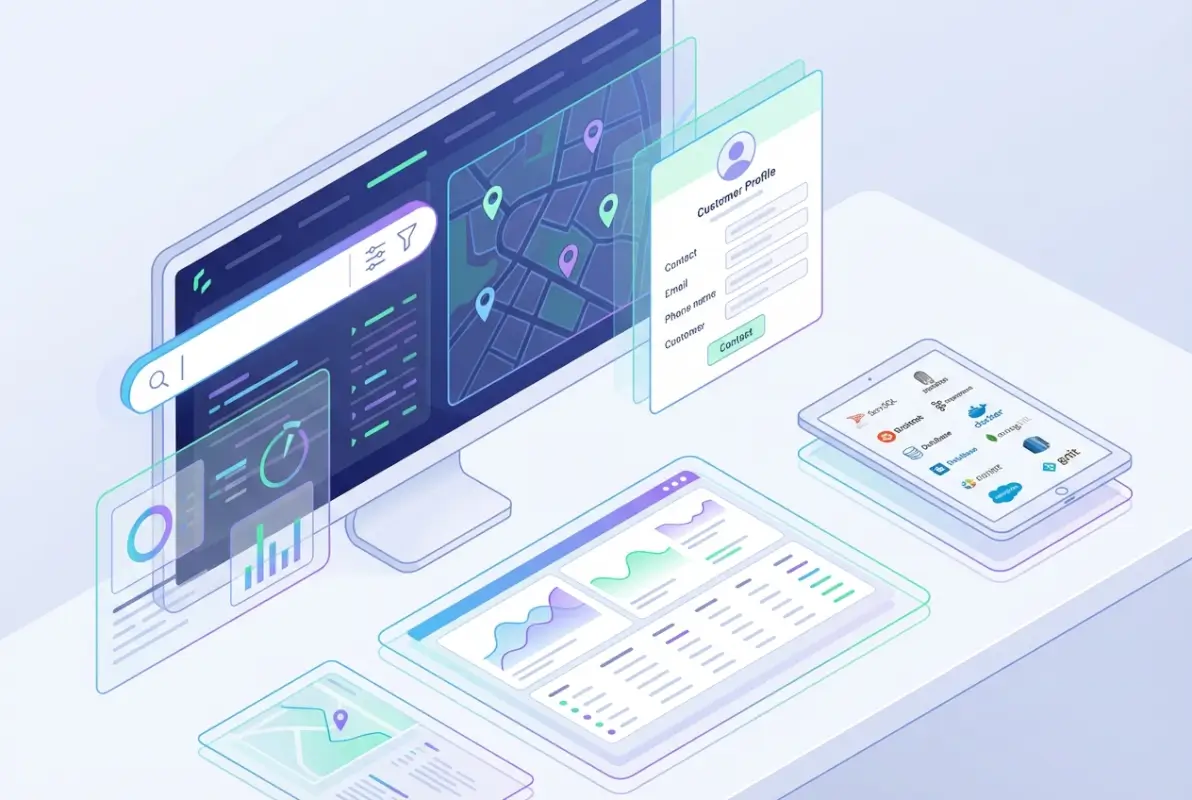
Request Target-Specific Sample Data
Don’t accept generic sample datasets—insist on samples that match your exact target criteria. If you’re targeting HR directors at manufacturing companies with 200-500 employees in the Midwest, that’s what your sample should contain.
Quality providers will accommodate specific requests because they’re confident in their data. Providers who only offer generic samples are often hiding gaps in their coverage or accuracy for specific segments.
Manually Verify a Statistical Sample
Take 25-30 records from your sample and verify them manually. Call the listed phone numbers, send test emails, check LinkedIn profiles against the data provided. Track your findings in a simple spreadsheet:
- Email deliverability rate (target: 90%+ deliverable)
- Phone number accuracy (target: 85%+ valid numbers)
- Title/role accuracy (target: 90%+ correct current titles)
- Company information accuracy (target: 95%+ correct firmographics)
If a provider’s sample doesn’t meet these thresholds, walk away regardless of pricing or features. You’re about to spend thousands of dollars—spending two hours on verification is the best investment you’ll make.
Check Data Freshness Dates
Ask for date stamps showing when each record was last verified or updated. Quality providers track this at the individual record level. If they can only give you broad statements like “we update quarterly,” that’s a red flag.
Look specifically at the age distribution of records in your sample. If more than 15% of records haven’t been touched in 90+ days, you’re buying stale data regardless of what the sales rep promises.
Evaluate Technical Integration Capabilities
Request API documentation before you commit. Even if you plan to start with manual exports, you’ll eventually want automation. Check for:
- Native integrations with your CRM and marketing automation platforms
- API rate limits and restrictions (some providers severely throttle API access)
- Webhook support for real-time data enrichment
- Bulk operation capabilities for large data refreshes
- Quality of developer documentation and support
I’ve seen teams select a provider based on data quality, only to discover six months later that the API limitations made their planned automation impossible, forcing them to switch providers and start over.
Best Practices for Using Your Business Directory Database Effectively
Buying quality data is just the starting point—how you use it determines ROI. I’ve watched organizations waste premium data through poor implementation and seen others generate remarkable results from mid-tier databases through smart usage strategies.
Here’s what separates high-performing teams from everyone else when it comes to leveraging their business directory database investment.
Segment Aggressively for Targeted Campaigns
Generic spray-and-pray campaigns waste your data investment. The power of quality data is precision targeting based on multiple criteria layered together.
Instead of “all companies in healthcare,” try “hospitals with 200-500 beds, using Epic EHR systems, located in states with recent Medicaid expansion, that have hired a new CIO in the past 90 days.” That level of targeting turns a 0.8% response rate into a 4.3% response rate (real numbers from a client campaign).
Create detailed buyer personas based on historical success patterns. Map which combinations of firmographic, technographic, and behavioral signals correlate with your best customers. Use those patterns to score and prioritize prospects in your database.
Personalize Beyond First Names
Everyone personalizes with first names now—it’s table stakes, not a differentiator. Quality databases enable deeper personalization that actually resonates:
- Reference their specific technology stack challenges
- Mention recent company news, funding, or expansion announcements
- Acknowledge industry-specific pain points based on their sector
- Time outreach around trigger events like role changes or company milestones
- Customize content based on company size and maturity stage
When I was running demand gen for a B2B SaaS company, we created 12 different email templates for the same campaign—varying messaging based on company size, industry vertical, and current technology stack. The segmented approach delivered 2.7x higher conversion rates than our previous one-size-fits-all campaigns.
| Approach | Personalization Level | Typical Response Rate |
|---|---|---|
| Generic Blast | None | 0.3-0.8% |
| First Name Only | Basic | 1.2-1.8% |
| Industry Segmented | Moderate | 2.4-3.5% |
| Multi-Variable Targeting | Advanced | 4.2-6.8% |
Establish Data Governance and Maintenance Routines
Even the best database degrades without ongoing maintenance. Establish clear processes for keeping your data clean:
- Schedule quarterly full data refreshes from your provider
- Implement automated enrichment workflows that update records in real-time
- Create feedback loops where sales reps flag inaccurate information
- Set up deduplication rules and run them monthly
- Maintain suppression lists for unsubscribes, bounces, and opt-outs
- Document data retention policies that comply with privacy regulations
One manufacturing client I worked with implemented a simple system where sales reps could flag bad data with a single click in their CRM. Marketing reviewed flags weekly and worked with their data provider to either correct or replace problematic records. This reduced their contact error rate from 22% to under 8% in six months.
Track Metrics That Actually Matter
Don’t just measure vanity metrics—track business impact from your database investment:
- Cost per qualified lead by data source and segment
- Pipeline influence from database-sourced opportunities
- Contact-to-conversation conversion rates
- Database coverage of your total addressable market
- Data accuracy trends over time (improving or degrading?)
- ROI by provider if you’re using multiple data sources
Calculate your true cost per quality contact (total database cost divided by verified accurate contacts) and compare it against the value of opportunities generated. This creates a clear ROI picture that justifies continued investment or signals when to switch providers.
Common Mistakes That Waste Your Database Investment
After consulting with dozens of organizations on data strategy, I’ve seen the same mistakes repeated over and over. Avoiding these pitfalls will save you significant money and frustration.

Prioritizing Database Size Over Quality
I once worked with a company that purchased a database of 100,000 contacts for $8,000—seemed like a great deal at $0.08 per contact. Except when we tested it, only 54% of emails were deliverable. Their effective cost per valid contact? $0.15, which was actually more expensive than competitors offering smaller databases with 92% accuracy.
Bigger is not better. A 10,000-contact database with 95% accuracy will outperform a 100,000-contact database with 60% accuracy every single time. Focus on precision, not volume.
Ignoring Compliance Requirements
Using data improperly doesn’t just risk fines—it damages your sender reputation, gets your domain blacklisted, and destroys trust with prospects. Make sure your provider can document:
- How they obtained consent for email addresses (critical for GDPR compliance)
- Processes for honoring opt-out requests within required timeframes
- Data sourcing methods that comply with regulations in your target markets
- Contractual liability provisions if their data causes compliance issues
According to official guidance from Pew Research 2025 global internet usage topline data, privacy concerns are increasing globally—make compliance a priority, not an afterthought.
Failing to Test Integration Before Committing
Don’t trust sales demos showing seamless integration—test it yourself with your actual tech stack. Request sandbox access or a trial period where you can attempt real integration with your CRM, marketing automation platform, and sales enablement tools.
Pay special attention to:
- Field mapping accuracy (does their “job title” field align with yours?)
- Sync frequency and reliability
- Handling of updates and conflicts
- Performance impact on your existing systems
- Support quality when integration issues arise
Underinvesting in Training and Adoption
The most powerful database delivers zero value if your team doesn’t use it effectively. Budget time and resources for proper training, create documentation tailored to your specific use cases, and establish champions within your team who can help drive adoption.
I’ve seen companies spend $20,000 on premium data only to have it sit largely unused because they spent zero dollars on training. That’s like buying a Ferrari and never learning to drive it.
Not Negotiating Contracts
Everything is negotiable—seriously. Database providers expect negotiation, especially if you’re committing to annual contracts or larger volumes. Negotiate on:
- Per-contact pricing or total contract value
- Accuracy guarantees with remediation clauses
- Contract length (annual vs. multi-year with performance gates)
- Data refresh frequency
- User seats and access levels
- Overage pricing and usage caps
One client negotiated a clause where if quarterly accuracy audits fell below 90%, they received free data credits. This aligned incentives and ensured the provider maintained quality throughout the contract period, not just during the sales process.
Frequently Asked Questions
How do I verify if a business directory database provider is legitimate?
Check for transparent sourcing methods, request and manually verify sample data matching your target criteria, read reviews from current customers, verify they can document compliance with privacy regulations, and look for established providers with multi-year track records rather than new startups making unrealistic promises.
What data fields should I expect in a quality business directory database?
Quality databases include company name, industry classification, employee count, revenue range, physical address, phone numbers (main and direct), email addresses, contact names and titles, LinkedIn URLs, technology stack information, company website, founding date, and ideally trigger event data like funding rounds or leadership changes.
How often should business directory data be updated?
Premium providers update continuously or weekly, mid-tier providers monthly, and minimum acceptable frequency is quarterly. Given that contact data degrades at 25-30% annually, monthly updates should be your baseline requirement. Anything less frequent means you’re working with increasingly stale information that damages campaign performance.
What’s the typical cost range for quality business directory databases?
Small business solutions start around $5,000-$8,000 annually, mid-market solutions range from $10,000-$15,000, and enterprise platforms like ZoomInfo cost $15,000-$25,000+ per year. Pricing depends on database size, data quality, update frequency, features like intent signals, and integration capabilities. Pay-as-you-go options exist but typically cost more per contact.
Can I customize a business directory database to match my ideal customer profile?
Yes, quality providers offer extensive filtering by industry, company size, revenue, location, technologies used, job titles, and numerous other criteria. Advanced providers allow custom segments combining multiple variables, saved searches for repeated use, and API access for building custom applications. Customization capabilities directly impact targeting precision and campaign performance.
What are the compliance risks of purchasing business contact data?
Risks include GDPR violations if using data without documented consent (fines up to 4% of revenue), CAN-SPAM violations for email marketing, CCPA penalties for California contacts, damaged sender reputation from high bounce rates, and potential lawsuits from recipients. Ensure your provider documents legal sourcing methods and consent status.
How accurate should a quality business directory database be?
Target 90-95% accuracy for email addresses (deliverability), 85-90% for phone numbers (valid, working numbers), 90%+ for job titles and roles (current, not outdated), and 95%+ for company information (correct firmographics). Providers claiming 98-99% accuracy are usually measuring something different than actual contact-level accuracy.
Should I buy one comprehensive database or multiple specialized ones?
This depends on your needs. Most organizations start with one comprehensive provider that covers their primary market, then add specialized databases for niche segments or specific data types (like technographic data or intent signals). Multiple sources increase costs but improve coverage and reduce dependency risk if one provider’s quality degrades.
How do I measure ROI from a business directory database purchase?
Track cost per qualified lead (database cost divided by leads generated), pipeline influence (opportunities sourced from database contacts), conversion rates by segment, time savings for research and list building, and revenue generated from database-sourced opportunities. Compare these metrics against your previous data sources or manual prospecting costs to calculate true ROI.
What questions should I ask providers before purchasing?
Ask about data sourcing methods, verification and update processes, accuracy guarantees with remediation, compliance documentation, integration capabilities with your tech stack, contract terms and flexibility, pricing structure and hidden costs, support quality and response times, sample data availability, and customer references from similar companies in your industry.
Making the Right Database Investment for Your Business
Choosing the right business directory database isn’t about finding the cheapest option or the one with the most contacts. It’s about identifying the provider whose strengths align with your specific needs, budget, and technical requirements.
If you’re an enterprise sales organization that needs the absolute highest accuracy and can justify premium pricing, ZoomInfo delivers unmatched quality and intent intelligence. For Salesforce-heavy organizations, Data.com’s native integration offers workflow efficiencies that justify the investment. If financial data and corporate hierarchies drive your targeting strategy, D&B Hoovers provides depth competitors can’t match. Small to medium businesses seeking quality without enterprise pricing should seriously evaluate UpLead. And if market intelligence and trigger events power your outreach timing, InsideView combines contact data with contextual signals that improve conversion rates.
The common thread among successful implementations? They all prioritize data quality over database size, test thoroughly before committing, integrate seamlessly with existing systems, and establish ongoing maintenance processes that preserve data accuracy over time.
Ready to Transform Your Data Strategy?
Stop wasting money on low-quality data that damages your campaigns and frustrates your sales team. Take these next steps:
- Audit your current data quality by manually verifying 25 random records
- Calculate your true cost per valid contact (you might be surprised)
- Request samples from 2-3 providers matching your specific target criteria
- Test integration capabilities with your actual tech stack before signing anything
The organizations winning in your market aren’t necessarily smarter—they just have better data. Make your database investment count.
Whether you’re building your first targeted campaign or optimizing an existing data strategy, remember that quality compounds over time. Every improvement in data accuracy translates to higher connection rates, better conversion rates, and ultimately more revenue. The investment you make today in choosing the right provider and implementing smart usage practices will continue paying dividends for years.
For organizations exploring how to complement purchased data with owned assets, building a business directory presence can enhance your market intelligence. Similarly, understanding business directory boosts local marketing strategies helps maximize the value of your contact database investments.
Don’t let another quarter pass with subpar data holding back your results. The difference between mediocre and exceptional outcomes often comes down to one decision: investing in quality data from the right provider. Your competitors already made that choice—make sure you’re not left behind.