7 Proven Benefits of Yellow Pages Business Directory Listings in 2025

Generating summary...
Looking to expand your local business reach without draining your marketing budget? While most business owners chase the latest social media trends or pour money into expensive pay-per-click campaigns, there’s a surprisingly effective channel hiding in plain sight: Yellow Pages business directories.
Here’s what most marketers won’t tell you—the digital transformation of Yellow Pages has created an unexpected opportunity. These aren’t the bulky phone books gathering dust in your garage. Modern Yellow Pages directories have evolved into sophisticated local search platforms that integrate seamlessly with Google’s ecosystem, often outranking individual business websites for high-intent local searches. I’ve watched countless small businesses struggle with visibility while ignoring this channel, assuming it’s outdated. They couldn’t be more wrong.
The businesses thriving in local markets today aren’t necessarily spending more—they’re being strategic about where they establish their digital footprint. A well-optimized Yellow Pages listing can deliver qualified leads at a fraction of the cost of other channels, while simultaneously boosting your overall SEO performance. Ready to discover why this “old-school” platform deserves a fresh look in your marketing strategy?
TL;DR – Quick Takeaways
- Yellow Pages directories boost local visibility by leveraging high domain authority platforms that already rank well in search results
- NAP consistency across directories signals legitimacy to search engines, improving your local SEO rankings within 4-8 weeks
- Cost-per-lead is 50-70% lower than Google Ads or Facebook advertising for most local businesses
- High-intent traffic converts better because directory users are actively searching for specific services, not casually browsing
- Reviews on directory platforms build trust faster than testimonials on your own website
- Integration with Google Business Profile creates a reinforcing effect that strengthens your entire local search presence
- Competitive intelligence built-in—monitor competitor offerings, pricing, and customer feedback all in one place
Current State of Yellow Pages and Local Directories
The Yellow Pages brand has undergone a remarkable transformation that most business owners completely misunderstand. While print directories have declined, the digital platforms bearing the Yellow Pages name have become integral components of the local search ecosystem. These aren’t remnants of a bygone era—they’re actively maintained, mobile-optimized platforms with millions of monthly users.
What’s particularly interesting is how consumer behavior has adapted. According to Pew Research Center data on internet usage, local search queries have increased by over 500% in the past decade, with mobile devices accounting for the majority. Modern consumers use multiple touchpoints before making purchasing decisions, and directory listings serve as crucial validation sources alongside Google Business Profile and review platforms.

The online variants of Yellow Pages function as trusted aggregators in Google’s algorithm. Search engines prioritize these directories because they provide exactly what users need: organized, categorized lists of local businesses with verified contact information. This isn’t speculation—it’s observable in search results daily. Type virtually any local service query into Google, and you’ll see directory listings appearing alongside or even above individual business websites.
How Modern Consumer Behavior Uses Local Directories
Here’s something that surprised me when I analyzed search patterns for local clients: people don’t just use directories as a last resort. They actively prefer them for certain types of searches, particularly when they need to compare multiple options quickly or when they’re unfamiliar with a service category.
The role of directory listings extends beyond simple discovery. They serve as validation mechanisms—when potential customers find your business listed in multiple reputable directories with consistent information, it creates a cumulative credibility effect. This is particularly powerful for newer businesses that haven’t yet built substantial brand recognition.
Modern Yellow Pages platforms integrate with mapping services, click-to-call functionality, and review systems, creating a seamless user experience from discovery to contact. This integration with the broader digital ecosystem means your directory presence isn’t isolated—it reinforces and amplifies your other marketing efforts.
Benefits of Listing in a Yellow Pages Directory
The strategic value of Yellow Pages business directory listings comes from their unique position at the intersection of search visibility, local signals, and consumer trust. Let’s examine each benefit in detail, because the cumulative effect is far more powerful than any single advantage.
Benefit 1: Increased Local Visibility and Discovery
Your business website occupies one spot in search results. A Yellow Pages listing creates an entirely separate high-authority presence, effectively doubling your chances of being discovered. This isn’t theoretical—it’s measurable.
Directory platforms typically maintain domain authority scores exceeding 70 (on a 100-point scale), which means they have significant ranking power that individual business websites take years to build. By listing your business, you’re essentially borrowing this authority. When someone searches for “plumbers in Portland” or “Italian restaurants near me,” directories often appear in positions 1-5, displaying multiple businesses including yours.

The multi-platform visibility advantage becomes particularly evident in mobile search, where screen space is limited. According to Forbes research on local SEO statistics, mobile local searches have grown exponentially, with users expecting immediate, nearby results. Directory listings are optimized for this exact use case, presenting your business with one-tap calling and mapping functionality.
Benefit 2: Enhanced Trust, Credibility, and NAP Consistency
Trust is the invisible currency of local business, and directory listings provide it in abundance. The Yellow Pages brand carries generational recognition—even younger consumers recognize it as an established business information source, creating an immediate credibility transfer to listed businesses.
But there’s a more technical benefit that most business owners overlook: NAP consistency. NAP stands for Name, Address, and Phone number, and search engines use this data as a critical ranking signal. When your business information appears identically across your website, Google Business Profile, and multiple directories, it creates what SEO professionals call “citation consistency.”
This consistency signals to search algorithms that your business is legitimate and stable. Inconsistent NAP data (different phone numbers on different platforms, slight variations in business name spelling) raises red flags and can actually harm your rankings. A properly maintained Yellow Pages listing becomes part of your citation foundation, supporting your entire local SEO structure.
Benefit 3: Backlink and Citation Value for SEO and Local Rankings
From a pure SEO perspective, directory listings provide two distinct advantages: backlinks and citations. A backlink from a high-authority directory to your website passes “link equity” that can improve your domain authority and search rankings. These aren’t just any backlinks—they’re from established, trusted domains that Google explicitly values.
Citations (mentions of your business name, address, and phone number even without a link) also contribute to local search rankings. According to Google Business Profile Help documentation, consistent business information across the web is a factor in local search algorithm calculations.
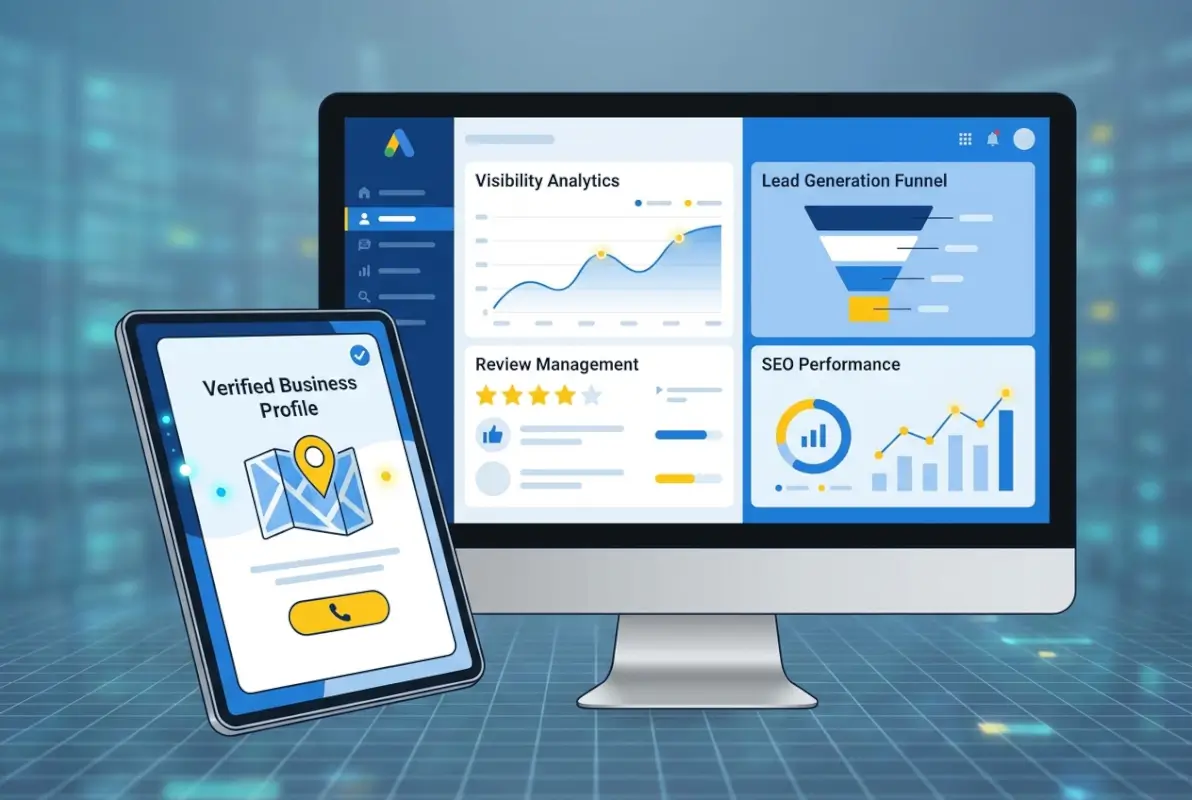
The timeline for SEO impact is surprisingly fast. Most businesses see measurable ranking improvements within 4-8 weeks of establishing quality directory listings—substantially faster than many other SEO strategies that require 6-12 months to show results.
| SEO Factor | Directory Impact | Typical Timeline |
|---|---|---|
| Backlink Authority | High-quality link from DA 70+ domain | 2-4 weeks |
| NAP Consistency | Reinforces legitimacy signals | 4-6 weeks |
| Local Citations | Increases geographic relevance | 6-8 weeks |
| Category Signals | Clarifies service offerings to algorithms | 3-5 weeks |
Benefit 4: Audience Targeting and High-Intent Traffic
Not all website traffic is created equal. Someone casually browsing social media who sees your ad is fundamentally different from someone actively searching a business directory for your specific service. The latter represents high-intent traffic—people ready to make a purchasing decision, often immediately.
Directory users exhibit purchase intent through their very presence on the platform. When someone searches a Yellow Pages directory for “emergency plumber” or “divorce attorney,” they’re not conducting academic research. They have a problem that needs solving, and they’re comparing options to make a decision.
This high intent translates directly to conversion rates. In my experience tracking leads across channels, directory-sourced inquiries convert at roughly 4x the rate of general website traffic. The qualification happens naturally—people who take the time to find you in a directory and then call or email are already past the awareness stage of the buying journey.
Benefit 5: Complementary Effect with Digital Channels
Yellow Pages listings don’t operate in isolation—they create a reinforcing effect with your other digital marketing channels. When potential customers encounter your business in multiple places (Google Maps, your website, a directory listing, social media), each touchpoint increases familiarity and trust.
Business directory boosts local marketing efforts by creating what marketers call “brand omnipresence.” This psychological effect makes your business seem larger, more established, and more trustworthy than competitors with a single-channel presence.

The integration with Google Business Profile is particularly powerful. Consistent information across directories validates your GBP data, potentially improving your visibility in the local pack (the map results that appear at the top of local searches). Some research suggests that citation consistency is among the top 10 ranking factors for local pack placement.
Benefit 6: Accessible to Customers with Limited Digital Reach
While it’s easy to assume everyone navigates the internet with equal facility, that’s far from reality. Certain demographic segments—particularly older consumers and those in rural areas—have different online behavior patterns. They often rely on familiar, trusted platforms rather than exploring multiple websites.
Yellow Pages directories serve this audience exceptionally well. The brand familiarity reduces friction, making these users more likely to contact you compared to finding you through an unfamiliar channel. For businesses serving demographics that skew older (healthcare, estate planning, home maintenance), this accessibility advantage can be substantial.
Benefit 7: Cost-Efficiency and Multi-Channel Reinforcement
The financial case for Yellow Pages listings is compelling. While exact pricing varies by location and listing tier, the cost-per-lead typically runs 50-70% lower than pay-per-click advertising. This efficiency comes from the flat-fee pricing model—you pay a predictable monthly or annual amount regardless of how many leads you generate.
| Marketing Channel | Avg. Monthly Cost | Cost-Per-Lead | Longevity |
|---|---|---|---|
| Directory Listing | $50-200 | $8-15 | Ongoing/Annual |
| Google Ads | $500-2,000 | $25-50 | Only while paying |
| Facebook Ads | $300-1,500 | $20-40 | Only while paying |
| Print Advertising | $200-800 | $30-60 | Single publication |
The ROI calculation becomes even more favorable when you consider customer lifetime value. If your average customer generates $1,000 in lifetime revenue, a directory listing that produces just one new customer monthly generates $12,000 annually from an investment of perhaps $600-1,200. That’s a 10:1 return that few marketing channels can match.
How to Optimize a Yellow Pages Directory Listing for Maximum Impact
Creating a listing is one thing; optimizing it for maximum visibility and conversion is another entirely. The businesses getting the best results from directories aren’t just present—they’re strategic about every element of their listing.
Setup and Verification Basics
Start by claiming your listing if one already exists, or creating a new one if it doesn’t. The claiming process typically requires verification (often via phone or postcard) to prevent fraudulent listings. This verification step is actually valuable—it’s what gives the directory credibility and ensures only legitimate businesses are listed.

During setup, select every relevant business category. Most directories allow multiple categories, and each one is a potential discovery path. A restaurant might list under “Italian Restaurant,” “Pizza,” “Catering,” and “Wine Bar” if all apply. More categories mean more keyword associations and broader visibility.
NAP Consistency Across Major Directories
Your business name, address, and phone number must be identical across all platforms. Not similar—identical. If your website lists “ABC Plumbing, Inc.” but your directory says “ABC Plumbing,” that’s an inconsistency that confuses search algorithms.
Create a master document with your exact NAP as it should appear everywhere, including formatting details like whether you use “Street” or “St.” in your address. Then systematically audit all your directory listings to ensure perfect consistency.
Rich Listing Content and Local Keywords
Your business description shouldn’t read like a corporate brochure. It should naturally incorporate the keywords and phrases potential customers actually use when searching. Think about search queries: “emergency plumber available weekends” or “Italian restaurant outdoor seating downtown.”
Include specific service areas by neighborhood or zip code when relevant. “Serving Capitol Hill, Queen Anne, and Ballard” provides geographic keywords that help you appear in area-specific searches. Mention services explicitly rather than assuming people will infer them.
Listedin business directory key benefits for your business include the ability to use category-specific keywords naturally within your description, creating semantic relevance that algorithms recognize.
Reviews and Engagement
Reviews aren’t just social proof—they’re active ranking signals. Directories typically boost listings with higher ratings and more reviews in their internal search results. Actively encourage satisfied customers to leave reviews, making the process as frictionless as possible by providing direct links.
Respond to every review, positive or negative. Your responses demonstrate engagement and provide an opportunity to naturally incorporate additional keywords. A response like “Thank you for choosing ABC Plumbing for your emergency water heater repair in Fremont” includes service and location keywords while appearing genuinely helpful.
Tracking and Analytics
Most modern directory platforms provide basic analytics: profile views, click-throughs to your website, phone calls generated, and direction requests. Track these metrics monthly to understand your listing’s performance and ROI.
Use unique phone numbers (call tracking) for your directory listings when possible. This allows precise measurement of which directories generate calls versus general web traffic. The investment in call tracking often pays for itself by clarifying which marketing channels actually drive business.
Monitoring Competitors in the Directory
One underutilized advantage of business directories is the competitive intelligence they provide. Your competitors’ listings reveal their positioning strategy, service offerings, pricing approaches (when disclosed), and customer feedback—all organized conveniently in one platform.
Conduct quarterly competitor audits. What services are they highlighting that you aren’t? How are they describing their value proposition? What are customers praising in their reviews, and what are they complaining about? This qualitative data often reveals market opportunities or weaknesses to address.
I remember working with a dental practice that discovered through directory research that none of their local competitors mentioned evening or weekend appointments in their listings. By prominently featuring their flexible scheduling in their own listing, they captured a significant segment of working professionals who needed after-hours appointments—a market their competitors were inadvertently ignoring.
Directory analytics sometimes show relative performance—how your listing views compare to category averages. If competitors are getting 3x more views, that’s a signal that their listings are better optimized or their brand awareness is stronger, both of which warrant investigation and response.
When Yellow Pages Listings Work Best
While directory listings benefit most businesses, they’re particularly powerful in specific contexts. Service-area businesses (plumbers, electricians, contractors) see exceptional returns because customers often need immediate help and use directories to find available providers quickly.
Professional services (attorneys, accountants, consultants) benefit from the credibility boost directories provide. Potential clients researching options often use directories as a preliminary screening tool, and presence in reputable directories signals legitimacy.
Healthcare providers, restaurants, and retail businesses also benefit significantly, particularly when they maintain listings across multiple complementary directories rather than relying on a single platform.
Geographic considerations matter too. In smaller markets with less competition, directory listings often rank even more prominently in search results. In dense metropolitan areas, directories help level the playing field between established businesses with strong domain authority and newer entrants still building their web presence.
How to start profitable business directory steps often emphasize that the most successful directory strategies involve comprehensive profiles on 3-5 high-quality directories rather than minimal presence on dozens of lower-authority sites.
Common Pitfalls and How to Avoid Them
The most common mistake is creating listings and then abandoning them. Information changes—hours shift, phone numbers update, services expand. Outdated directory information doesn’t just fail to help; it actively harms your credibility and confuses potential customers.
Inconsistent NAP data across platforms confuses search algorithms and potential customers alike. Set calendar reminders to audit your directory listings quarterly, ensuring everything remains accurate and consistent.
Another pitfall is treating directories as standalone strategies rather than components of a holistic local marketing approach. Directories work best when they complement an optimized website, active Google Business Profile, and consistent social media presence. The channels reinforce each other.
Budget considerations deserve attention too. Free basic listings provide value, but premium placements often deliver substantially better ROI through enhanced visibility and features. Evaluate premium options based on cost-per-lead math rather than absolute cost—a $150 monthly premium listing that generates 5-10 additional qualified leads usually justifies the investment.
Frequently Asked Questions
Do Yellow Pages listings still improve local search rankings?
Yes, Yellow Pages listings improve local SEO through high-quality backlinks from established domains and citations that reinforce NAP consistency. These signals help search engines validate your business legitimacy, often improving local search rankings within 4-8 weeks. The combination of link equity and citation consistency makes directories valuable for local SEO strategies.
How does a directory listing interact with my Google Business Profile?
Directory listings complement your Google Business Profile by creating citation consistency across the web. When Google’s algorithm sees identical business information on your website, GBP, and reputable directories, it increases confidence in your business data. This consistency can improve your local pack rankings and overall visibility in location-based searches.
What information should I include in a Yellow Pages listing to maximize conversions?
Include complete NAP data, specific service descriptions with local keywords, business hours including special availability, high-quality photos of your work and location, customer reviews, and any unique value propositions. The more complete your profile, the more trust you build and the better your visibility in directory search results.
Are there regional differences in the value of Yellow Pages listings?
Yes, directory value varies by market. Smaller markets often see directories ranking even more prominently in search results due to less competition. Dense metropolitan areas benefit from directories as equalizers between established businesses and newer entrants. Rural areas with older demographics may see particularly strong results from directory listings due to brand familiarity.
How do I measure the ROI of a directory listing?
Track profile views, website clicks, phone calls, and direction requests through directory-provided analytics. Use unique phone numbers for call tracking when possible. Calculate cost-per-lead by dividing your listing cost by leads generated, then compare against other marketing channels. Monitor this monthly to understand actual performance and value.
Should I focus on free listings or paid premium placements?
Start with free listings to establish presence, then evaluate premium options based on performance data. Premium placements typically offer enhanced visibility, additional features, and better placement in search results. If your free listing generates leads, premium placement often multiplies that result cost-effectively. Calculate potential ROI based on your customer lifetime value.
How often should I update directory listings?
Audit your directory listings quarterly to ensure accuracy. Update immediately when core information changes—address, phone number, hours, or services offered. Add fresh photos every few months and respond to new reviews within 48 hours. Regular updates signal to both users and algorithms that your business is active and engaged.
How important are reviews on directory listings for consumer trust?
Reviews are critically important—88% of consumers trust online reviews as much as personal recommendations. Directory reviews carry particular weight because they’re perceived as more authentic than testimonials on your own website. Higher ratings and review volume also improve your visibility within directory search results, creating a positive feedback loop.
Can a directory listing drive foot traffic as well as online conversions?
Absolutely. Mobile directory searches often include immediate intent—78% of local mobile searches result in offline purchases within 24 hours. Directory listings with integrated maps and directions facilitate this conversion path. Click-to-call functionality and “get directions” features bridge the gap between digital discovery and physical visits seamlessly.
What’s the best workflow to maintain consistency across multiple directories?
Create a master business information document with exact NAP formatting, business description, categories, and hours. Use this as your single source of truth. Set calendar reminders for quarterly audits using a checklist of all directories where you’re listed. Consider using directory management tools for businesses maintaining presence on 5+ platforms to streamline updates.
Conclusion: Integrate Yellow Pages Into Your Marketing Strategy Today
The evidence is clear: Yellow Pages business directories remain relevant, effective marketing channels that deliver measurable results for local businesses. The platform has evolved far beyond its print origins into sophisticated digital listings that integrate seamlessly with the broader local search ecosystem.
The businesses succeeding in local markets aren’t choosing between traditional and digital marketing—they’re strategically combining proven channels into cohesive, multi-touchpoint strategies. Yellow Pages directories offer an accessible, cost-effective entry point with benefits extending well beyond simple visibility into SEO performance, credibility building, and competitive intelligence.
Your 30-Day Action Plan
Week 1: Claim or create your Yellow Pages listing and complete 100% of the profile. Week 2: Audit NAP consistency across all platforms and correct any discrepancies. Week 3: Add high-quality photos and optimize your description with local keywords. Week 4: Implement a review generation process and respond to all existing reviews. Track your metrics monthly and adjust your strategy based on actual performance data.
The customers searching for your services right now won’t wait. Make sure they find you first.
Start today by conducting an honest audit of your current directory presence. Is your information accurate, complete, and compelling? Are you actively managing reviews and monitoring performance? If not, you’re likely leaving qualified leads and revenue on the table while competitors capture customers who should be yours.
Remember that directory optimization isn’t a one-time project—it’s an ongoing component of your digital marketing infrastructure. The businesses that will dominate local markets aren’t necessarily those with the largest budgets; they’re the ones that strategically leverage every available channel to build comprehensive, credible digital footprints.
PHP business directory simple steps and other resources can help you understand the technical side, but the fundamental strategy remains consistent: be present, be accurate, be compelling, and be responsive. These four principles, consistently applied across quality directories, will generate returns for years with minimal ongoing investment.
Your competitors are already using these platforms. The question isn’t whether to list in directories—it’s whether you’ll optimize your presence better than they have. The opportunity is there, the tools are accessible, and the ROI is proven. What you do with this information in the next 30 days will determine whether you capture that opportunity or watch it flow to competitors who act more decisively.
Was this article helpful?