Business and Foundation Directory Milwaukee: Your Complete 2025 Resource Guide

Generating summary...
Finding the right connections in Milwaukee’s business and nonprofit landscape shouldn’t feel like searching for a needle in a haystack. Whether you’re a nonprofit hunting for funding opportunities, an entrepreneur seeking strategic partnerships, or a newcomer trying to decode the city’s organizational ecosystem, having the right directory resources transforms your outreach from guesswork into strategy.
I’ve watched countless Milwaukee organizations struggle with this exact challenge—spending hours on Google searches that lead nowhere, or worse, using outdated contact information that damages their credibility. The reality? Milwaukee offers powerful directory tools that most people simply don’t know exist or how to access them effectively. Understanding where to find comprehensive business and foundation directories in Milwaukee isn’t just convenient—it’s the difference between wasted effort and meaningful connections that actually move your mission forward.
TL;DR – Quick Takeaways
- Free access exists – Foundation Directory Online is available at no cost through Milwaukee Public Library and other partner locations
- Multiple pathways matter – Combine official directories, local resources, and government databases for comprehensive coverage
- Data quality varies – Always verify directory information before major outreach campaigns
- Local context wins – Milwaukee-specific directories often outperform national platforms for regional connections
- Strategic approach required – Successful directory use requires systematic searching, saving, and tracking processes
Understanding Milwaukee’s Directory Ecosystem in 2025
Milwaukee’s directory landscape has evolved significantly, with digital platforms increasingly replacing traditional print resources. The Foundation Directory Online—now managed by Candid—has become the gold standard for foundation research, offering detailed profiles of thousands of grantmakers. What many Milwaukee nonprofits don’t realize is that this premium resource, which typically requires expensive subscriptions, can be accessed completely free through local partner organizations.
The ecosystem breaks down into three primary categories: foundation directories that catalog grantmaking organizations, business directories that list companies and service providers, and hybrid resources that serve both sectors. Each serves distinct purposes, and understanding which to use when saves enormous amounts of time. I learned this the hard way years ago when I spent three days researching potential funders through generic web searches, only to discover later that a single afternoon at the library with proper directory access would have yielded better results.

Access avenues have democratized considerably. While premium subscriptions still exist, Milwaukee offers multiple free-access points through public libraries, nonprofit resource centers, and community organizations. The Milwaukee Public Library system maintains several free access stations for Foundation Directory Online, making professional-grade foundation research available to any organization willing to visit in person or access remotely through library credentials.
For Milwaukee nonprofits specifically, these directories support multiple organizational needs beyond simple grant-seeking. They enable competitive intelligence about where peer organizations receive funding, help identify emerging foundation priorities, facilitate partnership development with complementary organizations, and provide verification of funder legitimacy before investing time in proposals. The Milwaukee metro area hosts a diverse nonprofit sector serving a population of approximately 577,000 within city limits, creating both competition and collaboration opportunities that directories help navigate.
Key Players and Sources in Milwaukee’s Directory Landscape
Candid’s Foundation Directory Online represents the most comprehensive national resource, with detailed information on over 140,000 grantmakers and 16 million grants. For Milwaukee-focused research, the platform allows geographic filtering to identify foundations actively giving in Wisconsin and the greater Milwaukee area. The database includes not just contact information but crucial strategic intelligence—funding priorities, typical grant ranges, application deadlines, board member listings, and historical giving patterns.
Local resources complement these national platforms with regional expertise. The Greater Milwaukee Foundation maintains resources for connecting with area philanthropic organizations, though their directory focuses primarily on community foundation programs rather than the broader foundation landscape. The Wisconsin Philanthropy Network offers member directories and resources, though access requires organizational membership.
Government databases provide another critical layer. The IRS maintains publicly accessible records of all registered 501(c)(3) organizations, including foundations required to file annual 990 forms detailing their finances and grantmaking. While less user-friendly than commercial directories, these government sources offer completely free access to verified financial data that commercial platforms compile and present more accessibly.
Accessing Foundation Directory Online in Milwaukee
The Foundation Directory Online access question tops the list of concerns I hear from Milwaukee nonprofits. The perception that this resource requires expensive subscriptions ($1,300+ annually for professional plans) prevents many organizations from using what could be their most valuable research tool. The truth is more encouraging—multiple free access pathways exist throughout Milwaukee.
Milwaukee Public Library system offers the most accessible option. The Central Library downtown and several branch locations maintain Foundation Directory Online access through their digital resources. Library cardholders can access the database from library computers, and some access tiers are available remotely with valid library credentials. The process involves locating a library with access (check the library’s online database list or call reference desks), visiting during open hours or logging in remotely, and requesting assistance from reference librarians who often have training in database navigation.
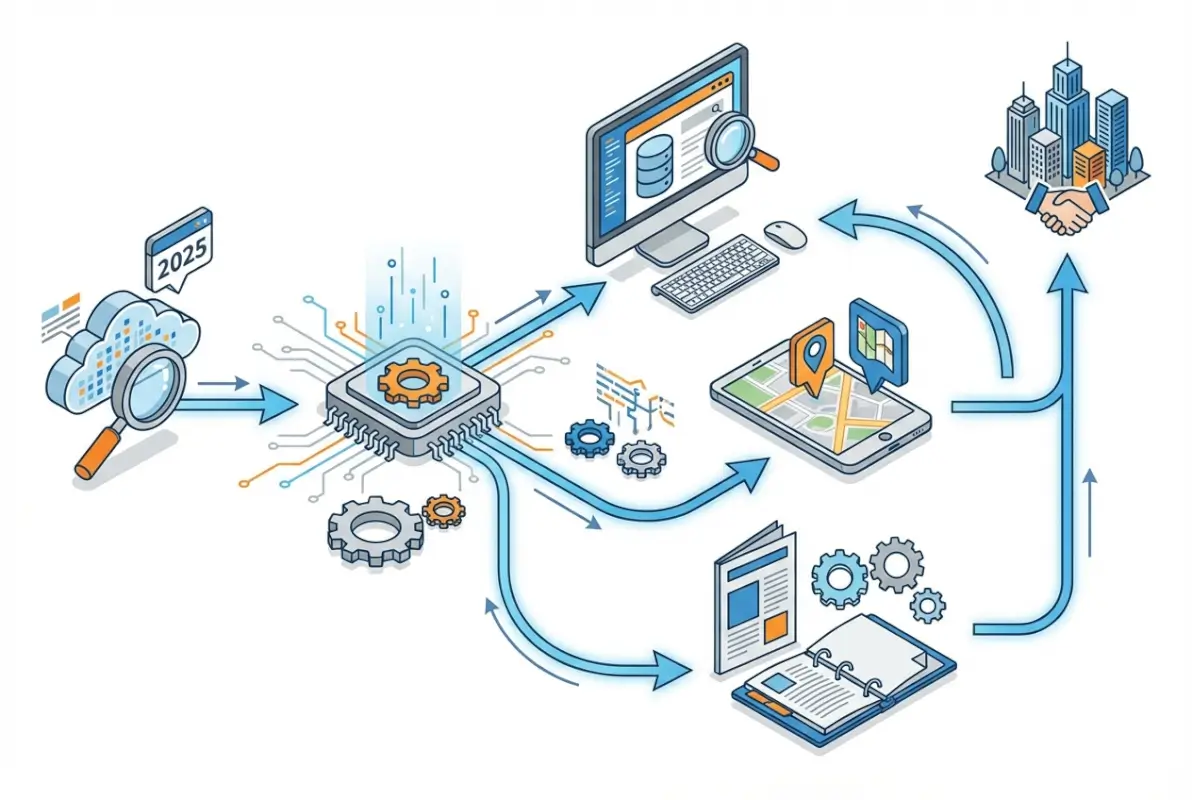
Beyond public libraries, several nonprofit resource centers throughout Milwaukee maintain Foundation Directory subscriptions available to visiting organizations. The Nonprofit Center of Milwaukee historically provided workspace and resources to member organizations, though availability and membership requirements should be verified directly. Some university libraries, particularly those with nonprofit management or social work programs, extend database access to community members or alumni.
| Access Point | Cost | Requirements | Best For |
|---|---|---|---|
| Milwaukee Public Library | Free | Library card | Most accessible option |
| Nonprofit Resource Centers | Varies | May require membership | Organizations needing guidance |
| University Libraries | Free with access | Student/alumni/community status | Academic-affiliated users |
| Direct Subscription | $1,300+ annually | Budget allocation | Heavy users needing unlimited access |
The Candid network maintains an updated list of free access locations nationwide, including Milwaukee-area partner organizations. This locator tool helps identify the nearest access point with current hours and any usage restrictions. For organizations serious about foundation research, bookmarking this resource and establishing a regular schedule for directory visits creates consistency in prospecting efforts.
Step-by-Step: Conducting Effective Foundation Searches
Once you’ve secured access to Foundation Directory Online, strategic searching separates productive sessions from frustrating ones. The platform’s power lies in its filtering capabilities, but those same features can overwhelm first-time users. I recommend starting with geographic and subject filters before narrowing further by grant size or other criteria.
Begin by selecting Wisconsin as your primary geographic focus, then narrow to Milwaukee metro if the platform allows metro-level filtering. This immediately reduces your prospect pool from tens of thousands to hundreds—a manageable research scope. Next, apply subject filters matching your organization’s mission. If you’re an arts education nonprofit, filtering for both “arts” and “education” foundations identifies funders with demonstrated interest in your intersection.
Grant size filtering prevents wasted effort on mismatched prospects. If your organization typically requests $25,000 grants, filtering for foundations with typical grant ranges of $10,000-$50,000 ensures better alignment than pursuing funders who primarily make $1,000 or $500,000 grants. While exceptions exist, this screening improves your efficiency dramatically.
As you identify promising prospects, capture critical information systematically. Create a spreadsheet or database tracking foundation name, contact information, funding priorities, application deadlines, recent grants in your field, and any personal connections your board or staff might have. This organized approach transforms raw directory data into actionable outreach intelligence. Organizations using business directory software solutions for their own platforms understand this principle—structured data beats scattered information every time.
Milwaukee-Specific Business Directory Resources
While foundation directories serve nonprofits primarily, business directories play equally vital roles in Milwaukee’s commercial ecosystem. These platforms connect companies with customers, facilitate B2B partnerships, and provide market intelligence about competitors and industry trends. Milwaukee offers several locally-focused business directories alongside national platforms with strong local presence.
The Metropolitan Milwaukee Association of Commerce (MMAC) maintains one of the region’s most credible business directories. Membership-based access provides searchable databases of Milwaukee-area companies, filterable by industry, size, and location. For businesses seeking local partners or vendors, this directory carries significant credibility given MMAC’s established position in the regional business community.

Government resources provide free alternatives, though with varying levels of detail. The Wisconsin Department of Financial Institutions maintains business entity search functions for all registered corporations, LLCs, and partnerships in the state. While bare-bones in presentation, this official registry verifies business legitimacy and provides registered agent information—valuable for due diligence before entering business relationships.
Industry-specific directories often outperform general platforms for specialized sectors. Milwaukee’s manufacturing community, which remains a significant economic driver despite decades of industrial transition, has dedicated resources through organizations like Milwaukee 7 (the regional economic development partnership). Technology companies find community through resources like the Milwaukee Tech Hub Coalition, which maintains directories of tech employers, startups, and service providers in the region.
Google My Business represents perhaps the most critical directory for consumer-facing businesses in Milwaukee. The platform’s integration with Google Search and Maps makes it the de facto starting point for most local business searches. Setting up and optimizing your Google My Business profile isn’t optional anymore—it’s fundamental infrastructure for local visibility. Those interested in broader access business park directory resources will find that many Milwaukee business parks maintain tenant directories through their management companies.
Neighborhood and District Business Associations
Milwaukee’s strong neighborhood identity creates opportunities through district-specific business associations and their directories. The Historic Third Ward, Bay View, Walker’s Point, and other neighborhoods maintain business improvement districts (BIDs) with member directories that provide hyper-local visibility.
These neighborhood directories offer advantages that citywide platforms cannot match. They connect you with potential customers who already have affinity for your specific area, create cross-promotional opportunities with neighboring businesses, and establish credibility within defined geographic communities. A Bay View restaurant appearing in the Bay View BID directory signals authentic neighborhood presence versus simply targeting Milwaukee generically.
Participation often requires physical location within district boundaries and may involve modest membership fees, but the community integration benefits frequently exceed the direct directory value. These associations organize events, advocacy efforts, and collective marketing campaigns that amplify individual business visibility well beyond simple listing presence.
Using Directories for Strategic Grant and Partnership Development
Raw directory access means little without strategic application. The nonprofits and businesses that extract maximum value from Milwaukee’s directory resources approach them systematically, with clear objectives and disciplined processes. Having interviewed dozens of successful organizations over the years, I’ve identified consistent patterns in how they leverage directory intelligence.
Successful grant-seeking organizations begin with clear prospect profiles before touching directory platforms. They articulate their ideal funder characteristics—geographic focus, subject area alignment, typical grant size, application process complexity they can handle, and timeline compatibility with their funding needs. This profile guides every directory search, preventing the common trap of pursuing every remotely plausible prospect regardless of actual fit.
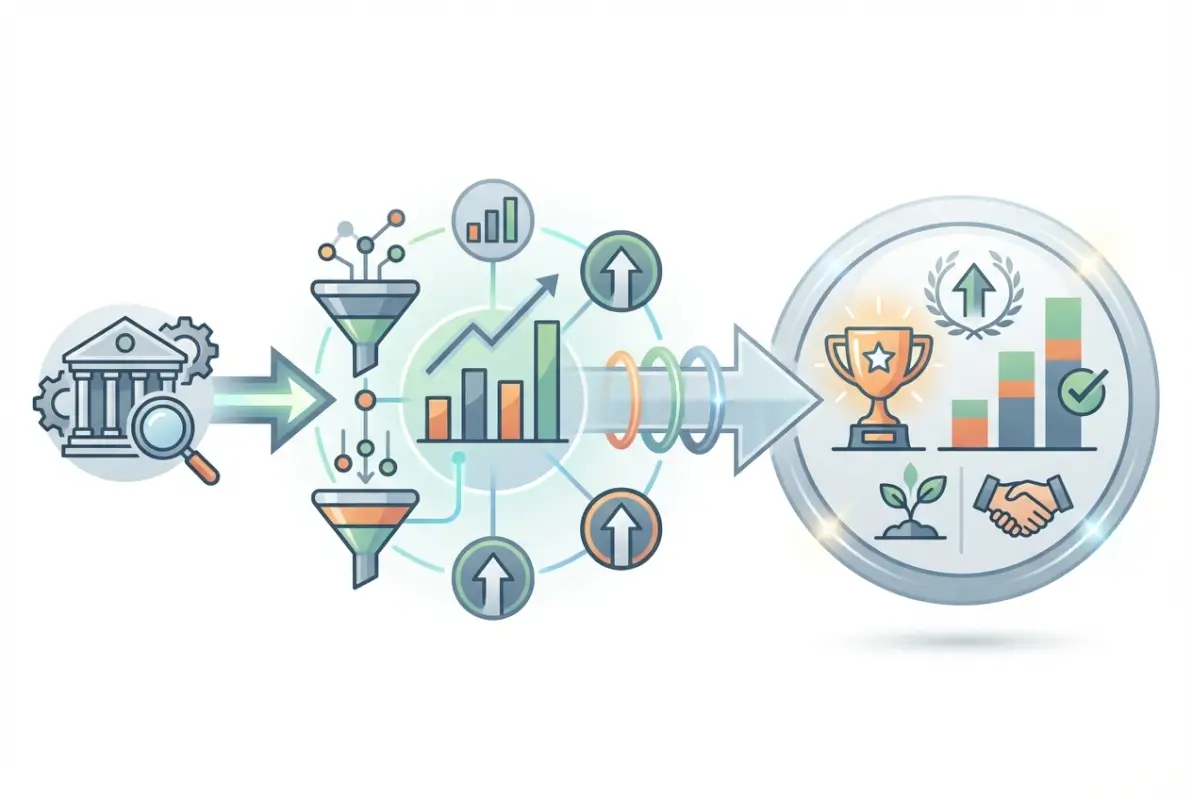
The research phase involves systematic documentation. Create a prospect tracking system capturing not just contact details but strategic intelligence—recent grants awarded to similar organizations, board member connections, application requirements and deadlines, stated versus revealed funding priorities, and any red flags suggesting poor fit. This intelligence gathering transforms directory listings from phone books into strategic dossiers.
Outreach strategy follows research systematically. Prioritize prospects based on fit quality rather than grant size, develop customized letter of inquiry approaches that reference specific foundation interests, and establish timeline tracking for application deadlines and decision cycles. Organizations treating foundation prospecting like marketing campaigns—with pipeline management, conversion tracking, and continuous refinement—consistently outperform those making scattered, opportunistic approaches.
Business partnership development follows similar principles. Use directories to identify potential collaborators, suppliers, or referral partners rather than just customers. The Milwaukee business owner who uses Chamber directories exclusively for sales prospecting misses opportunities for strategic alliances that might prove more valuable than individual transactions. For tips on better database organization, resources on organizing active directory for business environment provide useful frameworks applicable beyond IT contexts.
Common Workflow Example: Nonprofit Foundation Research
A practical workflow demonstrates how systematic directory use produces results. Consider a Milwaukee-based youth development organization seeking funding for workforce training programs. Their directory research process might unfold as follows:
First, they access Foundation Directory Online through Milwaukee Public Library, filtering for Wisconsin-based foundations, workforce development and youth services subject areas, and grant ranges of $15,000-$75,000 matching their typical request size. This yields perhaps 40-60 prospects.
Second, they export or manually record this prospect list with key data points: foundation name, contact information, total giving, relevant grants awarded, application process, and deadlines. They supplement Foundation Directory data with foundation websites, IRS 990 forms, and any local knowledge from board connections.
Third, they tier prospects into A, B, and C categories based on fit quality. A-tier prospects show recent grants to similar Milwaukee organizations in comparable amounts. B-tier prospects demonstrate interest in their subject area but perhaps in different geographies or with slightly different focus. C-tier prospects represent longer shots worth monitoring.
Fourth, they develop tailored outreach. A-tier prospects receive personalized letters of inquiry referencing specific past grants and explaining program alignment. B-tier prospects receive somewhat customized inquiries. C-tier prospects go into a watching file for future consideration when circumstances change.
Finally, they track all outreach systematically, logging submission dates, follow-up contacts, and outcomes. This tracking reveals which prospect characteristics actually predict success, allowing continuous refinement of their targeting criteria and directory search strategies.
Data Quality and Directory Maintenance Considerations
Directory accuracy varies considerably across platforms and over time, creating risk for organizations that assume all listed information remains current and correct. I’ve seen businesses waste entire marketing campaigns on outdated directory data, mailing expensive packages to foundations that relocated or closed years prior. Critical evaluation and verification processes protect against these pitfalls.
Commercial directories like Foundation Directory Online invest heavily in data accuracy, with regular update cycles and verification processes. They typically offer the highest reliability, though even premium platforms contain occasional errors given the scale of information managed. Government databases provide verified legal information—registered business entities, nonprofit filings—but often lack descriptive details or current contact information.

Free and volunteer-maintained directories present the highest risk of outdated information. Local business association directories may not purge closed businesses promptly, and community resource lists frequently suffer from link rot and obsolete contacts. This doesn’t invalidate their value, but requires verification before relying on them for important outreach.
Verification best practices include cross-referencing critical contacts across multiple sources, checking foundation or business websites directly before major outreach, confirming email addresses through test messages or phone verification, and noting the “last updated” dates on directory entries when available. For high-value prospects—major grant opportunities or critical business partnerships—the extra hour spent verifying information prevents embarrassing mistakes that damage your professional reputation.
Update frequency matters when choosing which directories merit your investment of time and resources. Platforms with monthly or quarterly update cycles maintain higher reliability than those updated annually or sporadically. Unfortunately, update schedules aren’t always transparent, requiring users to make judgments based on entry dates, platform reputation, and spot-checking of sample listings.
Building Your Own Verified Contact Database
Smart organizations don’t rely solely on external directories—they build proprietary contact databases verified through direct experience. As you interact with foundations, businesses, or partner organizations through directory-initiated contacts, capture your learnings in your own system.
Record not just the contact information that worked but also context—best times to reach specific people, communication preferences, organizational decision-making processes, and relationship history. This proprietary intelligence compounds over time, creating competitive advantage that generic directory access cannot match. Businesses learning how to search businesses in fslocal directory tips often discover similar principles about systematic information management.
Maintaining your own database requires discipline but pays dividends. Establish regular review cycles—perhaps quarterly—to verify your most important contacts remain current. After unsuccessful outreach attempts, investigate whether contact information or organizational circumstances have changed, updating your records accordingly. This continuous improvement approach builds directory intelligence that actually appreciates in value rather than depreciating as external directories gradually go stale between their update cycles.
Frequently Asked Questions
What is Foundation Directory Online and how do I access it in Milwaukee?
Foundation Directory Online is Candid’s comprehensive database of over 140,000 grantmaking organizations, including detailed funding histories and application requirements. Milwaukee residents can access it free through Milwaukee Public Library locations with valid library cards, avoiding the $1,300+ annual subscription cost. Visit library branches or check their digital resources portal for availability.
Can I get free access to Foundation Directory Online?
Yes, multiple free access points exist in Milwaukee. The Milwaukee Public Library system offers the most accessible option through their digital resources. Some nonprofit resource centers and university libraries also provide access to community members. Visit Candid’s location finder to identify the nearest free access point with current hours and requirements.
What Milwaukee foundations should I target for grants?
Target foundations based on mission alignment rather than size alone. The Greater Milwaukee Foundation, Bader Philanthropies, and Helen Bader Foundation represent major local funders, but smaller family foundations often provide excellent fit for specialized projects. Use directory searches filtering for your specific geographic and program focus to identify prospects with demonstrated interest in your work.
How often should I refresh directory data for outreach?
Verify directory information before any major outreach campaign, regardless of when you last accessed it. For ongoing prospecting, quarterly directory reviews capture most organizational changes while avoiding excessive research burden. High-priority prospects warrant direct verification through websites or phone calls immediately before contact regardless of directory update dates.
Are there Milwaukee government or nonprofit directories I should know about?
Yes, Wisconsin Department of Financial Institutions maintains business entity searches for all registered companies. The IRS offers nonprofit search tools for 501(c)(3) verification and 990-form access. Milwaukee County and City websites occasionally publish directories of service providers for specific sectors. These government sources provide verified legal information though less marketing detail than commercial directories.
How do I verify the accuracy of directory listings?
Cross-reference important contacts across multiple sources—check foundation or business websites directly, verify physical addresses through Google Maps, test email addresses with small messages before bulk outreach, and confirm phone numbers when possible. For critical prospects, direct phone verification remains the gold standard despite the time investment required.
What are cost considerations for small nonprofits using these directories?
Small nonprofits can access comprehensive directory resources at zero direct cost through library partnerships and free government databases. Budget considerations arise only if purchasing direct subscriptions for unlimited access or joining membership organizations that include directory access. Most Milwaukee nonprofits successfully manage foundation research entirely through free resources with strategic planning.
How can I use directory data to form partnerships with local businesses?
Business directories facilitate partnership development by identifying companies with complementary services, shared customer bases, or values alignment. Search directories for businesses serving your target population, filter by location for hyperlocal partnerships, and research company leadership for personal connections. Approach potential partners with specific collaboration proposals rather than generic networking requests.
What are common mistakes to avoid when using directories for fundraising?
Avoid shotgun approaches that contact every remotely plausible funder without researching fit. Don’t rely on outdated directory information without verification. Don’t ignore the historical giving data that reveals actual funding patterns versus stated interests. Don’t forget to track your outreach systematically so you can learn from results and continuously improve your targeting criteria.
Where can I access Foundation Directory Online for free in Milwaukee?
Milwaukee Public Library Central location downtown and select branch libraries maintain Foundation Directory Online access. Call ahead to confirm availability and reserve time during busy periods. Some nonprofit support organizations and university libraries with community access policies also provide free Foundation Directory sessions. The Candid website maintains current lists of all free access locations nationwide including Milwaukee-area partners.
Taking Action: Your Milwaukee Directory Strategy
Milwaukee’s directory landscape offers remarkable resources—if you know where to look and how to use them strategically. The gap between organizations that thrive and those that struggle often comes down to systematic information management and consistent application of proven research processes.
Start by identifying your highest-priority directory needs. Are you a nonprofit requiring foundation research? A business seeking local partnerships? A startup looking for customers? Match these needs to appropriate directory resources, beginning with the free-access options that cost nothing but your time investment. Establish a regular schedule for directory research—monthly or quarterly depending on your prospecting volume—rather than sporadic, reactive searching when urgent needs arise.
Build systems that capture your directory intelligence for ongoing use. Simple spreadsheets tracking prospects, contacts, and outreach outcomes often outperform expensive CRM systems for small organizations, because they’re actually used consistently rather than abandoned after complicated setup. The organizations running successful directory website businesses understand that usability beats features every time.
The connections that transform your organization’s trajectory are waiting in Milwaukee’s directory resources—you just need to invest the systematic effort to find them. What will you discover when you finally look in the right places?
Was this article helpful?