How Free Business Listings Boost Local SEO: 5 Key Benefits & Strategic Implementation

Generating summary...
Most local business owners pour money into advertising while overlooking a powerful (and completely free) visibility tool sitting right in front of them. I’ve watched countless businesses struggle to attract customers despite having strong operations and quality service. The missing piece? A strategic approach to free business listings that actually drives traffic.
The benefits of local business listings extend far beyond simple online presence. When implemented correctly, they create a multiplayer effect across search rankings, customer trust, and conversion rates—all without touching your marketing budget. With 97% of consumers searching online for local businesses and 46% of all Google searches having local intent, your listing strategy directly impacts whether potential customers find you or your competitors.
TL;DR – Quick Takeaways
- Free business listings are ranking signals – They directly influence your position in local search results through NAP consistency and citation building
- Multi-platform presence compounds visibility – Being listed across 8-12 authoritative directories creates exponentially more discovery opportunities than a single listing
- Listings drive immediate action – 76% of local searches result in same-day store visits, making optimized listings high-conversion channels
- Reviews and engagement boost rankings – Active listings with regular reviews and responses outperform static profiles by significant margins
- The setup is free, but strategy matters – Simply claiming listings isn’t enough—optimization, consistency, and maintenance determine actual results
The Free vs. Paid Directory Ecosystem: Understanding Your Options
The directory landscape has evolved dramatically. What started as simple digital yellow pages has transformed into a complex ecosystem of platforms that directly influence search visibility, customer decision-making, and business credibility. Understanding where free business listings fit into this ecosystem helps you allocate time and resources effectively.
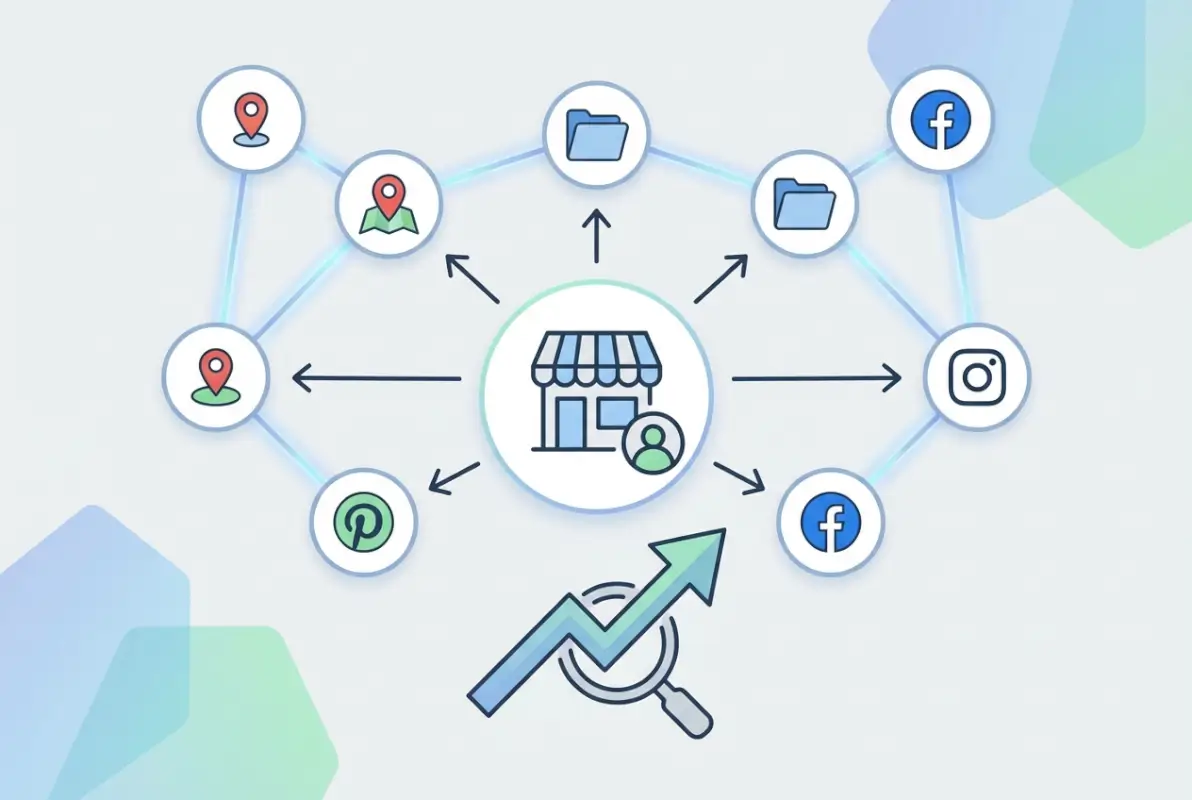
Free business listings provide the foundation of local SEO strategy. Major platforms like Google Business Profile, Bing Places, and Apple Maps offer comprehensive listing capabilities without cost. These aren’t stripped-down versions—they’re full-featured tools that give small businesses the same visibility opportunities as large enterprises.
The critical difference between free and paid options isn’t necessarily quality or features. It’s placement and enhancement. Paid listings typically appear above organic results, get priority in certain search scenarios, and offer advanced analytics. But here’s what most business owners miss: properly optimized free listings often outperform poorly managed paid ones.
| Aspect | Free Listings | Paid Listings |
|---|---|---|
| Cost | Zero ongoing expense | Monthly or per-click fees |
| Placement | Organic map pack and results | Premium placement, above organic |
| Features | Complete profile, photos, reviews, posts | Enhanced visibility, detailed targeting |
| Analytics | Basic insights on views and actions | Comprehensive tracking and reporting |
| Sustainability | Permanent with maintenance | Visibility ends when payment stops |
Major Free Directory Platforms Worth Your Time
Not all directories deserve equal attention. Focus your efforts on platforms that actually influence search rankings and customer behavior. Google Business Profile remains the undisputed priority—it feeds Google Maps, local pack results, and knowledge panels. According to research on consumer behavior, most local searches happen through Google’s ecosystem, making this your critical starting point.
Beyond Google, prioritize Bing Places (reaching 12% of U.S. desktop searches), Apple Maps (essential for iOS users), and industry-specific directories relevant to your sector. A restaurant benefits more from Yelp and TripAdvisor than a plumber does, while B2B services should focus on LinkedIn and industry associations.
Benefit #1: Enhanced Local Search Visibility Through Multi-Platform Presence
Visibility isn’t binary—it’s cumulative. Each properly optimized listing creates another opportunity for discovery across different platforms, search scenarios, and user behaviors. When someone searches “plumber near me” on their iPhone, they might see results from Apple Maps. That same search on a desktop pulls from Google. A voice search through Alexa taps into Bing data.

The power of directories online geoaccess comes from capturing all these touchpoints. I remember consulting with a dental practice that had claimed their Google listing but nothing else. We expanded to eight platforms with consistent information and photos. Within 90 days, their discovery searches increased by 64%, with new patient inquiries coming from Bing, Apple Maps, and Facebook in almost equal measure to Google.
How Local Pack Rankings Actually Work
Google’s local pack—those three business listings appearing with map pins—represents prime real estate. Getting into this space requires understanding the ranking factors that matter. Google evaluates proximity (how close you are to the searcher), relevance (how well you match the search query), and prominence (how well-known and credible your business appears).
Your listings directly influence all three factors. Multiple consistent listings across authoritative directories signal prominence. Complete, keyword-rich descriptions establish relevance. Verified locations with accurate addresses ensure proper proximity matching. According to industry research, businesses appearing in the local pack receive 42% of all clicks from local search results.
Benefit #2: Improved Search Engine Rankings Through Citation Building
Search engines trust consistency. When they find identical business information across multiple authoritative sources, they gain confidence in that data’s accuracy. This confidence translates directly into ranking signals that boost your position in both local and organic search results.

The concept of NAP consistency (Name, Address, Phone) forms the foundation of local SEO. Every business listing creates a citation—a mention of your business information online. These citations act like votes of confidence. Ten consistent citations from quality directories carry significantly more weight than fifty inconsistent ones from questionable sources.
I’ve seen businesses lose rankings simply from inconsistent information. One coffee shop had their address listed three different ways across platforms: abbreviated “St.” in some places, spelled out “Street” in others, and including a suite number on some but not all. Standardizing this single element across all listings improved their rankings within two weeks.
| Citation Quality Factor | Impact on Rankings | Implementation Priority |
|---|---|---|
| NAP Consistency | Very High | Critical – fix immediately |
| Directory Authority | High | Focus on major platforms first |
| Profile Completeness | Medium-High | Fill all available fields |
| Category Accuracy | Medium | Choose most specific options |
| Review Signals | Medium-High | Develop ongoing request system |
Backlink Value from Directory Listings
Beyond citations, many business listings provide dofollow or nofollow backlinks to your website. While individual directory links may not carry enormous weight, the cumulative effect of 10-15 links from authoritative directories contributes to your overall link profile. These links also drive direct referral traffic—people actually clicking through from directories to visit your site.
Benefit #3: Zero-Cost Customer Acquisition with Measurable ROI
The financial advantage of free business listings becomes obvious when you calculate customer acquisition costs. Traditional advertising might cost $50-200 per customer depending on your industry. A properly optimized set of free listings costs nothing beyond the initial setup time—maybe 4-6 hours total for comprehensive coverage.

Let’s use real numbers. A local home services company spending $2,000 monthly on Google Ads was acquiring about 15 qualified leads per month ($133 per lead). After optimizing their free listings across eight platforms, they generated an additional 12 qualified leads monthly with zero ongoing cost. That’s equivalent to $1,600 in advertising value—every single month, permanently.
The ROI compounds over time. Unlike paid advertising that stops the moment you stop paying, optimized listings continue working indefinitely. Reviews accumulate, engagement increases, and search engines progressively trust and favor your business more. According to business strategy research, this compounding effect makes free listings one of the highest-return activities available to local businesses.
Tracking Value from Free Listings
Most platforms provide basic analytics showing how customers find and interact with your listings. Google Business Profile shows search queries that surfaced your listing, actions taken (website clicks, calls, direction requests), and photo views. Yelp tracks profile views and user actions. Collectively, this data reveals exactly how much value each platform generates.
Set up UTM parameters on links within your listings to track website traffic from each source in Google Analytics. This precise tracking shows which directories drive the most valuable traffic, helping you prioritize maintenance efforts. For exploring innovative white label business directory software solutions, consider platforms that integrate analytics for better tracking.
Benefit #4: Direct Customer Engagement and Reputation Building
Modern business listings aren’t static phone book entries—they’re interactive communication channels. Customers ask questions, leave reviews, post photos, and engage directly with your business. This two-way interaction builds relationships and influences purchase decisions in ways traditional advertising never could.

Review management particularly impacts both rankings and conversion rates. Businesses with 50+ reviews see significantly higher click-through rates than those with fewer reviews, regardless of average star rating. The presence of reviews signals legitimacy and active business operation. Responding to reviews (positive and negative) demonstrates attentiveness and customer care.
I worked with a pest control company that ignored their reviews for years. They had 23 reviews with a 3.2-star average and zero responses. We implemented a review response strategy—thanking positive reviewers and addressing negative feedback professionally. Within six months, their average climbed to 4.1 stars with 87 reviews, and their conversion rate from listing views to calls increased by 31%.
Questions & Answers Features
Many platforms now include Q&A sections where users ask questions publicly and anyone (including business owners) can answer. Proactively seeding this section with common questions and detailed answers serves two purposes: it provides helpful information to potential customers, and it gives you space to include relevant keywords and phrases that improve search visibility.
Don’t wait for customers to ask questions. Identify the ten most common questions you receive and post them with comprehensive answers. This content becomes part of your listing’s searchable information and can influence both user decisions and search algorithms.
Benefit #5: Establishing Digital Credibility and Trust Signals
Consumer trust has become the ultimate currency. When potential customers research businesses before making contact (which 97% do), your digital presence forms their first impression. A comprehensive, consistent presence across multiple platforms signals legitimacy, professionalism, and stability.
Think about your own behavior as a consumer. You search for a service, find a business, but their Google listing has no reviews, outdated hours, and no photos. Their Yelp page hasn’t been updated in two years. Their Facebook page exists but shows no recent activity. Would you trust them with your business? Probably not—you’d move to the next option that appears more established.
Complete, active listings across multiple platforms create the opposite impression. They signal an established business that cares about its online presence and customer experience. Verification badges, consistent information, professional photos, regular updates, and engagement with reviews all contribute to perceived credibility.
Industry-Specific Credibility Factors
Different industries have different trust requirements. Healthcare providers benefit enormously from listings on Healthgrades and similar medical directories. Restaurants need strong Yelp and TripAdvisor presence. Professional services (lawyers, accountants, consultants) should prioritize LinkedIn and industry association directories. Understanding which platforms carry weight in your specific industry focuses your efforts where they matter most.
For businesses looking to understand how users navigate online directories, resources on how to search businesses in fslocal directory tips provide valuable insights into the customer perspective.
Strategic Implementation: From Setup to Optimization
Understanding benefits means nothing without execution. Here’s the systematic approach that delivers results, whether you’re starting from scratch or optimizing existing listings.
Phase 1: Audit and Standardization (Week 1)
Before creating new listings, audit existing ones. Search for your business name plus your city across Google, Bing, and major directories. Document every listing you find, note the information displayed, and identify inconsistencies. Create a master document with your standardized business information formatted exactly as it should appear everywhere.
Your standardization document should include exact business name (no keywords added), complete address (match USPS format precisely), primary phone number (use the same format everywhere), website URL (include https://), business hours formatted consistently, primary and secondary business categories, and business description (200-300 words with natural keyword inclusion).
Phase 2: Claim and Optimize Priority Platforms (Weeks 2-3)
Start with Google Business Profile—this is non-negotiable. Complete every single field in your profile. Add 15-20 high-quality photos covering exterior, interior, products/services, and team. Write a comprehensive business description. Select the most specific categories possible. Add all relevant attributes.
Next, move to Bing Places, Apple Maps, and Yelp. Use identical information to your Google listing. Then expand to 3-5 additional platforms most relevant to your industry. Take time to fully complete each profile rather than rushing through many platforms partially.
| Platform | Setup Priority | Key Features to Optimize |
|---|---|---|
| Google Business Profile | Critical (Day 1) | Posts, Q&A, reviews, attributes, photos |
| Bing Places | High (Week 1) | Complete profile, photos, hours |
| Apple Maps | High (Week 1) | Location accuracy, categories |
| Yelp | Medium-High (Week 2) | Photos, business description, attributes |
| Facebook Business | Medium (Week 2) | About section, services, reviews |
Phase 3: Review Generation System (Ongoing)
Develop a systematic approach to earning reviews. Train staff to request reviews from satisfied customers at natural moments. Create simple instructions explaining how to leave reviews on your priority platforms. Send follow-up emails after service completion with direct links to review pages.
Never incentivize reviews (this violates most platform policies), but make the process easy and remove friction. The goal is 2-4 new reviews monthly on your primary platforms. Consistency matters more than volume—steady review flow signals an active, growing business.
Phase 4: Maintenance and Expansion (Monthly)
Set a monthly calendar reminder to review your listings. Check for accuracy, respond to new reviews and questions, add fresh photos quarterly, post updates if platforms allow, and monitor analytics to track performance trends. This maintenance takes 30-45 minutes monthly but ensures your listings remain effective.
For businesses managing listings at scale or across multiple locations, understanding how to organize active directory for business environment principles can inform your management approach.
Measuring Success: KPIs That Actually Matter
Optimization without measurement is guesswork. Track these metrics to understand what’s working and identify improvement opportunities.
Discovery Metrics
Monitor how many people discover your business through listings versus direct searches (people searching specifically for your business name). Increasing discovery searches indicates improving visibility for service/product keywords. Google Business Profile provides this breakdown directly in your insights dashboard.
Engagement Metrics
Track actions taken from your listings: website clicks, phone calls, direction requests, and booking button clicks. These actions represent high-intent engagement—people actively trying to do business with you. Compare these metrics month-over-month to assess optimization effectiveness.
Conversion Tracking
Use call tracking numbers or UTM parameters to attribute actual customers to specific directory sources. This reveals which platforms deliver the highest quality traffic and deserve the most attention. Some platforms (like TurnKey Directories at turnkeydirectories.com) offer built-in conversion tracking for directory listings.
Frequently Asked Questions
How do free business listings actually improve my search rankings?
Free listings improve rankings through consistent NAP citations across authoritative platforms, which signal business legitimacy to search engines. They also generate backlinks, provide structured business data that search engines can easily parse, and collect engagement signals (reviews, clicks, calls) that influence local ranking algorithms. Google considers listing completeness and consistency as ranking factors in local pack results.
Do I really need listings on multiple platforms or is Google Business Profile enough?
While Google Business Profile is the foundation, multi-platform presence significantly increases visibility. Different users search on different platforms—Bing users won’t see your Google listing, iOS users rely on Apple Maps, and many consumers research on Yelp or industry-specific directories. Multiple listings also strengthen citation signals and provide backup visibility if your primary listing faces issues. Aim for 8-12 quality platforms for comprehensive coverage.
How long does it take to see results from optimizing business listings?
Initial visibility improvements often appear within 2-4 weeks as search engines index updated information. Meaningful ranking improvements typically emerge within 3-6 months, depending on competition level and optimization quality. Review accumulation and engagement signals build progressively, creating compounding benefits over time. Unlike paid advertising with immediate results, free listings require patience but deliver sustainable long-term value.
What happens if my business information is inconsistent across different directories?
Inconsistent information confuses search engines and reduces ranking confidence. When Google finds different addresses or phone numbers across platforms, it can’t determine which is accurate, potentially suppressing your visibility in local results. Inconsistencies also frustrate customers who encounter outdated hours or wrong contact information. Standardizing NAP information should be your first priority before claiming additional listings.
Should I respond to negative reviews on my business listings?
Absolutely. Responding to negative reviews professionally demonstrates customer service commitment and often influences potential customers more than positive reviews. Address the concern directly, offer to resolve issues, and provide contact information for offline discussion. Research shows businesses that respond to reviews appear more trustworthy and see higher conversion rates. Never argue or get defensive—use negative reviews as opportunities to showcase your professionalism.
How many reviews do I need to rank well in local search results?
Review quantity matters, but quality and recency matter more. Having 20-30 recent, detailed reviews typically provides better results than 100 old, generic ones. Aim for steady review flow (2-4 monthly) rather than bursts. Review velocity (rate of new reviews) signals business activity to search engines. Response rate and quality also influence rankings—businesses that respond to 80%+ of reviews generally outperform those that ignore feedback.
Can business listings help if I operate a service-area business without a physical storefront?
Yes, most platforms support service-area businesses. Google Business Profile allows you to hide your address while defining service areas by zip code or radius. Focus on service area definition, detailed service descriptions, and location-specific content. Collect reviews mentioning specific neighborhoods or areas you serve. Service-area businesses can achieve strong local visibility through optimized listings even without physical locations open to customers.
What’s the biggest mistake businesses make with free listings?
The most common mistake is claiming listings but not completing them. Partial profiles with missing information, no photos, and no ongoing maintenance deliver minimal value. Search engines favor complete, active profiles with regular updates and engagement. The second biggest mistake is inconsistent information across platforms, which undermines the credibility that multiple listings should build. Treat each listing as a full-featured marketing channel, not a checkbox to complete.
How often should I update my business listings?
Update immediately whenever business information changes (hours, phone, location). Add fresh photos every 3-6 months to keep listings current. Respond to reviews and questions within 24-48 hours. Post updates or offers weekly on platforms that support posts (Google Business Profile). Conduct comprehensive audits quarterly to verify accuracy across all platforms. This consistent maintenance signals active business operation and improves both search visibility and customer trust.
Are there any risks or downsides to free business listings?
The primary risk is information accuracy—incorrect hours or contact information frustrates customers. Negative reviews are visible, though responding professionally usually mitigates damage. Some platforms allow unauthorized edits by users, requiring monitoring and correction. Low-quality or spammy directories can potentially harm credibility, so focus on established, authoritative platforms. Time investment for proper optimization and maintenance is significant but essential for results. Otherwise, free listings present minimal risk with substantial upside.
Was this article helpful?