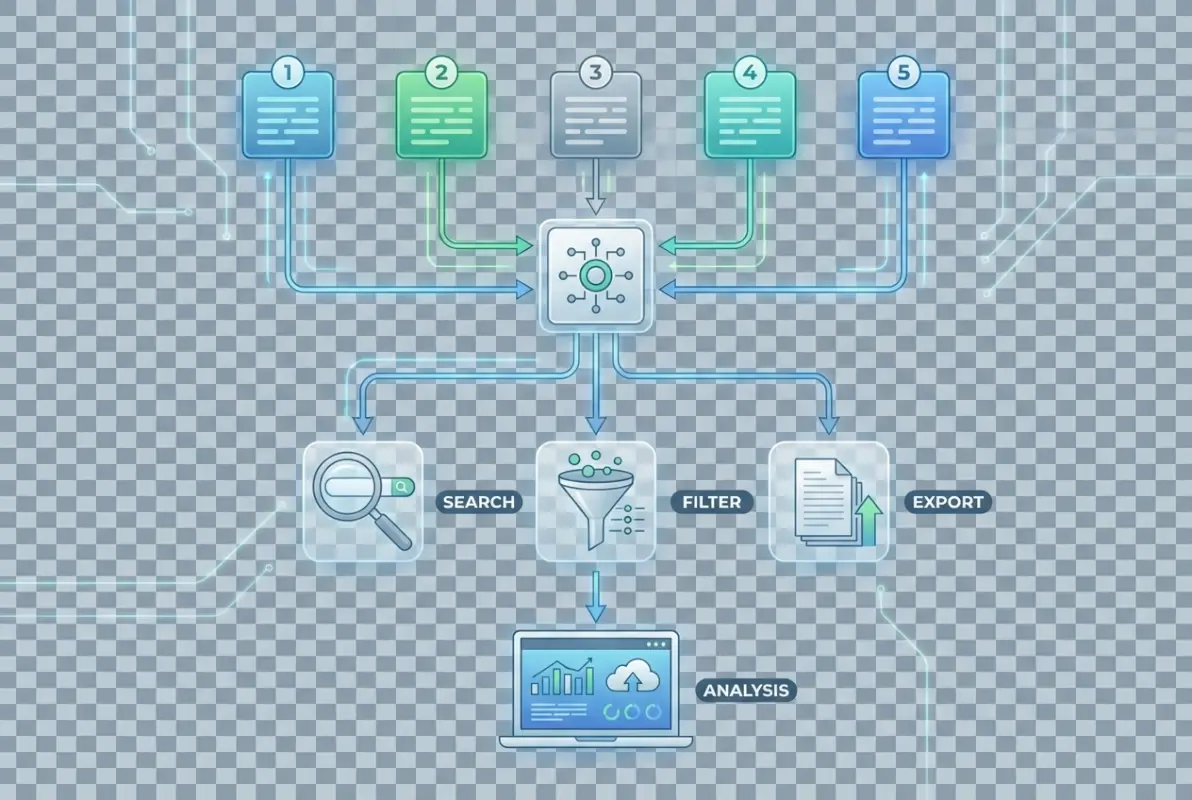
5 Best Free US Business Directory Databases for 2025
TL;DR – Key Takeaways
- Free US business directories remain essential for local SEO and customer discovery in 2025
- Google Business Profile, Yelp, Yellow Pages, BBB, and Chamber of Commerce offer the best free visibility
- Complete, consistent listings across multiple directories generate 3x more leads than partial profiles
- Strategic directory selection based on your industry and audience outperforms listing everywhere
- Regular updates and review management turn directories into passive lead generation machines
Finding your business online shouldn’t feel like searching for a needle in a haystack—but for millions of potential customers, that’s exactly what it’s like when businesses skip directory listings. I’ve watched countless small businesses struggle with visibility, only to see their fortunes change dramatically after claiming just a handful of strategic directory profiles.
The truth about US business directory databases might surprise you: despite the evolution of digital marketing, these platforms continue to drive qualified leads at zero cost. While flashy advertising campaigns drain budgets, free directory listings quietly work around the clock, connecting searchers with exactly what they need.
In 2025, the landscape of business directories has matured significantly. The platforms that survived aren’t relics—they’re refined tools that integrate seamlessly with search algorithms, mobile discovery, and consumer decision-making processes. Whether you’re launching a new venture or expanding an established business, understanding which directories deliver real results can transform your marketing efficiency.
Understanding Business Directories in 2025
A business directory functions as a digital database connecting companies with potential customers through organized, searchable listings. Unlike the bulky phone books of yesterday, today’s directories are sophisticated platforms that integrate with search engines, map applications, and mobile devices to create seamless discovery experiences.
Modern business directories serve multiple stakeholders simultaneously. For consumers, they provide trusted sources to research companies, compare services, read reviews, and make informed decisions. For businesses, they offer visibility platforms that enhance credibility while improving search engine performance. This dual-purpose nature explains why directories remain relevant despite dramatic changes in digital marketing.
According to the Small Business Administration, directories typically organize into three distinct categories, each serving specific marketing objectives:
General Business Directories cast the widest net, listing companies across all industries and locations. These platforms attract diverse audiences seeking various products or services, making them valuable for businesses with broad appeal or those targeting multiple customer segments.
Niche Business Directories concentrate exclusively on specific industries or business types. A healthcare directory, for instance, might list only medical providers, clinics, and health services. This specialization attracts highly qualified traffic—people already interested in your specific industry who are further along in their buying journey.
Local Business Directories prioritize geographic relevance above all else. These platforms excel at connecting nearby customers with local businesses, making them invaluable for brick-and-mortar establishments, service providers, and any company where location matters to the customer decision.
Directory Impact Statistics
of consumers trust online reviews as much as personal recommendations
of consumers use Google Business Profile to find local business information
more leads generated by complete directory profiles versus partial listings
Why Business Directories Matter More Than Ever
The digital marketplace has become increasingly crowded, making differentiation more challenging than ever. Business directories cut through this noise by providing structured environments where customers actively seek solutions. This intent-based discovery represents a fundamental advantage over interruptive advertising methods.
Enhanced Online Visibility: Multiple directory listings create numerous touchpoints where potential customers can discover your business. Each listing represents another opportunity to appear in search results, another path for customers to find you. This multi-platform presence significantly amplifies your digital footprint without proportional increases in marketing spend.
Local SEO Amplification: Search engines use directory listings as validation signals when determining local search rankings. Consistent, accurate information across reputable directories tells algorithms your business is legitimate, established, and relevant. This consistency in NAP (Name, Address, Phone) information powerfully boosts local marketing efforts and overall search visibility.
Trust Building at Scale: Consumers inherently trust established directory platforms. A listing on BBB or Yelp carries implicit endorsement that independent websites struggle to match. This borrowed credibility accelerates trust-building—particularly valuable for newer businesses or those entering competitive markets.
I witnessed this firsthand when consulting for a local bakery. Within three months of optimizing just five strategic directory listings, their foot traffic increased by 30%. The owner initially doubted directories could compete with social media advertising, but the data proved otherwise—directory leads converted at nearly double the rate of paid social traffic.
Top 5 Free US Business Directory Databases
Selecting the right directories requires understanding their unique strengths, audience characteristics, and feature sets. After analyzing hundreds of platforms and tracking performance across diverse industries, these five consistently deliver exceptional value without requiring financial investment.
1. Google Business Profile (Formerly Google My Business)
Google Business Profile dominates the directory landscape simply because it controls the world’s most-used search engine. This direct integration with Google Search and Maps provides unmatched visibility to potential customers at the exact moment they’re searching for businesses like yours.
Core Features:
- Comprehensive business profiles with photos, service descriptions, and product catalogs
- Integrated customer review system with business response capabilities
- Post updates, offers, and announcements directly to search results
- Detailed analytics showing how customers find and interact with your listing
- Seamless integration with Google Maps for location-based discovery
- Question-and-answer section for addressing common customer inquiries
- Booking buttons for appointment-based businesses
Strategic Advantages:
- Directly influences Google’s local search algorithm and map pack rankings
- Captures customers during high-intent search moments
- Mobile-optimized interface reaching users on-the-go
- Click-to-call and get-directions functionality reduces friction
- Free insights into search queries driving profile views
Google Business Profile isn’t optional—it’s foundational. Businesses without optimized profiles essentially surrender visibility on the world’s largest search platform. The platform’s evolution continues adding features that blur lines between directory listing and mini-website, making it increasingly powerful for customer acquisition.
2. Yelp
Yelp transformed from a simple review site into a comprehensive business discovery platform trusted by millions of consumers making purchase decisions. The platform’s strength lies in its review-centric approach and highly engaged user community actively seeking recommendations.
Core Features:
- Detailed business profiles with extensive photo galleries
- Robust review platform with verified user badges
- Category-specific search with advanced filtering options
- “Request a Quote” functionality connecting service businesses with leads
- Business verification process that builds consumer trust
- Check-in features and user tips providing social proof
- Messaging capabilities for direct customer communication
Strategic Advantages:
- Exceptional consumer trust levels across demographic groups
- Strong domain authority enhancing overall SEO performance
- Industry-specific categories attracting pre-qualified traffic
- Mobile app with over 73 million unique monthly visitors
- Particularly valuable for restaurants, retail stores, and consumer services
Yelp’s influence extends far beyond its own platform. Reviews and ratings often appear in Google search results, multiplying your visibility. While the platform offers paid advertising options, the free basic listing provides substantial exposure and credibility without financial commitment.
3. Yellow Pages (YP.com)
Yellow Pages successfully transitioned from print dominance to digital relevance, leveraging decades of brand recognition in the online space. While younger consumers might view it as outdated, the platform maintains strong traffic from demographics with significant purchasing power.
Core Features:
- Traditional directory format with modern digital functionality
- Comprehensive industry categorization spanning virtually all business types
- Verified business listings with trust indicators
- Mobile-responsive design optimized for smartphone users
- Integrated click-to-call functionality
- Review collection and display system
- Enhanced profile options with videos and image galleries
Strategic Advantages:
- Powerful brand recognition particularly among older demographics
- High domain authority passing valuable SEO benefits
- Especially effective for service-based businesses and contractors
- User-friendly interface familiar to broad audience segments
- Significant organic traffic from consumers specifically seeking directory listings
Don’t dismiss YP.com based on preconceptions about relevance. The platform’s digital evolution preserved its core strengths while adding modern functionality. Service businesses—particularly those targeting homeowners and older demographics—consistently report strong lead generation from Yellow Pages listings.
4. Better Business Bureau (BBB)
BBB occupies a unique position in the directory landscape, functioning simultaneously as a business directory, review platform, and trust certification service. The organization’s century-plus history creates credibility that few platforms can match.
Core Features:
- Accreditation system building exceptional consumer confidence
- Letter-grade rating system (A+ through F) based on business practices
- Customer complaint resolution platform demonstrating commitment to satisfaction
- Detailed business profiles with history and background information
- Industry categorization and searchable database
- Verified contact information and ownership details
- Business review collection and response system
Strategic Advantages:
- Unparalleled credibility for trust-conscious consumers
- Attracts customers specifically researching business reliability
- Strong domain authority benefiting backlink profiles
- Particularly valuable for B2B services and high-consideration purchases
- Establishes legitimacy and professionalism quickly
According to the GSA Business Directory, BBB listings rank among the most trusted sources for consumers making significant purchase decisions. While full BBB accreditation requires membership fees, basic business profiles remain free and still provide valuable visibility alongside powerful credibility signals.
5. Chamber of Commerce (ChamberofCommerce.com)
Chamber of Commerce online directories combine local business focus with national reach, creating unique positioning for community-oriented companies. The platform resonates strongly with consumers who prioritize supporting local businesses and value community involvement.
Core Features:
- Comprehensive business profiles with detailed company information
- Geographic organization enabling local discovery
- Industry-specific categorization across business types
- Business verification process ensuring listing accuracy
- Mobile-responsive platform reaching on-the-go searchers
- Integration with local chamber events and networking opportunities
- Community-focused search experience
Strategic Advantages:
- Strong domain authority and established trust signals
- Particularly effective for local businesses targeting nearby customers
- Attracts both B2B and B2C audiences
- Community-focused positioning resonating with “shop local” movements
- Networking opportunities beyond simple listing visibility
Chamber of Commerce online directories shouldn’t be confused with your local chamber membership (though that’s also valuable). This free national platform provides visibility with local context—particularly effective for businesses emphasizing community ties and local service.
Comparative Analysis: Choosing the Right Mix
| Directory | Best For | Primary Strength | Key Demographic |
|---|---|---|---|
| Google Business Profile | All businesses (essential) | Search integration & maps | Universal (all ages) |
| Yelp | Consumer services & retail | Reviews & social proof | 25-54 years old |
| Yellow Pages | Service businesses | Brand recognition | 45+ years old |
| BBB | High-consideration purchases | Trust & credibility | 35-65 years old |
| Chamber of Commerce | Local & community-focused | Local trust & B2B networking | 30-60 years old |
Each platform offers distinct advantages making them suitable for different business contexts. Google Business Profile serves as the foundation—absolutely essential regardless of industry or business model. Its direct search integration provides visibility no other platform can match, though it lacks some specialized features found elsewhere.
Yelp dominates for businesses where customer experience drives decisions—restaurants, salons, retail stores, and personal services. The review-centric approach benefits companies confident in their service quality. However, the platform sometimes struggles with review authenticity issues that require active management.
Yellow Pages delivers broad demographic reach, particularly excelling with older consumers who trust the established brand. Service businesses consistently report strong ROI from YP.com listings. The trade-off is that the platform may feel less cutting-edge compared to newer alternatives.
BBB provides unmatched credibility for businesses where trust is paramount—professional services, contractors, financial services, and major purchases. The limitation is that some consumers only check BBB when already concerned about company reputation, potentially missing general discovery traffic.
Chamber of Commerce balances local focus with national visibility, particularly effective for businesses emphasizing community involvement and B2B opportunities. The platform’s networking focus makes it less valuable for impulse-purchase or purely transactional businesses.
From my consulting experience, combination strategies consistently outperform single-platform approaches. One home renovation client traced nearly 40% of qualified leads to the synergy between Google Business Profile and BBB listings. The key was completely filling out both profiles with identical information and regularly updating them with project photos—this consistency and freshness dramatically boosted visibility and click-through rates across both platforms.
Strategic Directory Selection: Finding Your Perfect Match
Listing your business everywhere possible sounds logical but wastes time and dilutes focus. Strategic directory selection—choosing platforms where your specific customers actually search—yields dramatically better results than blanket coverage approaches.
Identify Where Your Customers Search
Different demographic groups exhibit distinct directory preferences that should guide your selection strategy:
- Millennials and Gen Z rely heavily on Google Business Profile and Instagram-integrated discovery
- Gen X professionals frequently consult Yelp and industry-specific directories
- Baby Boomers continue using Yellow Pages and BBB for research
- B2B decision-makers prioritize LinkedIn, industry directories, and Chamber of Commerce
A trendy coffee shop targeting young professionals should prioritize Google Business Profile, Yelp, and Instagram geo-tagging over Yellow Pages. Conversely, a roofing contractor targeting homeowners benefits more from Yellow Pages, BBB, and local contractor directories than Instagram integration.
Match Directories to Industry Characteristics
Industry alignment significantly impacts directory effectiveness. Consider which platforms naturally attract your customer base:
- Restaurants & Food Services: Yelp and Google Business Profile dominate discovery
- Professional Services: BBB, LinkedIn, and industry-specific directories build credibility
- Home Services & Contractors: HomeAdvisor, Angie’s List, Yellow Pages, and BBB
- Healthcare Providers: Healthgrades, WebMD, Zocdoc, and Google Business Profile
- Retail & Shopping: Google Business Profile, Yelp, and industry-specific marketplaces
The most effective strategies identify 3-5 high-impact directories aligned with both industry and target demographic, then fully optimize those profiles before expanding further.
Evaluate Features Against Business Needs
Directory features vary significantly. Prioritize platforms offering functionality that showcases your specific advantages:
- Visual businesses (restaurants, salons, contractors) need robust photo and video galleries
- Service businesses benefit from quote request and appointment booking features
- Review-dependent businesses require platforms with strong review management systems
- Multi-location businesses need centralized management with location-specific profiles
- Data-driven businesses want detailed analytics showing performance metrics
I once worked with a wedding photography studio that found tremendous value in a niche wedding directory purely because it supported extensive portfolio galleries—a feature missing from most general directories. This seemingly small detail generated significant business by effectively showcasing their work to highly qualified prospects.
Directory Selection Red Flags
- Unsolicited listing invitations: Legitimate directories don’t cold-call demanding “verification fees”
- Guaranteed ranking promises: No reputable platform can guarantee specific placement or lead generation
- Unclear pricing structures: Quality directories transparently disclose all costs upfront
- Poor website quality: Outdated designs and broken features indicate low-value directories
- Missing contact information: Trustworthy platforms provide clear company details and support options
Verify Directory Legitimacy and Value
Before investing time creating listings, assess directory credibility through multiple validation methods:
Domain Authority Analysis: Use tools like Moz’s Domain Authority checker or Ahrefs to evaluate directory strength. Higher scores (50+) indicate established, credible platforms worth your time. Scores below 30 suggest limited SEO value and questionable traffic.
Review Research: Search for reviews of the directory itself from businesses that have used it. Business forums, Reddit threads, and industry groups provide valuable unfiltered insights about platform effectiveness and business practices.
Traffic Verification: Tools like SimilarWeb reveal approximate visitor numbers. Directories with minimal traffic provide limited discovery value regardless of their features or promises.
Listing Quality Assessment: Browse existing listings to evaluate completeness and accuracy. Directories filled with outdated, incomplete, or spammy listings indicate poor quality control and limited value for legitimate businesses.
Competitive Analysis: Check whether respected competitors or industry leaders maintain listings. Their presence often signals directory legitimacy and value, while their absence may indicate platform irrelevance.
I learned this lesson expensively when a previous business invested hours creating a detailed listing on a directory promising “extensive industry exposure.” After completion, I discovered the platform had virtually no organic traffic and existed primarily to sell advertising to listed businesses. This experience taught me to thoroughly vet directories before committing resources—a practice that’s saved countless hours since.
Maximizing Directory Benefits: Beyond Simple Listings
Business directories offer advantages extending far beyond basic visibility. Understanding these additional benefits helps justify the time investment required for proper implementation and explains why these platforms remain marketing staples despite evolving digital landscapes.
Amplified Exposure to High-Intent Audiences
Directory users represent extraordinarily valuable traffic because they’re actively searching for solutions. Unlike interruptive advertising that forces messages onto unwilling audiences, directories engage consumers already in buying mode—often at the crucial research and comparison stage.
This intent-based visibility creates conversion advantages that passive awareness marketing cannot match. When someone searches a directory for “emergency plumbers near me” or “Italian restaurants downtown,” they’re expressing clear, immediate purchase intent. Appearing in these results positions your business directly in the consideration set of motivated prospects ready to make decisions.
Many directories also enable category browsing, allowing users to explore options even without specific search queries. This discovery mechanism introduces your business to prospects who didn’t know to look for you specifically—expanding awareness beyond your established reputation.
Accelerated Credibility and Trust Building
Modern consumers are skeptical by default. Establishing credibility quickly separates successful businesses from struggling competitors. Business directories accelerate trust-building through several powerful mechanisms:
Platform Endorsement: Listing on established directories provides implicit endorsement. A BBB profile or Yelp listing carries borrowed credibility from the platform’s reputation—particularly valuable for newer businesses without established track records.
Verification Signals: Many directories verify business information before listing, creating trust indicators that reassure cautious consumers. These verification badges communicate legitimacy that standalone websites struggle to establish independently.
Social Proof Integration: Customer reviews provide powerful social proof influencing purchase decisions. According to research from Pew Research Center, 82% of consumers read online reviews before making significant purchases, with directory reviews carrying particular weight.
Longevity Indicators: Many directories display establishment dates or membership duration, helping newer companies earn trust through association with the directory’s established reputation.
These key benefits for your business work synergistically to establish credibility faster than most standalone marketing efforts could achieve.
Exceptional Marketing ROI
Perhaps the most compelling directory advantage is exceptional return on investment, especially for small businesses with limited marketing budgets:
| Marketing Method | Average Monthly Cost | Ongoing Effort | Lead Quality |
|---|---|---|---|
| Free Directory Listings | $0 | Minimal (quarterly updates) | High (intent-based) |
| Google Ads | $1,000-$10,000+ | High (daily management) | Medium-High |
| Social Media Ads | $500-$5,000+ | High (constant optimization) | Low-Medium |
| Traditional Print | $500-$3,000+ | Low (periodic placement) | Low (broad reach) |
| Content Marketing | $0-$2,000+ | Very High (constant creation) | High (long-term) |
Zero Ongoing Cost: Many high-quality directories offer basic listings at no cost, providing visibility without financial investment. Even premium directory options typically cost far less than traditional advertising while delivering superior targeting.
Passive Lead Generation: Once created, directory listings continue working continuously without requiring ongoing time investment. While paid advertising stops generating leads the moment you stop paying, directory listings persist indefinitely with only occasional updates needed.
Targeted Audience Reach: Directories naturally filter for relevant audiences through category organization and search functionality. This targeting ensures your marketing reaches people actually interested in your offerings without wasted impressions.
Complementary SEO Benefits: Beyond direct traffic, directories provide valuable backlinks and citations that improve overall search engine rankings. These SEO benefits compound over time, increasing organic visibility across all digital channels.
One financial advisor I worked with discovered his free directory listings generated more qualified leads than his $1,500 monthly Google Ads campaign. The directory leads not only proved more numerous but also converted at nearly double the rate because they came from platforms prospects already trusted. This revelation completely transformed his marketing strategy and budget allocation.
Creating Effective Directory Listings: A Strategic Approach
The difference between mediocre and exceptional directory performance often comes down to listing quality and optimization. Following these steps systematically transforms directories from simple citations into reliable lead generation engines.

Step 1: Compile Comprehensive Business Information
Before creating your first listing, gather all relevant business information in a single reference document. This preparation ensures consistency across platforms and streamlines the submission process:
- Legal business name and DBA (if applicable)
- Complete physical address (including suite numbers)
- Primary phone number with area code
- Website URL (ensure it’s functional and mobile-friendly)
- Professional business email (preferably on your domain)
- Detailed operating hours for each day of the week
- Year established or business founding date
- Multiple description lengths (30-word, 100-word, and 250-word versions)
- Primary and secondary business categories
- Relevant keywords and search terms
- High-resolution square logo (at least 500×500 pixels)
- 10-15 professional photos showcasing business, products, or services
- Owner and key manager names with titles
- All social media profile URLs
- Payment methods accepted
- Professional licenses or certifications with numbers
- Detailed product or service offerings
Having this information compiled prevents the frustrating experience of searching for details while completing forms, reduces errors from rushing, and ensures consistency across all platforms.
Step 2: Develop a Phased Directory Strategy
Rather than attempting to list everywhere simultaneously, implement a strategic, phased approach:
Phase 1 – Essential Foundation (Week 1):
- Google Business Profile (absolute priority)
- Yelp (for applicable businesses)
Phase 2 – Credibility Building (Week 2):
- Better Business Bureau
- Yellow Pages
Phase 3 – Specialized Directories (Week 3-4):
- Chamber of Commerce
- Industry-specific directories relevant to your business
- Local community directories
This phased approach allows careful completion of each listing rather than rushing through many simultaneously, ensures you learn and improve with each submission, and provides time to gather performance data before expanding further.
Step 3: Optimize Each Listing for Maximum Impact
When creating each profile, focus on completeness and strategic optimization:
Claim Existing Listings First: Many businesses already have automatically generated listings from public data sources. Always claim and verify these existing profiles rather than creating duplicates that confuse customers and dilute SEO value.
Complete Every Available Field: Fill out 100% of available fields, including those marked optional. Complete profiles typically rank higher in directory search results and project greater professionalism to potential customers. Even fields that seem minor can influence visibility algorithms.
Optimize Business Descriptions: Write compelling descriptions that naturally incorporate relevant keywords while focusing on customer benefits. Avoid keyword stuffing that sounds robotic—write for humans first, search algorithms second. Structure descriptions with the most important information in the first 50 words since many directories truncate longer content in search results.
Select Precise Categories: Choose the most specific, accurate categories available. Resist the temptation to select marginally related categories hoping to attract broader traffic—this often backfires by showing your business to irrelevant searchers while diluting relevance signals to algorithms.
Add High-Quality Visual Content: Include professional photos that showcase your business, products, services, team, and facilities. Visual content dramatically increases engagement—listings with photos receive 42% more direction requests and 35% more clicks to websites according to Google data. Include variety: exterior shots, interior views, product images, team photos, and work-in-progress shots that demonstrate capabilities.
Incorporate Strategic Calls-to-Action: Where permitted, include subtle calls-to-action encouraging directory users to take next steps. Phrases like “Call today for free consultation,” “Visit our showroom,” or “Book your appointment online” guide prospects toward conversion.
Step 4: Verify Your Listings Properly
Most quality directories offer verification processes confirming you’re the legitimate business owner. Complete these verification steps without exception:
- Phone verification: Automated calls with PIN codes
- Email verification: Confirmation links sent to business email
- Postcard verification: Physical mail with confirmation codes
- Document verification: Uploading business licenses or utility bills
Verified listings receive preferential treatment in search results, display trust badges that reassure potential customers, and unlock additional features not available to unverified profiles. Never skip verification even if it requires waiting for physical mail.
Step 5: Maintain and Update Listings Regularly
Directory listings aren’t “set and forget” marketing tools. Regular maintenance significantly improves long-term performance:
- Schedule quarterly audits of all major listings checking for accuracy
- Update business hours immediately when they change (especially for holidays)
- Add fresh photos every 2-3 months to signal active management
- Respond promptly to all reviews—positive and negative—typically within 24-48 hours
- Update service offerings, pricing, or product information as your business evolves
- Monitor analytics to identify which listings drive the most valuable traffic
- Adjust descriptions and categories based on performance data and seasonal factors
This ongoing attention keeps listings accurate, demonstrates business engagement to both customers and algorithms, and continuously improves effectiveness over time.
Common Directory Listing Mistakes
❌ Avoid These Errors:
- Incomplete profiles missing key information
- Inconsistent NAP (Name, Address, Phone) data
- Outdated business hours or contact information
- Ignoring or delaying review responses
- Using different business names across platforms
- Low-quality or missing photos
- Duplicate listings for the same business
✓ Best Practices:
- Complete every available field thoroughly
- Maintain exact NAP consistency everywhere
- Set calendar reminders for quarterly audits
- Respond to all reviews within 24-48 hours
- Use identical legal business name consistently
- Add professional photos regularly
- Claim and merge duplicate listings immediately
The Critical Importance of NAP Consistency
NAP (Name, Address, Phone) consistency across all directories represents one of the most important yet frequently overlooked optimization factors. Even minor variations—like using “Street” in one listing and “St.” in another—create confusion for both search algorithms and potential customers.
Search engines use NAP consistency as a trust signal when determining local search rankings. Inconsistent information across directories suggests unreliability, potentially lowering your visibility across all search results. Worse, customers encountering different phone numbers or addresses across platforms may question your legitimacy or simply give up trying to contact you.
Maintain absolute consistency in:
- Exact business name spelling and format
- Address formatting (abbreviations, suite numbers, punctuation)
- Phone number format (parentheses, dashes, spacing)
- Website URL (www vs non-www, http vs https)
I once analyzed two competing law firms with similar services, locations, and years in business. The firm with perfectly consistent directory profiles across all platforms generated approximately three times more directory-based leads than the competitor whose listings showed variations in phone formatting, address abbreviations, and business name. The difference came down entirely to NAP consistency and listing completeness—factors requiring no budget, only attention to detail.
Beyond the Basics: Advanced Directory Marketing Strategies
Once you’ve mastered basic directory listings, these advanced strategies can further amplify results and create sustainable competitive advantages.
Strategic Review Management
Reviews represent your most powerful credibility tool on directory platforms. Businesses that respond to reviews are considered 1.7 times more trustworthy than those that don’t according to research from FTC consumer research. Implement systematic review management:
- Set up notifications for new reviews across all major directories
- Respond to positive reviews with personalized thank-you messages
- Address negative reviews professionally, offering to resolve issues offline
- Never argue publicly with reviewers regardless of circumstances
- Implement systematic processes encouraging satisfied customers to leave reviews
- Highlight exceptional reviews in marketing materials and on your website
The goal isn’t perfect five-star averages—paradoxically, businesses with exclusively positive reviews sometimes appear less trustworthy than those with occasional negative reviews professionally addressed. Focus on demonstrating responsiveness and genuine care for customer satisfaction.
Local Directory Expansion
While major national directories provide essential foundation, local directories offer valuable supplementary visibility:
- City-specific business directories maintained by local chambers or media
- Neighborhood community directories and forums
- Local news website business directories
- Regional lifestyle publication directories
These smaller platforms typically have lower competition, making it easier to achieve prominent placement. While individual traffic may be modest, collectively they create substantial local presence while generating valuable local backlinks that boost overall SEO.
Industry Directory Specialization
Nearly every industry has specialized directories catering exclusively to that sector. These niche platforms often deliver extremely high-quality leads because users are already deeply interested in your specific industry:
- Healthcare providers: Healthgrades, Zocdoc, WebMD
- Legal services: Avvo, Martindale-Hubbell, Justia
- Home services: HomeAdvisor, Angie’s List, Thumbtack
- Technology companies: Capterra, G2, TrustRadius
- Restaurants: OpenTable, TripAdvisor, Zomato
While some industry directories charge fees, many offer free basic listings. Prioritize the 2-3 most established directories in your industry rather than attempting to list in every possible niche platform.
For businesses seeking comprehensive directory solutions with advanced features, platforms like TurnKey Directories offer WordPress-based solutions that provide professional directory functionality with complete customization control—ideal for businesses wanting to maximize their directory presence efficiently.
Frequently Asked Questions About US Business Directory Databases
What is a business directory database?
A business directory database is a comprehensive, searchable collection of business listings containing company information such as names, addresses, phone numbers, services, and customer reviews. Modern directories function as digital platforms connecting consumers actively searching for products or services with relevant businesses. These databases organize information by category, location, and other criteria to facilitate easy discovery.
How can I promote my small business for free?
Beyond business directories, effective free promotion methods include optimizing your Google Business Profile, creating valuable content for your website or blog, actively engaging on relevant social media platforms, participating in industry forums and online communities, implementing basic SEO techniques, networking with complementary businesses for cross-promotion, encouraging satisfied customers to leave online reviews, and offering to speak at local events or industry panels. Combining these methods with strategic directory listings creates comprehensive free marketing coverage.
Which are the best free business directory listings in the US?
The most effective free US business directories include Google Business Profile (essential for all businesses), Yelp (particularly valuable for consumer services and restaurants), Yellow Pages (strong for service businesses and older demographics), Better Business Bureau (builds exceptional credibility), and Chamber of Commerce (effective for community-focused and B2B companies). These platforms offer the optimal combination of traffic volume, user trust, and SEO benefits without requiring financial investment.
How do I list my business in online directories?
Listing your business online involves gathering comprehensive business information, prioritizing directories relevant to your industry and audience, creating accounts on each platform, claiming existing automatically generated listings when available, completing profiles with accurate and consistent information, adding high-quality photos and detailed descriptions, verifying your listings through provided verification methods, and regularly monitoring and updating your information. Systematic completion of each step ensures listings are accurate, optimized, and effective for lead generation.
Are business directories still effective in 2025?
Yes, business directories remain highly effective in 2025 because they connect businesses with consumers demonstrating high purchase intent. Unlike interruptive advertising, directories engage users actively searching for specific products or services. Additionally, directories provide valuable SEO benefits through citations and backlinks that enhance overall search visibility. Their effectiveness stems from matching businesses with motivated prospects at crucial decision-making moments—a fundamental advantage that technological changes haven’t diminished.
What are the main benefits of using business directory databases?
Business directories offer numerous strategic advantages including increased visibility to targeted audiences actively seeking your offerings, enhanced credibility through verified listings and customer reviews, improved local SEO through consistent citations and backlinks, cost-effective marketing with exceptional ROI, valuable analytics showing how customers find your business, additional customer touchpoints throughout the buyer journey, competitive intelligence through category browsing, and passive lead generation that continues working without ongoing financial investment.
Can I list my business in multiple directories simultaneously?
Absolutely—listing your business in multiple relevant directories is highly recommended and typically delivers better results than single-platform approaches. The critical requirement is maintaining perfectly consistent NAP (Name, Address, Phone) information across all platforms. This consistency provides better user experience, strengthens local SEO signals, and establishes credibility. Focus on quality directories relevant to your industry and location rather than attempting to list in every possible directory regardless of relevance or quality.
How do I choose the right business directories for my company?
Selecting appropriate directories requires analyzing where your target audience searches, identifying directories with strong performance for your specific industry, evaluating which platforms offer features that showcase your particular advantages, assessing domain authority and traffic levels to ensure listing value, and verifying directory legitimacy through research and competitive analysis. Prioritize 5-7 high-quality, relevant directories and fully optimize those profiles before expanding to additional platforms. Strategic selection outperforms blanket listing approaches.
Are all free business directories reliable and trustworthy?
No—while many free directories provide excellent value, the landscape includes low-quality platforms and occasional scams. Reliable directories typically have established brand recognition, significant user bases, transparent business models, professional website quality, and clear contact information. Warning signs of problematic directories include unsolicited listing invitations demanding fees, guaranteed ranking promises, unclear pricing structures, poor website quality, and lack of verifiable contact information. Always research directories before investing time creating listings, focusing on established platforms with proven track records.
How do business directory listings help with SEO?
Business directories enhance SEO through multiple mechanisms: creating consistent citations that serve as trust signals for search engines, providing backlinks from high-authority domains that improve your site’s authority, increasing your business’s online presence and digital footprint, improving local search rankings through geographic relevance signals, generating additional indexable content about your business across the web, and encouraging user-generated content through reviews that create fresh, relevant content. According to research from Moz’s Local SEO Guide, citation consistency and quality represent critical ranking factors for local search results.
Taking Action: Your Directory Success Roadmap
Business directories represent one of the few remaining marketing channels combining free access, targeted reach, and passive lead generation without ongoing financial investment. When approached strategically rather than haphazardly, these platforms become consistent sources of qualified leads that compound in value over time.
The businesses benefiting most from directories share a common approach: they treat directory listings as integral components of their digital presence rather than afterthoughts. They invest time creating comprehensive, engaging profiles and maintain them consistently with fresh information, photos, and review responses. They understand that directory marketing isn’t about quantity—it’s about quality, consistency, and strategic platform selection.
Your implementation roadmap should begin today rather than tomorrow. Start with Google Business Profile—claim and fully optimize your listing this week. Then systematically expand to other platforms most relevant to your specific business and audience. Don’t attempt to list everywhere simultaneously; instead, focus on thoroughly completing 5-7 high-impact directories before expanding further.
Your 30-Day Directory Success Plan
Week 1: Claim and fully optimize Google Business Profile and Yelp
Week 2: Create complete BBB and Yellow Pages listings with professional photos
Week 3: Add Chamber of Commerce and 2-3 industry-specific directories
Week 4: Implement review request system and set up monitoring/maintenance schedule
Remember that directory results accumulate gradually rather than providing instant gratification. The leads you generate next month result from work you complete today. The compounding benefits of well-executed directory listings provide sustainable marketing advantages that few other free channels can match.
Audit your existing directory presence now. Identify your highest-priority opportunities for improvement. Then take the first concrete step—whether that’s claiming your Google Business Profile, gathering the business information needed for comprehensive listings, or simply setting aside two hours this week to focus exclusively on directory optimization.
Your future customers are already searching. The only question is whether they’ll find you or your competitors. Make directory optimization a priority, implement the strategies outlined in this complete guide, and watch as these free platforms transform into reliable lead generation engines that consistently deliver qualified prospects ready to become customers.
The businesses that win in competitive markets aren’t necessarily those with the biggest budgets—they’re the ones that maximize every available advantage, including the strategic use of free directory platforms that competitors overlook or underutilize. Start building your directory presence today, and give your business the visibility it deserves.