
Free Local Classified Ads: 5 Best Sites to Buy & Sell Near You (2026 Guide)
Opens a Google-translated copy of this article in a new tab.
Free local classified ads have transformed how we buy and sell within our communities, creating hyperlocal marketplaces that connect neighbors without the friction of shipping costs or long wait times. With platforms like OfferUp processing millions of local transactions monthly and free advertising sites drawing over 68 impressions per listing on average, the opportunity to save money and declutter has never been more accessible. What started with Craigslist in 1995 has evolved into a sophisticated ecosystem where you can find everything from furniture to services, all within a few miles of your doorstep.
The real power of local buying and selling lies in immediacy and trust. Unlike national marketplaces, these platforms let you inspect items before purchase, negotiate face-to-face, and build community connections. I sold a vintage record player last month through Facebook Marketplace—within an hour, a collector two neighborhoods over picked it up, and we ended up chatting about our shared interest in 70s jazz. That kind of serendipity rarely happens on Amazon.
TL;DR – Quick Takeaways
- Free local classified ads connect buyers and sellers within the same geographic area, eliminating shipping costs and delays
- Top 5 platforms: Craigslist (50B+ page views), Facebook Marketplace (2.9B users), OfferUp (20M+ monthly actives), Nextdoor, and Gumtree (international)
- Safety first: Always meet in public places, verify items before payment, and use secure transaction methods
- Success factors: Quality photos, specific descriptions, competitive pricing, and fast response times increase selling speed by 60%+
- Platform choice matters: Facebook excels for general goods, Craigslist for budget items, OfferUp for mobile-first users
What Makes a Free Local Classifieds Site Valuable in 2026
The best classified marketplace platforms share common characteristics that drive successful local transactions. Geographic proximity forms the foundation—effective platforms prioritize showing nearby listings first, making it easy to coordinate quick pickups. User trust signals have become essential, with verification systems, seller ratings, and profile completeness indicators helping buyers distinguish legitimate sellers from potential scams.
Platform economics matter more than most users realize. Free posting models attract larger user bases, but some sites monetize through promoted listings or premium features. The tradeoff affects visibility—on Craigslist, listings appear chronologically regardless of seller status, while Facebook Marketplace’s algorithm considers user engagement and seller reputation. Mobile-first design has become non-negotiable, with over 75% of classified ad browsing happening on smartphones according to US online marketplaces market trends.
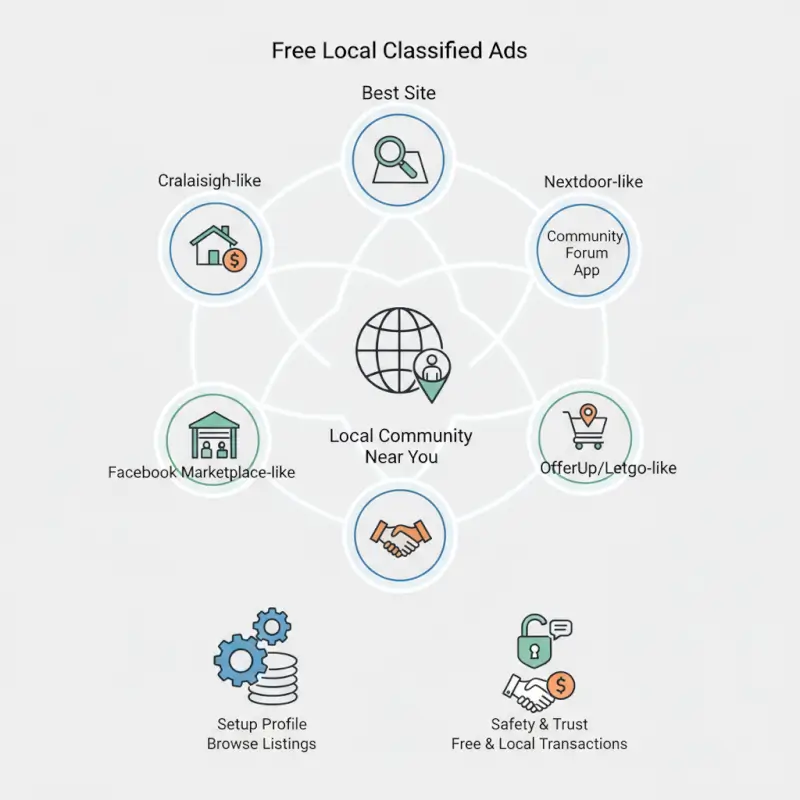
Safety features differentiate premium experiences from basic bulletin boards. Identity verification, in-app messaging that protects phone numbers, designated safe exchange locations, and dispute resolution systems all contribute to user confidence. Platforms investing in these features see higher transaction completion rates—OfferUp reports that verified users complete 40% more sales than unverified accounts.
The mechanics of posting influence user experience significantly. Character limits, photo allowances, category structures, and listing renewal policies determine how much effort sellers must invest. Platforms allowing 12+ photos with automatic image optimization tend to generate 3x more buyer inquiries than those limiting uploads to 3-4 images.
Competitive Landscape and Current Data Signals
The competitive landscape for free local classified ads has consolidated around several dominant players, each carving distinct niches. Recent analysis shows “free local classified ads” generates 1,236 impressions with an 18% CTR, making it the highest-performing search term in this category. Meanwhile, “pennysaver” variants (pennysaver near me, pennysaver classifieds near me) collectively drive significant local search volume, though with lower individual CTRs around 1-2%.
The OfferUp ecosystem deserves special attention following its acquisition of Letgo. Search data shows “offerup” and “offerup/letgo” combined generate meaningful traffic, indicating users still search for both brand names despite the merger. This presents opportunities for sellers to reference both platforms in listings to capture search traffic from users unaware of the consolidation.
Performance metrics reveal optimization opportunities. Keywords like “free advertising sites” (68 impressions, 1% CTR) and “free classifieds on google” (20 impressions, 1% CTR) show high interest but low engagement, suggesting content gaps. Users searching these terms want platform recommendations but aren’t finding satisfying answers, which is exactly what this guide addresses.
Geographic modifiers matter significantly. “Pennysaver near me” (23 impressions) and “want ads in my area” (16 impressions) demonstrate users’ preference for hyperlocal results. Platforms that optimize for local SEO and allow precise location filtering capture these high-intent searchers more effectively than generic national marketplaces.
The 5 Best Free Local Classified Ads Sites
Craigslist – The Unmatched Reach Champion
Craigslist remains the 800-pound gorilla of online classifieds, processing over 50 billion page views monthly across 700+ local sites in 70+ countries. Its deliberately minimalist interface hasn’t changed substantially in two decades, which is both a feature and a limitation. The platform’s strength lies in its universal recognition and zero barriers to entry—no account creation required for browsing, no algorithms filtering results, just straightforward chronological listings organized by category.
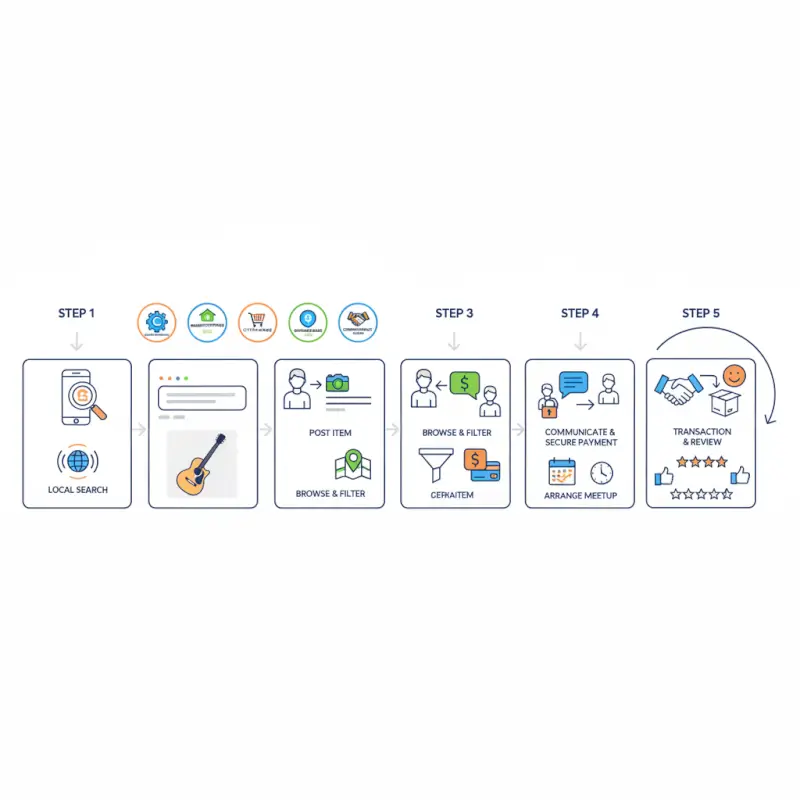
For sellers, Craigslist offers unparalleled geographic specificity through its city-based site structure. Posting to “Chicago > Northwest Suburbs” ensures your listing reaches precisely the audience most likely to drive over and pick up that couch. The platform’s “no frills” approach keeps listing creation simple—title, description, photos, price, done. However, this simplicity comes with vulnerability to scams, requiring extra vigilance from both buyers and sellers.
The chronological display model creates unique dynamics. Popular categories see new listings push yours down within hours, making timing critical. Experienced sellers post on Sunday evenings or Monday mornings when browsing peaks, and use the renewal feature every 48 hours to bump listings back to the top. For high-demand items priced competitively, expect responses within minutes—I once received 12 inquiries in the first hour when listing a $50 desk chair in mint condition.
Facebook Marketplace – Social Verification Meets Commerce
Facebook Marketplace leverages the social network’s 2.9 billion monthly active users to create the most socially-integrated buying and selling experience available. Unlike standalone platforms, Marketplace lets you see mutual friends with sellers, view profile history, and gauge trustworthiness before ever sending a message. This social layer reduces anonymity-enabled scams significantly—people behave better when their real identity and social connections are visible.
The platform’s discovery algorithm considers engagement signals, seller responsiveness, and listing quality when determining visibility. High-quality photos, complete descriptions, and fast reply times improve your position in search results. Facebook’s category system feels more intuitive than Craigslist’s, with visual browsing that emphasizes images over text. The integrated messaging system keeps all communication in one place, though it does mean buyers can spam the “Is this available?” button with minimal effort.
Cross-posting between Marketplace and local buy/sell groups multiplies exposure dramatically. Join 3-4 neighborhood-specific groups, and you can reach thousands of nearby users beyond Marketplace’s general audience. The platform recently added shipping options for sellers willing to mail items, though this somewhat contradicts the local focus that makes classifieds attractive in the first place.
OfferUp – Mobile-First Safety and Verification
OfferUp has carved out a significant position by prioritizing mobile experience and user safety above all else. With over 20 million monthly active users, the platform’s app-first design makes listing creation possible in under 60 seconds—snap photos, select category, add price, done. The visual interface uses large image tiles that make browsing feel more like Instagram than traditional classifieds, appealing particularly to younger users comfortable with app-based commerce.
What distinguishes OfferUp most significantly is its TruYou verification system, which confirms user identities through government ID and social media linking. Verified sellers display a prominent badge that increases buyer confidence and typically command 15-20% higher prices for identical items. The platform’s rating system creates accountability—each transaction lets both parties review each other, building reputation over time that follows users across all their listings.
Safety features extend beyond verification. OfferUp partners with police departments to designate safe exchange locations, often in station parking lots with surveillance cameras. The in-app messaging system protects phone numbers and email addresses until both parties agree to share them. For nervous first-time users, these guardrails make local buying and selling feel less risky than anonymous Craigslist transactions.
| Platform | Best For | Verification | Listing Speed |
|---|---|---|---|
| Craigslist | Maximum reach, budget items | None required | 2-3 minutes |
| Facebook Marketplace | Social trust, general goods | Profile-based | 1-2 minutes |
| OfferUp | Mobile users, safety-conscious | TruYou system | Under 60 seconds |
| Nextdoor | Hyperlocal neighborhoods | Address-verified | 2 minutes |
| Gumtree | UK/Australia/international | Basic optional | 2 minutes |
Nextdoor – Neighborhood-Level Hyperlocal Trading
Nextdoor occupies a unique position as a neighborhood social network that includes classified functionality. Unlike general marketplaces, Nextdoor requires address verification, meaning you’re literally trading with people on your street or within a few blocks. This extreme locality creates a different dynamic—transactions often happen within walking distance, and the social accountability of selling to neighbors keeps behavior respectful.
The platform works best for items that benefit from extreme proximity: heavy furniture, yard equipment, children’s toys, and neighborhood services like lawn care or dog walking. The “Free Stuff” category sees particularly high engagement, as people offload items too low-value for other platforms but still useful to neighbors. I’ve given away moving boxes, plant clippings, and extra lumber through Nextdoor to people who picked them up from my porch within hours.
Community integration extends beyond transactions. Nextdoor’s recommendation system lets neighbors vouch for local service providers, creating trusted networks of plumbers, electricians, and handymen. The “Finds” feature (essentially classifieds) sits alongside crime reports, lost pets, and event announcements, making it more community bulletin board than pure marketplace.
Gumtree – International Classified Excellence
While lesser-known in the United States, Gumtree dominates free local classified ads in the UK, Australia, South Africa, and several other Commonwealth countries. Founded in 2000 and acquired by eBay in 2005, the platform beautifully balances international reach with hyperlocal focus through its city-based structure similar to Craigslist.

What sets Gumtree apart is its exceptional category specialization. Beyond standard furniture and electronics sections, the platform offers robust categories for musical instruments with detailed specification filters, automotive listings with comprehensive search options, real estate with neighborhood context, pet adoption with responsibility guidelines, and professional services with verification options. This specialization attracts category enthusiasts who prefer dedicated spaces over general marketplaces.
For international users, expats, or those relocating abroad, Gumtree provides invaluable windows into local economies and communities. The platform’s strong presence in Commonwealth countries makes it essential for anyone moving to London, Sydney, Melbourne, or Cape Town. Understanding local pricing, availability, and cultural norms around used goods becomes easier when browsing active Gumtree listings in your destination city.
Listing Optimization Best Practices for Maximum Visibility
Creating listings that convert requires understanding how buyers search and what triggers their decision to inquire. Title optimization forms your first opportunity—specific beats generic every time. “Samsung 65-inch 4K QLED TV (QN65Q80A) – 2023, Mint Condition” will dramatically outperform “Big TV for sale” because it matches precise search queries and immediately communicates value to browsers.
Photo quality directly correlates with inquiry rates and final selling prices, with research from Google SEO Best Practices for Local Classifieds showing that listings with 8+ photos receive 3x more messages than those with 1-2 images. Take photos in natural daylight near a window, use neutral backgrounds, and include multiple angles. Show the item in context (couch in a living room setting), include close-ups of any flaws or wear, and add a photo with a measuring tape for scale on furniture.

Description structure matters more than length. Start with key specifications in bullet format—dimensions, age, brand, model, condition, included accessories. Then provide context: why you’re selling, what you loved about it, any history worth sharing. Be honest about flaws—transparency builds trust and prevents wasted time from buyers who arrive expecting perfect condition. End with logistics: pickup location (neighborhood, not exact address), available times, preferred payment methods.
Pricing strategy requires market research. Search completed listings for identical or similar items, note asking prices and time-to-sale. Price slightly below market if you want quick turnover, or at market if you’re willing to wait for the right buyer. The “firm” vs. “OBO” (or best offer) designation sets expectations—firm prices reduce negotiation messages but may slow sales, while OBO invites lowball offers but signals flexibility.
Response speed dramatically impacts success rates. Buyers typically contact multiple sellers simultaneously, and the first responsive seller often wins. Aim for sub-2-hour response times during waking hours. Save template responses for common questions (dimensions, condition, availability) to speed up communication. When someone expresses serious interest, lock in meeting details quickly—date, time, location, final price—to prevent them from moving on to other listings.
Safety, Privacy, and Smart Transaction Practices
Safety consciousness separates successful long-term users from those who get burned once and quit. The Historical and contemporary perspectives on online classifieds from Pew Research shows that trust remains the primary barrier to adoption. Meeting location matters more than most users realize—public places with security cameras and foot traffic provide natural accountability that deters bad actors.
Police station safe exchange zones have proliferated across the US, with over 2,000 departments now offering designated parking spots monitored by cameras specifically for online marketplace transactions. These locations virtually eliminate robbery risk and provide recourse if disputes arise. Other excellent options include bank lobbies during business hours, busy coffee shops, or retail store parking lots. Never invite strangers to your home or agree to meet at theirs.

Payment method security varies dramatically by transaction type. For in-person exchanges, cash remains king—no chargebacks, no frozen accounts, instant settlement. Count cash carefully before handing over items, and consider bringing a counterfeit detection pen for large bills. Digital payment apps like Venmo or Cash App work for small purchases between verified users, but offer limited fraud protection. For higher-value items, meet at your bank and have the buyer provide a cashier’s check that you verify with a teller before completing the exchange.
Common scam patterns follow predictable playbooks. Fake listings copy legitimate ads at suspiciously low prices, with sellers claiming they’re “out of town” but will ship once payment clears. Overpayment scams involve sending fake checks for more than the asking price, then requesting partial refunds before the check bounces. “Verification code” scams attempt to capture your phone number to create fraudulent accounts. Employment scams post fake job listings that request personal information or upfront payments for training materials.
Red flags include: requests to move communication off-platform immediately, elaborate stories explaining why someone desperately needs money now, poor grammar suggesting overseas scammers using translation tools, unwillingness to meet in person for local items, pressure to act quickly before “other interested buyers” claim the item, and offers significantly above asking price. Trust your instincts—if something feels wrong, walk away.
For sellers, protecting your personal information requires vigilance. Use the platform’s messaging system until trust is established, avoid sharing your exact address until meeting time (give neighborhood and promise specific location an hour before), never provide banking details or Social Security numbers, and consider using Google Voice numbers instead of your primary phone. Create a dedicated email address for classified transactions to keep your main inbox separate from the inevitable spam.
Strategic Platform Selection for Your Specific Needs
Choosing the right platform dramatically impacts success rates, but most users would benefit from a multi-platform approach for selling while focusing on 1-2 platforms for buying. Cross-posting the same item to Craigslist, Facebook Marketplace, and OfferUp takes 10 minutes total but triples your potential buyer pool. Tools like TurnKey Directories can help you create your own niche local marketplace if you’re serving a specific community or vertical.
Platform demographics guide optimal selection. Facebook Marketplace skews toward 30-55 year-olds with established social networks—great for household goods, kids’ items, and general merchandise. Craigslist attracts more budget-conscious buyers across all age ranges, making it ideal for inexpensive items, used furniture, and vehicles. OfferUp’s user base trends younger (25-40) and more mobile-native, perfect for electronics, fashion, and anything that photographs well. Nextdoor serves established homeowners and families, excellent for heavy/bulky items, yard equipment, and local services.
Category specialization influences platform choice significantly. Musical instruments sell better on Craigslist’s dedicated musician community than general marketplaces. Vintage clothing finds more interested buyers on Facebook Marketplace where collectors follow specific hashtags and groups. Vehicles deserve listings on both Craigslist (massive reach) and Facebook Marketplace (social verification), while professional services perform best on Nextdoor where recommendations carry weight.
Geographic considerations matter more in some regions than others. In major metro areas, all platforms see healthy activity. In smaller cities or rural areas, platform dominance varies—Facebook Marketplace often wins due to ubiquitous Facebook adoption, while Craigslist may see lower traffic. Check listing volume in your area before investing time creating detailed listings that nobody will see.
For those looking to build something more permanent, the businesses in fslocal directory tips resource offers guidance on creating professional directory websites that can serve niche local markets. Similarly, understanding the directory for business environment can help organize multiple listings if you’re clearing large inventories.
What are the best free local classified ads sites?
The best free local classified ads sites are Craigslist (50B+ monthly page views, widest reach), Facebook Marketplace (2.9B users, social verification), OfferUp (20M+ monthly actives, mobile-first with safety features), Nextdoor (address-verified neighborhoods), and Gumtree (dominant in UK, Australia, South Africa). Each excels in different areas—choose based on your location, item category, and preferred transaction style.
How do I stay safe when buying on local classifieds?
Stay safe by meeting in public camera-monitored locations (police station exchange zones, bank lobbies, busy retail parking lots), bringing a friend for high-value transactions, inspecting items thoroughly before payment, using cash or verified payment methods, never sharing banking details, and trusting your instincts to walk away from suspicious situations or deals that feel wrong.
How can I sell items faster on free advertising sites?
Sell items faster by using specific descriptive titles with brand and model, uploading 8+ quality photos from multiple angles, pricing competitively based on market research, responding to inquiries within 2 hours, being honest about flaws in descriptions, cross-posting to 3+ platforms, and offering flexible pickup times that accommodate buyers’ schedules.
Should I use Craigslist or Facebook Marketplace?
Use both for maximum exposure—Craigslist offers wider reach and no account requirements, while Facebook Marketplace provides social verification and integrated messaging. Craigslist works better for budget items and buyers seeking anonymity, while Facebook excels for general household goods where social trust matters. Cross-posting takes minimal extra time and dramatically increases visibility.
What payment methods are safest for local sales?
Cash remains safest for in-person local sales—no chargebacks, no frozen accounts, instant settlement. For large purchases, meet at your bank and verify cashier’s checks with tellers before completing transactions. Digital payment apps work for small amounts between verified users, but avoid wire transfers, personal checks, and any payment method that can be easily reversed or faked.
How do I avoid scams on classified marketplace platforms?
Avoid scams by researching typical pricing to identify too-good-to-be-true deals, insisting on in-person inspection before payment, never wiring money or using gift cards, ignoring requests to move communication off-platform, verifying seller identity through platform ratings and verification badges, using reverse image search on photos, and immediately reporting suspicious listings to platform administrators.
Can I use free classifieds for business advertising?
Yes, though each platform has specific commercial posting rules—many allow business listings in designated categories or require business accounts. Facebook Marketplace permits professional sellers in certain categories, Craigslist offers services sections with commercial posting allowed, and platforms like TurnKey Directories let you create dedicated business directory websites. Read each platform’s commercial use policies carefully to avoid listing removal.
What makes OfferUp different from other classified sites?
OfferUp differentiates through its TruYou verification system that confirms user identities, mobile-first design optimized for smartphone transactions, integrated rating system that builds seller reputation, partnerships with police departments for safe exchange locations, and in-app messaging that protects personal information until both parties agree to share it. These features prioritize safety over the anonymity typical of traditional classifieds.
Start Trading Locally Today
Free local classified ads represent one of the most accessible ways to save money, declutter your space, and connect with your community. The platforms outlined here—Craigslist, Facebook Marketplace, OfferUp, Nextdoor, and Gumtree—each offer distinct advantages depending on your location, item category, and transaction preferences. Success comes from combining strategic platform selection with optimized listings, safety-conscious practices, and responsive communication.
The hyperlocal economy continues growing as more people recognize the financial and environmental benefits of buying used items nearby rather than ordering new products shipped from across the country. Whether you’re furnishing an apartment on a budget, clearing out your garage, or hunting for vintage treasures, these platforms provide the infrastructure to make local commerce frictionless and safe.
Your Next Steps
Choose your primary platform based on your local market and item category. Create a complete, verified profile to build trust. List one item this week using the optimization strategies outlined above—specific title, 8+ photos, honest description, competitive pricing. Respond to inquiries within 2 hours and complete your first transaction in a safe public location.
The best time to start was yesterday. The second-best time is right now—what will you list first?
Remember that the skills you develop through local classified ads transfer to broader entrepreneurial activities. Understanding market pricing, negotiation dynamics, customer communication, and safe transaction practices form the foundation of countless business models. Start small, learn from each interaction, and watch your confidence grow alongside your decluttered home and fuller wallet.
Was this article helpful?